
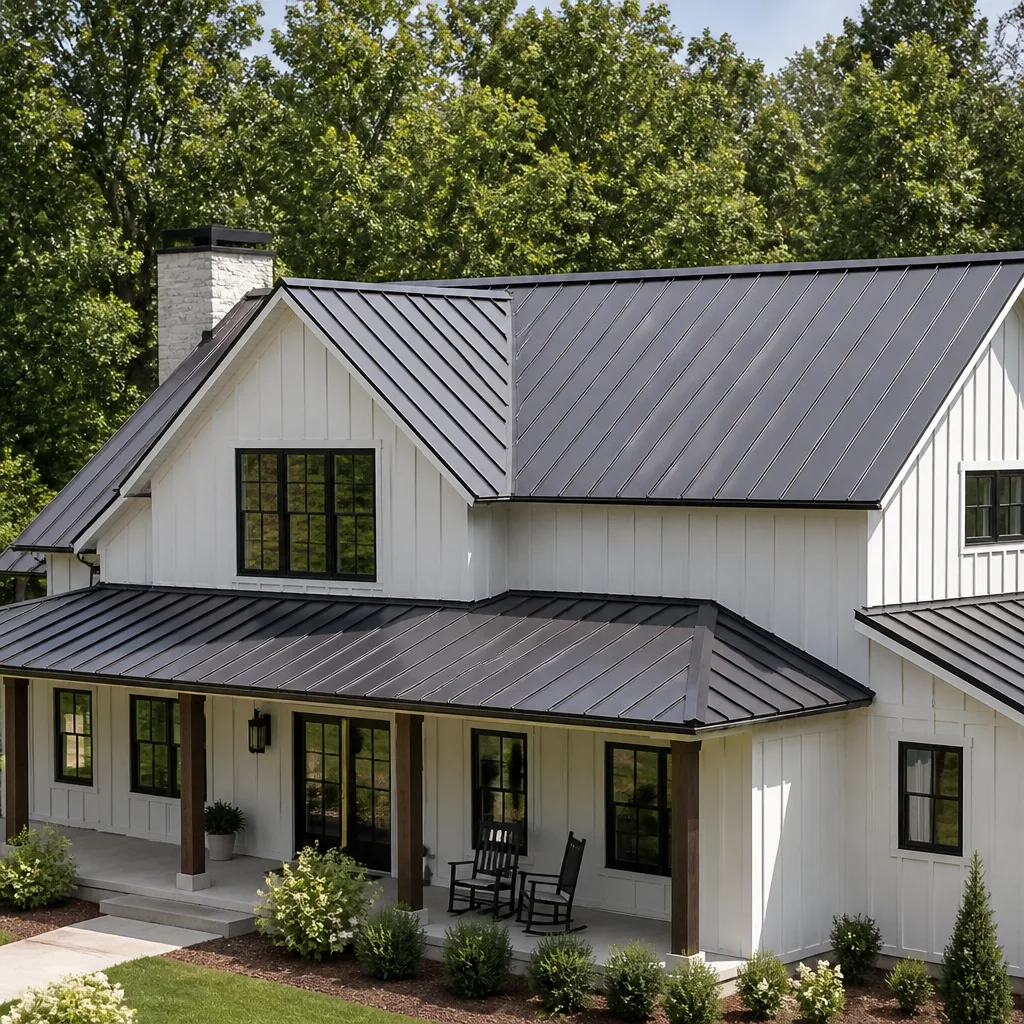
 Metal roofing
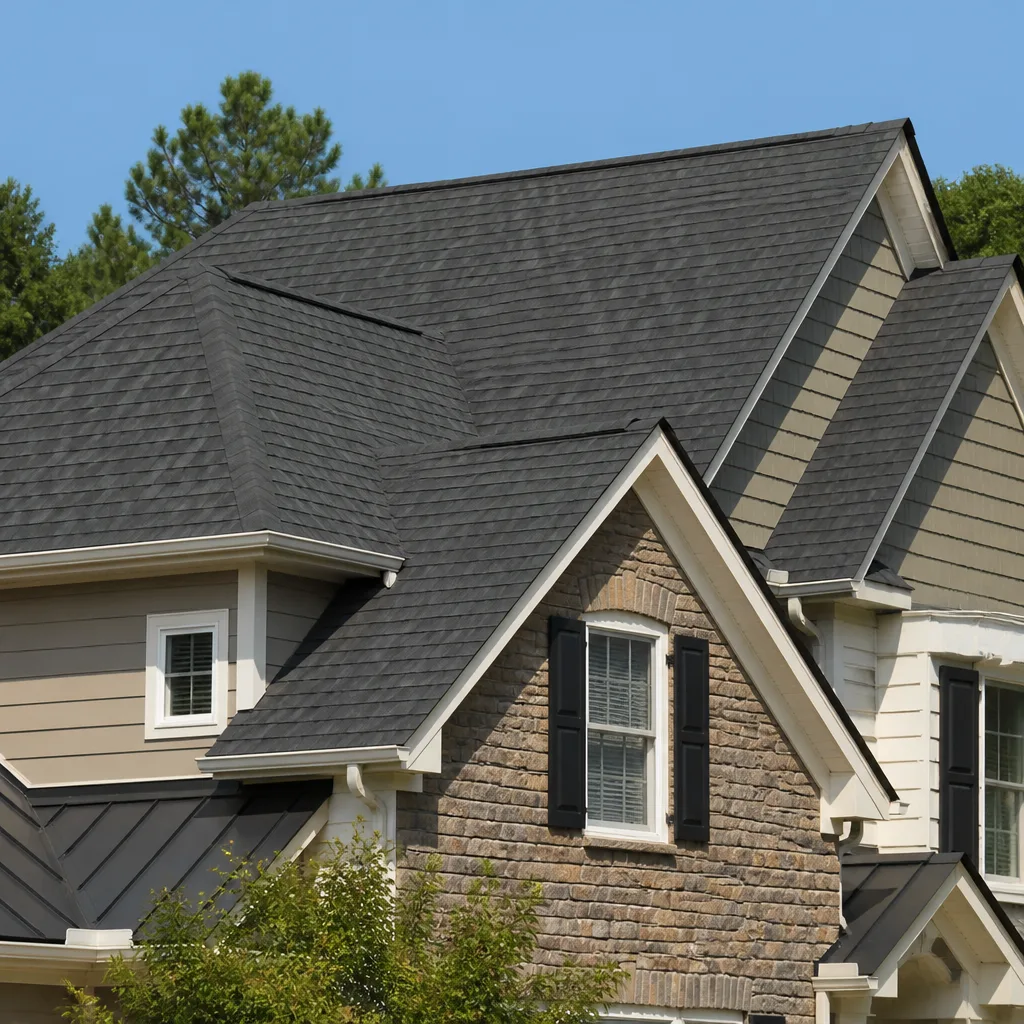 Architectural shingles
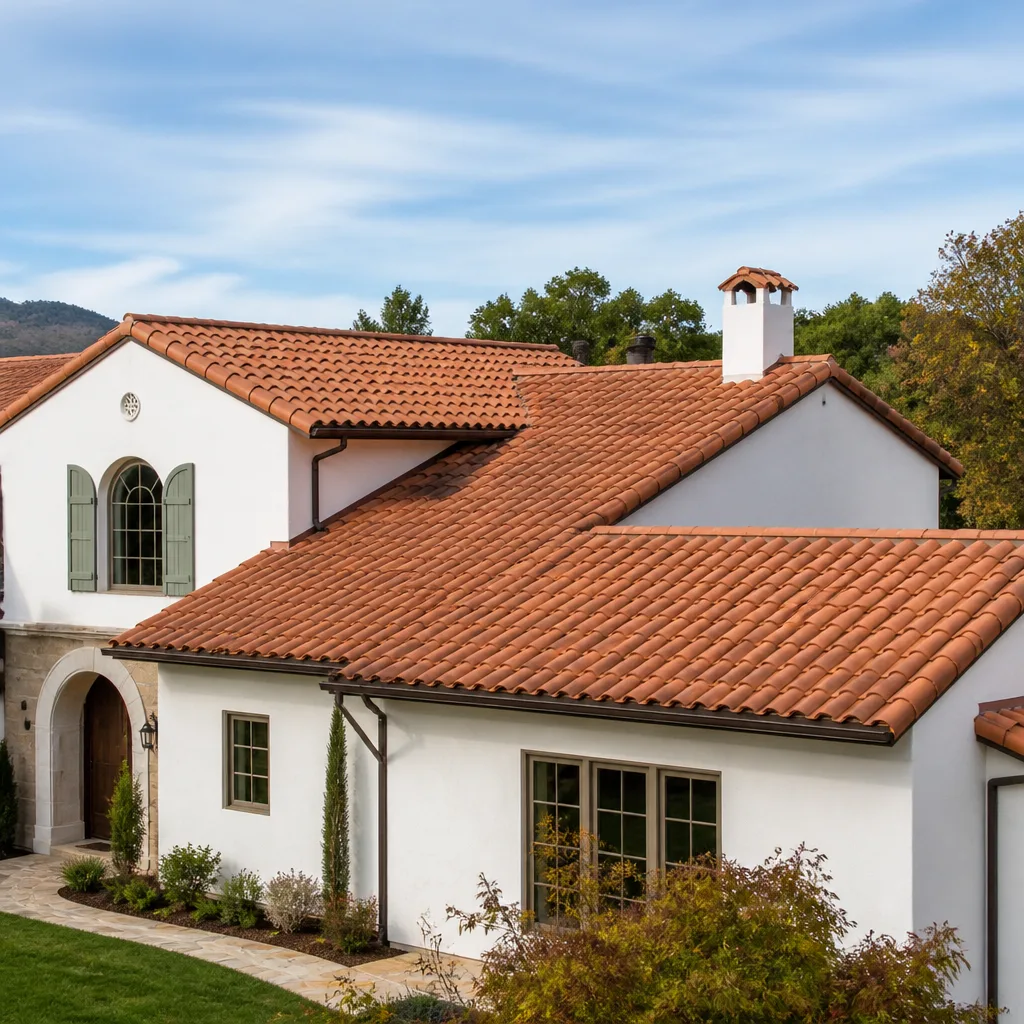 Tile roofing
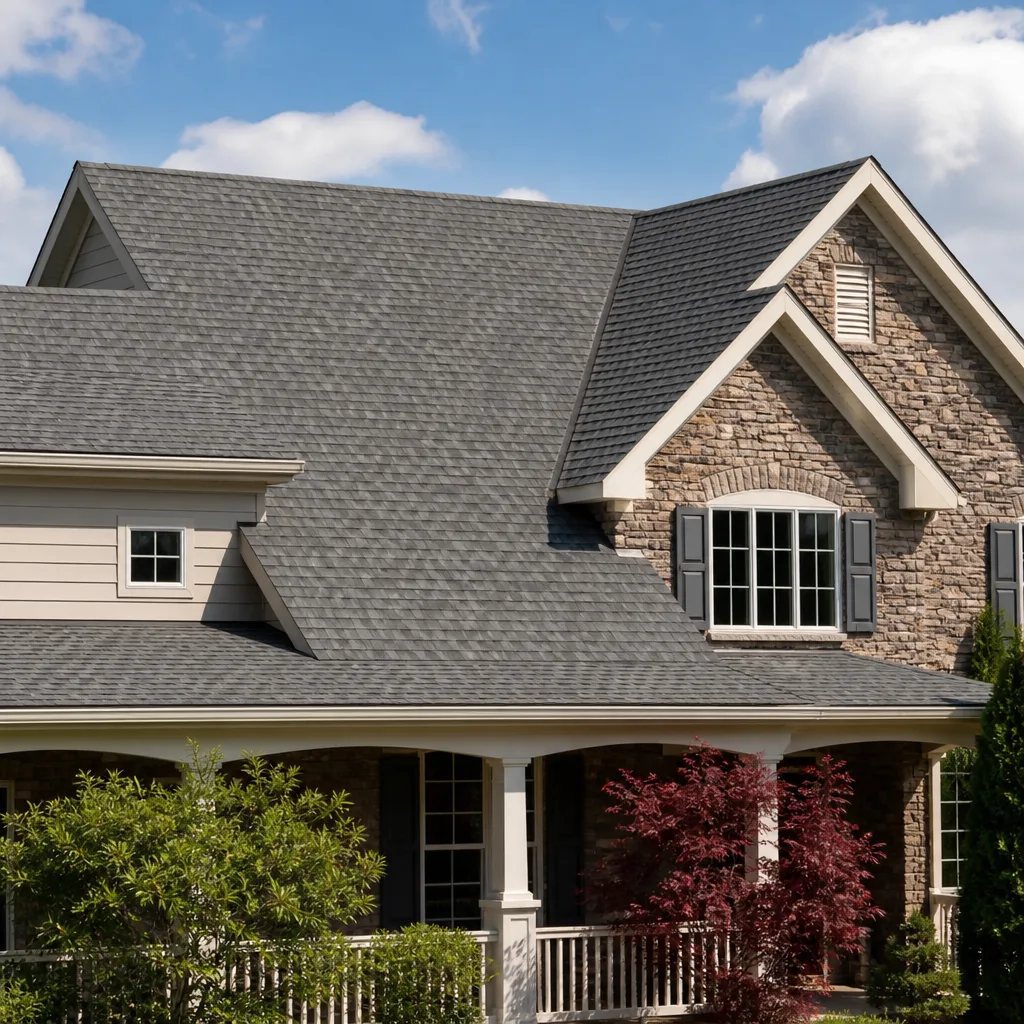 GAF
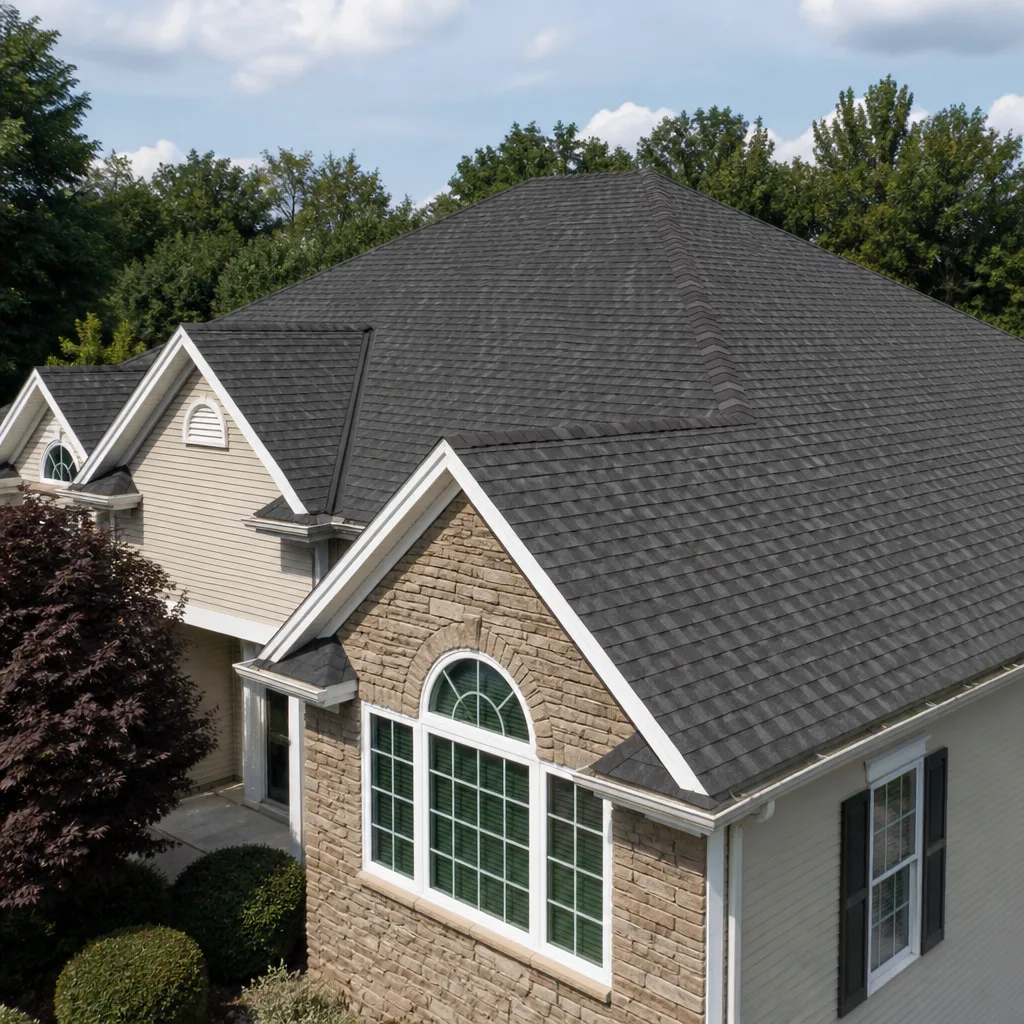 Owens Corning
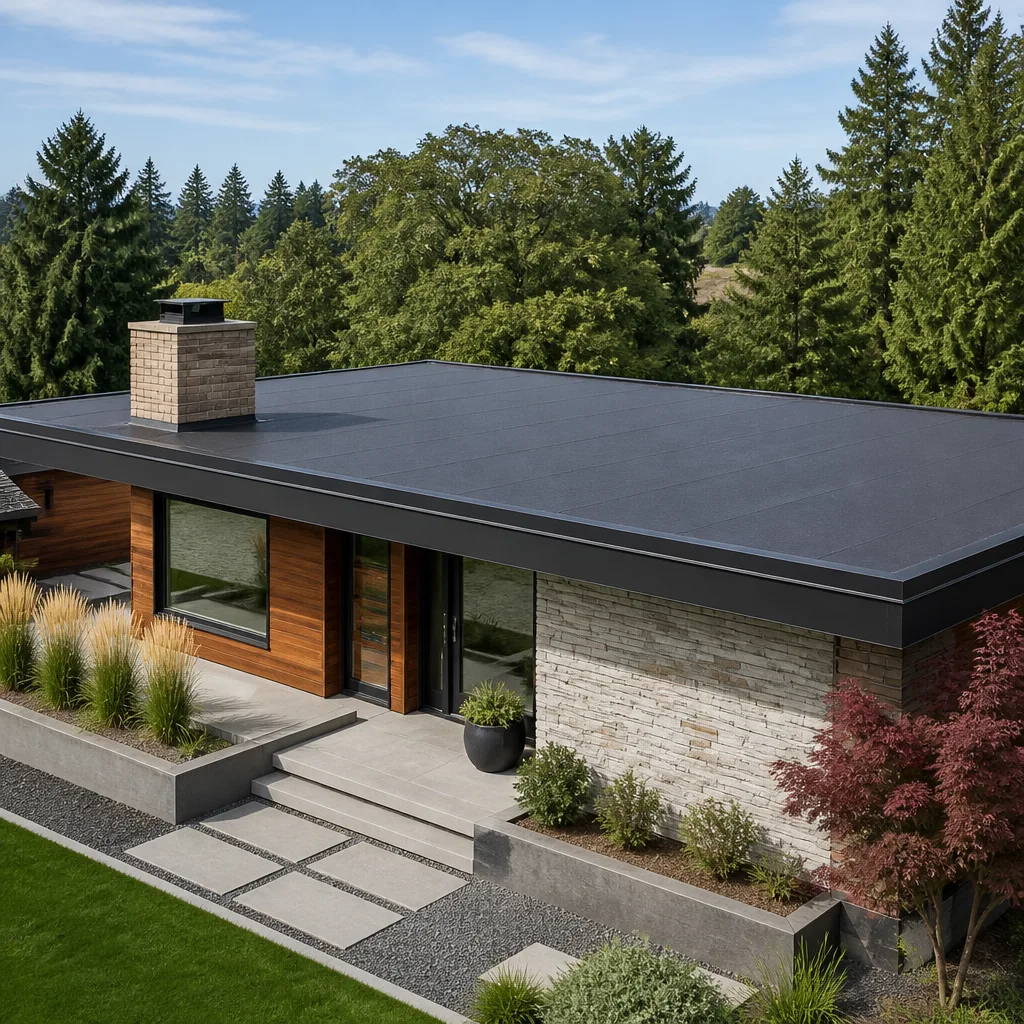 Flat & low-slope
Free roof inspection with deck photos before we talk money - GAF and Owens Corning certified installation
Styles & brands we work with
- Architectural shingles
- Metal roofing
- Tile roofing
- GAF
- Owens Corning
- Flat & low-slope
See the difference
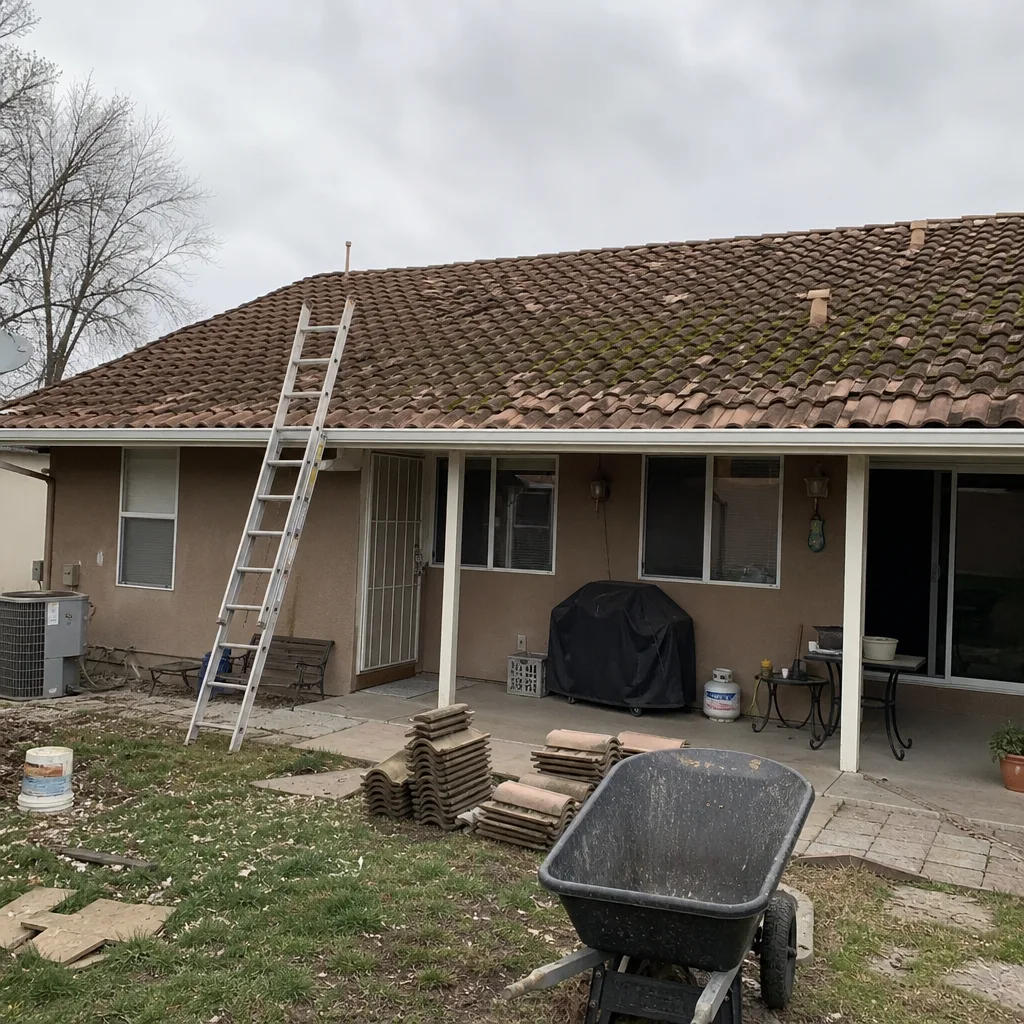 Before
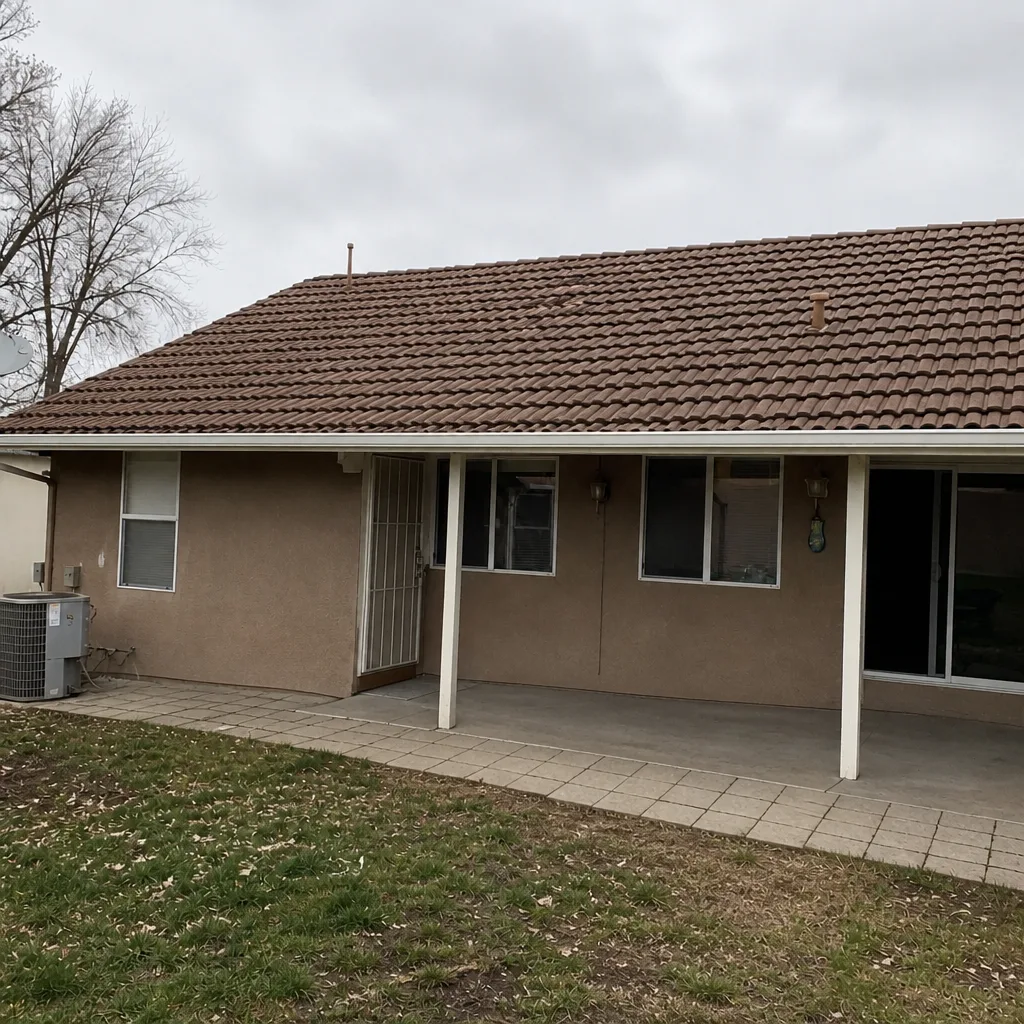 After
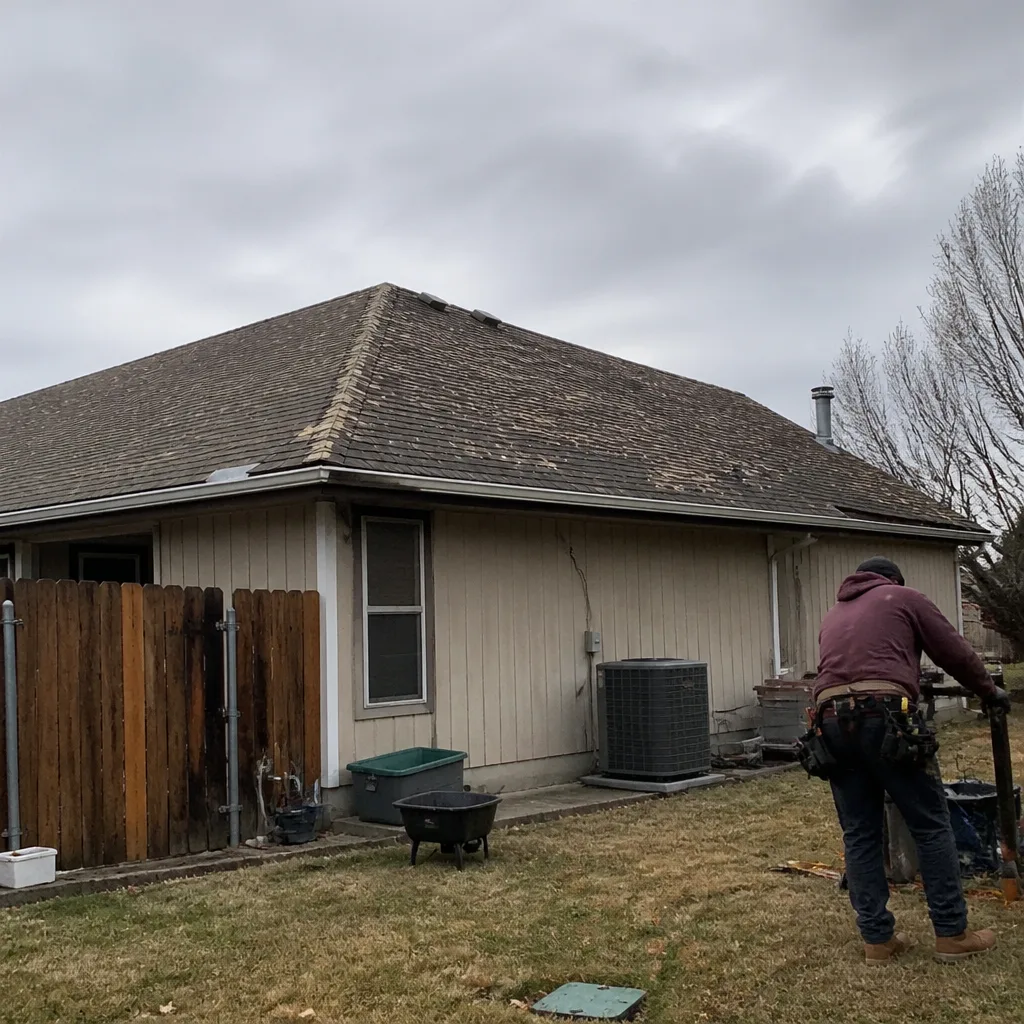 Before
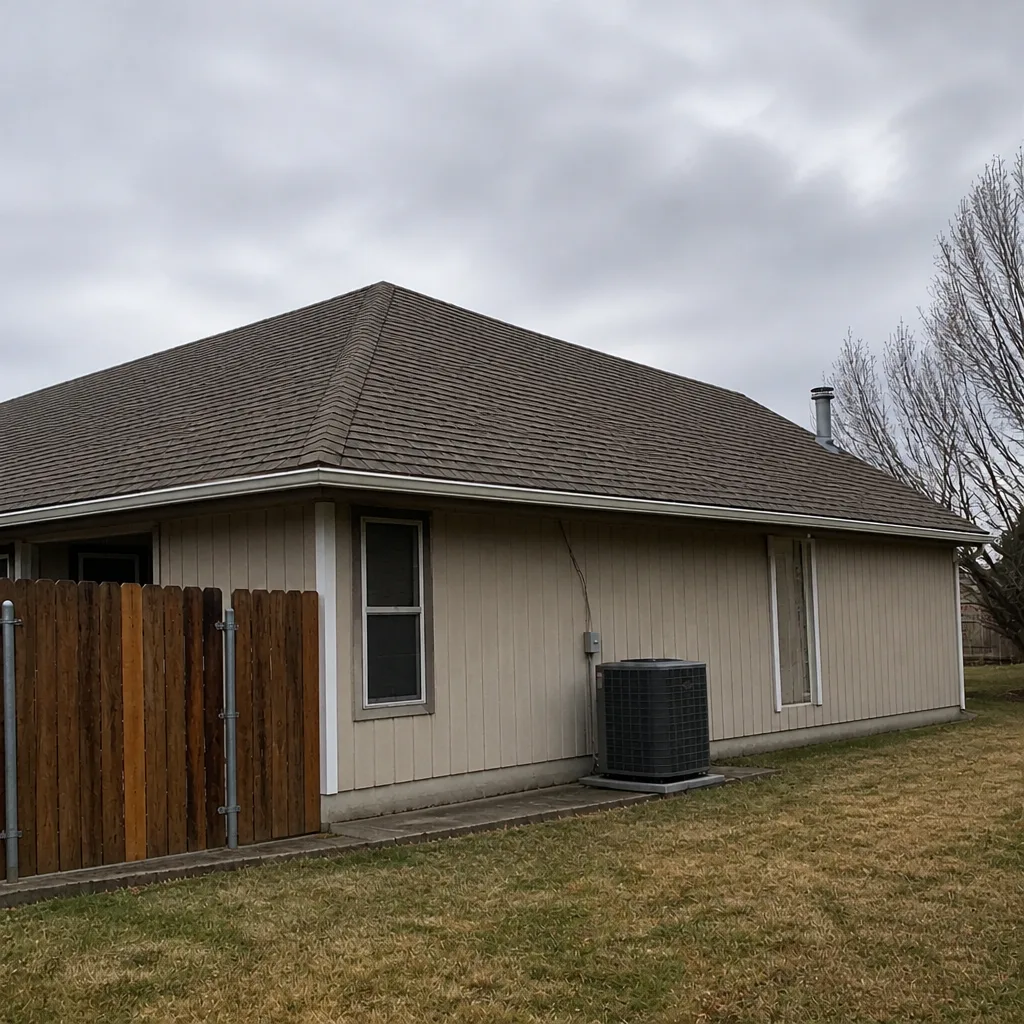 After
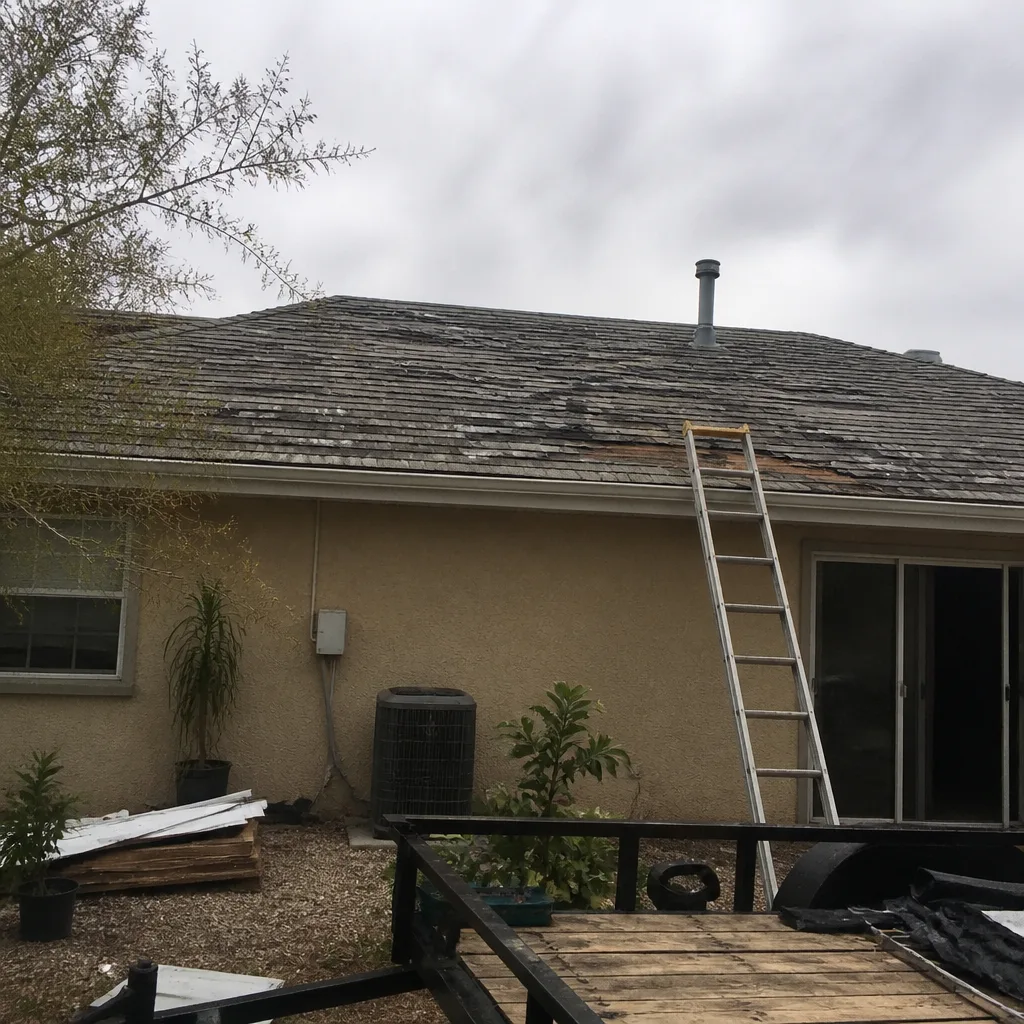 Before
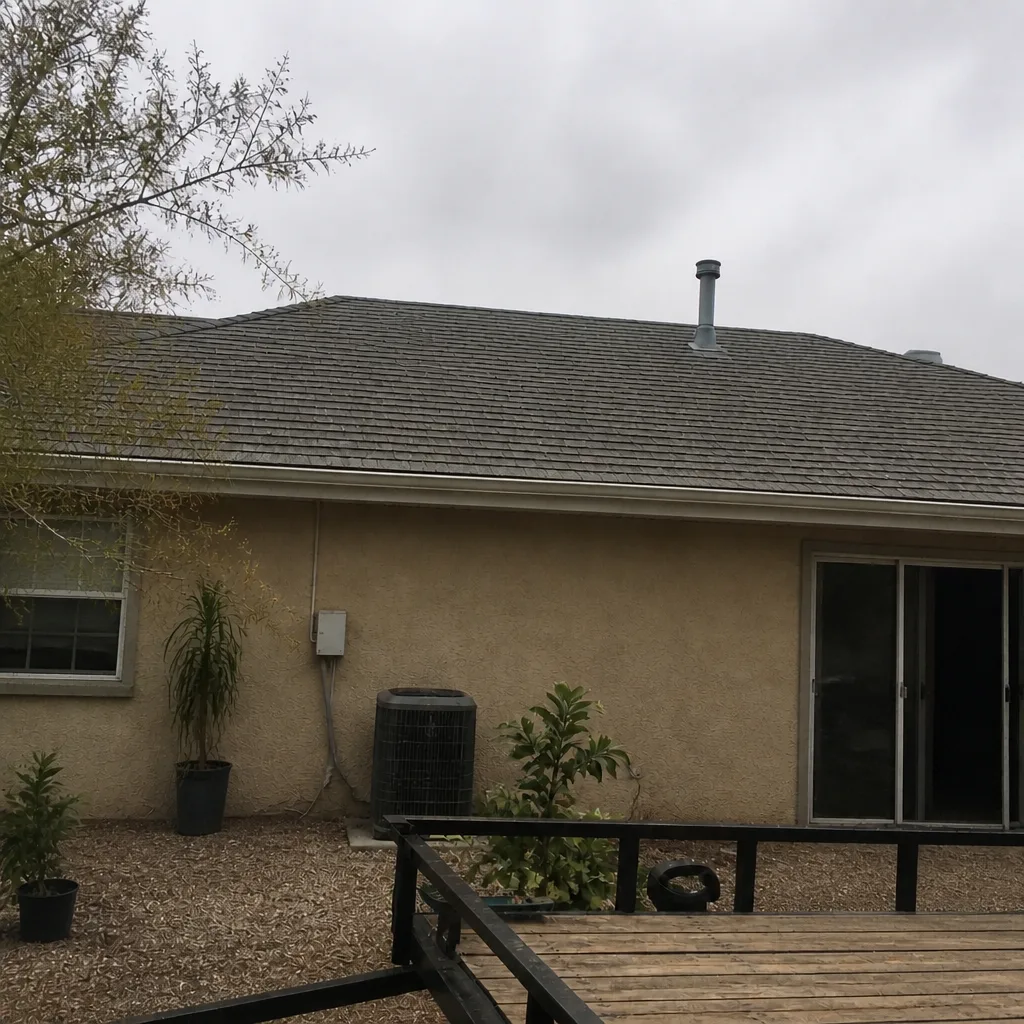 After
Signs You Need a New Roof in Whitney, NV: Age, Address, and the Neighbors’ Roofs
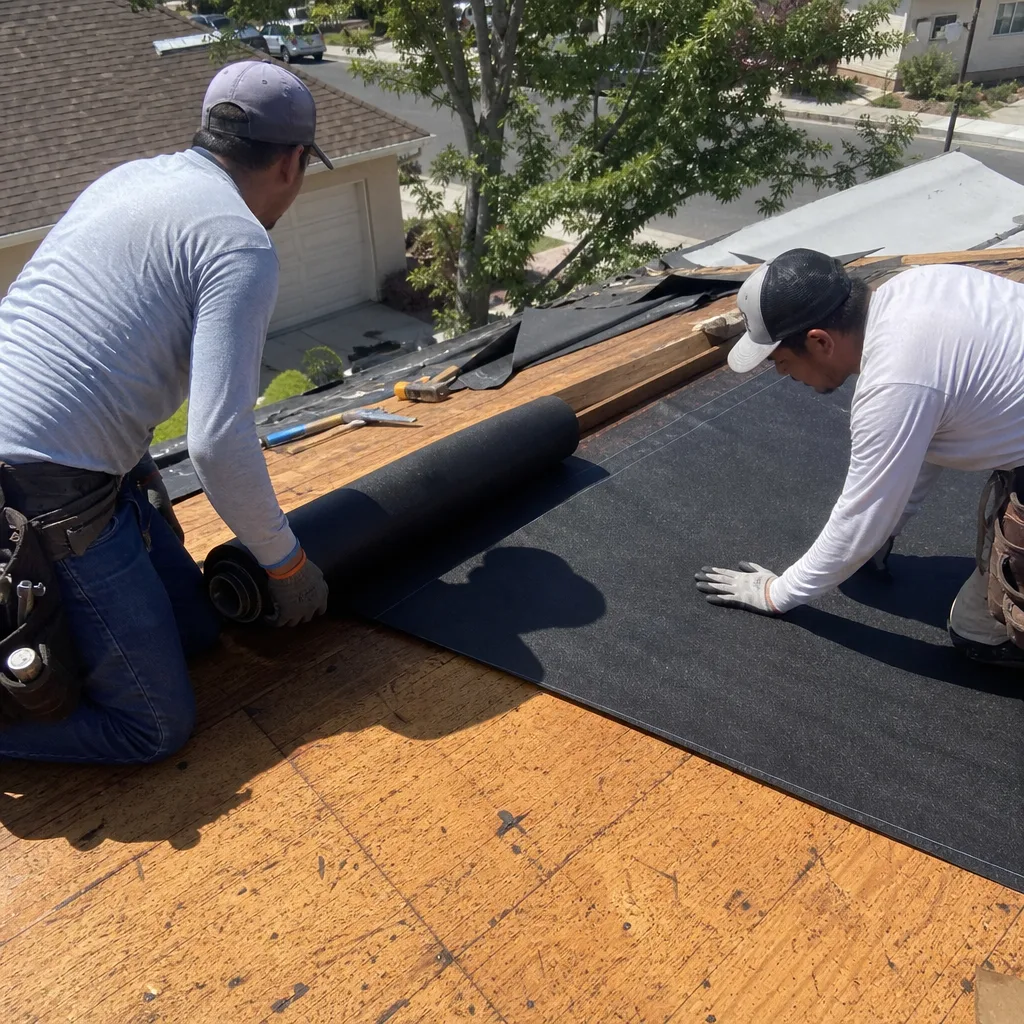
The most reliable sign you need a new roof in Whitney, NV, is age plus address: if your home went up between 1980 and 2000 and roofs on your street are being replaced, your underlayment is probably at the same failure stage, whether or not you can see a thing from the ground. In Whitney, the sign might not be on your roof at all. It might be the two Shepherd & Sons trucks parked on your block this month. If you want a straight read on where your roof stands, call (844) 797-9455 and a live person picks up, day or night.
Key Takeaways
- Whitney’s tract housing went up in tight 5-10 year windows, so roofs fail in clusters, not one house at a time.
- A single small ceiling stain after a July or August monsoon usually means failed felt under the tile, not a flashing problem.
- Intact tile tells you almost nothing on a 30-year-old roof. The felt beneath it is what fails first.
- Granule piles in gutters and sun-bleached, micro-cracked tile are the ground-level clues worth trusting in the desert.
Why Whitney Roofs Fail as a Neighborhood, Not as Individual Houses
Most of Whitney was built between 1980 and 2005 as Sun Belt tract housing. Entire blocks went up in the same few years, sheathed in the same materials, by the same handful of framers and roofers. That means the town is in the middle of a synchronized replacement wave, not the scattered historic repairs you see in older Las Vegas neighborhoods a few miles west.
We call it synchronized aging. Your roof may have never leaked and still be on the same clock as the house two doors down that’s getting torn off this week. High-desert heat does the rest: summers above 100°F cook the shingles and felt, winter nights near freezing shrink them back, and that expansion and contraction cycle repeats hundreds of times a year. The predictable result is a 20-25-year life span for original materials, and it hits whole tracts at once, which is why the name on the truck showing up on your street is a better early-warning signal than any checklist written for a temperate climate.
So when a neighbor asks whether they need a new roof, the honest first question is usually “what year was your house built, and what are the roofs around you doing?” If you’d rather skip the guessing, a Roof Replacement & Installation assessment starts with exactly that conversation.
The Interior Sign Whitney Homeowners Miss: One Stain After a Monsoon
A single small water stain on the ceiling after a July or August downpour is the interior clue that matters most here, and it’s the one most often waved off. On an otherwise dry-weather home, that stain is rarely a flashing issue. It’s a leading indicator that the felt underlayment has gone brittle and failed.
Here’s what we mean by lateral migration. Once the felt cracks, water running down a monsoon slope doesn’t drop straight through. It travels sideways along the underside of the sheathing until it finds a seam, a nail hole, or the edge of a drywall joint, then shows up inside. By the time you see the stain, the felt has been failing for a while. The stain is the last symptom, not the first problem.
What to check after a storm, without getting on the roof:
- Any new ceiling or wall stain, even a dime-sized one, especially on the north-facing slope where felt dries out slowest.
- Paint or texture that bubbles or flakes in a line across a ceiling.
- A musty smell in a closet or hallway after rain that clears when the weather dries.
- Water tracking down an interior wall corner where the ceiling meets the block.
Don’t climb up there to investigate. Desert tile is brittle and the fall risk is real. That’s a trained roofer’s job, and we’ll show you what we find.
The Tile “Pass” Problem: Intact Tile Doesn’t Mean a Healthy Roof
On most Whitney homes, the tile itself is fine. Concrete tile from the 1980s and 90s takes the sun well. What fails is the felt underneath it, and that failure is invisible from the ground and often invisible from the attic too. Homeowners look up, see a straight, unbroken tile field, and assume the roof has years left. Underneath, the original underlayment has baked brittle and the only thing between it and the drywall may be luck.
That’s why, on a 30-year-old Whitney roof, a single monsoon leak often means a full tear-off and re-felt rather than a simple tile repair. Patching one spot over failed felt just moves the problem a few feet down the slope. If a contractor tells you a quick tile swap will do, ask them what the underlayment looks like underneath. We’ll pull a few tiles and show you ours before we talk money.
Ground-Level Signs Worth Trusting in the Desert
National guides lean on curl, missing granules, and daylight in the attic. Those are useful, but in Whitney’s heat and UV the two most reliable visual cues are different, and both are things you can spot from the driveway.
- Granule piles in gutters and at downspout outlets after a windy day. On an asphalt-shingle roof, granules shedding in visible quantities means the shingle surface is worn thin. It’s one of the clearest age indicators we see on Whitney shingle roofs.
- Sun-bleached, color-shifted tile. Chalky white streaks or a faded pattern across the field, with no moss in sight, points to UV micro-cracking on the surface. In a wet climate that look might mean moss or algae; in Whitney it’s sun damage, and it travels with the age of the whole block.
For replacement, we set concrete tile from Boral and asphalt shingles from IKO, Atlas, or Tamko, and name the shingle and we’ve likely set it. A roof is measured in squares, so ask any bidder how many they counted.
Qualitative Comparison: Whitney vs. Temperate-Climate Roof Failures
| What you’re seeing | What it usually means in Whitney | What it usually means in a cooler, wetter climate |
|---|---|---|
| Single small ceiling stain after rain | Brittle underlayment failure; water traveled laterally | Often a flashing or penetration issue |
| Intact tile field | Tile okay; felt beneath is the question | Tile often the failing layer |
| Faded, chalky tile | UV micro-cracking on the surface | Usually algae or moss |
| Granules in gutters | Shingle surface worn thin by sun and wind | Age and weather wear |
This is why Shepherd & Sons Roofing Whitney starts every roof inspection with the age of the neighborhood, not just the age of the shingles. Our technicians have up to 30 years of experience reading exactly these desert patterns.
Before You Sign a Full-Replacement Bid, Get a Second Opinion
If another roofer has told you that you need a full replacement, get an honest second read before you sign. Not every roof showing one of these signs is finished, and not every bid is measured by how many squares are actually up there. A free second opinion on your written estimate tells you whether replacement is warranted now or whether you have a few more years. There’s no trip charge inside our own county, and no-hassle, upfront pricing means you know the number before anyone touches your roof. Bill will show you the deck photos before we talk money.
We also keep standing offers that never change: $40 off any repair over $200, a free second opinion on any written estimate, no trip charge inside our own county, and a 10% senior and veteran discount. Every roofing job is backed by our written 90-Day Done Right Promise, so if it’s not done right, one call brings us back. You can start by reading up on our home page or calling the number above.
FAQs
The first reliable sign in Whitney is your home’s age paired with what your neighbors’ roofs are doing: on tract homes built between 1980 and 2000, underlayment failure clusters by neighborhood age. If roofs on your street are being replaced, yours is likely in the same failure group even if it looks fine from the ground. Call (844) 797-9455 for a free second opinion and a live person will answer.
Yes. Intact concrete tile on a 30-year-old Whitney roof is often fine on its own; the felt underlayment beneath it is what has baked brittle and failed. A single small stain after a July or August storm usually means water found a way under the tile through cracked felt, not that the tile is broken. Call (844) 797-9455 and we’ll take a look before you commit to anything.
Original asphalt and tile roofs in Whitney typically run about 20-25 years, which is shorter than the same materials last in cooler climates because of the sun, the heat cycling, and the dry air. With most of the town built between 1980 and 2005, that clock is up on entire blocks at once. Call (844) 797-9455 for a no-trip-charge assessment inside Whitney county.
It depends on the age and the underlayment. A repair makes sense on a younger roof with a single flashing problem, but a leak on a Whitney roof past 20 years usually means failed felt, where patching just moves the problem down the slope. Bill will give you an honest read on which applies, free, before you spend anything. Call (844) 797-9455 to set it up.
If you’d rather have it looked at than climb up on the tile yourself, Shepherd & Sons Roofing Whitney offers a no-pressure assessment right here in Whitney. A live person answers the phone 24/7, there’s no trip charge inside our own county, and our technicians have up to 30 years of experience reading desert roofs. Call (844) 797-9455 for a free estimate.
Written by the team at Shepherd & Sons Roofing Whitney, serving Whitney, NV.