
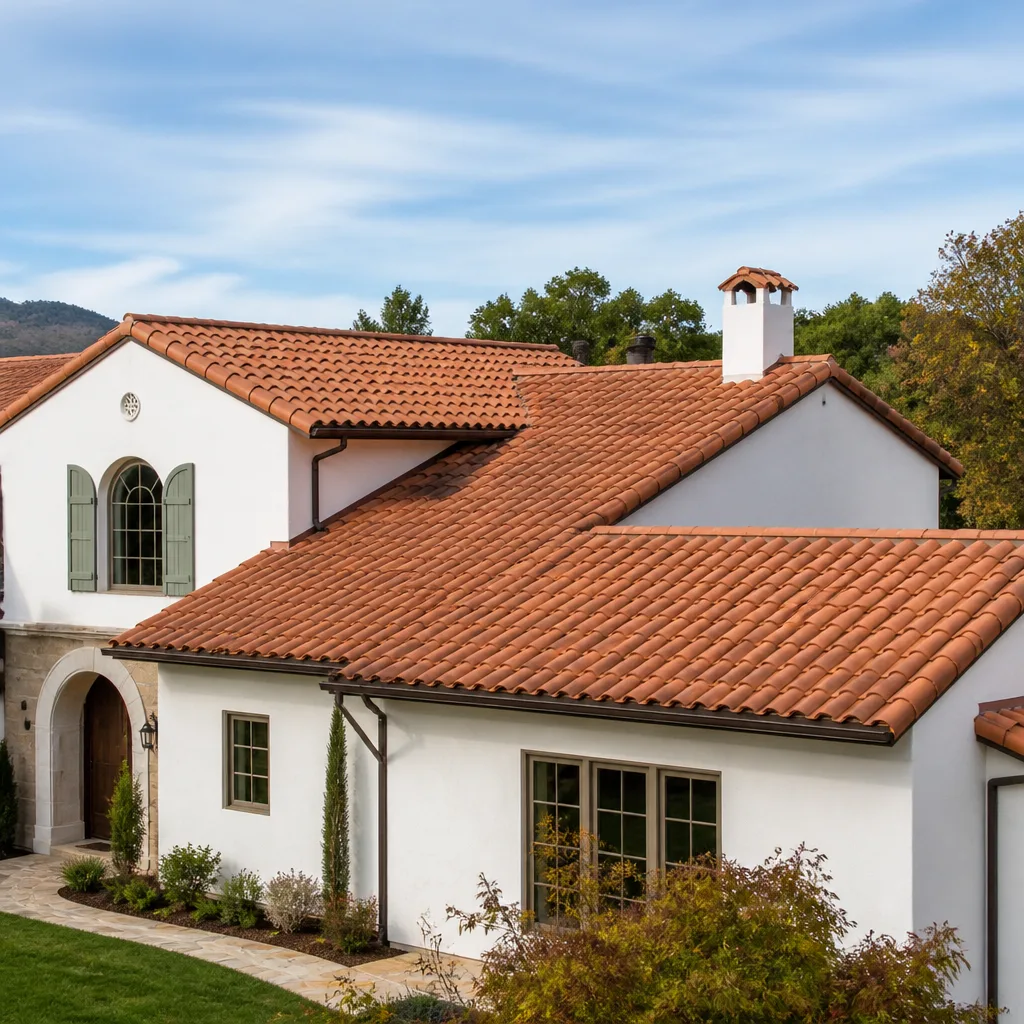
 Tile roofing
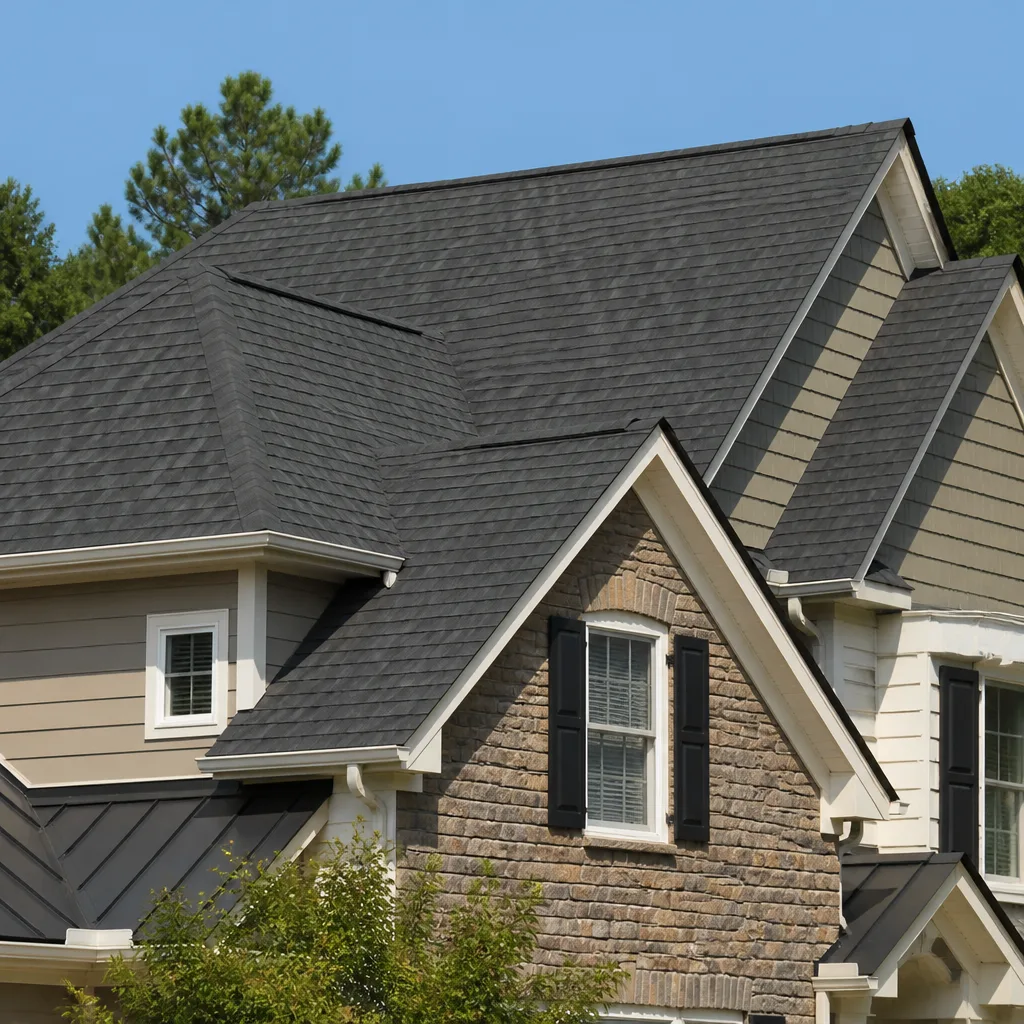 Architectural shingles
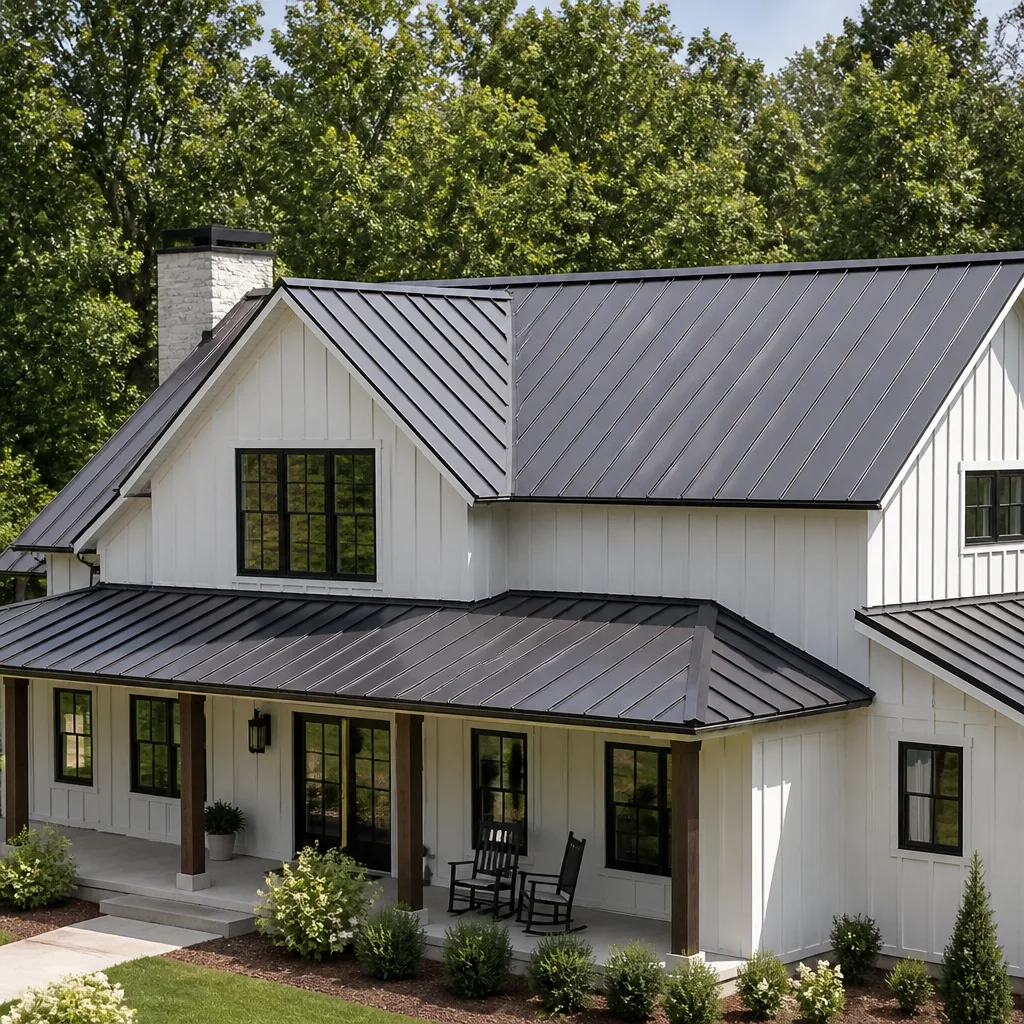 Metal roofing
 GAF
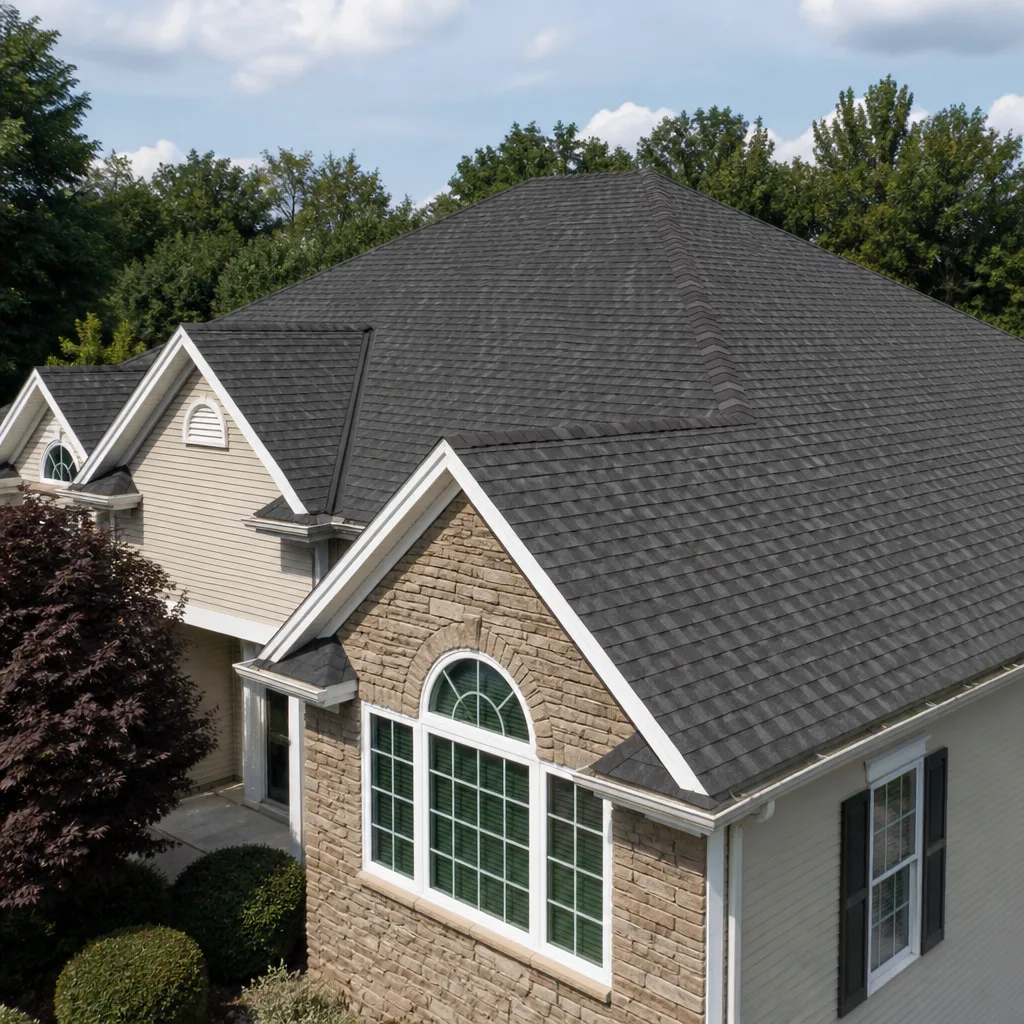 Owens Corning
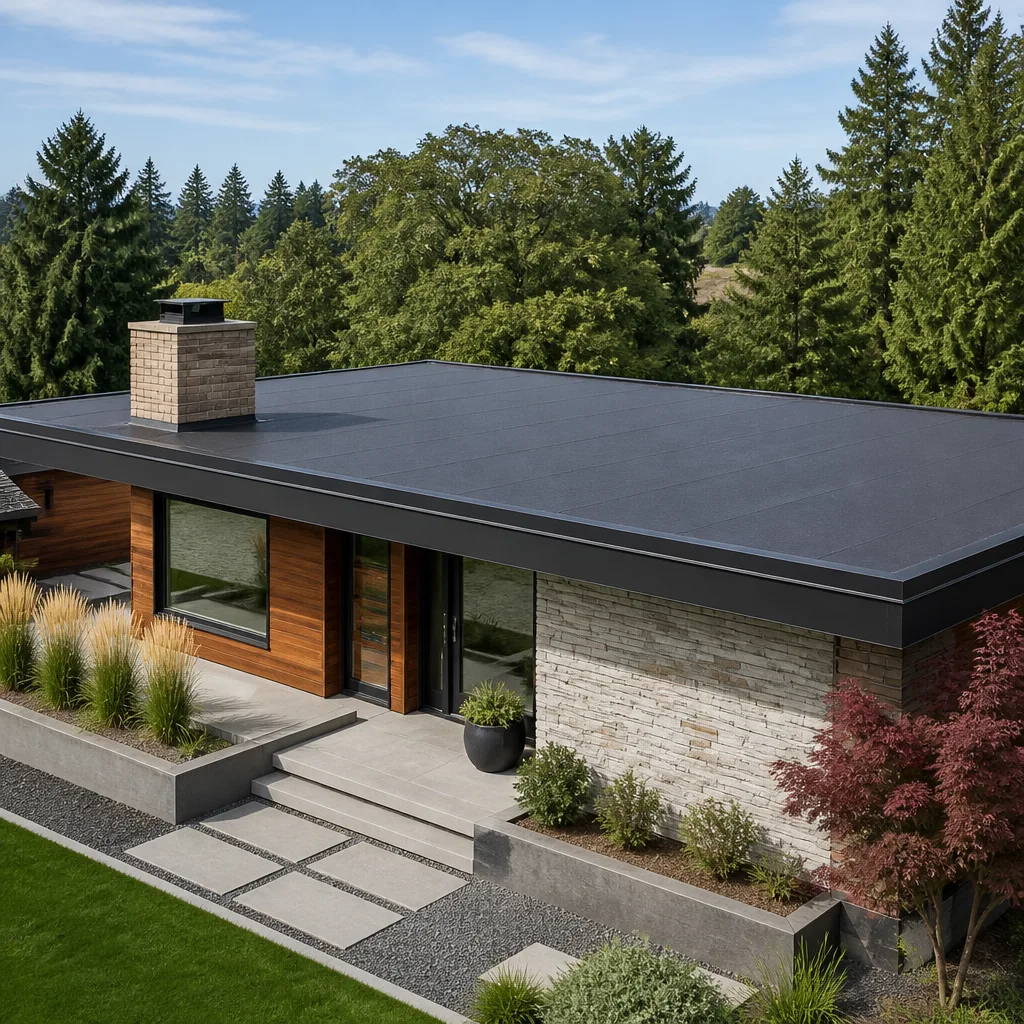 Flat & low-slope
Free roof inspection with deck photos before we talk money - GAF and Owens Corning certified installation
Styles & brands we work with
- Architectural shingles
- Metal roofing
- Tile roofing
- GAF
- Owens Corning
- Flat & low-slope
See the difference
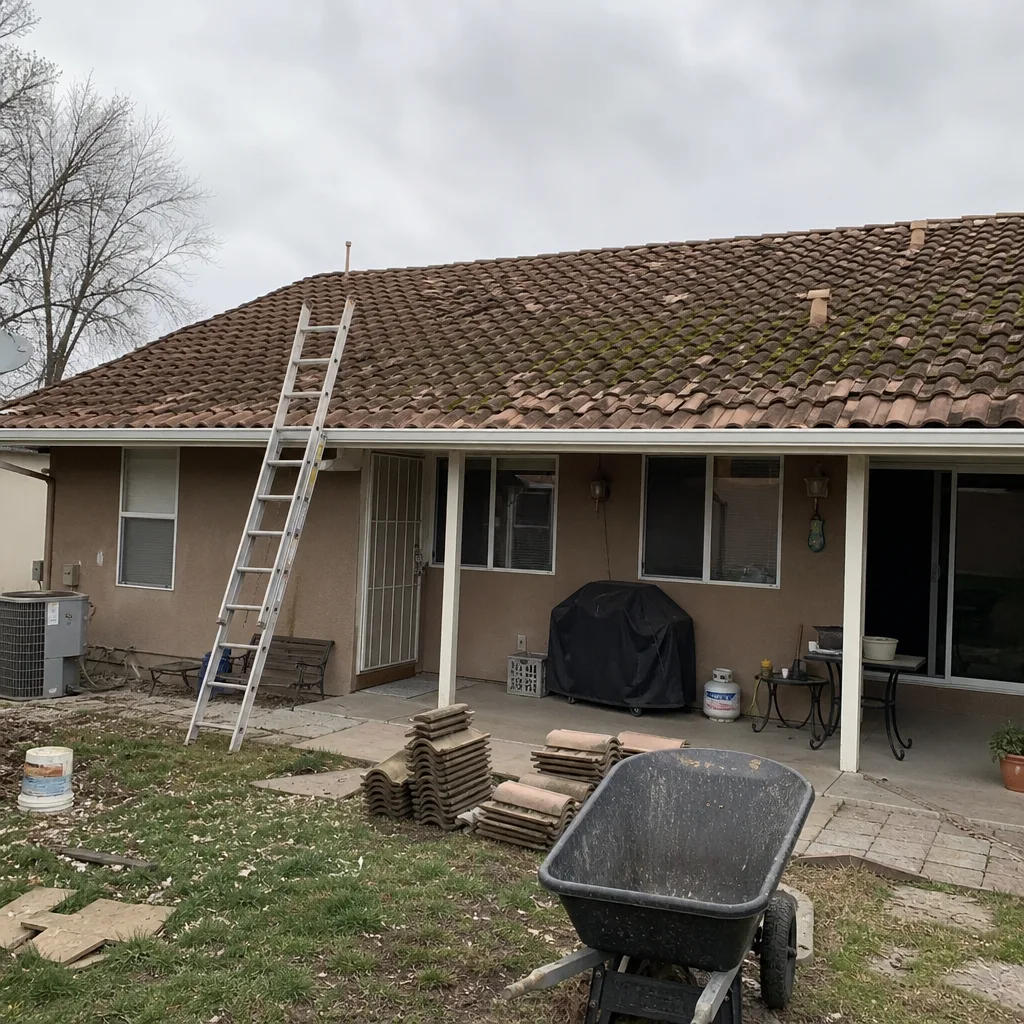 Before
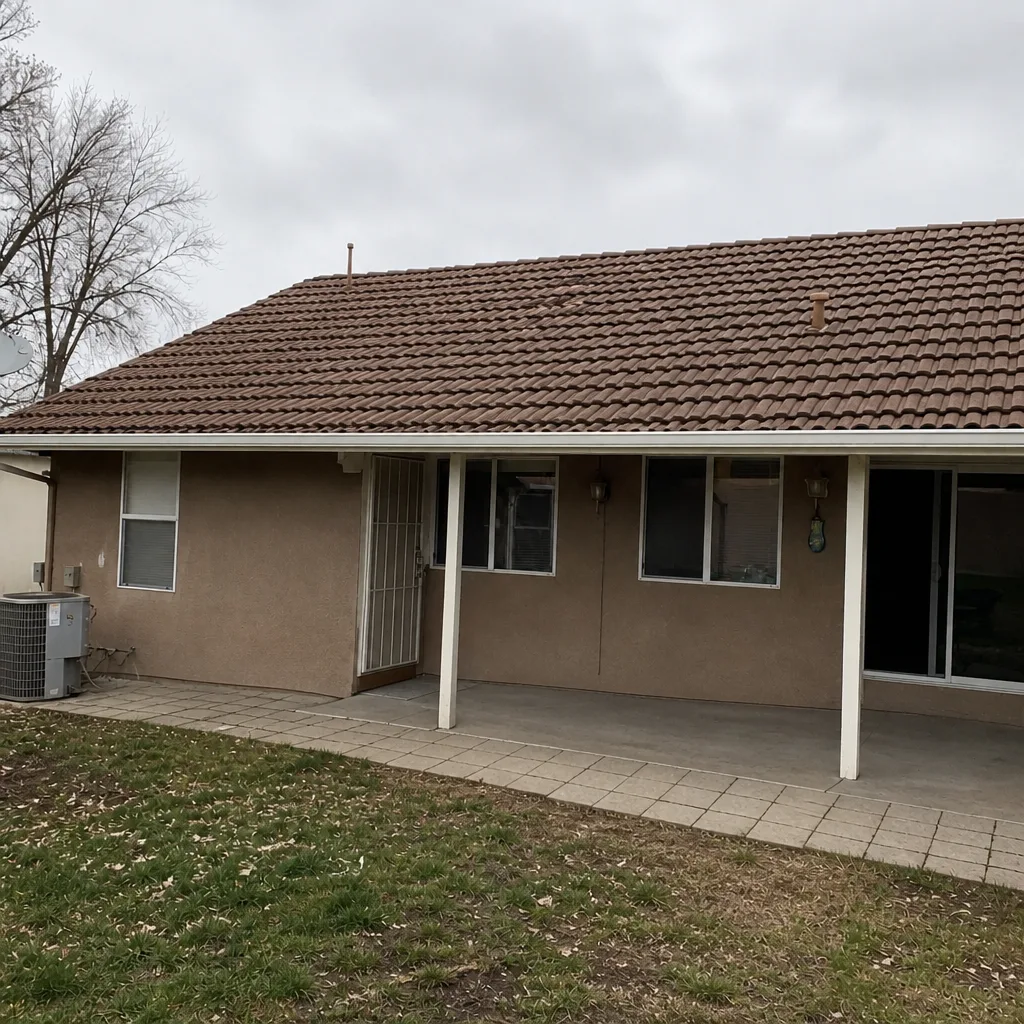 After
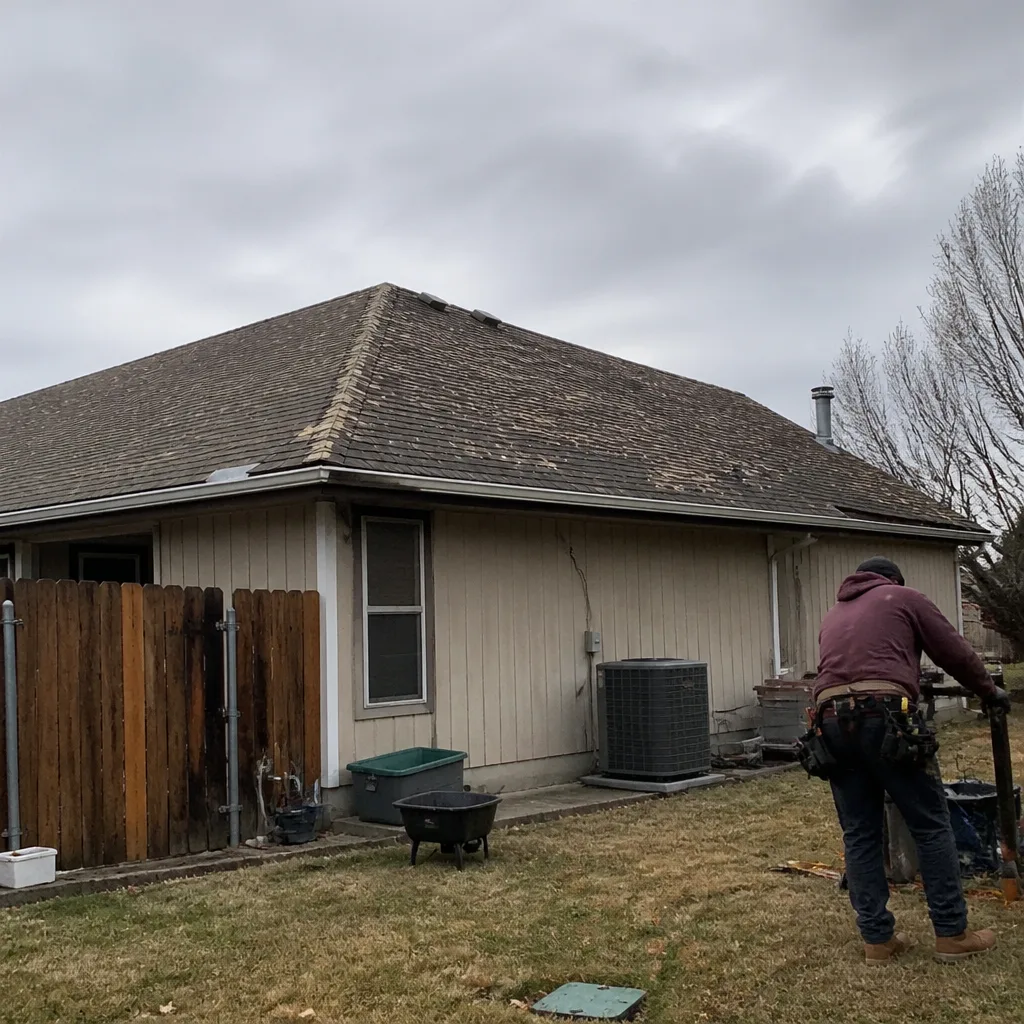 Before
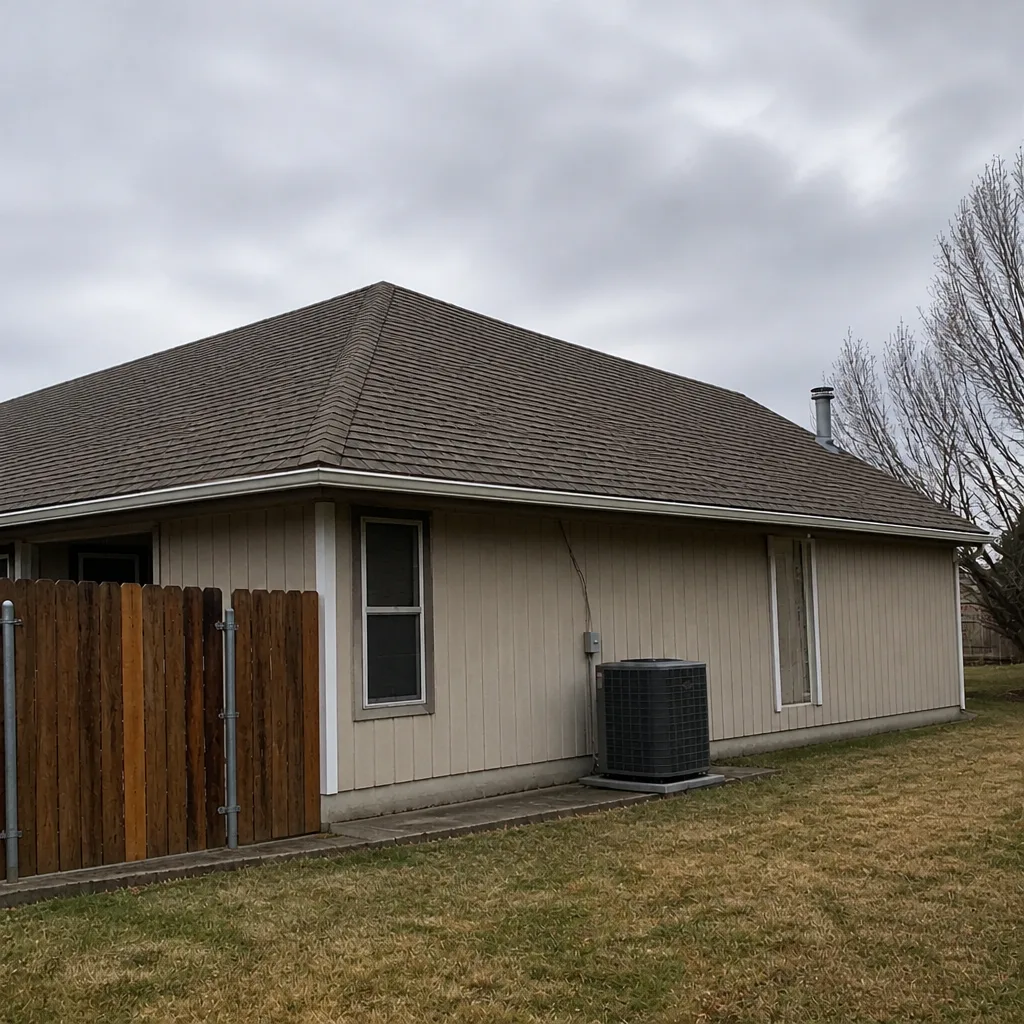 After
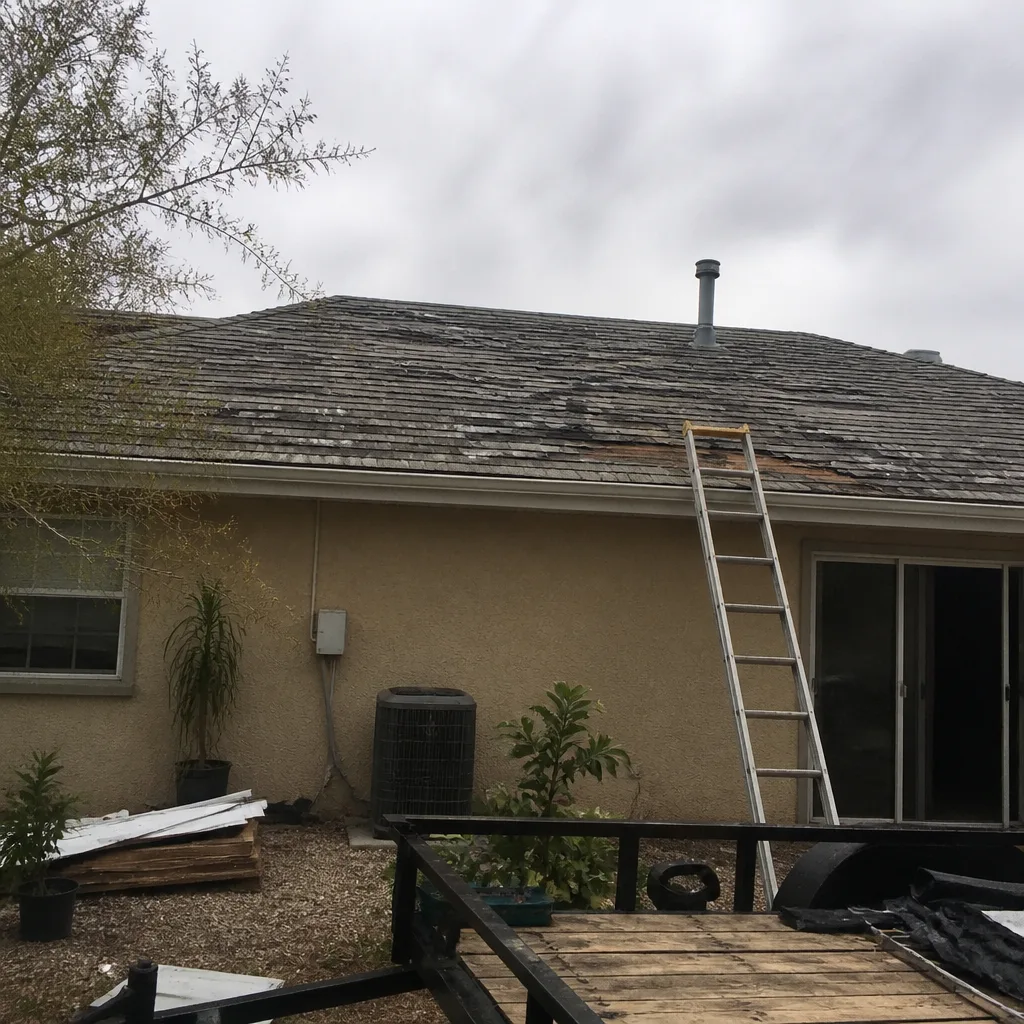 Before
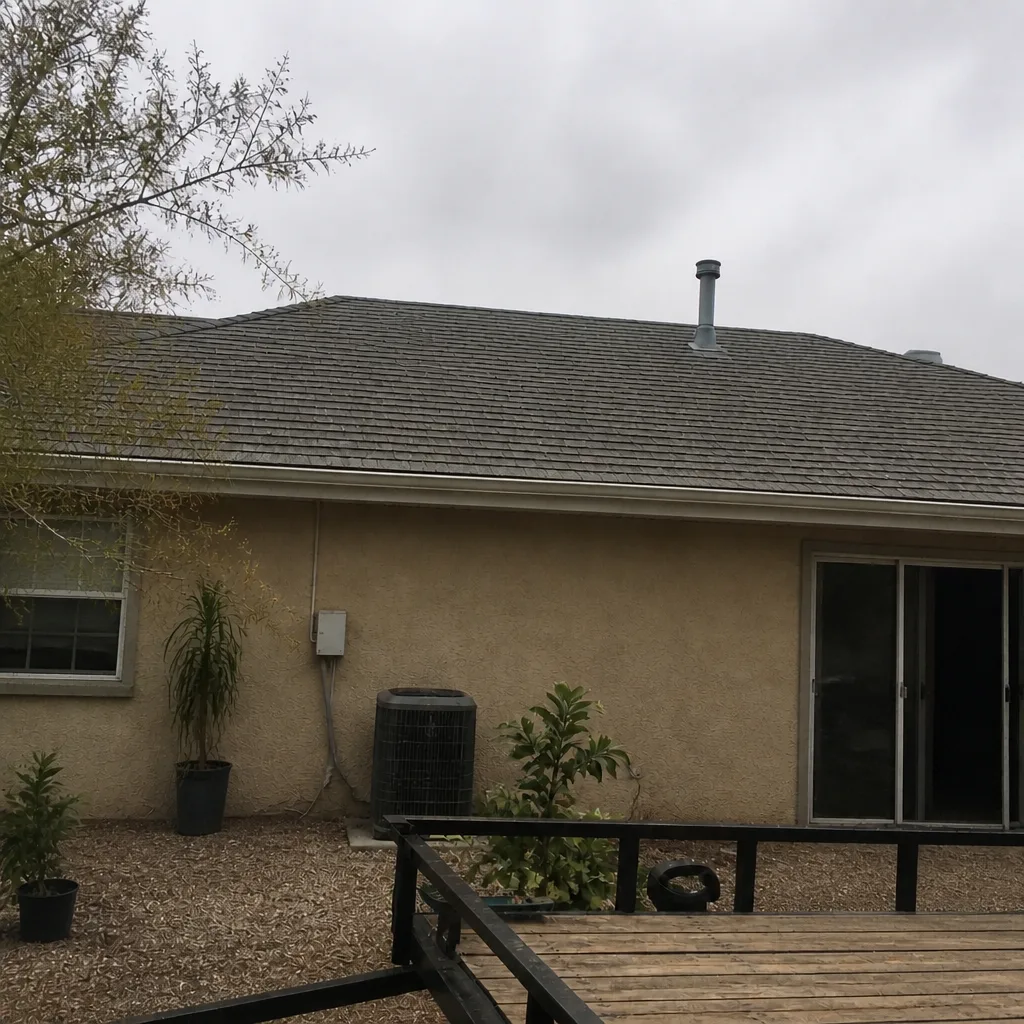 After
If you’re comparing clay vs concrete roof tiles in Whitney, the short answer is this: choose concrete tile unless you’ve confirmed your roof structure can carry the extra weight and you specifically want clay’s longer color life. For most Whitney homes, concrete is the right call because your house was probably built for it. This is a replacement decision, not a new-build decision, and that changes every point in the standard comparison.
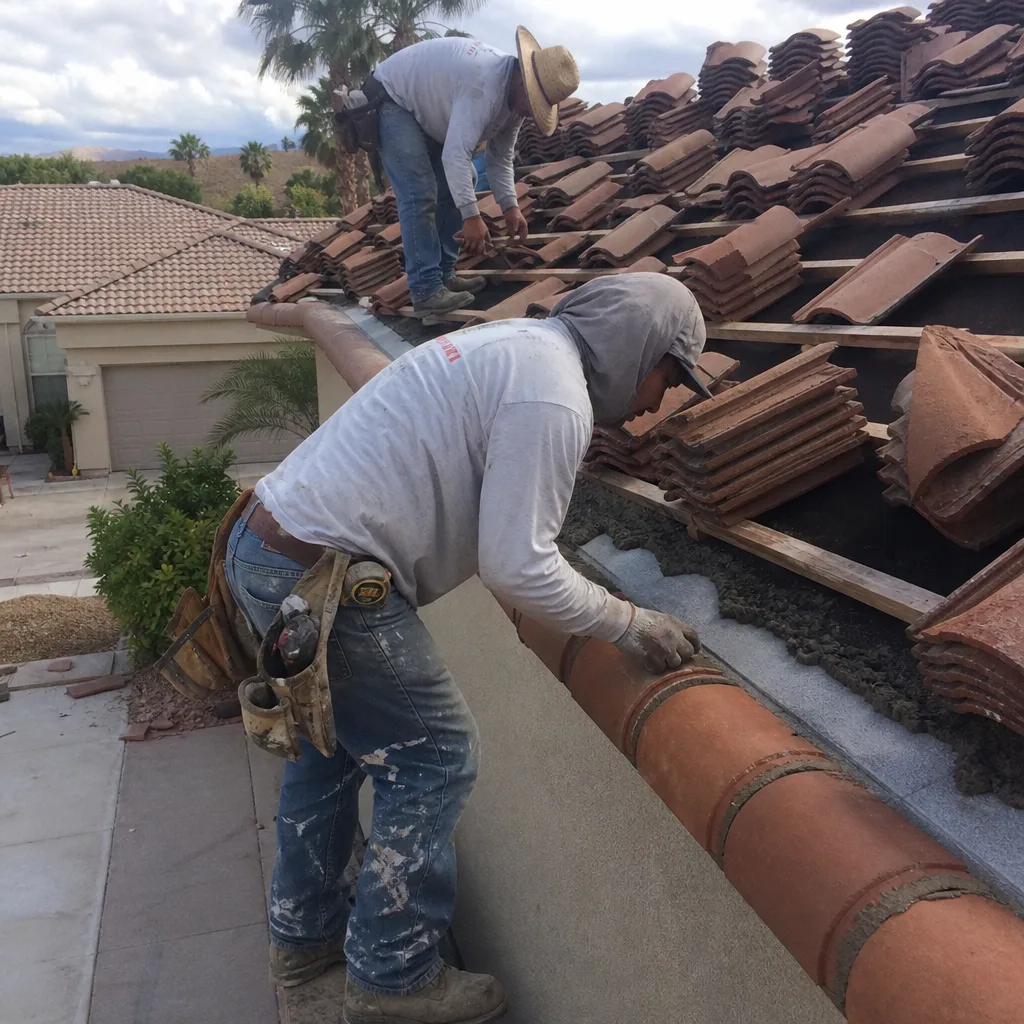
Call (844) 797-9455 and Bill will come out, pull a sample tile, and show you the felt and deck before anyone talks product.
Why this comparison looks different in Whitney than in a design magazine
Most guides to clay vs concrete tile are written for someone picking a roof for a house that doesn’t exist yet. That’s not you. If you’re in Whitney and weighing tile options, you’re almost certainly standing under a concrete tile roof that’s 20-plus years old.
That matters because the comparison that actually decides your project is weight, underlayment compatibility, and how each material handles desert UV. Curb appeal comes after those three. Nearly all housing in Whitney is 1980s-2000s tract-built single-family homes and low-rise apartments, mostly wood-frame, roofed in concrete tile or asphalt shingle. An entire subdivision hit replacement age around the same time. That synchronized wave is why we spend more time in Whitney inspecting decks than we do in most other towns.
Here’s the part most homeowners never hear: on many Whitney tile roofs, the original 1980s-90s felt underlayment has baked brittle under the tile. A single monsoon leak often means a full tear-off and re-felt rather than a simple tile swap. So the question of which tile you choose lands right after a much bigger question – what’s under it.
Clay vs concrete tile: the honest side-by-side
Concrete tile is heavier than asphalt shingle but lighter than clay. Clay is the denser material, which is exactly why it holds color longer and exactly why it can overload an older roof frame. Put the numbers side by side and the tradeoffs get clear.
| Factor | Concrete tile | Clay tile |
|---|---|---|
| Weight per square (approx.) | 800-1,100 lbs | 900-1,300 lbs |
| Color life in high-desert UV | Noticeable fade in 10-15 years if unglazed | Color is mineral throughout; holds far longer |
| Structural check needed | Usually matches the home’s original design | Yes – trusses may not be rated for the added load |
| Cost range (installed, per square) | $450-$750 | $600-$1,000 |
| Best fit for Whitney | Replacement on original 1980s-2000s tract homes | Higher-end or custom builds with confirmed structure |
Those ranges are what we see across Whitney jobs and will move with square count, pitch, and how much of the deck needs repair. A roof is measured in squares – ask any bidder how many they counted. If the number doesn’t match the next bidder’s, ask why.
We install Boral and Atlas tile products, so we can pull samples of both concrete and clay profiles and set them on your roof to see them in real light.
The structural check most people skip
Whitney’s 1980s-90s wood-frame homes were engineered for the roof they were given, which was nearly always concrete. Clay is heavier per square foot. Going from concrete to clay on a 30-year-old truss system without a structural review is the kind of decision that doesn’t show up until the roof sags five years later.
Some roofers will quote clay on an existing Whitney home without ever crawling the attic. We won’t. Before we recommend a material switch, we look at the trusses, the sheathing, and the span. Sometimes the answer is that clay is completely fine. Sometimes it isn’t, and the honest recommendation is to stay with concrete.
When you’re ready for that conversation, our Tile Roofing in Whitney page walks through how we handle tile work here.
Color fade: what 15 desert summers actually does
This is where Whitney’s climate does the talking. Summers run above 100°F with blistering UV, and winter nights dip near freezing. That thermal cycling is hard on everything on your roof, and the sun never lets up.
Unglazed concrete tile fades noticeably within 10 to 15 years in this sun. Clay holds its color because the color is mineral, baked through the tile, not applied to the surface. If you’re replacing for looks as much as function, that’s a real point for clay.
If you’re replacing because the felt is shot and the tile is 25 years old, concrete in the same profile will look sharp and cost less. That tradeoff is worth naming plainly rather than hiding behind a fancy brochure.
The variable nobody talks about: underlayment
Both clay and concrete outlast the felt underneath them in Whitney’s climate. That means the tile choice is almost secondary to the underlayment choice. The original 1980s-90s felt has been baking under tile for decades. When the sun cooks it brittle, it tears, and once it tears, a single monsoon downpour finds the deck.
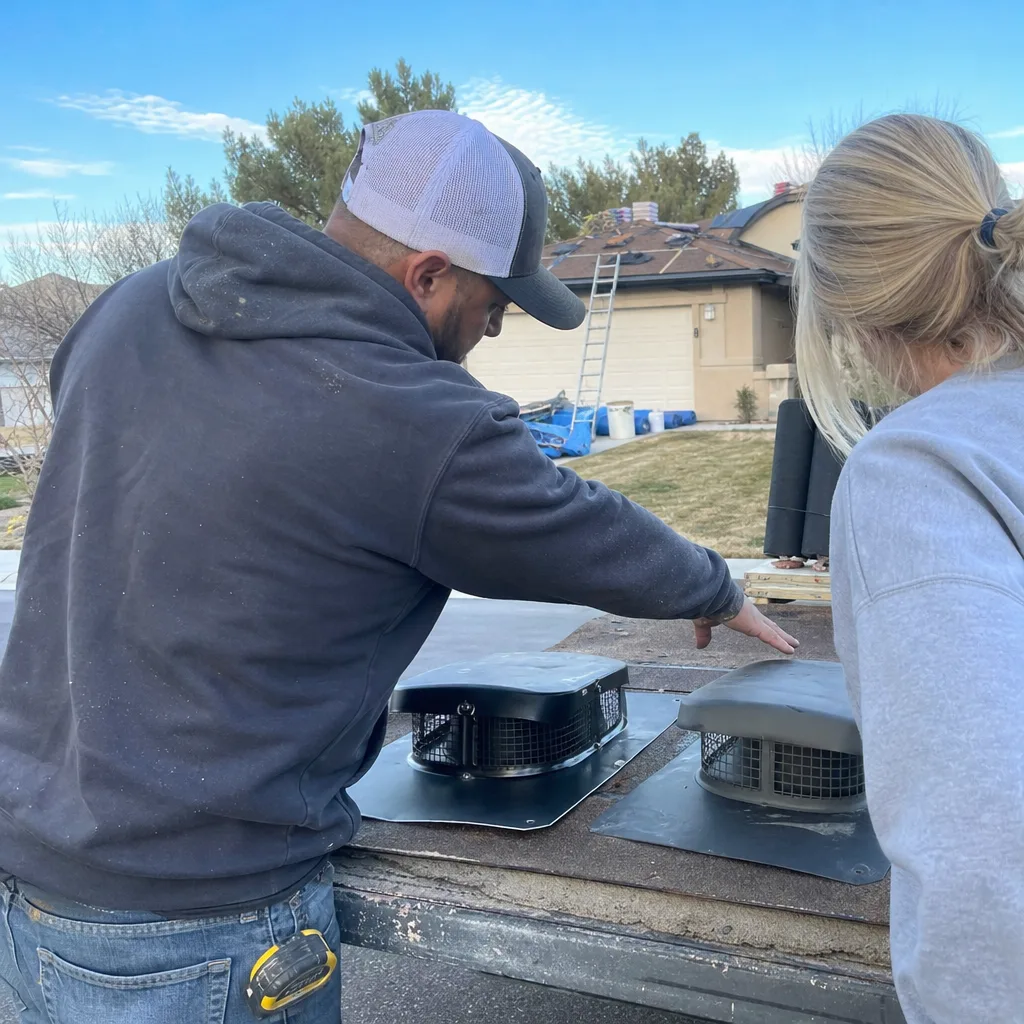
Our recommendation, whether you go clay or concrete, is synthetic underlayment. It’s the real upgrade over the original felt. It handles the heat cycling and the UV better, and it gives the tile a sound base for another couple of decades.
The order of decisions should be:
- Inspect the deck and felt condition first
- Decide on underlayment product
- Then choose the tile material and profile
Flipping that order is how people end up paying for clay on a deck that needed repair instead. The nailing pattern earns the wind rating, not the shingle wrapper, and the same logic holds for tile – the install under it is what earns the lifespan.
Common Whitney scenarios we see
A 1992 concrete tile roof in a subdivision off Whitney Ranch Parkway has a monsoon leak in the hallway ceiling. The tile looks fine from the street. We get up there and the felt is dust. That’s a full tear-off and re-felt, not a tile repair, and no material choice changes that.
A homeowner wants the darker clay look for their 1998 home. We check the trusses, find them rated for the extra load, and clay is a great fit. Concrete would also have worked – but they wanted the deeper color and it will last longer up there.
Another homeowner’s 1985 concrete roof has been leaking for three summers and now the sheathing under one valley is soft. That job has to solve the deck before it solves the tile, no matter what product gets set on top.
If you’d rather have any of this looked at than read about it, call (844) 797-9455. A free second opinion on any written estimate is standard with us.
Why the crew on your roof matters more than the color swatch
Notice that every scenario above comes down to what’s under the tile. That’s why Bill pulls a sample tile and shows you the felt condition before any discussion of which replacement tile to choose. The deck photos come first, the product conversation comes second, every time. Bill and his crew have up to 30 years of experience on roofs like yours, and every roofing job is backed by our written 90-Day Done Right Promise – if it isn’t done right, one call brings Bill back.
Shepherd & Sons Roofing Whitney is locally owned and owner-operated. Live person answers the phone 24/7, no call center. Free second opinion on any written estimate, no trip charge inside our county, and $40 off any repair over $200. Senior and veteran 10% discount too. Our home page covers the rest of what we do.
FAQs
Concrete is better for most Whitney homes, because your roof was engineered for concrete when the house was built in the 1980s-2000s, and switching to clay means a structural check that often isn’t worth the cost. If the trusses can carry the extra weight and you want the longer color life, clay is a solid choice. Call (844) 797-9455 for a free second opinion before you commit either way.
The tile itself lasts 40 to 50 years, but the felt under it usually fails in 20 to 25 here. Uncoated concrete also fades noticeably within 10 to 15 years in this UV. That means you’re often replacing the underlayment long before the tile is done. Call (844) 797-9455 to get the deck inspected before you pick a product.
Not always, but you need someone who will actually look at the trusses before recommending clay. On a 1980s-90s wood-frame Whitney home, the original design assumed concrete. A proper structural check is worth doing if clay is on the table. Call (844) 797-9455 and we’ll put eyes on it – no trip charge inside our county.
Sometimes, but it depends on tile condition after removal. On older Whitney roofs, tile often breaks during a lift-and-relay, so the honest answer is that it’s a judgment call up on the deck. We look before we quote. Call (844) 797-9455 for a free estimate.
If you’d rather have it looked at, Shepherd & Sons Roofing Whitney offers a no-pressure assessment in Whitney – call (844) 797-9455. Bill will show you the deck photos and the felt before anyone talks product, and the quote will hold on the day of the job.
Written by the team at Shepherd & Sons Roofing Whitney, serving Whitney, NV.