
Last updated November 18, 2026
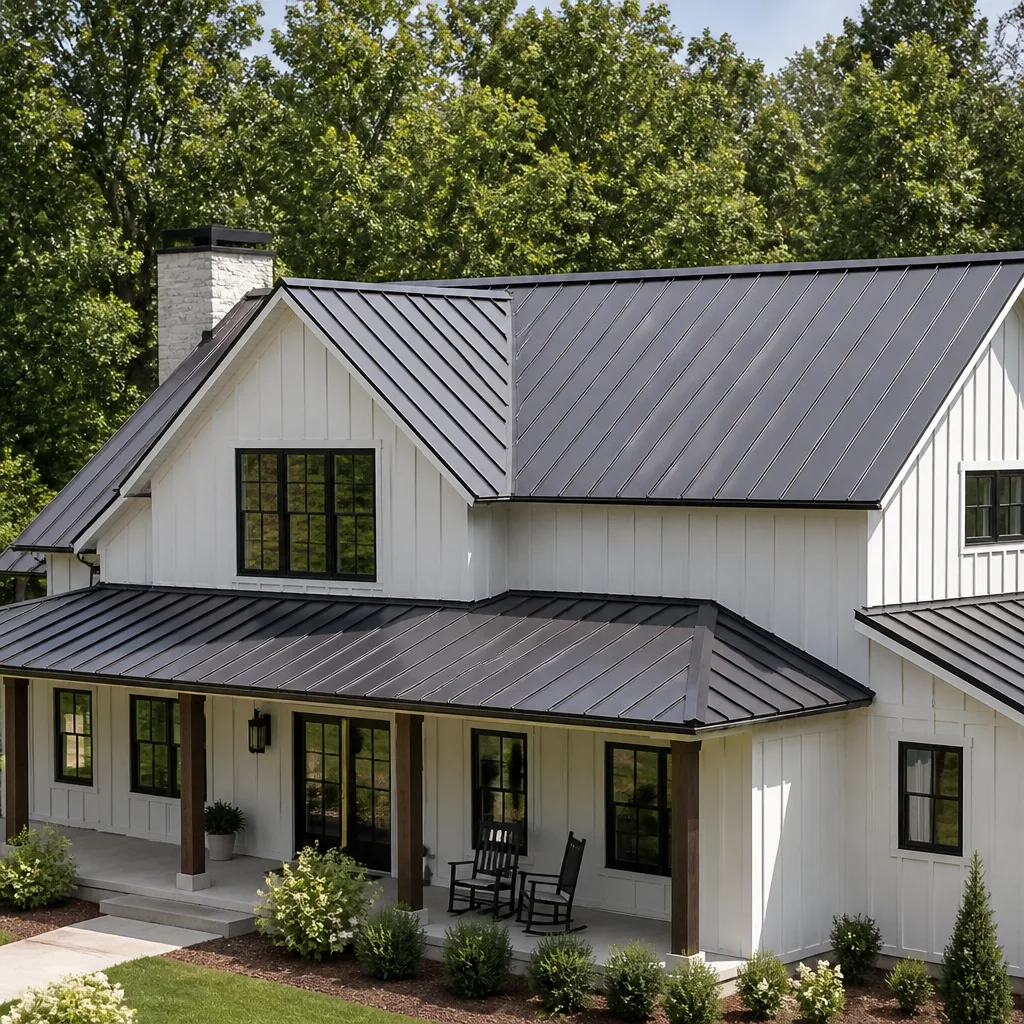 Metal roofing
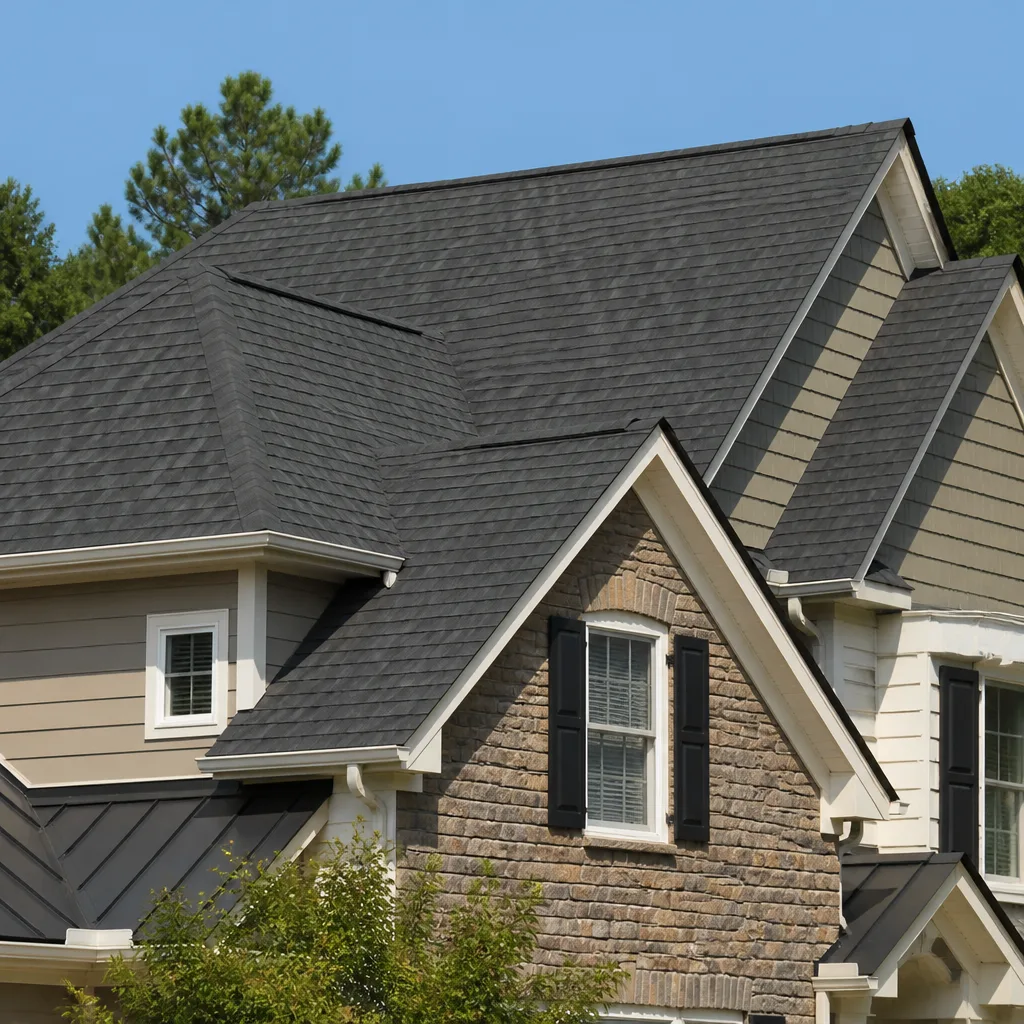 Architectural shingles
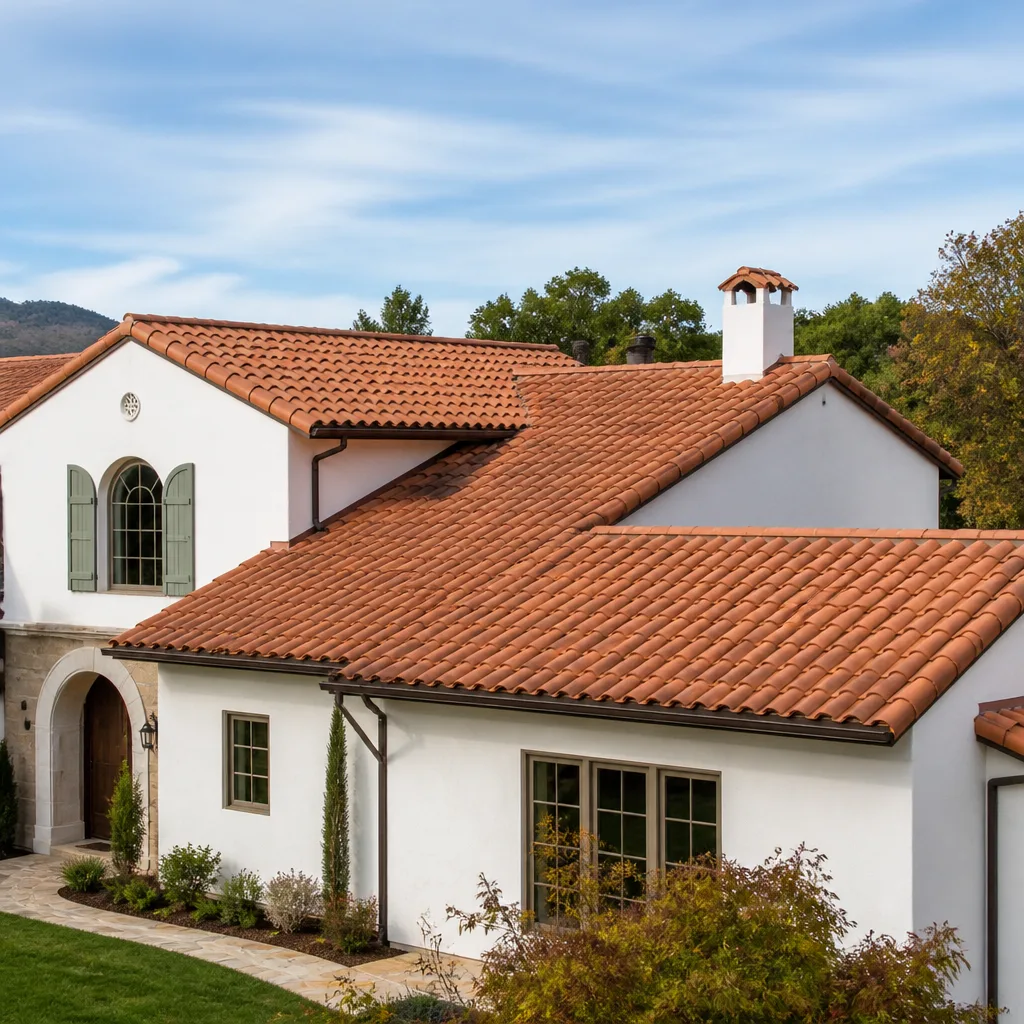 Tile roofing
 GAF
 Owens Corning
 Flat & low-slope
Free roof inspection with deck photos before we talk money - GAF and Owens Corning certified installation
Metal Roofing Maintenance Schedule: What to Do and When
“Maintenance-free” means you don’t re-shingle every 20 years. It doesn’t mean you can ignore the roof. We’ve seen 15-year-old metal roofs fail in Whitney because nobody cleared the debris dam behind a chimney for a decade. The panels were fine. The water backing up under them wasn’t. Metal roofing is genuinely one of the best investments a homeowner can make, and it will outlast us all if it gets a few hours of attention a year. This guide is the actual 12-month calendar we use: what to check, when to check it, what you can handle with a garden hose, and what needs a pro on the roof.
Quick Answer
A metal roof needs a light inspection twice a year – once in spring after winter debris settles and once in fall before the first freeze – plus a gutter clearing, a fastener and sealant check in peak summer heat, and an after-storm walkaround. That’s roughly 3 to 5 hours of attention across the whole year. Skipping it doesn’t usually show up as a sudden leak; it shows up as a slow failure at flashing, fasteners and gutters that costs ten times more to fix than the maintenance would have.
Styles & brands we work with
- Architectural shingles
- Metal roofing
- Tile roofing
- GAF
- Owens Corning
- Flat & low-slope
Table of Contents
- Why “Maintenance-Free” Is the Most Expensive Phrase in Roofing
- The 12-Month Metal Roof Maintenance Calendar
- What You Can Check Yourself (and What You Can’t)
- Sealant, Boots and Ridge Caps: Inspecting Without Voiding the Warranty
- Galvanic Corrosion in Plain English
- The Maintenance Log and Why It Adds Resale Value
- Common Mistakes to Avoid
- When to Call a Professional
Why “Maintenance-Free” Is the Most Expensive Phrase in Roofing
Nobody selling metal roofing means it literally. They mean you won’t be tearing off and re-shingling every two decades, which is true and a real benefit. But somewhere between the sales pitch and the homeowner’s memory, “maintenance-free” turns into “don’t touch it.” That’s where the trouble starts.
Metal panels themselves almost never fail. The steel or aluminum is rated for 40 to 70 years depending on the product – the panels from GAF and CertainTeed we install carry that kind of lifespan. What fails is everything around the panels: the sealant at pipe boots, the screws that hold the panels down, the flashing where the roof meets a wall, the gutters that carry the water away. All of those are wear items. All of them have a service life measured in years, not decades.
In Whitney, the climate does the roof no favors. Summer afternoons push panels through a hard thermal cycle – expanding in 100-degree heat, contracting overnight – and that motion works on fasteners and sealant joints a little every day. Winter brings occasional hard freezes that get into any gap the summer opened up. The homeowners we see with 30-year-old metal roofs still doing their job are the ones who spent a couple of hours a year keeping the details tight. The ones with 15-year-old roofs that are already leaking are the ones who believed “maintenance-free” meant “never look at it.”
Here’s the part most guides skip: it’s not the big dramatic failure you need to worry about. It’s the ordinary one. A handful of backed-out screws at the ridge, a cracked seal at a vent boot, an inch of leaf litter holding water against a flashing point for a whole season. Any of those is a five-minute fix when you catch it early, and a deck repair, ceiling stain and insurance conversation when you catch it late.
The 12-Month Metal Roof Maintenance Calendar
This is the schedule we walk every homeowner through, tuned to what actually happens in Whitney’s seasons. You don’t have to do all of it yourself – the calendar works whether it’s you up there or us – but the timing matters more than the labor.
- Late February to early March – Spring debris sweep. Winter storms drop limbs, needles and grit. Clear leaves and debris from valleys, behind chimneys and along the lower edge of the roof where water needs to run off. In Whitney, oak and pine debris is the biggest culprit.
- Early April – Pre-summer full inspection. Walk the roof (or have it walked) to check fasteners, sealant at boots and flashing, and the condition of the ridge caps. This is your window to fix anything small before the heat cycle starts working on it.
- May – Gutter clearing before the dry season. Clear gutters and downspouts so the first big storm doesn’t back water up under the eave. Check that downspouts discharge away from the foundation, not into it.
- July – Peak-heat fastener check. After weeks of thermal expansion, this is when backed-out screws and stressed sealant show themselves most clearly. A quick check of the ridge and the panel edges catches the worst offenders.
- September – Fall pre-freeze inspection. A repeat of the spring walk, focusing on anything the summer heat cycle loosened. Re-seal what needs re-sealing while it’s still warm enough for the sealant to cure properly.
- October to November – Gutter clear before the freeze. Clear gutters one more time. Standing water in a gutter that freezes can pull gutter sections off and back water under the roof edge.
- December to January – After-storm walkarounds. After any significant wind or hail event, do a quick ground-level look for shifted panels, dented valleys, or debris on the roof. Clear what you can see safely, and call if something looks wrong.
That’s the full year. Cut it down to two words and it’s this: spring and fall. Everything else is common sense around weather.
What You Can Check Yourself (and What You Can’t)
We’re careful about what we tell homeowners to climb up and do. Metal roofs are slippery – slicker than asphalt by a wide margin, especially when dust and morning dew are on them. The tasks below are the ones a careful homeowner can handle. Everything else, we’d rather do ourselves than read about you in the paper.
Keep it low and flat. The safest inspection you can do is from a ladder at the eave, or from the ground with binoculars. Look for:
- Visible dents, dings or ripples in the panels, especially after a hail event
- Rust spots or dark stains near fasteners, seams, or flashing
- Sagging gutters or downspouts pulling away from the fascia
- Granules, pieces of sealant, or fasteners on the ground below the roof edge
- Water stains on soffits or the wall sheathing at the eave line
If you do go up, go up carefully. Wear flat-soled, soft-rubber shoes – not athletic shoes with deep treads, which can catch on seams, and not bare soles. Stay off the roof when it’s wet, frosty, or above 90 degrees (some sealants soften and the panel itself gets hot enough to burn). Walk along the flat of a panel, never across the seams. Use a garden hose to check that water runs off the way it should around valleys and behind chimneys – a slow, controlled flow tells you a lot.
What we don’t want you doing: walking a steep panel, removing fasteners, poking at sealant to “see if it’s stuck,” getting up on a roof with a caulk gun and re-sealing what might be under manufacturer warranty, or cleaning a metal roof with anything more aggressive than a garden hose and a soft-bristle brush.
Sealant, Boots and Ridge Caps: Inspecting Without Voiding the Warranty
This is where a lot of well-intentioned homeowners cause themselves real problems. The sealant around a pipe boot, the closures at the ridge cap, and the flashing at wall intersections are the most common leak points on a metal roof – and also the spots where a manufacturer’s warranty rests on how the roof is maintained. Get this wrong and you can spend thousands fixing a problem the warranty would have covered.
Here’s the rule of thumb: look, photograph, and document – don’t modify. When you’re inspecting:
- Photograph any cracked, chalky or separated sealant at pipe boots, ridge caps and wall flashing
- Note the location (a photo of the whole roof with an arrow drawn on it is plenty)
- Check that boots and caps are still sitting flush and that no fasteners are missing
- Look for rust trails running from any of those points – a rust trail is a leak path
What you want to avoid: applying new sealant over old without removing the old, using the wrong sealant (metal roofs want a specific product – the wrong tube creates a bond that fails within a season), or re-tightening fasteners that the manufacturer installed with a specific gasketed washer that needs a specific torque. All of those are manufacturer-warranty triggers if they go wrong.
What you want instead: a written inspection from a pro who knows which systems the manufacturer specifies and will document the condition of the roof for your file. That’s the same inspection log that protects your warranty claim if you ever have one.
Galvanic Corrosion in Plain English
Galvanic corrosion is what happens when two different metals touch and moisture sits between them – one metal starts to “eat” the other, slowly, like a slow battery. On a metal roof, it shows up at the points where a steel fastener meets an aluminum panel, where a copper flashing touches a steel pipe, or where a piece of dissimilar metal from a satellite dish, chimney cap or gutter hanger has been screwed onto the roof. In plain terms, it’s rust where you didn’t expect it, running from a contact point.
What to look for at every flashing point:
- White, chalky powder (aluminum corrosion) or orange-brown staining (steel corrosion) at a joint
- Rust running in a line – that’s a corrosion cell doing its thing
- Fasteners that look different from the ones around them (someone used a replacement screw of a different metal)
- Any object added to the roof after installation that touches the panel directly
In Whitney, we see this most often around satellite dishes and chimney caps that were installed with hardware-store screws. It’s a small thing that leads to a large repair if it runs for years. Catch it early and it’s a matter of replacing the fastener with the correct one and cleaning the joint. Catch it late and you’re looking at replacing a section of flashing, sometimes a panel.
The Maintenance Log and Why It Adds Resale Value
We keep a simple maintenance log on every metal roof job. It’s nothing complicated: date, what was inspected, what was found, what was done, who did it. Photos attached. That log lives in the homeowner’s file and gets passed along at sale.
Why it matters: a metal roof is a major selling point when a house goes on the market in Whitney, but buyers and their inspectors want evidence it’s been looked after. A written maintenance record showing the roof was inspected every spring and fall, sealant was re-done on schedule, and any issues were addressed by a licensed roofer is worth real money in a negotiation. It’s the difference between “the roof is 20 years old, we assume it’s fine” and “the roof is 20 years old and here’s the log.”
If you already have a metal roof and don’t have a log, start one this year. A simple three-ring binder or a folder on your phone is plenty. The next owner will thank you, and if you’re the one selling, you’ll be the one who benefits.
See the difference
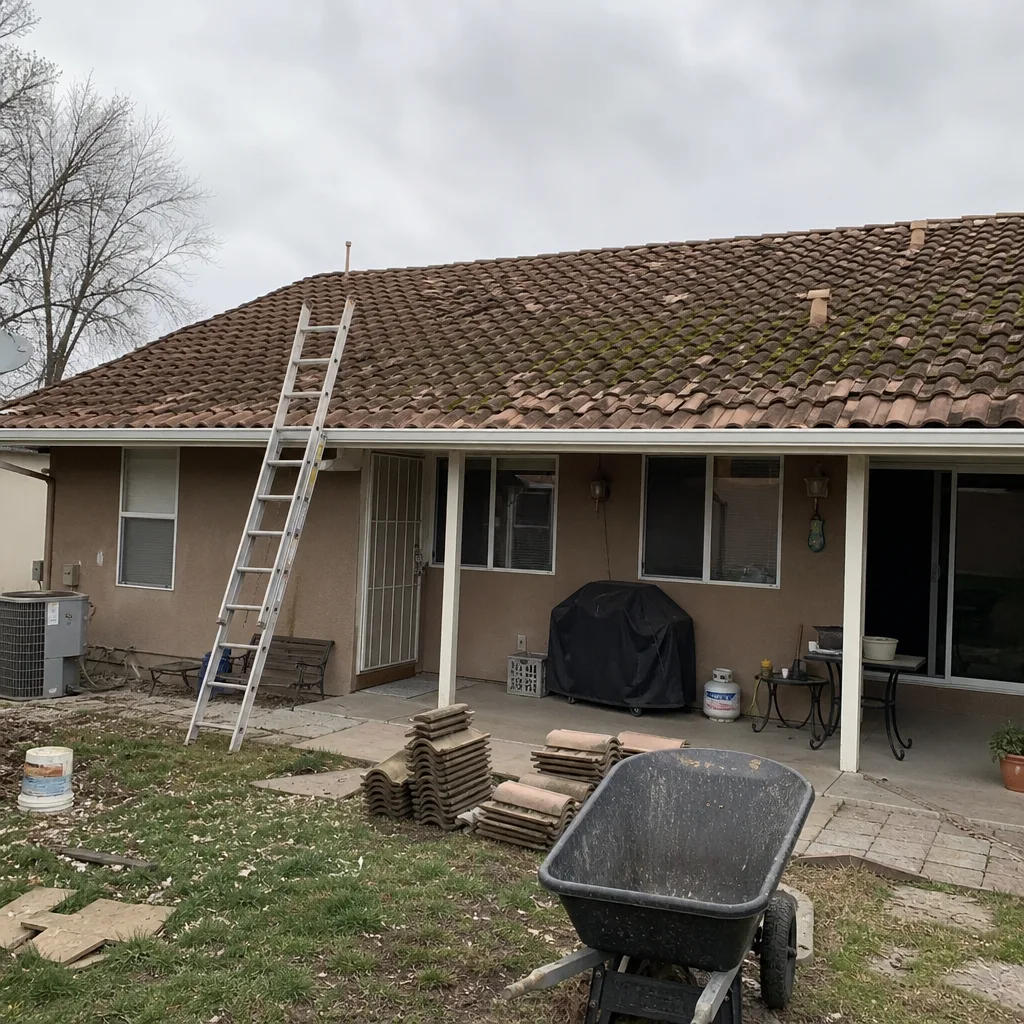 Before
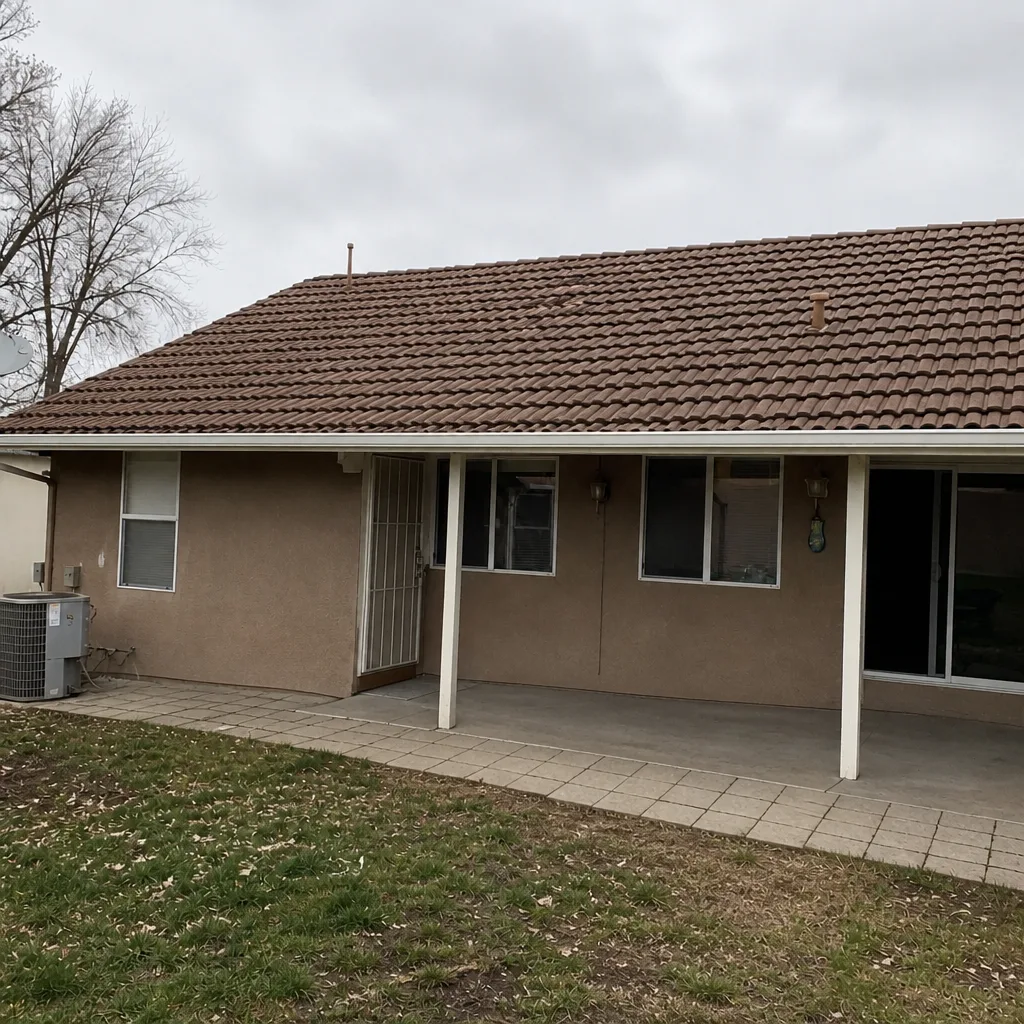 After
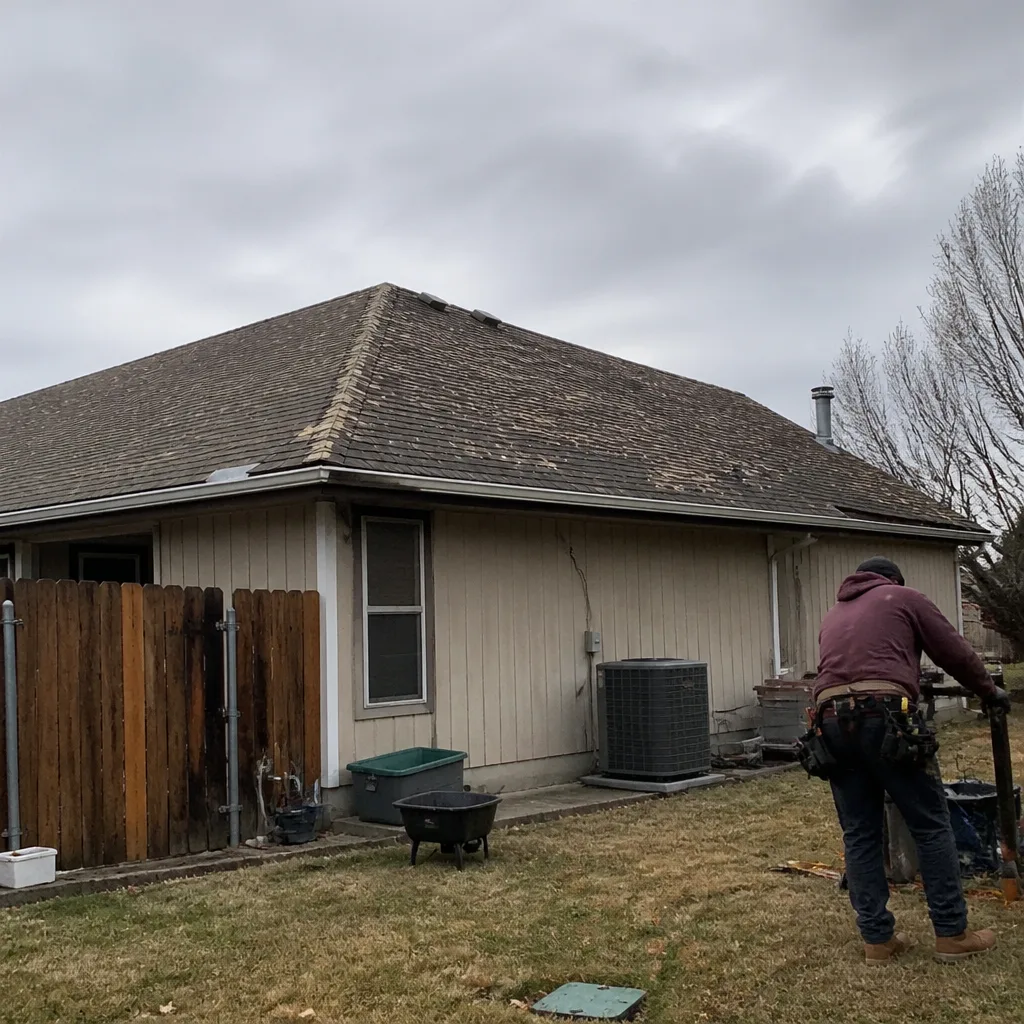 Before
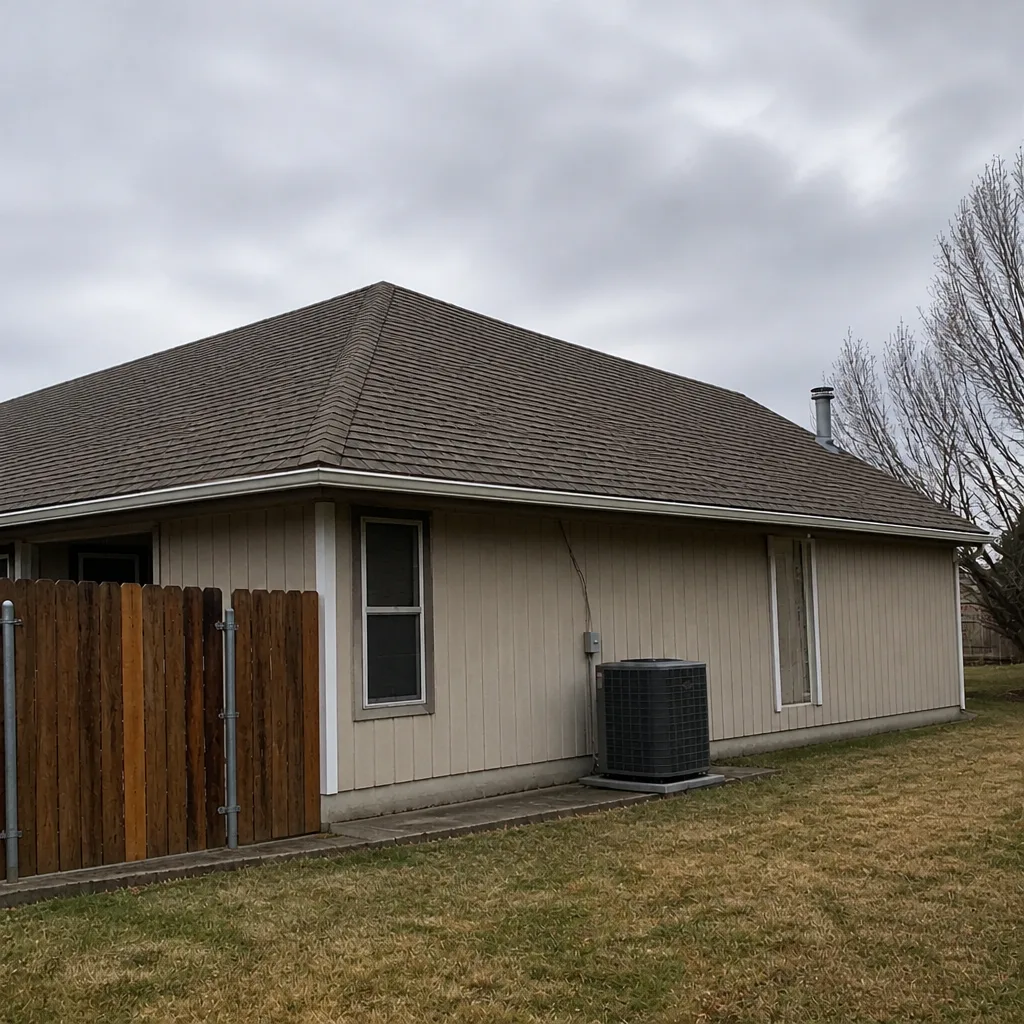 After
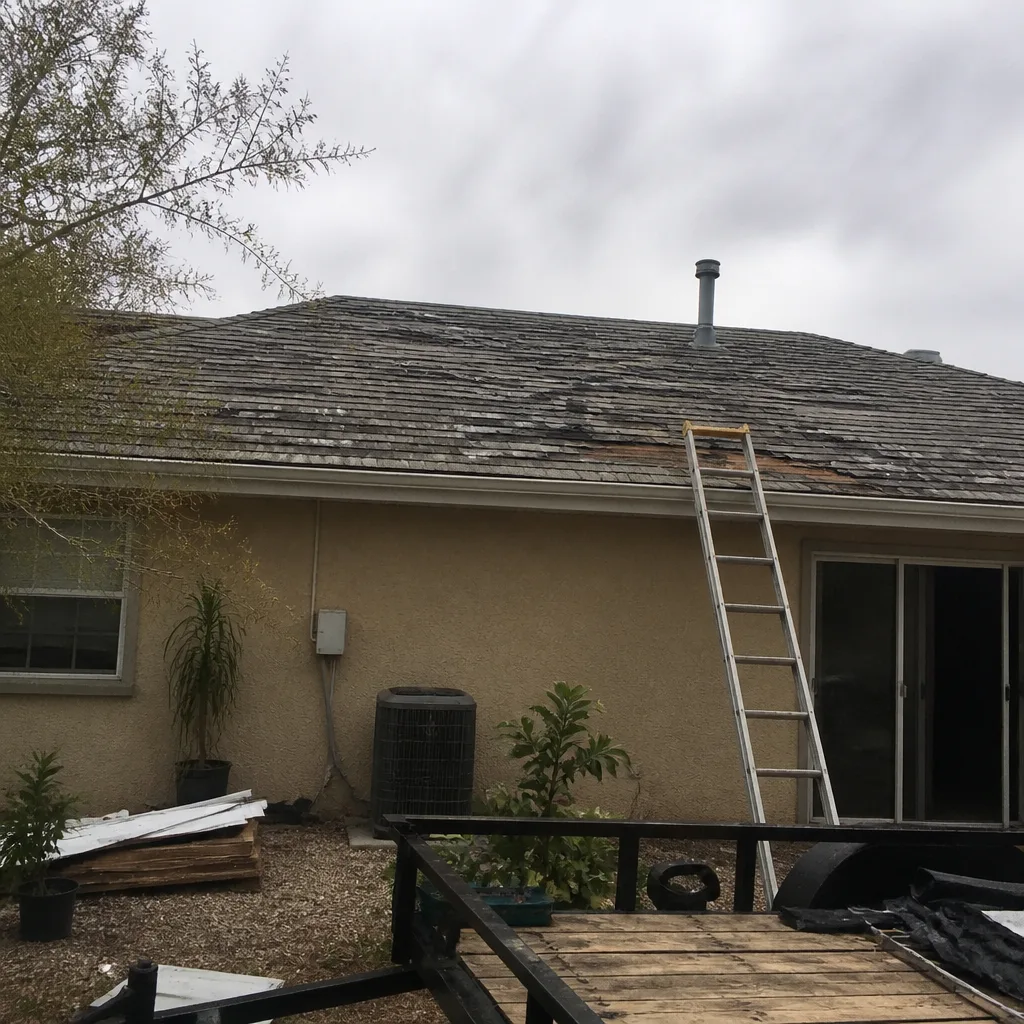 Before
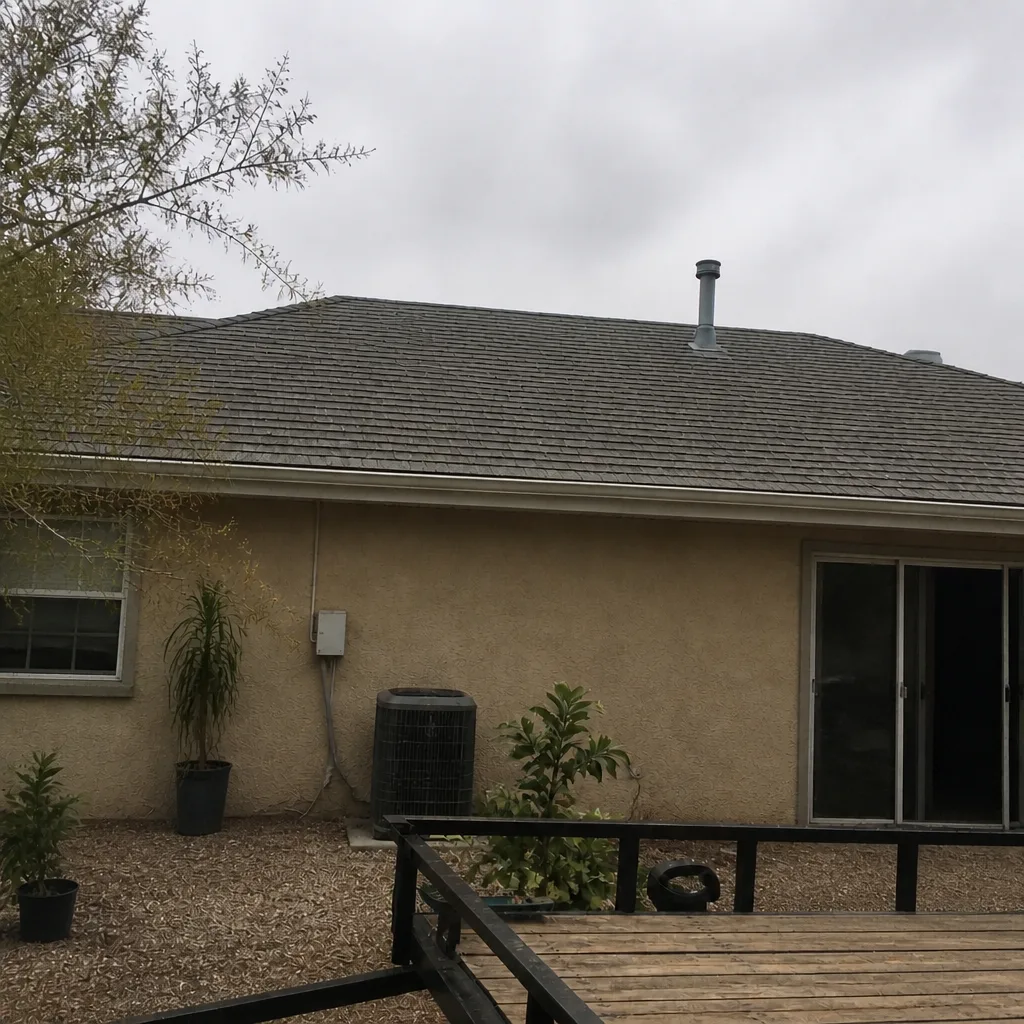 After
Common Mistakes to Avoid
- Believing “maintenance-free” means “no maintenance.” It means no re-shingling. It doesn’t mean the sealant, fasteners and gutters take care of themselves. Every metal roof failure we’ve seen in Whitney had a maintenance gap behind it.
- Pressure-washing a metal roof. A pressure washer will drive water behind fasteners and strip the finish. A garden hose and a soft brush is all a metal roof ever needs, and the wrong cleaning can void the finish warranty.
- Piling new sealant over old. The old sealant is failing for a reason. Layering new on top traps moisture and hides the real problem. The right approach is removing the old and redoing it with the manufacturer’s product.
- Mixing metal types. A cheap replacement screw and a copper chimney cap seem harmless, until they’ve been sitting against a steel panel for a few seasons. Galvanic corrosion is the most avoidable failure on a metal roof.
- Walking a metal roof in street shoes. Treads catch on seams and soles slip on dew. Flat, soft-rubber soles and dry conditions or stay off it. If the weather’s marginal, don’t go up.
- Letting leaves build up behind chimneys and in valleys. The panel doesn’t care. The pool of standing water the leaves hold does. In Whitney, a season of leaf litter is enough to start a leak at a flashing point.
- Skipping the fall gutter clear before a freeze. A frozen gutter pulls away from the fascia and backs water under the eave. It’s a ten-minute job in October that becomes a fascia repair in January.
When to Call a Professional
Bring us in for anything above ladder height that involves touching the roof. Specifically: any active leak or ceiling stain, any fastener you can’t get back to flush, any sealant you’re not sure is the right product, any panel that’s shifted or dented after a storm, and any flashing that’s loose or separating. If a warranty claim might be in play, call before you touch anything – a pro inspection with photos is the paperwork that protects you.
If you’re not sure whether a small stain is a leak or ordinary wear, we’d rather look at it than have you wait. Shepherd & Sons Roofing Whitney home is the place to start, and Bill and his crew will walk the roof and give you a straight answer. Shepherd & Sons Roofing Whitney offers free estimates in Whitney – call (844) 797-9455. If it’s a small repair, we’ll tell you. If it’s more than that, we’ll show you the deck photos before we talk money.
Frequently Asked Questions
Twice a year for a full inspection – once in spring and once in fall – plus a gutter clear in late spring and again before the first freeze, and a quick after-storm look at any time of year. That’s roughly 3 to 5 hours of attention annually. Metal roofs themselves don’t need much, but the sealant, fasteners and gutters do.
No. A pressure washer drives water behind fasteners and strips the finish, and it can void the manufacturer’s warranty on the coating. A garden hose and a soft-bristle brush are all a metal roof should ever see. If the roof needs more than that, call a pro.
Call (844) 797-9455 for an exact quote on a professional inspection – estimates are free.
Galvanic corrosion is what happens when two different metals touch and moisture sits between them, so one metal starts corroding the other. On a metal roof, look for white chalky powder or orange-brown rust running in a line from a fastener, a flashing point, a chimney cap or a satellite dish mount. Catching it early is a fastener swap; catching it late can mean a flashing or panel replacement.
A careful inspection – looking, photographing and documenting – won’t void anything. What can cause warranty problems is modifying the roof: re-gooping sealant with the wrong product, replacing fasteners with mismatched hardware, or walking the roof in a way that damages panels. If you’re unsure, a pro inspection that documents the roof’s condition is the safest move.
Yes, eventually. Sealant at pipe boots, ridge caps and wall flashing is a wear item with a service life measured in years. In Whitney’s heat cycle it typically needs a look every season and re-doing every several years depending on the product and exposure. Layering new sealant over old is a mistake – the old needs to come off first.
Yes, measurably. In Whitney, a metal roof is a strong selling point, and buyers and inspectors want evidence it’s been looked after. A written log showing spring and fall inspections, sealant re-done on schedule, and any issues handled by a licensed roofer turns “we assume it’s fine” into a documented asset. It’s the cheapest insurance on the value of the roof.
The Bottom Line
Metal roofing is the longest-lived roof you can put on a house, and it stays that way with a two-inspection rhythm and a couple of gutter clears a year. Spring and fall are the anchors. Summer fastener checks, pre-freeze gutter clears and after-storm walkarounds are the details. What kills a metal roof isn’t the panels – it’s the sealant, the fasteners and the debris dams nobody cleared. Keep a simple log, stay off the roof in questionable weather, and call a pro before you touch anything you’re not sure about. The roof will do its 50 years if you let it.
If you’d like the calendar walked with you once and a written log started for your roof, we’ll come out and do it. Metal Roofing in Whitney has the details on the systems we install, and Roof Repair in Whitney covers the fix-it side. For a replacement or fresh install conversation, Roof Replacement & Installation in Whitney is the page to start on. And if you’re just pricing a repair, Shepherd & Sons Roofing Whitney is the home base. Call (844) 797-9455 for a free estimate. A live person answers, day or night.
Written by the team at Shepherd & Sons Roofing Whitney.