
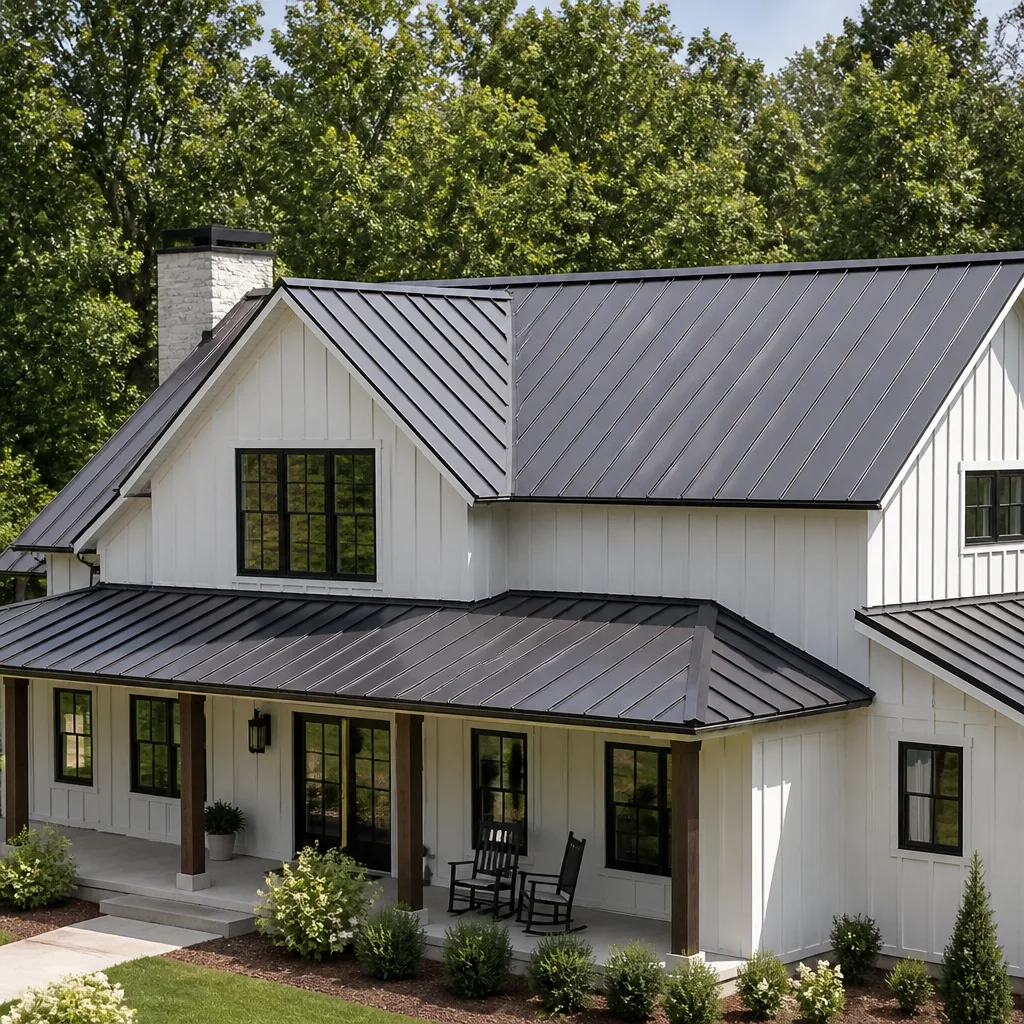
 Metal roofing
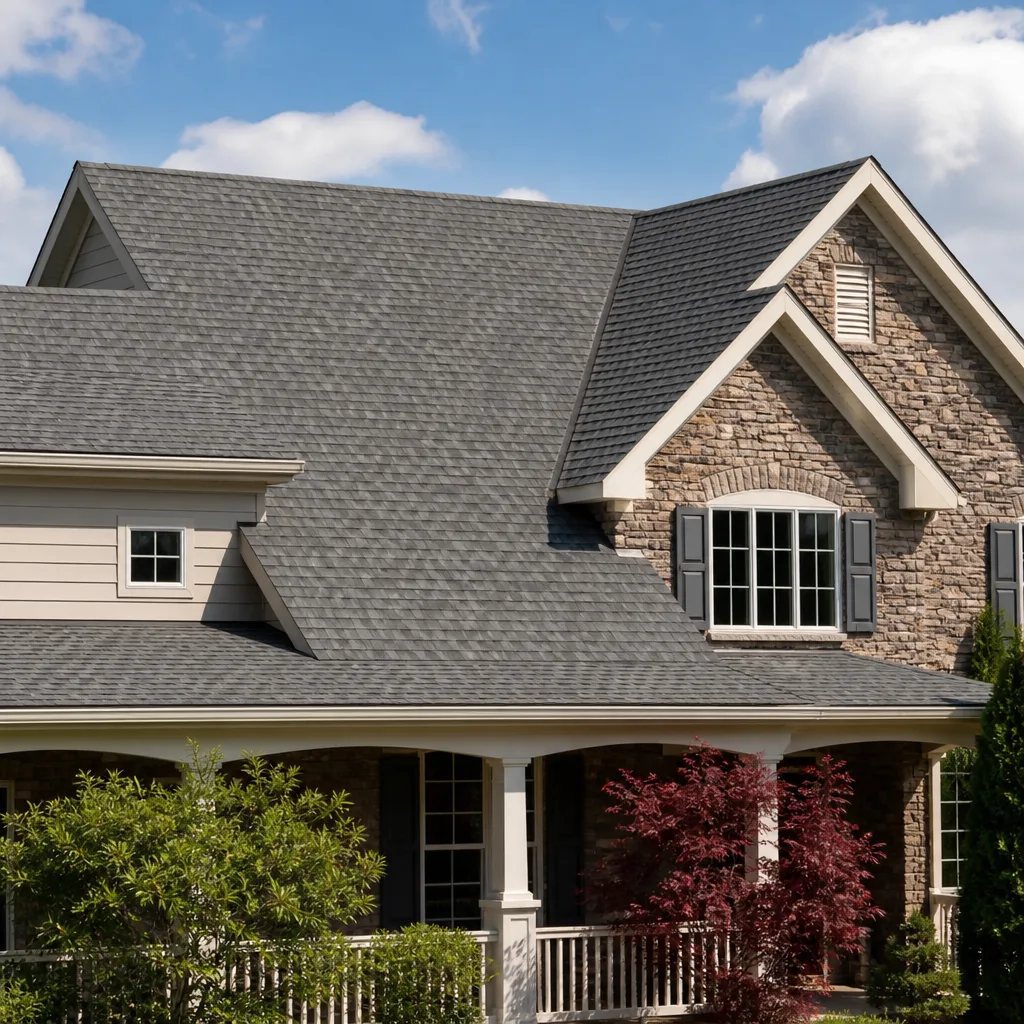
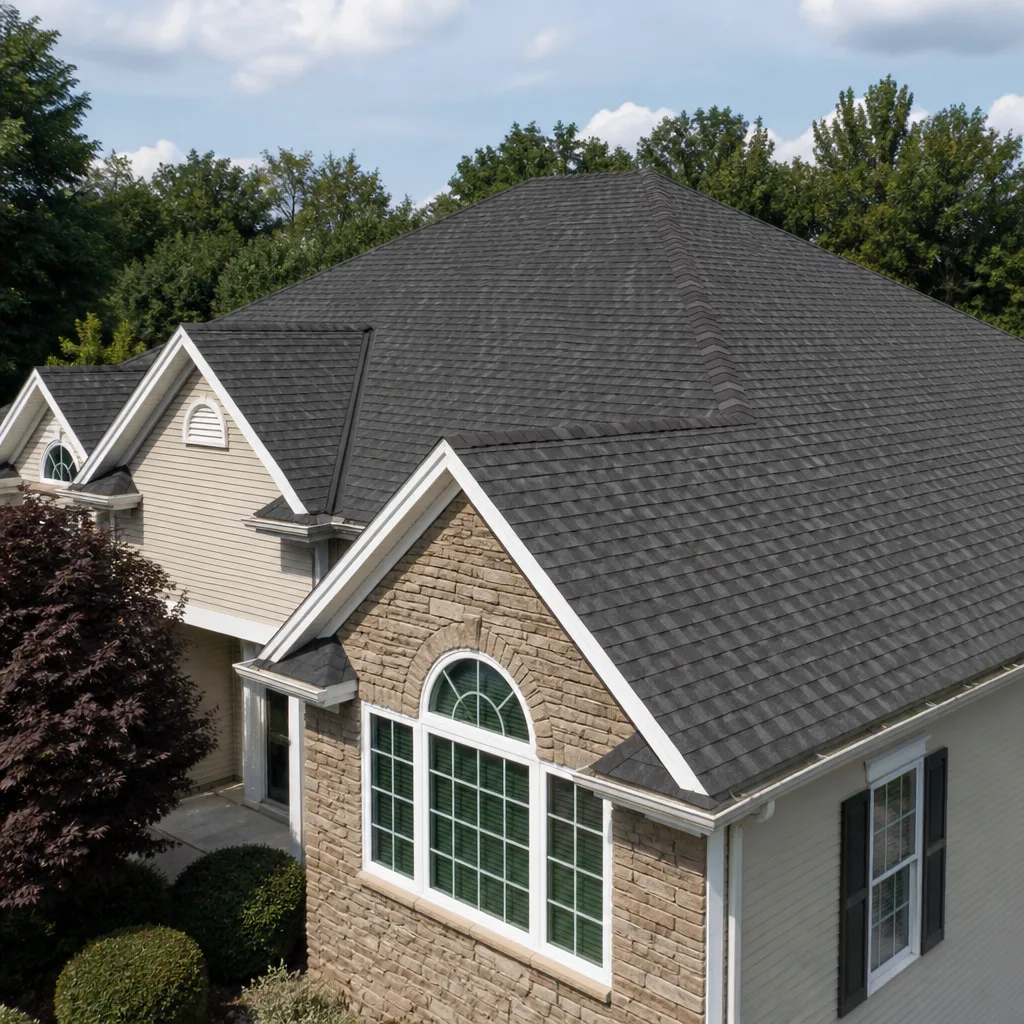
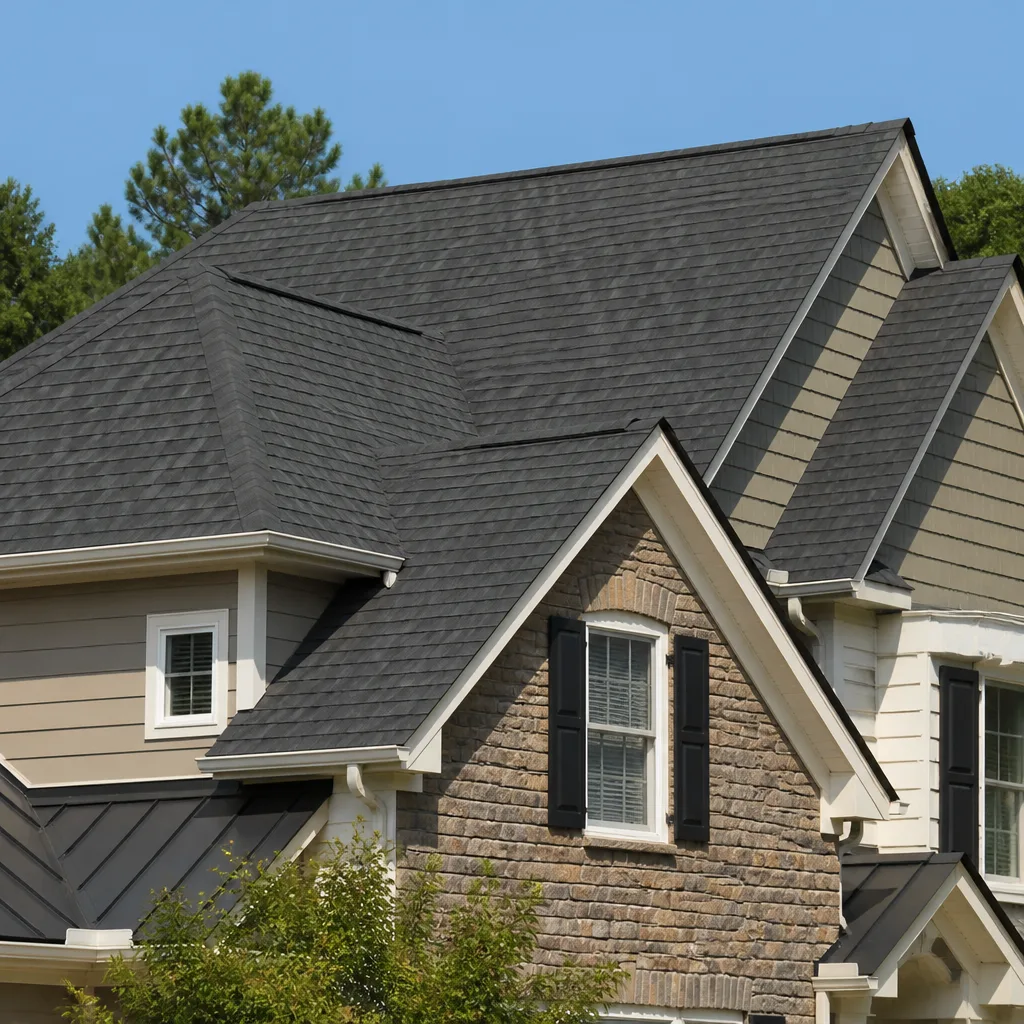 Architectural shingles
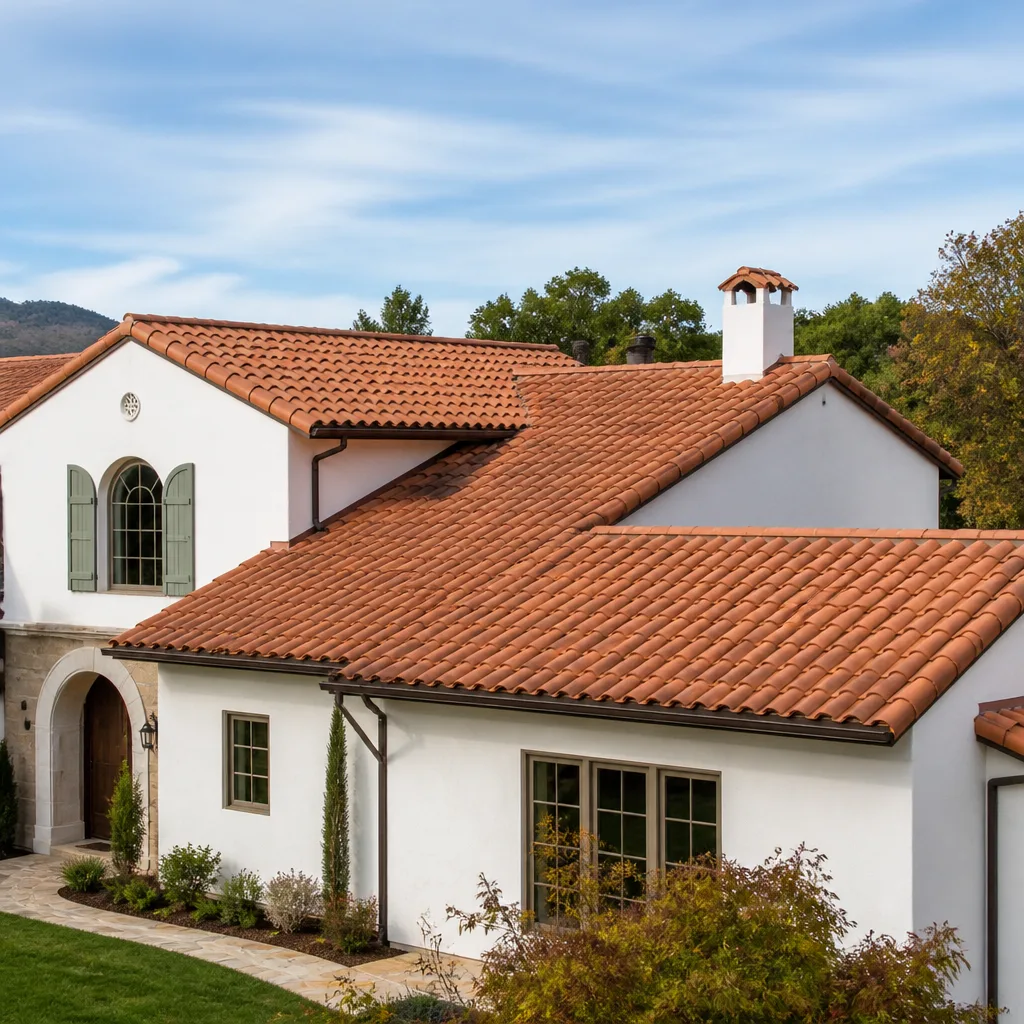 Tile roofing
 GAF
 Owens Corning
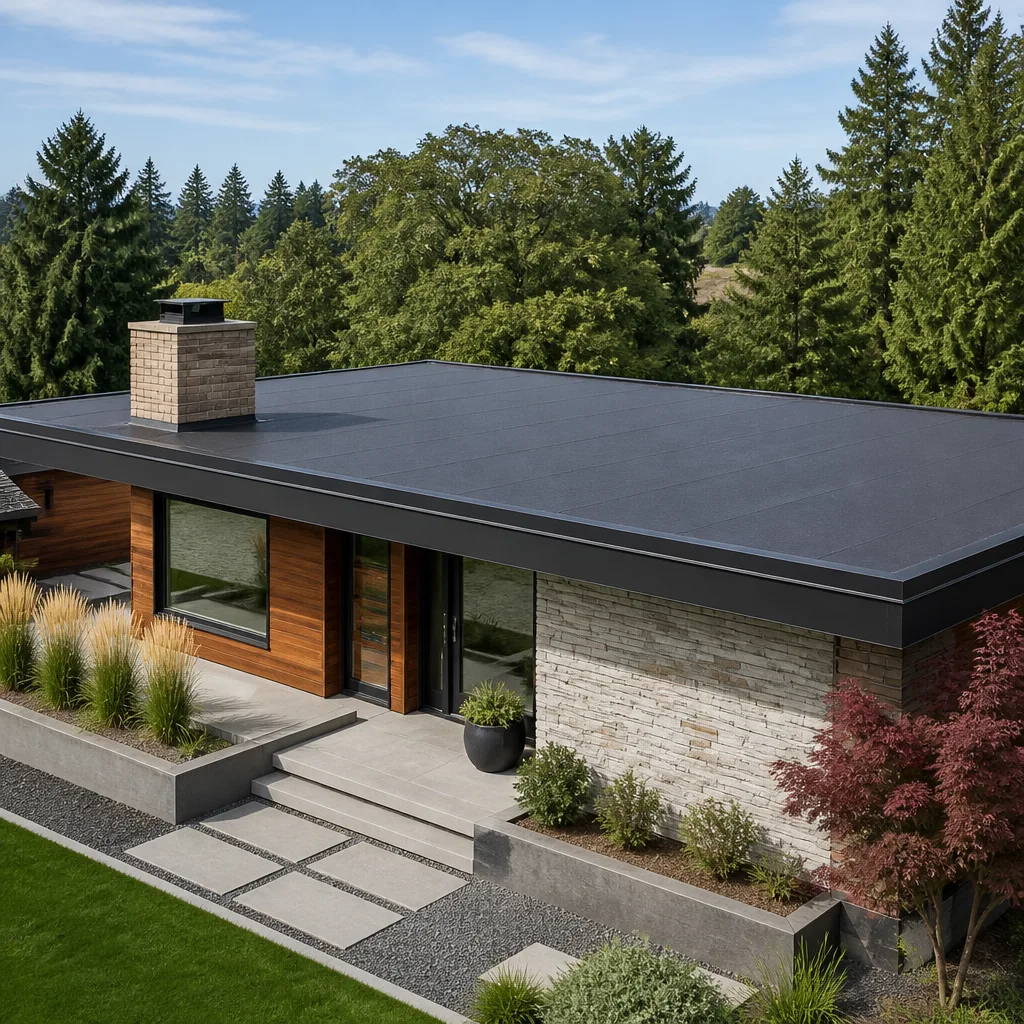 Flat & low-slope
Free roof inspection with deck photos before we talk money - GAF and Owens Corning certified installation
Styles & brands we work with
- Architectural shingles
- Metal roofing
- Tile roofing
- GAF
- Owens Corning
- Flat & low-slope
See the difference
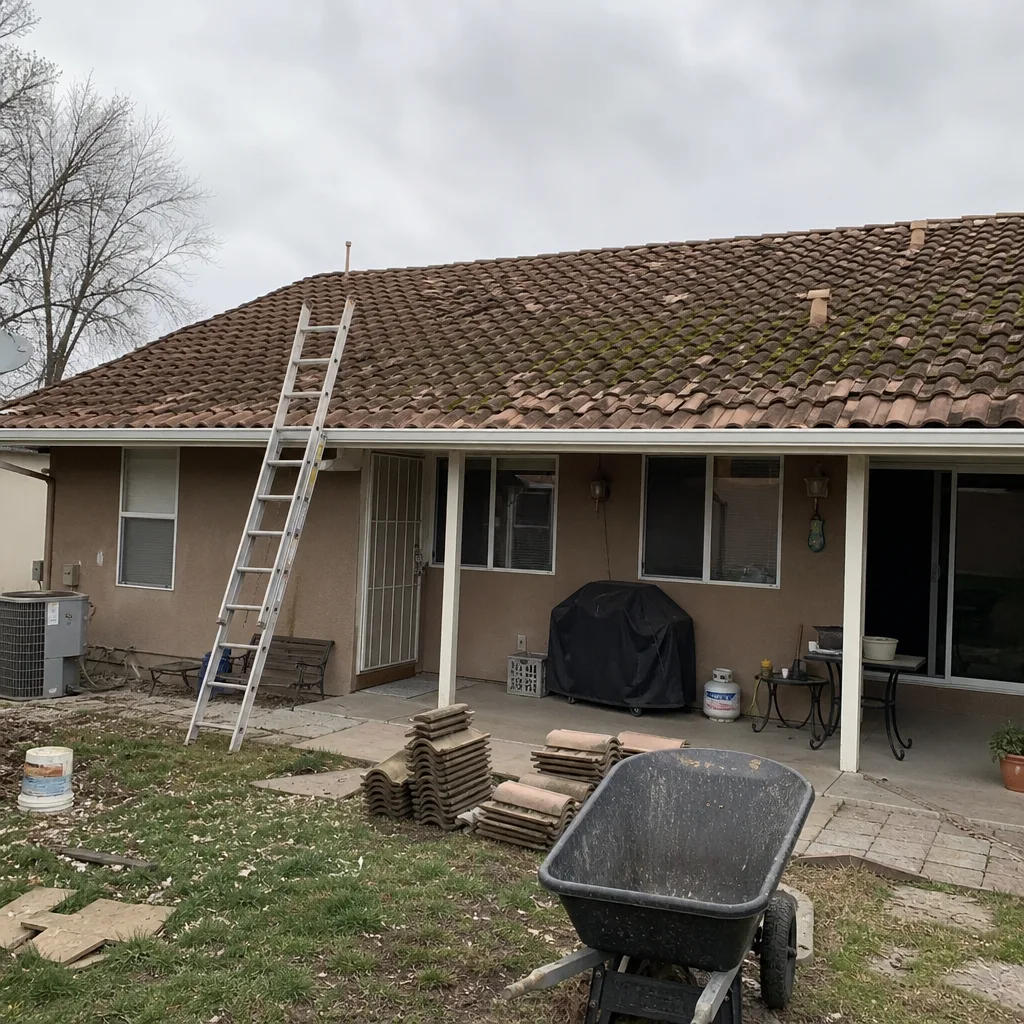 Before
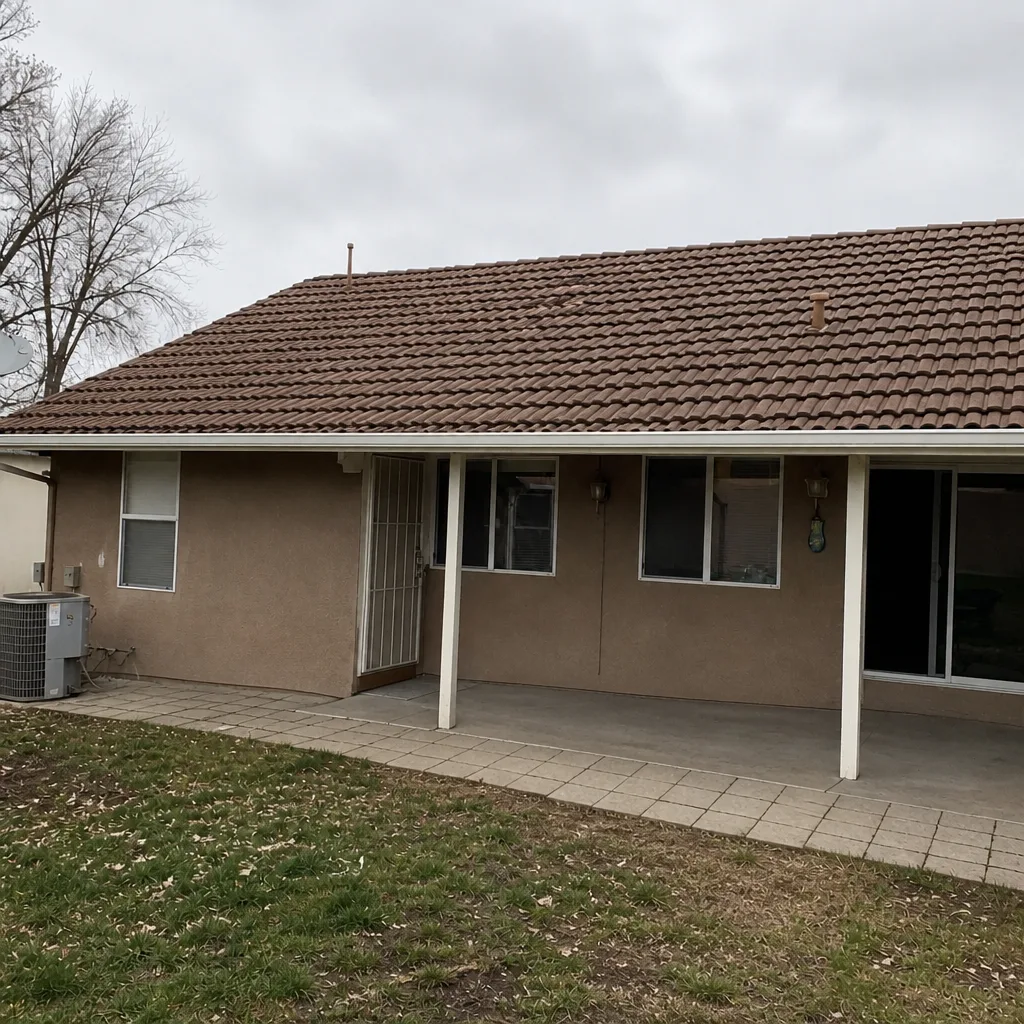 After
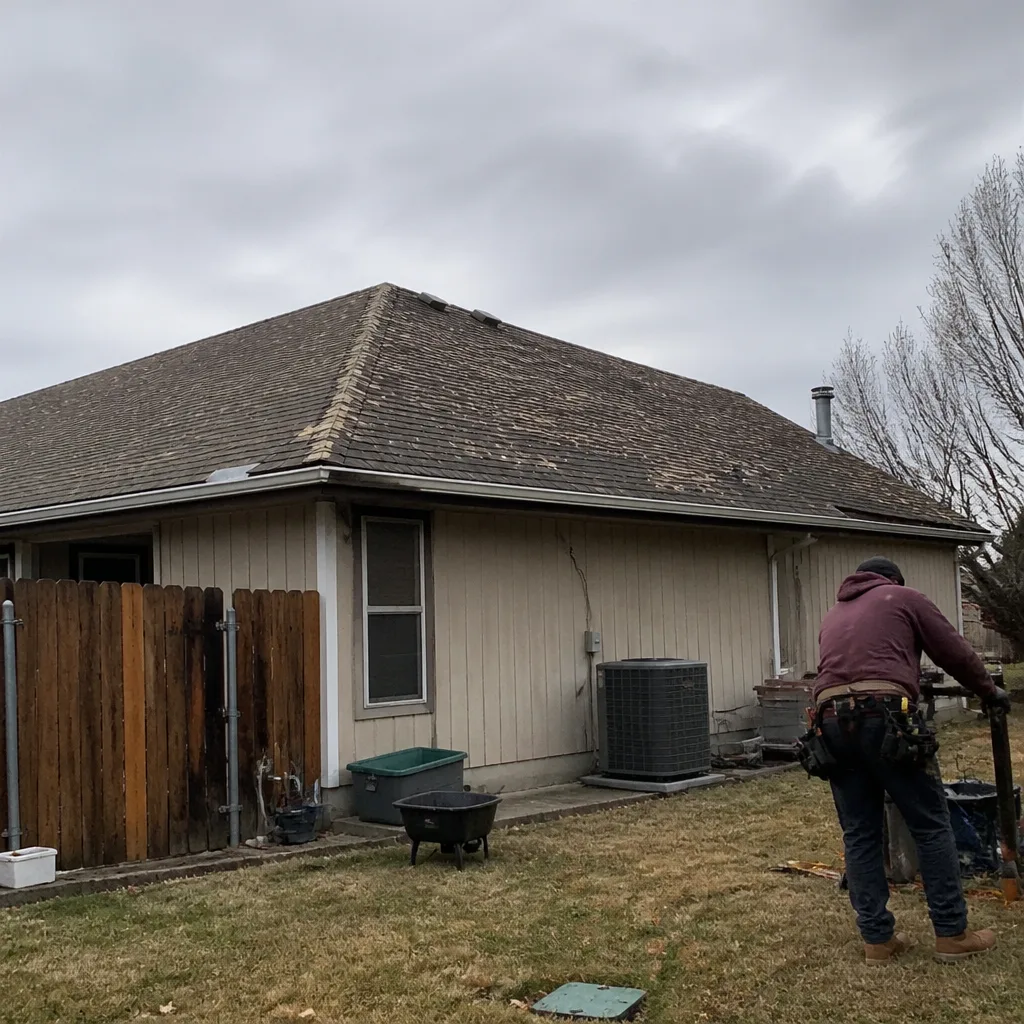 Before
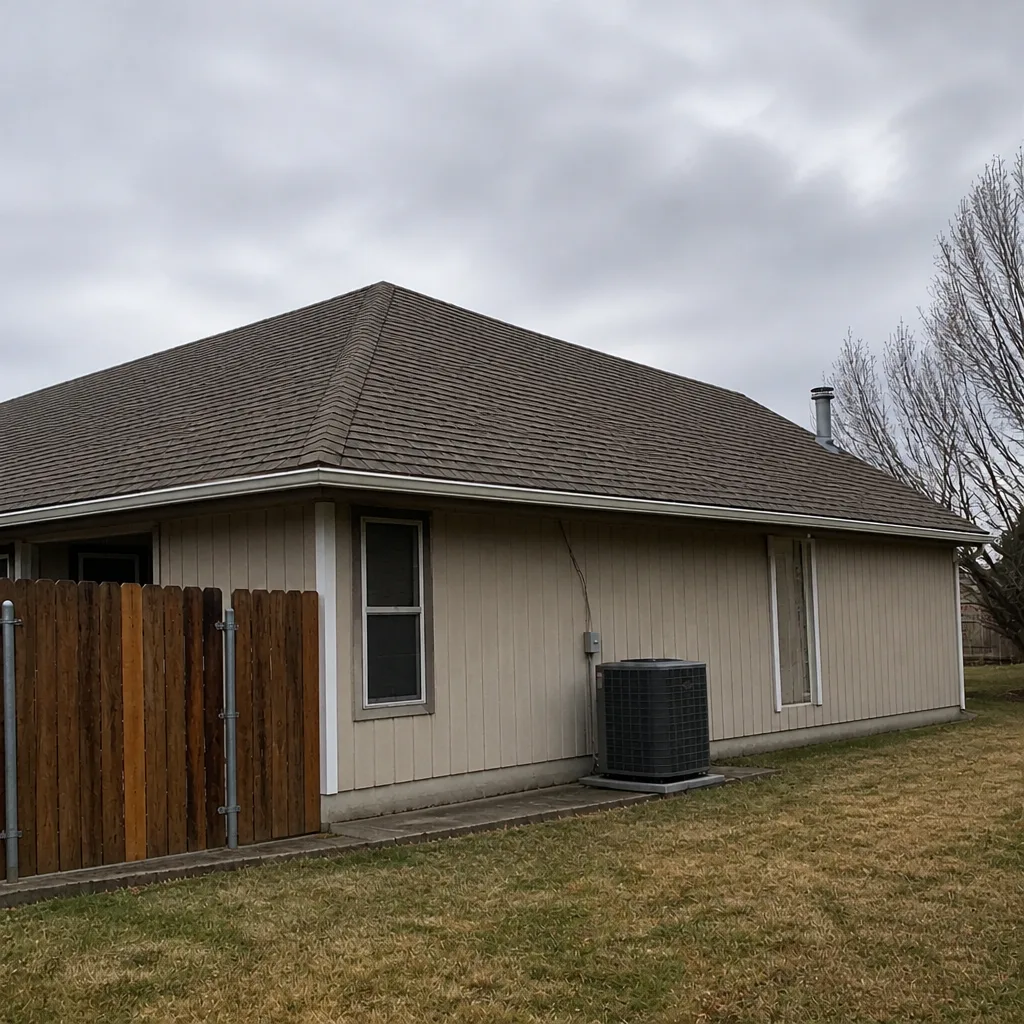 After
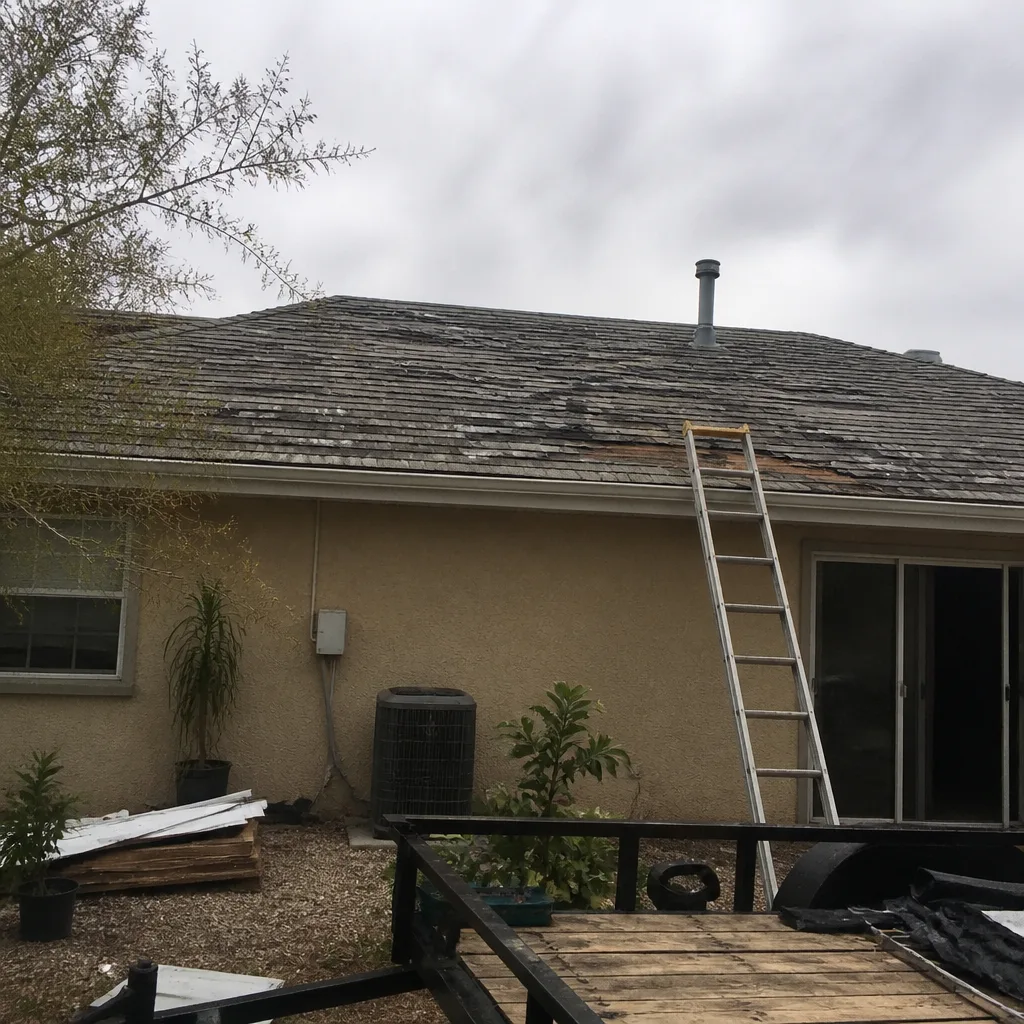 Before
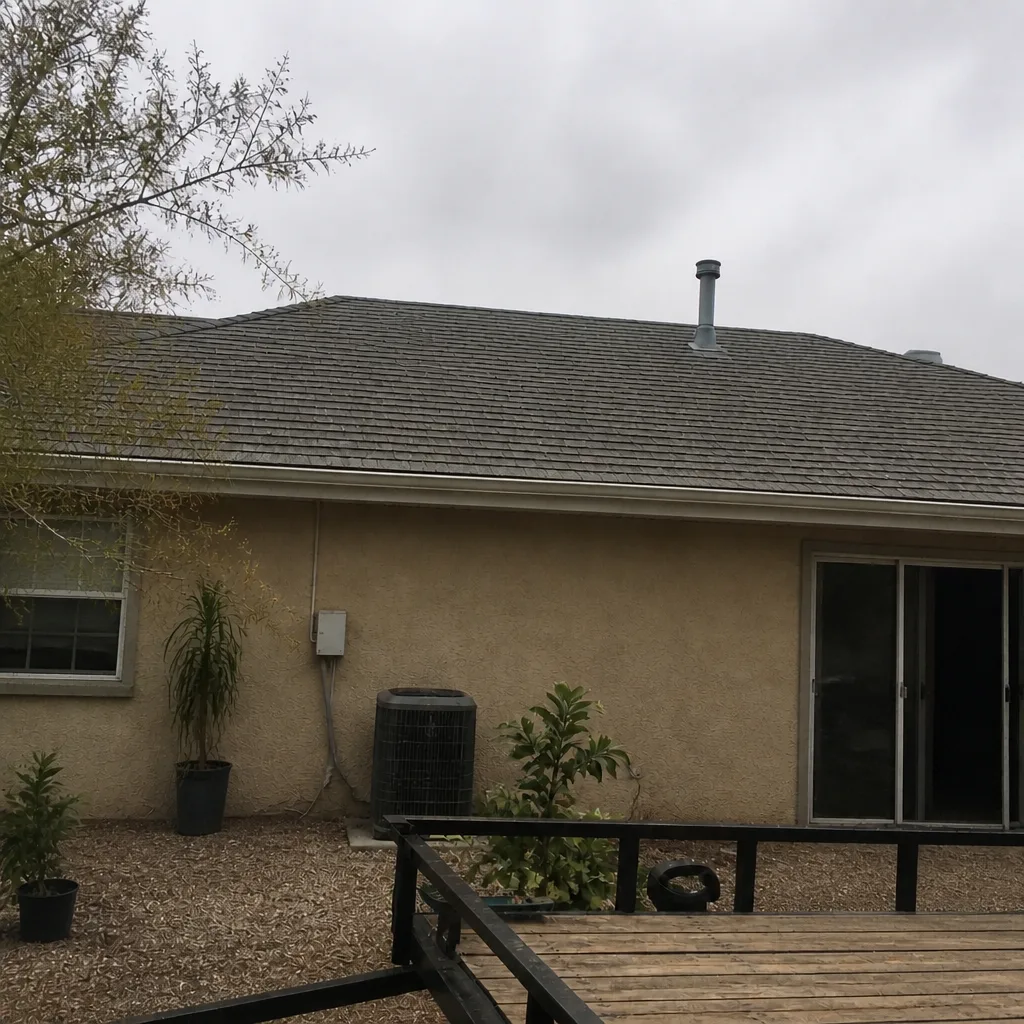 After
What Standing Seam Metal Roof Cost Really Looks Like in Whitney, NV
Standing seam metal roofing in Whitney typically runs $1,100 to $1,800 per square (a square is 100 square feet) installed, and that number moves based on roof complexity, gauge, and how many hip and valley intersections the panels have to wrap. Panels alone are only part of that figure. The custom trim, high-temp underlayment, and ventilation work on Whitney’s 1980s and 90s tract-home hip roofs add labor that flat-quote estimates often bury. Call (844) 797-9455 and a live person picks up, day or night, to walk through an upfront number for your roof.
Why the Quote You Get Is Often Lower Than the Job Actually Costs
The standing seam number a homeowner hears on the phone is frequently a panel price, not a roof price. Here’s where the gap lives.
- Custom trim fabrication. Whitney’s ranch-style footprints are full of hip ridges and valley intersections. Every one of those joints needs bent trim and closure work, done on site or in a shop, and that labor isn’t free.
- High-temp synthetic underlayment. Standard felt bakes brittle in the desert sun and won’t survive long under hot metal. High-temp synthetic underlayment is required for a standing seam assembly, and it adds to the line item.
- Ventilation upgrades. A tight metal roof changes how a house breathes. Ridge venting and intake work usually come with the job to keep attic heat from cooking the deck.
- Panel count and layout. Long panel runs in Whitney’s summer heat can oil-can if the gauge and layout aren’t right. That’s a placement decision, not a material upcharge, but it takes planning.
Here’s what a straight line-item breakdown of those ranges looks like for a Whitney roof:
| Cost Component | Typical Range |
|---|---|
| 24-gauge standing seam panels (materials) | $450-$700 per square |
| 26-gauge standing seam panels (materials) | $350-$550 per square |
| Custom trim fabrication (hips, ridges, valleys) | $150-$350 per square |
| High-temp synthetic underlayment | $60-$120 per square |
| Ridge and intake ventilation | $400-$900 flat per roof |
| Labor and installation | $350-$600 per square |
| Total installed | $1,100-$1,800 per square |
That $3 to $5 per square foot spread between a simple gable roof and a cut-up hip roof is real complexity, not contractor margin. A roofer who hands you a flat per-square number without measuring the hips and valleys is guessing. We measure. A roof is measured in squares, and we’ll ask any helper on a bid how many they counted.
Why Hidden-Fastener Standing Seam Holds Up on Whitney Roofs Specifically
Exposed-fastener metal panels screw straight through the face of the sheet, and every screw is a hole that has to stay sealed for decades. On Whitney roofs, that’s a problem because the desert doesn’t sit still.
Summers here run above 100°F with blistering UV. Winter nights dip near freezing. That daily swing works on every fastener and every penetration. Over a season, screws back out slightly, washers dry out, and the next monsoon finds the gap. Standing seam takes that same abuse differently: the panels float on concealed clips that let the metal expand and contract on its own. No face penetrations. No screws to work loose. The clip system handles both the thermal movement and the rain volume that desert flash storms throw at a roof.
Nearly all of Whitney’s housing went up between 1980 and 2005 as Sun Belt tract housing, so the roofs here fail on a synchronized 20-to-25-year clock rather than the scattered repairs you see in older Las Vegas neighborhoods. Whole blocks hit replacement age at once. When you’re choosing a roof to sit on that house for the next 40 years, the fastener design matters more than the color swatch. When your asphalt or tile roof reaches the end of that clock, moving to a Metal Roofing system is worth pricing before you decide on a like-for-like replacement.
The Gauge Question: 24-Gauge vs. 26-Gauge in Desert Heat
Gauge is a thickness measure, and lower numbers mean thicker metal. In Whitney’s climate, that difference is not cosmetic.
Long panel runs in summer heat want to oil-can, a wavy distortion that shows up on a bright flat surface. Thicker 24-gauge metal resists that much better than 26-gauge on the long runs common on ranch-style roofs. A 26-gauge panel can be the right budget call on a short, simple roof, but on a long expanse baking in Whitney sun, going thicker is the smarter long-term decision. We’ll tell you which gauge fits your roof instead of upselling past the actual need.
Profile choice also matters for energy. Several standing seam profiles qualify for cool-roof ratings, and in Nevada’s net-metering environment a cooler roof has a calculable value: less attic heat load means less HVAC work, and that shows up on your power bill. Worth doing the math before you sign anything.
What Standing Seam Looks Like on a Whitney Roof, Start to Finish
Here’s what actually happens when we take on a standing seam job in Whitney.
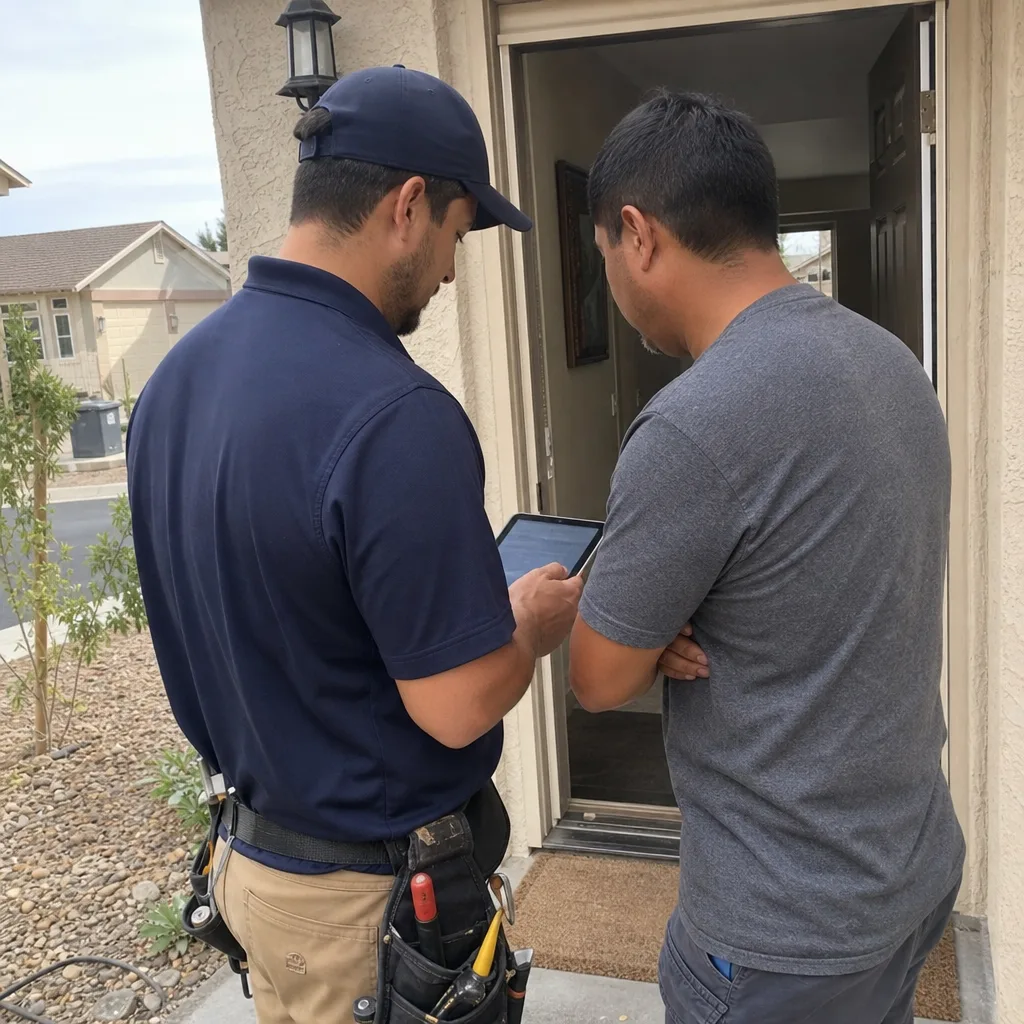
- Deck inspection and photos. We look at the sheathing and show you what we find before we talk money.
- Square count and layout. We measure the roof, count the hips and valleys, and lay out panel runs to minimize waste and distortion.
- Tear-off and deck repair. On Whitney’s older tract homes, this is where surprises surface. Original felt underlayment has often baked brittle under the old roofing, and a leak means a full tear-off and re-felt rather than a patch.
- High-temp underlayment and ventilation. The underlayment goes down before a single panel does. We install products from IKO, Atlas, Tamko, and Boral where the assembly calls for them.
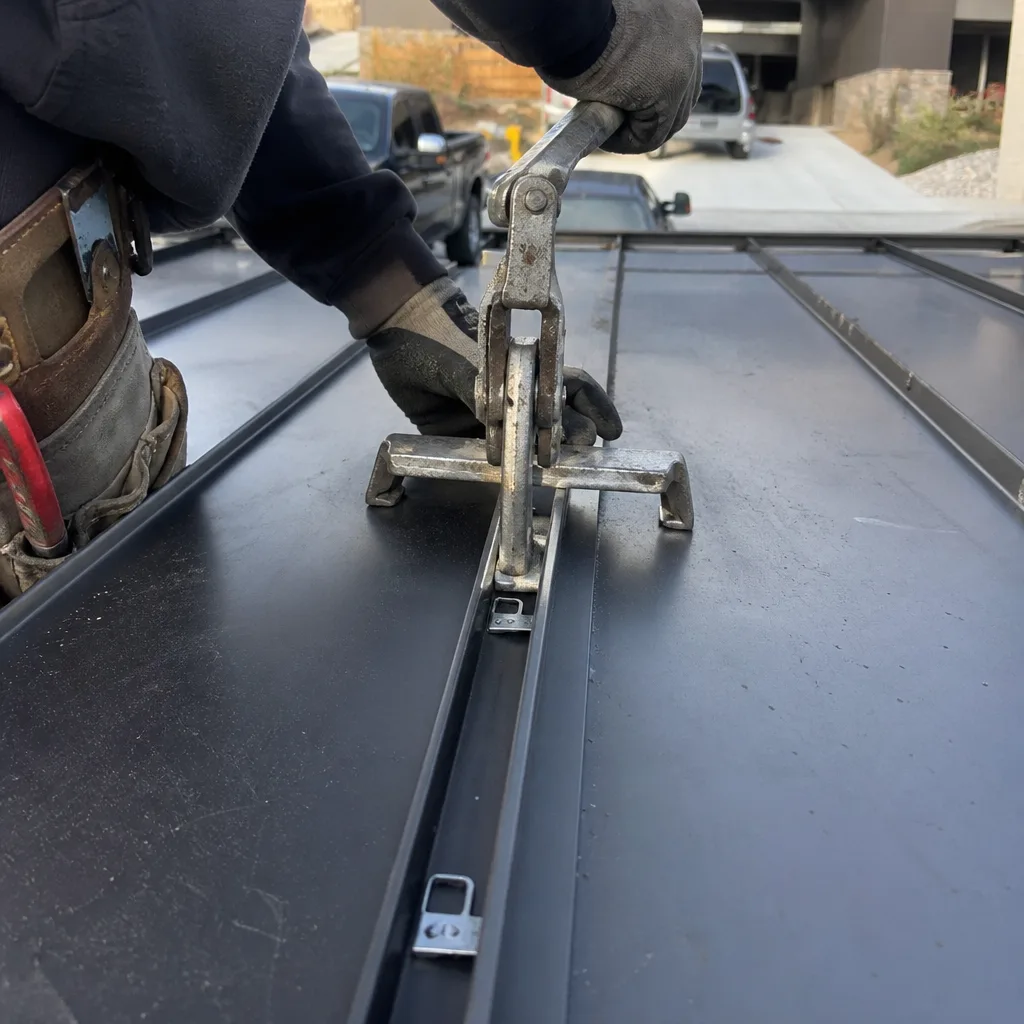
- Panel install on concealed clips. Panels float and lock together at the seams, with custom trim bent to fit every intersection.
- Walk-through and written promise. We go over the finished roof with you and put the 90-Day Done Right Promise in writing. If something’s not right, one call brings us back.
Our crew has up to 30 years of experience on roofs like these. Same address since 1996, same name on the license, and the whole job backed by the 90-Day Done Right Promise. If you want the full picture on profiles and materials, the Metal Roofing in Whitney page covers the options.
Common Standing Seam Scenarios Around Whitney
A 1990s hip roof that’s leaking under the tile. This is the scenario we see most. The tile looks fine, but the felt underneath has gone brittle, and one monsoon finds it. On many Whitney roofs that means a tear-off and full re-felt. Standing seam on top of the repaired deck is a clean way to close that chapter for good.
A tract home on a synchronized replacement block. When a dozen neighbors are all replacing within the same couple of years, timing and a straight number matter. We give you an upfront price, answer the phone when you call, and stand behind the work.
A homeowner eyeing energy savings. If you’re in the net-metering conversation, a cool-roof standing seam profile can reduce HVAC load. We’ll walk through which profiles qualify and what that’s worth to you.
FAQs
Standing seam metal roofing in Whitney runs about $11 to $18 per square foot installed, or $1,100 to $1,800 per square. The range depends on gauge, roof complexity, and trim. A simple gable roof lands lower; a cut-up hip roof with lots of valleys and ridges lands higher. Call (844) 797-9455 for an exact quote, and estimates are free.
Yes, in Whitney’s climate it usually is. Exposed-fastener panels leave a screw hole at every penetration, and the desert’s daily thermal swings work those screws loose over time. Standing seam’s hidden clips float with the metal and carry no face penetrations, which means fewer leak points over a 40-year roof. Call us for a side-by-side number on your specific roof, and estimates are free.
Sometimes, but not always. If the deck and underlayment are sound, we can often work over them; if the original felt has gone brittle (common on 1980s and 90s Whitney tract homes), a tear-off and re-felt is the safer path. We inspect and show you photos before quoting. Call (844) 797-9455 and we’ll come look.
Cool-rated standing seam profiles can, because they reflect sun and cut attic heat load, which means less air conditioning work in a Whitney summer. In Nevada’s net-metering environment that savings has a calculable dollar value. We’ll walk through which profiles qualify and do the math with you. Call for a free estimate.
Standing seam is a serious roof with a serious price, and you deserve a straight number on the table before anyone touches your roof. We’ll show you the deck photos, walk through the line items, and put the 90-Day Done Right Promise in writing. Call (844) 797-9455 for a free estimate, and a real person will pick up.
Written by the team at Shepherd & Sons Roofing Whitney, serving Whitney, NV.
What Our Customers Say
"He went up and came back down with photographs of my actual roof rather than a scary speech in the driveway. Told me it had four or five years left and to call him then."
- Marvin Toussaint"They handled the insurance side without any of the hustle I had been warned about. No inflating, no talk of covering my deductible, just the actual scope and the photographs."
- Wilhelmina Grady"A shingle lifted in a gale eighteen months after the job and he came out and fixed it inside two days at no charge. The warranty is on paper and he honored it without an argument."
- Bethany Colquhoun