
Last updated November 18, 2026
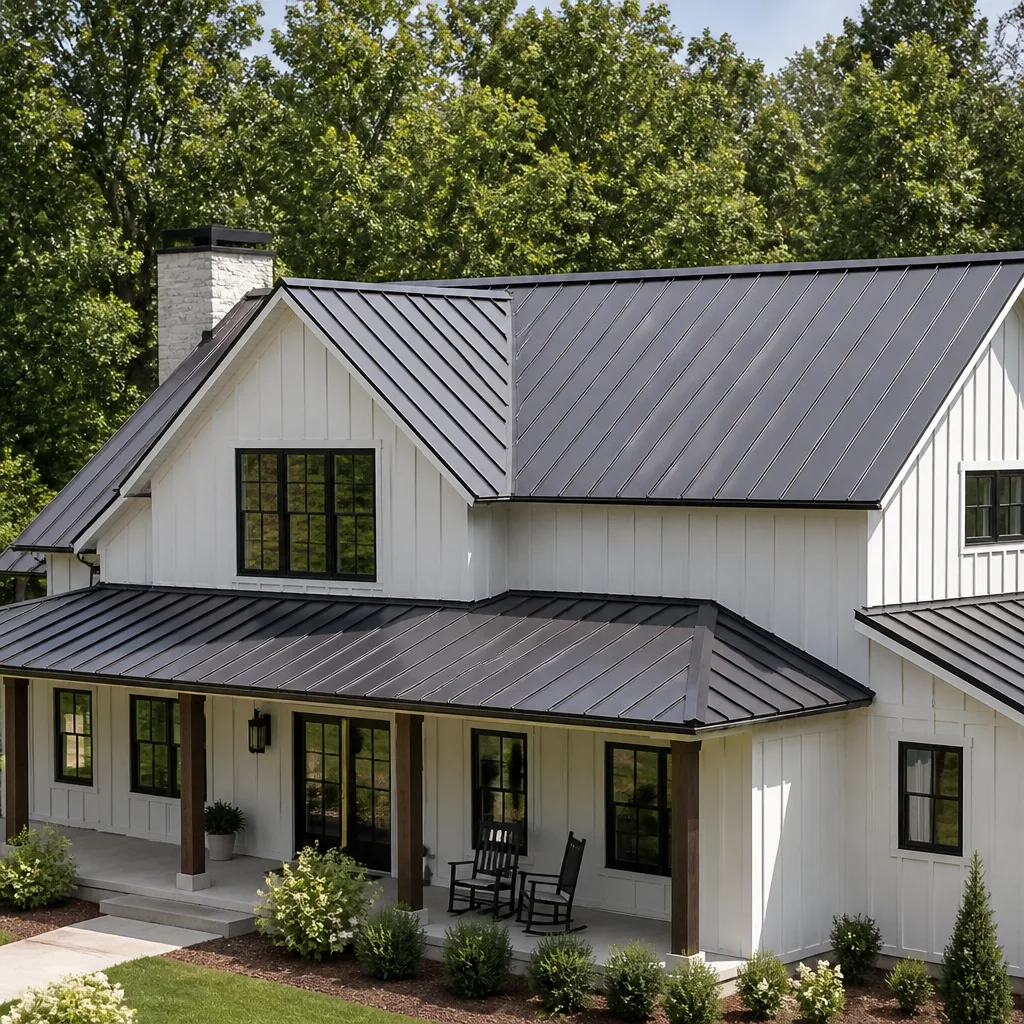 Metal roofing
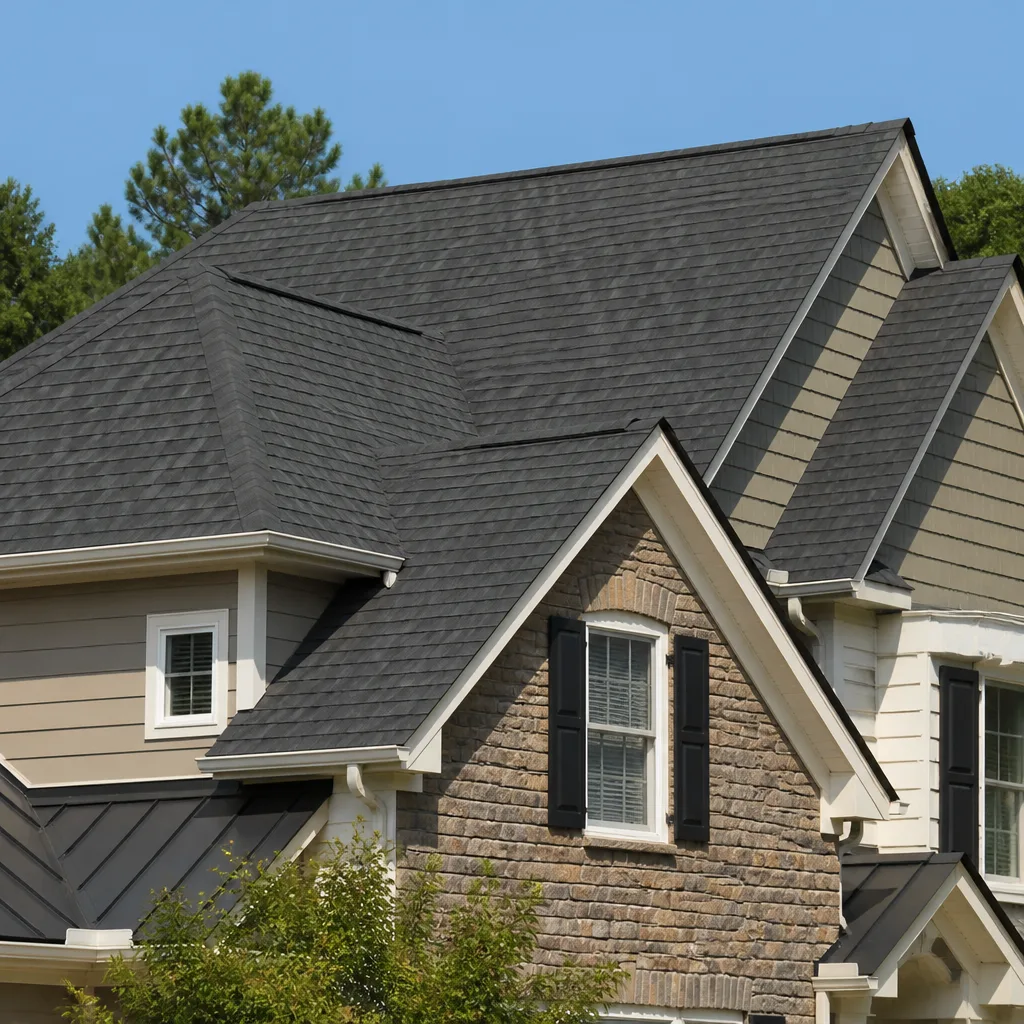 Architectural shingles
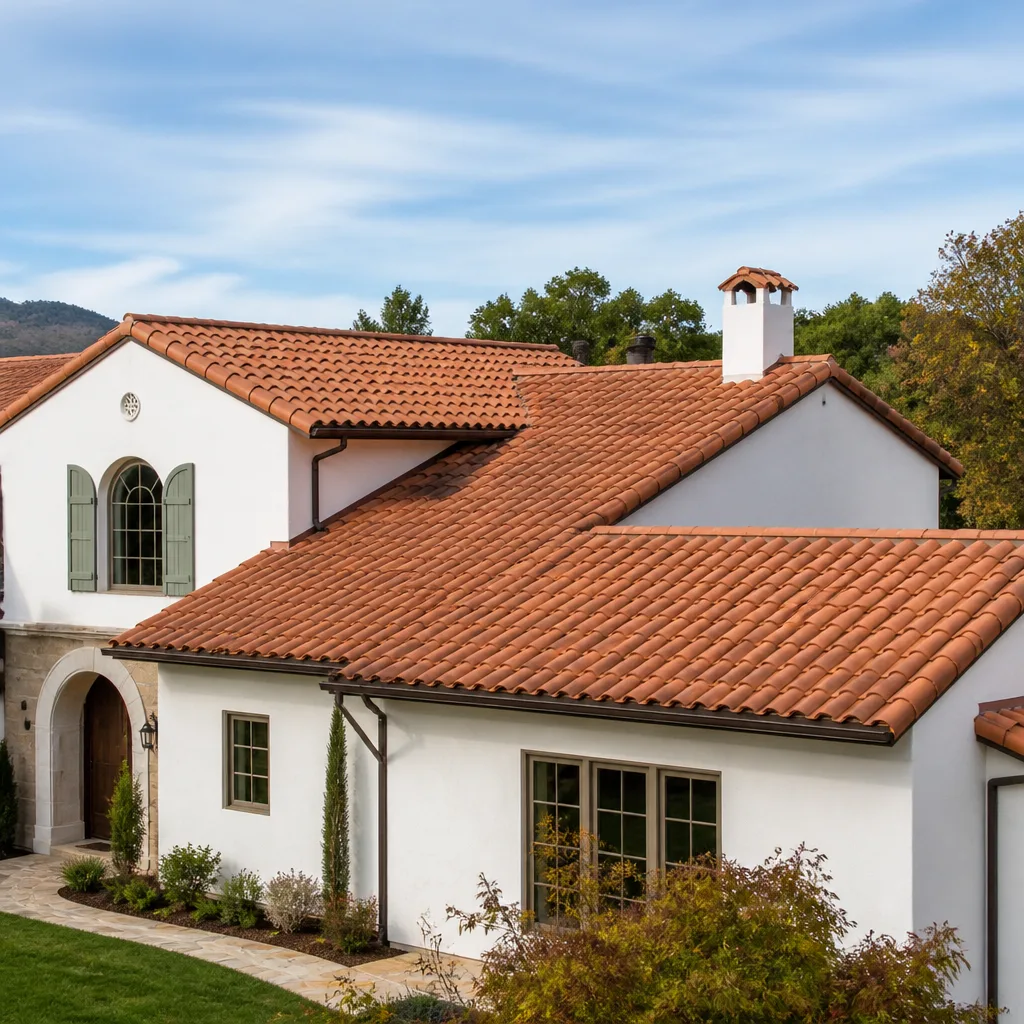 Tile roofing
 GAF
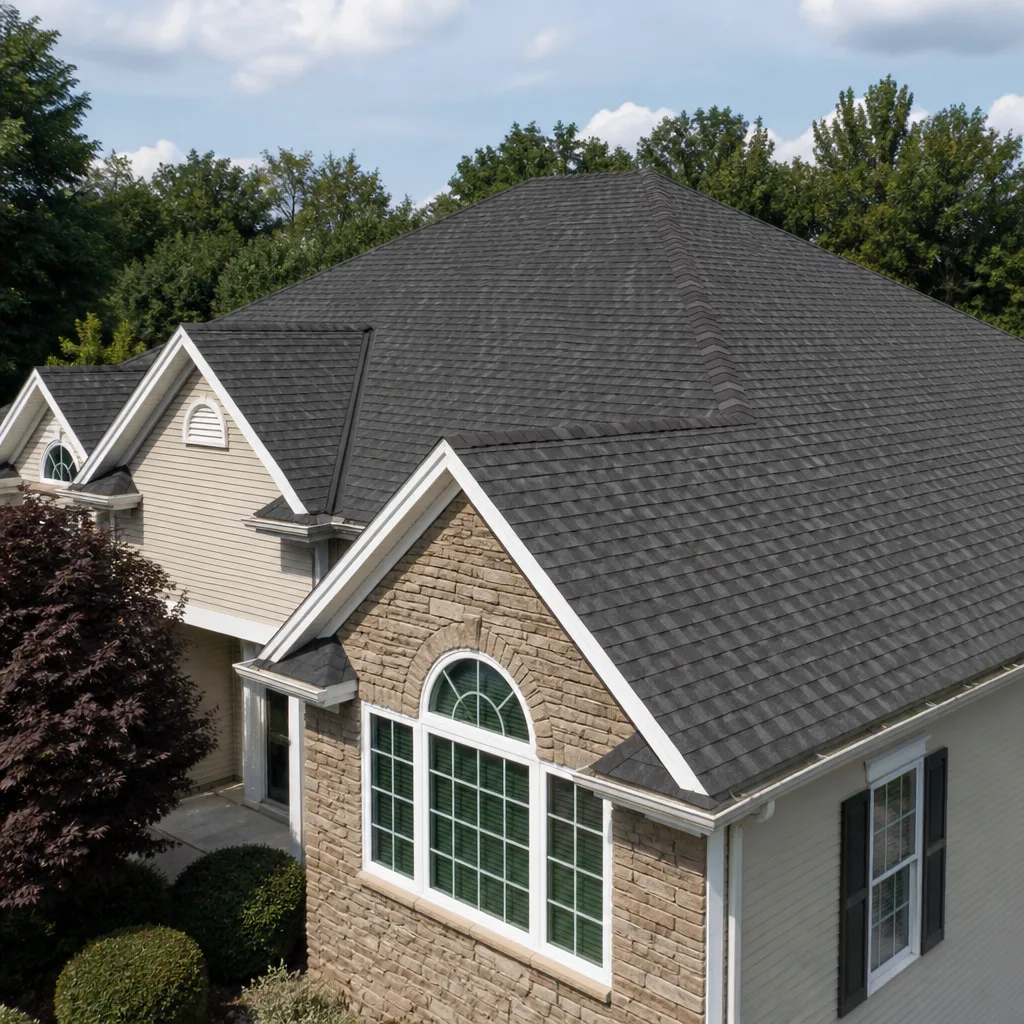 Owens Corning
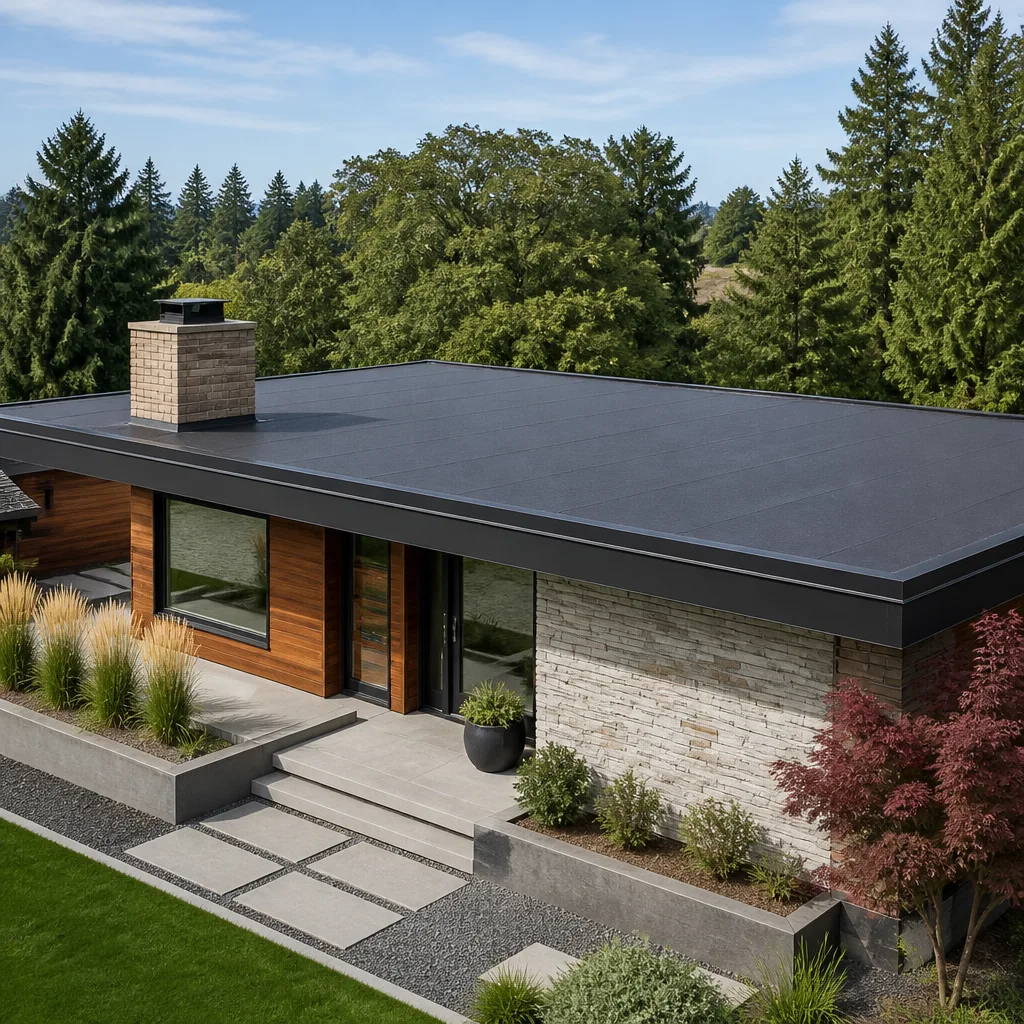 Flat & low-slope
Free roof inspection with deck photos before we talk money - GAF and Owens Corning certified installation
How to Hire a Roofing Contractor in Whitney: A Step-by-Step Guide
After every significant hailstorm in the Clark County area, out-of-state roofing crews flood into the neighborhood within 72 hours. By the time most homeowners realize the company has no local address, the check has already cleared. The standard advice to “get three bids” doesn’t protect you from that, because a storm chaser can hand you three bids from three different phantoms. This guide replaces the old advice with a vetting sequence that filters out the bad actors before they ever get to your door: how to check a Nevada license in 90 seconds, how to confirm a real address, the five questions that end a conversation, and how to read a contract for the terms that actually protect you.
Quick Answer
To hire a roofing contractor in Whitney, verify the contractor’s Nevada license through the NSCB lookup tool, confirm a physical local address you can visit, ask five specific questions before anyone climbs on your roof, and read the contract for scope, nail pattern, and warranty transfer language. Do those four things and you filter out most storm chasers before they quote you a number. Skip them, and you’re gambling your roof on a handshake from a stranger who leaves town Friday.
Styles & brands we work with
- Architectural shingles
- Metal roofing
- Tile roofing
- GAF
- Owens Corning
- Flat & low-slope
Table of Contents
- Why “Get Three Bids” Fails Whitney Homeowners
- How to Verify a Nevada Roofing License in Under 90 Seconds
- Why a Local Physical Address Beats Online Reviews
- The Five Questions to Ask Before Anyone Climbs on Your Roof
- How to Read a Roofing Contract for the Terms That Protect You
- Why the Lowest Bid in Whitney Is Usually the Most Expensive Roof
- What Whitney Desert Conditions Demand From a Roofer
- The Full Vetting Sequence, Start to Finish
Why “Get Three Bids” Fails Whitney Homeowners
Getting three bids is decent advice in a stable market. In Whitney after a hailstorm, it’s a trap. Here’s why. A storm chaser knows you’ll get three bids – that’s just standard homeowner behavior. So the setup is designed for it. They quote low, they push you to sign while the damage is fresh and your nerves are raw, and they’re gone before the work is finished. The three-bid rule assumes all three bidders are legitimate, established local businesses. After a big storm, that assumption becomes false fast.
The better question isn’t “which of these three is cheapest?” It’s “which of these three will still be reachable in three years when my ridge cap lifts?” That’s a different filter, and it starts before you ever pick up the phone.
In our experience working roofs across Whitney for decades, the homeowners who end up unhappy almost always did the same thing: they treated the buying decision like a price comparison. Price matters. But it’s the last thing to compare, not the first. First you verify the company exists, locally, permanently, and legally. Then you compare price. We’ve watched neighbors in the Whitney area learn that lesson the hard way, and it isn’t a cheap education.
So instead of a bidding contest, think of hiring a roofer in Whitney as a shortlist process: verify, question, then price. You’ll read a lot about the details before you sign anything, and if you want to understand the work itself, our guide to Roof Repair in Whitney covers what a legitimate repair process looks like from start to finish.
How to Verify a Nevada Roofing License in Under 90 Seconds
Nevada requires residential roofing contractors to hold a state contractor’s license through the Nevada State Contractors Board, which runs a free public lookup any homeowner can use. Pulling it takes less than a minute and a half. It’s the single fastest filter that exists, and most homeowners never do it.
- Get the license number in writing. Not a business card. Not a number read over the phone. Ask them to write it on their printed estimate. A real contractor writes it down without hesitation.
- Open the NSCB lookup tool. The Nevada State Contractors Board publishes an online license lookup at nscb.nv.gov. No login, no fee.
- Type the number and hit search. Check three things: the license is active (not expired, not suspended), the classification covers residential roofing and related work, and the business name on the license matches the name on the estimate.
- Check for complaints and disciplinary action. The board records are public. Any legitimate contractor can have complaints – that’s normal. What matters is how they resolved them and whether any are unresolved.
Here’s what a valid license tells you: the contractor has met the state’s bonding, insurance, and exam requirements, and there’s a legal entity accountable to the state if something goes wrong. That’s real. Now here’s what it doesn’t tell you. A license doesn’t guarantee good work. It doesn’t tell you the crew will show up tomorrow. It doesn’t tell you if the company is based in Whitney or an office that’s closed and empty six months from now. A license is a floor, not a ceiling – and a roofing contractor who won’t hand it over voluntarily has already failed the test.
Shepherd & Sons has a published license number and the same address in the area since 1996, so if you’re vetting us, you can look it up the same way. We’d want you to.
Why a Local Physical Address Beats Online Reviews
Reviews can be bought, generated, and faked. A physical address you can put your eyes on is harder to manufacture, and it’s one of the most reliable signals that a roofer will still be around after the storm crews leave Whitney.
Here’s how to confirm the address is real in about five minutes:
- Search it on a map. Drop the address into Google Maps. A commercial building in a real commercial district looks different from a strip mall mailbox or a residential house.
- Check the satellite view. A UPS box at a package store shows a storefront with rows of boxes. A roofing company with a yard shows trucks, trailers, and material. The overhead image doesn’t lie.
- Search the address against the business name. If the address is registered to a different business entirely, ask questions.
- Ask them to meet you at the office. Not sign anything – just pick up a packet or drop off a check. A roofer with a real address says yes without missing a beat.
- Look up the address on the Nevada Secretary of State business search. The entity’s registered agent address should connect to the same physical location.
Our test of any roofer in Whitney is simple: same address, same name, same accountability. Ask a storm chaser where the shop is and watch the answer travel. When we quote a job, our name and address are on it, and we’re at the same place we were the last time you had a roof question. A physical address is worth more than a stack of reviews, because it’s a fact you can check with your own eyes.
The Five Questions to Ask Before Anyone Climbs on Your Roof
Ask these before the ladder comes off the truck. The answers tell you everything about who you’re dealing with – and any of these ending the conversation is a good outcome, not a lost opportunity.
- “What’s your license number and your physical address?” If they can’t answer both on the spot, stop. A real local contractor knows them from memory. A storm chaser has to check.
- “Is the owner on this job, or will I be dealing with a site supervisor I’ll never hear from again?” An owner-operated shop has one answer; a subcontracted job has another. You want to know which one you’re getting before the roof comes off.
- “What product are you installing, and why for my roof?” The answer should include a brand name and a reason tied to your roof’s age, pitch, and the desert climate. If they name a product but can’t say why, you’re talking to a salesman, not a roofer. We install from GAF, CertainTeed, Owens Corning, and other manufacturers, but the name should follow the reasoning.
- “What’s the written warranty, and does it transfer to the next owner?” A real warranty is on paper, includes a term, and specifies whether it transfers. A verbal “we stand behind it” means nothing if they’re gone in March.
- “What does your workmanship coverage say, in writing?” Labor and workmanship are separate from material warranty. The best roofers separately warrant their own installation – ours is a written 90-Day Done Right Promise on every job, and a single call brings the owner back.
Any crew that balks, gets vague, or pushes back on the license question has ended the conversation for you. Take them up on it. The right roofer will answer all five without breaking stride and probably add a sixth about your attic ventilation you didn’t know to ask.
How to Read a Roofing Contract for the Terms That Protect You
A roofing contract isn’t fine print to skip. It’s the only document that protects you when the price changes, the work runs long, or something fails. Three clauses are worth the extra five minutes of reading.
Scope of Decking Repairs
Almost every roofing bid leaves decking (the plywood under the shingles) open-ended, because the roofer can’t see it until the old roof comes off. That’s fair. What matters is the dollar-per-sheet number in writing. A fair contract says: “Decking repairs beyond the base scope are billed at $X per sheet.” If that number is blank, the “extra” cost can run into thousands. Never sign a contract that leaves decking pricing open to interpretation.
Nail Pattern Spec
Wind rating comes down to the nailing pattern and the manufacturer’s installation spec, not the shingle wrapper. The best shingles on the market will fail early if the nails are placed wrong. Ask for the contract to specify the manufacturer’s nail pattern (typically six nails per shingle in high-wind zones, with placement specified) and the underlayment type. This is the line most homeowners skip and most storm crews count on you skipping.
Warranty Transfer Language
Most manufacturer warranties have two durations – one for the original owner and one for a subsequent owner. Ask the roofer to specify which you’ll get, and how many years of coverage transfer. If you ever sell the house, a transferable warranty is worth real money at the closing table. If they can’t answer, they’ve never read their own warranty document.
The bottom line on the contract: the three numbers that matter most are the decking price, the nail pattern, and the warranty duration. Get them in writing before signing. If you want to see how a properly documented job compares, our Roof Replacement & Installation in Whitney page walks through the full sequence.
Why the Lowest Bid in Whitney Is Usually the Most Expensive Roof
We’ve been called out to look at roofs installed three years earlier by a low-bid crew. The pattern is nearly always the same, and it has nothing to do with bad shingles.
Here’s a typical case from a Whitney neighborhood: a homeowner accepted a bid roughly 25% under the mid-market price. Three years later, the ridge shingles were lifting, the valleys were leaking, and a section of fascia was soft. The diagnosis was straightforward – four nails per shingle where the manufacturer’s spec called for six, no starter course installed at the eaves, and two layers of shingle torn off without replacing the underlayment. The repair bill to strip and redo the failing sections was larger than the savings from the original low bid. Add the interior drywall repair and the homeowner spent more in total than if they’d paid mid-market the first time.
The economics of low bids are brutal in a place like Whitney. Our dry heat is hard on a roof. A shingle installed within the manufacturer’s spec can last. A shingle installed with fewer nails, no starter course, and thin underlayment will fail years early in the desert sun. The savings aren’t savings. They’re a deferred repair.
The right comparison isn’t bid versus bid. It’s the total cost of ownership over the life of the roof. A reputable roofer who specs the right product and installs to manufacturer standard will always win that comparison, even when their initial bid is a few percent higher. If a bid is dramatically below the others, ask the roofer exactly what they’re leaving out. The answer will usually fill in the gap.
One practical note: ask any bidder how many squares they counted. Roofs are measured in squares – 100 square feet of roof area. Compare square counts across bids. If they differ by 20%, somebody’s guessing, and you want to know which one.
What Whitney Desert Conditions Demand From a Roofer
Whitney’s climate is not the same as most roofing guides are written for. That affects your hiring decision in ways most checklists don’t mention.
- Intense UV exposure. Our summer sun takes a heavy toll on asphalt shingles. Ask what shingle product they’re using and whether it carries a manufacturer designation for high solar exposure. CertainTeed, GAF, and Owens Corning all publish product lines aimed at that, and a roofer who knows the difference will name one from memory.
- Summer heat and thermal cycling. Shingles expand and contract hard in the 100-degree-plus afternoons and cool nights. The right underlayment and the right nail pattern matter more here than in a mild climate.
- Monsoon season. Late-summer storms roll in fast. A roof installed to spec with sealed starter courses and proper flashing handles them; a low-bid roof peels.
- Hail. Whitney sees hail. The shingle manufacturer’s impact rating matters, and so does the installer’s adherence to it. Underlayment thickness is not the place to cut corners.
- Flat and low-slope sections. Many Whitney homes have a flat section over a patio or entry, and those need a different product than a pitched roof. Ask how they’ll handle transitions. If they can’t answer, keep looking.
For roofs where longevity in this climate is the top priority, we install Metal Roofing in Whitney and take the same care with the specs. The right system depends on your roof’s pitch, age, and material – which is exactly the reason the “why this product” question matters in the five-question list.
The Full Vetting Sequence, Start to Finish
Here’s the sequence end-to-end, in order. It takes about a day of off-and-on attention and it filters out nearly every storm chaser before they’re quoting you a number.
- Narrow to three candidates with physical addresses. Not just the first three who knock. Search, ask the neighbors, and confirm a physical address on each before you call anyone.
- Look up every license number. All three. Active status, correct classification, clean or resolved record.
- Ask the five questions on the phone. Any failure here means you’re done with that candidate. No need to book the estimate.
- Get a written estimate with a scope, decking price, nail spec, and warranty term. The best roofer is the one whose paperwork you can read without a lawyer.
- Compare square counts, not just totals. If the square counts differ, you’re comparing apples to wallpaper.
- Get a free second opinion on your favorite bid. Even if that’s us, an hour with a second set of eyes is the cheapest insurance you’ll ever buy on a roofing job.
- Sign only when the contract covers decking ($/sheet), nail pattern, warranty transfer, and payment schedule. Never pay the full amount up front. A reputable roofer will work with a deposit and progress payments.
Our home page at Shepherd & Sons Roofing Whitney home lists everything you’d need to run this vetting sequence on us – address, license number, and what we stand behind. We’d rather you did it than skip it.
Common Mistakes to Avoid
- Hiring from the first knock after a storm. Storm chasers knock within 72 hours, and the urgency is the sales tactic. Slow down. No legitimate Whitney roofer loses a job because you took a week to check the license.
- Skipping the license lookup. It takes 90 seconds and it’s the single best filter. Most homeowners never do it.
- Treating a low bid as the deciding factor. A bid dramatically below the others is almost always leaving out decking, underlayment, or labor quality. Ask what’s missing before you sign.
- Never reading the decking clause. The “extra $X per sheet” number is where a fair bid becomes an unfair one. Get it in writing before work starts.
- Accepting an open-ended warranty. “Fully warranted” means nothing. A number of years and a transfer policy is a warranty.
- Paying 100% up front. A reputable roofer takes a deposit and progress payments. A storm chaser wants the full check before materials hit the driveway, because he’s leaving after Friday.
- Ignoring the Clark County permit. In most cases, a full roof replacement in Whitney requires a permit and final inspection. Ask the bidder who pulls it. If they don’t, that’s your answer.
See the difference
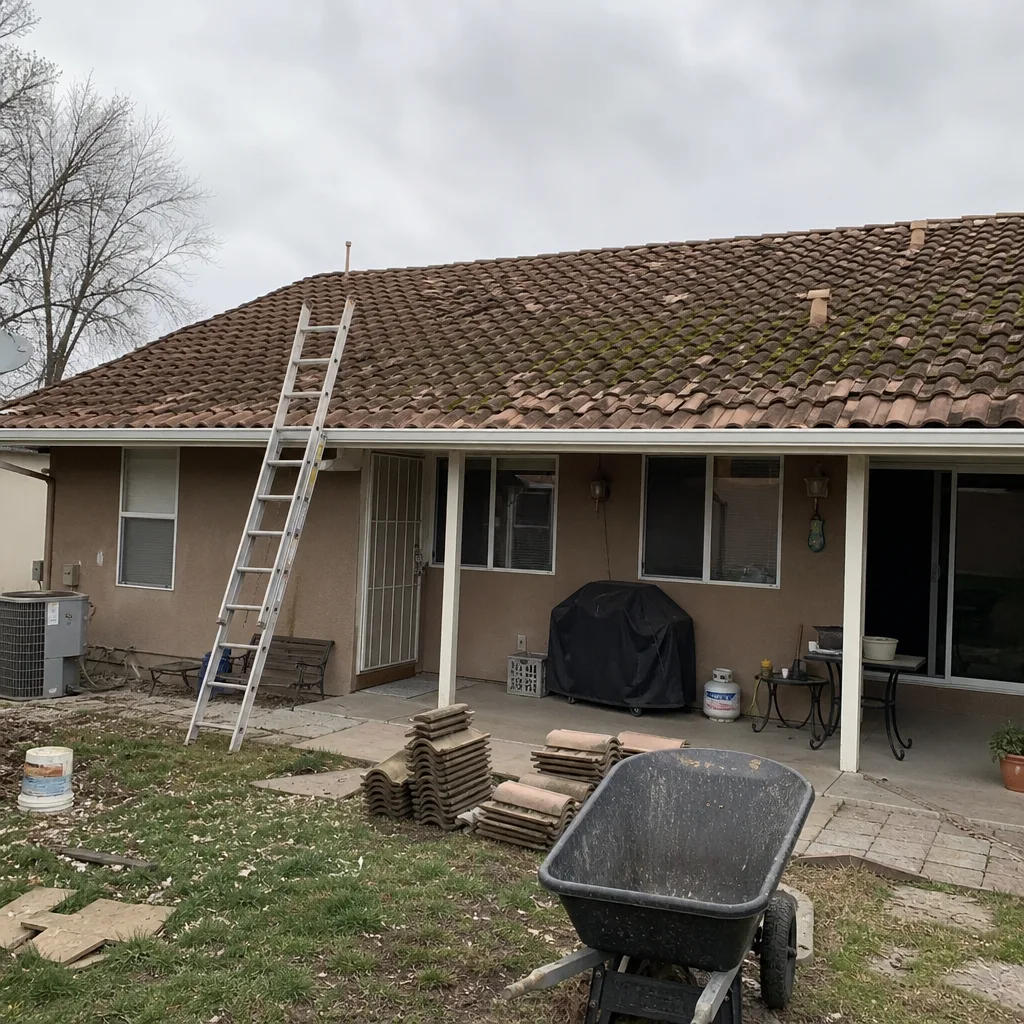 Before
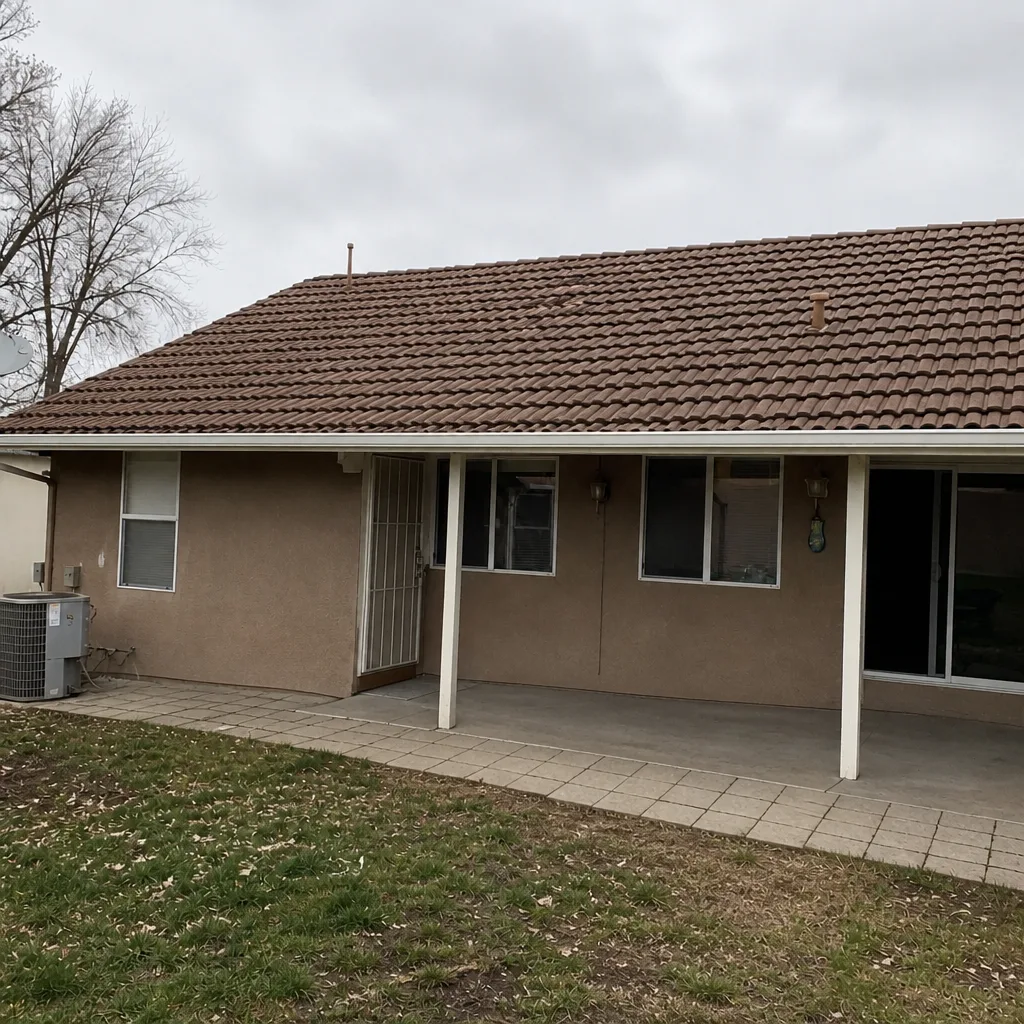 After
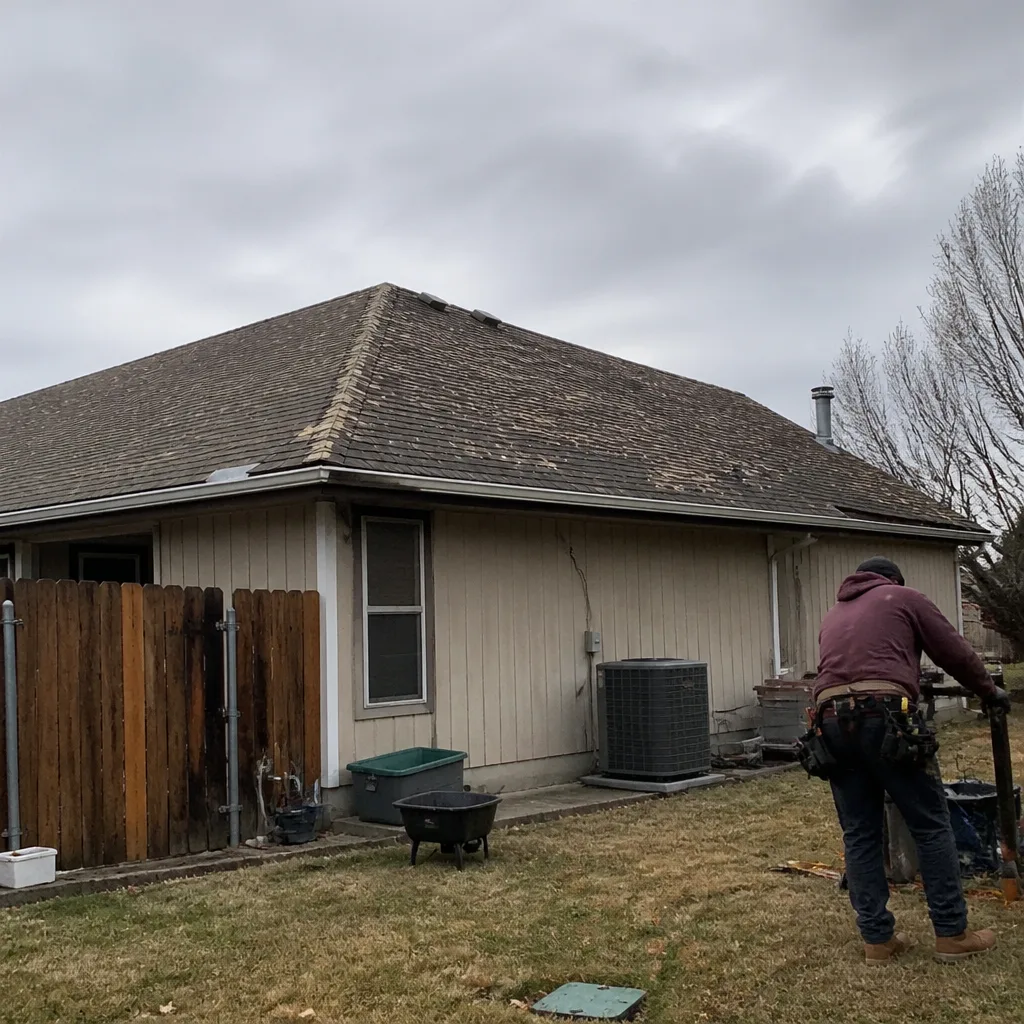 Before
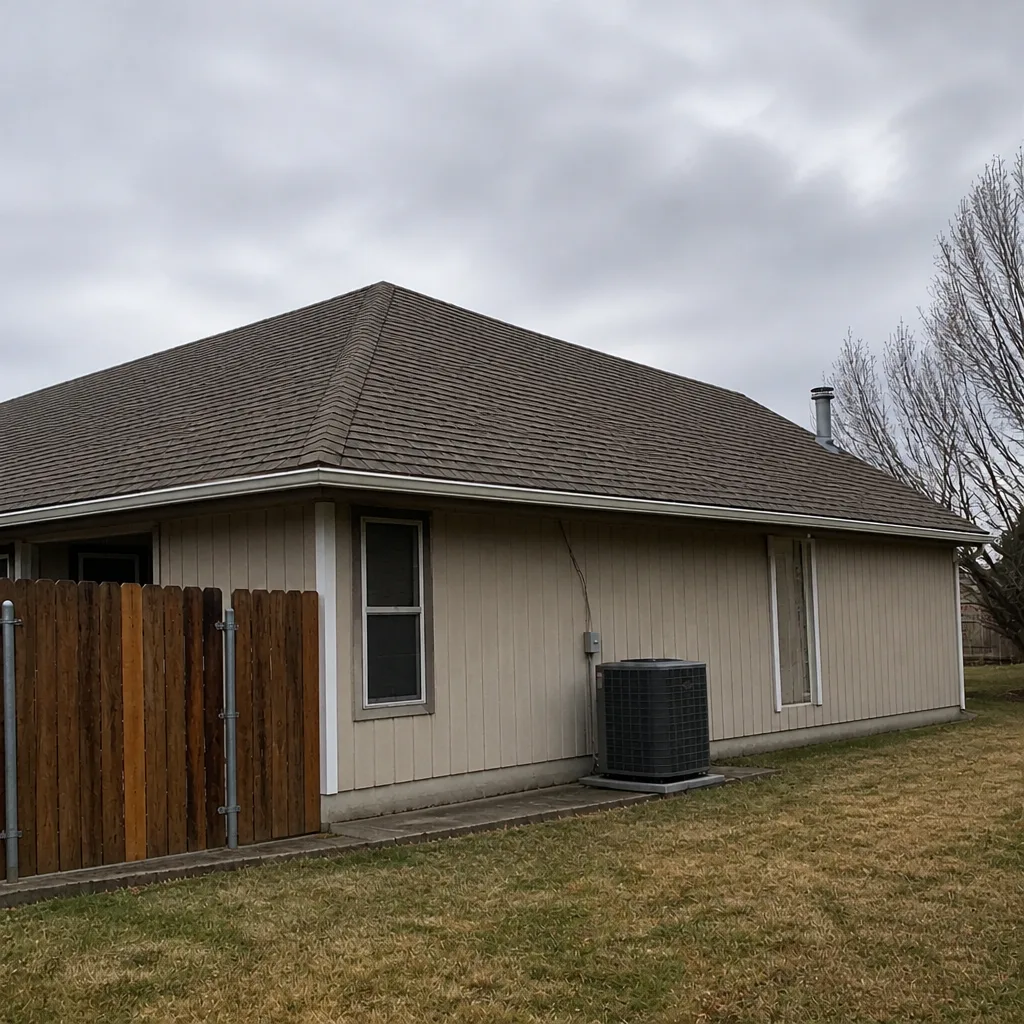 After
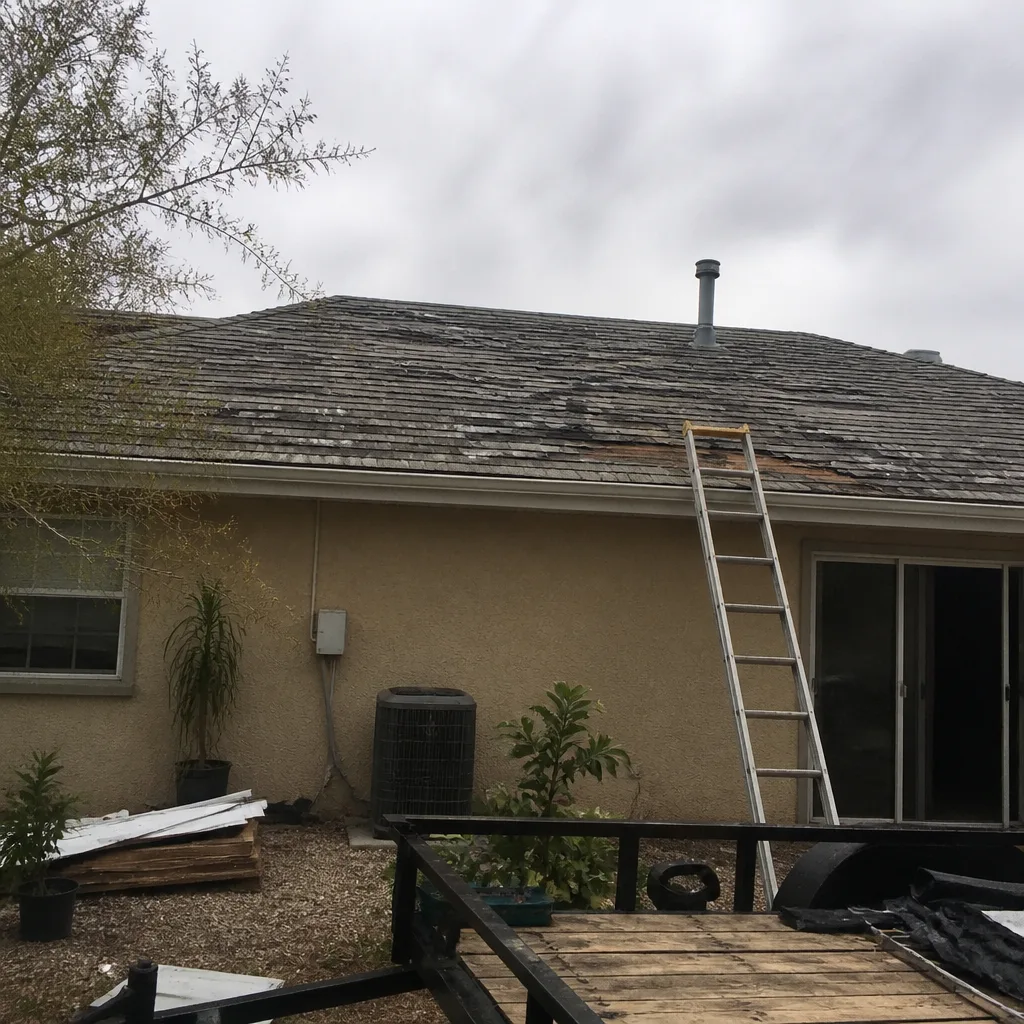 Before
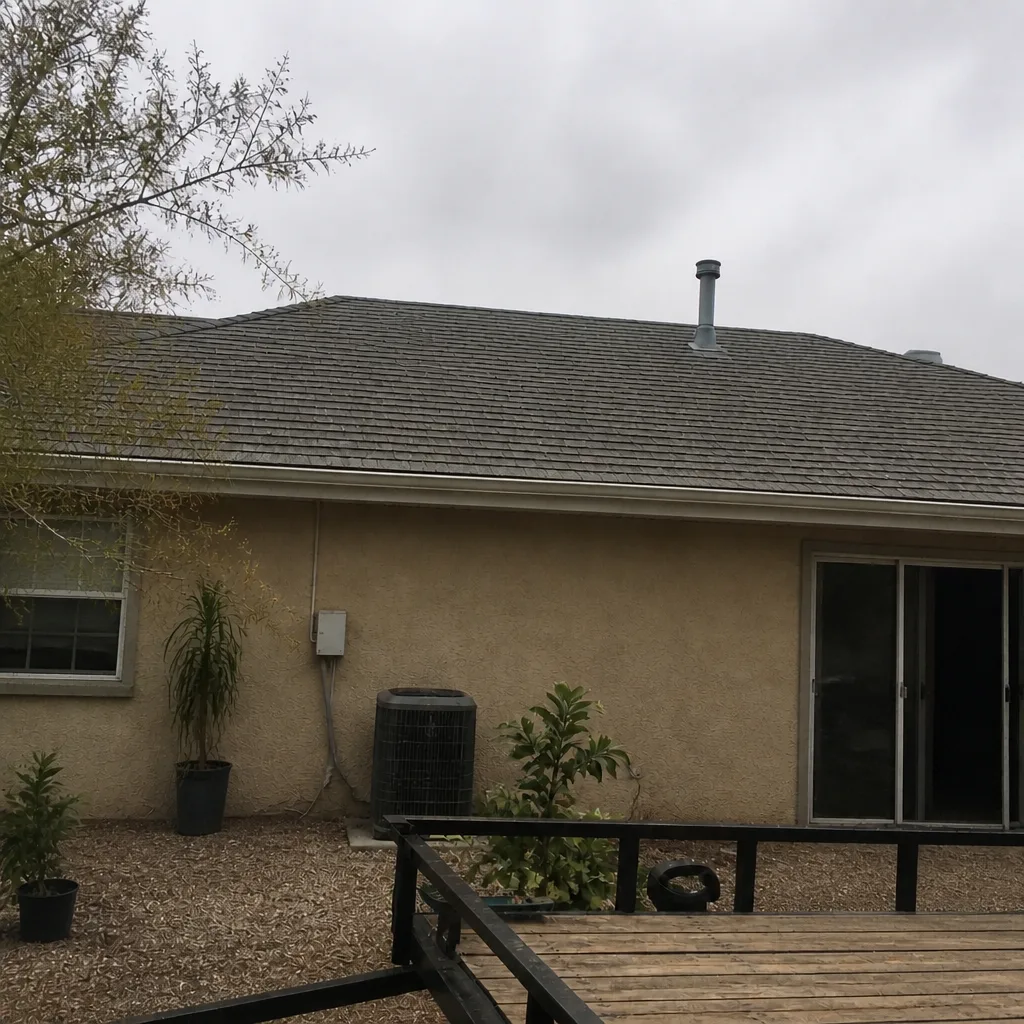 After
When to Call a Professional
Some signs mean it’s time to stop reading and get eyes on the roof. Call a professional if you’re seeing ceiling stains or bubbling paint after rain, if shingles are curling, cracking, or missing in numbers, if granules are accumulating in your gutters in handfuls, or if a sudden wind event lifted anything visible from the ground. After a hailstorm, get an inspection before you sign anything an out-of-state crew hands you at the door. If your attic is showing daylight or water stains around a chimney or skylight, that’s a today problem, not a next-spring problem. Shepherd & Sons Roofing Whitney offers free estimates in Whitney – call (844) 797-9455, and a live person picks up, day or night.
Frequently Asked Questions
Most minor roof repairs in Whitney run in the low hundreds of dollars, and full section work runs higher based on square footage and material. The number jumps if decking needs replacement, which is why any written estimate should include a per-sheet decking price. Call (844) 797-9455 for an exact quote – estimates are free and there’s no trip charge inside our own county.
In most cases yes – Clark County generally requires a permit and a final inspection for a full roof replacement, and the contractor should pull it. A roofer who offers to “skip the permit” is telling you something important about how they work. Ask the question before you sign, and the answer tells you who you’re dealing with.
Look up their physical address on a map and satellite view, and check it against the Nevada Secretary of State business search. A commercial yard with trucks and material is a real roofer. A UPS box at a package store is not. Ask them to meet you at the office – the legitimate local roofer says yes without hesitation.
The Nevada State Contractors Board is the state agency that licenses residential roofing contractors, and its license lookup is public and free. Checking a license there takes under 90 seconds and confirms that the contractor has met bonding, insurance, and exam requirements. It doesn’t guarantee good work, but a contractor who won’t hand over a license number has already answered the question for you.
It can, but only if the change is spelled out in writing – typically decking repairs discovered after tear-off. That’s why the decking $/sheet number belongs in the contract before work begins. A legitimate roofer doesn’t surprise you with a mid-job invoice. Call (844) 797-9455 for a written, itemized estimate and we’ll walk you through what can and can’t change.
Most residential roof replacements in Whitney run a few days depending on size, pitch, and how much decking needs repair. Weather and material delivery set the schedule. A roofer who promises a single-day full replacement on a normal-sized house either has a large crew and tight outline, or is rushing the job. Ask for a realistic window and a plan for a weather delay.
The Bottom Line
Getting three bids is not the vetting plan. The vetting plan is: confirm a physical local address, look up the Nevada license through the NSCB, ask the five questions before anyone climbs, and read the contract for the decking price, nail pattern, and warranty transfer. Then, and only then, compare price. A roofer who passes those four checks and quotes a few percent higher than the storm chaser is very likely the cheaper roof over its full life. Same address, same name on the truck, same name on the license – that’s what you’re buying in Whitney.
Shepherd & Sons Roofing Whitney offers free estimates in Whitney, with written itemized pricing, no trip charge inside our own county, a free second opinion on any written estimate, and a written 90-Day Done Right Promise on every job. A live person answers the phone day or night. If you’re ready to start the vetting sequence on us, or you just want a second set of eyes on a bid that came in over the fence, call (844) 797-9455 for a free estimate.
Written by the team at Shepherd & Sons Roofing Whitney.