
Last updated November 18, 2026
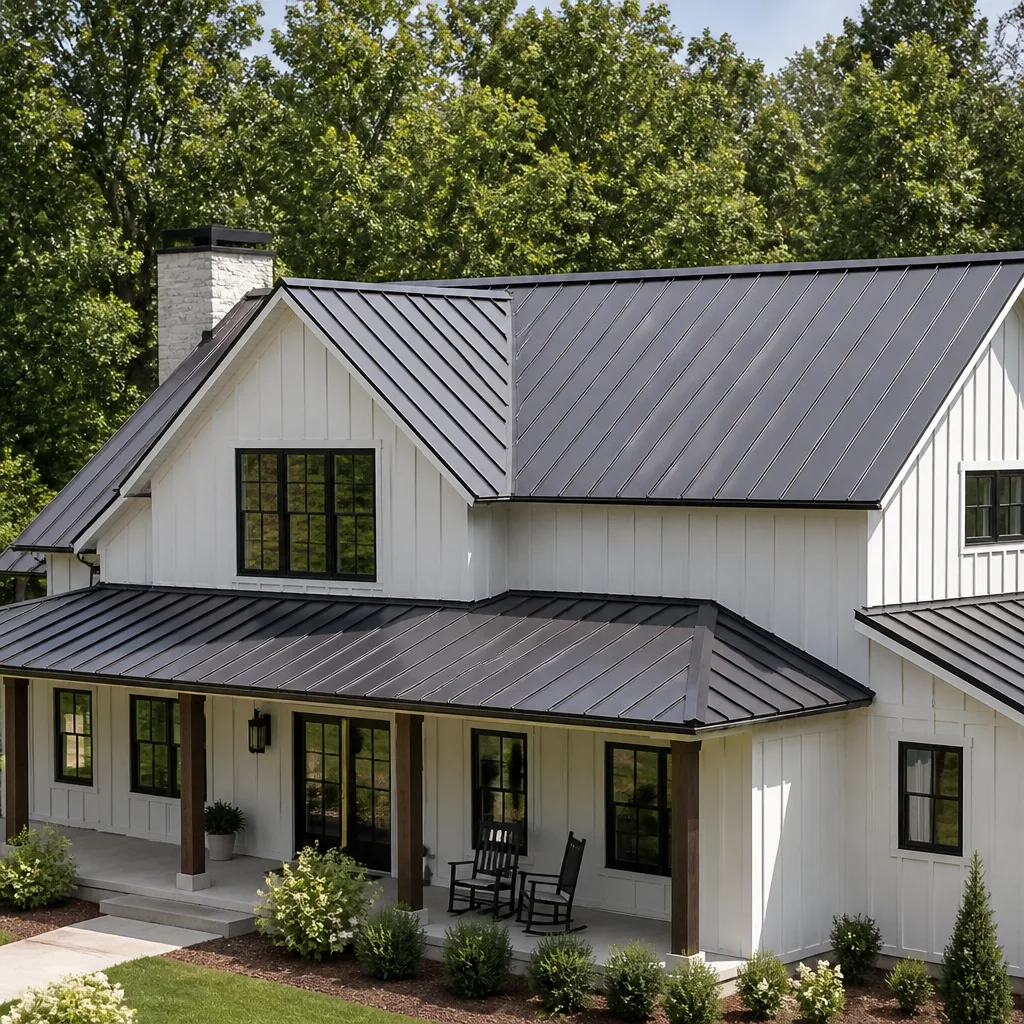 Metal roofing
 Architectural shingles
 Tile roofing
 GAF
 Owens Corning
 Flat & low-slope
Free roof inspection with deck photos before we talk money - GAF and Owens Corning certified installation
Metal Roofing Warning Signs Every Homeowner Should Know
A single loose fastener in a metal roof panel is a small problem in April and a water-damaged rafter in November. The gap between those two outcomes is about six months of ignoring a dime-sized hole. Metal roofs are sold as lifetime roofs, and mostly they are, but they fail quietly and slowly until the day they fail all at once. The warning signs are subtle enough that most homeowners write them off as normal settling. This guide walks through what we actually look for on a metal roof in Whitney, from the ground with binoculars up to the ridge, and how to tell a repair from a replacement before the deck gets wet.
Quick Answer
Metal roofs fail slowly at first, so the warning signs are usually small: a lifted or missing fastener, a pool of rust on a valley, a pipe boot with cracked sealant, or a popping sound that turns into a knock. Any of these caught early is a repair. Left through one Whitney monsoon season, the same flaw can rot the framing under the panel and turn a repair into a deck replacement. Inspect from the ground twice a year and after every big wind event, and get a pro on the roof at the first sign anything has moved.
Styles & brands we work with
- Architectural shingles
- Metal roofing
- Tile roofing
- GAF
- Owens Corning
- Flat & low-slope
Table of Contents
- The Ground-Level Inspection We Run With Binoculars
- Why Rust Stains Show Up Far From the Actual Failure
- The Sound Test: Thermal Pops vs. Fastener Knock
- Spotting Failing Sealant Before It Becomes a Leak
- Repair or Replace? Our Honest Rule of Thumb
- What Whitney Weather Does to Metal Roofs
- What You Can Check Yourself and What You Shouldn’t
The Ground-Level Inspection We Run With Binoculars
You don’t need to get on the roof to catch most problems. Bill walks the property line with a pair of binoculars twice a year on his own place, and it takes about ten minutes. You’re looking for straight lines that aren’t straight anymore, for shadows that shouldn’t be there, and for anything that’s moved since the roof went on. A roof is a system, and when one part of it shifts, the parts around it feel it.
Here’s the sequence, top to bottom:
- The ridge. Look along the peak cap. Ripples, popped screws, or a cap that’s lifted at one end all show up against the sky. On a Whitney roof, the ridge is the first place wind gets under and the first place you’ll see it.
- The valleys. These are where two roof planes meet, and they carry the most water. Look for debris piled up, for rust streaks running downhill, and for panels that have pulled away from the valley flashing.
- The pipe boots. Every vent pipe that comes through the roof sits in a rubber or metal boot. The rubber ones crack from the sun. If the boot looks chalky or torn, water is already finding its way in.
- The eave line. This is where the roof meets the gutter. Sagging, gaps, or a drip edge that’s pulled back tells you the panel has shifted.
- Fastener rows. On an exposed-fastener roof, the screw heads run in straight lines. Any screw that’s backed out or gone missing breaks that line. From the ground with binoculars you can spot a missing screw as a small dark void where a bright head used to be.
Write down what you see, take a date-stamped photo, and compare it in six months. Movement is the thing that matters. A ripple that’s been there since day one isn’t a warning sign. A ripple that wasn’t there last spring is. If the same defect shows up on a neighbor’s roof, it’s likely a systemic issue with that product or install. If you’re not sure what you’re seeing, our team at Shepherd & Sons Roofing Whitney will come look for free.
Why Rust Stains Show Up Far From the Actual Failure
Something about rust that surprises people: the stain is almost never directly under the failure. Water gets into a metal roof at the top, runs along the underside of the panel or the top of the underlayment, and only shows up when it hits something it can’t pass. That something is usually a fastener, a piece of flashing, or the drywall lid on your ceiling on the other side of the house.
So when you see a rust stain, the work is to trace it back uphill, not stare at the spot. Here’s how we work backward:
- Follow the slope. Water runs downhill on the roof deck. Stand at the stain, find the line of steepest slope, and follow it up to the ridge or the last penetration.
- Check the valleys and the nearest penetration. Most interior leaks trace back to one or the other. A vent, a chimney, a skylight, a plumbing stack.
- Look for tell-tale streaks on the panel above. A rust stain on the soffit or fascia means water’s getting behind the gutter, usually a valley or a panel above.
- Check the attic. Look at the decking and the rafters directly uphill of the interior stain. You’ll often find staining, soft wood, or a dried drip mark long before the ceiling shows anything.
A stain that appears in the fall after the first rains usually means the leak started in summer and had time to dry and re-wet. A stain that appears mid-winter after a cold snap means the expansion cycle opened up a gap that closed up in warm weather. Both patterns tell you the same thing: the failure is upstream and it’s been going on for a while. That’s the moment to call a roofer, not to paint over the stain.
The Sound Test: Thermal Pops vs. Fastener Knock
Metal roofs talk. The panels expand in the heat and contract at night, and that movement makes sounds. Homeowners hear those sounds and either worry about nothing or ignore the one thing they should hear. It’s worth learning the difference.
Here’s what normal sounds like:
- Popping and clicking on a warm afternoon. The panel is expanding against the fasteners. This is normal, especially on an exposed-fastener system where metal screws move in slightly oversized holes. As long as it’s a rhythmic tick and the roof looks fine, nothing’s wrong.
- Settling noises at dusk and dawn. The sun going down cools the metal, and you hear the panels shift as the day’s heat leaves. This is a temperature cycle, not a failure.
- A single loud bang during a big temperature swing. Common on older metal roofs. One pop, no repeat, no leak.
Here’s what isn’t normal: a knock. When a fastener pulls through the panel or a screw backs out far enough that the panel starts to slap against the deck, you get a knock on windy days, not a pop. It sounds lower, more muffled, and it changes when the wind shifts. You’ll hear it from inside the house, usually near a corner or the ridge, and you’ll hear it every time the wind hits that side.
A knock means a fastener is gone. Don’t sleep on it. A dime-sized hole in a Whitney roof will pull in water at every summer storm, and the water gets to the deck underneath the panel where you can’t see it. We’ve pulled panels that looked perfect from the ground and found the decking soft for two full feet around a single backed-out screw. That’s the difference between a fastener replacement and a sheathing replacement.
Spotting Failing Sealant Before It Becomes a Leak
Sealant is the most common failure point on a metal roof, and it’s also the easiest thing to catch before it leaks. The trick is knowing what failed sealant looks like versus what old sealant looks like. Old sealant still does its job. Failed sealant doesn’t. The two look similar from ten feet away.
What we look for on the sealant at every flashing:
- Cracks in the bead. A bead that’s cracked through to the metal is failing. A bead with a texture like a dry riverbed is telling you it’s near the end.
- Sealant that’s pulled loose at one edge. If you can slide a putty knife under it, water can too.
- Bubbling or alligatoring. Small raised bubbles or a cracked pattern like dried mud mean the sealant has broken down in the sun.
- Sealant painted over. If someone painted the sealant to hide the color, it’s a red flag. Paint on top of the wrong sealant cracks it faster.
- Gaps the size of a credit card. Anything you can fit a card into is leaking already, even if you don’t see the stain yet.
The other trick is timing. Sealant on a metal roof has a service life, usually shorter in Whitney than on a shingle roof because the panel surface runs hot. A roofing pro who’s looking at metal roofs year in, year out can usually tell you roughly how many seasons a bead has left. When you do the ground-level inspection, look at the flashing areas with binoculars too. Anywhere a chimney, a vent, or a pipe boot meets the roof is a sealant joint.
Installing from manufacturers like Owens Corning or IKO, the metal accessories and the sealant brands the manufacturer recommends keep you in warranty. The wrong sealant over a metal roof is one of the fastest ways to fail a joint in one season.
Repair or Replace? Our Honest Rule of Thumb
Here’s the hard part. When you find a warning sign, do you fix that one thing or do you start talking about a new roof? The honest answer is that most early catches are repairs, and most late catches are replacements. So the question becomes: when is the damage at the point where repair money is wasted?
The rule we use:
- One or two isolated problems, no rust through the panel, no soft decking: repair. A failed fastener, a torn boot, a cracked bead of sealant. Replace the part, reseal, done. A roof that’s still got decades of panel life left is worth repairing, no question.
- Fastener rows failing in groups, hairlines at penetrations, valley rust: repair but plan for replacement. When the same point fails three or four times in one area, that panel is moving and nothing short of re-securing the panel will stop it. Do the repair, but budget for the replacement.
- Rust perforation on the panel, soft decking in the attic, active leak with a rusty stain inside: replacement. The panel’s done and there’s a real chance the deck underneath has to be replaced too. A repair here is a bandage over the wrong problem.
A metal roof that leaks through a small hole over one winter can rot the decking under four or five panels. If the roof is a standing seam and the panel’s through-rusted, the panel comes off, and often the underlayment goes with it. That’s a different job from a fastener replacement, and the price difference reflects it. If you’re not sure which bucket you’re in, get a free second opinion on any written estimate. It’s easier to read someone else’s bid with a roofer on your side of the table.
What Whitney Weather Does to Metal Roofs
Whitney’s climate is hard on a metal roof in a way that’s not obvious if you’ve had roofs in wetter or cooler country. Two things hit hard here: thermal swings and the summer sun. A metal panel that goes from 140 degrees in the afternoon to under 60 at night cycles more than a panel on the coast or in the Midwest. That cycle is what loosens fasteners and fatigues sealant. Failure over time comes from the daily change, not just the storm.
What we see most often in Whitney:
- Backed-out fasteners on south- and west-facing panels. The panels that take the afternoon sun expand hardest. Those are where the fasteners go first.
- Sealant that fails in two to three seasons instead of five. Hot panels dry the sealant out faster. Boats around pipes and chimneys need attention early.
- Monsoon leak call-backs. A small gap that stayed dry through June starts showing water in July. Peak season brings our most-common call: a ceiling stain a homeowner didn’t see because the failure point was a pipe boot they never looked at.
- Wind damage at the ridge and corners. Wind gets under a panel at the edge first. The ridge and the corners are where we look first after a big wind.
When we scope a roof repair in Whitney, we’re thinking about the cycles, not just the current leak. Fixing the one bad fastener is fine. Fixing it and replacing the sealant at the adjacent penetration is what keeps the same roof off the call list next year. If the roof’s already an older system with rust on the panels, replacement becomes the honest conversation. We install metal roofing from Owens Corning, Atlas, and other lines we’ve worked with for years, and we walk you through the panel options before you decide.
What You Can Check Yourself and What You Shouldn’t
A metal roof is a working surface at 20 feet or more off the ground, and it’s slick when it’s dry and still slick when it’s wet. That’s the first thing we say to any homeowner who’s thinking about getting up there. Ground-level inspection with binoculars catches most of what you need to catch. Cell phone photos across a foot-wide valley are often better than a shaky view from the edge.
What you can safely check yourself:
- Ground-level visual inspection with binoculars twice a year and after every big wind.
- Attic inspection from the hatch: look uphill of any interior stain with a flashlight, look for water marks on rafters and decking.
- Gutter check at the eave: look for debris, list any sag or gap.
- Interior ceiling checks after a heavy rain: photo, date, and location.
- Sound test from inside the house during wind: note the location of any knock.
What you shouldn’t do yourself: climbing on the panel, tightening fasteners from above, cutting or re-sealing a joint, or trying to reseat a panel. The fasteners have a torque spec. Over-driving one deforms the gasket, and the roof leaks worse than before. And climbing on a metal panel with the wrong shoes, on a hot Whitney afternoon, is a fast way to a bad fall. Get a pro on the roof and let them do it safely.
Common Mistakes to Avoid
- Painting over interior rust stains. The stain is downstream of the leak. Painting it hides the symptom and buys about a month before it returns, usually worse. Trace the leak instead.
- Caulking over a failed bead instead of cutting it out. New sealant over old failed sealant will fail too. The old bead has to come out first.
- Ignoring the pipe boots. They’re the most common leak source on a metal roof, and they’re often the cheapest fix. Replacing a boot is far less expensive than repairing the ceiling under it.
- Letting a storm chaser talk you into a tear-off after one leak. A single failed fastener is not a new roof. Ask the bidder to count the squares and show you the deck photos.
- Skipping the fall and spring inspection. The Whitney thermal cycles push a fastener or sealant through one full season before it fails. Twice a year catches it in the slow phase.
- Paying the phone quote. If the number changed between the call and the door, that’s a signal. Get it in writing before anyone touches the roof.
- Assuming the roof’s fine because there’s no ceiling stain. Water under the panel can sit for months. The ceiling is the last place it shows.
See the difference
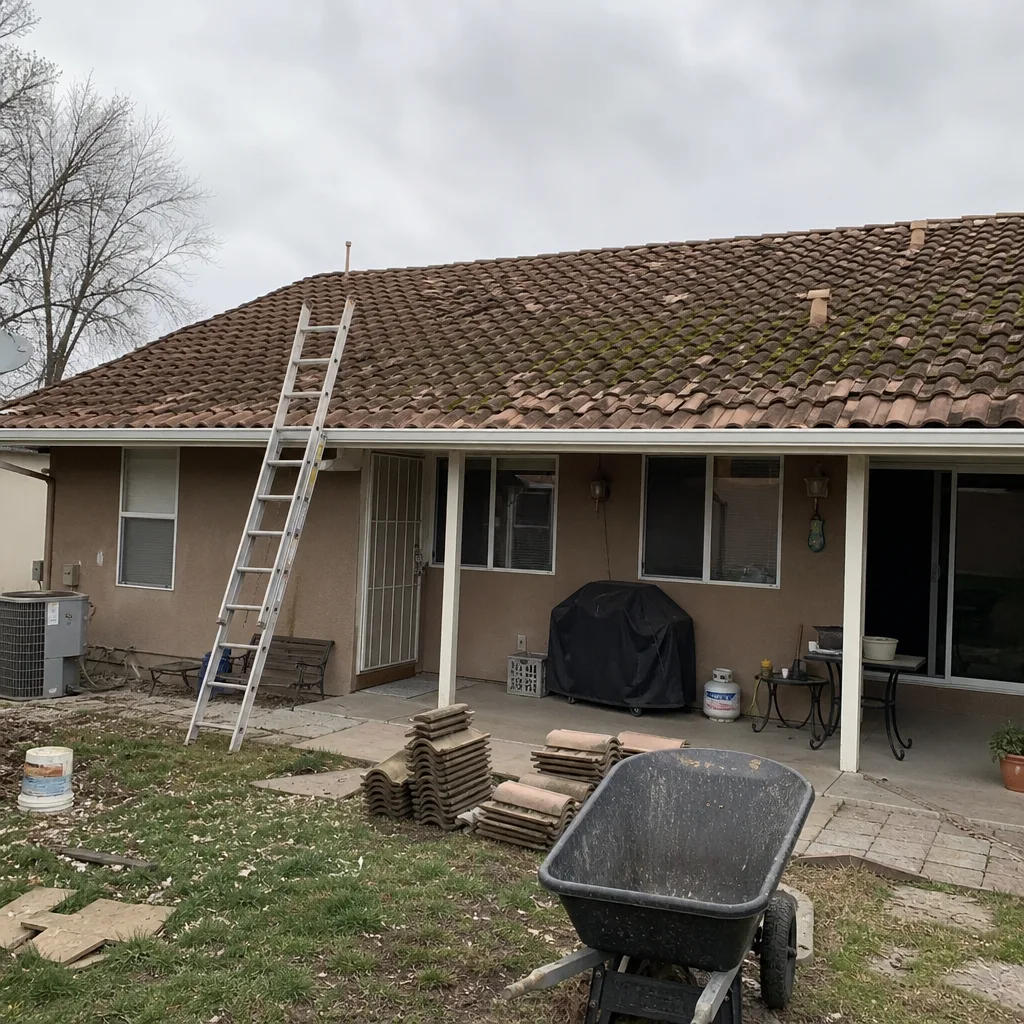 Before
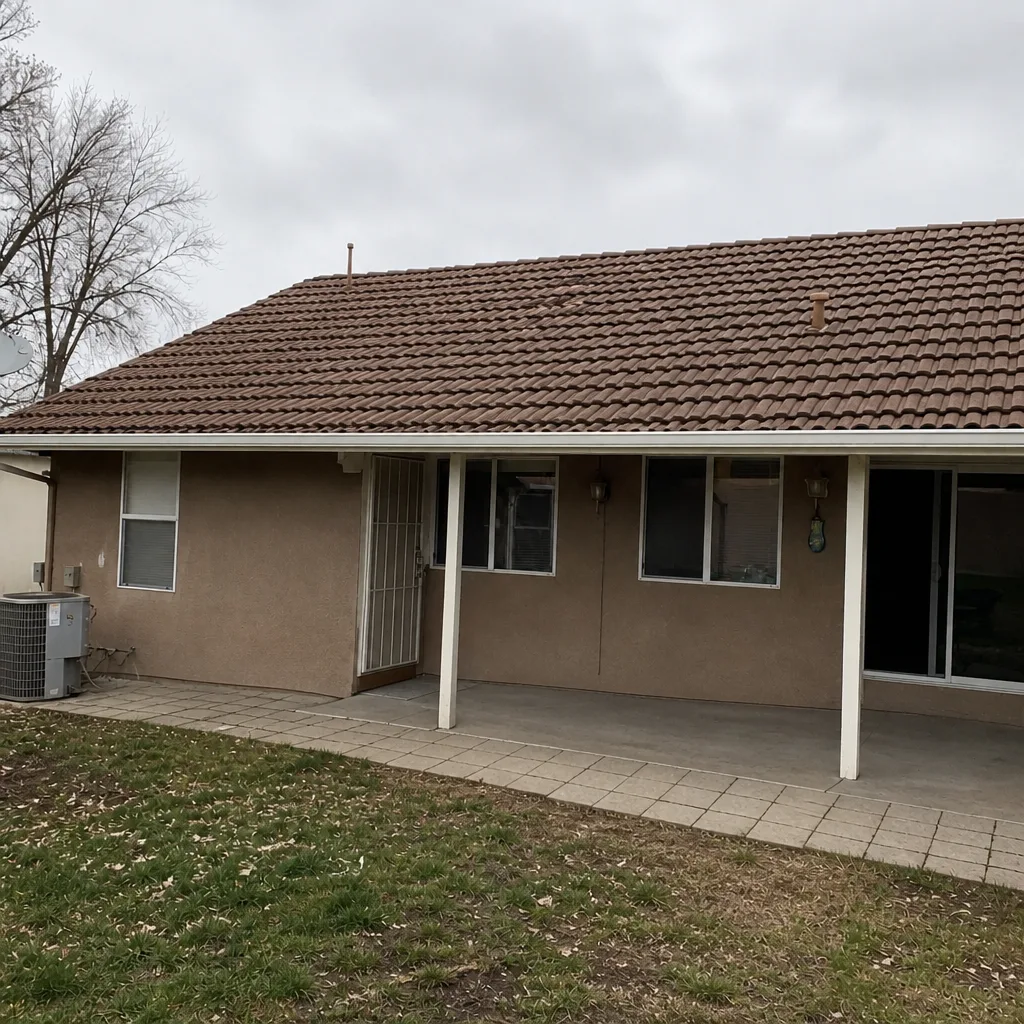 After
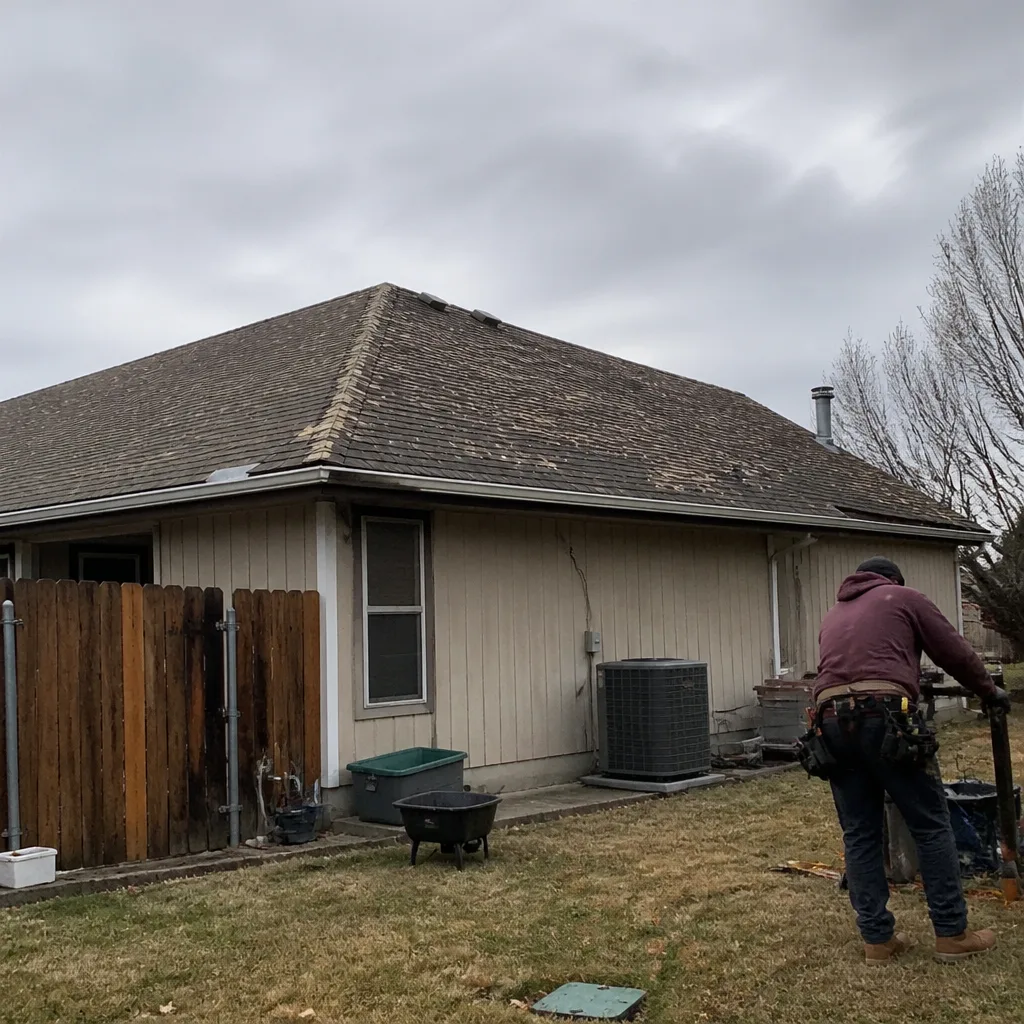 Before
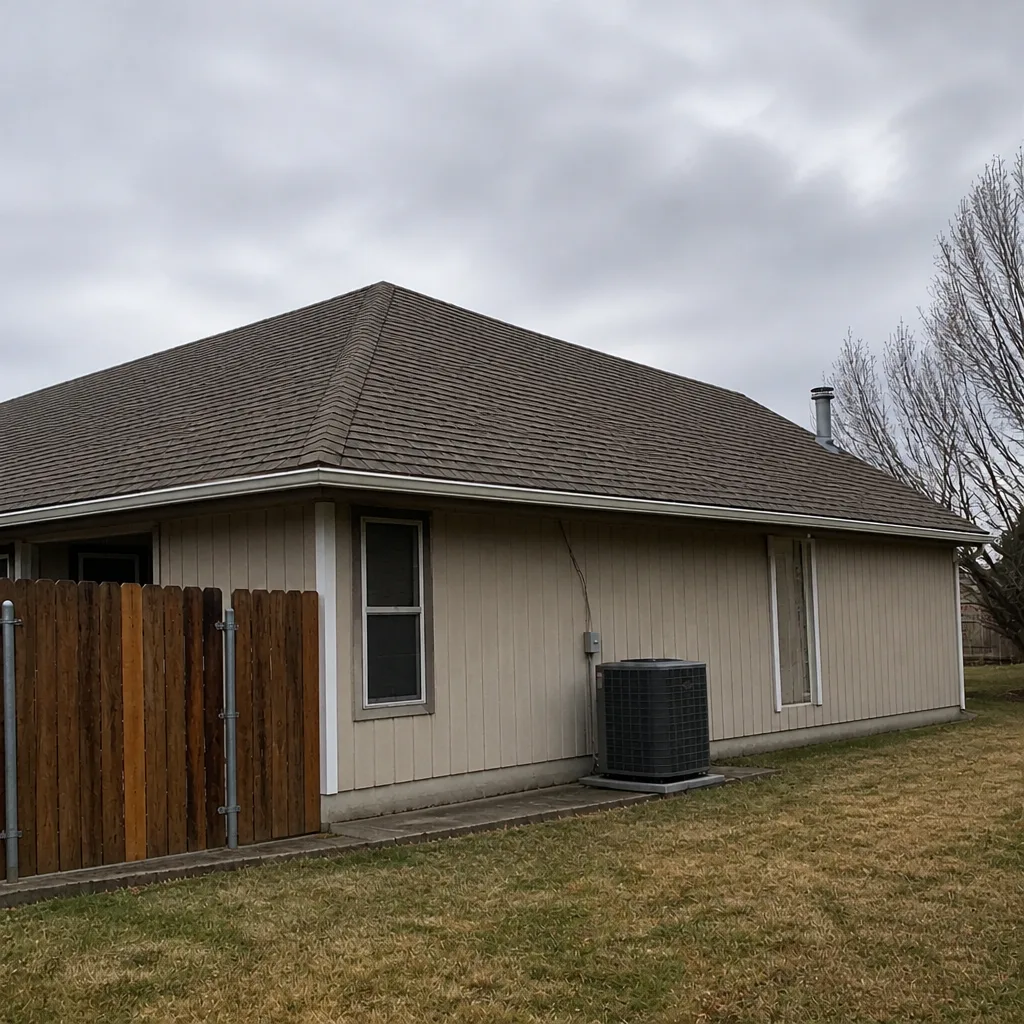 After
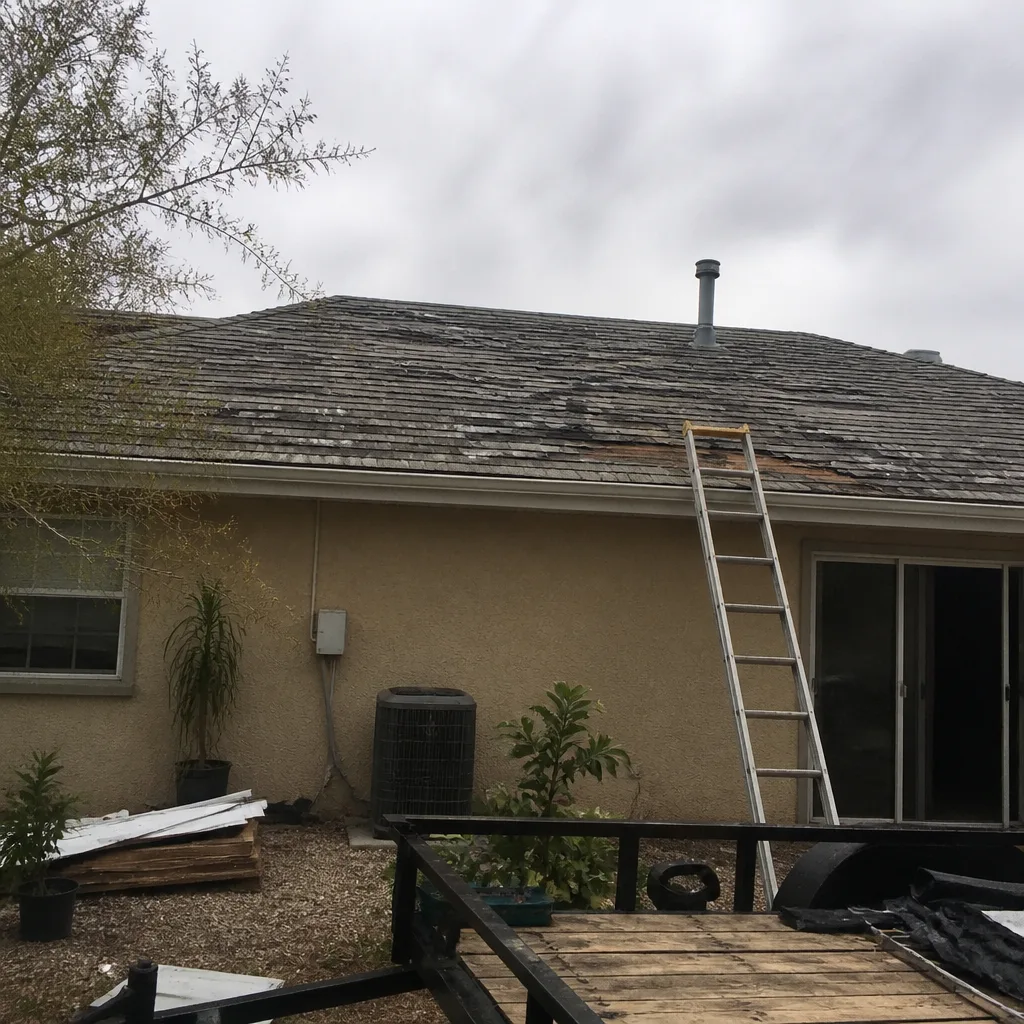 Before
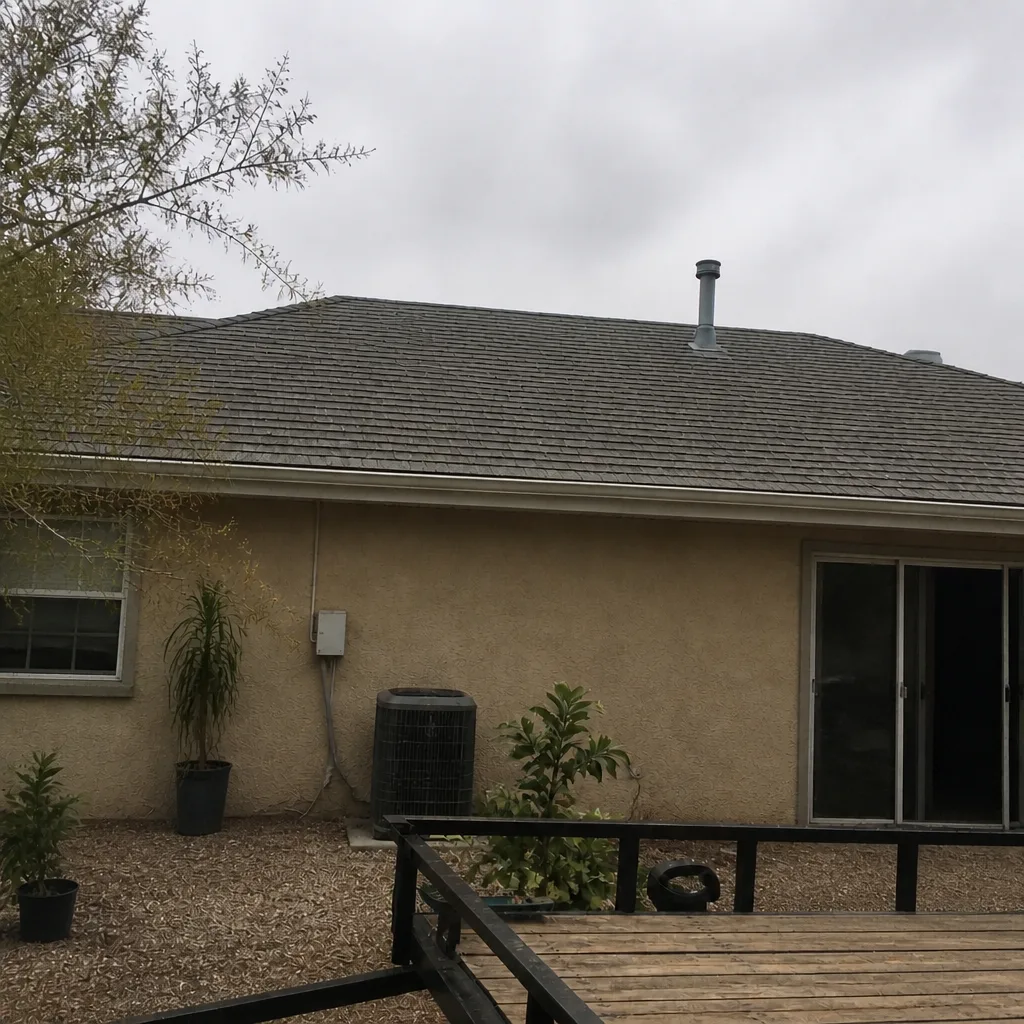 After
When to Call a Professional
Call a roofer the moment you see any of these: a backed-out or missing fastener, a rust stain inside or outside, a pipe boot that’s cracked, sealant that’s pulled loose at a flashing, or a knock you can hear from inside during wind. Any of these is a repair if it’s caught early, and a fast-growing problem if it isn’t. A metal roof leak that sits through one Whitney summer gets expensive quickly, and the difference between a fastener fix and a sheathing replacement is often just how long it was ignored.
You don’t have to climb up there to find out. Shepherd & Sons Roofing Whitney offers free estimates in Whitney. Call (844) 797-9455 and we’ll be there. We read the roof the way we’d read our own, which means you hear what we see before you hear a number.
Frequently Asked Questions
The most common early signs are backed-out or missing fasteners, rust stains on valleys or interior ceilings, cracked or pulled-loose sealant at flashings, and a muffled knock during wind that wasn’t there last season. Any single one of these is worth a professional look.
A properly installed metal roof often lasts 40 to 70 years on the panels themselves, but that’s the panel life, not the roof life. Fasteners, sealant, and pipe boots fail far sooner, and the total system only lasts as long as its weakest parts. In Whitney, the thermal cycles shorten those service lives considerably. If you’re not sure where your roof sits in that timeline, call (844) 797-9455 for a free second opinion on any written estimate.
Most early metal roof leaks are absolutely repairable. A failed fastener, a pipe boot, and a cracked sealant joint are all fixable without touching a panel. Replacement enters the conversation when the panels themselves have rusted through or the deck underneath is soft. The condition of the deck, not the age of the panel, is what usually decides it.
It depends on the cause. Wind or hail damage is usually covered by a standard homeowner’s policy. Wear-and-tear, failed sealant, and deferred maintenance almost never are, even though the leak itself is real. Read the policy carefully, get the roof inspected, and get the cause documented in writing before you file so the claim is based on what failed, not what leaked.
Twice a year, spring and fall, plus after any big wind or hail event. A quick ground-level inspection with binoculars catches most of what you need to catch. A roofer on the roof every three to five years is the deeper check, especially on older systems.
Normal popping happens on the warm side of the day and sounds high and rhythmic. A failing fastener knocks, sounds lower and more muffled, and often comes with wind. If the sound changes when the wind shifts, that’s the fastener knock you want checked.
The Bottom Line
Metal roofs fail slowly, then all at once. The warnings show up on the ridge, in the valleys, at the pipe boots, and in the sound the panels make when a fastener goes. Most early signs are cheap to fix and most late signs are very expensive. The gap between the two is a couple of inspections a year and the discipline to call when something has moved. If the panels themselves are sound and the deck underneath is dry, a repair usually holds. If the rust is through the panel and the wood is soft, it’s a replacement conversation. Either way, the number on paper beats the number on the phone. Call us before you decide.
Written by the team at Shepherd & Sons Roofing Whitney.
If you’ve spotted a warning sign on your metal roof and you’re ready to get a straight answer from a locally owned team that’s been at the same address since 1996, call Shepherd & Sons Roofing Whitney at (844) 797-9455 for a free estimate. A live person answers the phone, 24/7, and every roofing job comes with our written 90-Day Done Right Promise. You can also see more about metal roofing in Whitney or schedule a roof repair in Whitney or a full roof replacement and installation in Whitney when the time comes.