
Last updated November 18, 2026
 Architectural shingles
 Metal roofing
 Tile roofing
 GAF
 Owens Corning
 Flat & low-slope
Free roof inspection with deck photos before we talk money - GAF and Owens Corning certified installation
Roof Repair Maintenance Schedule: What to Do and When
Bill has re-repaired more roofs damaged by ignored small maintenance than by any storm in Lander County. A $40 tube of sealant applied in April has saved homeowners from $4,000 flashing replacements more times than he can count. That’s the strange math of roof care: the cheapest work is the work you do before anything looks wrong. This guide gives you a maintenance schedule built around Whitney’s actual climate calendar, not a generic checklist copied from a national website. You’ll learn what to check, when to check it, and what to leave to a pro.
Quick Answer
In Whitney, a roof needs two real inspections a year: one in the two weeks after the last hard freeze (usually late February into March) and one in the two weeks before monsoon moisture arrives (late June into early July). Between those visits, you should do a quick ground-level look with binoculars after every big wind event. That’s the whole schedule. Everything below is detail.
Styles & brands we work with
- Architectural shingles
- Metal roofing
- Tile roofing
- GAF
- Owens Corning
- Flat & low-slope
Table of Contents
- Why a Calendar Schedule Fails in Whitney
- The Spring Thaw-Out Visit: What to Do After the Last Freeze
- The Pre-Monsoon Visit: Getting Ready for July and August
- Five Things You Can Check From the Ground
- Three Things That Require Getting on the Roof
- How to Photograph Your Roof for a Baseline
- The Maintenance Tasks That Void Your Warranty
- What Deferred Maintenance Actually Costs
Why a Calendar Schedule Fails in Whitney
Most roof maintenance advice you’ll find online was written for a Midwest climate with four wet seasons and steady rainfall. Whitney doesn’t work that way. We get hard freezes that crack sealant, long dry stretches that bake shingles and pull nails, and then a concentrated monsoon window from roughly July through early September where a month’s worth of moisture arrives in a handful of storms. The damage doesn’t happen gradually here. It happens in bursts, and the burst is almost always tied to a temperature swing.
That’s why the right trigger for maintenance isn’t “every spring” or “every fall.” It’s the two climate hinges that matter in Whitney: the freeze ending and the moisture starting. Miss the first and you leave freeze damage sitting through the hot months, where a small crack widens into a split. Miss the second and you find out about a loose flashing the hard way, with a wet ceiling and a bucket in the hallway.
We’ve pulled apart roofs in Whitney that were only a few years old and already failing, and it almost always traces back to a missed hinge. A homeowner who never looked at the north-facing slope after winter doesn’t know that the freeze-thaw cycle popped three shingle tabs loose. By the time the monsoon hits, those three tabs are a leak. New roofs aren’t immune to this either, which is why our Roof Replacement & Installation in Whitney work always comes with a written maintenance walkthrough at the end. The schedule matters even on day one.
One more thing about Whitney: the sun is unforgiving. UV exposure here ages sealant faster than in cooler climates. That means the strip of sealant around your vents and pipe boots, which might last five years somewhere else, may need refreshing every two or three here. That single detail changes the whole maintenance rhythm, and almost nobody talks about it. IKO and Tamko both publish climate-specific guidance, and it aligns with what we see: heat and freeze swings are the two killers, and both hit Whitney hard.
The Spring Thaw-Out Visit: What to Do After the Last Freeze
This is the most important visit of the year, and it’s the one most homeowners skip. The two weeks after the last hard freeze in Whitney is when winter damage is visible but still cheap to fix. Once the heat sets in, a hairline crack becomes a split, and a split becomes a call to us. Here’s the task list for the spring visit, in order:
- Walk the perimeter and look up. Stand back far enough to see the whole roof plane. Look for lifted or missing shingles, especially on the slope that faces north or takes the prevailing wind.
- Check the flashing around every penetration. Chimneys, vents, skylights, and pipe boots are where most leaks start. Look for cracked or pulled-back sealant.
- Look at the gutters. Sagging gutters, granules in the downspouts, and standing water are all spring signals that something up top needs attention.
- Check the attic if you have one. A flashlight tour looking for water stains, damp insulation, or daylight through the deck tells you more than any exterior look.
- Photograph everything. More on this below, but spring is the natural time to reset your baseline photos for the year.
The thaw-out visit is also when you should refresh sealant around vents and boots if it’s cracked. That’s a job most handy homeowners can handle from a stable ladder, as long as the pitch is gentle and the weather is dry. If the pitch is steep or the access is awkward, that’s a call, not a project. We’ve seen far too many sprained ankles and worse from a homeowner who thought a two-story pitch was manageable. Atlas and certain other manufacturers are clear that field-modified sealant work done wrong can affect warranty coverage, so if you’re unsure, ask before you touch it.
The Pre-Monsoon Visit: Getting Ready for July and August
The second hinge in Whitney is late June into early July, right before the monsoon moisture rolls in. This visit is about making sure water has nowhere to get in and nowhere to pool. It’s shorter than the spring visit, but it’s the one that determines whether you spend August dry or spend it calling us. Here’s the pre-monsoon list:
- Clear every gutter and downspout. Spring winds fill gutters with debris in Whitney. A clogged downspout during a monsoon storm means water backing up under the shingles at the eave.
- Re-check sealant you applied in spring. Heat can shrink a bead of sealant. If it’s pulled away, redo it now, before the rain.
- Confirm attic ventilation is working. Poor ventilation in a Whitney summer traps heat and shortens shingle life. Look for blocked soffit vents and make sure ridge vents flow.
- Trim tree limbs back from the roof. A branch that scrapes a shingle in a monsoon wind will strip granules all summer long.
- Look at drainage away from the foundation. If the ground slopes back toward the house, no roof in Whitney will save you from a wet basement or slab issue.
We usually tell homeowners that the pre-monsoon visit is a 90-minute job if you do it yourself and a quick call if you don’t want to be on a ladder in June heat. Either way, don’t skip it. The monsoon doesn’t announce itself. It arrives, and it tests every seal you have. Boral and other manufacturers publish drainage guidance that’s worth a look if you’re not sure whether your gutters are sized right for the roof area they serve.
Five Things You Can Check From the Ground
You don’t need to be on the roof to spot most problems. A pair of binoculars and a slow walk around the house catch the majority of issues early. Here are the five that matter most:
- Lifted or missing shingles. Binoculars on each roof plane will show you a shingle that’s cupped, curled, or gone. Count them. Three or more in one area is worth a call.
- Granule loss. Look at the ground beneath downspouts after a rain. Piles of shingle granules mean the shingle surface is breaking down.
- Sagging or crooked lines. The ridge line and the eave line should be straight. A dip in either is a structural signal.
- Staining on soffit or fascia. Dark streaks or water marks under the eaves point to an ice dam or a leak path that needs a look.
- Debris piled in valleys. Valleys collect leaves and twigs in Whitney. If you can see a mound from the ground, it’s damming water.
These five checks take fifteen minutes and cost nothing. Doing them monthly from March through October will catch 80% of problems before they become repairs. If you want a deeper look at what specific damage types mean, our Roof Repair in Whitney page walks through the common failure patterns we see here.
Three Things That Require Getting on the Roof
Some checks aren’t safe from the ground, and some genuinely need a body on the roof. Here are the three that do, and the honest rule on each:
- Flashing inspection at chimneys and skylights. You can see flashing from the ground with binoculars, but you can’t see the seal under the counter-flashing without getting close. That’s a trained-eye job on any pitch above a 4:12.
- Valley and penetration sealant check. Sealant cracks in places the ground view can’t show, especially around multiple penetrations close together. A pro checks and refreshes these in minutes.
- Deck inspection under the shingles. If you suspect soft spots, a pro needs to lift a shingle or two and check the deck for rot. That’s not a homeowner job, and it’s the one Bill does before he ever talks money on a repair.
Here’s the honest safety line: falls from two-story roofs are one of the most common home-injury causes, and a wet or hot shingle surface is slippery even on a shallow pitch. If you’re over 60, if the pitch is steep, if the access is awkward, or if the weather isn’t completely dry, don’t get on the roof. Call a pro. There’s no savings worth a fall. Our guys have been up on every kind of Whitney roof, including the tile and metal work covered on our Metal Roofing in Whitney page, and they’ll tell you the same thing: the roof will still be there tomorrow.
How to Photograph Your Roof for a Baseline
Bill photographs every roof before he invoices, and it’s the single best maintenance habit a homeowner can adopt. Here’s why: a roof changes slowly, and memory is unreliable. If you have a photo of your flashing from April, and in August it looks different, you know it changed. Without that photo, you’re guessing. Here’s the system we recommend:
- Take photos at the same time each year, during the spring and pre-monsoon visits. Same angles, same spots.
- Cover each roof plane, the flashing at every penetration, the gutters, and the ground at each downspout. That’s about 12 to 15 photos for a typical Whitney home.
- Name and date the files, and back them up. A folder labeled “Roof 2026 Spring” on your phone or cloud drive takes two minutes to set up and saves hours later.
- Add a note on anything that looks questionable, even if you’re not sure. A photo with “check this in fall” next to it is worth more than a confident “it’s probably fine.”
When you call us, a baseline photo set means Bill can compare current conditions to last season’s, which sharpens the estimate and often saves you a trip charge. It also means if you ever sell the home, you have a documented maintenance record, which buyers in Whitney ask for more often than you’d think. It’s a small habit with outsized returns.
The Maintenance Tasks That Void Your Warranty
Shingle manufacturers build maintenance requirements into their warranties, and skipping them can void coverage on a roof you paid good money for. GAF, CertainTeed, Owens Corning, and the rest all have similar language. The tasks most homeowners miss:
- Failing to address flashing leaks promptly. A leak traced to neglected flashing can void coverage on the surrounding shingles. Manufacturers expect reasonable maintenance.
- Letting debris and moss accumulate. A roof that’s never cleaned and shows organic growth can be excluded from warranty claims.
- Improper “repairs” done by a homeowner or unlicensed handyman. Field-modified shingles and sloppy sealant work can void the warranty on the whole slope.
- Skipping the annual inspection if the warranty requires it. Some enhanced warranties require documented annual maintenance. Read your paperwork.
- Ignoring attic ventilation. Poor ventilation voids coverage on many shingle warranties because it shortens shingle life.
Two of these deserve a call rather than a DIY attempt: flashing work and anything under the shingles. The 90-Day Done Right Promise we put in writing on every job exists exactly for this reason. If we do the work and it’s not right, we come back and make it right. That’s what “warranty” should actually mean, and it’s the same principle manufacturers expect when they back a shingle.
What Deferred Maintenance Actually Costs
Here are real numbers from jobs in Whitney. The pattern is consistent: a small maintenance item deferred one season becomes a mid-sized repair, and deferred two seasons becomes a big one.
- $150 spring sealant refresh deferred: three winters of freeze-thaw later, the flashing at a chimney penetrates and rots the deck. Repair cost: $3,800.
- $90 gutter cleaning skipped: one monsoon storm backs water up under the eave and into the wall cavity. Repair, drywall, and paint: $1,600.
- $40 tube of sealant at a pipe boot applied in April: saved a homeowner from a full boot replacement and interior water damage the following summer. Even at the high end, that’s a $400 job versus a $4,000 one.
- $75 debris removal in a valley deferred two years: the valley lifts, water tracks sideways, and the sheathing under 40 feet of roof plane needs replacing. Repair: $2,400.
That’s the actual math. Maintenance is the cheapest line item on a roof, and it’s the one most homeowners ignore. The savings aren’t in the maintenance itself; they’re in the repairs you never make because you did the maintenance. Our Shepherd & Sons Roofing Whitney home page has the standing offers that make the small jobs easy to schedule, including $40 off any repair over $200 and a free second opinion on any written estimate. Use them.
Common Mistakes to Avoid
- Building the schedule around the calendar instead of the climate. A generic “spring and fall” checklist misses Whitney’s freeze-thaw damage window entirely. Use the two hinges.
- Skipping the pre-monsoon look because the roof “looked fine” in spring. Six weeks of Whitney wind and sun changes the picture. Look twice.
- Climbing on a steep or wet roof to save a service call. The repair cost after a fall is always more than the call. Always.
- Applying sealant over wet or dirty surfaces. It looks done and fails within one season. The prep earns the warranty, not the product.
- Hiring a storm chaser who shows up after a monsoon, quotes a number on the phone, then charges more at the door. Ask for the address and license number. Same shop, same name, same answers.
- Never photographing the roof. Without a baseline, you can’t tell whether a spot changed, and neither can we.
- Treating a small interior stain as “just condensation.” In Whitney, it’s a leak almost every time. Get it looked at.
See the difference
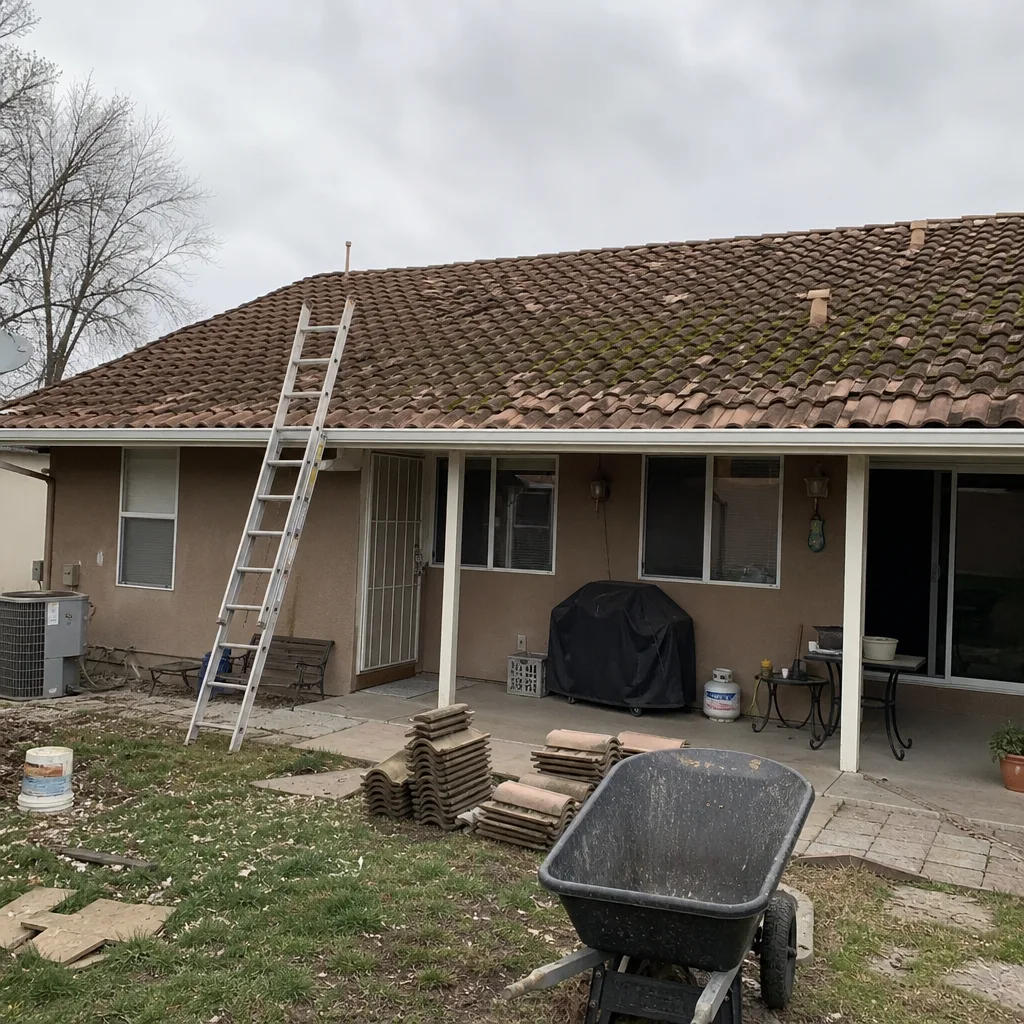 Before
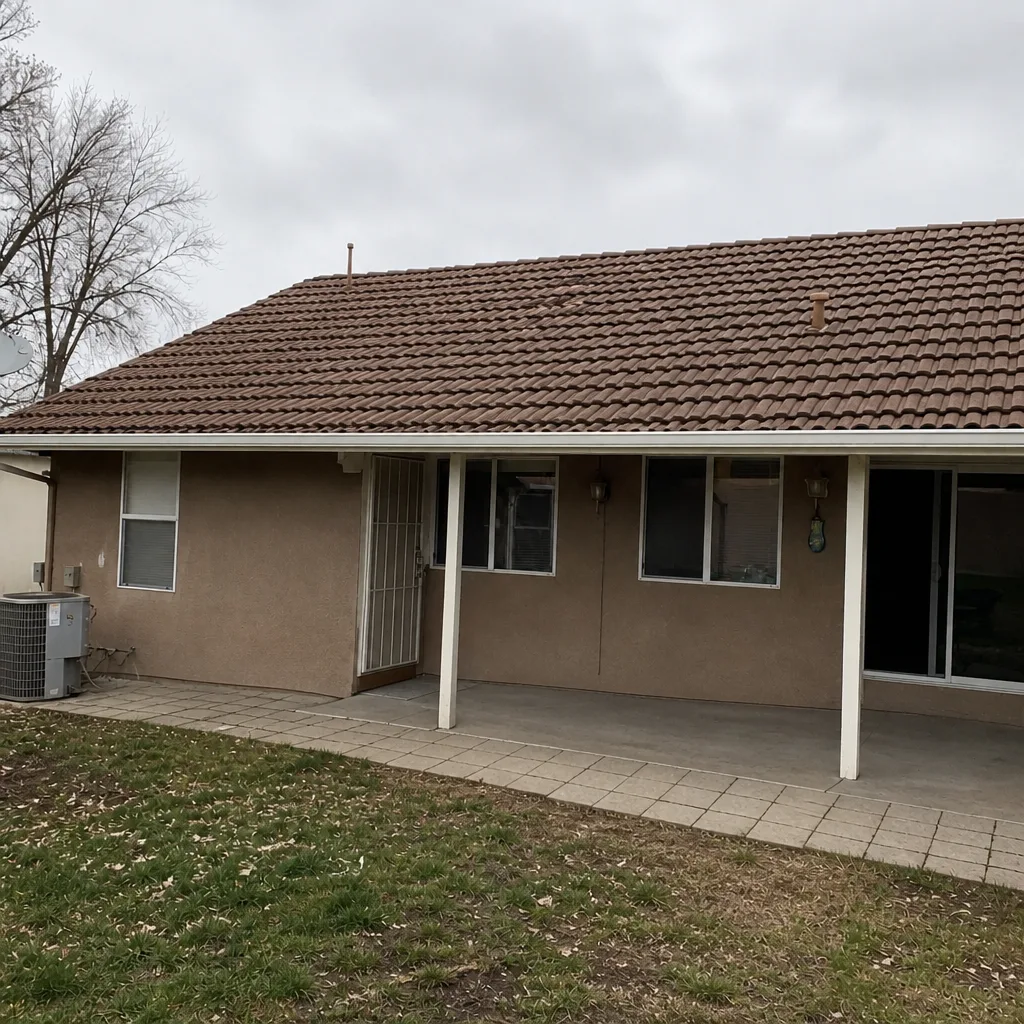 After
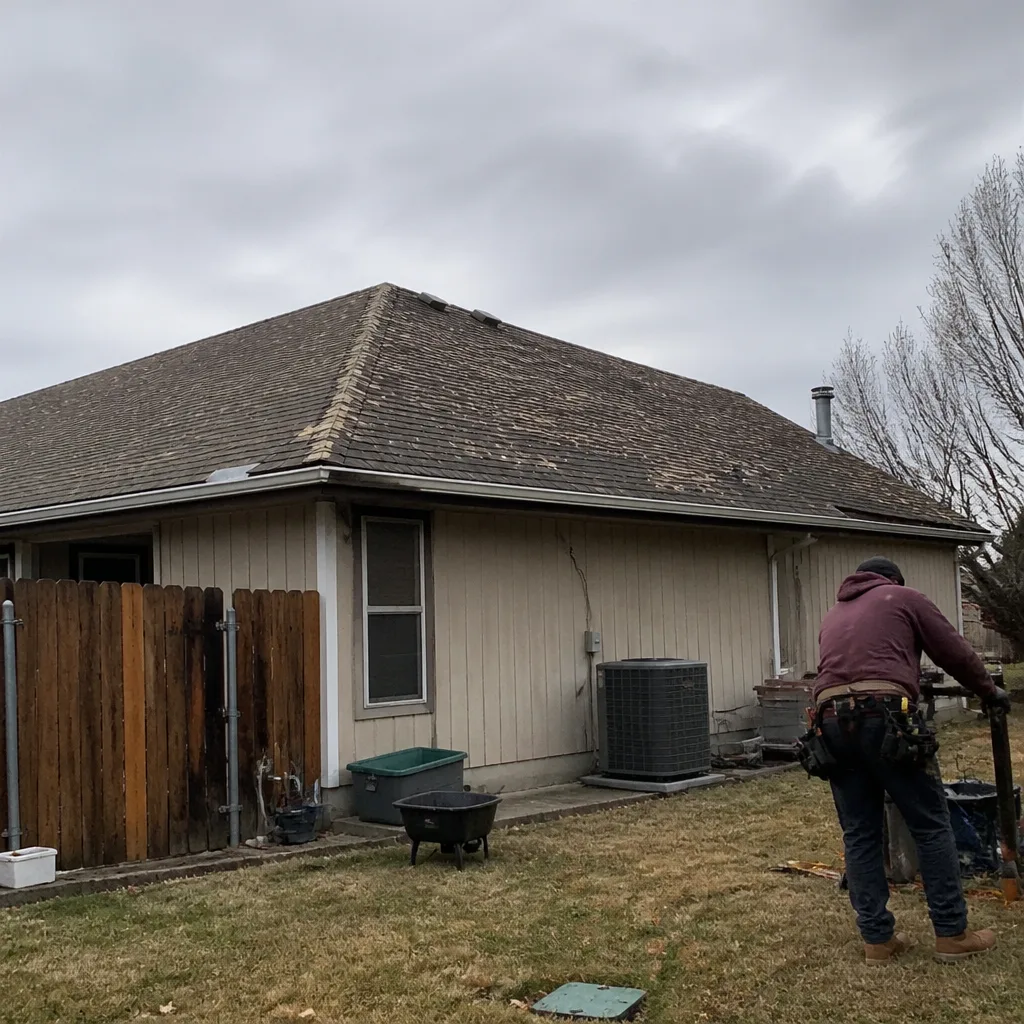 Before
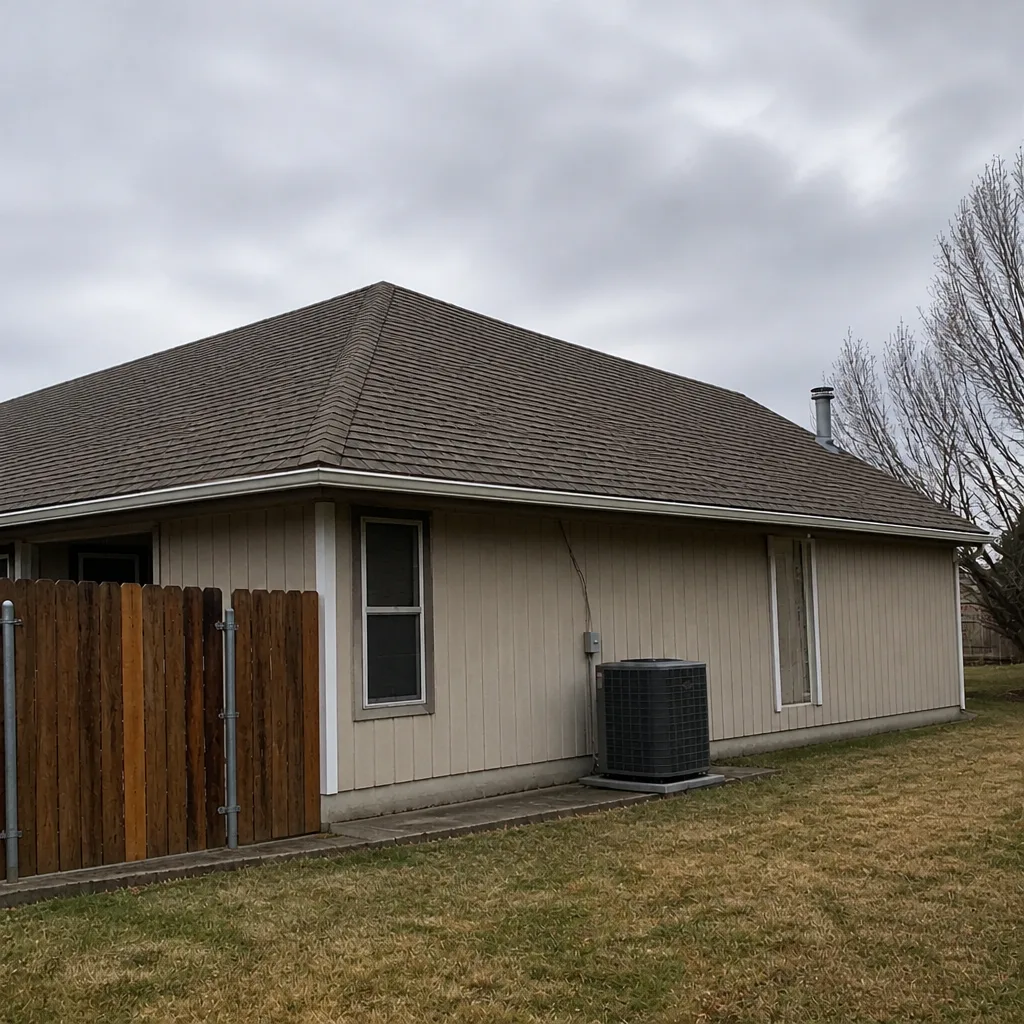 After
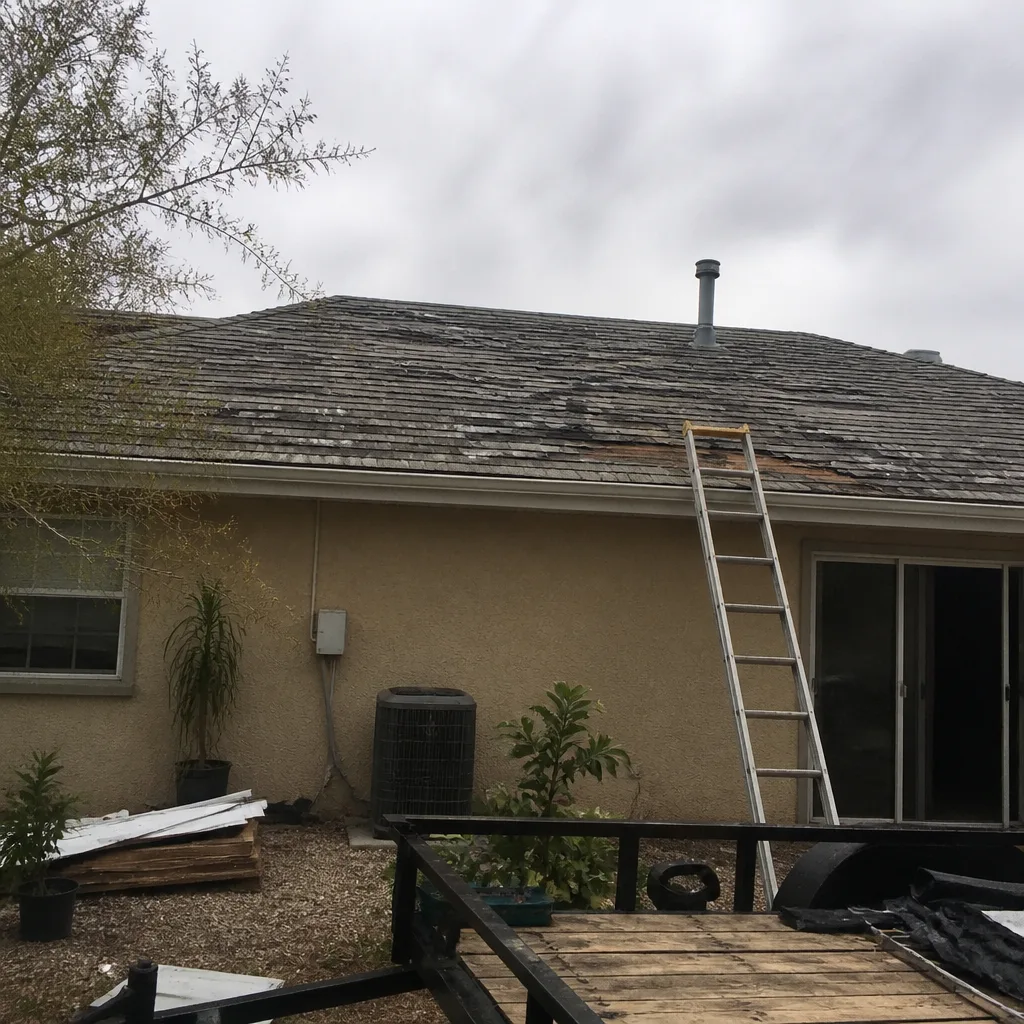 Before
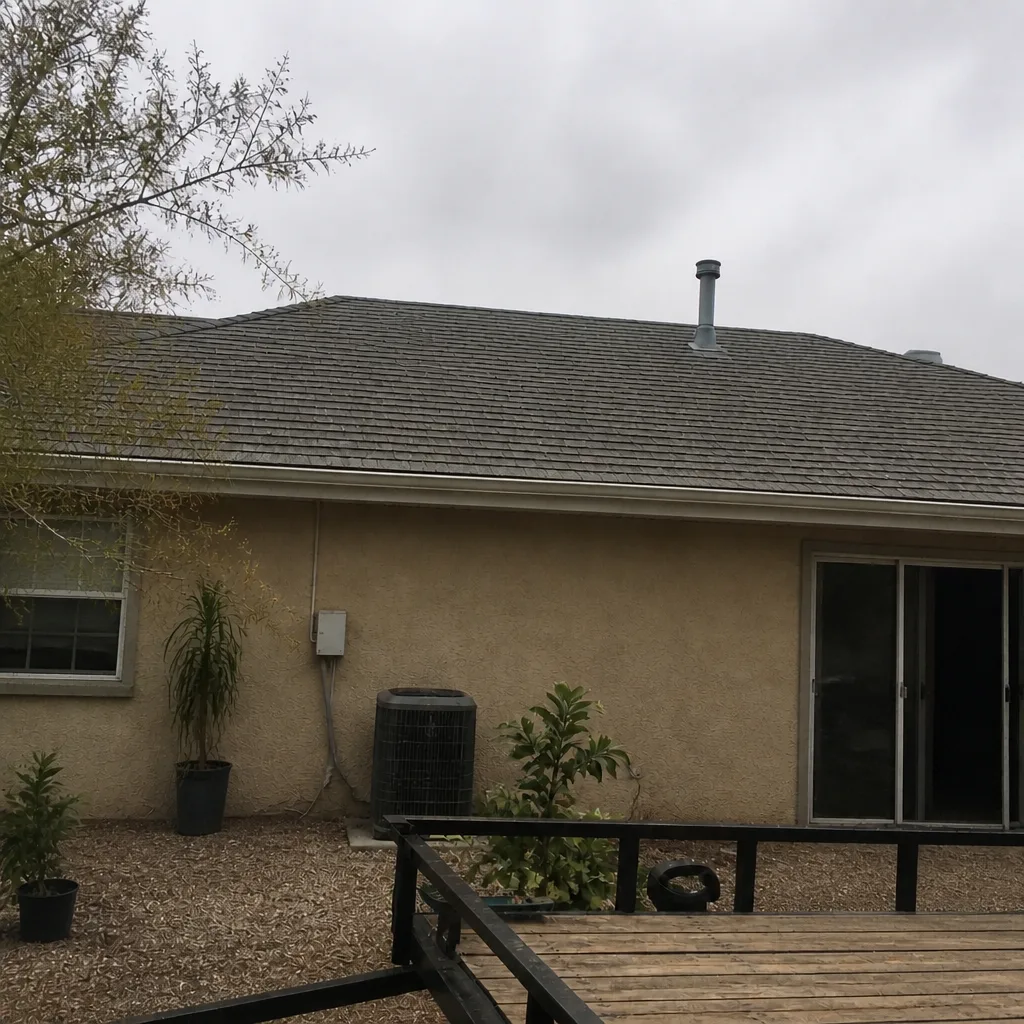 After
When to Call a Professional
Call a pro when you see missing or lifted shingles in a cluster, water stains on a ceiling or in the attic, a sagging ridge or eave line, or anything you’d need binoculars to confirm and a ladder to reach. Call sooner if the damage is near a chimney, skylight, or valley, since those are the leak paths that go from bad to expensive fastest. And call if you’re simply not comfortable getting up there. There’s no shame in it. Shepherd & Sons Roofing Whitney offers free estimates in Whitney, no trip charge inside our own county, and a free second opinion on any written estimate you’ve already gotten. Call (844) 797-9455. A live person answers, not a call center, and Bill’s name is on the work.
Frequently Asked Questions
Twice a year, at minimum: once in the two weeks after the last hard freeze and once in the two weeks before monsoon moisture arrives. Add a ground-level binocular check after any significant wind event. That two-visit rhythm matches our climate better than any monthly or quarterly schedule we’ve seen.
Keep gutters and valleys clear and look at the roof from the ground monthly with binoculars. Those two habits catch the majority of problems before they become repairs. If you want an exact quote on a cleanup or small repair, call (844) 797-9455. Estimates are free.
You can see flashing from the ground with binoculars and note anything cracked or pulled back, but the actual inspection and repair of flashing at chimneys, skylights, and valleys is a professional job on any pitch above a 4:12. DIY flashing work is one of the most common causes of leaks we repair in Whitney.
Not with us. The estimate Bill gives you is the price you pay, in writing, with no change orders. If we open something up and find more, we call you before touching it. Our 90-Day Done Right Promise also means if the work isn’t right, we come back and make it right.
Yes, and it’s the most predictable pattern we see in Whitney. A $40 sealant refresh deferred one winter becomes a $3,800 flashing and deck repair. The math is almost always the same: the cheapest fix is the one you never had to make.
That’s fine, and it’s a lot of our customers. The ground-level checks and the photo documentation are the parts you can do safely, and we handle anything that needs a body on the roof. Call (844) 797-9455 to schedule a free estimate and we’ll walk the roof with you.
The Bottom Line
Whitney’s climate doesn’t reward a generic maintenance schedule. It rewards two specific visits timed to the last freeze and the start of monsoon moisture, backed by monthly ground checks and a simple photo baseline. The work is small: sealant, gutters, flashing, debris. The cost is small. The savings are large, and predictable. If you take nothing else from this guide, take the two hinges and the photo habit. They’re the difference between a $40 tube of sealant and a $4,000 flashing replacement, and we’ve seen both more times than we can count. Call (844) 797-9455 for a free estimate and we’ll show you the deck photos before we talk money.
Written by the team at Shepherd & Sons Roofing Whitney.