
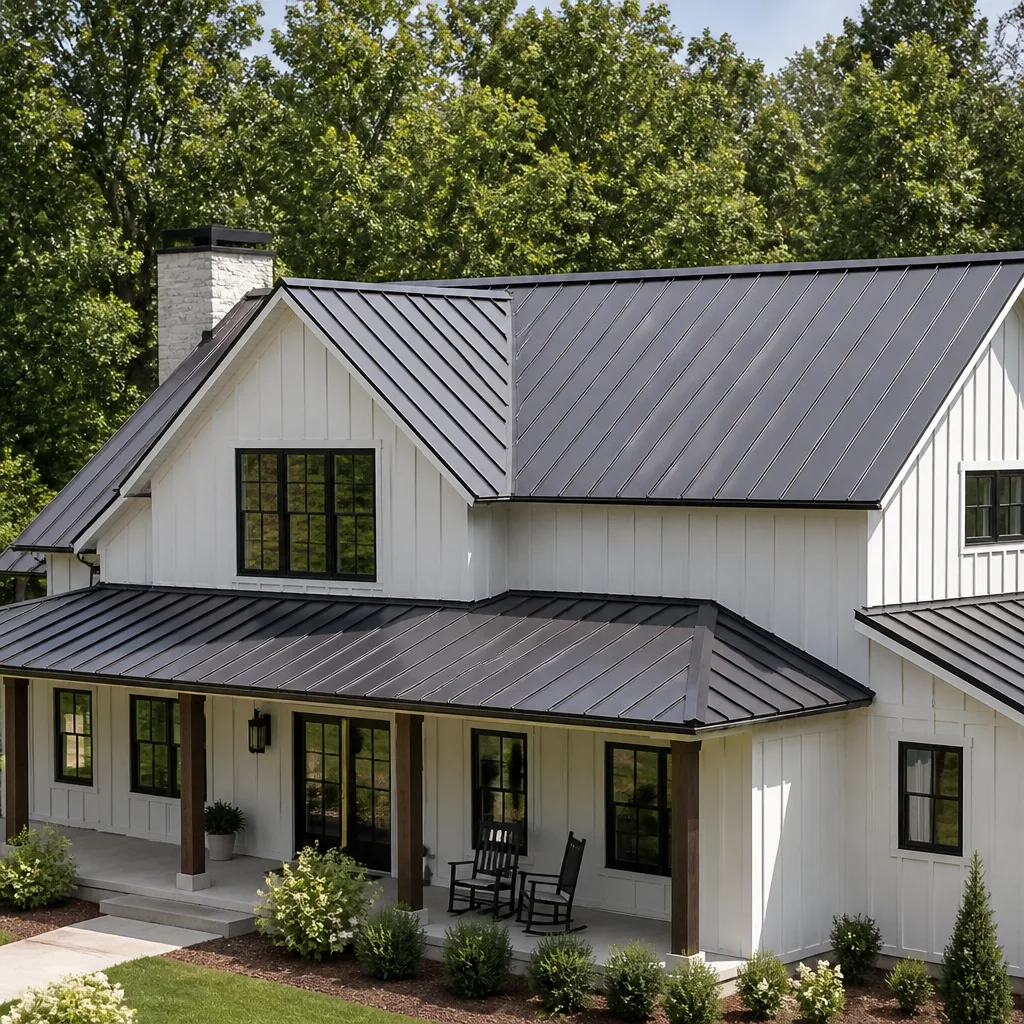
 Metal roofing
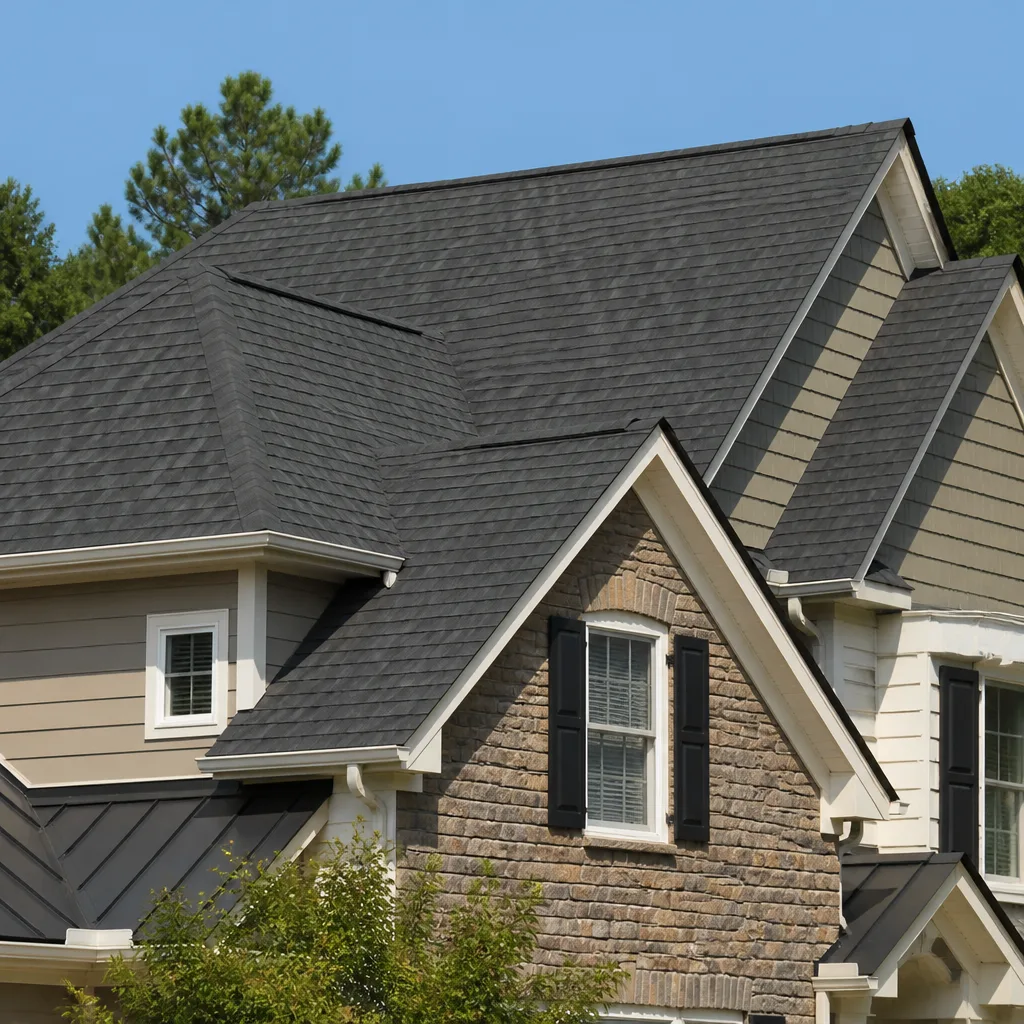 Architectural shingles
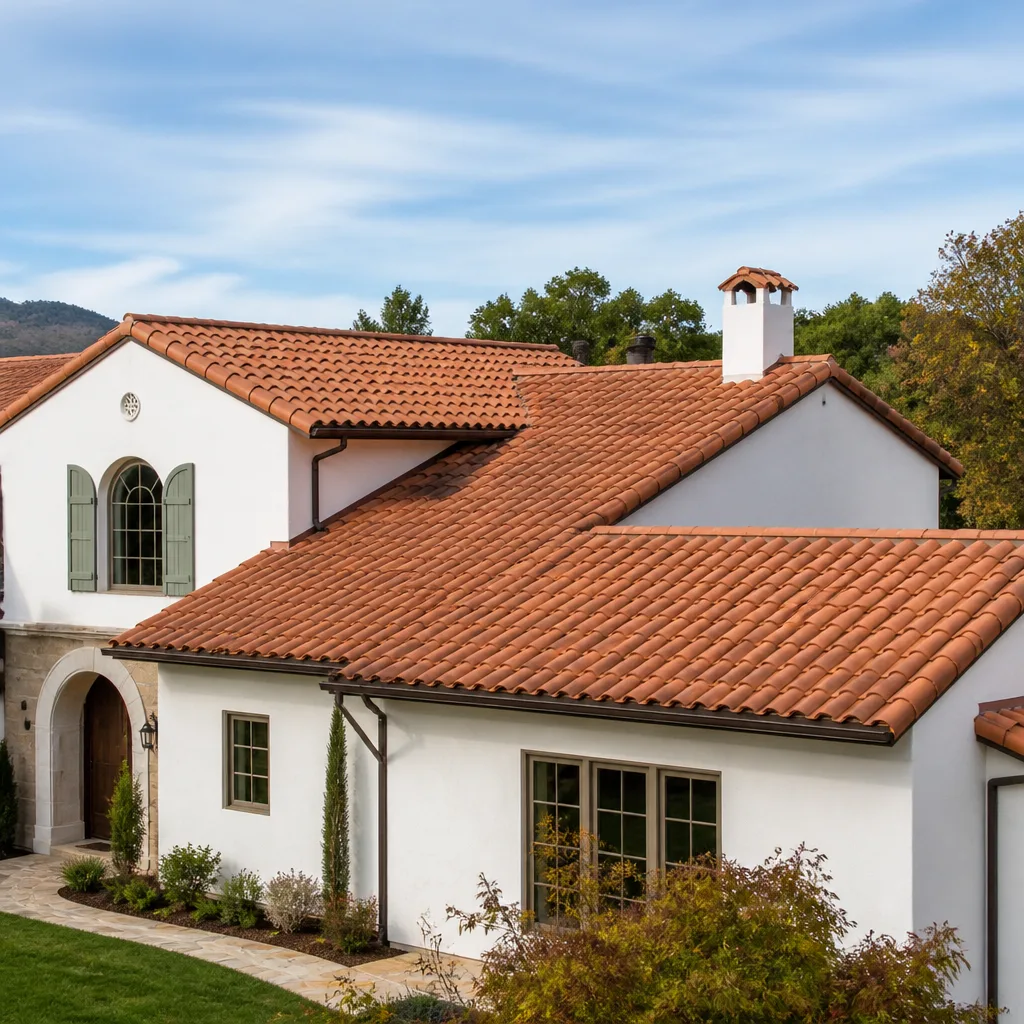 Tile roofing
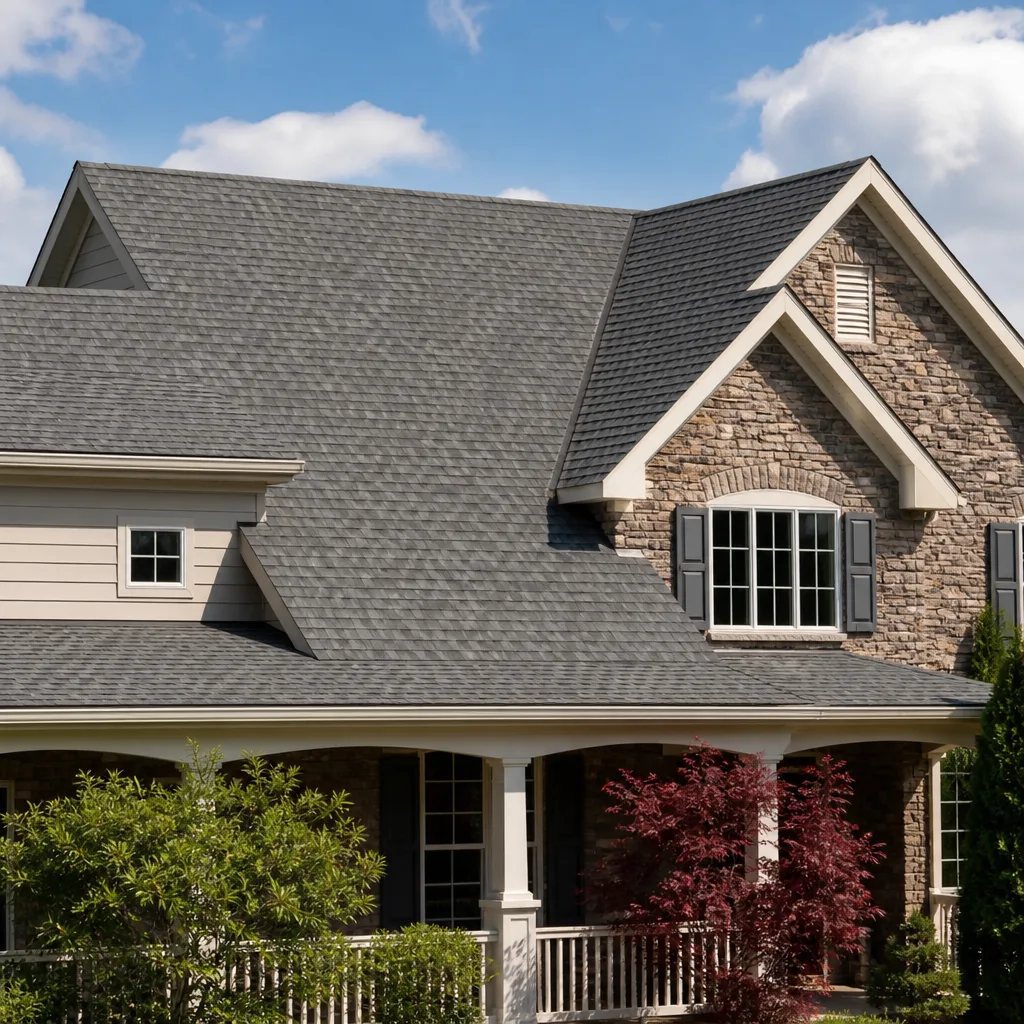 GAF
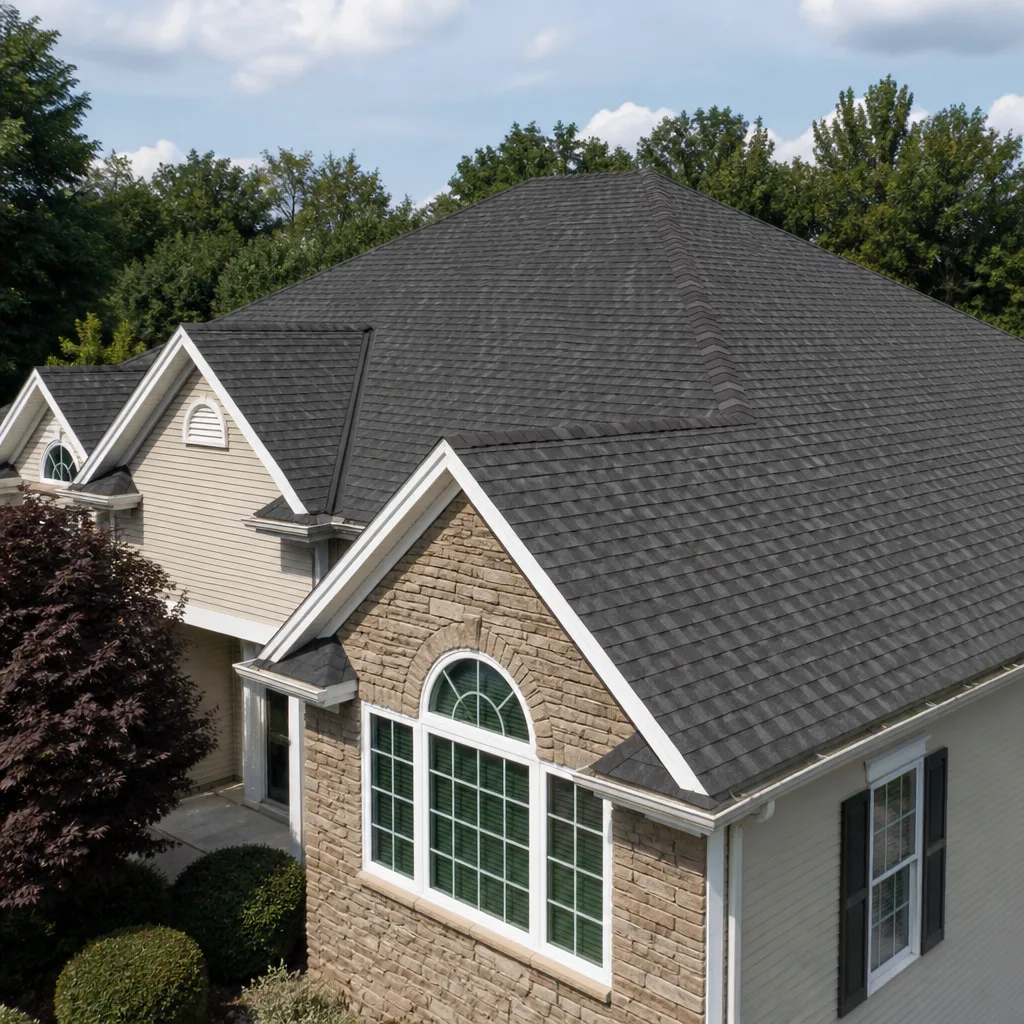 Owens Corning
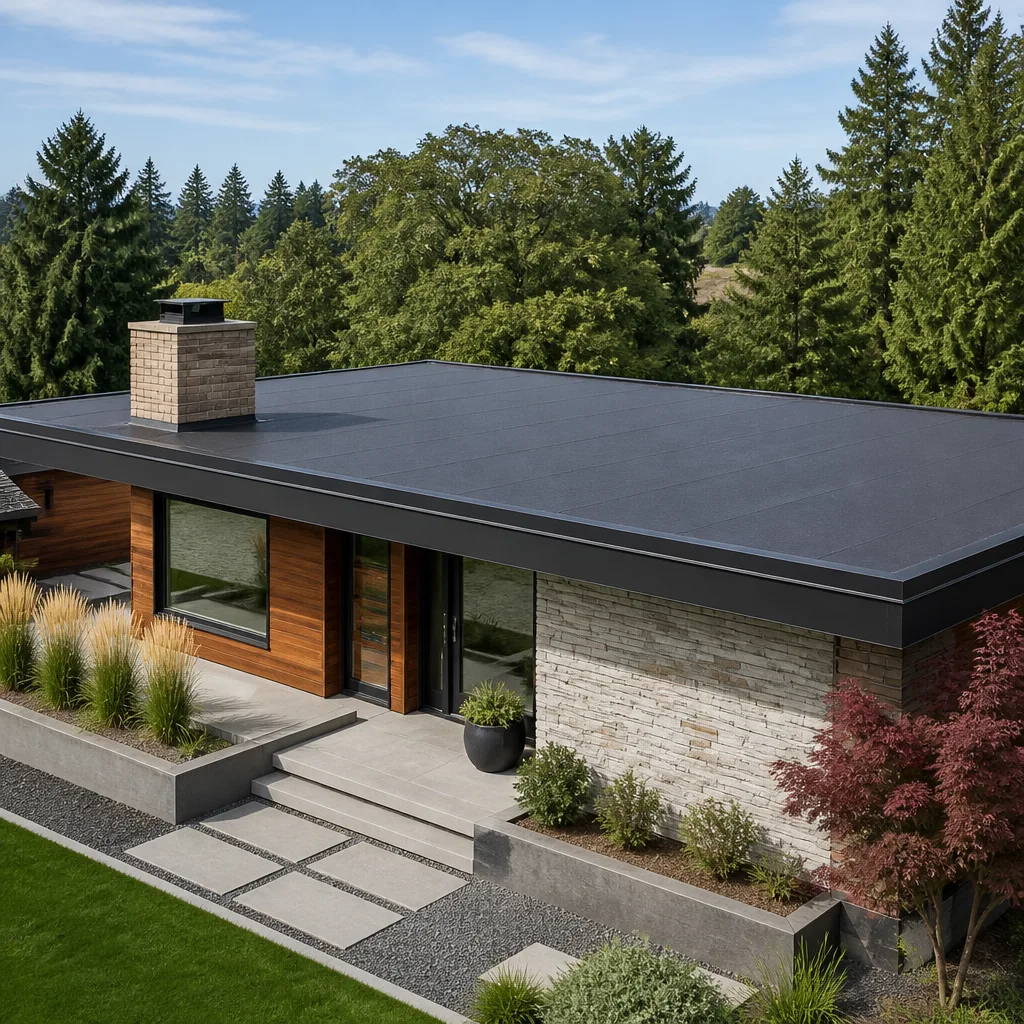 Flat & low-slope
Free roof inspection with deck photos before we talk money - GAF and Owens Corning certified installation
Styles & brands we work with
- Architectural shingles
- Metal roofing
- Tile roofing
- GAF
- Owens Corning
- Flat & low-slope
See the difference
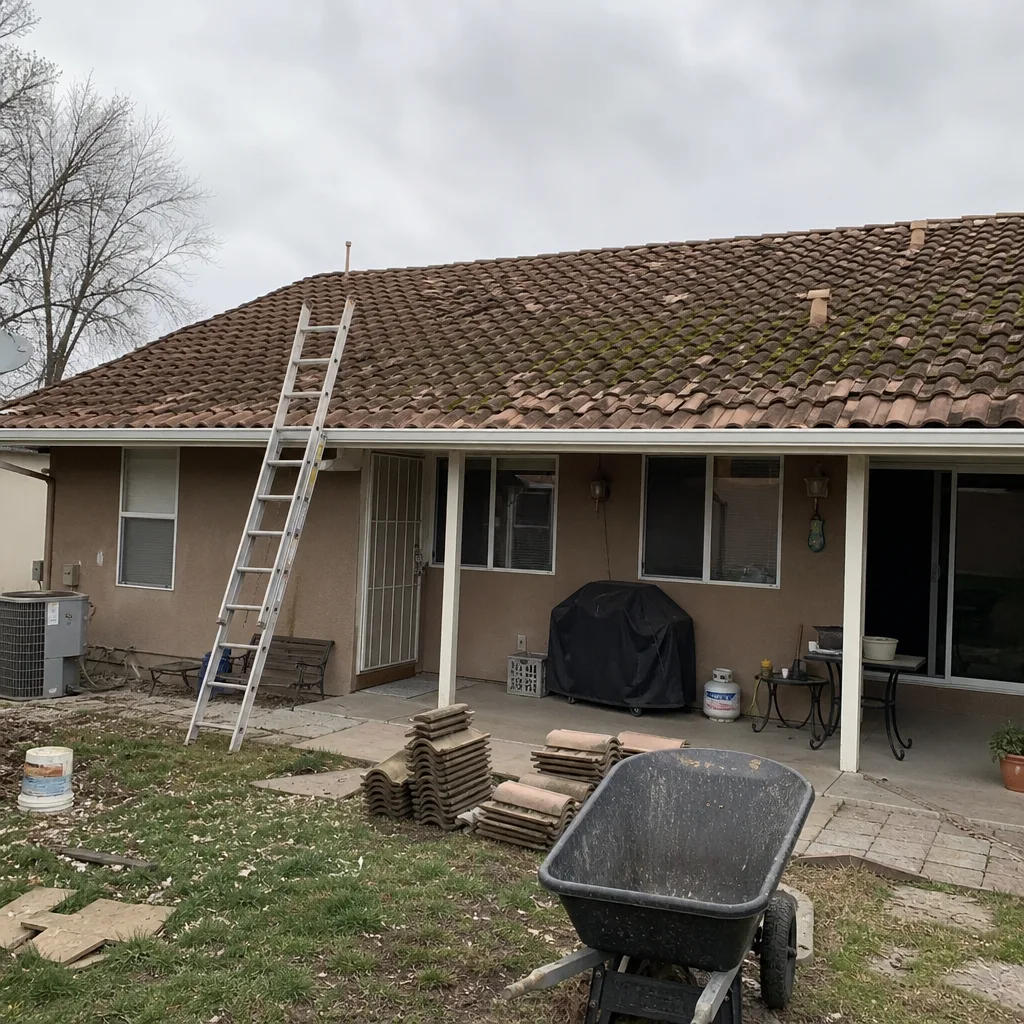 Before
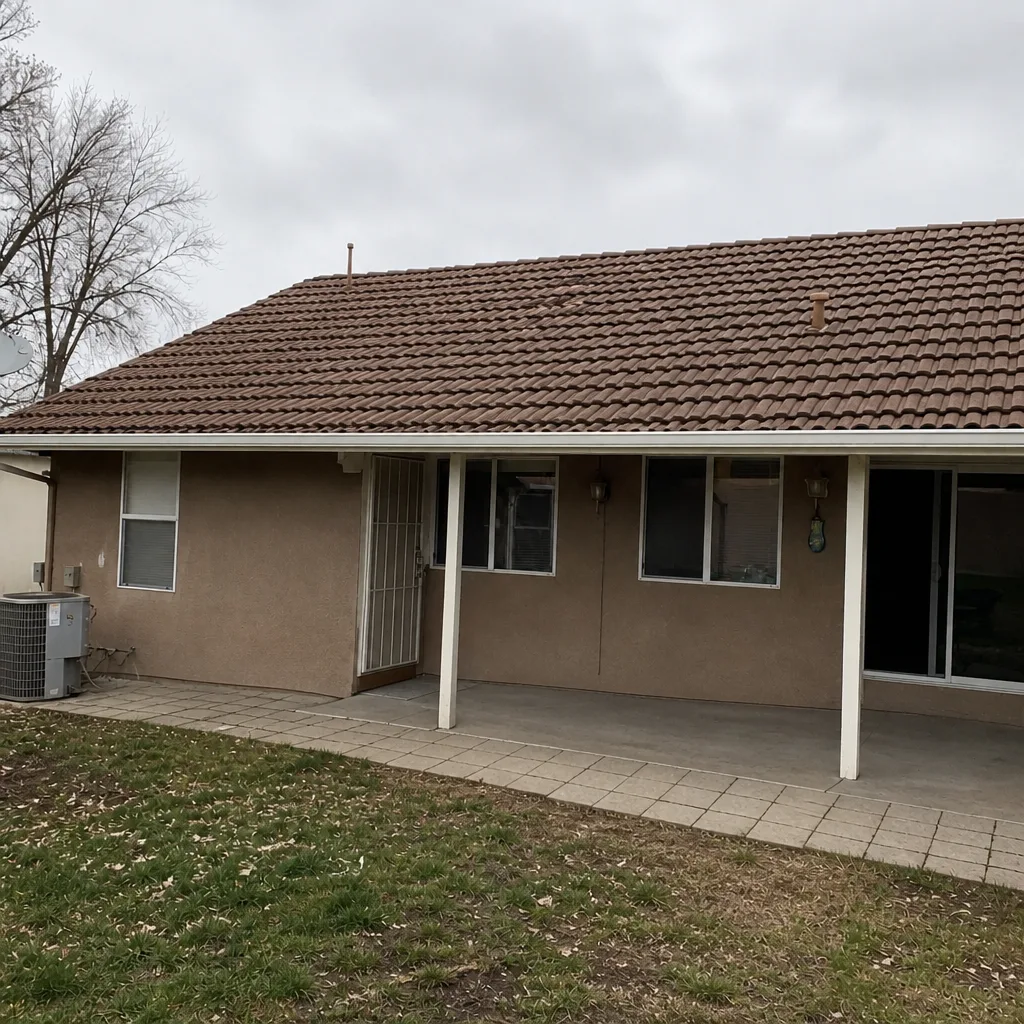 After
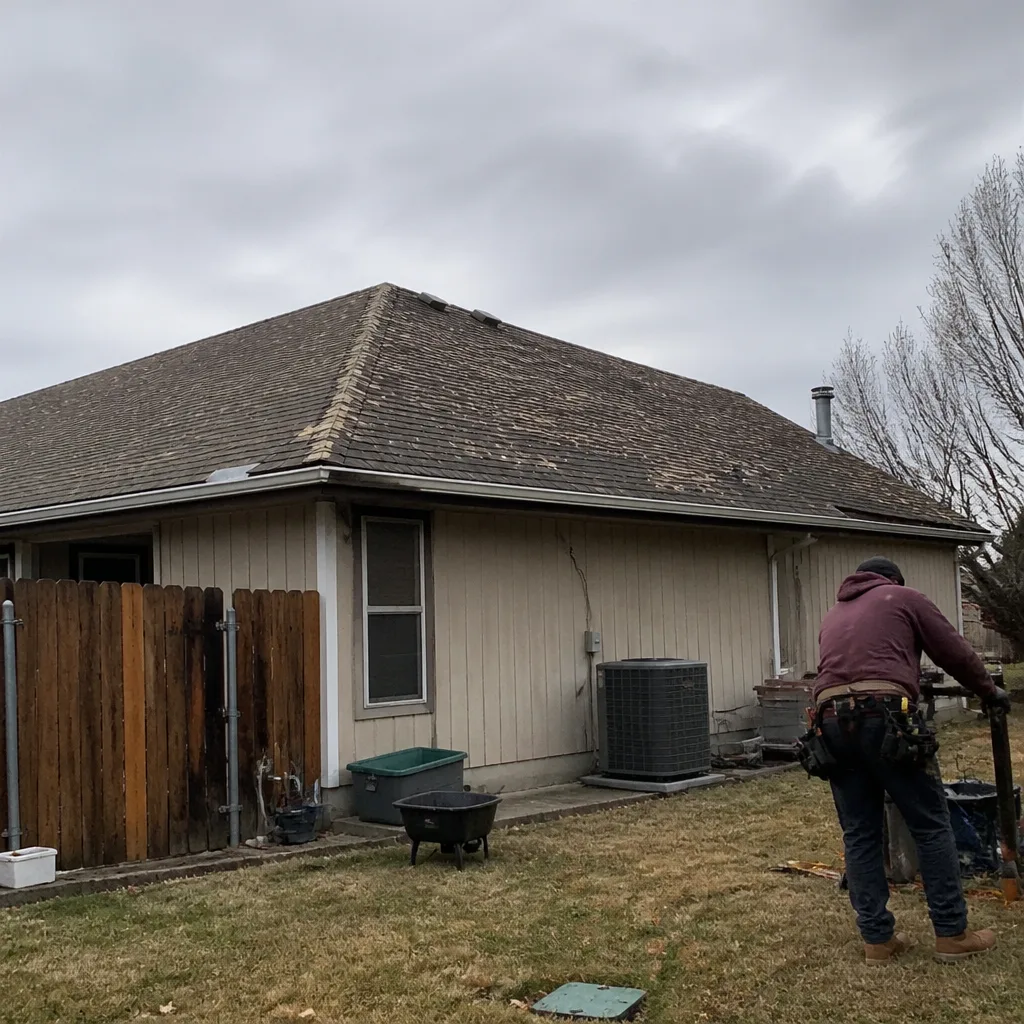 Before
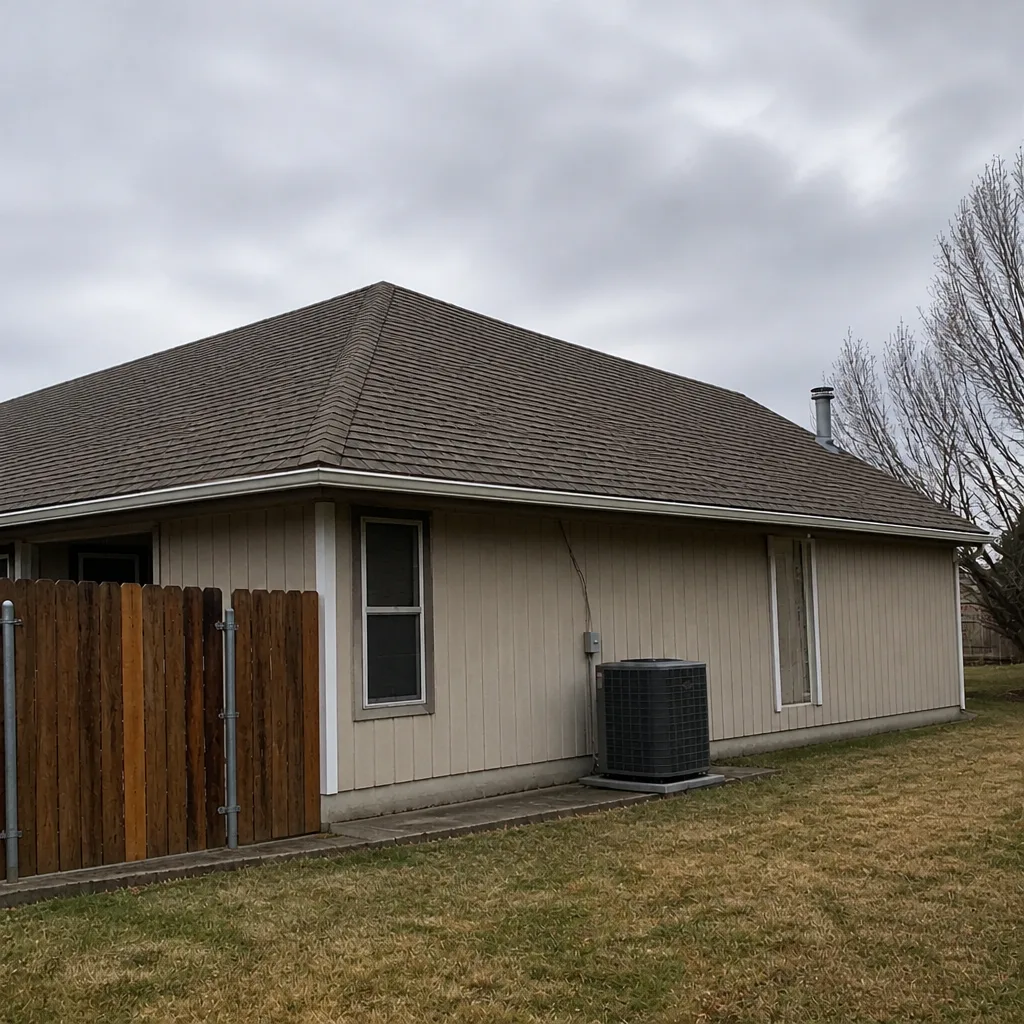 After
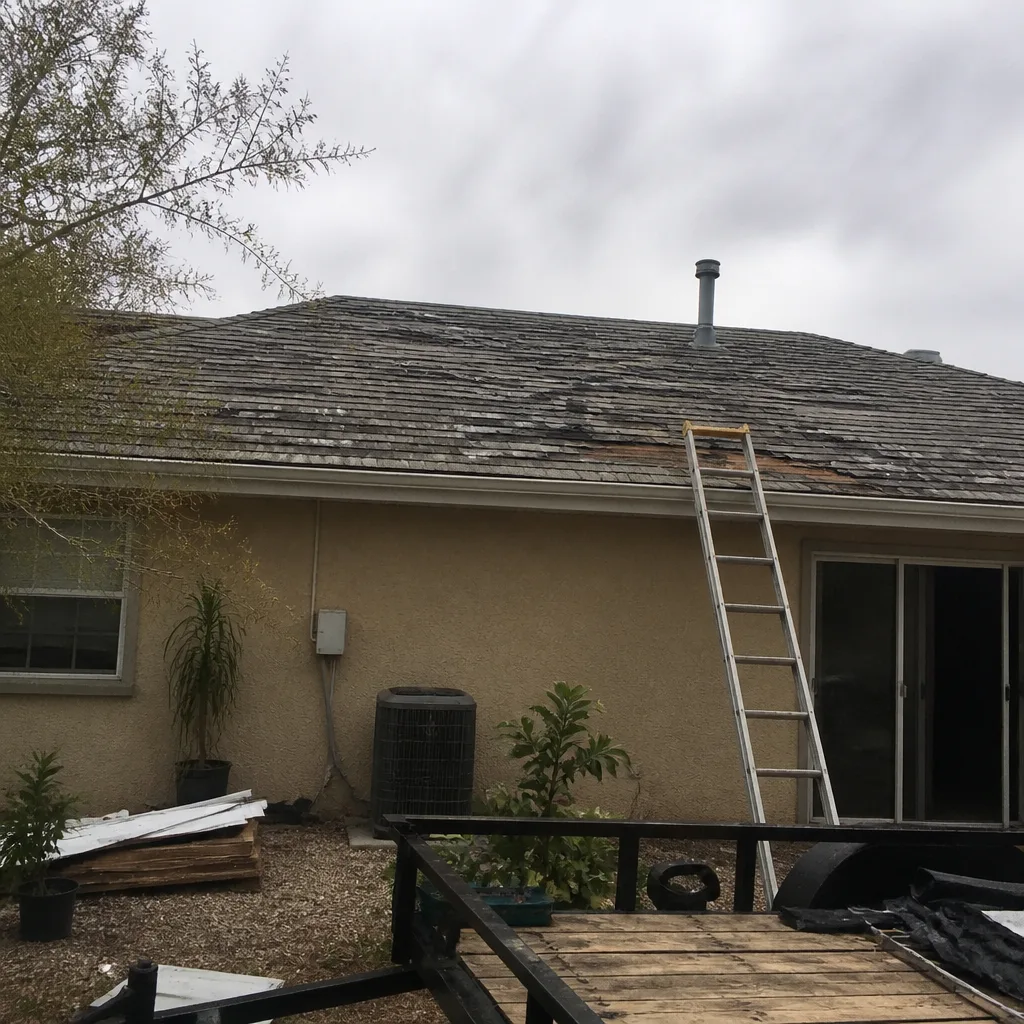 Before
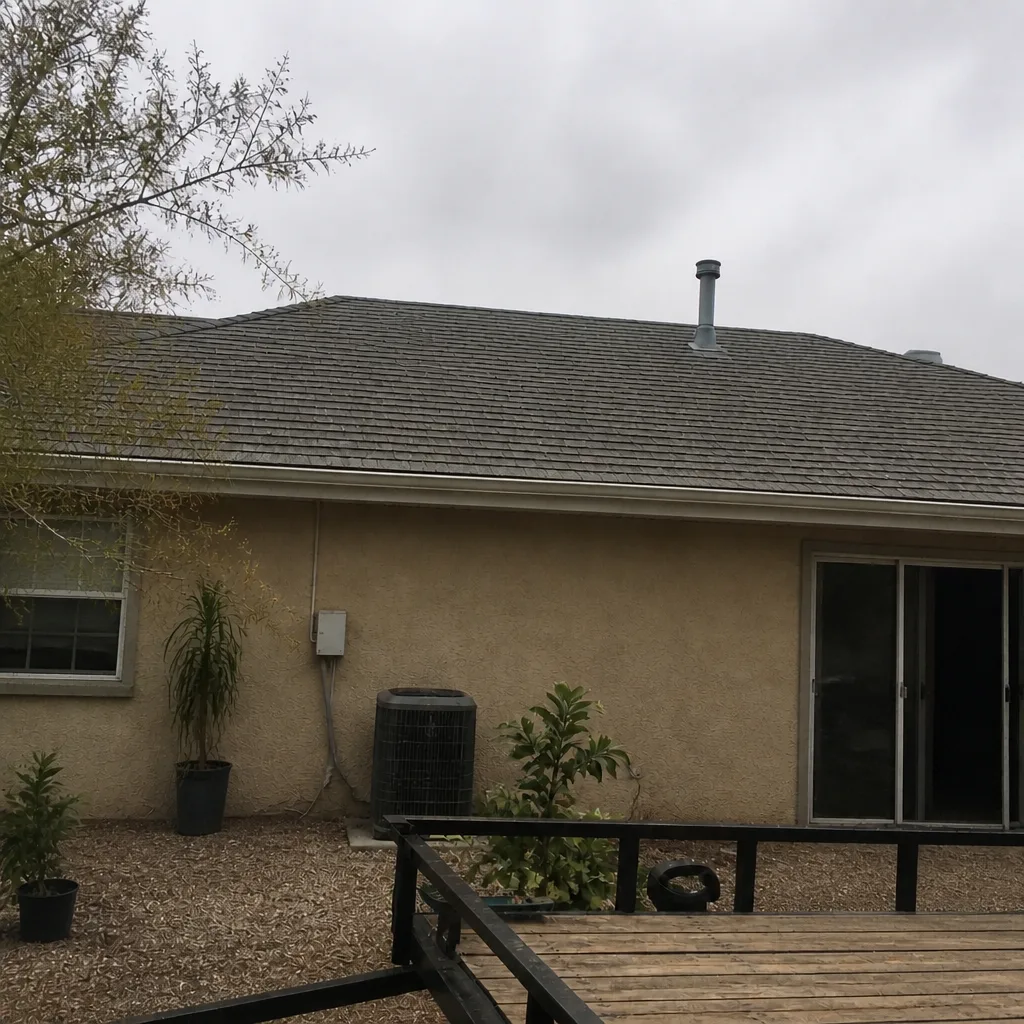 After
How Long Does a Roof Last in Whitney, NV? The Honest Local Lifespan Chart
In Whitney, NV, an asphalt shingle roof lasts 15-22 years, not the 25-30 you’ll see on the shingle wrapper, and a concrete tile roof is really a 20-25 year roofing system because the felt underlayment gives out long before the tile does. The material lifespan charts you find online are national averages across every climate in the country. Whitney’s high-desert sun and daily temperature swing write a shorter clock. If your roof is past 20 years old, it’s worth having someone look before the next monsoon season, and you can call Shepherd & Sons Roofing Whitney at (844) 797-9455 to get an honest read on where yours stands.
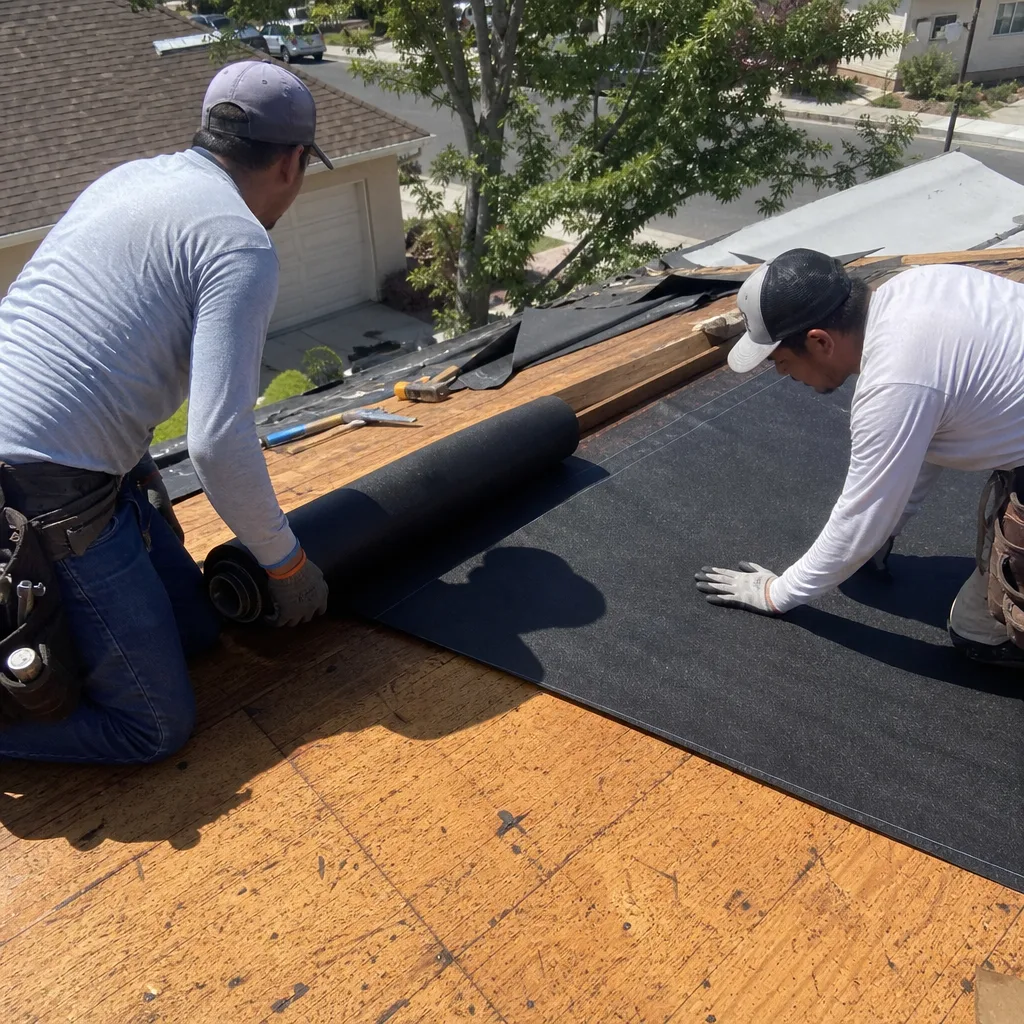
Your tile may last 50 years. The felt under it won’t make 30 in a Whitney summer.
That’s the single most useful thing we can tell a Whitney homeowner. Concrete tile is genuinely tough. It reflects UV, it shrugs off hail, and from the ground it can look close to new at 25 years old. The problem is underneath it. The organic felt underlayment that was rolled out when these tract homes went up in the 1980s and ’90s has been baking in attic heat and 100°F-plus afternoons for decades. It turns brittle. Then a monsoon downpour finds a seam, and water is running across the deck before a single tile has cracked.
When the felt is gone, patching a tile doesn’t fix anything. You’re looking at a tear-off and re-felt, which is why a “tile roof” in Whitney is really a 20-25 year system, not a 50-year one. We’ve walked roofs where the tile on top still looked fine and the underlayment crumbled in our hands. Ground-level inspection won’t tell you that. The lifespan clock on a Whitney tile roof runs on underlayment age, and only someone up on the roof, lifting a tile or two, can read it.
The Whitney lifespan chart, adjusted for our climate
Here’s the version of the national chart you won’t find on a manufacturer’s site, because it’s built from what we actually see on Whitney roofs. Every number below is local-adjusted, not the national average.
| Roof type | What the national chart says | What we actually see in Whitney |
|---|---|---|
| 3-tab asphalt shingle | 15-20 years | 10-15 years |
| Standard architectural shingle | 25-30 years | 15-22 years |
| Class 4 impact-rated architectural shingle with synthetic underlayment | 30+ years | 22-28 years |
| Concrete tile (the tile itself) | 40-50 years | 40-50 years, yes |
| Concrete tile’s original felt underlayment | Rarely mentioned | 20-25 years, then the system needs a re-felt |
| Metal roofing | 40-70 years | 40-50 years |
Notice the pattern. Every material loses years here. The gap between the national number and the Whitney number is the climate discount, and it’s real. A shingle rated for 30 years in a mild climate is doing well to see 22 on a Whitney roof facing west into the afternoon sun. If you want to compare what a full replacement runs on these options, our Roof Replacement & Installation in Whitney page breaks it down by material and square count.
Why Whitney roofs age faster: the thermal cycling problem
Most of the country experiences temperature swings over the course of a season. Whitney experiences them every single day. An afternoon in July pushes past 100°F. By the early morning in winter it’s down in the 50s or near freezing. That’s a swing of 70 degrees or more, and it happens daily. Every material on your roof expands in the heat and contracts in the cool, over and over, thousands of cycles across the life of the roof.
Shingle granules loosen. Sealant strips that hold tabs down give up. Felt underlayment cracks at the fold lines. Metal panels work their fasteners. That cumulative fatigue is why the exact same material that lasts 30 years in a stable climate lasts 18 here. It’s not one bad summer. It’s the daily grind.
The “it still looks fine” problem on Whitney tile roofs
A shingle roof tells you when it’s tired. Granules in the gutter, curled tabs, a scuff of missing mat. Tile roofs don’t. The tile surface hides the aging underneath, which is the trap a lot of Whitney homeowners fall into. The roof looks good from the driveway at 25 years old, so nobody climbs up to check, and then the first leak shows up during a monsoon storm and it’s not a small repair.
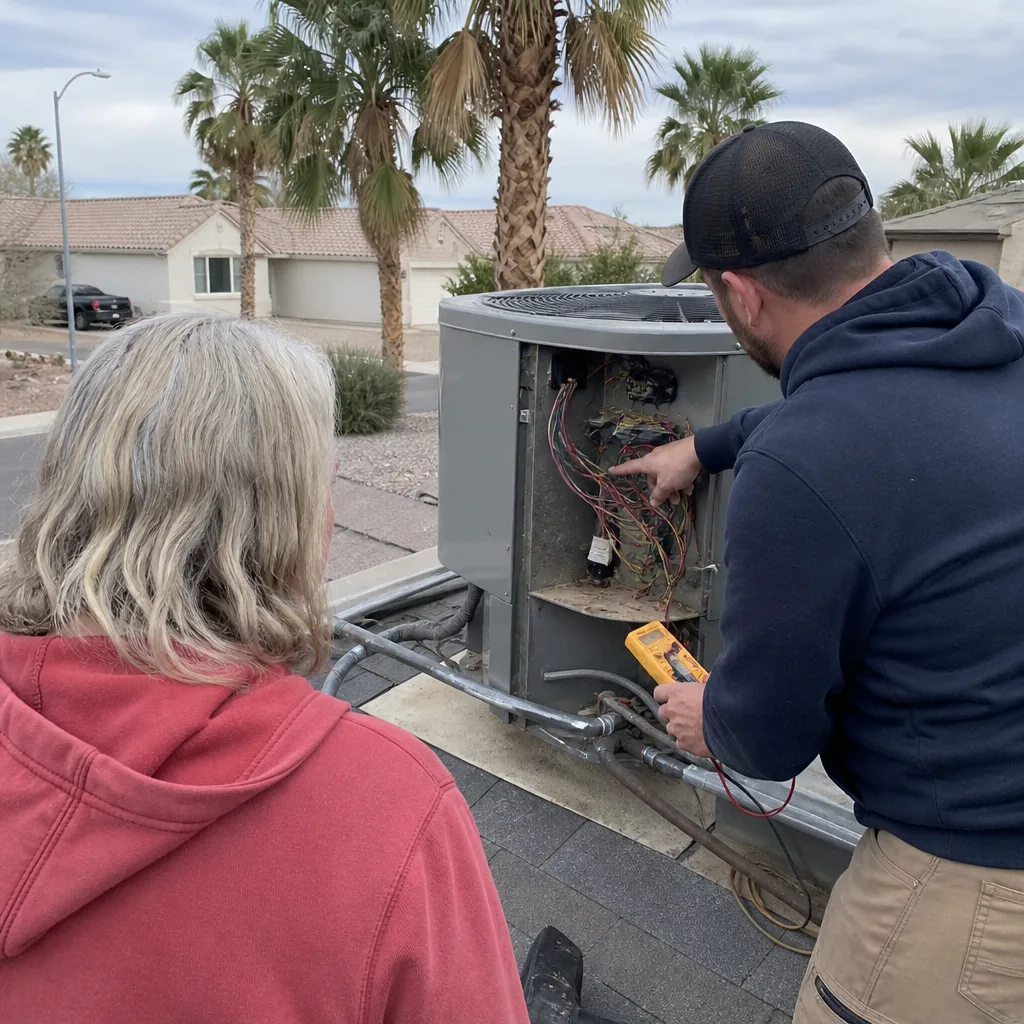
- Watch the clock, not just the surface. If your tile roof was installed in the 1980s or ’90s, its underlayment is at or past the end of its life regardless of how the tile looks.
- Storm-driven leaks mean underlayment, usually. On a Whitney tile roof, a sudden leak after a heavy rain often points to failed felt, not a cracked tile.
- Get an on-the-roof look, not a ground-level opinion. A real assessment means lifting tile, checking felt, and seeing the deck.
When we come out, we’ll show you the deck photos before we talk money. That’s not a sales line, it’s how we work, and it’s why you’ll know whether your tile roof has five good years left or whether the felt is already gone.
Installation quality changes the local lifespan clock
Two roofs installed a few years apart on the same Whitney street can age at very different rates, and the difference is usually ventilation and installation detail, not the shingle brand. A roof with proper ridge and intake ventilation runs cooler. Cooler attic means less heat baking the shingles from below, and that buys years. A roof with inadequate ventilation cooks from underneath on top of the UV beating from above.
We’ve re-roofed plenty of Whitney homes where a mid-2000s shingle job failed before a late-’90s roof did, simply because the older one breathed and the newer one didn’t. The nailing pattern earns the wind rating, not the shingle wrapper either. Called-out nails, proper overlap, and correct flashing at the walls and valleys are what hold up through a monsoon. We set roofs from GAF, CertainTeed, Owens Corning, and Boral, and we’ll walk you through which makes sense for your house and your budget.
What 29 years of Whitney roofs teaches you
Whitney’s housing was built in one big wave, roughly 1980 to 2005 as Sun Belt tract homes, so the town is riding a synchronized replacement wave. Whole blocks hit end-of-life together. That’s not a sales problem, it’s why you’ll see a street where four or five neighbors are all re-roofing within a couple of years of each other. It’s also why, at Shepherd & Sons Roofing Whitney, the crew has been tracking how long Whitney roofs actually last through callbacks and re-roofing jobs across the decades. That running local record is the basis for the honest answers we give you about whether your roof needs replacing now or has years left. If you want a straight read on timing, our home page is a good place to start, and you can always just call.
Frequently asked questions about roof lifespan in Whitney
An asphalt shingle roof in Whitney lasts about 15-22 years for standard architectural shingles, and only 10-15 years for 3-tab. That’s shorter than the 25-30 years the national charts advertise, because Whitney’s UV and daily heat cycling age shingles faster than a milder climate. If your shingle roof is past 15 years and showing granules in the gutters, call (844) 797-9455 for a free estimate on what replacement would cost.
The tile itself can last 40-50 years, but the felt underlayment beneath it typically fails at 20-25 years in Whitney’s climate, so a tile roof is effectively a 20-25 year system unless the felt is renewed. The tile surface looks fine even as the underlayment crumbles. If your tile roof is 20 years or older, it’s worth a roof-level inspection before the next monsoon. Call (844) 797-9455 and we’ll take a look.
The daily thermal cycling is the main cause: Whitney swings 70°F or more between afternoon and overnight, and that constant expansion and contraction fatigues every material on the roof. Add intense high-desert UV and 100°F summers and the same shingle or metal roof ages years sooner here than the national average suggests. If you’re unsure how much life your roof has left, a no-pressure assessment from us is free – call (844) 797-9455.
It usually comes down to age and material: a shingle roof past 18-20 years or a tile roof with original felt past 20 years is generally replacement territory, while a newer roof with a single isolated leak is often a repair. The only reliable way to know is an on-the-roof inspection that shows you the deck and underlayment. If you’d rather have it looked at, Shepherd & Sons Roofing Whitney offers a no-pressure assessment in Whitney – call (844) 797-9455 for upfront pricing and a free second opinion on any written estimate.
Written by the team at Shepherd & Sons Roofing Whitney, serving Whitney, NV.