
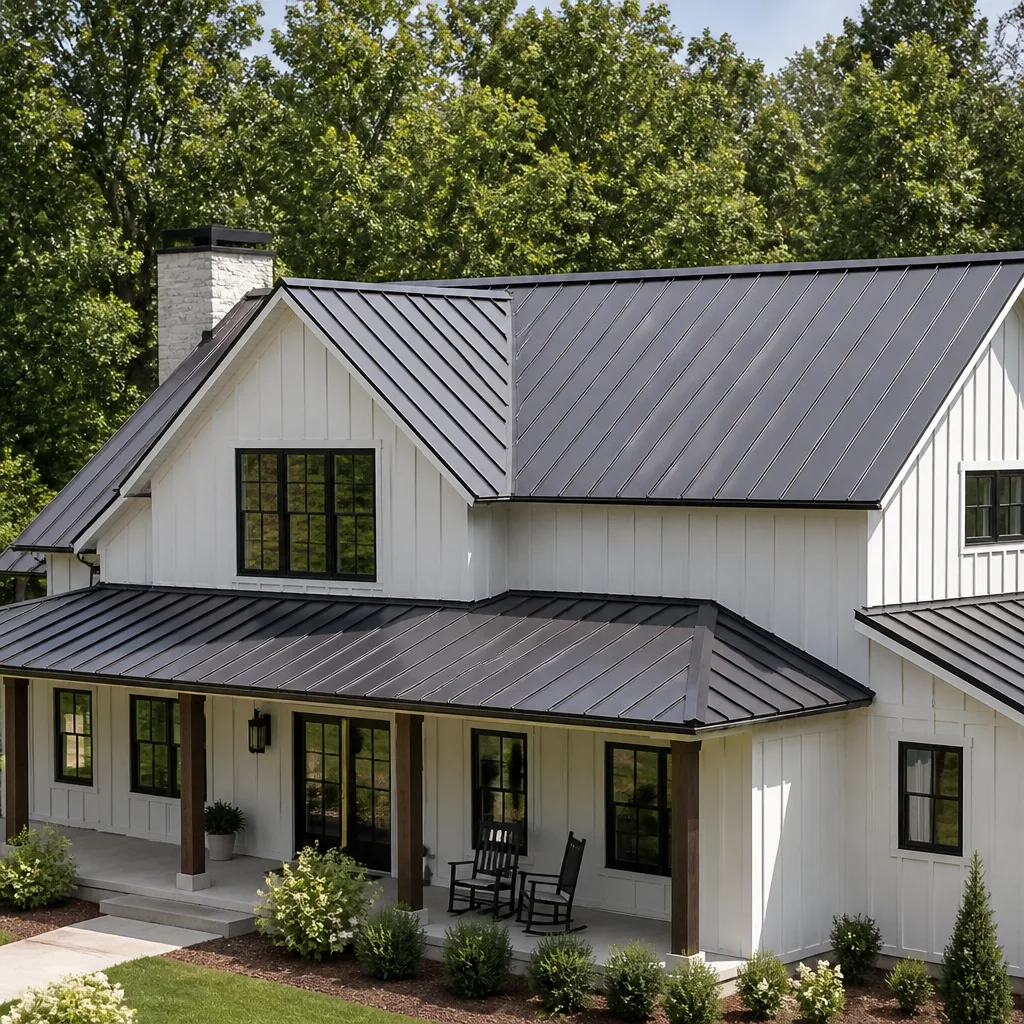
 Metal roofing
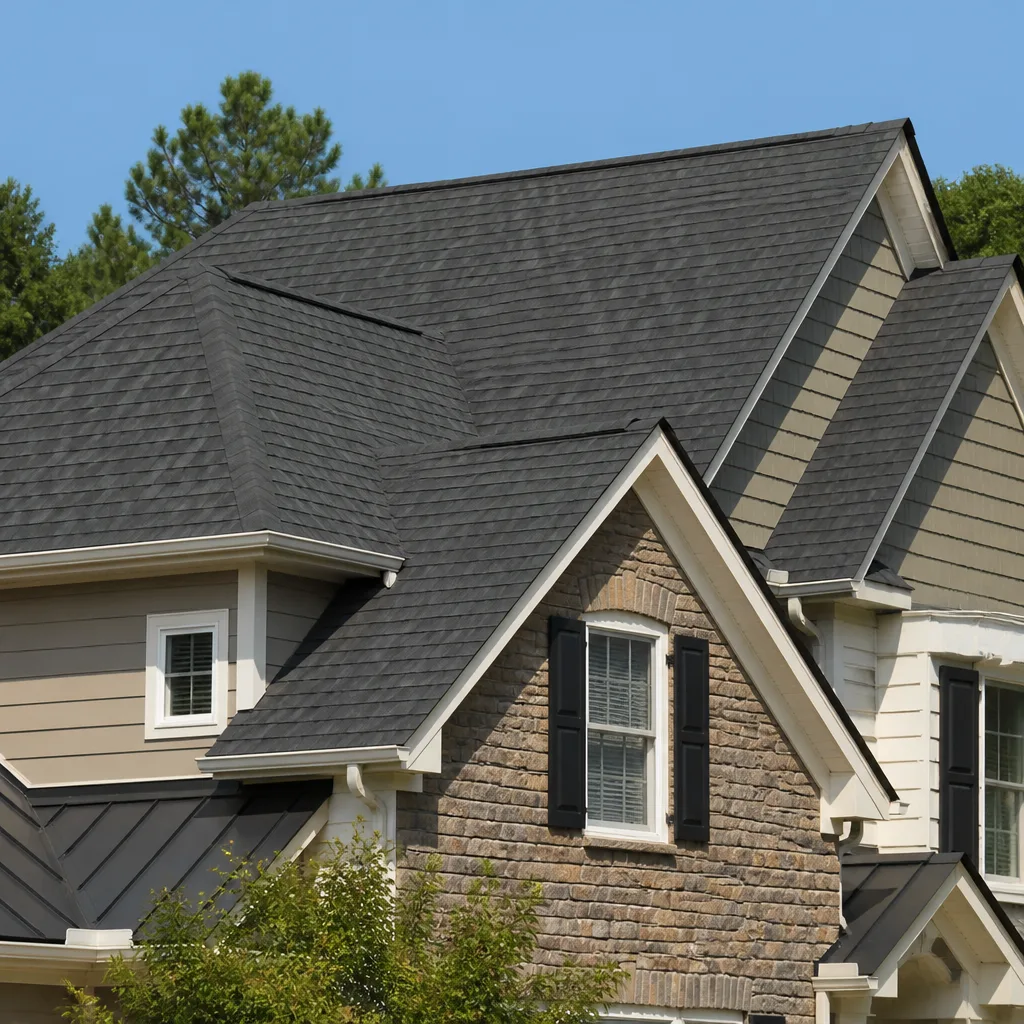 Architectural shingles
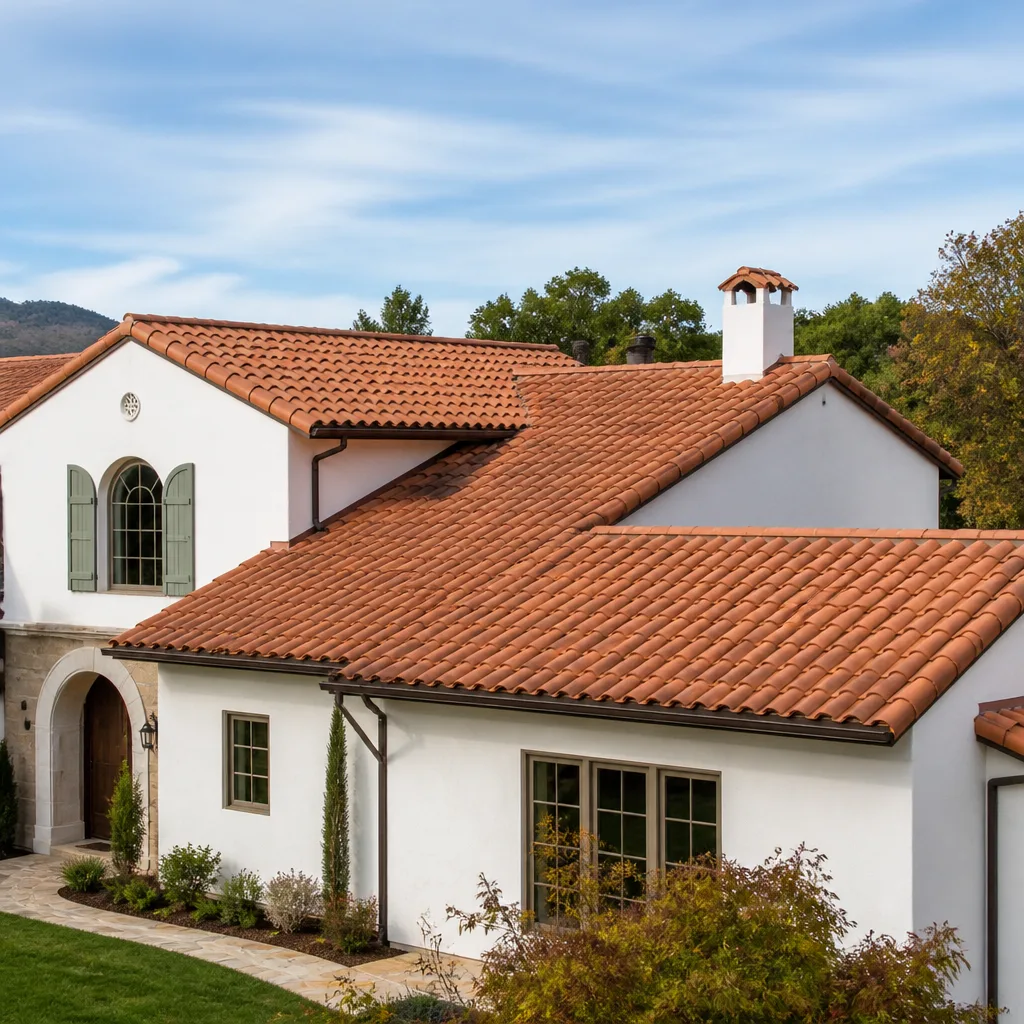 Tile roofing
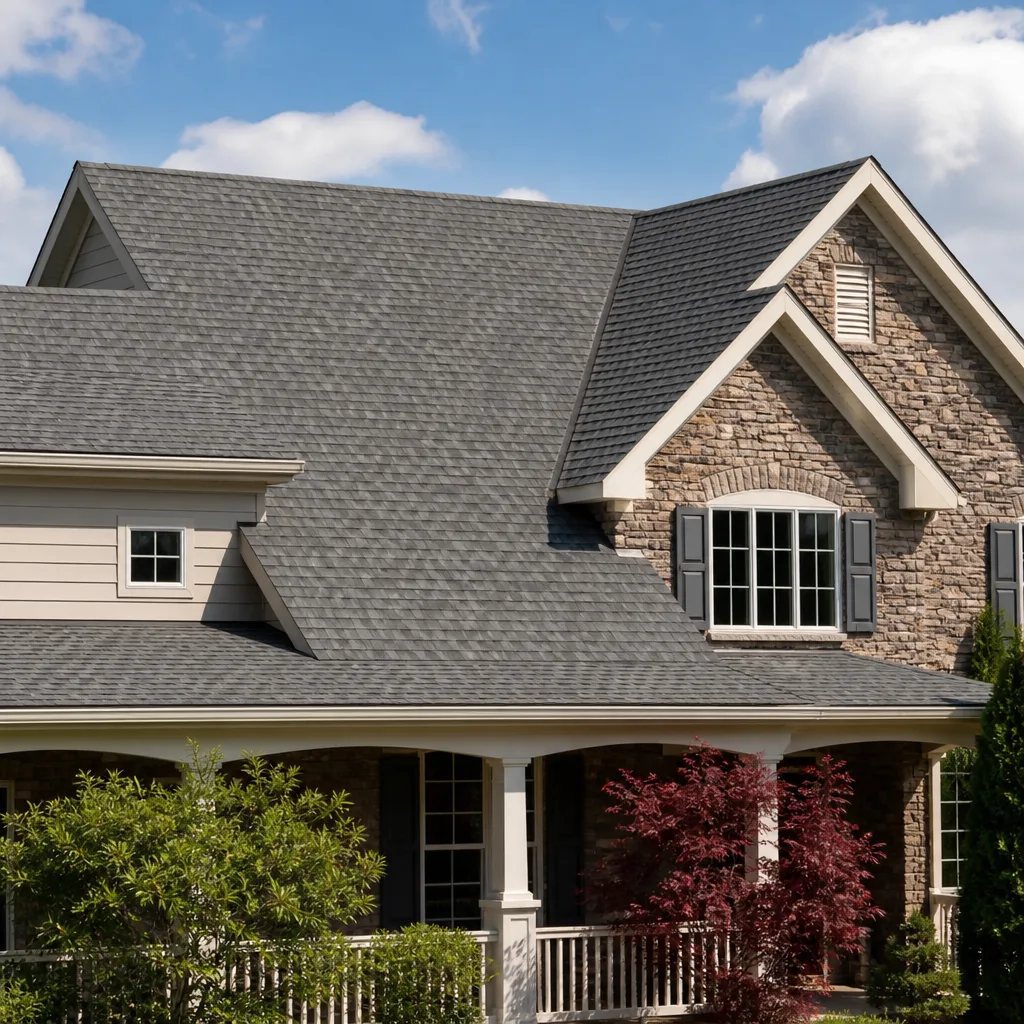 GAF
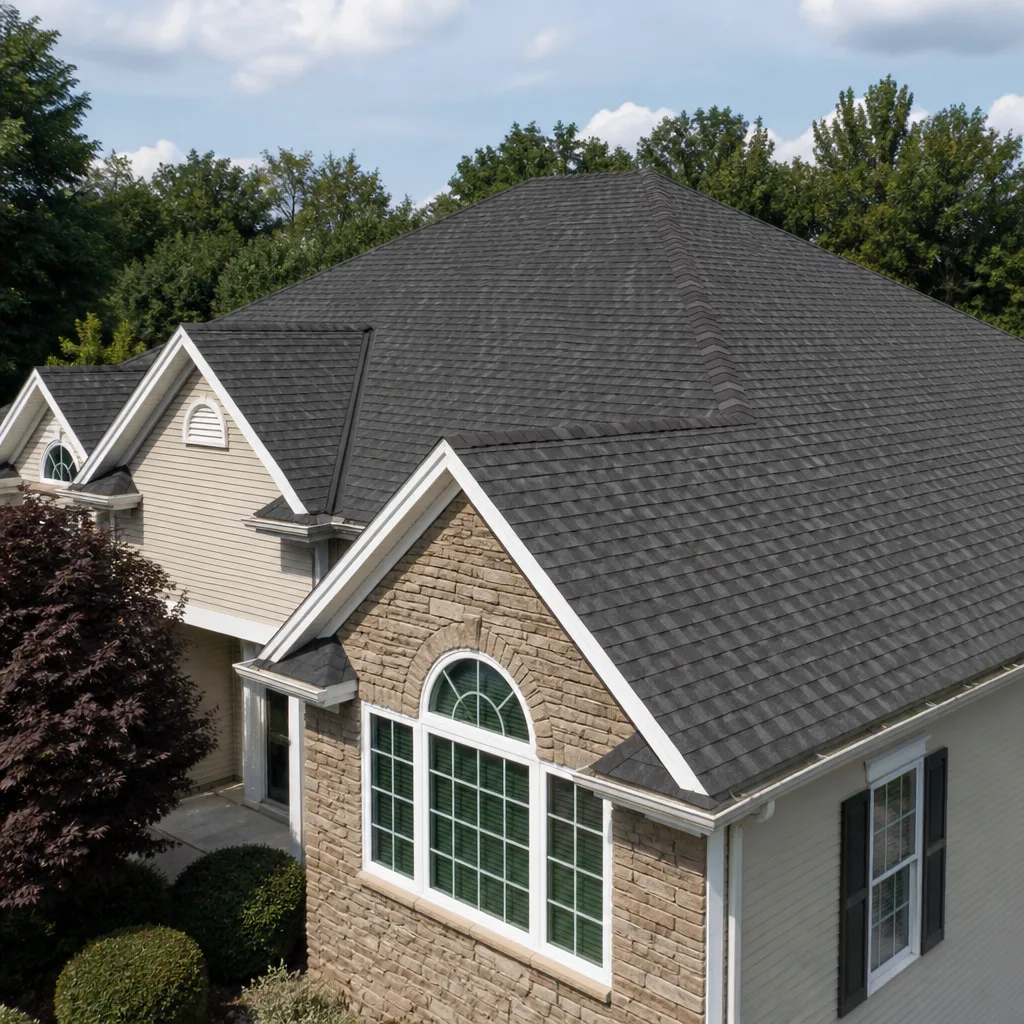 Owens Corning
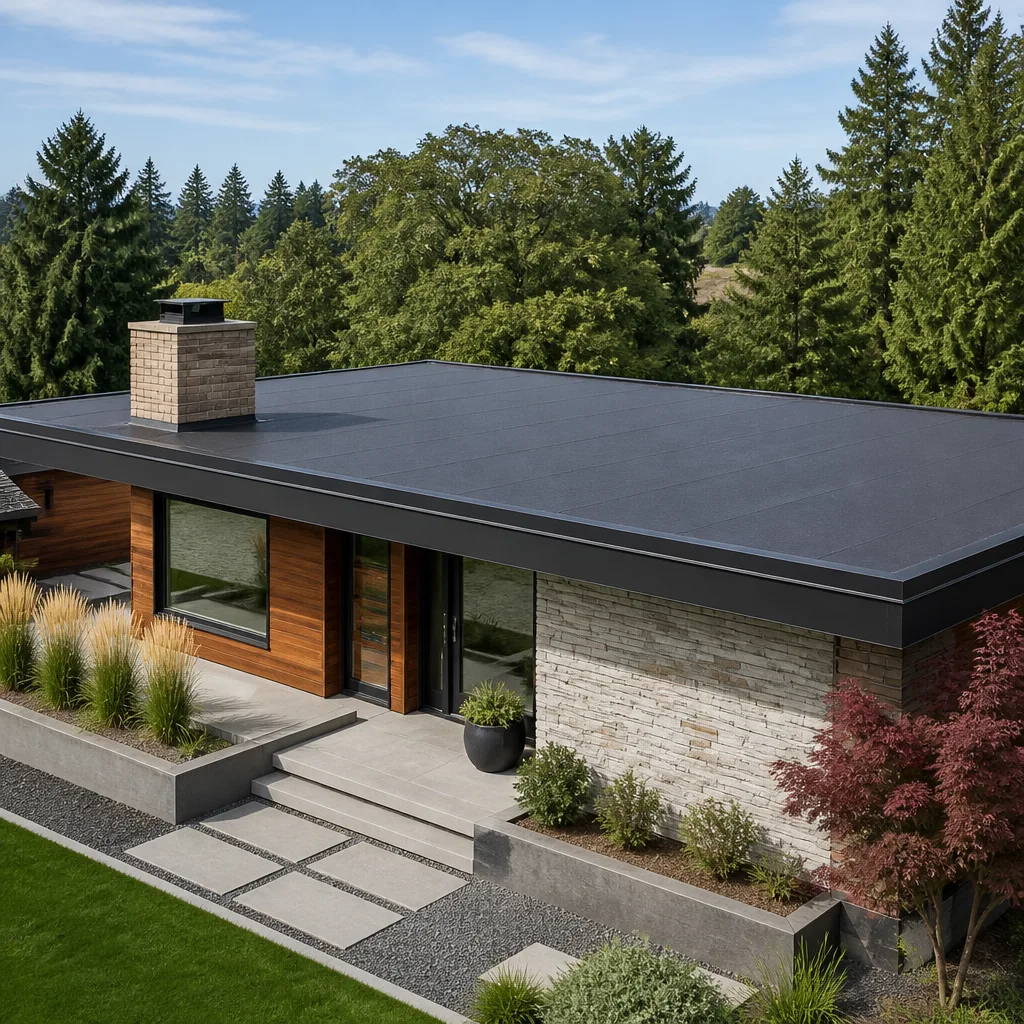 Flat & low-slope
Free roof inspection with deck photos before we talk money - GAF and Owens Corning certified installation
Styles & brands we work with
- Architectural shingles
- Metal roofing
- Tile roofing
- GAF
- Owens Corning
- Flat & low-slope
See the difference
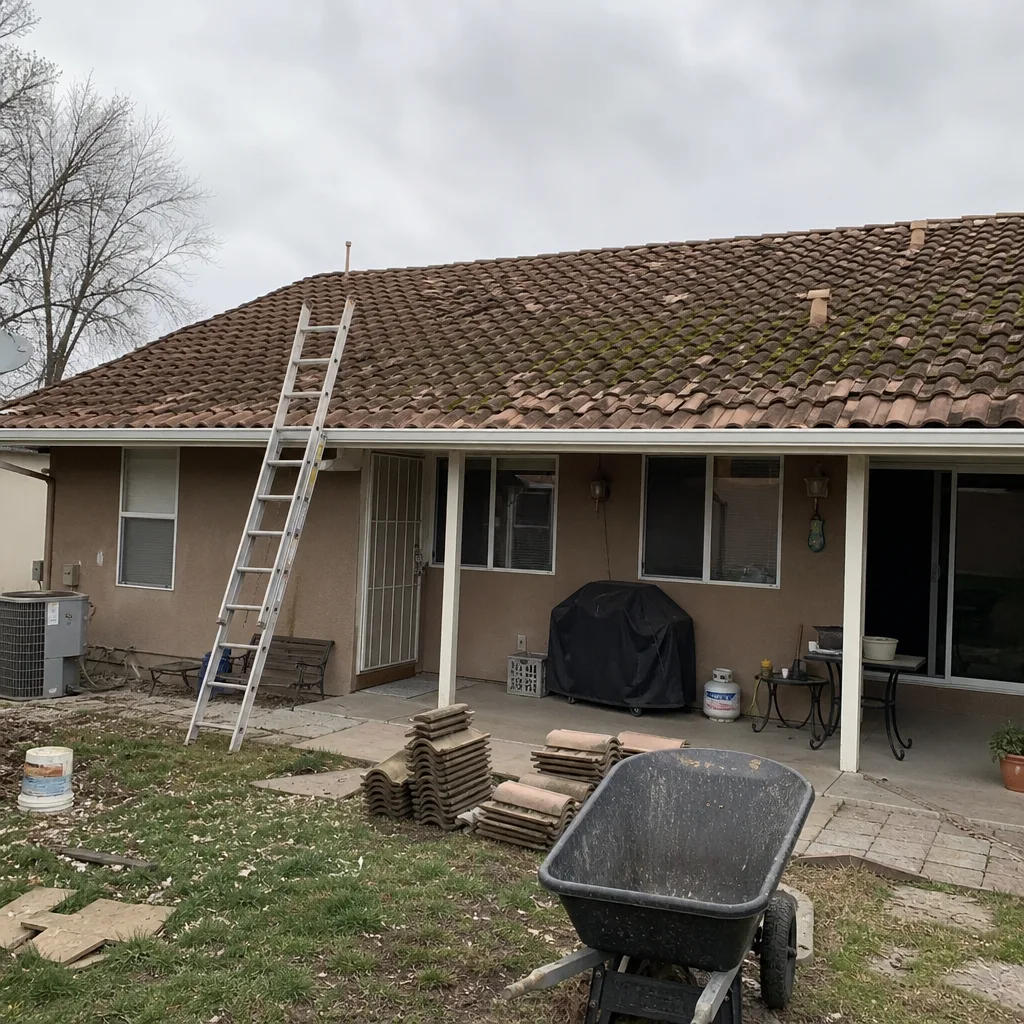 Before
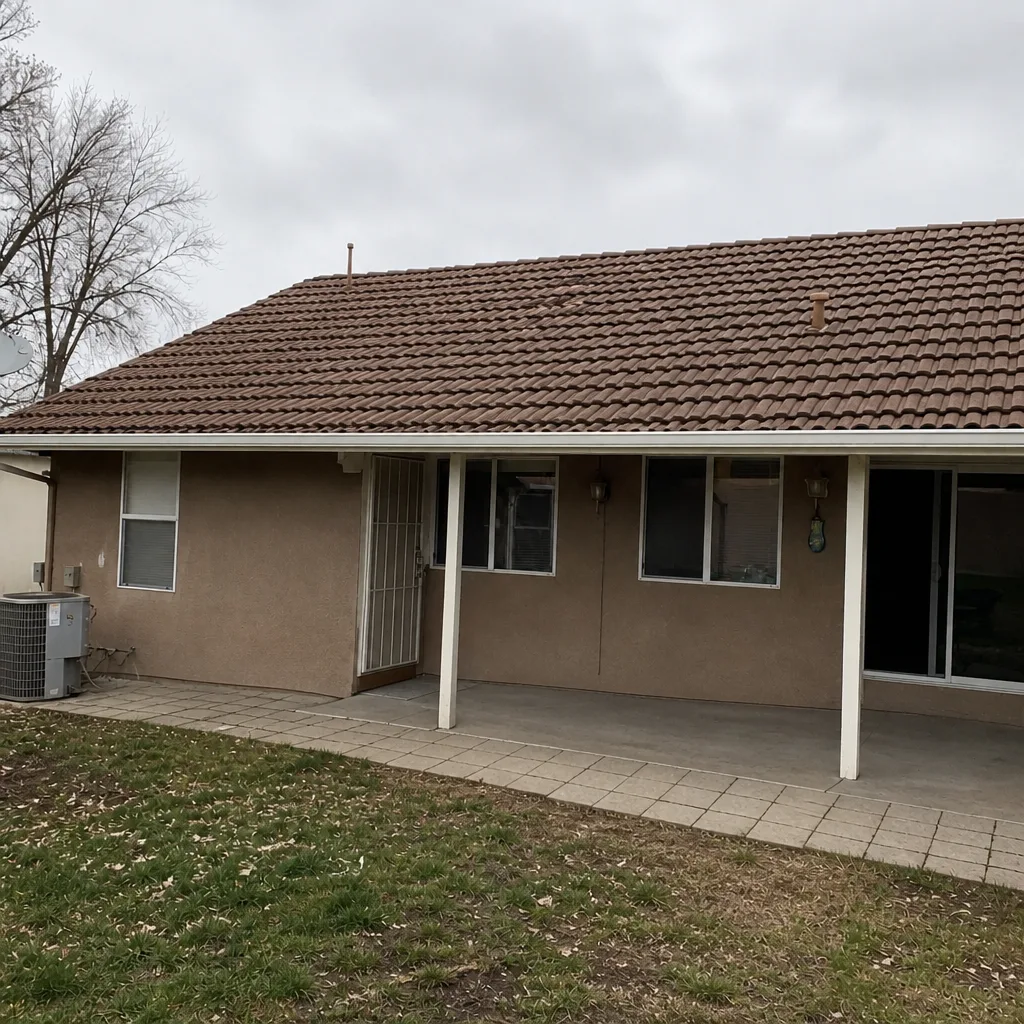 After
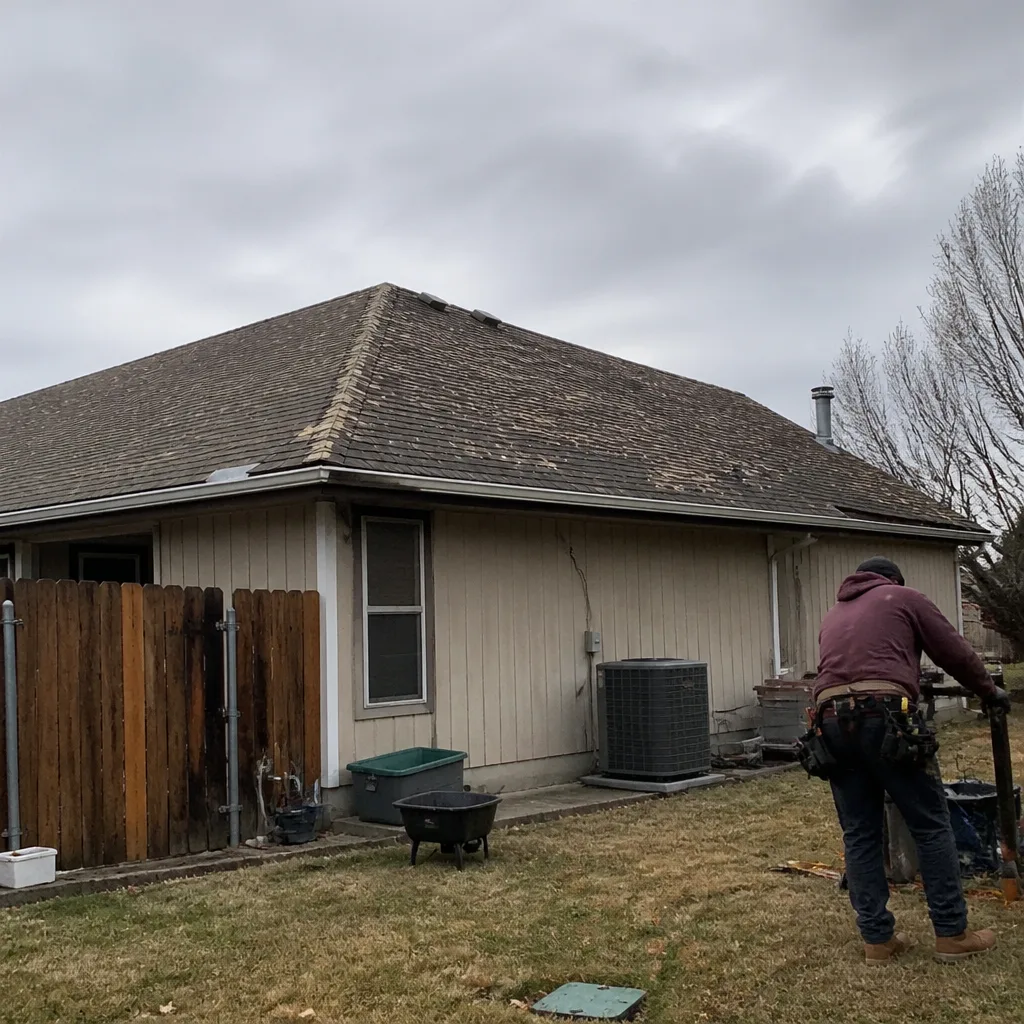 Before
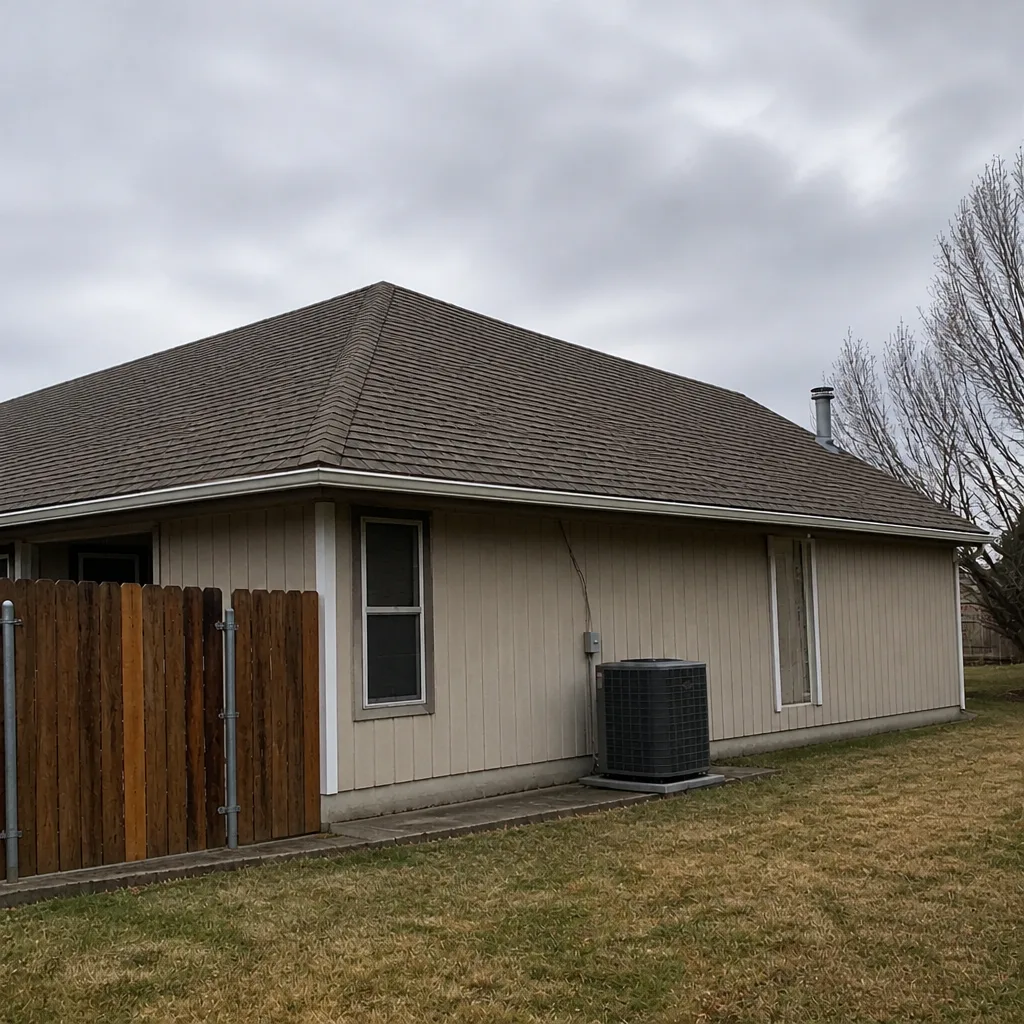 After
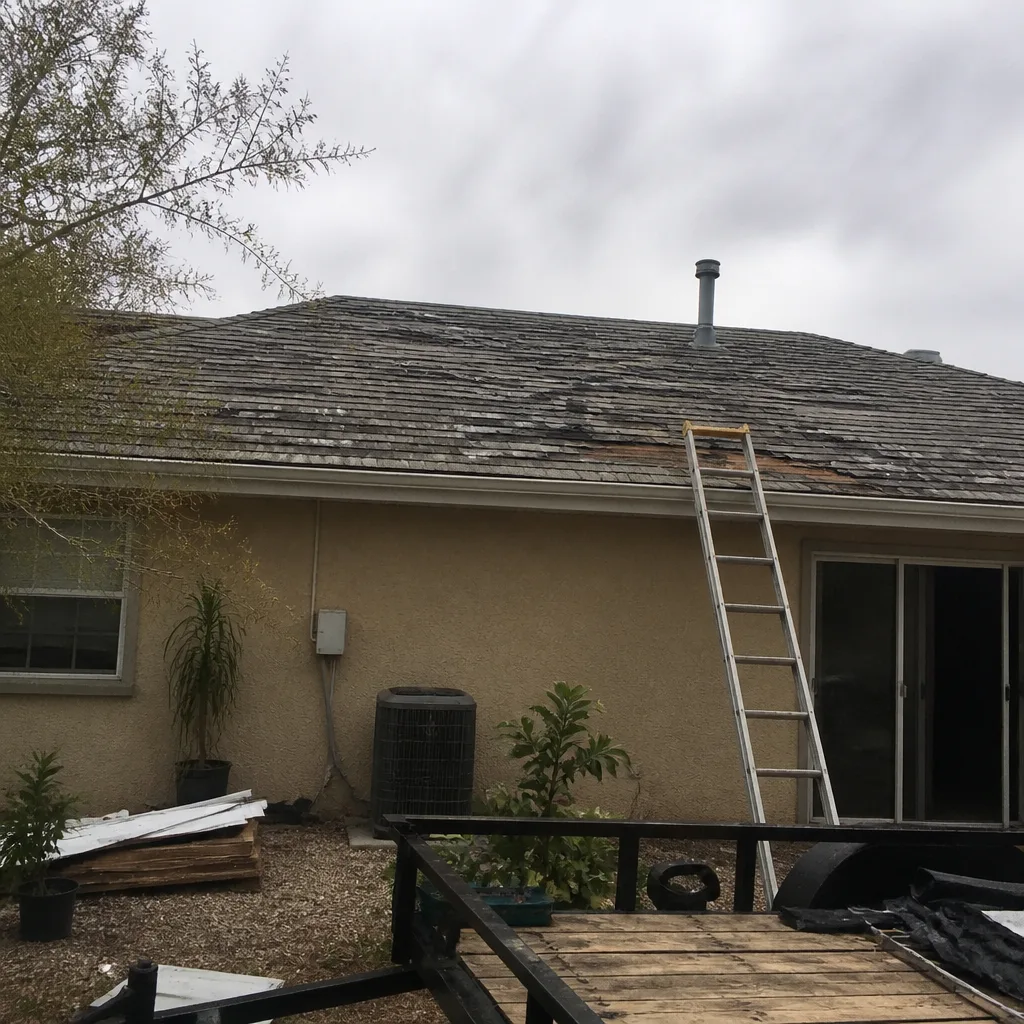 Before
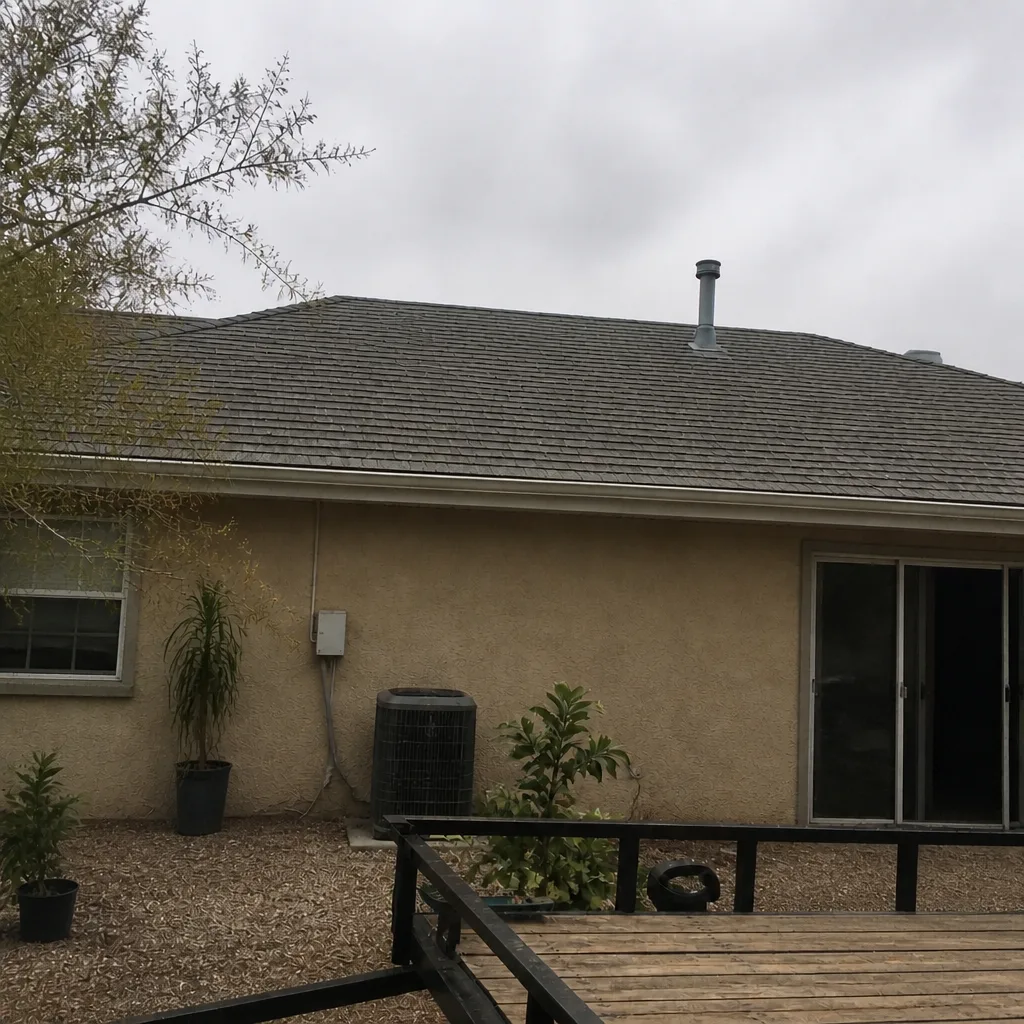 After
Metal Roof vs Shingles in Whitney, NV: The Honest Answer for a Desert Tract Home
Choose metal if you plan to stay in your Whitney home more than 12 to 15 years, or if you’re selling into a subdivision where every roof is hitting replacement age at once. Choose asphalt shingles if you’re moving within five years and need the lowest upfront number. The generic advice that “metal lasts longer but costs more” undersells the gap here. In Whitney, where summer afternoons sit above 100°F and the sun hammers every south-facing slope, a roof isn’t a cosmetic choice. It’s a hedge against a 20-to-25-year replacement clock that this town runs on together. If you want a real number for your roof rather than a ballpark that changes at the door, call (844) 797-9455 and Bill will come out.
What makes Whitney a different calculation than a magazine comparison?
Most metal-vs-shingle articles are written for places with four mild seasons and no synchronized housing stock. Whitney doesn’t work that way. Nearly every home here went up between 1980 and 2005 as Sun Belt tract housing, so whole blocks reach end-of-life on the same schedule. Walk a street in the older tracts and you’ll count roofs in the same five-year window, not a scattered mix of one-offs.
Add the desert and the clock gets sharper. At 2,000-plus annual sunshine hours and routine summer temps over 100°F, asphalt shingles lose granules and flexibility much faster than the manufacturer rating suggests. Those ratings get tested in moderate climates. A shingle labeled 30-year in Whitney often delivers like a 20-year roof somewhere cooler and cloudier. That’s the number nobody puts on the wrapper, and it’s the one that should drive your decision.
Tile roofs have their own Whitney story. On many 1980s and 90s tile roofs, the original felt underlayment has baked brittle under years of relentless UV. One monsoon leak often means a full tear-off and re-felt rather than a small tile repair, because the felt underneath is already gone. Whole tracts hit that failure at the same age. Same pattern, different material.
How much does metal vs shingles actually cost in Whitney?
Metal runs roughly two to three times the upfront cost of asphalt shingles on a typical Whitney tract home, but the gap narrows fast once you account for the shorter real-world life of shingles in this heat. Here’s the honest range for a Whitney roof in the 20-to-30 square range, which covers most single-family homes here.
| Option | Upfront cost per square | Real-world life in Whitney | Best fit |
|---|---|---|---|
| 3-tab or architectural asphalt shingles | $350-$550 installed | 15-22 years (rated longer, runs shorter in this UV) | Selling within 5 years; tight budget |
| Exposed-fastener metal panels | $600-$900 installed | 25-35 years (watch fastener pull in this climate) | Barns, shops, budget metal |
| Standing-seam metal (hidden clips) | $900-$1,400 installed | 40-50 years | Staying 15+ years; resale edge |
Those are real ranges, not a teaser. A roof is measured in squares, and asking any bidder how many they counted is the fastest way to spot a padded quote. Bill gives you upfront pricing and there’s no trip charge inside our own county, so the first number and the final number are the same number. That matters when the last outfit you called quoted one price on the phone and another at the door.
Why does metal work harder in a Whitney August?
Because metal reflects radiant heat off the roof instead of soaking it up and pushing it into your attic. Standing-seam metal with a reflective finish keeps the attic noticeably cooler, and in a Whitney August that’s the whole point. A comparison written for the Pacific Northwest barely touches this, because up there the sun isn’t the enemy.
Here the sun is the whole game. When your attic runs cooler, your AC runs less, and that shows up on the summer bill month after month. Shingles absorb that heat and radiate it downward. Over 20-plus summers of that, the difference compounds. You don’t need a sales chart. You need to stand in your attic on a July afternoon and feel it.
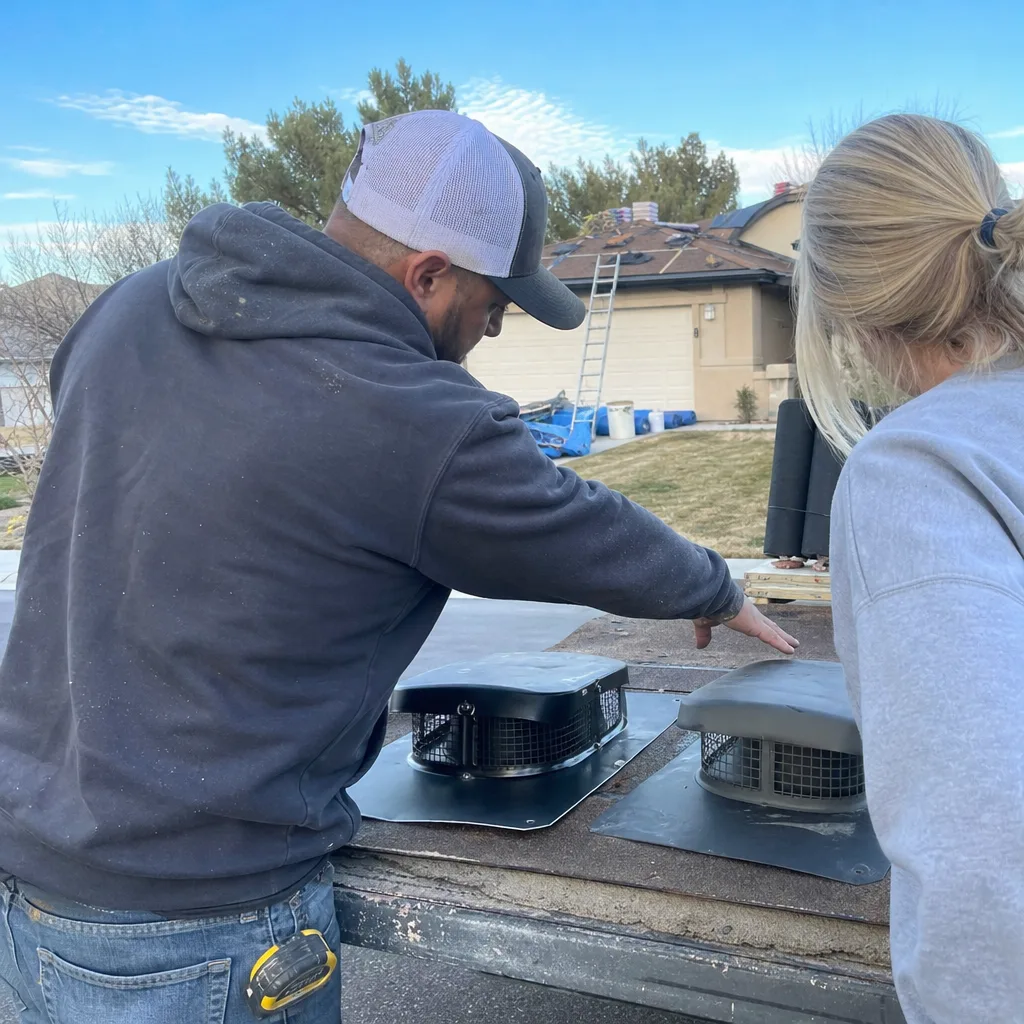
We install products from CertainTeed, Owens Corning, IKO and Atlas, so name the shingle and we’ve likely set it. For metal, the platform you want in this climate is standing seam with hidden clips, not the cheaper exposed-fastener panels.
What about the freeze-to-blaze expansion problem?
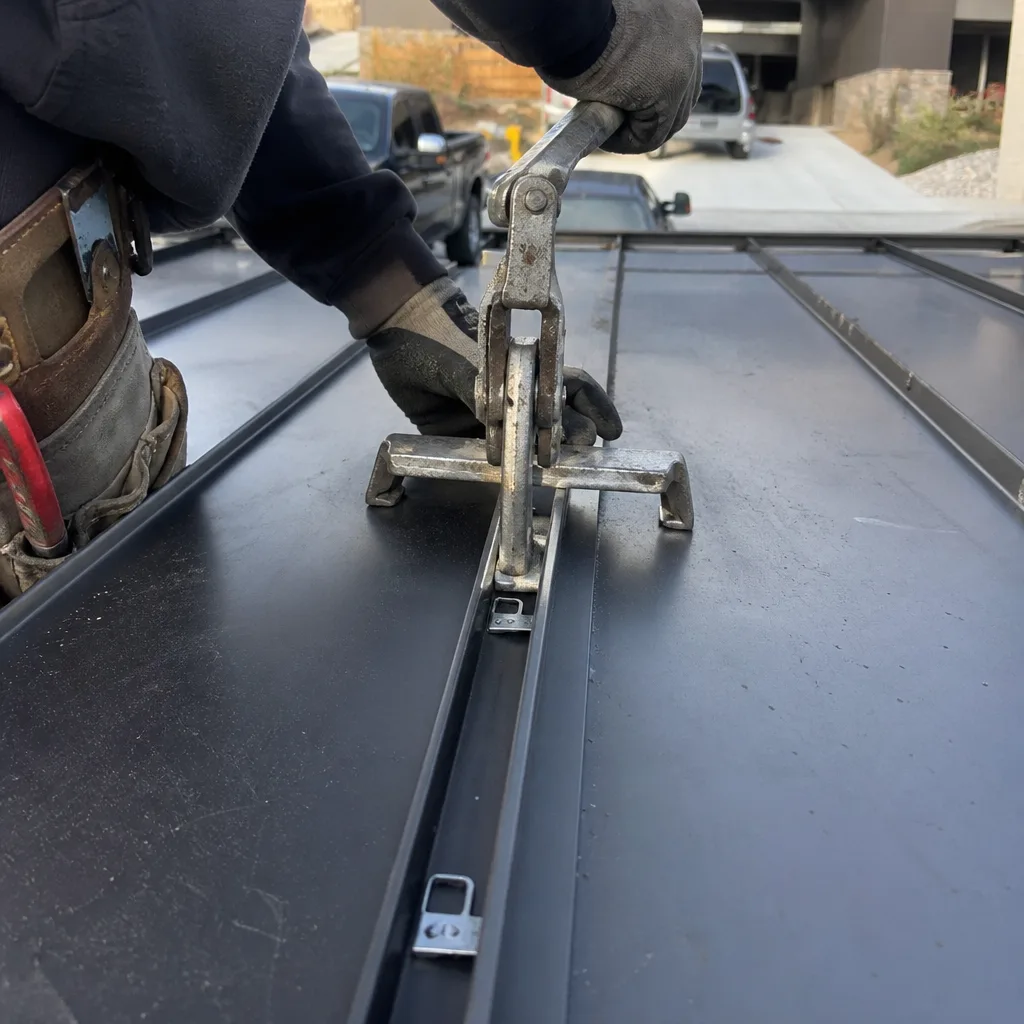
This is where honest roofing separates from the brochure. Whitney isn’t just hot. Winter nights dip near freezing, and that freeze-to-blaze swing pushes metal to expand and contract more than shingles ever do. The roof has to move without working itself loose.
That’s why the fastening system earns the wind and heat rating, not the shingle or panel wrapper. Exposed-fastener panels are cheaper, but in this climate those fasteners are more prone to pull and back-out over time as the metal works against them. Hidden-clip standing seam lets the panels float and move the way they should. It costs more upfront, and in Whitney’s climate it’s the version that holds.
If you want the full picture on panel options and finishes, see our Metal Roofing page. For a Whitney-specific look at installation on this housing stock, we’ve laid it out in Metal Roofing in Whitney.
Does metal give you a resale edge in a synchronized market?
Yes, and it’s a Whitney-specific edge that a generic article won’t mention. When your whole subdivision hits replacement age together, every buyer touring your block knows they’ll inherit the same decision their future neighbors are making. A standing-seam metal roof takes that decision off the table. A buyer who doesn’t want to write a five-figure roof check next spring will pay for the house that already has one.
That edge is real if you’re selling. If you’re staying, the math is quieter but just as solid: you skip one or two full shingle replacements over the decades you’d own the home. The metal premium isn’t just a longer life. It’s skipping the synchronized replacement wave entirely.
How should you decide?
- Staying 15+ years: Metal. The real-world life of shingles in this UV rarely touches 25, and the second replacement you avoid pays for the upgrade.
- Selling in 5 years in a synchronized tract: Weigh the resale edge against the lower shingle price. A standing-seam roof is a genuine differentiator to a buyer here.
- Watching the budget: Shingles are the honest choice. We won’t pretend otherwise.
- On a tile roof with a monsoon leak: Get it looked at before you quote. Baked-out underlayment changes the answer.
The right call depends on how long you plan to stay in a home that sits in Whitney’s synchronized replacement market. Our technicians bring up to 30 years of experience to that judgment, and Bill’s own sons are on the roof with him.
FAQs
Metal is the better long-term value in Whitney because the desert’s 2,000-plus sunshine hours and routine 100°F summers wear shingles down faster than their ratings suggest, so a labeled 30-year shingle often performs like a 20-year roof here. Choose shingles if you’re selling within five years and need the lowest upfront number.
A standing-seam metal roof runs roughly $900 to $1,400 per square installed in Whitney against $350 to $550 for asphalt shingles, so two to three times the upfront cost on a typical tract home. Call (844) 797-9455 for an exact quote on your roof. Estimates are free and there’s no trip charge inside the county.
Yes. Standing-seam metal typically lasts 40 to 50 years in this climate versus the 15 to 22 real-world years most Whitney asphalt shingles deliver under heavy UV. The gap is what makes the higher upfront cost pay back for a homeowner staying put.
It helps meaningfully. Standing-seam metal reflects radiant heat instead of absorbing it, which keeps the attic cooler and lets your AC work less on those 100°F-plus afternoons. That’s a bigger deal in Whitney than in cooler climates.
If you’d rather have it looked at than figure it out on paper, Shepherd & Sons Roofing Whitney offers a no-pressure assessment in Whitney – call (844) 797-9455 and Bill will get you a real number, metal or shingle. Free second opinion on any written estimate you’ve got.
Written by the team at Shepherd & Sons Roofing Whitney, serving Whitney, NV.