
Last updated November 18, 2026
 Tile roofing
 Architectural shingles
 Metal roofing
 GAF
 Owens Corning
 Flat & low-slope
Free roof inspection with deck photos before we talk money - GAF and Owens Corning certified installation
DIY vs Professional Tile Roofing: What’s Safe to Do Yourself
A single 300-pound person walking the wrong path across a clay tile roof can crack six to eight tiles invisibly. None of those cracks show up as a leak until the next hard rain season, and by then the water has been sitting in the underlayment for months. That’s the trouble with tile: the damage you cause doesn’t announce itself. In Whitney, where the summer sun bakes tile to a brittle finish and the winter wind pushes rain sideways, knowing which tile jobs you can safely handle and which ones will cost you is worth real money. This guide walks through the handful of tasks that are genuinely homeowner-safe, the ones that only look safe, and how to tell a tile roofer from a shingle roofer wearing a tile hat.
Quick Answer
You can safely clear debris from valleys, reseat a single lifted tile, and clean gutters at the roof edge. Anything that requires walking across the field of tile, replacing a broken tile, or touching flashing and underlayment is not a homeowner job. The wrong step cracks tiles you can’t see and can void the manufacturer’s warranty on the whole roof. If you’re unsure, get a professional inspection before you touch anything.
Styles & brands we work with
- Architectural shingles
- Metal roofing
- Tile roofing
- GAF
- Owens Corning
- Flat & low-slope
Table of Contents
- The Tile Tasks That Are Genuinely Safe for a Homeowner
- Why “Just Replacing a Broken Tile” Is Deceptively Dangerous
- What the Warranty Language Actually Says
- The Walk Pattern and Load Distribution Problem
- How to Verify a Contractor Actually Knows Tile
- Bill’s Honest Take: The Repairs That Started as DIY
- Common Mistakes to Avoid
- When to Call a Professional
The Tile Tasks That Are Genuinely Safe for a Homeowner
There are three tile roof jobs a careful homeowner can do without risking injury or damage, and only three. We’ve seen plenty of folks in Whitney do these right and save themselves a service call. We’ve also seen folks try to stretch the list, and that’s where it gets expensive.
1. Clearing debris from valleys. The valley is where two roof planes meet, and it’s the first place leaves, twigs, and desert grit pile up. A soft-bristle broom or a leaf blower on low, worked from a ladder or from the ground, clears it fine. Don’t drag anything across the tile face and don’t step onto the roof to reach it.
2. Reseating a single lifted tile. If one tile has lifted at the bottom edge and you can reach it safely from a ladder without leaning onto the roof, you can often nudge it back into place by hand. No tools, no walking, no weight on the field. If it won’t seat by hand, that’s a sign something under it has moved and you need eyes on it.
3. Cleaning gutters adjacent to the roof edge. Gutter cleaning from a stable ladder is fine, and in Whitney it matters more than most places. A clogged gutter backs water under the bottom row of tile, and that’s the cheapest leak to prevent and the most expensive to ignore.
That’s the list. Everything else on a tile roof, in our experience, belongs in the hands of someone who has spent years on these systems. The risk isn’t just a bad repair. It’s the slow, invisible kind of damage that shows up a season later.
Why “Just Replacing a Broken Tile” Is Deceptively Dangerous
Replacing a broken tile looks like the simplest job on the roof. Pop the broken one out, slide a new one in. Every homeowner who’s watched a video thinks the same thing. It isn’t that simple, and the reason is the tile system itself.
Tile doesn’t sit directly on the deck. It sits on a layered system: the underlayment (the actual waterproofing), the battens or fasteners, and then the tile as the weather shield. When you go to replace a tile, you’re working on top of that waterproofing layer. One wrong pry, one slipped tool, one knee pressed into the wrong spot, and you’ve punctured the underlayment or cracked the tiles around the one you were fixing.
Here’s what we see most often in Whitney after a homeowner has tried this:
- A single broken tile becomes three or four cracked neighbors, because the surrounding tiles can’t take the pry pressure.
- The underlayment gets nicked, and the leak shows up months later in the ceiling, not where the work happened.
- Field tiles get stepped on and fractured, and the cracks are hairline until the sun and freezing nights finish the job.
- The replacement tile is the wrong profile or the wrong color lot, and it looks like a patch from the street.
Tile replacement isn’t a hard job for someone who does it every week. It’s a hard job for someone doing it for the first time, on their own roof, with no one to tell them where the weight can go. That’s the difference that costs money.
What the Warranty Language Actually Says
Most tile manufacturers build language into their warranty that excludes work done by anyone who isn’t a licensed roofing contractor. It’s usually not the headline. It’s buried in the exclusions section, worded something like “damage resulting from improper installation or repair by unqualified persons.” Read that carefully, because “unqualified” doesn’t mean “uninsured.” It means the manufacturer gets to decide after a failure whether the person who touched it was qualified to touch it.
What that means in practice:
- If you replace a tile yourself and something fails later, the manufacturer can point to your repair and decline the claim. That can apply to the whole roof, not just the tile you touched.
- When you sell the house, a buyer’s inspector who spots a mismatched or poorly seated tile will ask who did the work. If the answer is “I did,” the tile warranty becomes a talking point instead of a selling point.
- A proper repair by a licensed roofer keeps the manufacturer’s coverage intact and gives you paperwork to hand a buyer or an insurance adjuster.
Products from manufacturers like Owens Corning, IKO, and Boral all carry their own warranty terms, and they’re not identical. We read the exclusions on every system we set so we know exactly what a repair keeps intact and what it doesn’t. That’s part of why we charge for a tile job and not for a shingle job. If you want to understand what’s covered on your specific roof, that’s a conversation worth having before you touch anything.
The Walk Pattern and Load Distribution Problem
Here’s what separates a tile roofer from a roofer who’s never really worked tile. The tile roof isn’t a walking surface. It’s a system that can take the weight of a person, but only in certain places, and only if that person knows where those places are.
That’s why a 300-pound person walking the wrong line can crack six to eight tiles. The tile itself is strong in compression but weak against point loading on an unsupported span. A 175-pound person standing in the right spot is fine. A 175-pound person standing in the wrong spot can crack the same tiles. The weight isn’t the deciding factor. The path is.
Experienced tile crews know the walk patterns: where to step along the field, where the battens give support, how to distribute weight across the soles of both feet rather than the ball of one, and which tile courses can take a ladder foot and which can’t. They also know that ladder placement matters. A ladder leaned against the wrong course on a tile roof will crush the bottom row before you’ve even stepped off it.
If you’re going to get on a tile roof at all, this is the part to take seriously. The cracks you cause on the way to a repair don’t reveal themselves the same day. They wait for the next hard rain, and by then, you’re not looking at a repair. You’re looking at a repair plus the damage the water did while it was getting in. Call Roof Repair in Whitney and let someone walk it who knows the pattern.
How to Verify a Contractor Actually Knows Tile
In Whitney, tile roofing gets bid by a lot of contractors who mostly do shingles and figure tile is tile. It isn’t. Tile is a different system, different fasteners, different flashing details, and different walking. Here’s the short checklist we’d hand a neighbor who asked how to tell.
- Ask how many squares the roof is. Any roofer who’s done this for a while can tell you in thirty seconds. A roof is measured in squares. If the number they give you doesn’t match what the other bids say, ask why. “Ask any bidder how many they counted” is the simplest test there is.
- Ask what fasteners they use and why. Tile gets fastened differently than shingle, and the answer tells you whether they know the system or are planning to wing it.
- Ask about the underlayment. If they can’t tell you what underlayment they’ll use and how it’s flashed at the valleys and penetrations, they don’t do tile work. They do tile-look work.
- Ask for their license number and look it up. A real license number is published. If a contractor won’t give you one, that tells you everything you need to know.
- Ask what happens if a tile cracks during their install. A tile crew knows this happens and has a plan. A shingle crew will tell you it won’t happen. It happens.
- Ask what their warranty says and get it in writing. Ours is the 90-Day Done Right Promise. If it’s not right, we come back. It’s written on every job.
If you’ve got a written estimate from someone else and you want a second set of eyes on it before you sign, we’ll give you a free second opinion. No pressure. If the bid is good, we’ll tell you it’s good.
Bill’s Honest Take: The Repairs That Started as DIY
I’ve been on a lot of these roofs. The calls I get most often after a homeowner has tried a repair are the ones where the damage wasn’t visible from the ground and wasn’t visible from the ladder. It was visible from two feet above the tile, in the underlayment, after we pulled the surrounding tiles back.
Here’s what they actually cost. A simple tile replacement by a professional, done right the first time, is one of the cheaper roofing repairs. When a homeowner attempts it and cracks tiles three feet from where they were working, the bill usually runs the cost of the original repair plus the surrounding tiles plus the underlayment patch plus, sometimes, the drywall repair inside. In our experience, that’s two to three times the original ticket, and it often happens in the fall just before the rain season starts in Whitney.
The other pattern I see: the homeowner’s repair held for a year, so they never called anyone, and by the time the leak showed up inside, the decking under a six-by-six section had started to go. That’s the one I hate seeing. The original tile wasn’t the problem. The hidden water was.
None of this is a knock on the folks who tried. A lot of them are handy, and it’s reasonable to want to fix a small thing yourself. The trouble with tile is that the small thing is connected to a big system, and the system doesn’t tell you when you’ve broken it.
Common Mistakes to Avoid
- Walking on the field tiles without knowing the pattern. The most common DIY error we see. Point-loading a single tile on an unsupported span cracks it, and the crack is invisible until rain season.
- Leaning a ladder against the bottom course. The ladder has to be set against a roof with support or it will crush the bottom row. Every spring in Whitney we get a call about this.
- Prying a broken tile without knowing what’s under it. The underlayment is waterproofing. Nick it and you’ve created a leak that shows up at the ceiling months later. Call in Roof Replacement & Installation in Whitney before you pry.
- Matching tile by eye from the ladder. Tile color lots vary. A replacement tile from a different lot shows from the street and doesn’t match the neighbors.
- Assuming the leak is where the water shows up. Tile systems move water laterally under the tile. The leak in the ceiling is often not directly under the damaged tile. That’s a diagnostic job, not a repair job.
- Using sealant to hide a lifted or broken tile. Sealant traps moisture and hides the real problem. The next hard rain finds it, and by then you’ve got more damage than you started with.
- Letting a general handyman replace tile. Different system, different fasteners, different warranty consequences. A handyman who’s great with a shingle roof may not know a tile system from the inside.
When to Call a Professional
If any of the following is true, the job is not a homeowner repair. A crack you can see from the ground. Water stains on a ceiling after a rain. A valley that’s worn through the tile face. Flashing that’s lifted at a chimney or skylight. Any tile that’s moved more than a quarter inch. And anything that requires stepping onto the roof field to reach. Those are the calls where we’ve seen the DIY version cost more than the professional one, every time.
A good general rule: if the fix requires walking on the roof, call someone who walks tile roofs every week. The system underneath the tile doesn’t forgive a mistake, and the warranty doesn’t cover a homeowner’s repair on a licensed-only roof. If you’re on the fence, help is one call away.
Shepherd & Sons Roofing Whitney offers free estimates in Whitney. Call (844) 797-9455 and Bill will come out, show you the deck photos, and give you a straight answer before we talk money.
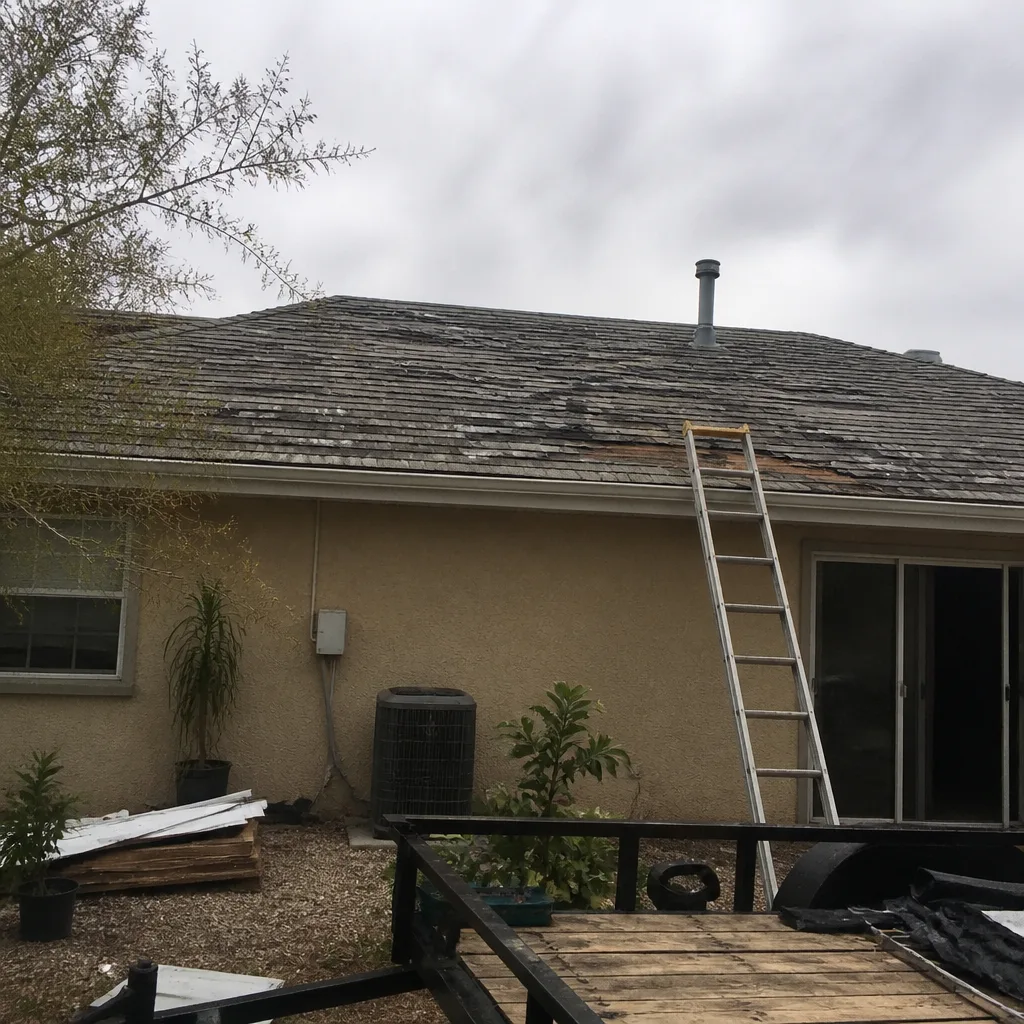
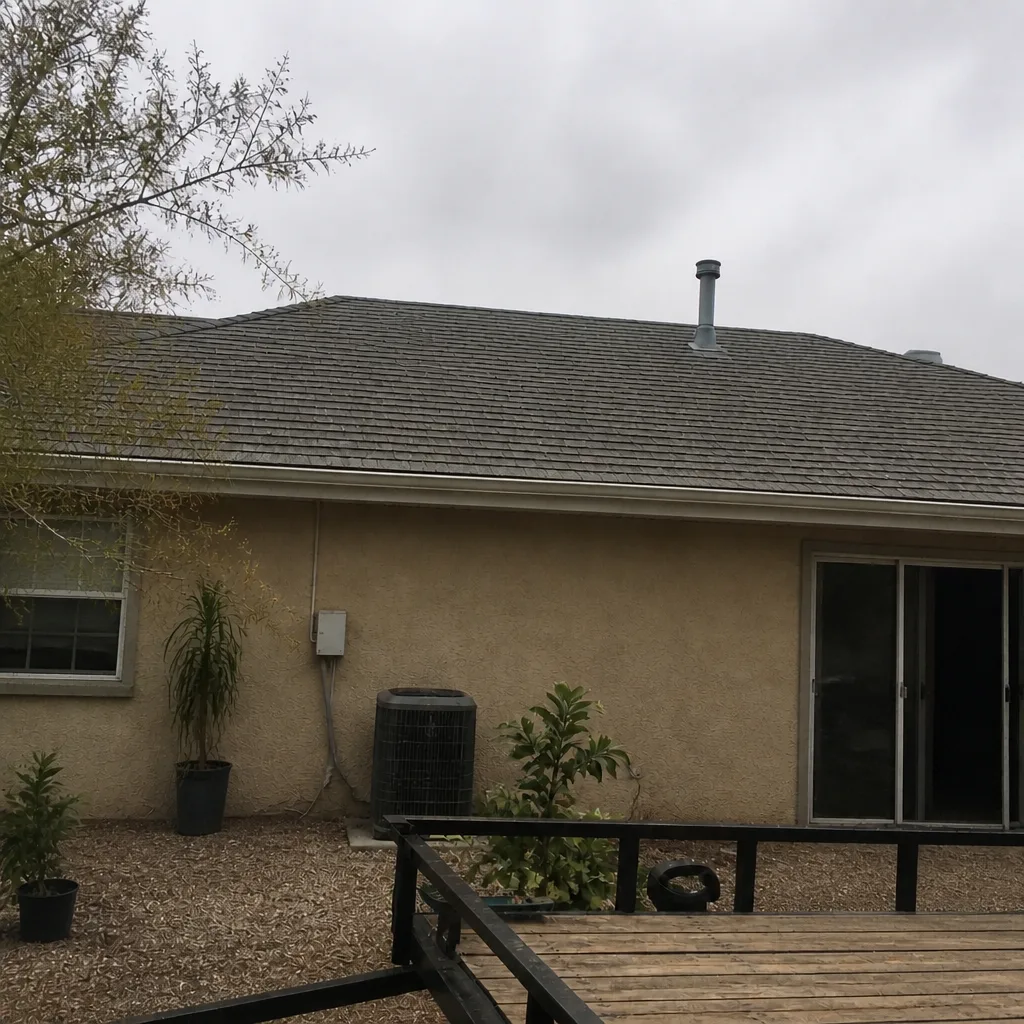
See the difference
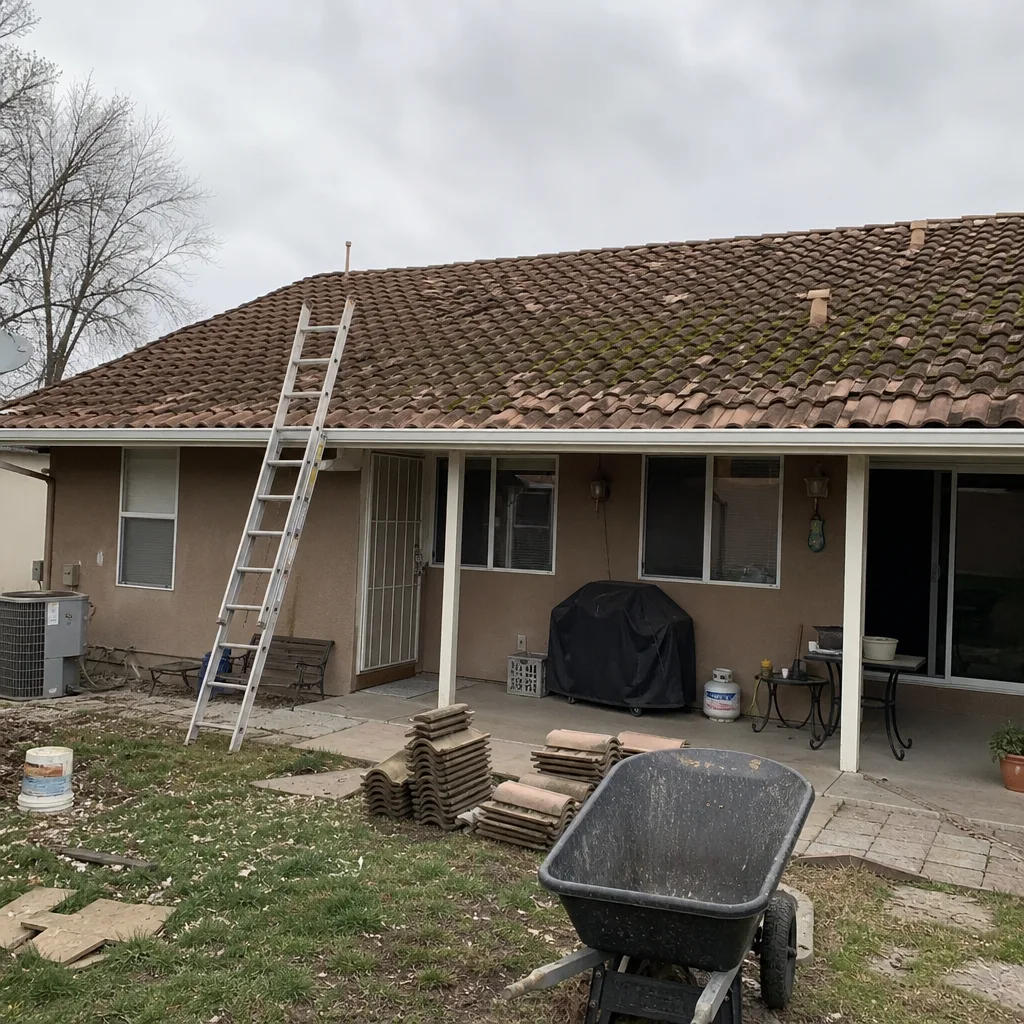 Before
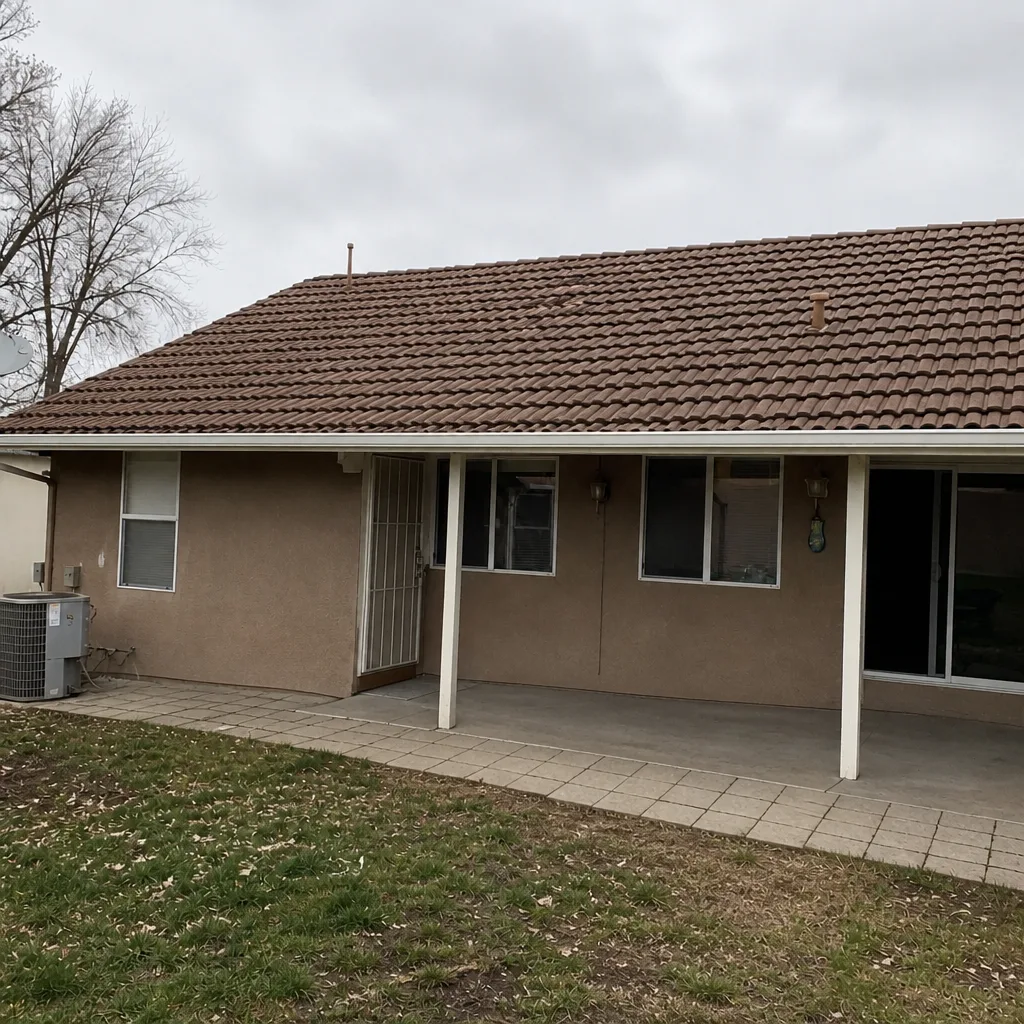 After
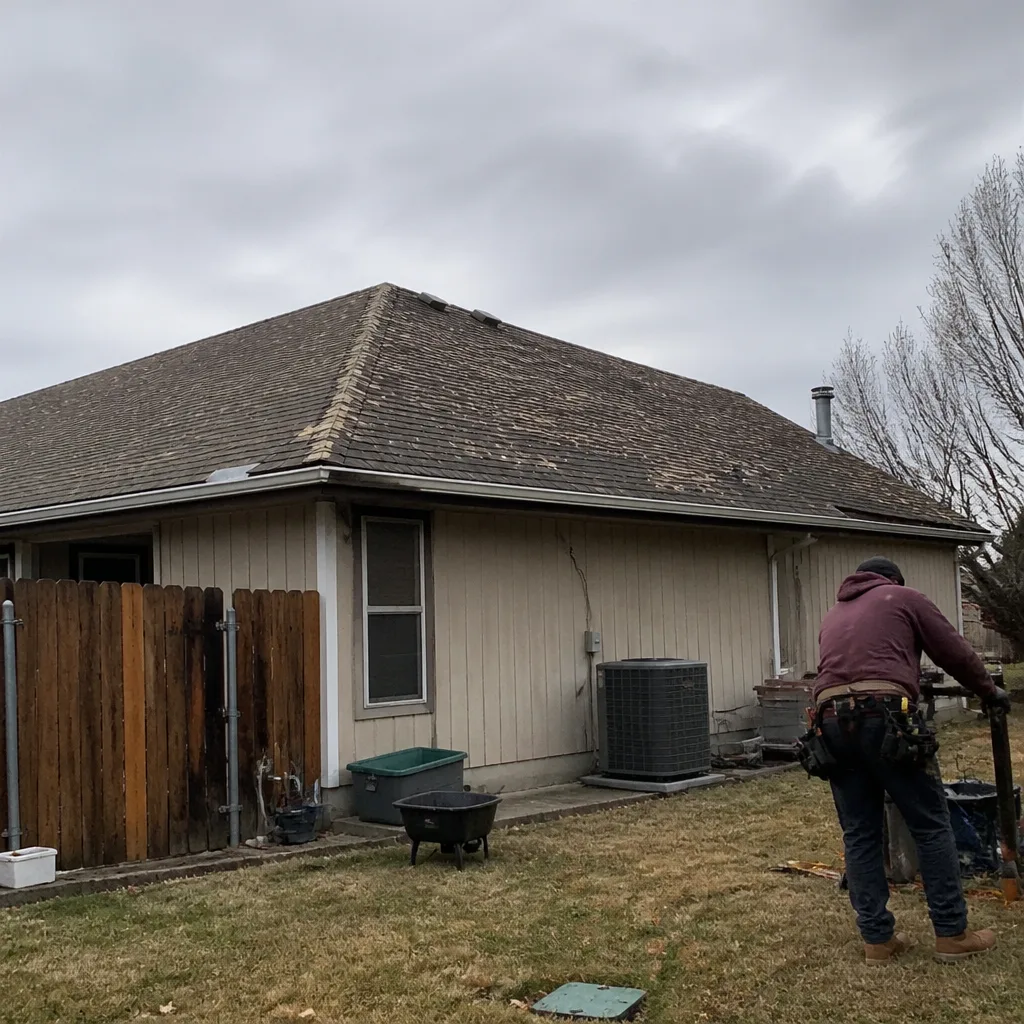 Before
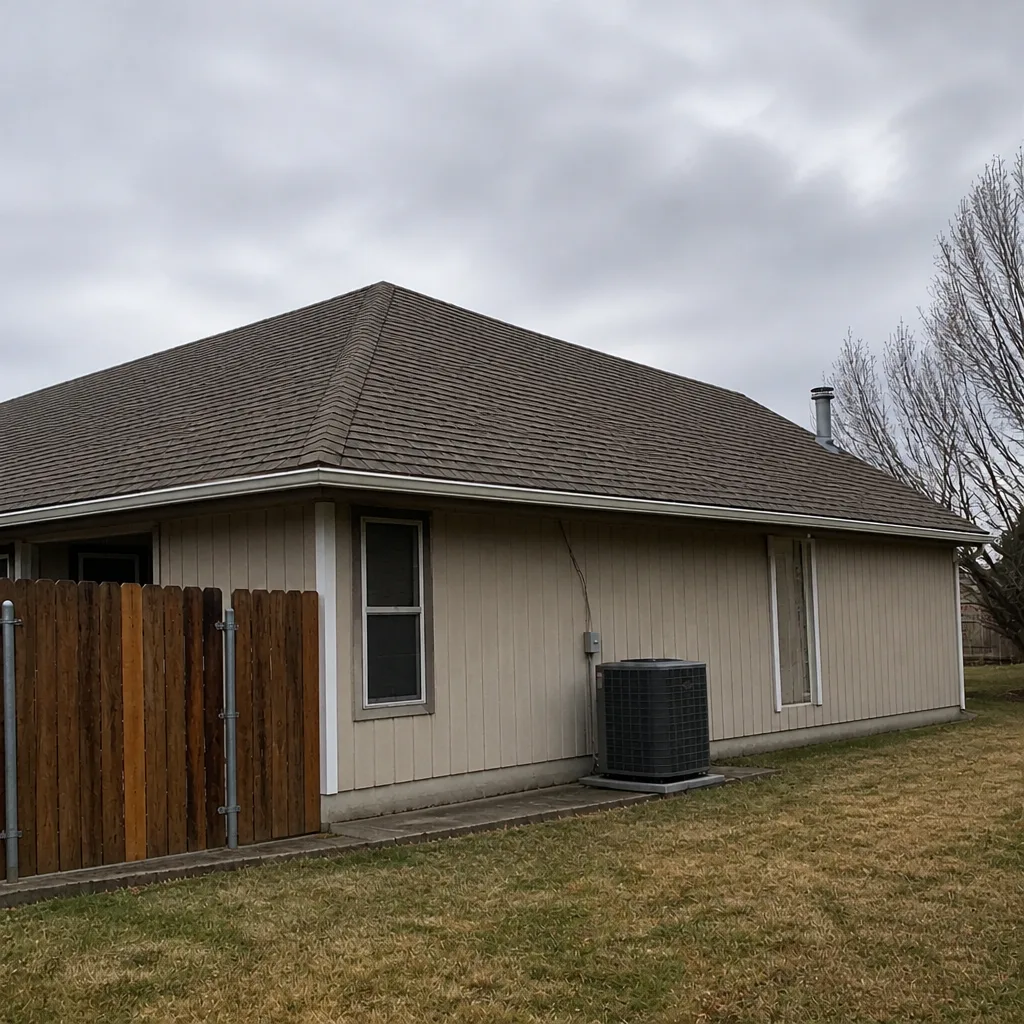 After
 Before
 After
Frequently Asked Questions
Only for three tasks: clearing debris from valleys, reseating a single lifted tile by hand from a ladder, and cleaning gutters at the roof edge. Anything that requires walking the roof field, replacing a broken tile, or touching underlayment or flashing is not a homeowner job. The wrong step cracks tiles you can’t see and can void the manufacturer’s warranty on the whole roof.
Tile repairs in Whitney typically run from a couple hundred dollars for a single tile and a careful inspection up to several hundred or more once the underlayment needs patching. The exact number depends on how many tiles need replacing, whether the underlayment is involved, and whether the leak has reached the decking. Call (844) 797-9455 for a free estimate. No trip charge inside our own county, and no guessing.
Often yes. Most tile manufacturers include language that excludes damage from “improper installation or repair by unqualified persons.” If a failure happens later, the manufacturer can point to your repair and decline the claim, sometimes on the whole roof. A licensed roofer’s work keeps the manufacturer’s coverage intact and gives you paperwork for a buyer or an adjuster.
It’s not something we recommend for a homeowner. The tile roof isn’t a walking surface. Weight distribution matters more than weight itself, and the cracks you cause don’t show up until the next hard rain. A 175-pound person in the right spot is fine. The same person in the wrong spot cracks tile. That’s a job for someone who knows the walk pattern.
Most likely the repair nicked the underlayment, cracked a neighboring tile invisibly, or the leak wasn’t where it appeared to be. Tile systems move water laterally under the tile, so a leak at the ceiling isn’t always under the damaged tile. That’s a diagnostic call, not a repair call. Call (844) 797-9455 for a free second opinion on what you’ve already had done.
Ask three things: how many squares they counted, what underlayment and fasteners they’ll use, and for their license number so you can look it up. A roofer who works tile can answer all three in a few minutes and put the warranty in writing. A roofer who mostly does shingles will dodge the underlayment question and give you a ballpark number. That difference tells you everything.
The Bottom Line
You can safely handle the edges of a tile roof: debris in the valleys, a single lifted tile you can reach by hand, and the gutters at the roof line. Everything past that edge belongs to someone who walks tile roofs every week and knows where the weight can go. The damage a homeowner’s repair causes doesn’t reveal itself the same day. It waits for the next hard rain, and by then the bill has grown. Get a professional on the roof before you go up, and get a written estimate before you sign anything. Whitney homeowners have called us for that estimate for 29 years running.
If you’re weighing a repair, a Metal Roofing in Whitney upgrade, or a full replacement, the answer starts the same way. Call (844) 797-9455, talk to a live person any hour, and we’ll come out, show you the deck photos, and put a fixed number in writing. $40 off any repair over $200, a free second opinion on any written estimate, and no trip charge inside our own county. Senior and veteran 10% discount always available.
And if you’re new to the area or new to owning a tile roof, start with our Shepherd & Sons Roofing Whitney home page. That’s where “ask anyone on your street” begins.
Written by the team at Shepherd & Sons Roofing Whitney.