
Last updated November 18, 2026
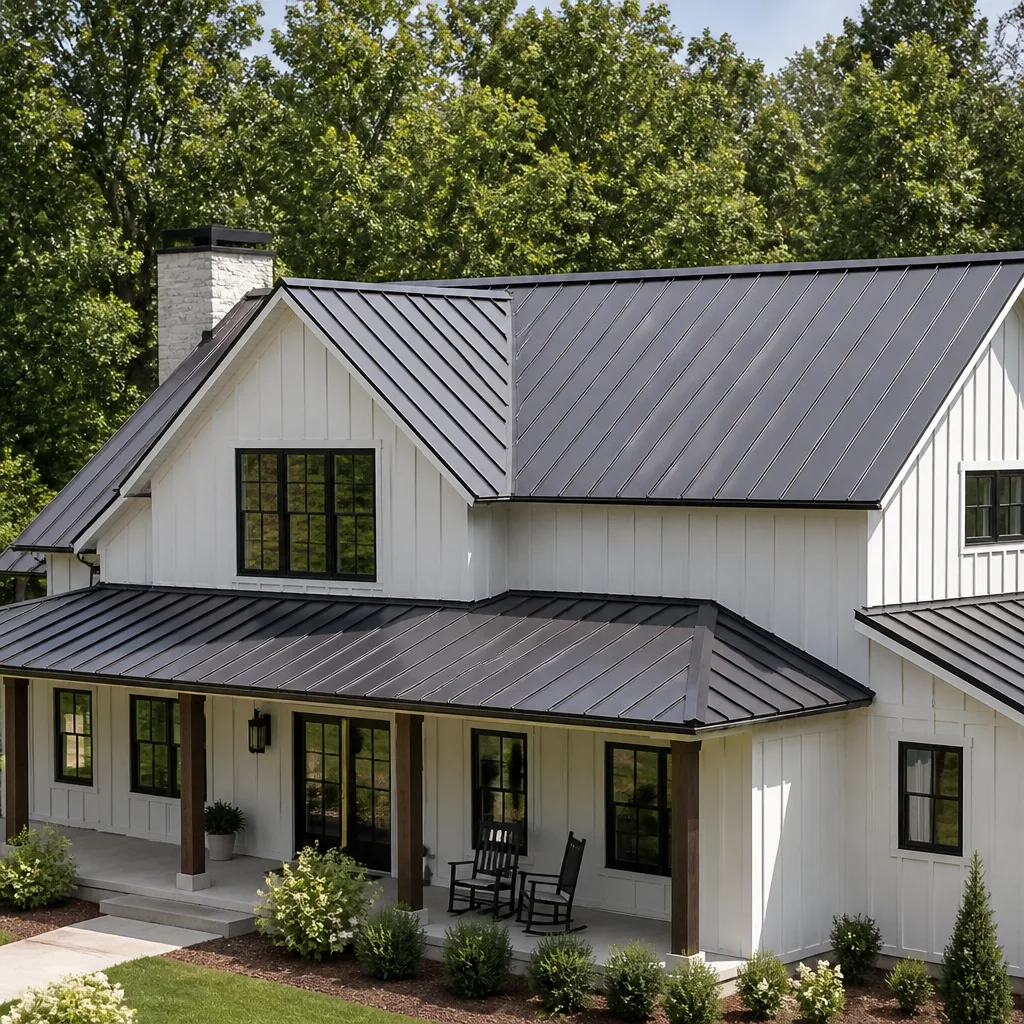 Metal roofing
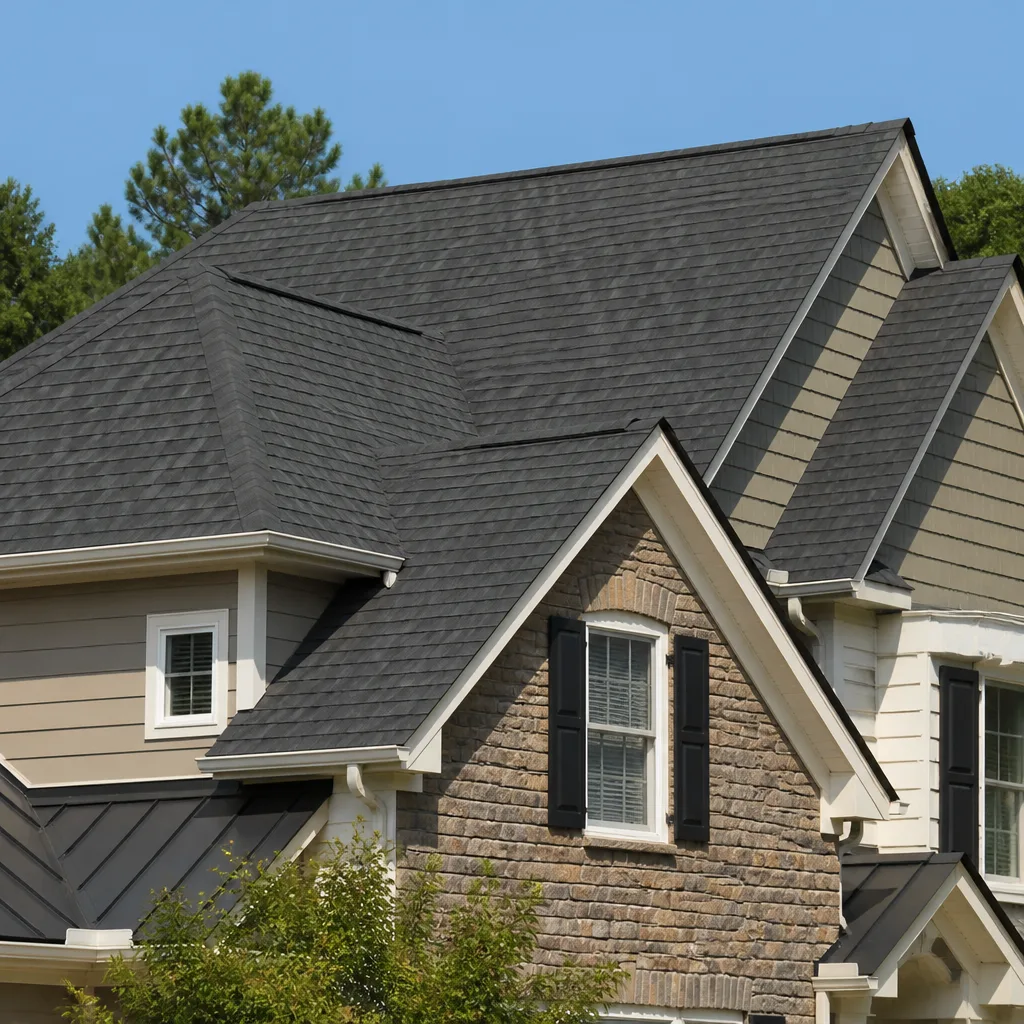 Architectural shingles
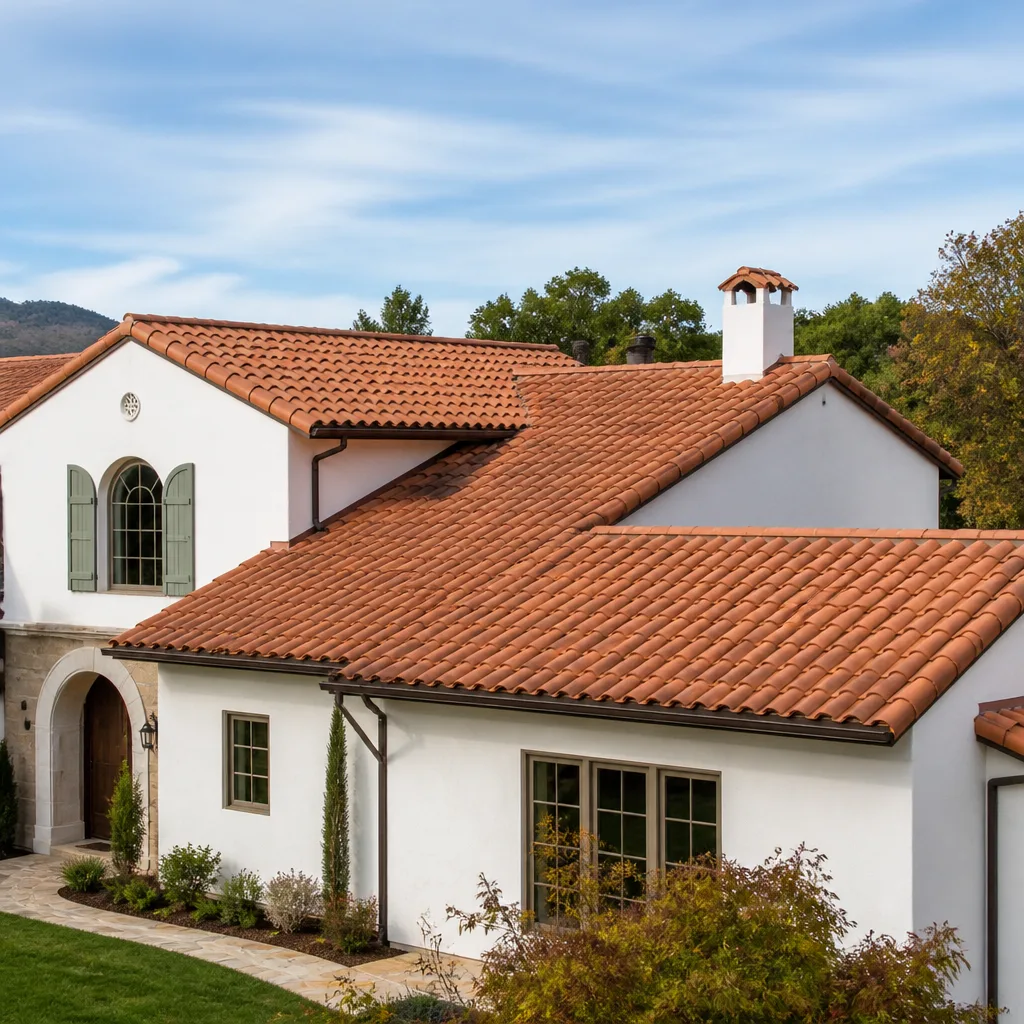 Tile roofing
 GAF
 Owens Corning
 Flat & low-slope
Free roof inspection with deck photos before we talk money - GAF and Owens Corning certified installation
How Long Does Metal Roofing Take? Timelines and What to Expect
The crew that did your neighbor’s shingle roof in a day will need two to three days on your metal re-roof – not because they’re slower, but because metal does not forgive a rushed measurement the way shingles do. A shingle laid a quarter-inch off still overlaps fine. A standing-seam panel cut short is scrap, and it’s expensive scrap. So when a contractor quotes you the same timeline for shingle and metal on the same house, one of two things is true: they haven’t done much metal, or they’re counting on you not asking why. This guide breaks down real timelines for a Whitney home, what drives them longer, and the questions to ask before you sign anything.
Quick Answer
A typical 1,800-square-foot metal re-roof takes one day for tear-off and decking, then two to three days for installation – so plan on three to four working days total for standing seam, or two to three days for exposed-fastener panels. Add one to four weeks of lead time for panel fabrication, and more during peak season in Whitney, when summer heat and monsoon risk both compress the calendar.
Styles & brands we work with
- Architectural shingles
- Metal roofing
- Tile roofing
- GAF
- Owens Corning
- Flat & low-slope
Table of Contents
- Shingle vs. Metal: A Side-by-Side Timeline
- The Fabrication Lead Time Nobody Asks About
- How Pitch and Valley Complexity Multiply Labor Hours
- Site-Formed vs. Pre-Fab Standing Seam Panels
- Weather Windows in Whitney: Why June – September Is Tricky
- Step-by-Step: What a Metal Install Day Actually Looks Like
- How to Shorten Your Timeline
Shingle vs. Metal: A Side-by-Side Timeline
Comparison shopping gets a lot clearer when you put the two roof types on the same footprint. Here’s what we’ve seen on a straightforward 1,800-square-foot ranch home with a 6/12 pitch and two valleys – the kind of roof that’s common in Whitney’s older neighborhoods.
- Asphalt shingle replacement: Tear-off and install in one long day, sometimes two with decking repairs. Most crews finish by late afternoon.
- Exposed-fastener metal (corrugated or ribbed panels): One day for tear-off and underlayment, one to two days for panels and trim. Total: two to three days.
- Standing-seam metal: One day tear-off and underlayment, two to three days for panels, clips, seams, and trim. Total: three to four days.
The gap widens with complexity. Add a second story, three dormers, or a steep 10/12 pitch, and shingle work might stretch to two and a half days while standing seam balloons to six or seven. Metal is unforgiving of angles. Every hip, every penetration, every transition needs its own custom piece – and those pieces are cut, fit, and checked one at a time.
That’s also why we show deck photos before we talk money. If we find soft sheathing or a rotten fascia board, the timeline changes, and you deserve to see why. If you’re weighing your options, our guide to roof replacement and installation in Whitney walks through what each material means for your house.
The Fabrication Lead Time Nobody Asks About
Here’s the part that catches homeowners flat: the installation is only half the story. Panels have to be manufactured to your roof’s dimensions before anyone touches the roof.
For pre-fab panels ordered from a supplier, expect one to three weeks. Custom colors, longer panels, or specialty profiles can push that to four to six weeks. In Whitney, during spring and early summer, when everyone suddenly decides it’s time to replace the roof, that lead time stretches. Suppliers get backed up. A color you saw in a showroom last spring might be on backorder by June.
The fix is simple: ask for the fabrication timeline in writing before you sign. A good contractor will give you a start date and a delivery date. If they can’t tell you when the panels will arrive, they’re guessing – and so are you.
Some installers use site-formed panel machines, which roll the metal to length right in your driveway. That cuts the fabrication lead time to essentially zero, but it comes with its own scheduling quirks. We’ll get to those below.
How Pitch and Valley Complexity Multiply Labor Hours
Roof pitch is the angle of the roof, and it’s the single biggest variable in metal labor. A 4/12 pitch is walkable and fast. A 10/12 pitch is a steep, careful, slow job where every panel has to be staged, aligned, and secured without anyone slipping.
On a 4/12 pitch, a standing-seam crew might average 30 to 40 squares a day. On a 10/12, that can drop to 15 or 20. Same square footage, twice the labor hours.
Valleys are the other multiplier. Every valley on a metal roof requires a valley pan, custom-cut panel ends, and careful water-shedding detail. A simple gable roof with no valleys is the fastest install possible. A cross-gable with two valleys adds half a day. Three or four valleys, plus a chimney, a skylight, and a vent stack, and you’ve doubled your install time before you’ve even picked up a screw gun.
This is why a contractor who quotes your roof from a satellite image and a phone call is quoting blind. We walk the roof, count the squares ourselves, and measure the valleys before we put a number on paper. A roof is measured in squares – ask any bidder how many they counted.
Site-Formed vs. Pre-Fab Standing Seam Panels
Site-formed means the panel machine comes to your driveway and rolls each panel to the exact length of your roof slope. Pre-fab means the panels are manufactured at a shop and delivered on a truck, usually in fixed lengths.
Site-formed has real schedule advantages:
- No fabrication lead time. Panels are made the same day they’re installed.
- Fewer seams, fewer laps. Full-length panels mean fewer joints and less chance of a leak.
- Flexibility for odd roofs. Uneven slopes or unusual lengths are no problem when the panel is cut on-site.
The tradeoff is that site-formed installs need a clean, flat driveway or street access for the machine, plus a dry working day for the rolling and installation. In Whitney, that means watching the weather forecast closely, because a windy or rainy day can shut a site-formed crew down faster than a pre-fab crew.
Pre-fab panels have their own advantage: if you want a very specific color or a proprietary profile from CertainTeed, Owens Corning, or another manufacturer, pre-fab is often the only path. The cost is a longer lead time and less flexibility. Both approaches produce a good roof; they just demand different planning. For a closer look at which metal system fits your home, see our metal roofing in Whitney page.
Weather Windows in Whitney: Why June – September Is Tricky
Whitney sits at the edge of the Mojave, which means two weather challenges hit the calendar hard.
First, the heat. From June through September, daytime temperatures regularly top 100 degrees. Metal panels get hot enough to burn an ungloved hand, and crews have to work earlier in the morning, take longer breaks, and pace themselves. A crew that installs 30 squares a day in April might install 22 in July. That’s not laziness; it’s safety and quality.
Second, the monsoon. Late summer brings sudden afternoon thunderstorms, sometimes with high winds. Metal roofs are wind-resistant once installed, but during install, panels are lightweight and catch the wind like sails. A gust can lift a panel and take a crew member with it. So crews watch the radar and stop when storms roll in. That lost afternoon can push your install a full day.
The practical takeaway: June through September is peak season and peak scheduling headache in Whitney. Book your metal roof in late winter or early spring if you can, and don’t be surprised if a late-summer start date slips by a few days. If your current roof has storm damage, our roof repair in Whitney team can handle an emergency repair while you plan the replacement.
Step-by-Step: What a Metal Install Day Actually Looks Like
Here’s a realistic day-by-day breakdown of a 1,800-square-foot standing-seam re-roof in Whitney.
- Day 1, morning: Tear-off. The old shingles come off, the decking gets inspected, and any soft sheathing is replaced. This is when we show you the deck photos.
- Day 1, afternoon: Underlayment. A high-temp synthetic underlayment goes down over the deck. On a metal roof, this is the real water barrier.
- Day 2: Eave trim and first panels. Eave trim and rake trim go on first, because panels have to align to them. Then the first panels are set and clipped.
- Day 3: Field panels and seams. The bulk of the panels go down, seams are crimped or snapped, and fasteners are driven into the clips.
- Day 4: Ridge, valleys, and details. Ridge caps, valley flashings, pipe boots, and any penetrations are finished. Final inspection and cleanup.
That’s the ideal. Add rain, a steep pitch, or a hidden deck repair, and you can add a day or two. A good crew builds in that buffer. A bad one promises a date they can’t hit.
How to Shorten Your Timeline
- Choose a simple profile. A standard standing seam or exposed-fastener panel installs faster than a complex tile-look metal product.
- Pick a stocked color. Custom colors add weeks to fabrication. Stick to a common manufacturer color and you’ll cut lead time.
- Schedule in shoulder season. Late winter and early spring in Whitney get you the fastest crews and the shortest waits.
- Combine repairs. If you’ve been putting off gutter work or fascia repair, do it during the re-roof. It’s far cheaper than a separate trip later, and you can find our gutter and accessory work through our Shepherd & Sons Roofing Whitney home page.
- Get the second opinion first. A free second opinion on a written estimate often catches timeline promises a first contractor can’t keep. We offer that at no charge and with no trip charge inside our county.
Common Mistakes to Avoid
- Believing a one-day metal quote. Metal takes longer than shingles, period. A one-day promise on a full metal re-roof is either a mistake or a shortcut you’ll pay for later.
- Skipping the fabrication question. Homeowners who don’t ask about panel lead time end up with a signed contract and a roof sitting unfinished for three weeks in Whitney’s summer heat.
- Underestimating steep-pitch labor. If your roof is 10/12 or steeper, expect a longer schedule and a higher labor line. Ask for the pitch to be stated on the bid.
- Scheduling in peak monsoon season. Late summer storms can stall a metal install mid-panel. Plan for the shoulder months when you can.
- Not asking who’s on the roof. A crew that isn’t background-checked and doesn’t have a local address is a crew you’ll never find again if the work goes wrong. Same address since 1996 – ask the storm chasers where theirs is.
- Ignoring the deck condition. If the sheathing is soft, the metal goes nowhere. Get a deck inspection before the timeline is set.
- Paying extra for a trip charge. There’s no reason to pay a trip charge inside our own county. Ask any bidder if they charge one.
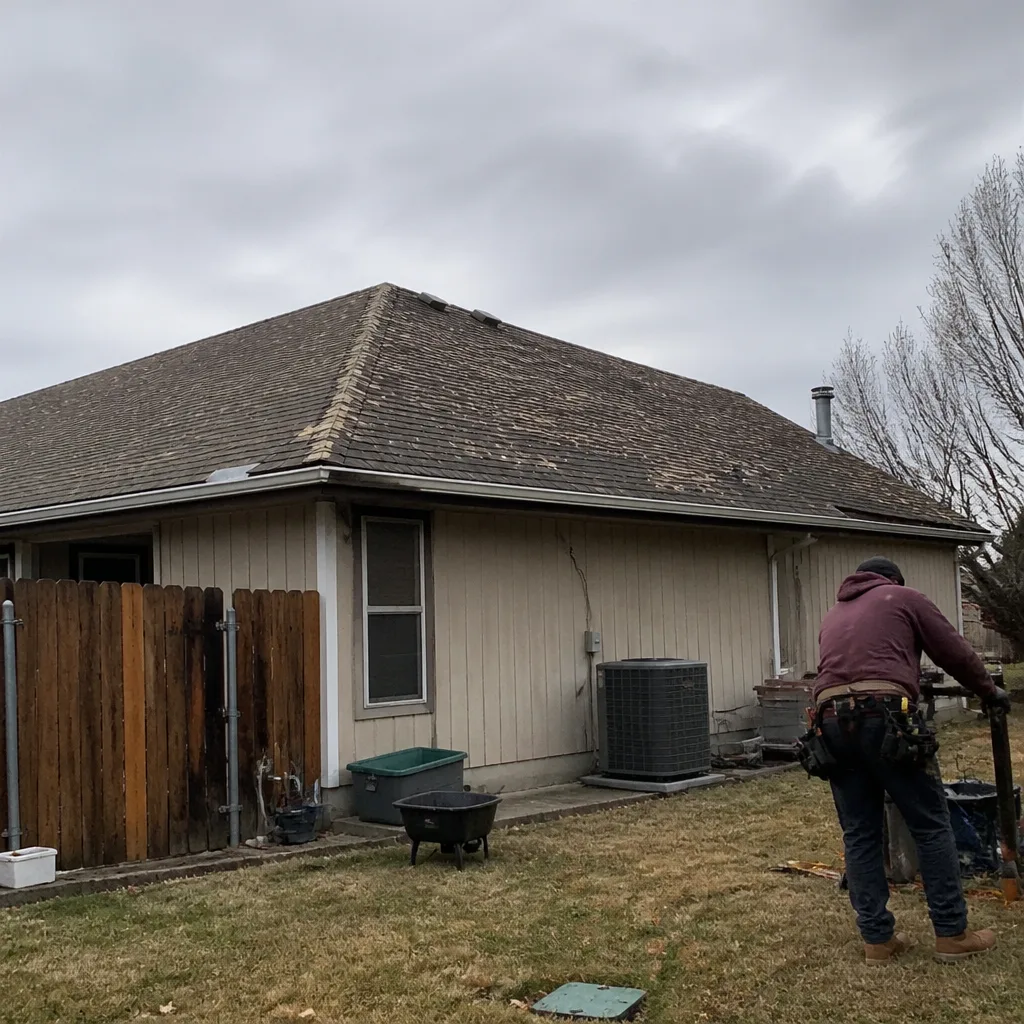
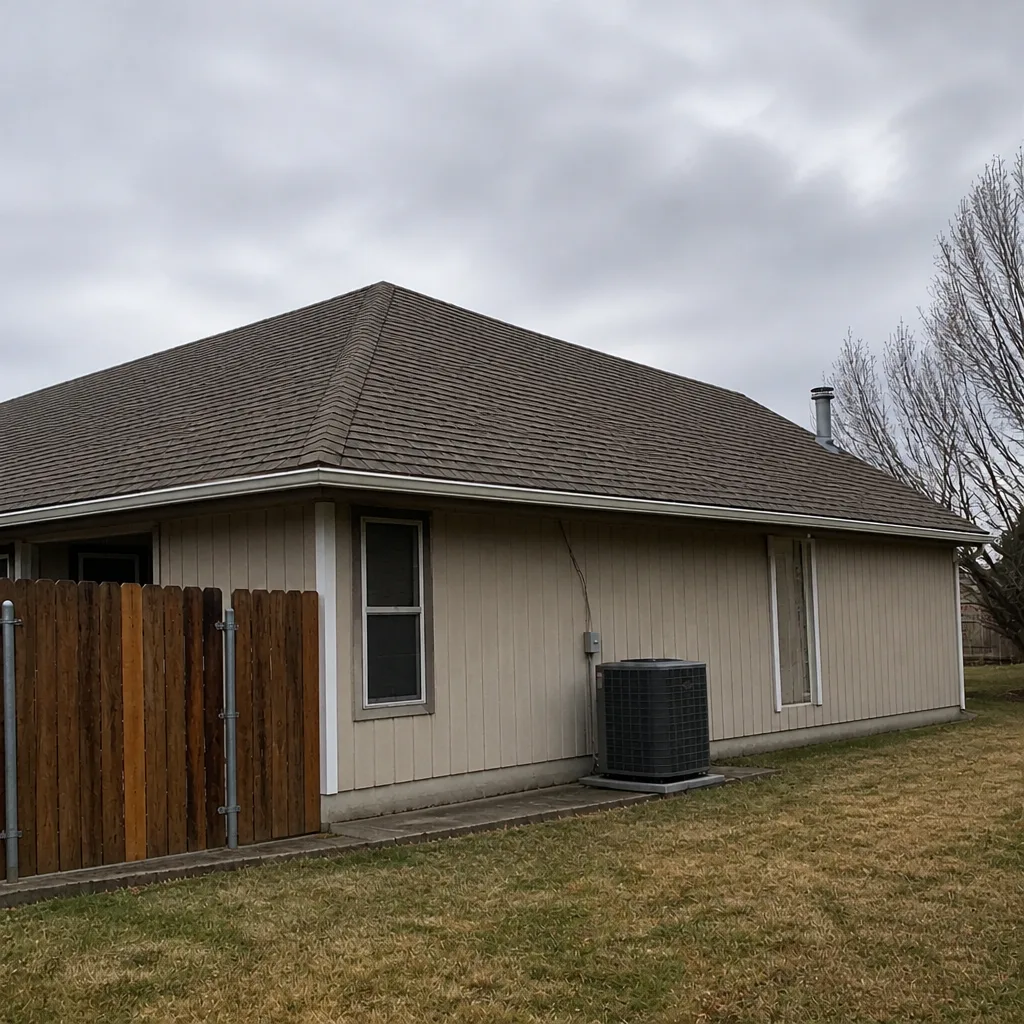
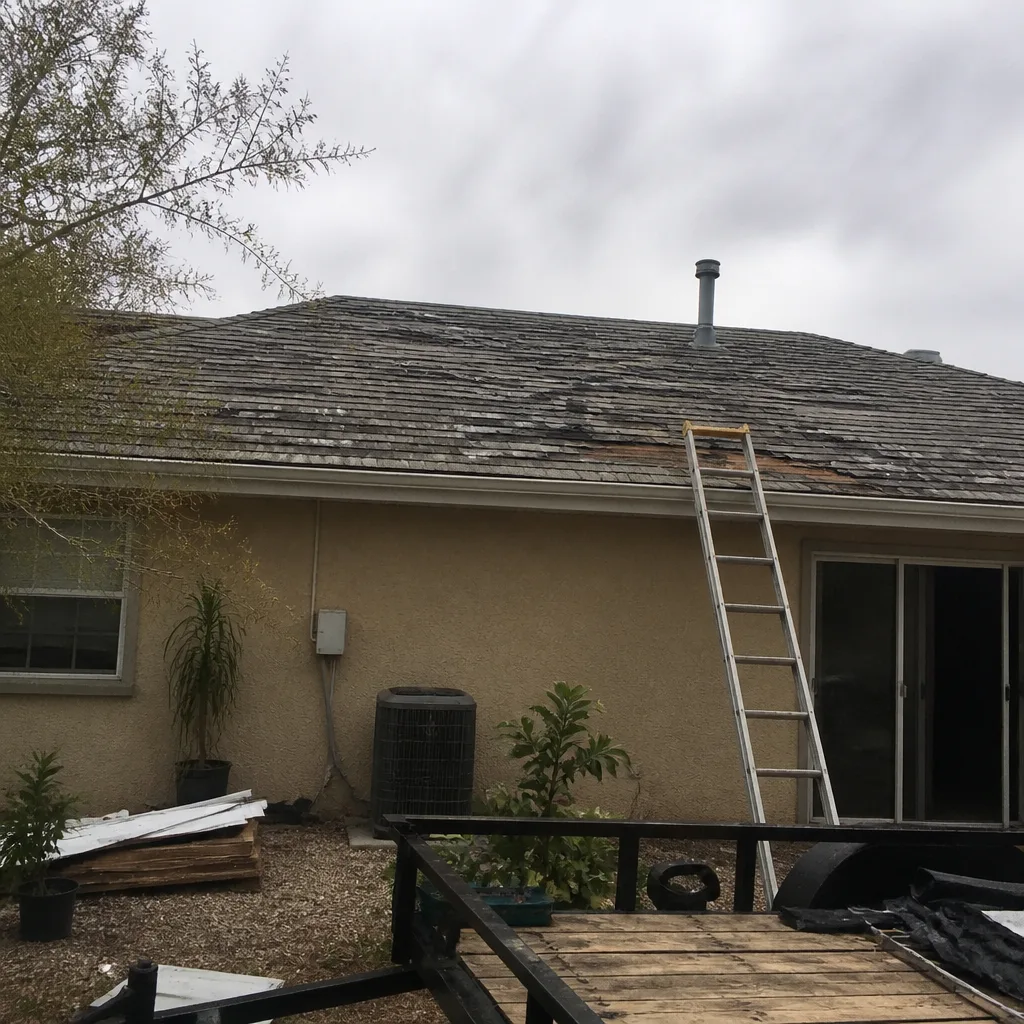
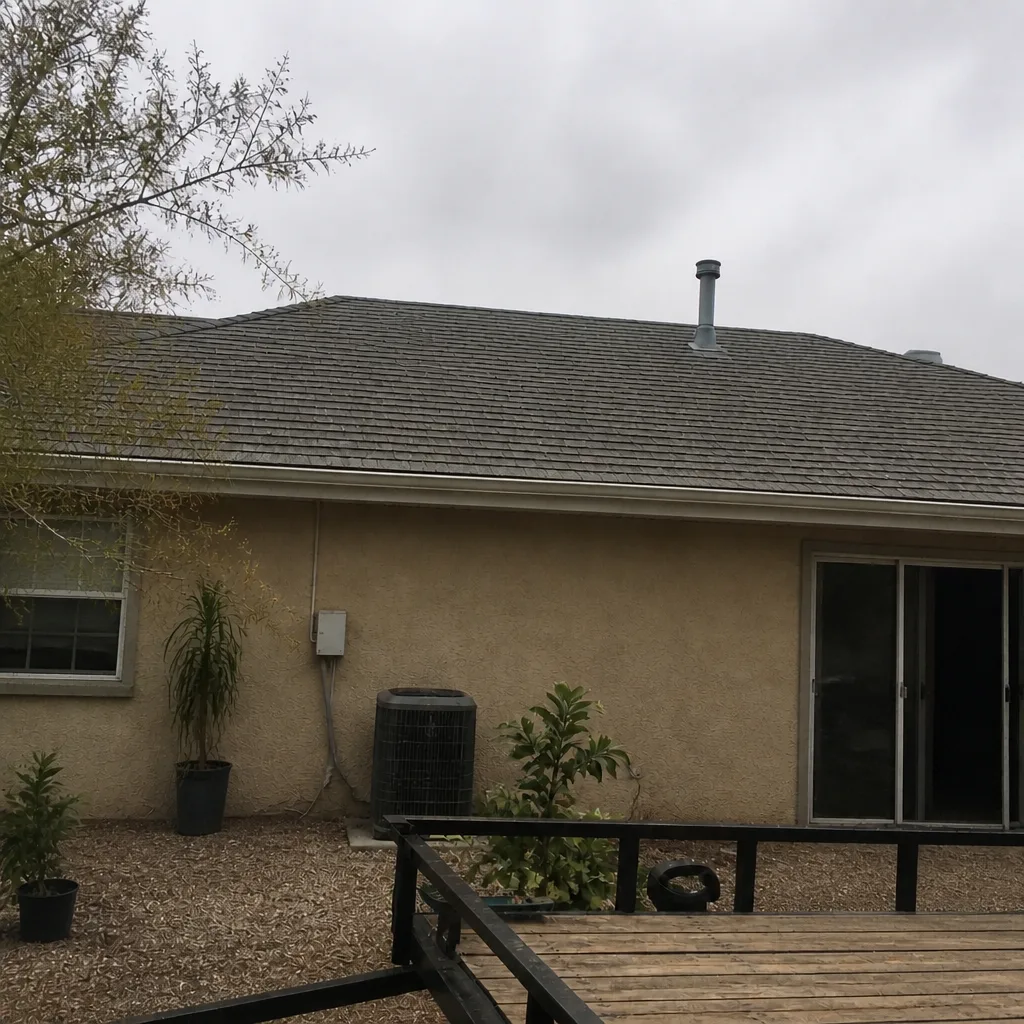
See the difference
 Before
 After
 Before
 After
 Before
 After
When to Call a Professional
Some jobs are best left to a trained crew. If your roof is two stories or more, has a pitch steeper than 7/12, or has multiple valleys and penetrations, hire a pro. Metal panels are heavy, sharp, and wind-catching, and a fall from a Whitney roof is a serious injury. Also call a pro if you’ve spotted lifted panels, rusted fasteners, water stains on the ceiling, or a roof that’s older than 20 years – those are signs of a job that needs a full assessment, not a patch.
Shepherd & Sons Roofing Whitney offers free estimates in Whitney – call (844) 797-9455. Bill and his crew have up to 30 years of experience, and every job comes with the written 90-Day Done Right Promise. If it’s not done right, one call brings Bill back.
Frequently Asked Questions
A metal roof typically lasts 40 to 70 years, while asphalt shingles last about 20 to 25 in Whitney’s heat. That lifespan difference is why many homeowners here look at metal despite the higher upfront cost.
Yes. On the same 1,800-square-foot footprint, a shingle re-roof takes one to two days, exposed-fastener metal takes two to three days, and standing seam takes three to four days. The extra time comes from custom trim, panel alignment, and the precision metal demands.
It shouldn’t. A written, line-item quote should cover tear-off, decking, underlayment, panels, trim, and cleanup. If we find hidden deck damage, we show you photos and get your approval before doing the work. Call (844) 797-9455 for a free second opinion on any written estimate.
Late winter through early spring is ideal. June through September brings extreme heat and monsoon storms that both slow the crew and increase scheduling backups. Booking in the shoulder season usually gets you a faster start and a cleaner run.
Yes, we handle the permit process for metal re-roofs in Whitney. Permits are required in most local jurisdictions, and we’ll walk you through what’s needed before work begins. Call (844) 797-9455 for details specific to your address.
Metal roofing in Whitney generally runs $9 to $16 per square foot installed for exposed-fastener panels and $14 to $24 per square foot for standing seam, depending on pitch, panel profile, and complexity. Call (844) 797-9455 for an exact quote – estimates are free.
The Bottom Line
Metal roofing takes longer than shingles – three to four days for standing seam versus one to two for a shingle re-roof on the same 1,800-square-foot home – and that’s before you account for one to four weeks of panel fabrication. Pitch, valleys, and Whitney’s summer heat and monsoon storms all stretch the calendar. The contractors who quote you a one-day metal install are either guessing or hoping you won’t ask why. Ask about fabrication lead time, pitch, square count, and who’ll actually be on your roof. And if you’re ready to talk real timelines and real numbers, call us at (844) 797-9455 for a free estimate.
Written by the team at Shepherd & Sons Roofing Whitney.