
Last updated November 18, 2026
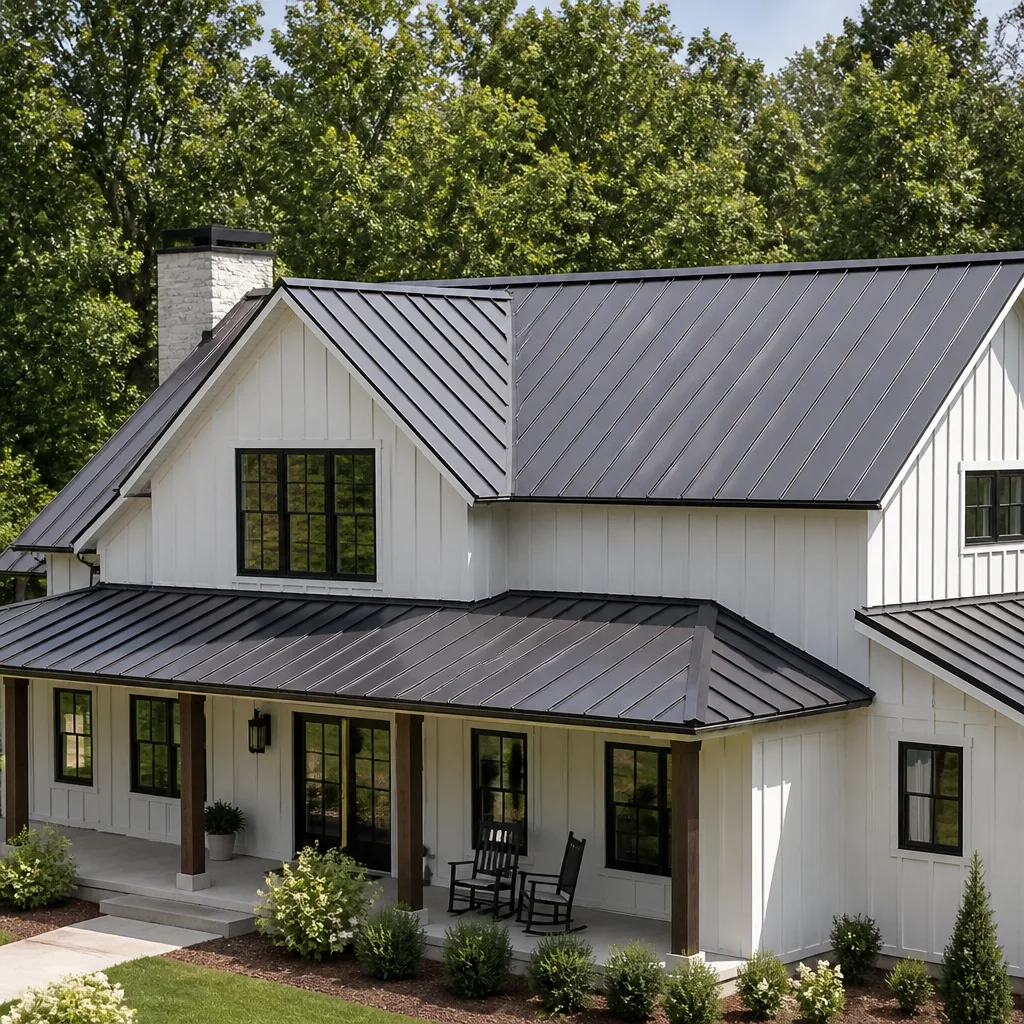 Metal roofing
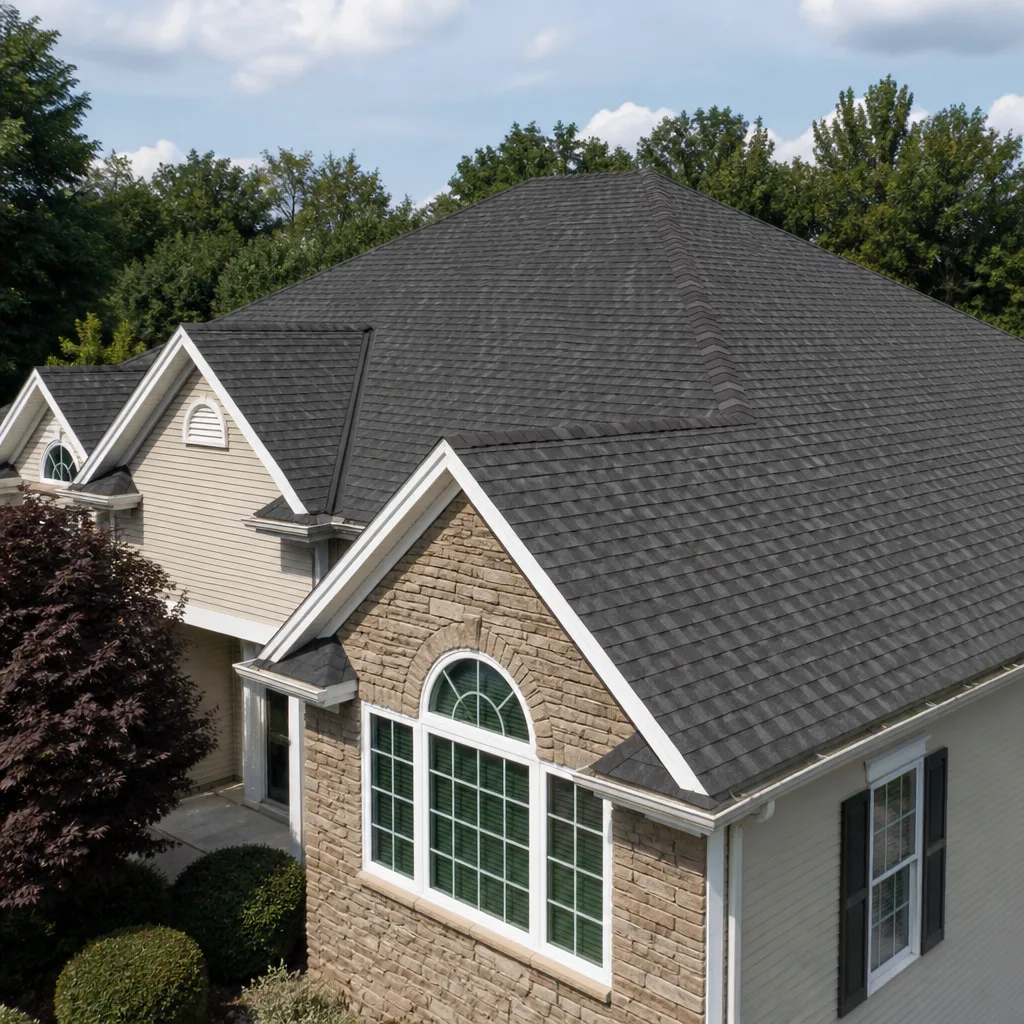
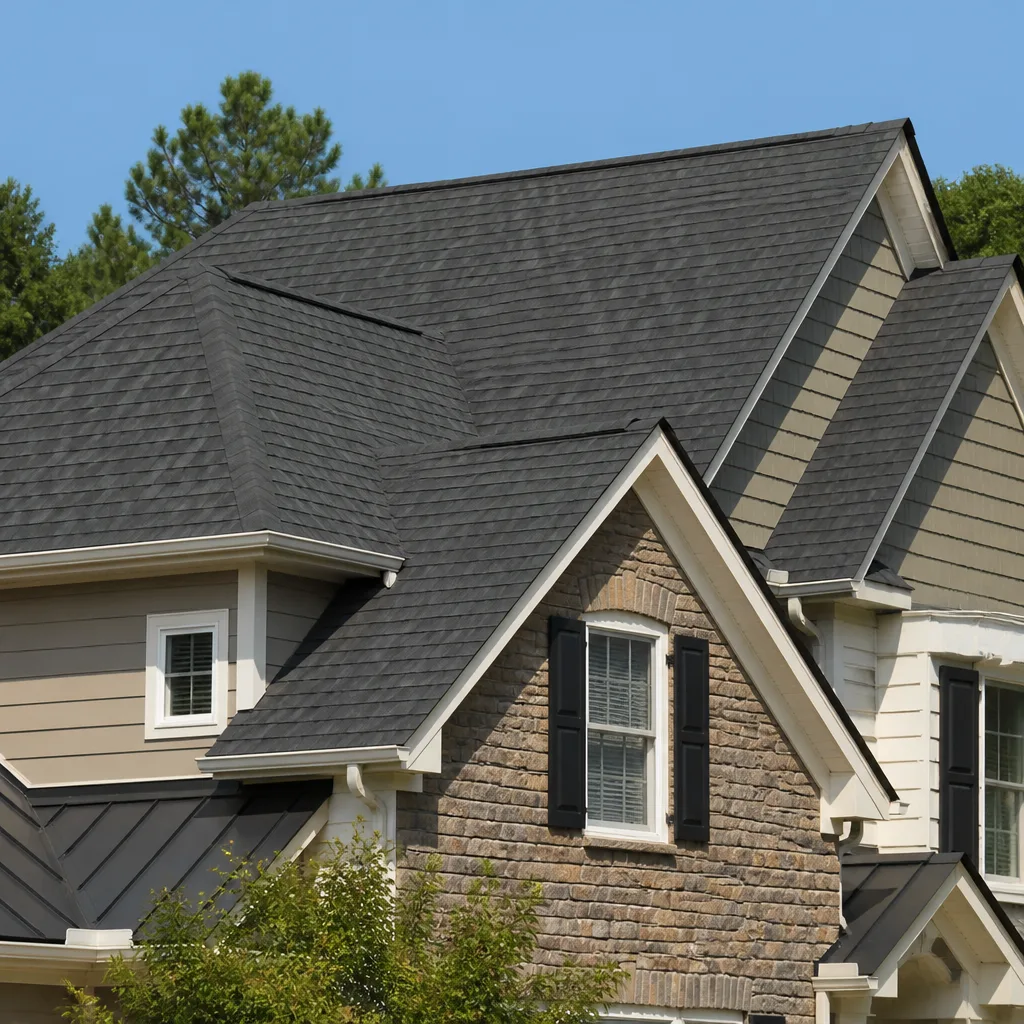 Architectural shingles
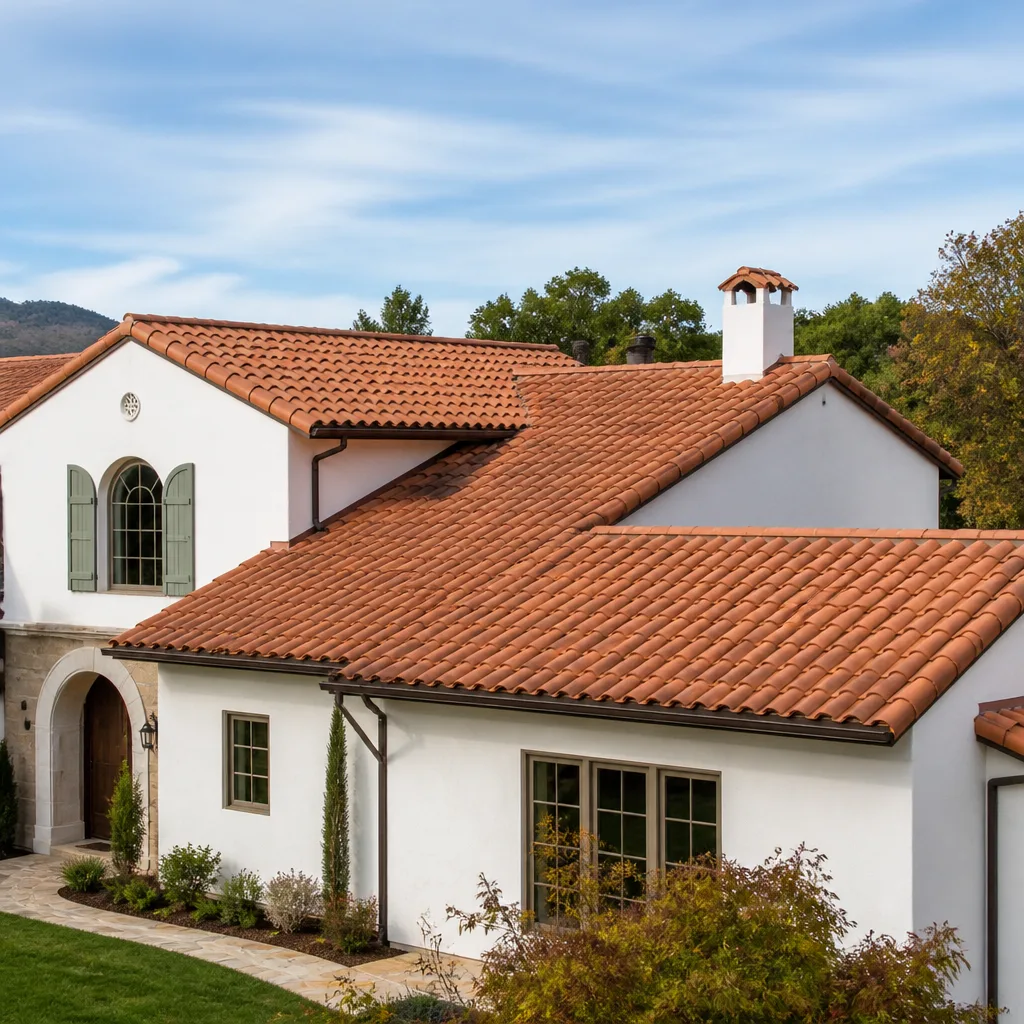 Tile roofing
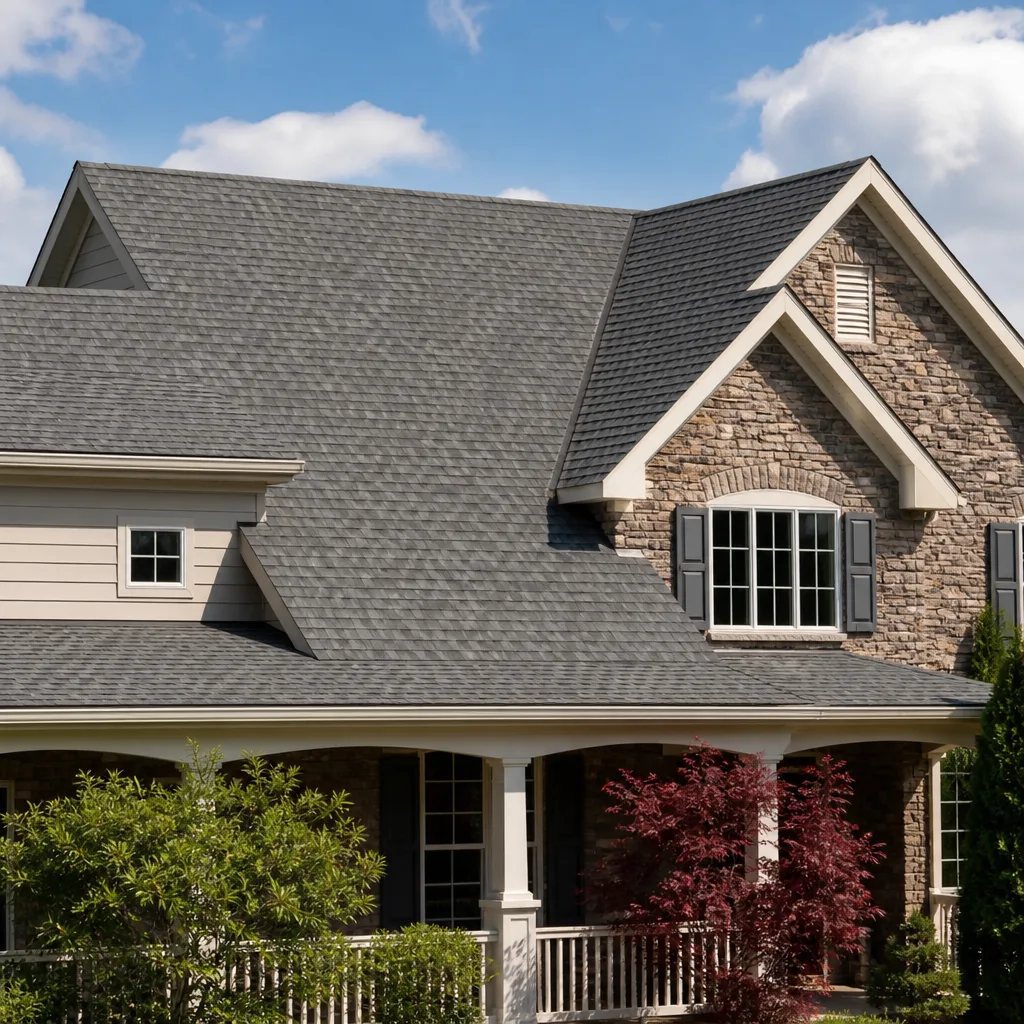 GAF
 Owens Corning
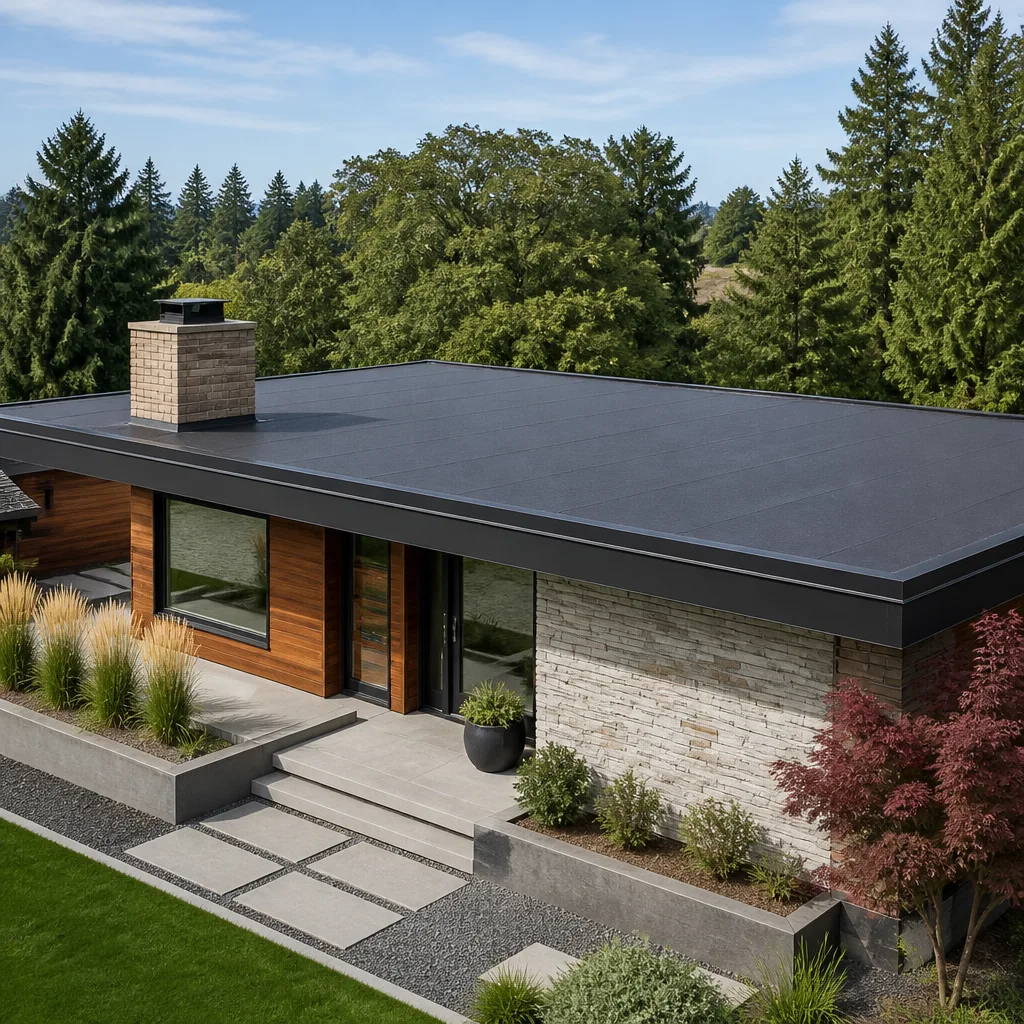 Flat & low-slope
Free roof inspection with deck photos before we talk money - GAF and Owens Corning certified installation
How Long Does Specialty Roofing Take? Timelines and What to Expect
Here’s the part most contractors won’t tell you upfront: on a specialty roofing job, two of the biggest timeline variables can’t be measured until the roof is already torn open. Deck condition under the old surface and the weather window needed for sealant or coating cure are unknowns on day one. That’s why a specialty crew often can’t hand you a firm end date on signing day, and why anyone who does should make you a little suspicious. In this guide, we’ll walk you through realistic day-count ranges by system, what drives each one, and how to tell a legitimate mid-project extension apart from a contractor who’s simply running behind. We’ve watched this play out across Whitney for years, and the honest answer is more useful than a padded one.
Quick Answer
For a standard home in the Whitney area, specialty roofing installation usually takes anywhere from 2 days to 2 weeks depending on the system. A foam roof on a simple structure can go on in about 2 to 3 days, while standing seam metal on that same house often runs twice as long, sometimes 5 to 8 working days, because custom panels are fabricated to length and set one at a time. Low-slope modified bitumen typically lands in the middle at 3 to 5 days. Custom metal fabrication lead times and weather windows for coating cure can add time before or during the job.
Styles & brands we work with
- Architectural shingles
- Metal roofing
- Tile roofing
- GAF
- Owens Corning
- Flat & low-slope
Table of Contents
- Realistic Day-Count Ranges by System
- Why Foam Roofing Timelines Are Uniquely Weather-Dependent
- Legitimate Reasons a Job Extends Mid-Project
- Warning Signs a Contractor Is Running Behind
- Custom Metal Fabrication Lead Times and What to Get in Writing
- What “Done Right” Looks Like at Final Inspection
- A Step-by-Step Timeline From Tear-Off to Cleanup
Realistic Day-Count Ranges by System
Specialty roofing timelines vary more than any other roofing category, and it pays to know the ranges before you sit down with a bidder. Here’s what we see most on a standard Whitney-area home, and what’s actually driving each range:
- Foam roofing: 2 to 3 days on a simple, mostly flat roof, up to 6 or 7 days on a complex one with multiple levels, parapets, or a lot of penetrations. The coating cure time is the swing factor.
- Standing seam metal: 5 to 8 working days on a standard ranch or two-story, sometimes more when panels must be field-cut or the roof has many hips and valleys. Custom fabrication adds lead time before the job even starts.
- Low-slope modified bitumen: 3 to 5 days for a typical residential flat or low-pitch section. Torch-down or self-adhered layers go down in courses, and drying between layers matters.
- Tile (Boral, CertainTeed, and similar): 4 to 7 days, longer if the existing structure needs reinforcement to carry the weight.
Two variables change a range more than any other. The first is deck condition discovered after tear-off. Rot in the sheathing means replacement decking, which adds a day or more. The second is roof complexity: a hip-and-valley roof with three chimneys takes meaningfully longer than a simple gable, no matter which system you choose. If you want to understand how these same ranges apply to a full roof replacement and installation in Whitney, that’s worth a read before you get bids.
Why Foam Roofing Timelines Are Uniquely Weather-Dependent
Foam roofing is the most weather-sensitive system we install, and it has nothing to do with whether the crew is comfortable. Spray polyurethane foam and the protective coating on top of it need specific temperature and humidity windows to cure correctly. Application generally needs surface temperatures above roughly 40°F and rising, and moisture or high humidity during spray will cause adhesion problems that show up months later. Out here, our dry climate helps most of the year, but our seasonal swings absolutely affect scheduling. Whitney sits in a desert environment with cold mornings and hot afternoons, so timing the spray and coating around the day’s temperature curve is a real part of the job.
What this means for you:
- A rainy, cold, or unusually humid stretch can push a foam job out by days, and that’s a legitimate delay, not padding.
- Coating cure takes time, and a crew that rushes the coats to hit a deadline is handing you a roof that fails early.
- Complex foam roofs need more cure intervals between passes, which is why a fancy roofline takes a week instead of two days.
If you want a sense of how regular roof repair in Whitney handles weather-driven scheduling, the same logic applies: the crew works around the material, not the other way around.
Legitimate Reasons a Job Extends Mid-Project
A specialty roofing job extending mid-project isn’t automatically a red flag. Some extensions are unavoidable, and a crew that stops to fix a real problem is doing you a favor. Here are the ones we consider legitimate:
- Deck damage found after tear-off. Rot, delamination, or failing fasteners in the sheathing mean replacing boards before anything new goes down. Nobody can see this until the old roof is off.
- Weather windows for coating and sealant cure. Foam and certain sealants need the right temperature and low moisture. A crew that sprays into a cold front is cutting corners.
- Structural issues under the surface. Sags, damaged rafters, or a chimney that needs reframing. Better to fix it now than cover it up.
- Custom fabrication delays on metal. If a panel was mis-measured or a formed piece is wrong, the crew has to wait for a corrected piece to ship.
- Inspections and permits. A permit inspection that gets scheduled out a few days is real time, not stalling.
What separates these from the bad kind: a legitimate delay comes with a specific explanation and a photo. A real crew shows you the deck before they charge you for the fix. Ask any bidder how many squares they counted, and ask to see the deck photos before you talk money. That’s the standard we hold ourselves to, and it’s the standard you should demand of anyone installing a metal roof in Whitney or any other specialty system.
Warning Signs a Contractor Is Running Behind
Not every delay is legitimate. Some are pure scheduling chaos, and you can spot them early if you know what to look for. Here are the warning signs we’d flag:
- No firm start date in the contract. A vague “we’ll be out in a few weeks” means the crew doesn’t know its own calendar. Get the start date in writing.
- Different crews showing up each day. Specialty work needs the same hands on the job. Constant turnover is a scheduling problem you’re paying for.
- Work stops without explanation. If the crew disappears for three days with no update, that’s not a material delay, that’s a contractor problem.
- No written communication on the extension. A legitimate delay comes with a note. A bad one comes with silence.
- Pressure to pay for “extra days.” Watch for a mid-project bill for time, not materials. That’s a change order by another name.
A roofer with a real local address and a license number answers for a delay. A storm chaser doesn’t have to, because he won’t be here next season. Same address since 1996 is our proof that we answer for ours. You can see how a crew that stands behind its work treats every job on our Shepherd & Sons Roofing Whitney home page.
Custom Metal Fabrication Lead Times and What to Get in Writing
Here’s the timeline piece most people miss: on a standing seam metal roof, the job doesn’t start when the crew arrives. It starts when the panels are fabricated. Custom panels are formed to the exact length of your runs, and that fabrication lead time commonly runs one to three weeks, sometimes a little more on complex or specialty profiles. That means the gap between signing and the first day on the roof often has nothing to do with the crew’s schedule and everything to do with the shop.
Before you sign a metal roofing contract, get these in writing:
- The fabrication lead time, in weeks. Not a guess. A range with a commitment.
- The delivery date to the job site. Panels arriving late push everything back.
- Who eats the delay if a panel is wrong. Mis-measured panels are the contractor’s problem, not yours.
- The start date and expected completion window. Both, in the contract.
- What happens to the price if the job runs long. A fixed price should stay fixed. No change orders for weather.
Ask what brand is going on your roof and where it’s coming from. If a roofer names the shingle or panel and can tell you why, they’ve set it before. We work with product lines from GAF, CertainTeed, Owens Corning, and IKO, and we’ll always tell you which one and why.
What “Done Right” Looks Like at Final Inspection
The last day of a specialty roofing job is where the real story comes out. Here’s what we walk homeowners through on a final inspection, by system, so they know exactly what “done right” means:
- Foam roofs: A uniform coating with no thin spots or pinholes, proper thickness at the edges and flashings, and clean termination at every penetration. You should be able to run a hand over the surface and feel consistent coverage.
- Standing seam metal: Panels aligned and locked at every seam, fasteners set correctly, ridge and valley caps sealed, and no oil-canning or waviness. Walk the perimeter and look up the runs.
- Modified bitumen: Laid flat with no blisters, seams rolled tight, and edges sealed and capped. Check the field, not just the edges.
On every job, regardless of system, expect three things on the walkthrough: a photo record of the deck before the new surface went down, a walk of the flashings and penetrations, and a written explanation of the workmanship guarantee. We back every roofing job with our written 90-Day Done Right Promise, and one call brings Bill back if something isn’t right. That’s a promise we’re happy to put in front of a homeowner at the end of every job in Whitney.
A Step-by-Step Timeline From Tear-Off to Cleanup
Here’s what a specialty roofing job looks like, day by day, on a standard Whitney-area home. The exact days shift with the system, but the sequence holds:
- Day 1: Tear-off and deck inspection. Crew removes the old surface and checks the sheathing. Any rot or damage gets photographed and quoted before work continues.
- Days 1-2: Deck repair and prep. Replace any damaged boards, install underlayment, and prep the substrate.
- Days 2-4 (or 2-8, system-dependent): Installation. Foam spray and coating, metal panel setting, or bitumen courses go on.
- Day 3-6: Flashing and detail work. Chimneys, valleys, skylights, and penetrations get sealed and capped. This is where the difference between a good and great roof shows up.
- Final day: Cleanup and walkthrough. Crew clears debris, sweeps for fasteners (with a magnet), and walks the roof with you, photos in hand.
Add a day or two if the home has multiple levels, a steep pitch, or a lot of penetrations. On a simpler structure, a foam job can genuinely finish in two days. The range is real, and the honest answer is a range, not a promise of a single day count.
Common Mistakes to Avoid
- Accepting a firm end date on day one. The deck condition and cure windows aren’t knowable yet. A firm date is a guess dressed up as a promise.
- Not asking about fabrication lead time. On metal, the gap between signing and start is often fabrication, not scheduling. Get it in writing.
- Letting a crew spray foam in a cold front. If the surface temperature is borderline, the coating won’t cure right. Ask about the weather window before the crew starts.
- Skipping the deck photo walkthrough. If you don’t see the deck before the new surface goes on, you don’t know what you paid for. Demand the photos.
- Hiring a storm chaser with no address. After a big hailstorm, out-of-state crews roll through. Ask where their shop is. If they can’t tell you, ask where they’ll be when something fails.
- Ignoring the workmanship guarantee. Get the warranty in writing, with a specific term. A verbal “we’ll take care of it” isn’t worth the paper it isn’t printed on.
- Not getting a second opinion on a written quote. A free second opinion costs you nothing and tells you whether the first bidder counted the squares right.
See the difference
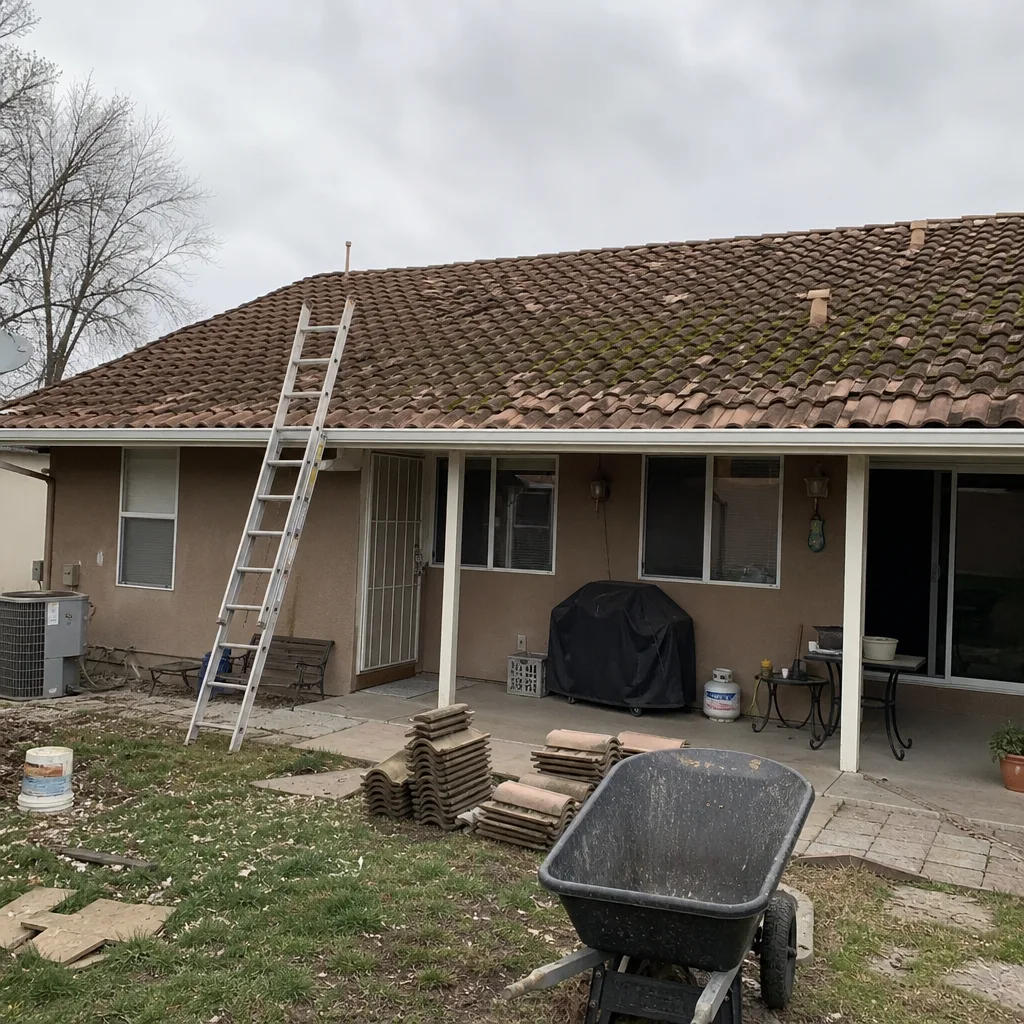 Before
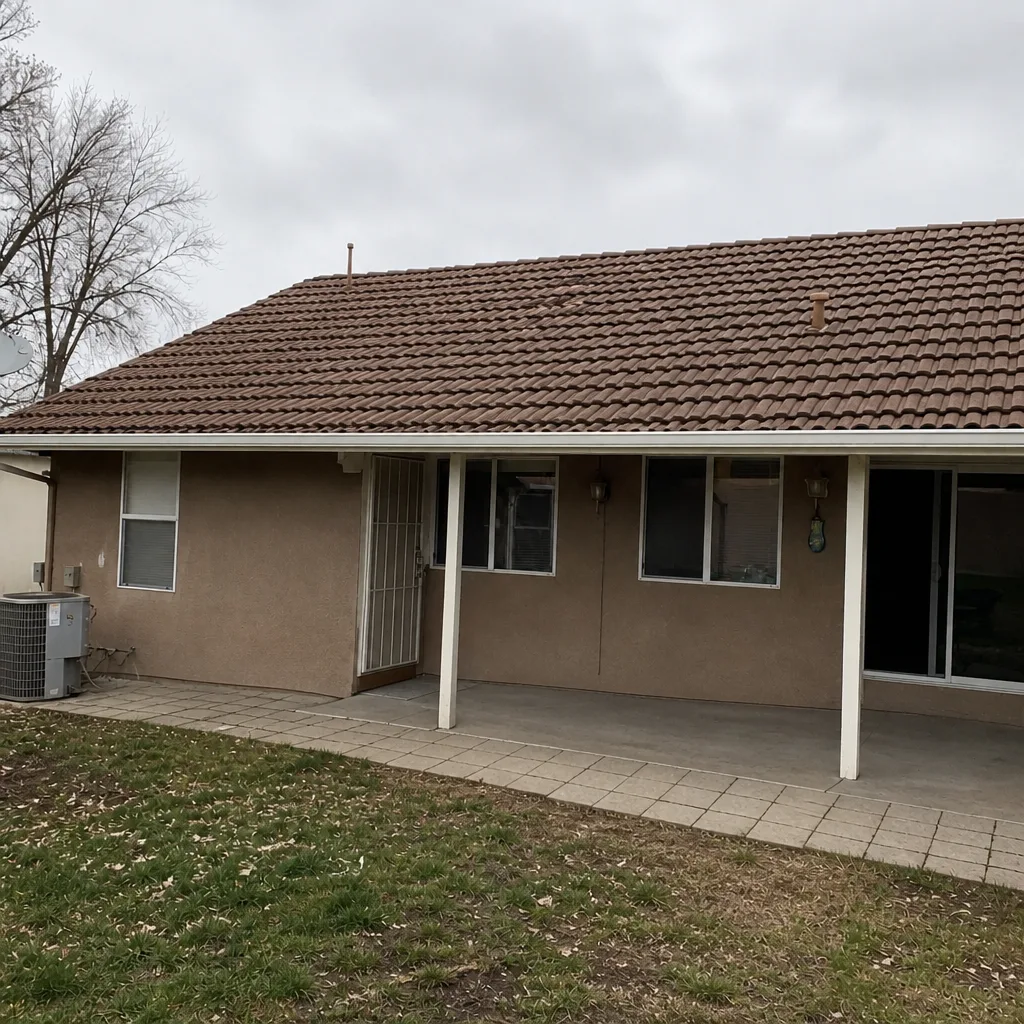 After
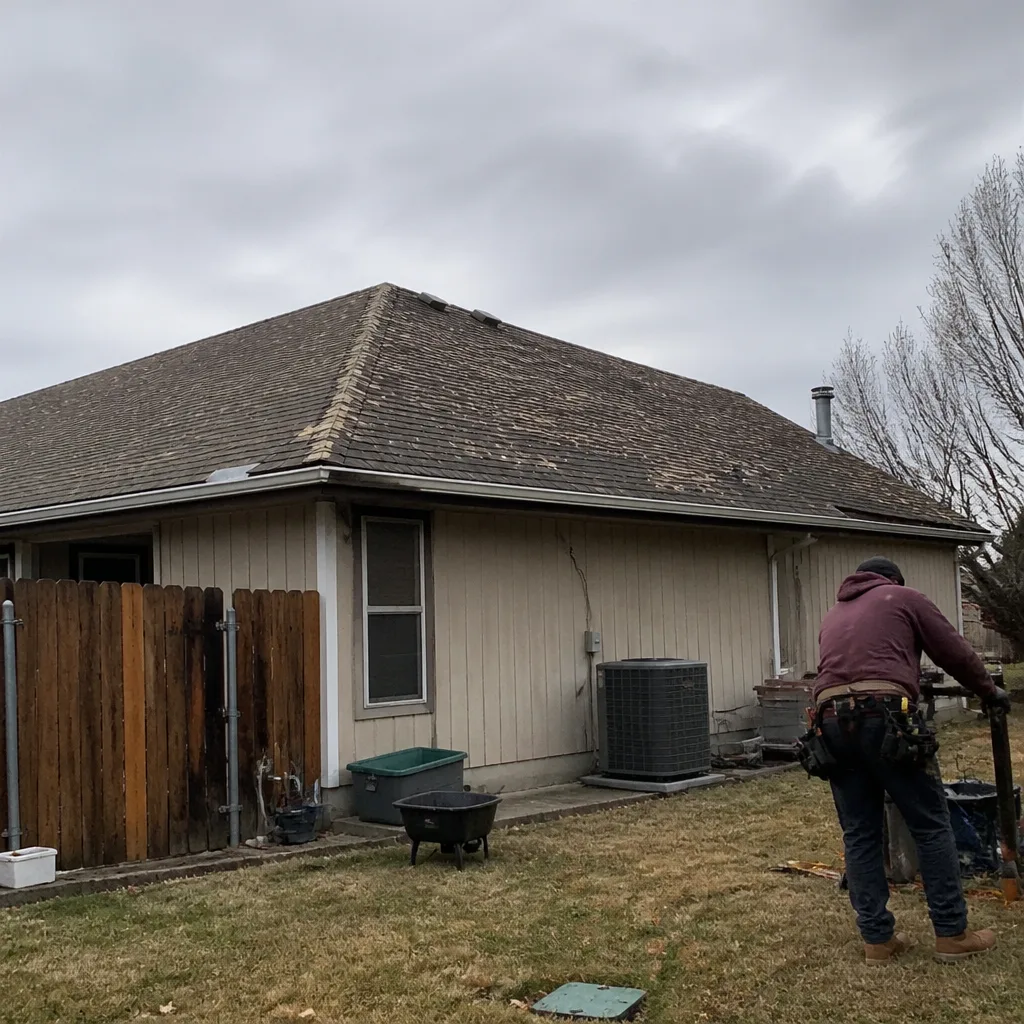 Before
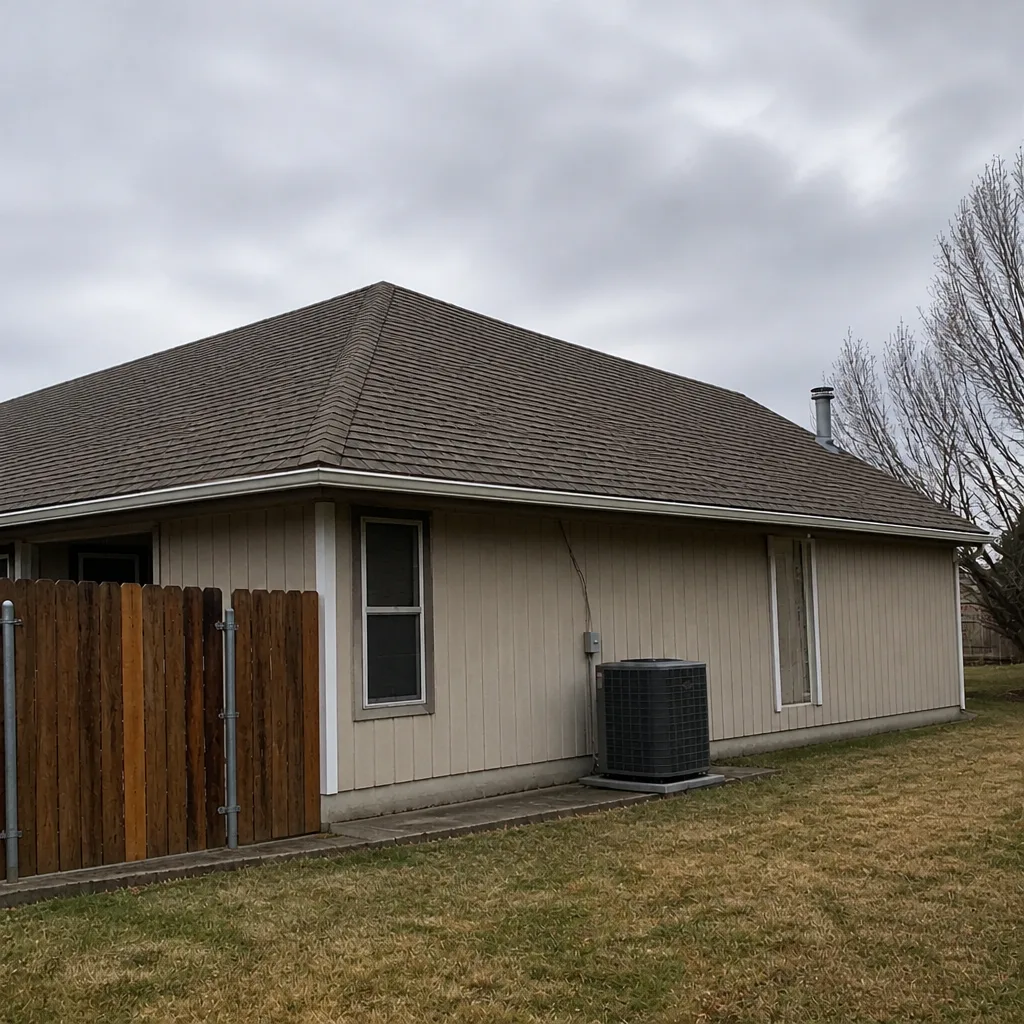 After
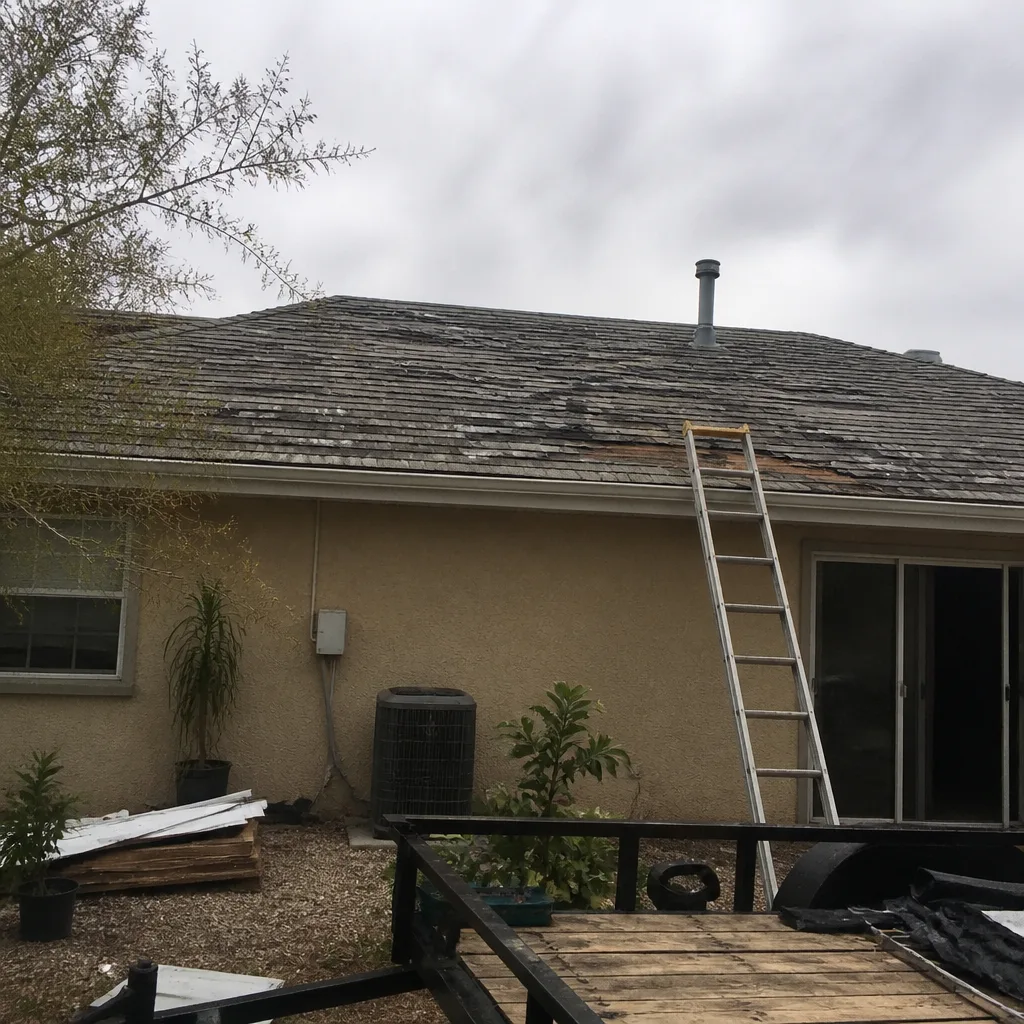 Before
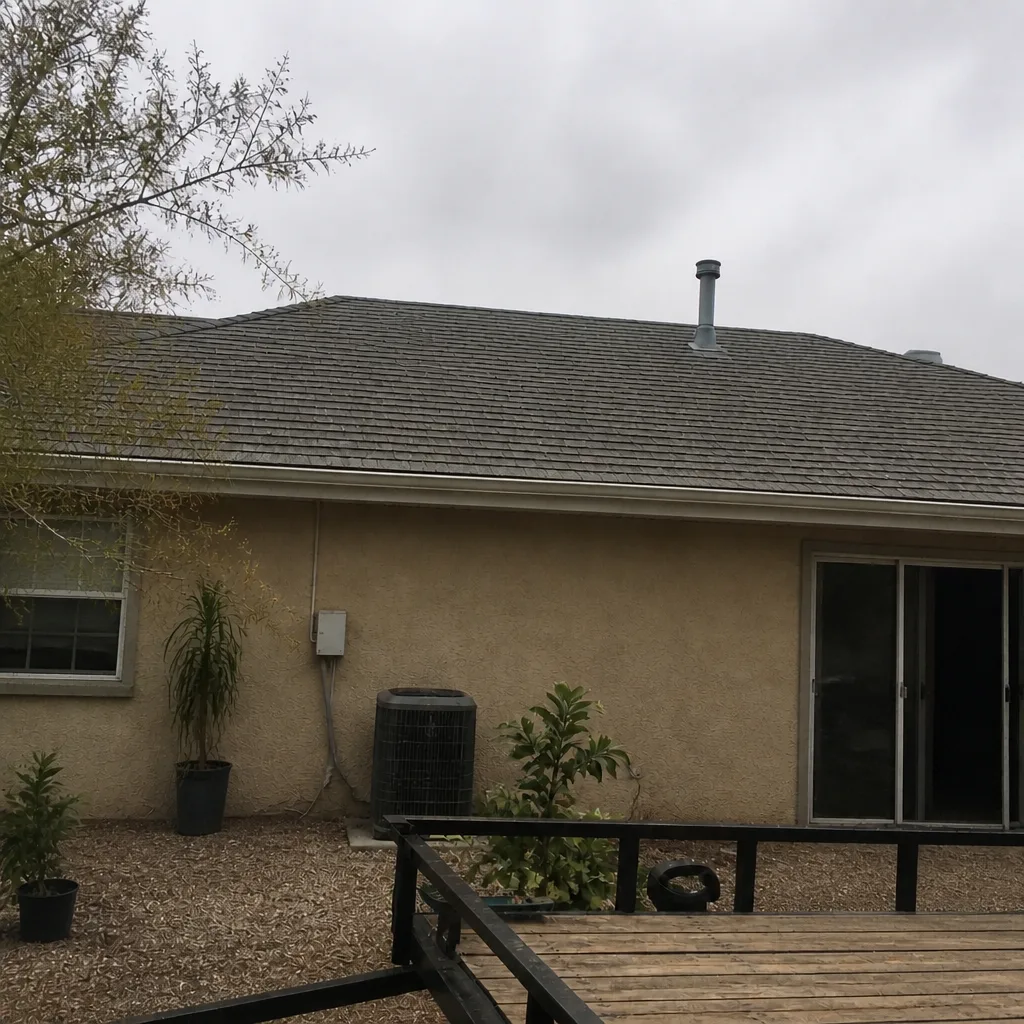 After
When to Call a Professional
Some specialty roofing situations need a trained eye right away, and it’s worth knowing when to pick up the phone. Call a pro if your foam roof coating is chalking, cracking, or thinning in spots; if you see lifted or separated standing seam panels after a wind event; if you’ve got soft spots or visible sagging in the deck; if a bitumen roof is blistering or pooling water; or if a storm has left you with missing material and active leaks. These aren’t weekend-inspection projects, they’re signs of a real problem that gets worse with time. Get an in-person look before you decide anything. Shepherd & Sons Roofing Whitney offers free estimates in Whitney, with no trip charge inside our own county and a free second opinion on any written estimate you already have. Call (844) 797-9455 to schedule yours.
Frequently Asked Questions
For a standard Whitney-area home, specialty roofing runs roughly 2 to 14 working days depending on the system. Foam is typically 2 to 3 days on a simple roof, modified bitumen about 3 to 5 days, and standing seam metal 5 to 8 working days, with custom fabrication adding 1 to 3 weeks before the job starts. Call (844) 797-9455 for an exact quote on your roof.
Because two of the biggest timeline variables aren’t knowable until the job is underway: deck condition after tear-off and weather windows for coating or sealant cure. A crew that hands you a firm end date on day one is either guessing or hoping nothing turns up under the old roof. A realistic range and a photographic record are the honest answer.
Almost never, and a crew that claims it will rush the parts that matter, like flashing, cure intervals, and cleanup. Even a small foam job on a simple structure takes at least two days to do right, and metal and bitumen need more. Call (844) 797-9455 for a realistic schedule on your roof.
Foam roofing is the most weather-sensitive system, and spray foam needs surface temperatures above roughly 40°F and low moisture to cure correctly. Our desert swings between cold mornings and hot afternoons make a difference, and a cold front or humid stretch can push a foam job out by days. Metal and bitumen are less sensitive but still affected by wind and rain during installation.
Not for weather. A fixed-price quote should stay fixed, and any change should come from a real problem you can see in photos, like rotted decking found after tear-off. We’ll show you the deck before we talk money, so nothing is a surprise. Call (844) 797-9455 for a free estimate with no change orders for weather.
At final inspection, expect a walkthrough of the flashings and penetrations, a photo record of the deck before the new surface went down, and a written workmanship guarantee. On foam, look for uniform coating and no pinholes. On metal, look for aligned panels and locked seams. On bitumen, look for tight, rolled seams and a flat field.
The Bottom Line
Specialty roofing timelines vary more than any other roofing category, and the honest answer is a range, not a promise. Foam on a simple structure can go down in two days; the same house in standing seam metal might take twice as long, and custom fabrication can add weeks before the crew even arrives. Two things decide most of the timeline: the deck condition after tear-off and the weather windows for cure. A crew that can’t tell you both, or won’t put a schedule in writing, is a crew to walk away from. Get the deck photos, get the fabrication lead time, and get the workmanship guarantee in writing. Then you’ll know what “done right” actually looks like. Call (844) 797-9455 for a free estimate on your specialty roof, and we’ll walk the roof with you before we talk numbers.
Written by the team at Shepherd & Sons Roofing Whitney.