
Last updated November 18, 2026
 Tile roofing
 Architectural shingles
 Metal roofing
 GAF
 Owens Corning
 Flat & low-slope
Free roof inspection with deck photos before we talk money - GAF and Owens Corning certified installation
How Long Does Tile Roofing Take? Timelines and What to Expect
A crew that quotes you a one-day tile reroof on a 2,000 square foot house is either planning to cut corners or hasn’t done much tile. A properly staged tile job on that same house runs three to five days minimum, and often longer once you get into the details. That gap between expectation and reality is where homeowners get burned. They sign on a promise, watch a crew race the clock, and find out two summers later what “fast” actually cost them. We’ve watched this play out across Whitney more times than we’d like. This guide walks you through the real timeline day by day, what slows a job down, and how to hold any contractor accountable from tear-off to final sweep.
Quick Answer
A full tile roof replacement typically takes three to seven days for most single-family homes, while a partial re-roof or repair can finish in a few hours to two days. Tile work runs two to three times longer than asphalt shingle work on the same house because of the underlayment, batten, and ridge detailing involved. In Whitney, summer heat shortens the usable work window each day, so early-start crews consistently finish faster and do better work.
Styles & brands we work with
- Architectural shingles
- Metal roofing
- Tile roofing
- GAF
- Owens Corning
- Flat & low-slope
Table of Contents
- What a Day-by-Day Tile Reroof Actually Looks Like
- Why Deck Condition Is the Biggest Legitimate Reason Timelines Extend
- How Whitney Heat Affects the Daily Work Window
- Repair, Partial Re-Roof, or Full Replacement: How Timelines Differ
- What “Done” Actually Means on a Tile Roof
- Questions to Ask Before You Sign
- Common Mistakes to Avoid
- When to Call a Professional
What a Day-by-Day Tile Reroof Actually Looks Like
Most homeowners have never seen a tile roof come together, so they have no frame of reference when a contractor says “three to five days.” Here’s the sequence we run on a standard full replacement. Your exact job will differ, but this is the rhythm.
- Day 1 – Tear-off and staging. Old tile and underlayment come off, dumpsters get loaded, and the deck sees daylight for the first time in decades. On a 2,000 square foot roof, this alone eats most of a day.
- Day 1 or 2 – Deck inspection and repair. We walk the whole deck. Soft sheathing, popped fasteners, and rot around penetrations get addressed before anything goes back down. This is the make-or-break step. See the deck section below.
- Day 2 – Underlayment. A proper tile roof lives or dies by its underlayment. On Whitney roofs we run a high-temp membrane rated for the heat, lapped and fastened to spec. Rushing this step is how leaks happen five years later.
- Day 3 – Battens and layout. Battens go down to create airspace and give the tile something to lock onto. Then comes layout: chalk lines, spacing, and confirming the tile pattern before a single piece is set.
- Day 4 to 5 – Tile setting. Field tile goes down, course by course, working up the slope. This is the longest stretch and the most visible. Your crew should be moving steadily, not sprinting.
- Day 5 or 6 – Ridge, hip, and flashing. Ridge caps get mortared and set, valleys and penetrations get sealed, and flashing around chimneys and vents gets finished. This is detail work, and it shows.
- Final day – Cleanup and walkthrough. Debris sweep, gutter check, and a walk of the roof with you. Not done until you’ve seen it.
Add a day for steeper pitches, complex roof geometry, or a two-story home where staging is tighter. For a broader look at how we handle Roof Replacement & Installation in Whitney, we lay out the full process there.
Why Deck Condition Is the Biggest Legitimate Reason Timelines Extend
Nobody knows what’s under a tile roof until it comes off. That’s not an upsell line, it’s just the truth. When we tear off a twenty-year-old roof in Whitney, we routinely find soft sheathing around valleys and penetrations, popped or rusted fasteners, and occasionally rot that’s been quietly spreading for years. Fixing that is not optional, and it’s not a scheme. It’s the difference between a roof that lasts and one that fails.
Here’s how to tell a legitimate extension from an upsell excuse:
- Legitimate: The contractor shows you photos of the damaged deck, tells you the square footage affected, and gives you a written line-item cost before proceeding.
- Legitimate: The extension is measured in a day or two, and it’s tied to a specific problem you can see in a photo.
- Red flag: “Yeah, we found some rot up there, going to need another five thousand.” No photos, no measurements, no written scope.
- Red flag: The extension appears on the final invoice but was never discussed mid-job.
- Red flag: The contractor won’t let you see the deck. Always insist on seeing it before anything gets covered back up.
You shouldn’t have to guess. Ask for deck photos before you talk money, and don’t let anyone put underlayment down until you’ve seen them. That’s the one habit that prevents almost every bad outcome we get called to fix.
How Whitney Heat Affects the Daily Work Window
Whitney summers are a real constraint on tile work. Once the sun is high and the roof surface is pushing past 140 degrees, crews slow down and safety risks go up. Mortar for ridge caps sets too fast in direct afternoon heat. Tile adhesive gets tacky. Guys start making mistakes they wouldn’t make at seven in the morning.
The best crews start early. We’re talking on the roof by 6am and off the hottest surfaces by early afternoon. That early window produces better work and more of it. A crew that rolls in at 9am in July and works until 5pm is spending half its day fighting the sun and cutting into the quality of the finished job.
When you’re getting bids, ask this question directly: “What time do you start in summer?” The answer tells you a lot. A crew that starts at first light and finishes the heavy stuff before the worst heat is a crew that respects the material and the schedule. A crew that starts whenever tells you they haven’t done much tile in Whitney.
The heat also affects your maintenance calendar. Tile roofs hold up well in Whitney’s climate, but UV exposure is brutal on underlayment and ridge mortar. A roof that never gets looked at in this town is a roof that fails quietly. Tying a Roof Repair in Whitney call to a seasonal checkup is cheap insurance.
Repair, Partial Re-Roof, or Full Replacement: How Timelines Differ
Not every tile job is a full replacement, and the timeline difference between a repair and a replacement is enormous. Know which one you’re actually buying.
- Targeted repair: A handful of cracked or slipped tiles, one flashing issue, or a small leak. Usually half a day to one full day, weather permitting.
- Partial re-roof: One slope or section gets torn off and replaced. Typically two to four days depending on the section size and access.
- Full replacement: All tile off, all underlayment and battens replaced, all tile reset or replaced. Three to seven days as laid out above, with a day extension risk from deck repair.
Before signing anything, get clear answers on these questions:
- Is this a repair, a partial, or a full? Get it in writing.
- How many squares are in the bid, and how did you count them?
- What’s the underlayment warranty, and is it transferable?
- What happens if deck damage turns up? What’s the written price range per sheet?
- Who’s pulling the permit, and who’s inspecting the work?
- What’s the start date and the estimated completion, in writing?
If you’re leaning toward a different material for the rebuild, we lay out the tradeoffs in Metal Roofing in Whitney. For most Whitney homeowners sticking with tile, the timeline above is what you should plan for.
What “Done” Actually Means on a Tile Roof
“Done” is not tile down. Tile comes down fast and looks finished from the street long before the job is. The steps that separate a finished tile roof from a rushed one happen in the last day and a half, and they’re the ones a hurry-up crew skips.
- Ridge caps mortared and set. Every ridge cap and hip tile gets properly bedded and pointed. Not glued, not slapped, not skipped. Ridge mortar failing is one of the most common reasons a young tile roof starts leaking in Whitney.
- Flashing sealed and finished. Chimneys, vents, valleys, and pipe boots all get flashing set to spec and sealed. This is where water shows up first if it wasn’t done right.
- Final debris sweep. Broken tile, nails, mortar shards, and underlayment scraps cleaned off the roof and out of your gutters. If your gutters are full of tile fragments after the crew leaves, that’s a red flag.
- Walkthrough with you. A finished job means the crew walks the roof with you (or up on a ladder if access is tight), shows you what was done, and hands you the written warranty.
If the crew is backing the truck out before you’ve seen the ridge and the sweep, they’re not done. That’s the moment to speak up. For how we handle tile repair and the finish work that backs it, see our Whitney roof repair process.
Questions to Ask Before You Sign
Most contractors are straight with you, but the ones who aren’t get paid first and vanish. These questions separate them.
- How long have you been doing tile specifically? “We do all types of roofing” is not the answer you want. You want tile-specific experience.
- What’s your tile underlayment and what warranty comes with it? On a tile roof, the underlayment is the actual waterproofing. The tile is a sunshade.
- What brands do you install? A real tile roofer works with a specific set of manufacturers and can talk about them. Ask how they’d handle a CertainTeed or Owens Corning product on your roof.
- What’s the day-by-day schedule? A written start, end, and rough daily plan tells you the crew has done this before.
- What’s the process if we hit deck damage? Line-item price ranges in writing. No surprises.
- Who’s on the roof? The crew that shows up should be the crew that finishes. Ask about background checks and how they handle subs.
- What’s the written warranty, in plain English? Don’t sign anything that references a warranty you haven’t read.
For a fuller look at how we run a roof from first call to final invoice, the Shepherd & Sons Roofing Whitney home page lays out our process.
See the difference
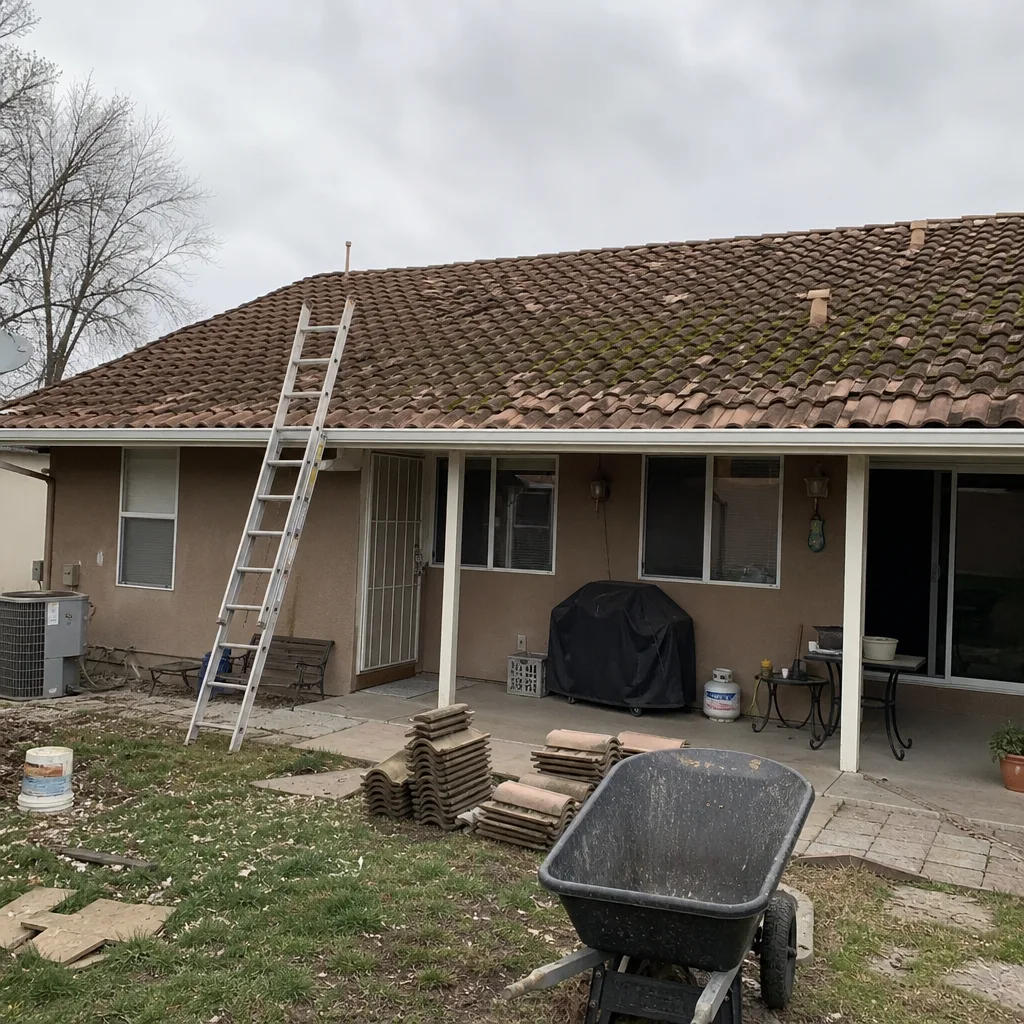 Before
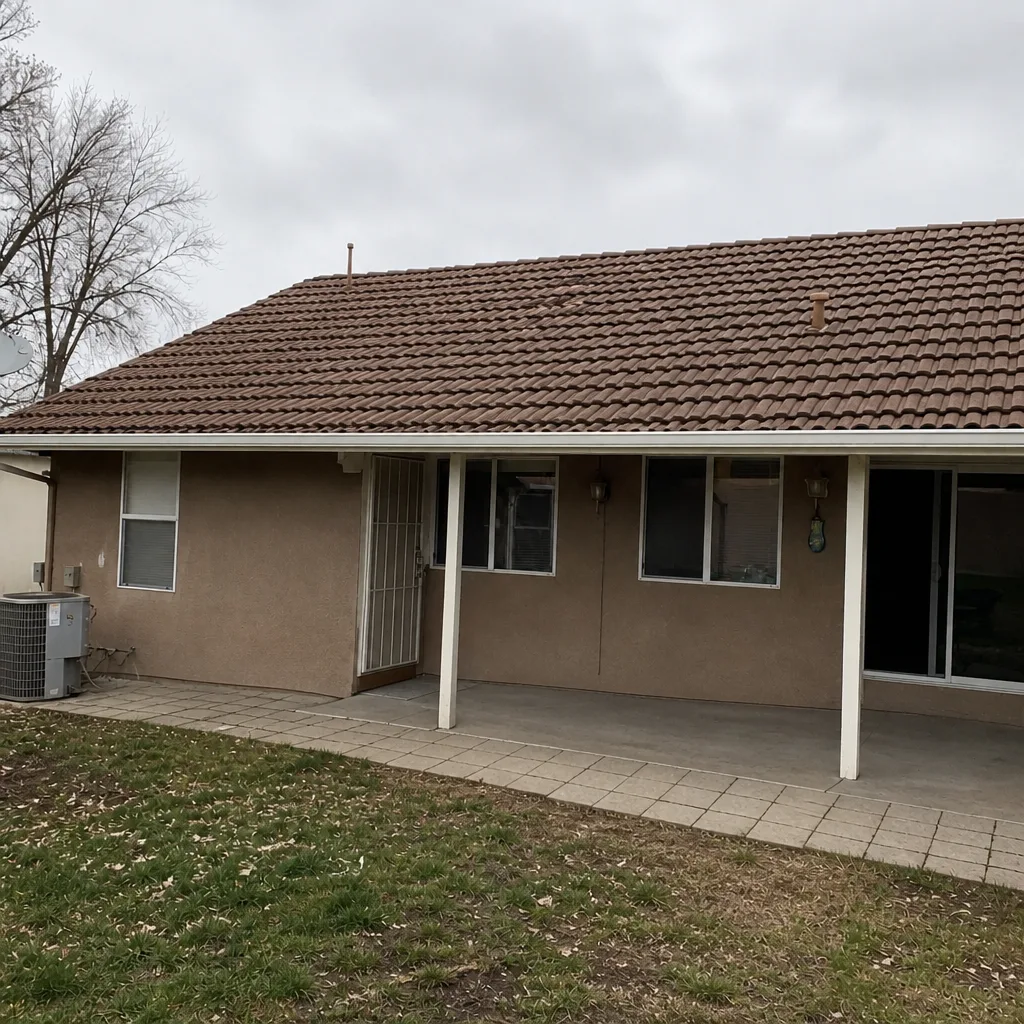 After
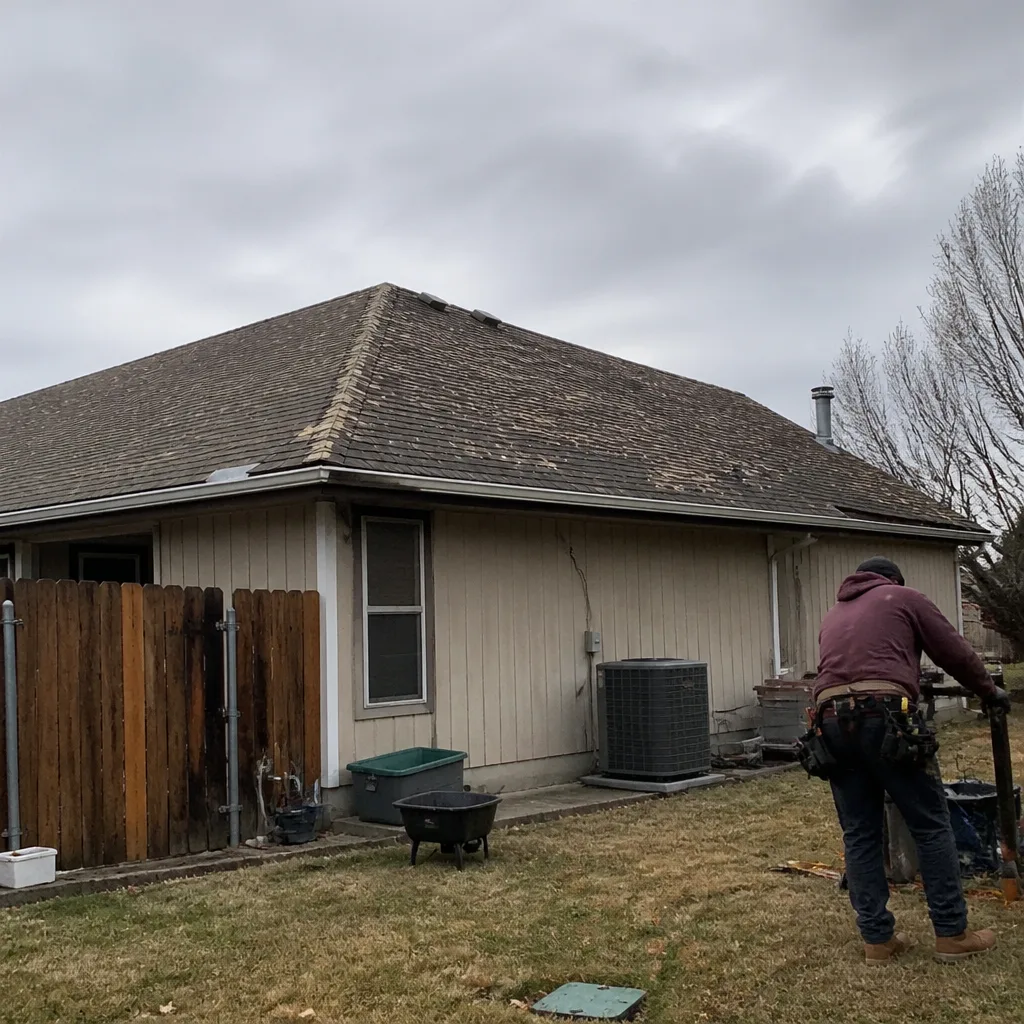 Before
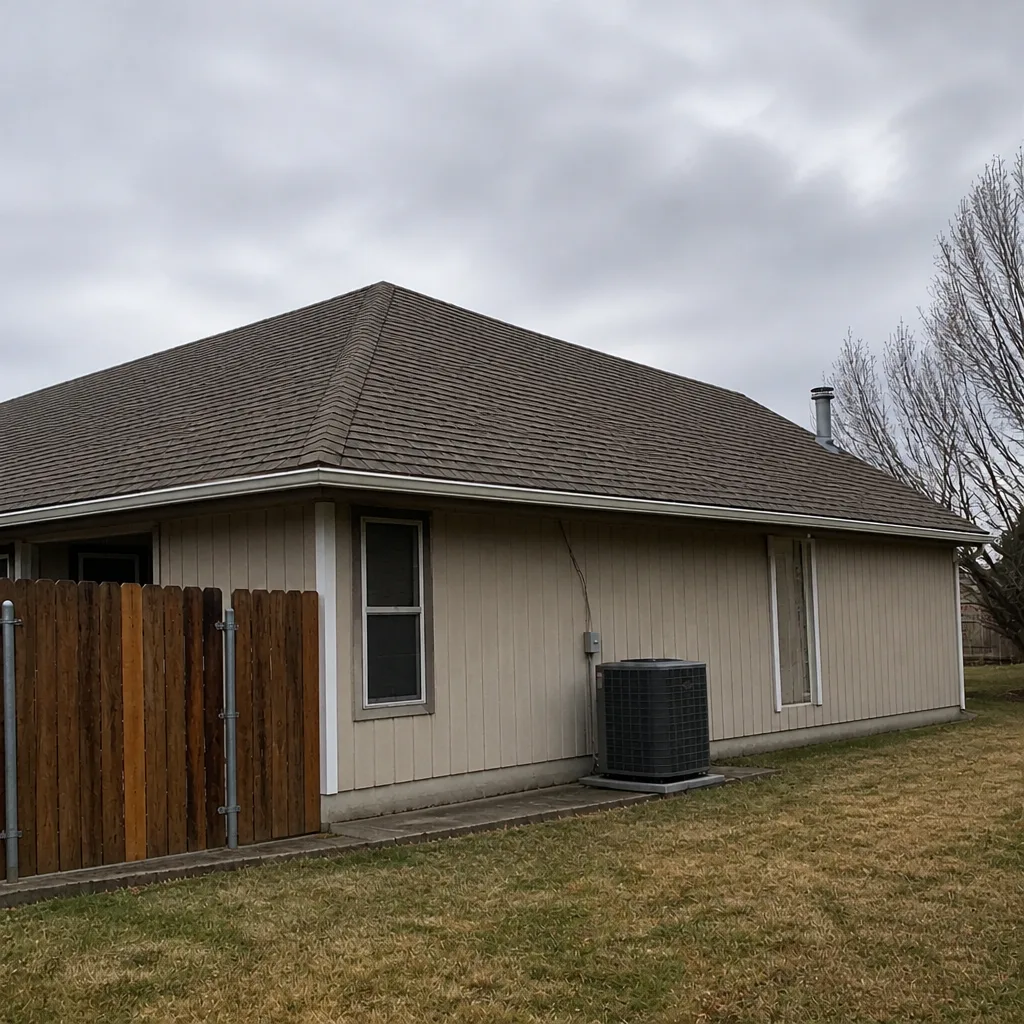 After
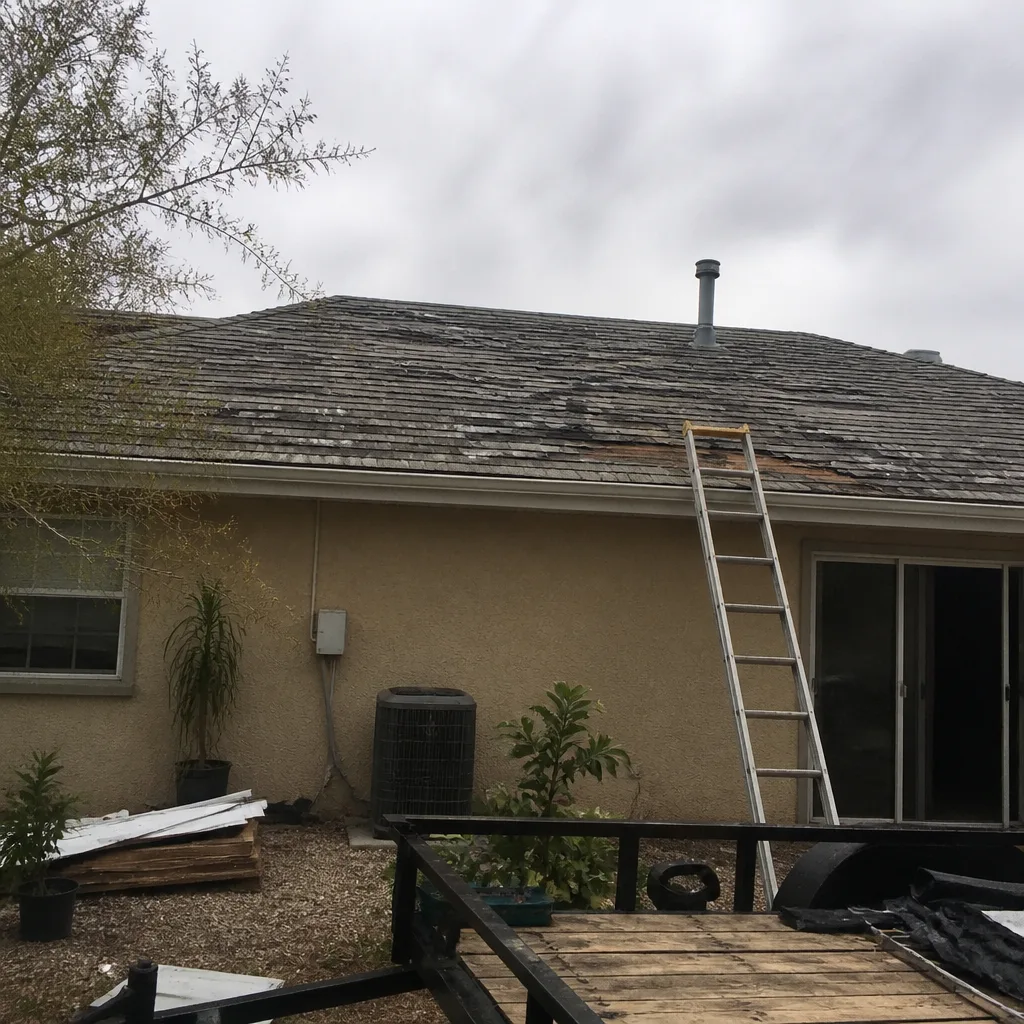 Before
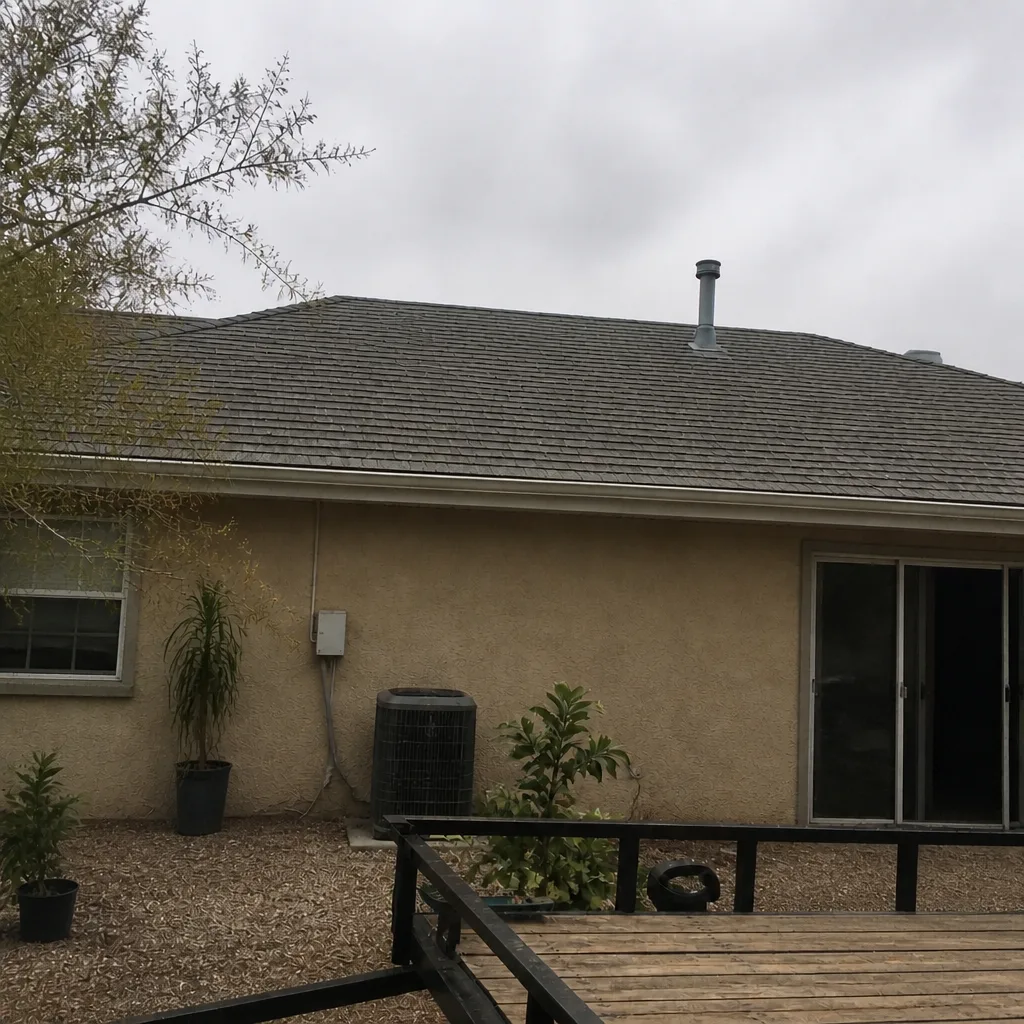 After
Common Mistakes to Avoid
- Taking a one-day tile promise seriously. A properly staged tile job cannot be done in a single day on a normal house. Anyone who says otherwise is planning to skip underlayment steps or rush the ridge mortar.
- Signing before you’ve seen the deck terms in writing. Ask what the price per sheet is for deck repair before signing. If they won’t put a number in writing, that’s your sign.
- Not asking about summer start times. In Whitney, a late-starting crew loses half the day to heat. Ask when they’re on the roof, and hold them to it.
- Skipping the walkthrough. Get up on the roof or on a ladder with the crew before they leave. Look at the ridge, the flashing, and the gutters. Don’t pay the final draw until you’ve seen all three.
- Hiring the lowest bid. On tile, the cheapest bid almost always comes from a crew planning to skip underlayment steps or use an inferior membrane. Ask what’s under the tile and get it in writing.
- Trusting an out-of-town crew after a storm. After every hailstorm we see trucks with out-of-state plates doing quick tile reroofs. Ask for a local address and a license number you can look up. If they can’t produce both, pass.
- Assuming the warranty covers labor. Read the warranty. Labor coverage is often shorter than material coverage, and both need to be in writing.
When to Call a Professional
If you’re seeing cracked or slipped tiles, water stains on a ceiling after rain, mortar crumbling on the ridge, or tiles that shifted after a wind event, call a professional. Tile work involves walking a finished roof, handling brittle material, and getting underlayment and flashing right the first time. Small problems get big fast in Whitney heat, and nobody wants to find out from a contractor that a leaking valley has been eating deck for a season. If you’re planning a full replacement or a big partial re-roof, get bids, ask the questions above, and insist on written line-item pricing before you sign. Shepherd & Sons Roofing Whitney offers free estimates in Whitney. Call (844) 797-9455 to schedule yours.
Frequently Asked Questions
A properly installed tile roof typically lasts 40 to 50 years or longer, while asphalt shingles usually run 15 to 25 years in Whitney’s climate. The underlayment is the real limit, and it typically needs replacement before the tile does. That’s why we tell homeowners to plan for the underlayment service even when the tile itself is fine.
Yes. You’ll deal with noise and some dust during tear-off, but tile reroofs don’t typically require moving out. We stage the dumpster and the tile delivery to keep driveways and yard access as clear as possible, and we give you a daily schedule so you know when the loud days are coming.
The wait varies with tile availability and current backlog. Some tile profiles sit in a warehouse ready to go; others take two to four weeks to arrive. When you get an estimate, ask specifically about material lead time. That’s often longer than the install itself.
It shouldn’t, unless the deck turns out to be damaged and you approved a written line-item cost for the repair. A legitimate contractor will not surprise you at the end. Get pricing in writing up front, and ask specifically how deck repair gets billed.
Yes. Any reputable tile roofer should pull the permit and coordinate the inspection, and that paperwork is part of a properly finished job. Ask this question directly of any contractor you’re considering. The out-of-town crews that show up after a storm often skip it.
A partial re-roof replaces one slope or section, while a full replacement takes off all tile and replaces all underlayment, battens, and detail work. A partial is often two to four days; a full is typically three to seven. Ask the contractor to explain which one your roof actually needs before signing.
The Bottom Line
Tile work is slow work, and that’s a feature, not a bug. A properly staged tile reroof on a normal Whitney home runs three to seven days, and the steps that take the time (underlayment, batten layout, ridge mortar) are exactly the ones that make the roof last. When you get bids, ask for a day-by-day schedule, deck damage terms in writing, and the crew’s summer start time. Those three answers separate the roofers who know tile from the ones who don’t. For a free estimate on tile work in Whitney, call (844) 797-9455. Estimates are free, and we’ll show you the deck photos before we talk money.
Written by the team at Shepherd & Sons Roofing Whitney.