
Last updated November 18, 2026
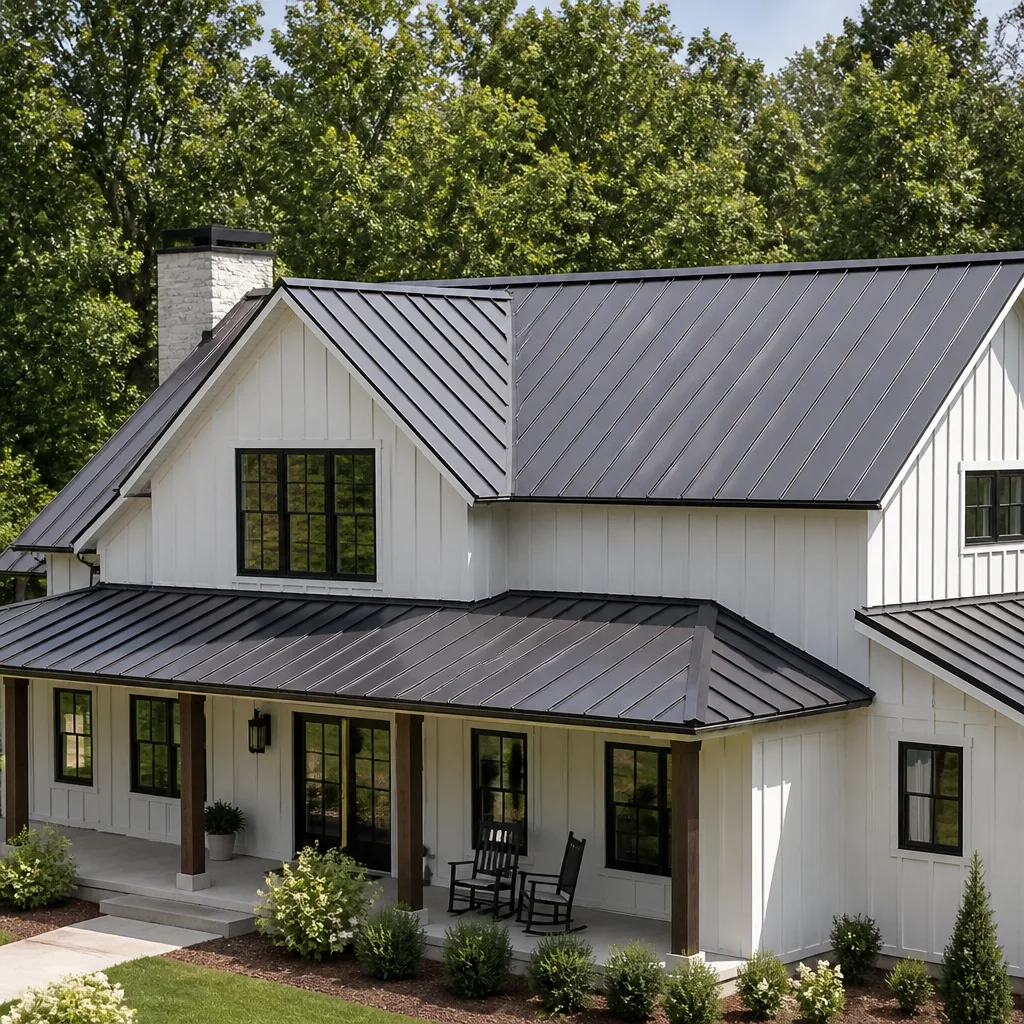 Metal roofing
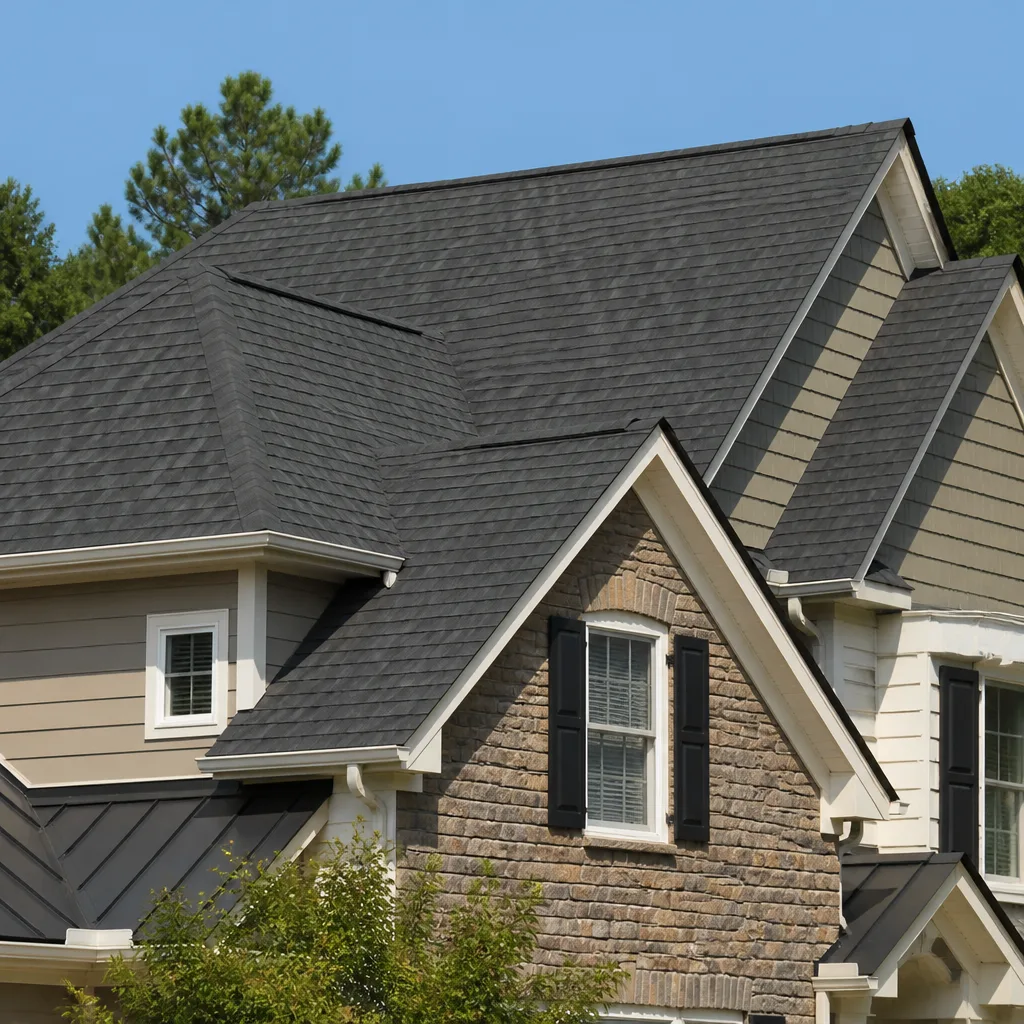 Architectural shingles
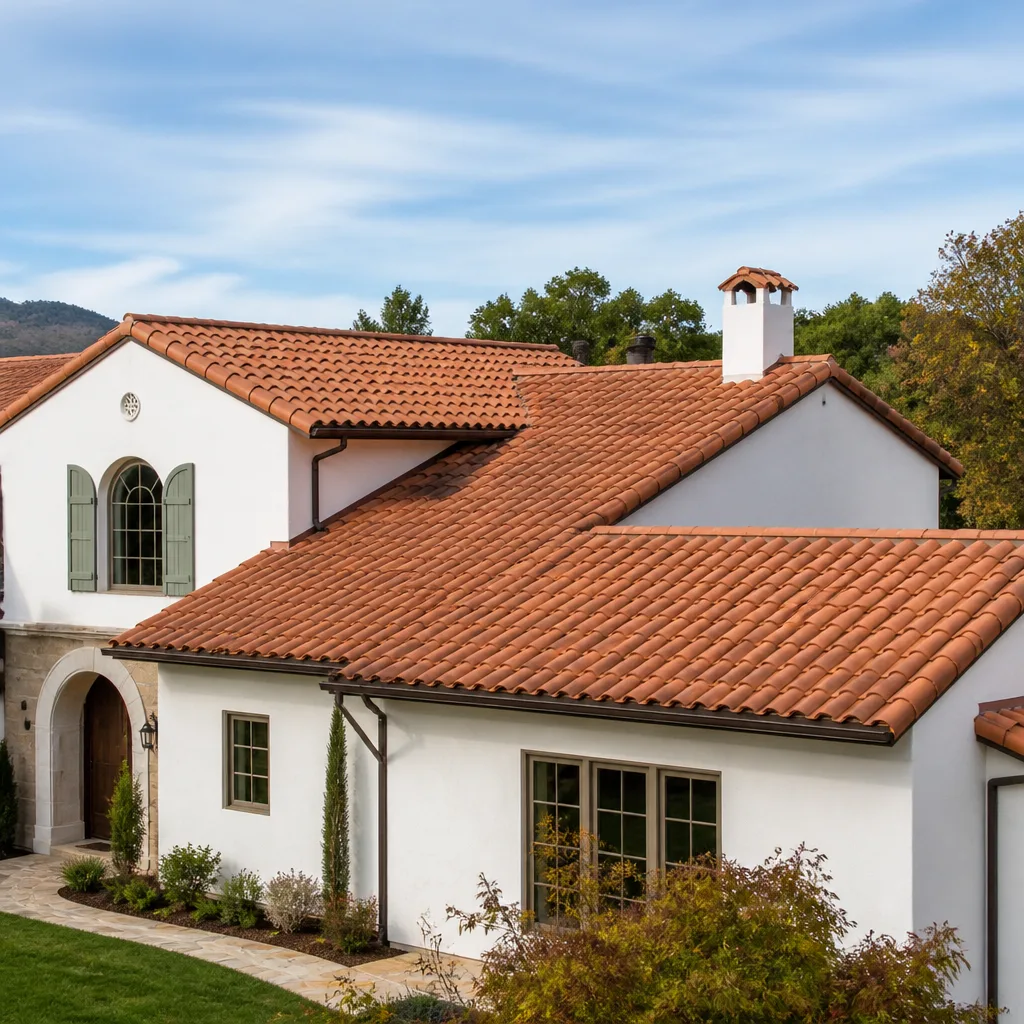 Tile roofing
 GAF
 Owens Corning
 Flat & low-slope
Free roof inspection with deck photos before we talk money - GAF and Owens Corning certified installation
Roofing Cost Breakdown: The Whitney Homeowner’s Reference for 2026
That bid sitting $1,800 under the other two is almost never a bargain. It’s almost always missing something – a decking repair allowance, drip edge, proper tear-off disposal – and you won’t find out until the crew has your shingles on the ground and the foreman walks up holding a change order. We’ve watched Whitney homeowners sign exactly that paper. This reference breaks a Whitney roof replacement into every line item that should appear on a bid, with honest 2026 ranges, so you can read three quotes side by side and spot what’s missing before the tear-off starts.
Quick Answer
A full asphalt shingle roof replacement in Whitney typically runs $14,000 to $26,000 for a standard 2,000 to 2,500 square foot home, depending on shingle grade, roof pitch, and how much decking needs repair underneath. The line-item breakdown matters more than the bottom number, because two bids that differ by $2,000 are usually quoting two different scopes, not two different prices for the same work.
Styles & brands we work with
- Architectural shingles
- Metal roofing
- Tile roofing
- GAF
- Owens Corning
- Flat & low-slope
Table of Contents
- What Are the Actual Cost Components on a Whitney Roof Replacement?
- Why the Decking Repair Allowance Matters More in Whitney
- 3-Tab vs. Architectural vs. Impact-Resistant: The Real Cost in Clark County
- What Drives Price Variation Between Contractors
- How to Compare Bids Apples-to-Apples
- Whitney’s Desert Climate and What It Does to a Roof
- Questions to Ask Before You Sign Anything
What Are the Actual Cost Components on a Whitney Roof Replacement?
Every legitimate bid should break into six buckets. When a contractor hands you a single lump-sum number, ask for the breakdown. If they can’t or won’t produce one, that’s your first warning.
- Materials: $5,000 to $9,500 for a 25 to 30 square roof. This covers shingles, underlayment (synthetic felt, not the old tar paper), starter strip, ridge cap, and valley metal. GAF and CertainTeed architectural lines sit in the middle of this range; premium impact-resistant lines push toward the top.
- Labor: $4,000 to $8,500. Roof pitch and complexity (hips, valleys, dormers) drive the labor number. A simple gable roof is fast. A cut-up hip roof with a dozen penetrations is not.
- Permit: $250 to $600. Clark County requires a permit for re-roofs, and the cost depends on the square footage and valuation. Any bid that omits this line is either skipping the permit or hiding the fee until later.
- Disposal: $600 to $1,200. Tear-off debris on a 25-square roof fills a dumpster or two, plus dump fees.
- Decking contingency: $500 to $3,000. This is an allowance, not a fixed charge. More on this below.
- Flashing and penetrations: $400 to $1,400. Drip edge, step flashing at walls, pipe boots, skylight flashing. Skipped more often than any other line on a cheap bid.
Add those up and you get the $14,000 to $26,000 range. If a bid lands well under it, the difference came out of one of those six buckets, not out of the contractor’s profit margin.
Why the Decking Repair Allowance Matters More in Whitney
A decking allowance is a set dollar amount in the contract – usually $500 to $3,000 – reserved for replacing rotted sheathing discovered during tear-off. On a newer house, the allowance sits untouched. On Whitney’s older housing stock, it gets spent.
Much of the housing around Whitney and the surrounding East 95 corridor dates back decades, and desert heat is unforgiving on roof decking. Plywood and OSB that has baked through twenty Southern Nevada summers and taken in the occasional monsoon leak can delaminate or rot at the eaves, around chimneys, and anywhere a prior repair was patched without proper flashing. When the crew tears off the old shingles and finds soft sheathing, there are exactly two outcomes: you had an allowance written into the contract, or you get a change order at $85 to $150 per sheet after the fact.
Here’s how to protect yourself, in writing:
- Ask for the decking allowance as a separate, itemized line in the contract, not buried in “miscellaneous.”
- Get the per-sheet rate for replacement spelled out (both for plywood/OSB and for that square footage).
- Ask what happens to unspent allowance. A fair contract credits it back or adjusts the final invoice. A contractor who keeps it is collecting money for work never done.
- Require photos of any decking replaced, taken before the new felt goes down.
A contractor who balks at writing this into the contract is telling you something. Listen.
3-Tab vs. Architectural vs. Impact-Resistant: The Real Cost in Clark County
Shingle grade is where the biggest price jump happens, and where the Clark County insurance math gets interesting. Here’s how the three main grades compare on total installed cost for a typical Whitney home:
- 3-tab shingles: $13,500 to $17,000 installed. The economy option. Around 60 mph wind rating, 20 to 25 year lifespan. Fewer contractors are installing these, and some name brands have thinned their 3-tab lines. Fine for a rental or a budget-conscious replacement, but you’ll replace it sooner.
- Architectural (dimensional) shingles: $15,000 to $22,000 installed. The standard for most Whitney replacements. GAF Timberline and CertainTeed Landmark are the two lines we set most often. 110 to 130 mph wind ratings, 25 to 30 year lifespans, thicker profile that better handles desert heat cycling.
- Impact-resistant (Class 4): $18,000 to $26,000 installed. These carry the highest upfront cost but the lowest long-term cost – more on that below.
Whitney sits in hail country. The valley gets hail events most springs, and the insurance offset on Class 4 shingles is real: many Nevada carriers offer a premium discount of 15 to 28 percent on a homeowner’s policy when the roof carries a Class 4 rating. On a $2,100 annual policy, that’s $315 to $590 a year back in your pocket. Over a 25 year shingle life, that offset easily covers the $2,000 to $4,000 premium you paid for the upgrade, and that’s before counting the deductible you may avoid on a future hail claim.
Ask your insurance agent to quote the discount in writing before you finalize the shingle choice. The math usually favors Class 4 for anyone planning to stay in the home more than a decade.
What Drives Price Variation Between Contractors
Two legitimate contractors can submit bids for the same roof that differ by $3,000 and both be fair. Here’s what explains that gap:
- Crew size and speed: A larger crew finishes in two days and costs more per day. A smaller crew takes four days and costs less. Neither is wrong; both have overhead.
- Material grade within a category: A 30-year architectural shingle and a 50-year architectural shingle sit in the same category but differ by $2,000 or more.
- Warranty terms: A manufacturer’s warranty is transferable only if installed to spec and registered. Contractors who register the warranty and hand you the paperwork are quoting labor you’ll value in ten years.
- Overhead: An established contractor with a real address, insurance, and a license number carries legitimate overhead a fly-by-night operator doesn’t. That overhead shows up in the bid and protects you.
Different story when the price gap is between a legitimate contractor and a storm chaser. The chaser’s quote is low because steps are skipped: no permit, no underlayment upgrade, old flashing reused, tear-off debris left in your side yard, and the decking allowance omitted entirely so the cheap number holds until the first rain. The tell: an out-of-state phone number, no physical address you can drive past, and pressure to sign within 24 hours.
Same address since 1996 is the kind of thing you can verify. Ask the storm chasers where theirs is.
How to Compare Bids Apples-to-Apples
Contractors who quote different scopes will confuse you on price every time. Fix that with a lined comparison sheet. Here’s the process:
- Ask every bidder to quote the same shingle line (for example, GAF Timberline HDZ in a specified color) so material-grade differences don’t hide in the total.
- Require each bid to break out the six components above: materials, labor, permit, disposal, decking allowance, flashing.
- Note the square count on each bid. A roof is measured in squares (100 square feet each) – ask any bidder how many they counted. If one says 24 and another says 30, find out who measured what before you trust either number.
- Confirm the disposal line specifies dumpster rental and dump fees, not “clean-up.”
- Require the permit line, with the permit included. Any contractor proposing to let you pull your own homeowner’s permit is shifting liability onto you.
- Check that flashing and every penetration is listed. If the bid doesn’t mention drip edge, it isn’t included.
- Ask what happens if the timeline slips. The contract should spell out the schedule and penalties or remedies.
Three bids on the same comparison sheet usually reveal which one has the missing steps within twenty minutes. And if you want a second set of eyes on a bid you’ve already received, ask for a free second opinion on any written estimate – it costs nothing and we’ll tell you straight if the bid looks fair or short.
Whitney’s Desert Climate and What It Does to a Roof
Southern Nevada roofs take a beating no manufacturer marketing photo captures. Summer surface temperatures on a Whitney roof can reach 160 degrees or higher. That thermal cycling – hot day, cool night, over and over – works nails loose, dries out sealant, and shrinks flashing around penetrations. Monsoon season from July through September puts sudden hard rain on a roof that has baked all summer, and that’s when the tiny leaks become visible ceiling stains.
Two climate-driven cost realities for Whitney homeowners:
- Underlayment degrades faster than the shingles on top. A 30-year shingle can sit over underlayment that’s worn thin at 18 years. When you replace, insist on synthetic felt or a self-adhered underlayment, not the old organic felt. It costs a few hundred dollars more and buys years of protection.
- Attic ventilation affects cost, not just comfort. Poorly ventilated attics drive roof deck heat up and shorten shingle life on the sun-facing slopes. During a replacement, adding ridge vent with proper soffit intake is a modest line item ($300 to $700) that pays back over the life of the roof.
Whitney sits on the eastern edge of the valley, and dust and wind exposure along the East 95 corridor are part of the story too. Wind-blown dust collects under loose flashing and around chimney crickets. If your bid doesn’t include an inspection of every penetration and a plan for the flashing at walls, you’re buying a shingle job, not a roofing job.
Questions to Ask Before You Sign Anything
These are the questions that separate a fair bid from a costly one. Ask every contractor:
- What’s your Nevada contractor’s license number? (Verify it with the state before you sign.)
- Is the decking allowance written into the contract, and at what per-sheet rate?
- Will you pull the Clark County permit, and will you show me the inspection sign-off when the job’s done?
- Which underlayment are you specifying – synthetic or organic?
- What does your written workmanship warranty cover, and for how long?
- Can I see photos of the decking before the new felt goes down?
- What’s your physical address, so I can drive by?
- If there’s a problem after the job, who do I call, and will they answer?
The 90-Day Done Right Promise that comes on every job we do is written down for exactly this reason: if it’s not right, one call brings us back. That promise isn’t a marketing flourish. It’s the contract language that answers question eight.
For a closer look at the specific services behind these costs, see our pages on roof repair in Whitney and roof replacement and installation in Whitney. If metal is on your list, we cover it in detail on our metal roofing in Whitney page. And for the full picture of how we work, start at the Shepherd & Sons Roofing Whitney home page.
Common Mistakes to Avoid
- Choosing the cheapest bid before comparing scopes. The low bid is almost always missing decking allowance, drip edge, or proper disposal. Compare the line items, not the total.
- Skipping the permit to save $400. Clark County requires a permit for re-roofs, and unpermitted work can complicate a future sale, an insurance claim, or a warranty call. The permit is protection, not a fee.
- Letting a contractor talk you out of the decking allowance “because your roof looks fine.” Nobody knows what’s under those shingles until they’re off. The allowance exists for what gets discovered, not what gets guessed.
- Reusing the old flashing to shave cost. On a Whitney roof that’s baked through twenty summers, old pipe boots and wall flashing are often the first failure point. Replacing them is $400 to $1,400 well spent.
- Signing with a storm chaser who knocks after a hail event. No local address, no license number you can look up, pressure to sign today. Ask where their shop is. Then ask yourself whose phone number you’ll have when the sealant peels in two years.
- Skipping the second opinion on your first bid. A free second opinion on a written estimate costs you nothing and occasionally catches a $1,200 omission.
- Paying in full upfront. A fair contract uses a deposit and progress payments. Full payment before the crew arrives is a red flag.
See the difference
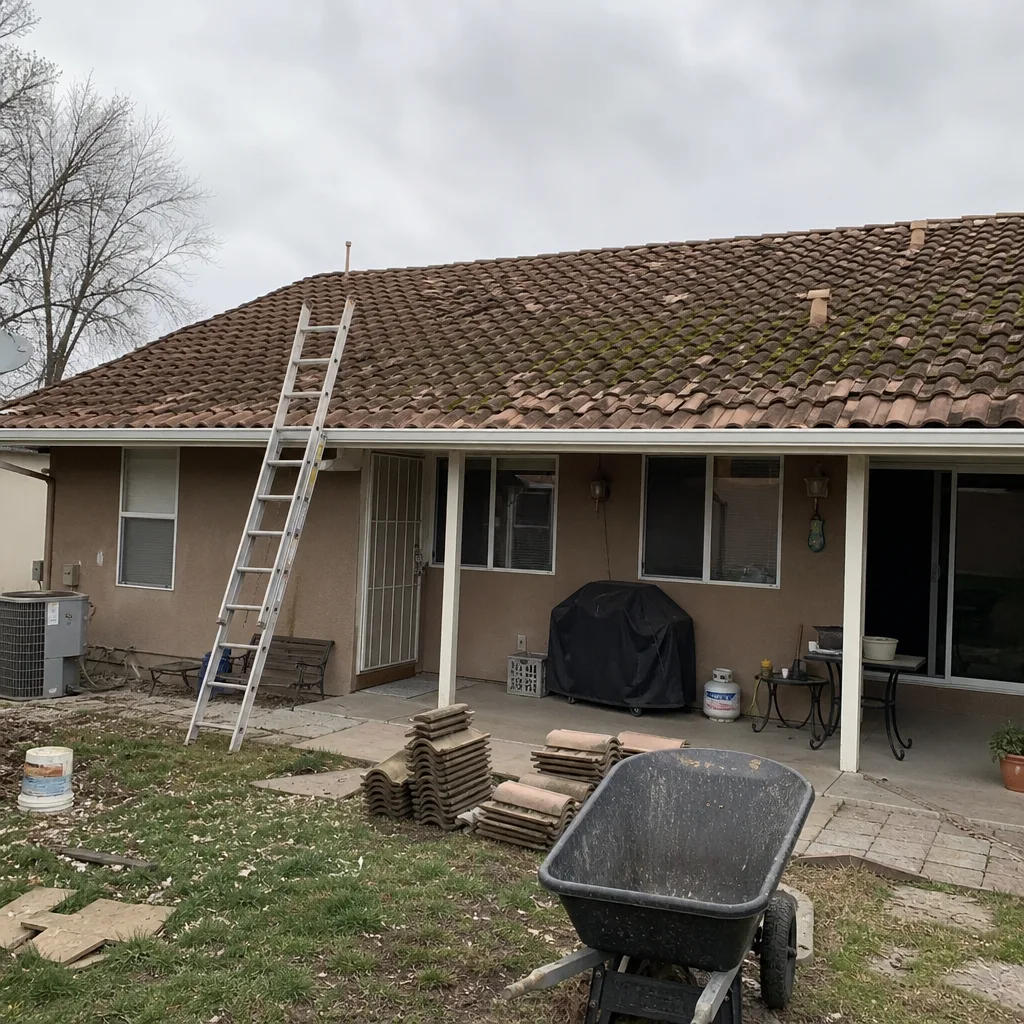 Before
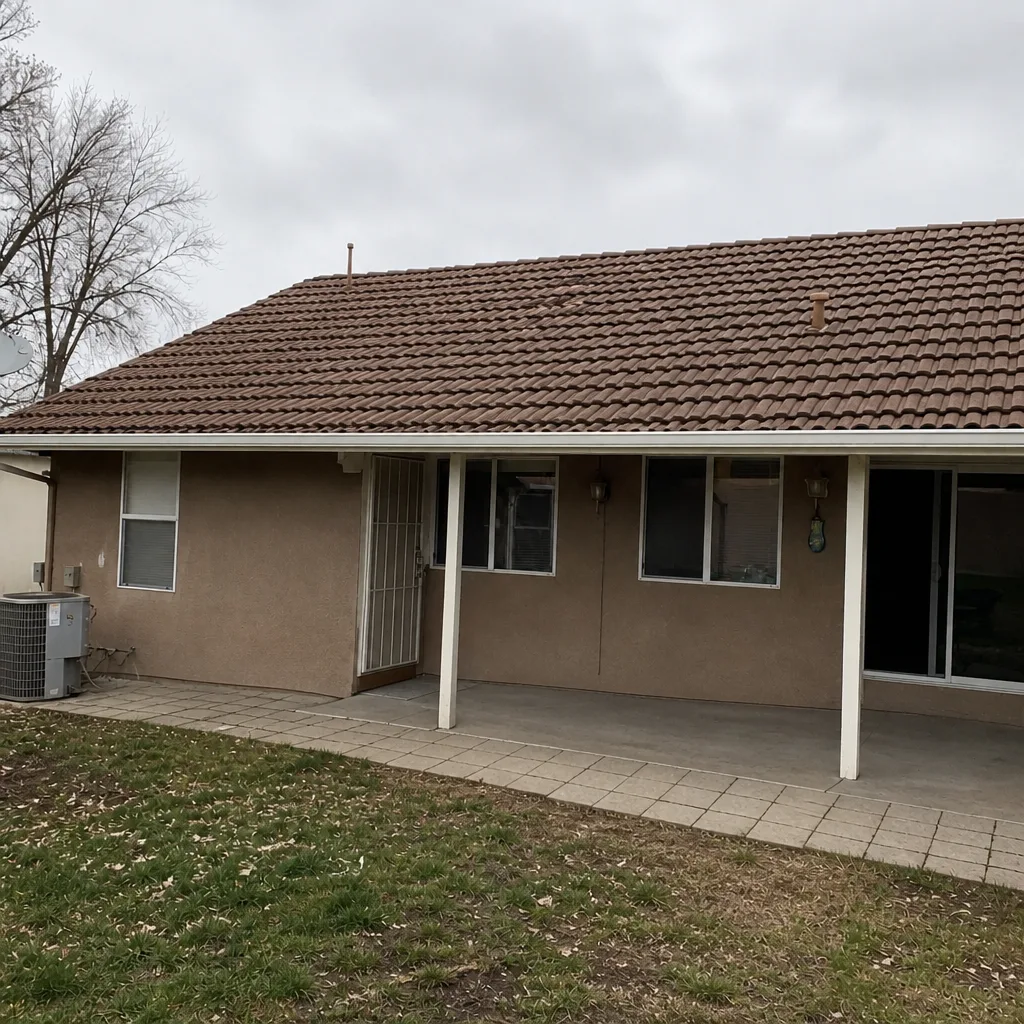 After
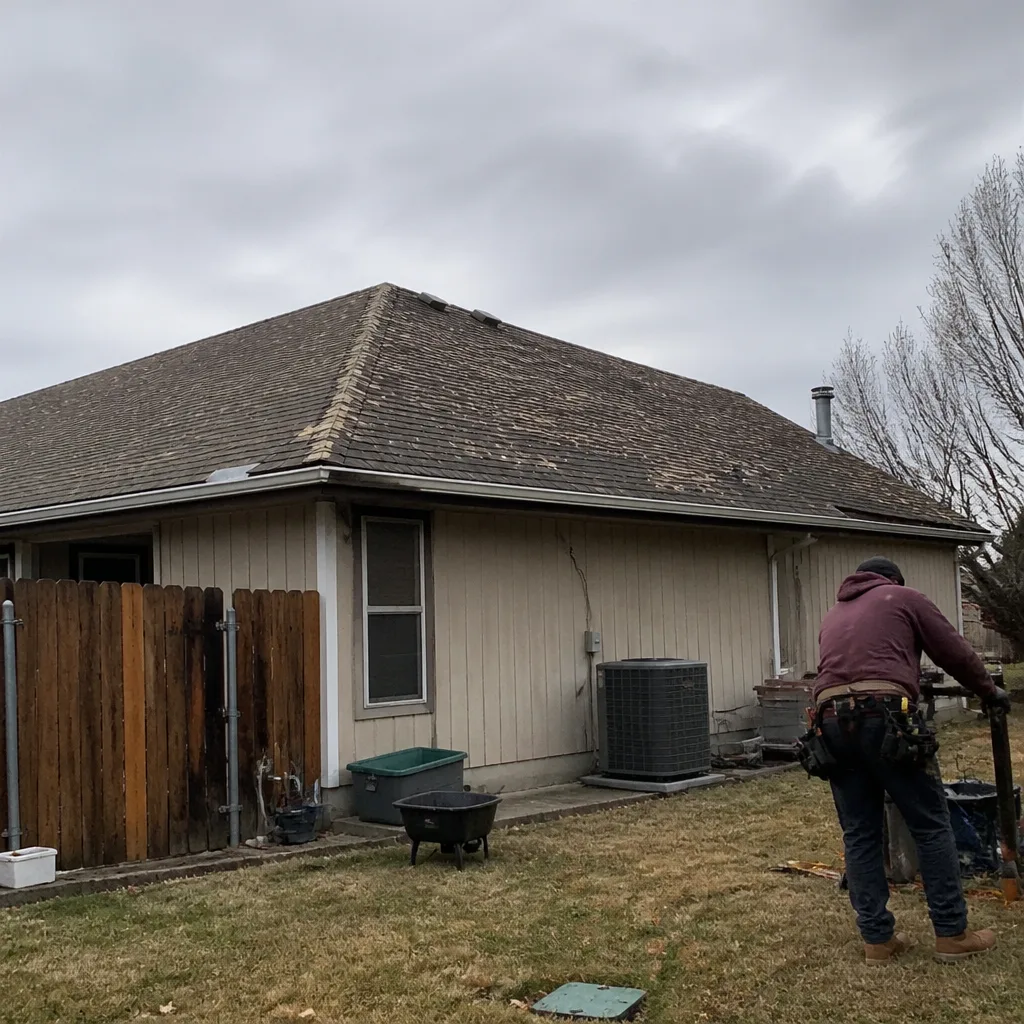 Before
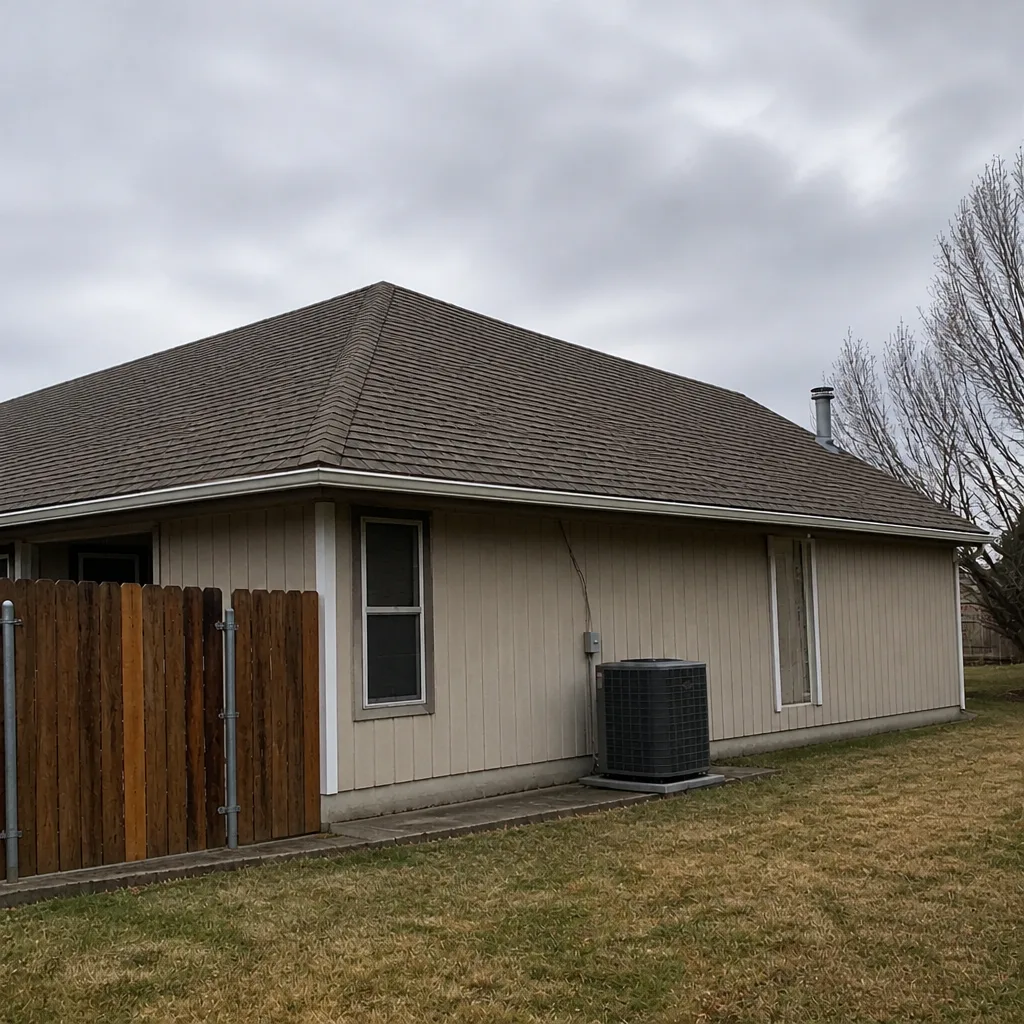 After
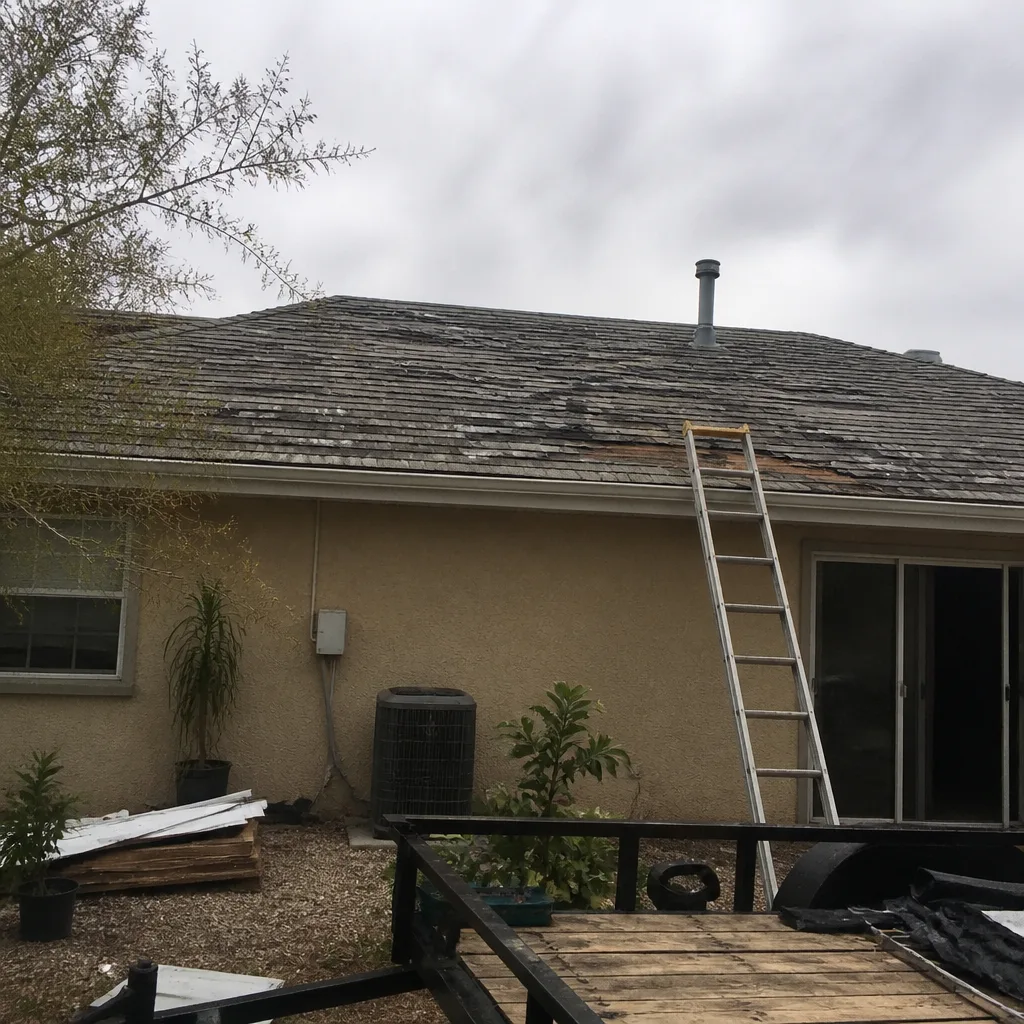 Before
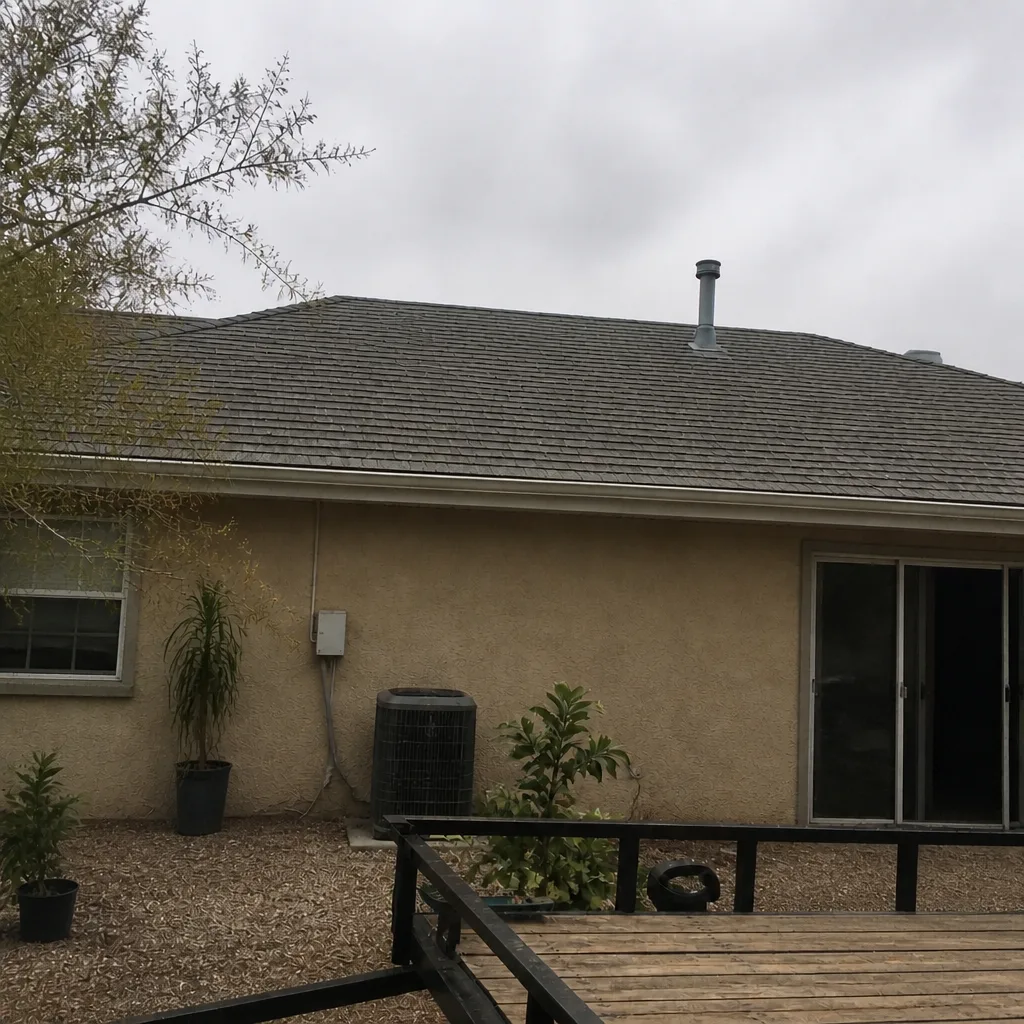 After
When to Call a Professional
Some roof problems warrant a look from a trained eye, not a ladder and a tube of caulk. Call if you’re seeing granules collecting in gutters at an accelerating rate, if you’ve noticed a water stain on a ceiling after a monsoon, if shingles are lifting or missing after a wind event, if any flashing has pulled away from a wall or chimney, or if your roof is simply past 18 to 20 years old and you’re deciding whether to repair or replace. Around Whitney, we’ve been called out on plenty of roofs where a homeowner sealed a leak from above and the real problem was decking rot spread across four sheets underneath. That’s the kind of thing you want a trained roofer to find before you spend money on a repair you’ll redo next year. Shepherd & Sons Roofing Whitney offers free estimates in Whitney – call (844) 797-9455 and we’ll come out and walk the roof with you.
Frequently Asked Questions
Most Whitney roof replacements run $14,000 to $26,000 for a 2,000 to 2,500 square foot home, with architectural shingles averaging around $15,000 to $22,000 installed. The exact number depends on shingle grade, roof complexity, and the decking allowance. Call (844) 797-9455 for a free written estimate on your specific roof.
Not unless the contract allows it. The two legitimate reasons a Whitney bill changes are decking discovered under the tear-off and a change you request mid-job. Both should be covered by written line items before a nail comes off the roof. Any other surprise charge is a sign the bid was padded short, not that the work was underestimated.
Yes. Clark County requires a permit for re-roofs, and the permit comes with an inspection that confirms the decking, flashing, and nailing meet code. A legitimate contractor will pull it and show you the sign-off. Any bid that omits the permit line is either hiding a fee or planning to skip the county’s oversight.
For most Whitney homeowners, yes. Class 4 impact-resistant shingles cost $2,000 to $4,000 more than standard architectural, and many Nevada insurers offer a 15 to 28 percent premium discount on homes with a Class 4 rating. Factor that discount against your annual premium and the upgrade usually pays back in seven to twelve years, before counting avoided hail damage. Call (844) 797-9455 for a quote that shows the numbers side by side.
A standard Whitney home takes one to three days of active work, weather permitting. Roofs with heavy decking repair, dormers, or complicated valleys take longer. Plan on a week of calendar time to cover material delivery, tear-off, install, and cleanup, and ask each contractor to spell out their schedule in the contract.
A decking allowance is a dollar amount in the contract reserved for replacing rotted sheathing found during tear-off, usually $500 to $3,000. It matters in Whitney because older housing stock accumulates heat and water damage that isn’t visible from outside. Without the allowance, that cost lands as a change order at $85 to $150 per sheet after the tear-off starts. Ask for it in writing.
The Bottom Line
A roof replacement is one of the largest checks a homeowner writes, and the price signal most people use – the bottom-line number – is the least useful one. The line items tell you the truth. A bid with a written decking allowance, a permit included, synthetic underlayment specified, flashing and disposal itemized, and a real local address behind it is worth $2,000 more than a cheaper bid that skips those steps, because you’ll pay that $2,000 back in change orders within a week of tear-off. Read the six components. Compare on the same sheet. And when a contractor knocks after a hail event, ask where their shop is.
Shepherd & Sons Roofing Whitney pulls Clark County permits, writes the decking allowance into every contract, and puts the 90-Day Done Right Promise in writing on every job. Our technicians have up to 30 years of experience, and a live person answers the phone around the clock. The next call you make should be a free estimate, not a change order. Call (844) 797-9455 today.
Written by the team at Shepherd & Sons Roofing Whitney.