
Last updated November 18, 2026
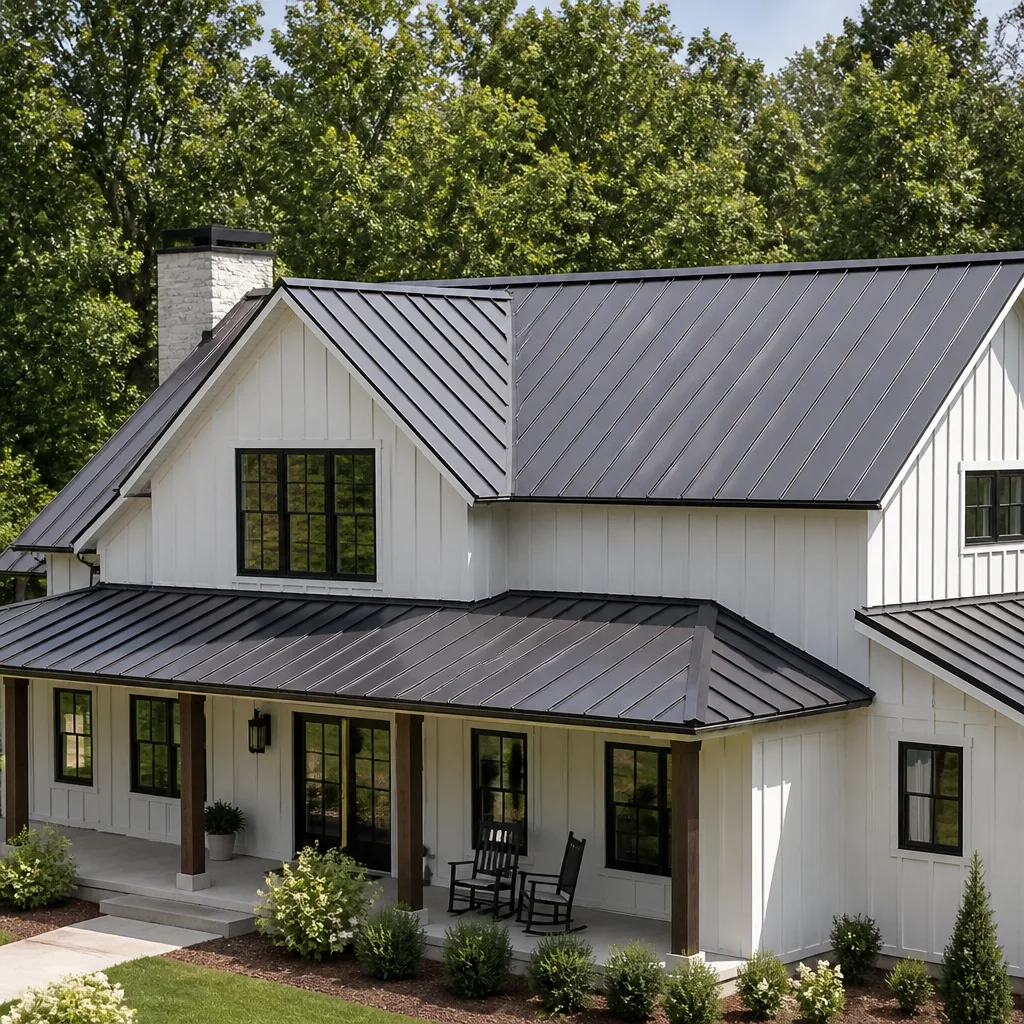 Metal roofing
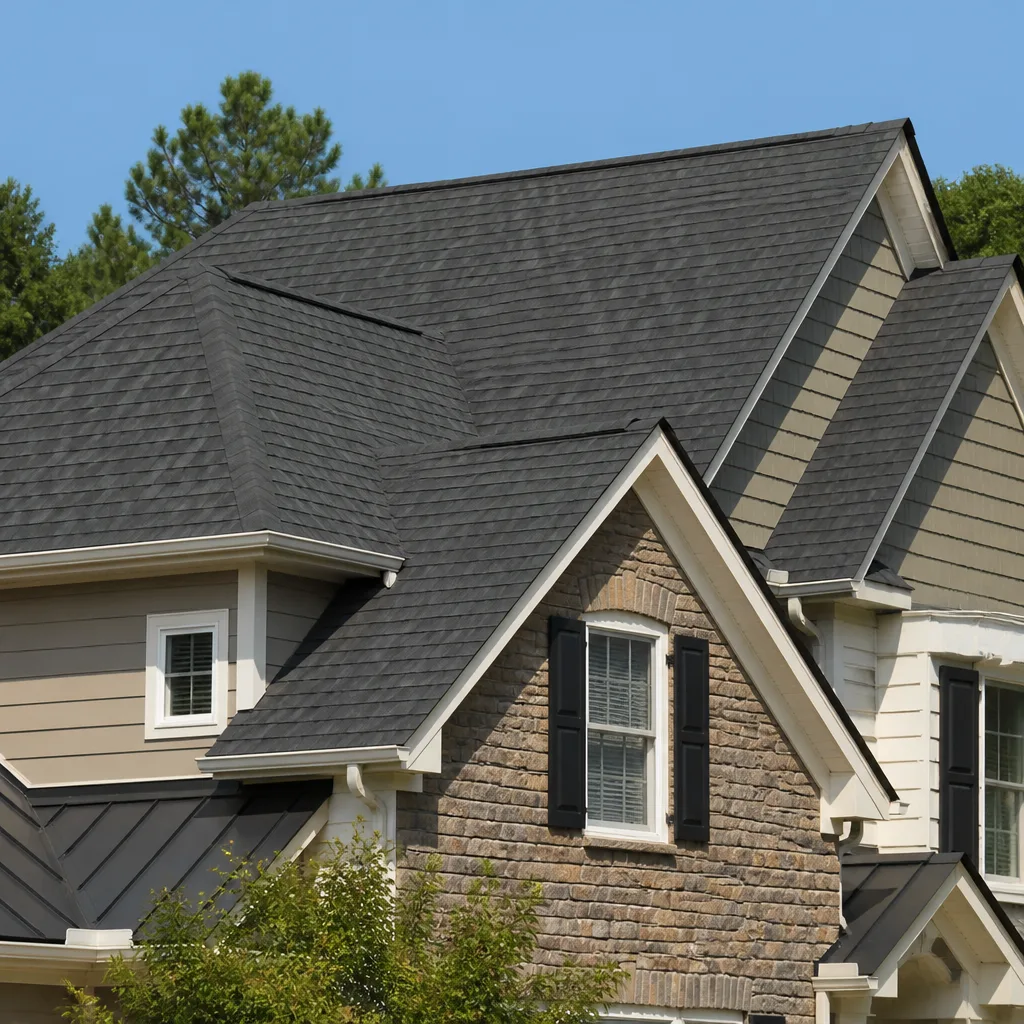 Architectural shingles
 Tile roofing
 GAF
 Owens Corning
 Flat & low-slope
Free roof inspection with deck photos before we talk money - GAF and Owens Corning certified installation
Specialty Roofing Warning Signs Every Homeowner Should Know
Alligatoring on a foam roof looks like something out of a horror movie. The surface cracks into scaly, raised plates, and it’s easy to shrug off because, well, the roof isn’t leaking yet. But that cracking is the last clear warning before water pushes into the foam layer itself, and the repair bill that follows runs four to ten times the cost of recoating. Here’s the part that catches people in Whitney off guard: the warning signs on a foam roof look almost nothing like the warning signs on standing seam metal, modified bitumen, or tile. This guide walks you through what to look for on each system, what’s cosmetic versus what’s serious, and when to call.
Quick Answer
Specialty roofing warning signs are system-specific. On foam, watch for alligatoring, blistering, and exposed mesh. On metal, fastener rust streaks and oil-canning near ridges. On modified bitumen, lifting seams and bald patches. On low-slope specialty roofs, ponding water is both a roofing and structural sign. Interior ceiling stains and their shapes tell you which. When any of these show up in Whitney, get a free second opinion on any written estimate before you sign anything.
Styles & brands we work with
- Architectural shingles
- Metal roofing
- Tile roofing
- GAF
- Owens Corning
- Flat & low-slope
Table of Contents
- Why Specialty Roofing Fails Differently
- Foam Roof Warning Signs: Alligatoring, Blistering, Exposed Mesh
- Metal Roof Warning Signs: Fastener Rust and Oil-Canning
- Modified Bitumen: Lifting Seams and Granule Loss
- Interior Signs That Point to Specialty Roof Failure
- Ponding Water on Low-Slope Specialty Roofs
- The Post-Storm Inspection Sequence for Each Roof Type
- Warning Signs a Previous Specialty Repair Was Done Wrong
Why Specialty Roofing Fails Differently
Every roofing system fails in its own language, and specialty systems speak the loudest. On an asphalt shingle roof, the first signs are curling tab corners and granules in the gutter. On specialty systems, the failure often starts underneath a coating or behind a panel where you can’t see it, and by the time it shows on the surface, it’s been working for a while.
We’ve seen this over and over in Whitney. A foam roof that looks fine from the driveway can have water sitting against the foam deck because the coating has worn thin in one traffic area. A standing seam metal roof can hold a perfect line from the curb while the fasteners at the ridge have been weeping rust into the panels for two seasons. The systems look tough. That’s exactly what makes the warning signs so easy to miss.
There’s also a timing problem specific to our high desert climate. Whitney sits in a cycle of dry years, occasional hard monsoon bursts, and winter freezes that drop fast after a warm day. Specialty coatings and membranes expand and contract hard on that cycle. The materials are built for it, but the seams and edges take the beating. That’s where we find the first signs nine times out of ten.
So the practical rule is this: don’t compare your specialty roof to your neighbor’s shingle roof. Compare it to what a specialty roof of the same type is supposed to look like. The sections below walk through each one.
Foam Roof Warning Signs: Alligatoring, Blistering, Exposed Mesh
Sprayed polyurethane foam is one of the most common low-slope roofs in our area, and the coating is the whole game. The foam underneath is meant to be sealed. Once the coating breaks down, the foam is exposed and it soaks up water like a sponge. There’s no leak yet, then there’s a leak, and the foam under the leak is permanently damaged.
Here’s what to look for, in order of seriousness:
- Alligatoring: The surface cracks into a pattern of raised plates that looks like alligator skin. This is the coating breaking down. It’s the stage where a recoat is still a recoat.
- Blistering: Bubbles or soft areas where the coating has pulled away from the foam. Press gently with a screwdriver handle and see if it flexes. A blister means water is already getting in.
- Exposed mesh or foam: Any spot where you can see the reinforcing fabric or bare foam through a worn patch. This is urgent.
- Chalking and fading: Cosmetic in the early stage, but it tells you the coating is thinning faster than the rest of the roof.
- Ponding around drains: A foam roof should shed water. If it’s holding it against a drain or scupper, the coating there will fail first.
The reason alligatoring is so dangerous is that it’s easy to rationalize. The roof is not leaking. The foam looks intact under those cracks. But the cracks are how water gets to the foam in the first place, and once it does, a recoating job that would have cost a few hundred dollars becomes a foam replacement that runs into the thousands. If we catch it in Whitney during a routine repair call, we take photos and show the customer exactly which square footage is affected. Bill will show you the photos before we talk money, every time.
Metal Roof Warning Signs: Fastener Rust and Oil-Canning
Standing seam metal is a great roof for Whitney, and we install it right. But no metal roof is maintenance-free, and the warning signs are specific. If you know what to look for, you can catch most metal problems while they’re still cheap.
Here’s the sequence we walk homeowners through:
- Rust streaks below fasteners. Look for thin brown lines running downslope from any screw, screw head, or penetration. That streak is water getting past the fastener. On a standing seam roof, the fasteners are hidden under the ribs, so any rust at the ribs or ridge cap is the signal to look closer.
- Oil-canning near ridges and hips. That’s the rippling or wavy look in the panels that flexes when you press on it. Some oil-canning is normal and cosmetic. When it appears suddenly, or when it shows up right at the ridge or in one panel after a storm, that panel is moving more than it should be, and the fasteners are working loose.
- Lifted ridge cap or ridge cover. The peak is the highest-wind area on the roof. If the ridge cap is lifting or the caulk line along it is cracking, wind-driven rain gets in.
- Loose or backed-out fasteners. Especially in the field panels, not the trim. A loose fastener is a slow leak.
- Dents, edge damage, or oil-canned panels after hail. Even a thin-gauge panel can deform from a hard hail hit, and a deformed panel doesn’t sit tight around its fasteners anymore.
The single most useful thing to check on your metal roof is the fastener line along the ridge. That’s where the wind and the rain hit, and that’s where we find the first leak in Whitney almost every time. If you see rust streaks there, get it looked at before the next monsoon rolls through. You can read more about our metal sheet work on our Metal Roofing in Whitney page.
Modified Bitumen: Lifting Seams and Granule Loss
Modified bitumen is the workhorse low-slope roof on a lot of Whitney homes, and it fails in its own pattern. The material is a rolled sheet system with seams that are meant to hold tight, and the seams are where it starts.
- Lifting seams. The overlap where one roll meets the next starts to curl or lift. Water gets under the seam and runs sideways across the roof, not straight down to where you’d expect a leak.
- Surface granule loss. The mineral granules protect the asphalt. If you’re finding granules in the gutter, at the low edge of the roof, or in piles near a drain, the sheet is losing its protective layer faster than normal, and it’s aging out.
- Alligator cracking in the surface. Yes, modified bitumen does this too. It’s a sign the asphalt in the sheet is dying.
- Blisters and ridges. A raised ridge or bubble in the sheet means trapped moisture or a bonding failure. The ridge is a place where the sheet will tear.
- Crumbling at the terminations. Look at the edges and where the roof meets a wall. If the sealant or the termination flashing is crumbling, that’s the leading edge of a leak.
In our experience working Whitney roofs, the modified bitumen failures we find most often are seam lifts that happened over one hot week in late spring. The sheet relaxes, the seam pops, and the first heavy monsoon rain asks the question. A lifted seam costs very little to re-seal. A wet deck costs a lot. If your roof is more than a few years old and you haven’t looked at the seams, walk it. It takes ten minutes.
Interior Signs That Point to Specialty Roof Failure
Interior signs matter because they’re your second warning, and sometimes your only warning if the roof isn’t visible from the ground. The pattern matters more than the stain itself. A stain directly under a point on a pitched roof says one thing. A stain that spreads along a ceiling near a low-slope drainage area on a specialty roof says something else.
Here’s what different interior signs point to:
- Long, spreading stains on a ceiling under a low-slope roof. This is the classic specialty roof sign. Water from a foam or modified bitumen seam runs sideways across the deck before it finds a way down. It shows up as a wide, flat-looking stain instead of a tight circle.
- Stains that reappear in the same spot after every hard rain. A seam or a fastener letting in a little at a time.
- Stains that grow along a wall line or ceiling edge. This often points to a wall flashing or termination, not the field of the roof.
- Soft or sagging drywall or ceiling texture. Stop and call someone. Water is pooling overhead.
- Musty smell in a room under a low-slope roof. Even without a visible stain, this is a sign of moisture in the deck or insulation.
- Rust on nail heads or metal ceiling fasteners. Water is weeping along the fasteners from above.
Take a picture of every stain you find and measure how wide it is. If a stain is bigger than a dinner plate, or if it’s growing, that’s the call. For specialty roof repairs in Whitney, we can look at the photos with you and tell you whether it’s an active leak or an old one that’s dry. That’s part of why we offer a free second opinion on any written estimate: we’d rather tell you the roof is fine than sell you work you don’t need.
Ponding Water on Low-Slope Specialty Roofs
Ponding water is the warning sign that straddles two problems, and that’s why it catches people. Sometimes it’s a roofing problem. Sometimes it’s a structural problem the roof is telling you about. The two look the same from the ground, and the wrong fix on either one is expensive.
Water on a low-slope specialty roof in Whitney should drain off within roughly two days after rain. If it sits longer than that, one of these is happening:
- Clogged or undersized drains and scuppers. This is the roofing problem. The roof pitch is fine; the drains are blocked with debris, or they were undersized from the start.
- A failed pitch to the drain. This is also a roofing problem, but a bigger one. The foam or the sheet material has settled or was installed without enough slope, and the water can’t leave.
- Deck deflection. This is the structural problem. A low spot in the middle of the roof is a sagging deck, and no amount of recoating or re-flashing will fix it. The structure has to be addressed or the roof keeps ponding in the same place.
We’ve seen Whitney homeowners pay for a partial reroot of a ponding area only to have the pond come back two seasons later, because the actual problem was a sagging deck. Before you spend money on a repair, know which of the three you’re looking at. On a specialty system, the surface symptom is the least reliable part of the picture.
The Post-Storm Inspection Sequence for Each Roof Type
After a storm, everyone wants to get on the roof. Don’t. Specialty roof systems have traffic areas that matter, and more importantly, wet coating, slick metal, and loose panels are a fall hazard. Use binoculars from the ground first, then inspect your ceiling inside. When it’s safe and dry, get up there with care.
Here’s the sequence Bill recommends after a storm in Whitney, by system:
Foam Roofs
- Check from the ground for new blisters or large-scale alligatoring on the side that took the wind.
- Inside, look for new ceiling stains under the low-slope section.
- On the roof, check the coating around every penetration, drain, and scupper. Hail and wind hit those first.
- Press any blister gently. If it’s soft, it’s holding water.
Metal Roofs
- Walk the yard and check for panels, trim, and screws that came off.
- From the ground, look for oil-canning, lifted ridge cap, or dents on the wind-facing slope.
- On the roof, back-check every fastener along the ridge and the field panels on the storm side.
- Look for rust streaks under fasteners you didn’t see before the storm.
Modified Bitumen
- From the ground, look for granule piles in gutters and at the low edge of the roof.
- On the roof, walk every seam with a hand on it. Lift a corner and see if it wants to stay down.
- Look for tears along the terminations and where the sheet meets penetrations.
- Check the drains for debris from the storm. A blocked drain after a hard rain is how a lot of these roofs leak.
If you don’t want to get on the roof, that’s the smart instinct and it’s fine. Call us. A live person answers the phone 24/7, including nights and weekends after a storm, and Bill will come out and do the walk. Same address since 1996. Ask the storm chasers where theirs is.
Warning Signs a Previous Specialty Repair Was Done Wrong
Some of the worst specialty roof problems we see in Whitney started as a repair that was done wrong. The homeowner paid for a fix, the fix failed quietly, and now the fix has to be fixed. Here’s what improper repairs look like from the surface on each system:
- Improper foam patching. Fresh foam sprayed into an area where the coating wasn’t properly cleaned and primed. It looks like a raised, uneven lump that’s not tied into the surrounding coating, and it will peel at the edges. You’ll see a visible seam around the patch.
- Wrong-gauge metal flashing. Flashing that’s too thin to hold its shape, or that’s mismatched in thickness to the existing metal roof. It will look wavy, and it will lift at the edge where it was supposed to seal.
- DIY sealant application. A thick, ugly bead of sealant or caulk smeared over a seam instead of a proper repair. It looks like a black or gray caterpillar running along the seam, and it’s already cracked or peeling. Sealant is a temporary patch, not a repair, and the wrong sealant actually traps water and makes the leak worse.
- Screws driven next to the old screw holes. You’ll see a row of new screw holes right beside the old ones on metal panels. This is a repair shortcut that fails the next time the wind kicks up.
- Re-roofing over wet decking. No way to see this from the surface, but you can often spot the consequence: a section of roof that dips or sags more than the rest. That’s a sign the deck under it was already soft when the repair went on.
This is the reason Bill shows photos before handing you a bid. A bad repair hides. A good one shows its work. If you suspect a repair on your specialty roof was done wrong, that’s exactly what a free second opinion is for. If it’s a repair over $200, the $40 off repair offer applies. If it’s a specialty repair or replacement that needs to be redone, we’ll write out a line-item estimate so you can see exactly what’s being corrected.
Common Mistakes to Avoid
- Waiting for the leak before you call. On specialty systems, the surface warning shows up before the leak, and that’s the window where the repair is cheap. Once water is in the foam or past the failed seam, the math changes.
- Caulking a seam on a metal roof and calling it done. Sealant is a short-term patch. It hides the problem and often makes it worse by trapping water.
- Comparing a specialty roof to a shingle roof. A curly shingle tab on asphalt has no equivalent on foam or metal. Learn what normal looks like on your system before you decide something is fine or something is failing.
- Letting a storm chaser talk you into a full replacement from a driveway photo. These out-of-state crews follow every hail event. Ask for the license number and a real address. A roofer with a working number and a local address is a roofer you can find again.
- Ignoring ponding water because “it drains eventually.” It drains eventually right up until it doesn’t. Ponding on a low-slope specialty roof in Whitney is a warning about the deck, the drain, or both.
- Paying for a repair without a written scope. No written estimate means no way to know what was actually corrected. Free second opinion on any written estimate we’re asked to look at, so get the first one in writing before you call.
- Climbing on a wet specialty roof yourself. Metal is slick, foam cracks under a hard boot when the coating is cold, and wet modified bitumen is like walking on ice. Get the binoculars and let a trained person walk it.
See the difference
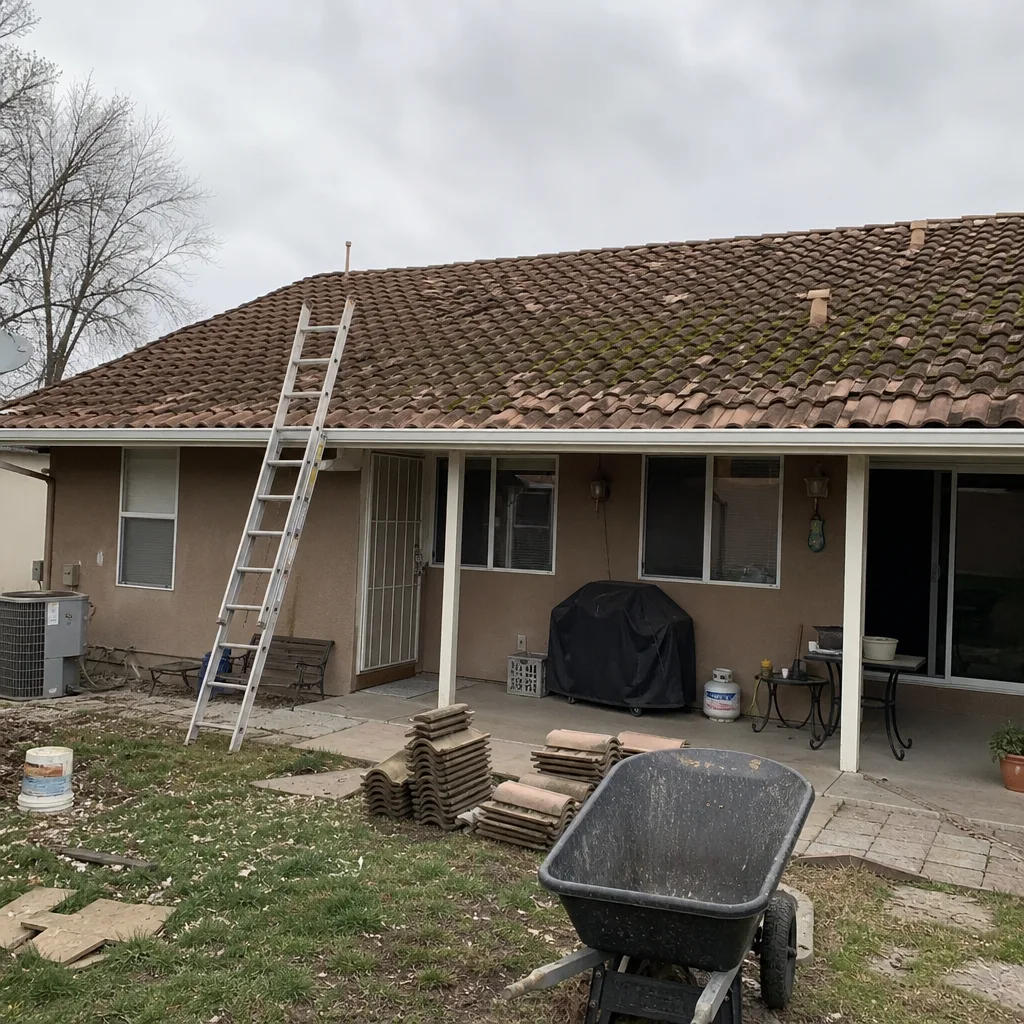 Before
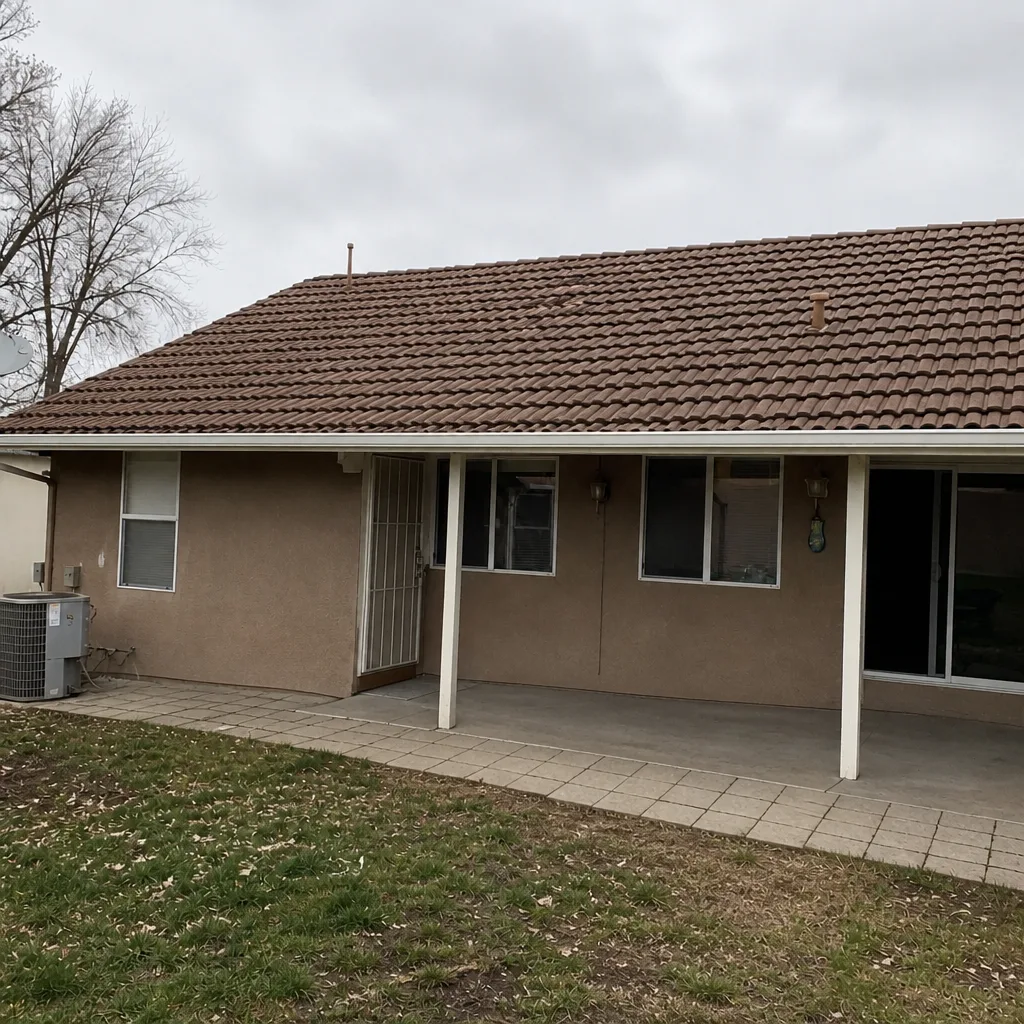 After
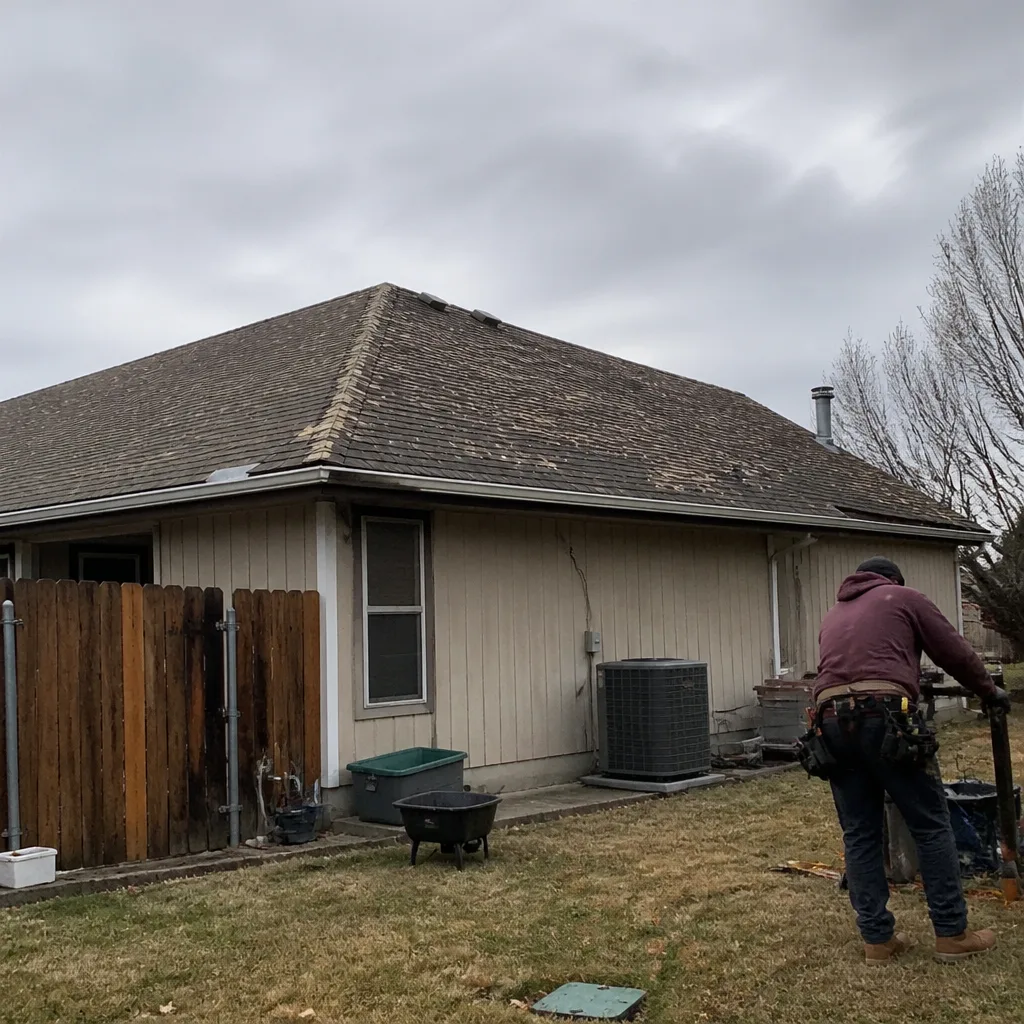 Before
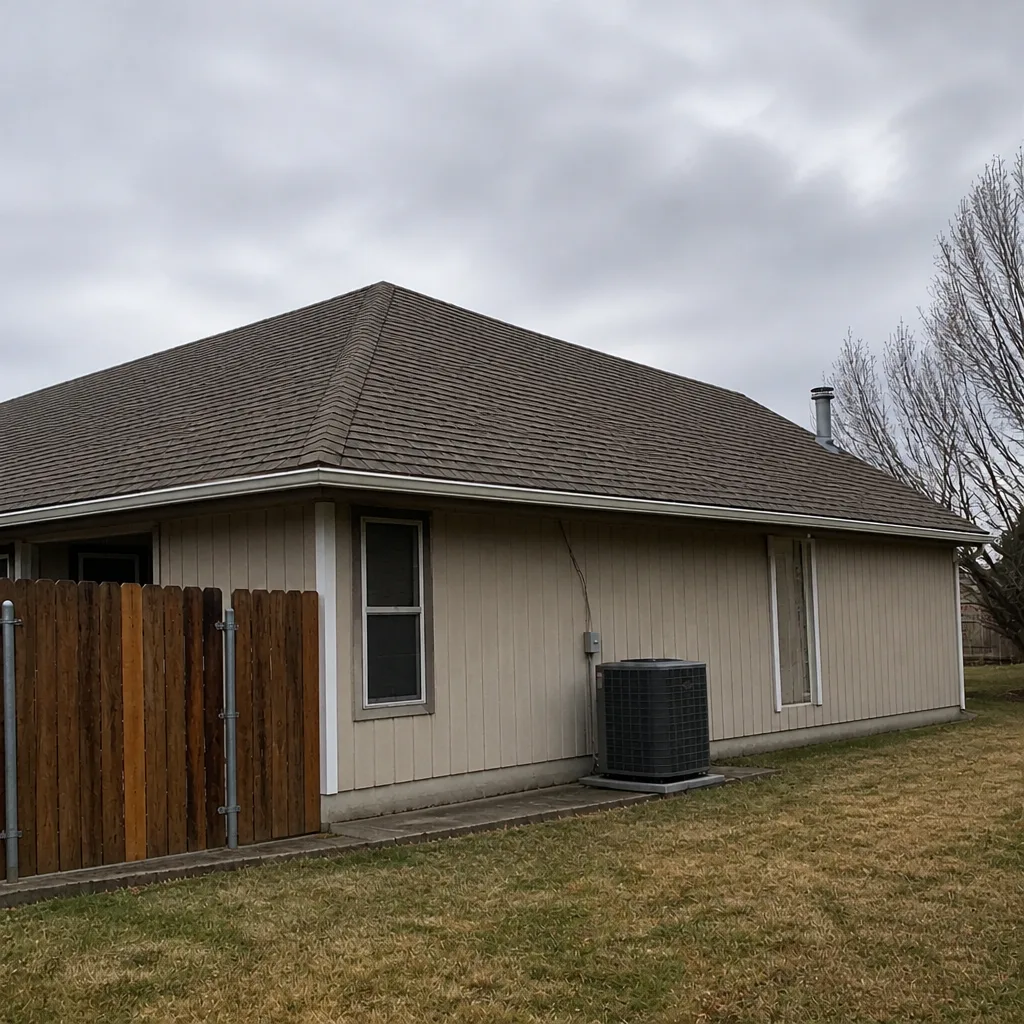 After
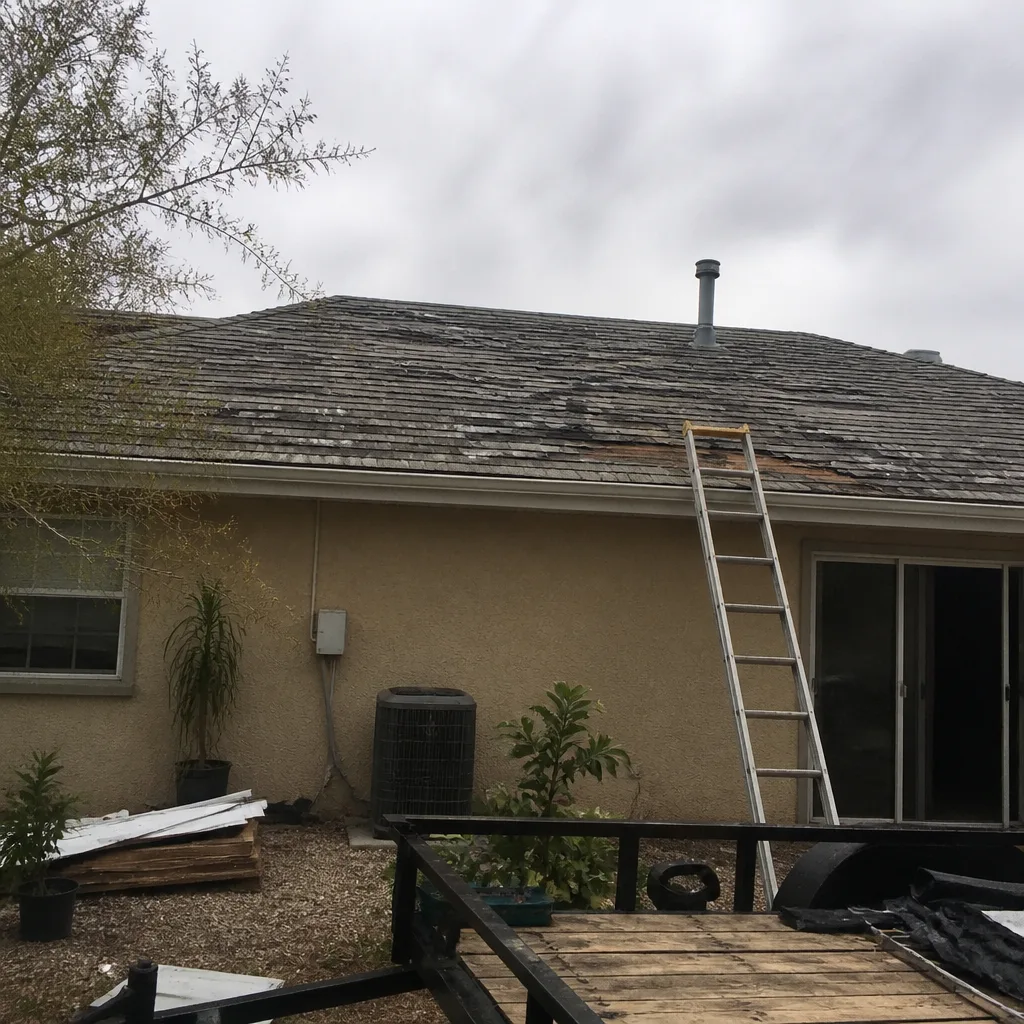 Before
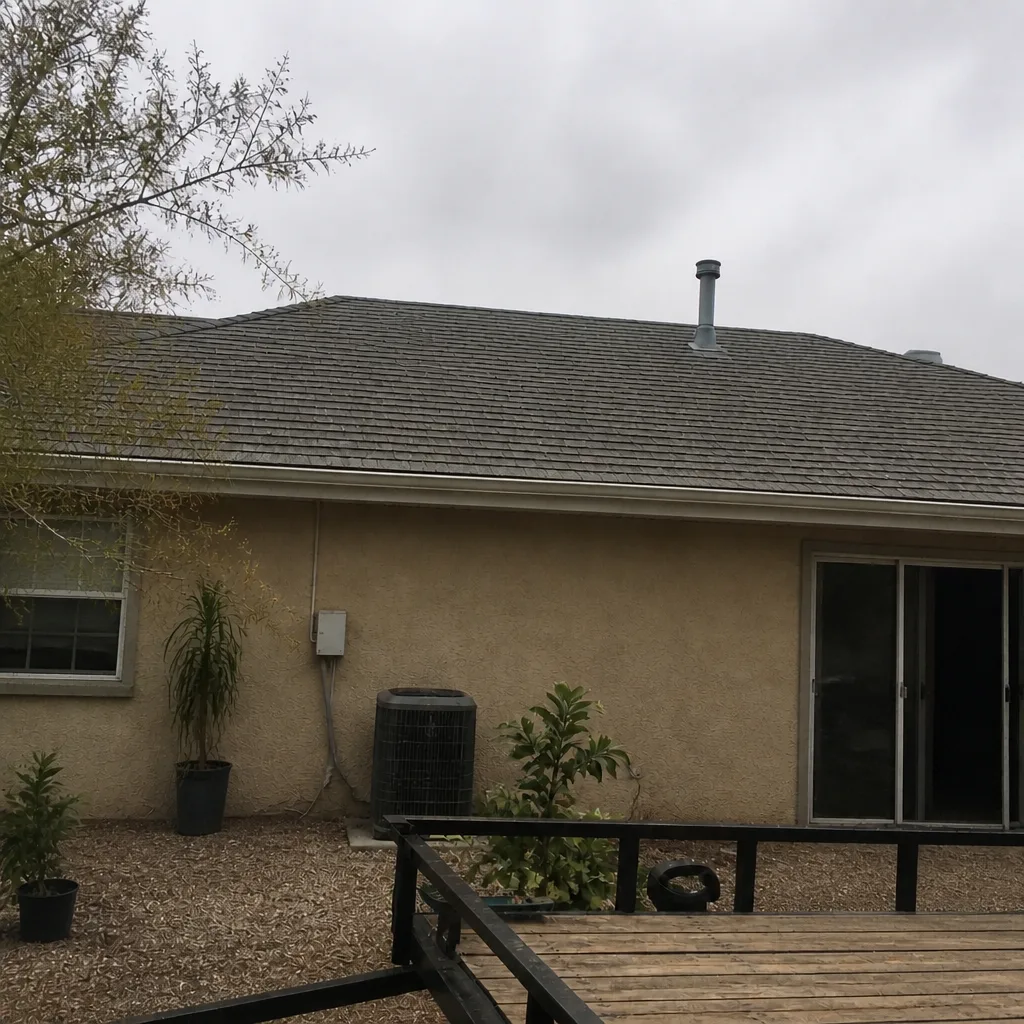 After
When to Call a Professional
Call a professional the moment you see alligatoring on a foam roof, oil-canning that shows up after a storm, a lifting modified bitumen seam you can fit a finger under, or any of the interior stain patterns above. Those are the signs where a professional walk of the roof means the difference between a small fix and a full re-roof. Also call if you spot a repair you think was done wrong, if water on your low-slope roof sits for more than two days after a rain, or if a storm chaser has already started talking numbers before they’ve walked the roof. If you’re not sure, call anyway.
A specialty roof is worth maintaining well. It’s a long-life system, and most of it is fixed by catching the warning signs early. Shepherd & Sons Roofing Whitney offers free estimates in Whitney, a free second opinion on any written estimate, and no trip charge inside our own county. Call (844) 797-9455 and a live person will pick up, day or night.
Frequently Asked Questions
The most common warnings we see in Whitney are alligatoring on foam roofs, rust streaks below fasteners and oil-canning on metal roofs, and lifting seams or granule loss on modified bitumen. Each one is the first sign of a specific system’s failure pattern, not a general roof issue. If you spot any of them, call (844) 797-9455 for a free look and a line-item estimate.
Alligatoring is a serious warning even when the roof isn’t leaking yet, because that cracking is how water reaches the foam. Early-stage, small-area alligatoring can often be handled with a recoat. Once the foam is soaked, the repair cost runs four to ten times a recoat. Get it looked at when the cracks first show up, not after the first leak.
Look at where moisture first shows up. A rust streak below a fastener points to that fastener. Water coming in at the ridge or a wall line usually points to flashing or a ridge cap. A licensed roofer can confirm it on the roof in one visit. Call (844) 797-9455 and Bill will walk it with you.
No, and this is the mistake we see most often. Ponding on a low-slope specialty roof is a warning about the drain, the roof pitch, or the deck. A new surface over a failed pitch or a sagging deck will pond again. Diagnose the cause first. Free second opinion on any written estimate you already have.
Look for visible patches that aren’t tied into the surrounding coating, wavy or mismatched flashing, thick ugly sealant smeared over a seam, or new screw holes beside old ones. These are the calling cards of a shortcut repair. A free second opinion on the previous repair will tell you what needs correcting and what doesn’t.
No. Start with binoculars from the ground and a look at the ceiling inside. That catches most storm damage on specialty roofs. Get on the roof only if it’s dry, safe, and you know where the traffic areas are. If you’re unsure, call (844) 797-9455. We’ll do the walk, and a live person answers the phone 24/7 after a storm.
The Bottom Line
Specialty roofing warning signs are specific to the system. Alligatoring, blisters, and exposed mesh tell the story on foam. Fastener rust, oil-canning, and lifted ridge caps tell the story on metal. Lifting seams and granule loss tell the story on modified bitumen. Ponding water and the shape of interior ceiling stains tell the story underneath. Learn those patterns and you’ll know the difference between a cosmetic issue and a real warning, which is exactly the line that keeps you from overpaying for a repair you don’t need and underpaying for one you do. If you’re not sure which one you’re looking at, call. We’ll show you the photos before we talk money.
Call (844) 797-9455 for a free estimate. A live person answers 24/7. Same name on the truck, same address since 1996, and the 90-Day Done Right Promise in writing on every roofing job. One call brings Bill back if it’s not right. Ask anyone on your street.
Written by the team at Shepherd & Sons Roofing Whitney.