
Last updated November 18, 2026
 Tile roofing
 Architectural shingles
 Metal roofing
 GAF
 Owens Corning
 Flat & low-slope
Free roof inspection with deck photos before we talk money - GAF and Owens Corning certified installation
Tile Roofing Warning Signs Every Homeowner Should Know
By the time you see a stain on your ceiling, water has usually been moving through the roof system for weeks. That’s the part that surprises people. A tile roof can look solid from the driveway – every course straight, every color matched – while the underlayment underneath has been quietly failing for two summers. The warning signs that actually matter show up on the roof itself, in the mortar, in the gutters, and along the edges where flashing disappears under tile. In this guide we’ll walk through the subtle tells the guys on the roof notice on a first walk-around in Whitney and the ones homeowners walk past for years. You’ll learn what to look for, what to ignore, and what deserves a call.
Quick Answer
The most serious tile roof warning signs are often invisible from the ground: lifted tile edges, sandy grit washing into gutters, loose step flashing under the tile line, and crumbling ridge cap mortar. Cracked tiles and white mineral staining are usually cosmetic on their own, but either one paired with those quieter signs points to a real water problem that needs a professional look.
Styles & brands we work with
- Architectural shingles
- Metal roofing
- Tile roofing
- GAF
- Owens Corning
- Flat & low-slope
Table of Contents
- Why Cracked Tiles Are Usually Cosmetic – and Lifted Edges Are the Emergency
- Reading Ridge Cap Mortar Deterioration From the Ground
- What Sandy Residue in Your Gutters Is Telling You
- The Tile-Specific Flashing Signs You Can’t See From a Shingle Roof
- Efflorescence on Concrete Tile: Cosmetic or a Water Signal?
- The Five Things We Check First on Any Tile Roof Call
- What Whitney’s Climate Does to Tile Roofs
- When to Call a Professional
Why Cracked Tiles Are Usually Cosmetic – and Lifted Edges Are the Emergency
There’s a crack in a tile. It’s the first thing homeowners point at, and most of the time it’s the last thing that should worry them. A hairline crack in a field tile lets almost no water through. The tile above it sheds the rain, the crack stays dry in a normal storm, and even a fully broken tile usually just means the underlayment is doing the work that tile was designed to help with. We’ve seen cracked tiles sit for ten years without a single interior leak.
The lifted edge is the opposite. When the exposed lip of a tile starts curling up – a slight lift on one corner, then a whole row that sits proud of the line – that tile is no longer shedding water where it should. Water gets under the lap. Wind-driven rain in a hard storm pushes it sideways. Once water is under the tile field, the underlayment is the only thing between the rain and your ceiling, and that layer has a working life.
So how do you tell them apart from the ground? Look at the shadow line.
- Stand at the edge of the yard in late afternoon when the sun is low. Low sun exaggerates every uneven edge.
- Scan each course of tile from the eave up. Straight courses cast an even shadow. A row with lifted tiles casts a broken or doubled shadow.
- Check the corners of individual tiles. A tile that looks proud at one corner has lifted. A tile that looks flat but has a crack down the middle is cosmetic.
- Note any course that seems to wave or ripple. A single wavy course running up the roof is a bigger signal than any single crack.
If you see lifted edges, that’s the call. Not because the roof is falling in, but because it’s the earliest sign the roof is now relying on a waterproof layer that only lasts so long. Our Roof Repair in Whitney services are usually the right first step here – a spot repair of the lifted tiles and flashing is far cheaper than waiting for an interior leak.
Reading Ridge Cap Mortar Deterioration From the Ground
The ridge cap is the row of tiles along the very top of the roof, and on most tile roofs those tiles are set in mortar. Mortar is the most exposed material on the whole roof – it takes full sun, full wind, and every freeze-thaw cycle. It cracks and crumbles long before the tile does. The good news is that ridge cap failure is one of the few warning signs you can read straight from the driveway.
Here’s what to look for:
- Missing mortar joints. Between each ridge cap tile there should be a full, smooth joint of mortar. A gap, a cave-in, or a joint that looks recessed or hollow is failing.
- Mortar crumbs on the tiles below. A small pile of gray grit sitting on the slope under the ridge line means mortar is shedding and landing. That’s not wind-blown dust – that’s your ridge cap coming apart.
- Ridge tiles that look out of alignment. If one ridge cap sits a little high, a little low, or slightly twisted compared to its neighbors, the mortar under it has loosened.
- Visible cracks running through a joint. A hairline crack in the mortar joint is the beginning of the end for that joint. It’s a slow process, but it only goes one direction.
When ridge cap mortar fails, water gets under the cap. That water doesn’t necessarily leak into the attic right away – it often travels along the ridge board first, which is why a failing ridge cap can show up as a leak in a room far from the top of the house. On a hip roof you have four ridge lines to check, not one, and the north-facing hip usually fails first.
What Sandy Residue in Your Gutters Is Telling You
If you clean your gutters every year, you know what a normal load looks like: leaves, twigs, shingle grit from the neighbor’s asphalt roof. On a tile roof, anything that looks like sand or fine gray-brown grit in the gutter run is a specific red flag. Tile doesn’t shed grit. The granules you see are almost always coming from one of three places:
- Old underlayment breaking down. Older tile roofs used a felt underlayment that dries, cracks, and sheds fine material as it ages. When you find it in the gutters, it’s the top surface of a waterproofing layer that is on its way out.
- Mortar washing off the ridge caps or hip lines. Sand from the mortar mix travels with the rain and lands in the gutters. If you find it in the gutter and can’t find a shed joint on the ridge, the mortar under the caps may be compromised.
- Rotted battens or decking behind the tile. Less common, but on a roof with visible efflorescence plus a gritty gutter load, it’s worth ruling out.
The grit is diagnostic because it tells you something is being lost from a part of the system you can’t see – the underlayment, the mortar, or the wood. Once a year, cut a small scoop of gutter sediment with a plastic cup and look at it in good light. If it’s sand, save it in a bag and show the roofer. We ask for that sample on every call, and it changes the conversation fast.
The Tile-Specific Flashing Signs You Can’t See From a Shingle Roof
Flashing is the metal that keeps water out at the joints where the roof meets a wall, chimney, skylight, valley, or vent. On a shingle roof, most of that metal sits on top of the shingles, so a bad flashing joint is visible immediately – you can see the bend, the lift, the popped nail. On a tile roof, the same flashing is hidden under the tile field. That’s the whole problem. The tile hides the good work and the bad work alike.
Which means you have to read the flashing indirectly, through the tile. Here’s what to look for:
- Displaced or “kicked out” tiles along a wall or chimney. A tile that has shifted away from the wall line is following moving flashing. The metal has loosened, and the tile above it just went with it.
- New caulk at a wall line. Somebody caulked the gap once. If it’s cracking again, the flashing under there wasn’t right.
- A line of missing tile or mortar at a valley or hip. Water is supposed to run along the valley metal. If a tile is missing on the edge of that valley, water is finding the underlayment instead.
- Staining on the fascia or the wall next to the chimney. The water is coming out at the wall, which means it’s getting in up the roof.
- On a shingle roof: you’d just look at the metal. On a tile roof, you can’t. So you look at where the tile meets the vertical – if the tile isn’t sitting tight and flat to that line, the step flashing under it needs eyes on it.
Step flashing under a tile roof is one of the hardest things to inspect and one of the most common sources of slow leaks. A roofer needs to lift tiles to see it. If a bidder tells you they can see the flashing from the ground and it’s fine, ask them what they’re looking at. Knowing how to read it is part of what separates a real tile roof inspection from a glance-up.
Efflorescence on Concrete Tile: Cosmetic or a Water Signal?
Efflorescence is the whitish, powdery or crusty staining you sometimes see on concrete tile or clay tile – most often on the north face, near the eave, or on the underside of an overhang. It’s mineral salt pushed to the surface by water moving through the tile. Half the time it means nothing. Half the time it’s the first visible sign of a moisture problem behind the tile field.
So how do you tell them apart? Two things matter: where the stain is and whether it comes back.
- Cosmetic efflorescence: thin, chalky, comes and goes with seasons, appears on the tile face and wipes off with a dry brush. This is normal on new concrete tile and on older tile in a wet winter. It doesn’t come back in dry weather.
- Water-signal efflorescence: thick, crusty, or bloomed along a consistent line – under a ridge cap, along a hip, or in a band across the whole north slope. It returns within weeks after a good rain. That means water is pushing through the tile from behind, which means something up there is wet that shouldn’t be.
Send a photo to a roofer if you’re not sure. We see efflorescence on Whitney-area roofs after our winter rains, and about half the calls we field end with “nothing to worry about yet, we’ll watch it.” The half that don’t are the reason it’s worth asking. If you want the full picture of what a proper inspection includes, our Roof Replacement & Installation in Whitney page explains the process when a repair turns into a replacement.
The Five Things We Check First on Any Tile Roof Call
Every tile roof call has a different story, but the first fifteen minutes on the roof usually follow the same order. The list below is prioritized by how often the item is the actual source of the problem I was called about – not by how scary it looks from the yard.
- The step flashing at every vertical. Walls, chimneys, skylights, vents. If water is getting inside anywhere in a house, this is the first thing I look at, and it’s the source more often than any other single item on the list.
- The underlayment at the valleys and the eave line. Where water concentrates – and where the underlayment has aged fastest because the tile above it gets the most sun and heat.
- The ridge cap and hip mortar joints. Second only to flashing as a leak source, and the item that shows up most often on roofs over 20 years old.
- Lifted and displaced tile in the field. The tiles most likely to let wind-driven rain under the field. A single lifted course is a bigger deal than a dozen cracked tiles.
- The penetrations. Plumbing vents, exhausts, solar mounts. Every hole in a tile roof is a place for the underlayment to compress or tear.
Notice what’s not on the list: cracked tiles and efflorescence. Both matter, but neither is usually where the leak starts. When we take a tile roof call in Whitney, the first thing we do before we talk money is walk the roof, take photos of the flashing and the underlayment, and show them to you. Anyone who won’t show you the deck photos before they quote a repair is quoting a guess. Our Metal Roofing in Whitney option sometimes comes up in these conversations – not because we push it, but because a homeowner with a failing tile system deserves to know what a full replacement would run versus another 5 – 8 years of spot repairs.
What Whitney’s Climate Does to Tile Roofs
Tile roofs behave differently in different parts of the country. Out here we deal with a specific combination: hot dry summers, occasional hard winter rain, and wind that funnels through the valley and hits certain exposures harder than others. That combination does a few specific things to a tile roof.
- Summer heat cooks the underlayment. Our dry summer UV takes a harder toll on the felt or synthetic underlayment under tile than a wetter, cloudier climate would. A 20-year-old tile roof in Whitney often has an underlayment that is closer to the end of its life than the tile itself.
- Winter rain finds the leaks. A dry summer hides a lot. Our first hard rain in December is when the phone starts ringing – and the calls usually trace back to a flashing or ridge cap issue that was there all summer.
- Wind drives water sideways. Tile roofing is designed to shed water that falls vertically. When wind-driven rain hits a north or west exposure at a 45-degree angle, it pushes water under the lapped tiles in places that stay dry in a calm storm. That’s why lifted edges and loosened step flashing matter more here than in a calm climate.
None of this means every tile roof in Whitney needs work. A well-installed tile roof with a proper underlayment and tight flashing can go decades. But the inspection matters more here than a lot of homeowners realize, because the climate hides problems in the dry season and reveals them in the wet season – and by then the interior damage has often already started. Ask a Whitney roofer when the last time was that anyone actually walked the roof and lifted a tile to look at the underlayment. If the answer is “never since we bought the house,” that’s your answer.
See the difference
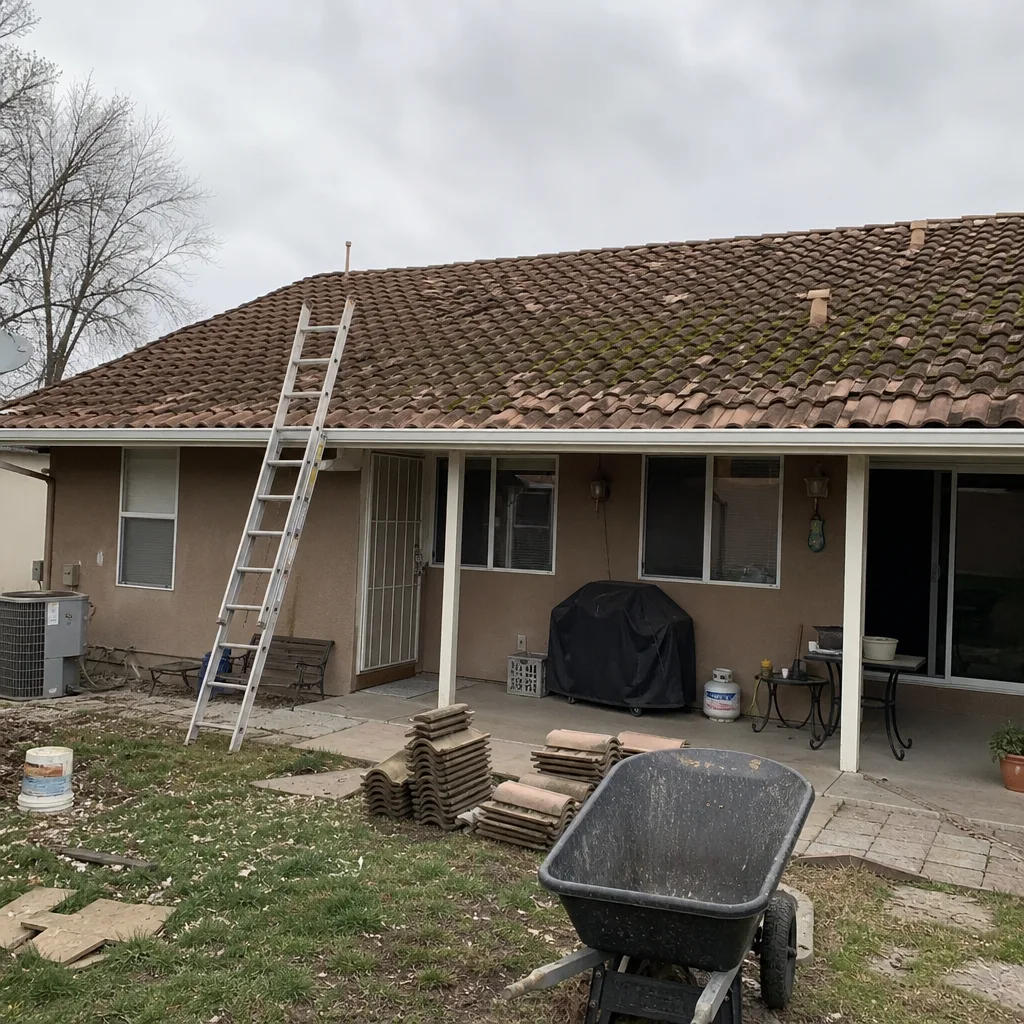 Before
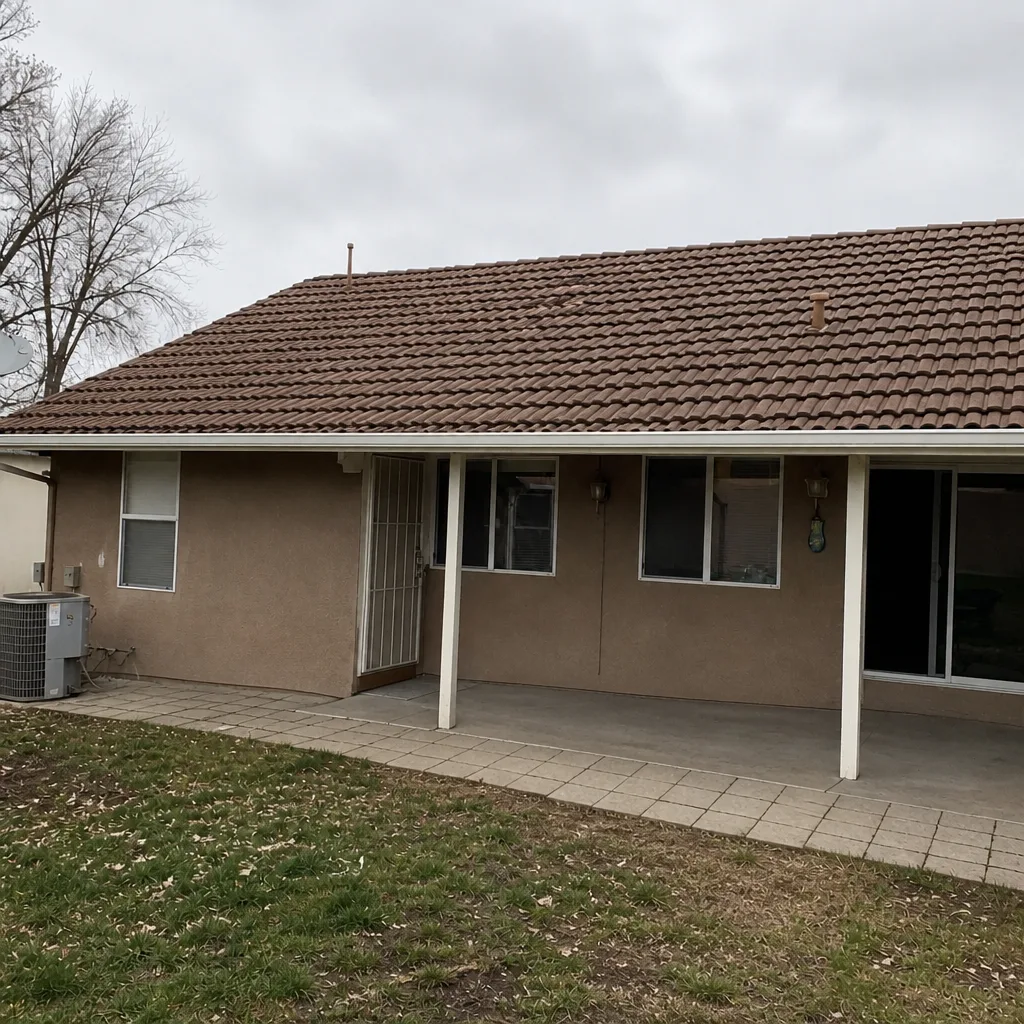 After
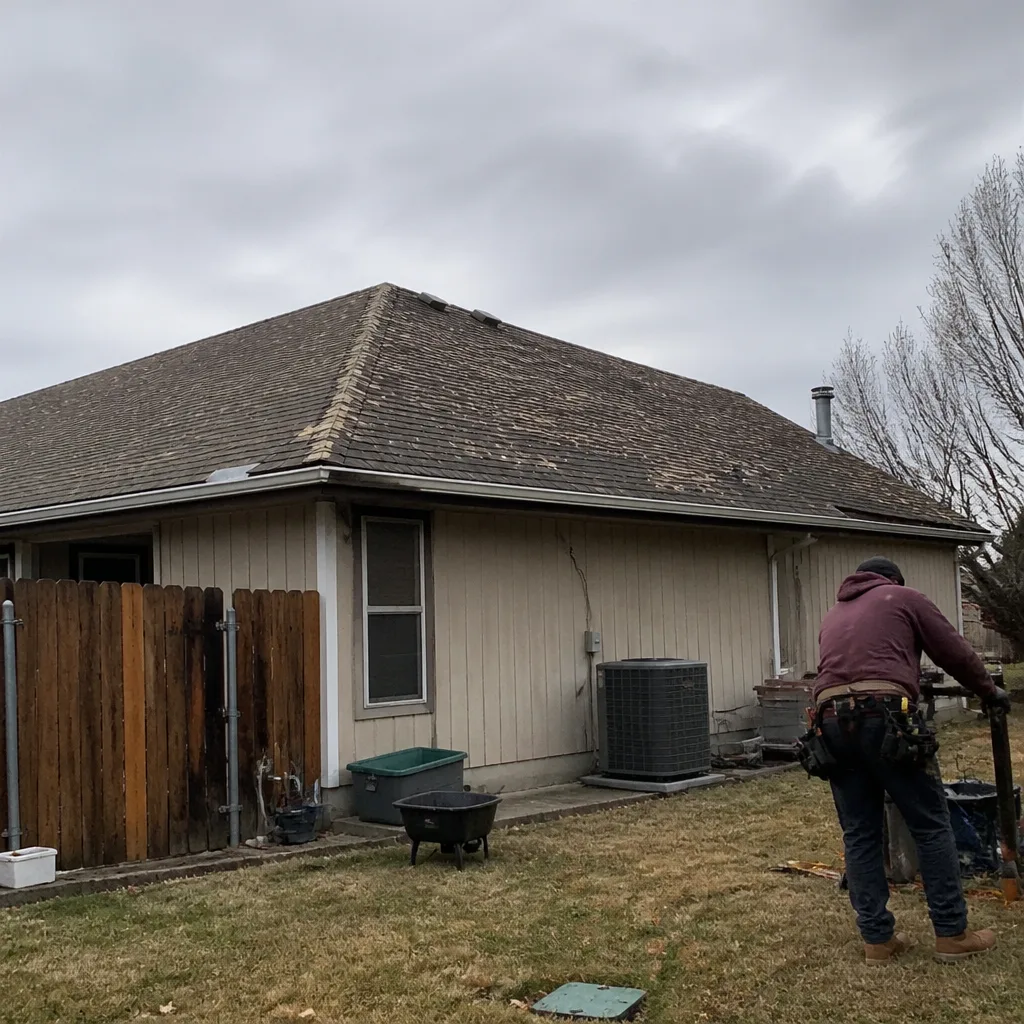 Before
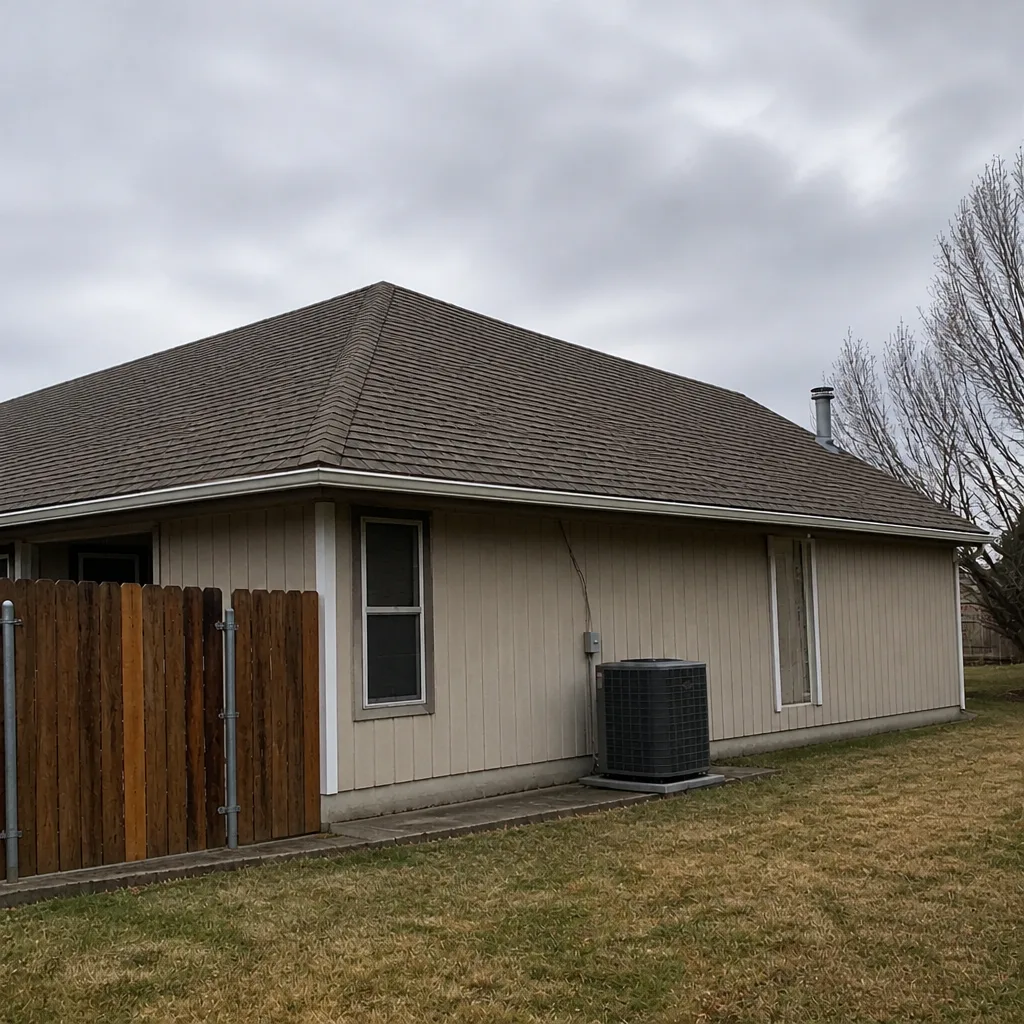 After
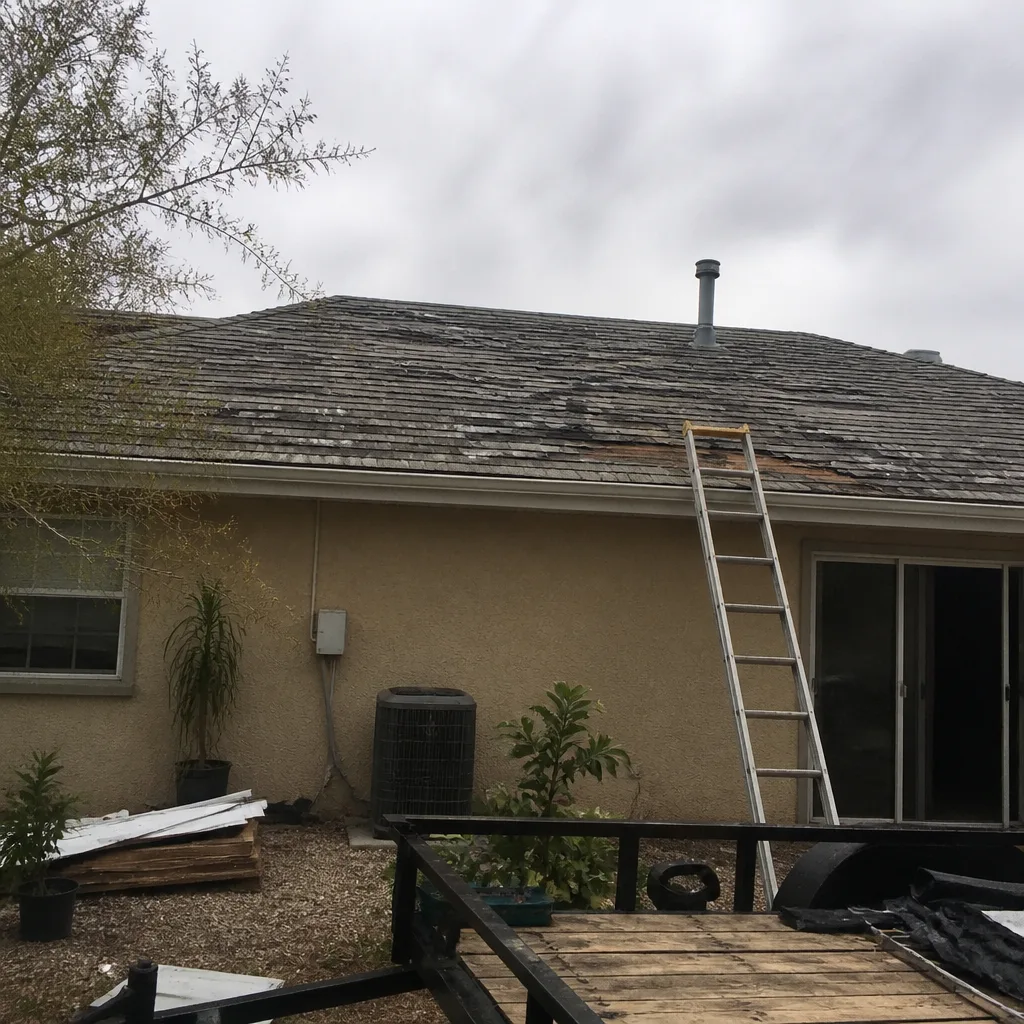 Before
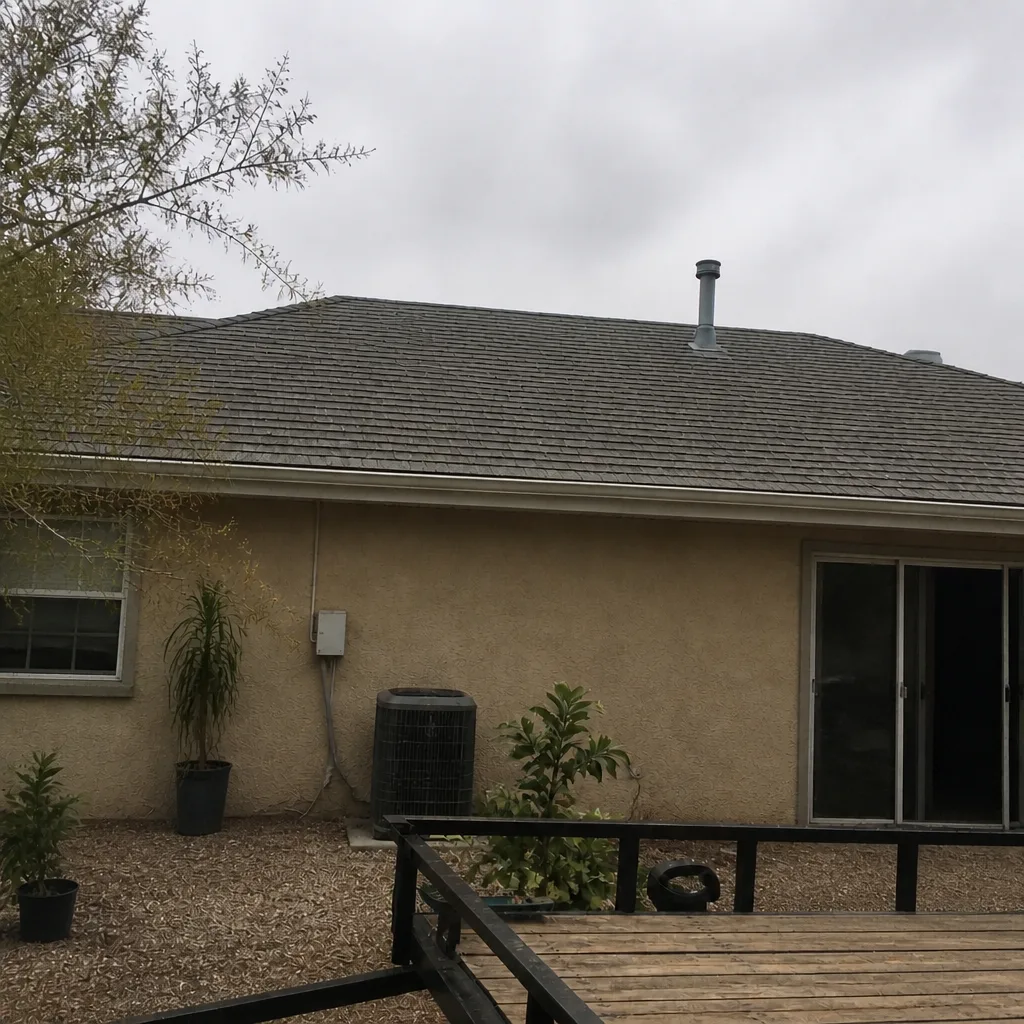 After
Common Mistakes to Avoid
- Replacing cracked tiles as the “fix.” A cracked tile is a cosmetic issue most of the time. Replacing ten tiles and calling it a repair skips the actual question – what’s happening under the tile field? If a hail storm cracked twenty tiles, the underlayment may be fine. If it also lifted the flashing, you’ve paid for tile work and missed the leak.
- Caulking the flashing from the top. Caulk over a loosened step flashing joint buys you one season, maybe two, before the caulk cracks and the water starts again. The proper fix is lifting the tile and resetting the flashing. The caulk solution always shows itself on the next hard rain, and it’s the most common “repair” we undo.
- Hiring the storm chaser with no local address. After every hailstorm, out-of-town crews show up in the neighborhood with a truck, a ladder, and a number that rings an office three states away. They do the work, take the check, and leave the area. When the flashing they “fixed” fails in the next storm, there’s no number to call. Ask where the office is, ask for a license number, and if the address is a P.O. box, keep walking.
- Skipping the gutter check. The grit in your gutters is the cheapest diagnostic on the whole roof. Homeowners pay for full inspections when a cup of gutter sediment would have told them the same thing about the underlayment.
- Assuming white stain means moisture problem. Efflorescence gets a lot of homeowners worried over nothing. Check whether it returns after rain before you panic. The cosmetic kind is common on concrete tile in Whitney and doesn’t need a roofer.
- Waiting for a ceiling stain before calling anyone. A stain on the ceiling means water has been traveling for weeks or longer. The whole point of reading the subtle signs is to catch the problem on the roof – while the repair is still a repair.
- Letting a roofer quote a tile repair from the ground. Any bidder who won’t get on the roof and lift a tile before quoting a price is guessing. Ask for photos of the flashing and the underlayment. Ask how many squares they measured. A roof is measured in squares – ask any bidder how many they counted.
When to Call a Professional
Some tile roof issues can wait for a scheduled inspection. Others deserve a call in the same week. Call us if you’re seeing any of the following: water stains on a ceiling or wall after a storm; a visible lifted or displaced tile that’s exposed to wind-driven rain; missing or crumbling mortar on the ridge cap or hips; a line of sandy grit in the gutters that wasn’t there last year; or efflorescence that comes back within weeks of rain. Also call if you’re considering a purchase on a home with a tile roof over 15 years old – a pre-purchase roof inspection is one of the best $200-ish dollars a buyer can spend, and the report will change the negotiations. Shepherd & Sons Roofing Whitney offers free estimates in Whitney and a free second opinion on any written estimate you’ve already collected. Call (844) 797-9455 – a live person answers 24/7, including after a storm.
Frequently Asked Questions
Tile roof repairs in Whitney typically run $300 to $1,200 for a spot repair – resetting lifted tiles, replacing broken ones, or resetting a flashing joint – and $1,200 to $3,500 for a repair that requires lifting a section of tile field to address the underlayment underneath. Ridge cap re-mortaring on a standard roof usually runs $400 to $900. Prices depend on the pitch, the number of tiles that need lifting, and how much of the underlayment needs replacing. Call (844) 797-9455 for an exact quote – estimates are free.
Look for the early signs on the roof itself: lifted tile edges, sandy grit in the gutter, crumbling mortar at the ridge, and efflorescence that returns after rain. Any of these means water may be moving under the tile field even if no interior stain has shown up yet. In Whitney, our dry summers mask small leaks and the first winter rain reveals them – so an end-of-summer inspection catches the issue before the wet season does. Call (844) 797-9455 to schedule a free inspection.
Usually not. A cracked field tile typically still sheds water and the underlayment below it does the rest. Lifted or displaced tiles are the bigger concern because they let water under the field where the underlayment is the only barrier. If you have a crack plus any flashing or underlayment issue on the same roof, that’s when you call. Call (844) 797-9455 for a free second opinion on any repair quote.
No. Tile roofs crack under foot traffic, and a fall from a two-story roof is a serious injury. Even a roof that feels solid can break a tile under a misplaced step, and then you’ve created a new problem while looking for the old one. Inspection work belongs to someone trained on tile roofs, on the proper fall protection, with a ladder rated for the height. Call (844) 797-9455 and we’ll have someone out to walk it.
Yes – and any roofer working in your area should. Repairs that involve replacing more than a small percentage of tile and underlayment usually require a permit and inspection. If a bidder tells you permits aren’t needed for your job, ask them to show you in writing where the code says so. The local pro we connect you with is licensed and insured as Nevada requires, and provides a written line-item quote before any work starts. Call (844) 797-9455 for a free estimate.
It shouldn’t. A repair quote on a tile roof needs to be based on what a roofer sees after lifting tiles, not from the ground. That’s why we ask for deck photos before we talk money – ours or anyone’s – so the quote reflects the actual underlayment and flashing condition. Once that’s done, the number is the number. If a bidder’s price on the phone differs from the price at the door, that’s the storm-chaser pattern, and it’s worth walking away. Call (844) 797-9455 for a free estimate based on a real roof inspection.
The Bottom Line
The warning signs that precede a real tile roof failure are mostly quiet. Lifted tile edges, sandy grit in the gutters, crumbling ridge mortar, loose step flashing hiding under the field, and returning efflorescence tell you water is doing something it shouldn’t – often weeks or months before you see a stain inside. Cracked tiles and one-time white staining are usually cosmetic and don’t need a same-week call. Get a proper roof inspection before the wet season in Whitney, ask for photos of the flashing and underlayment, and be suspicious of any bidder who quotes from the ground. That’s the whole checklist. If you’ve got any of these signs on your roof, our Shepherd & Sons Roofing Whitney home page has the full picture of what we do.
Ready to have someone walk the roof and give you a straight answer? Call Shepherd & Sons Roofing Whitney at (844) 797-9455 for a free estimate. We offer a free second opinion on any written estimate you’ve already got, a $40 credit on any repair over $200, no trip charge inside our own county, and a 10% senior and veteran discount. Every job is backed by our written 90-Day Done Right Promise. A live person answers the phone 24/7 – including after a storm.
Written by the team at Shepherd & Sons Roofing Whitney.