
 Metal roofing
 Architectural shingles
 Tile roofing
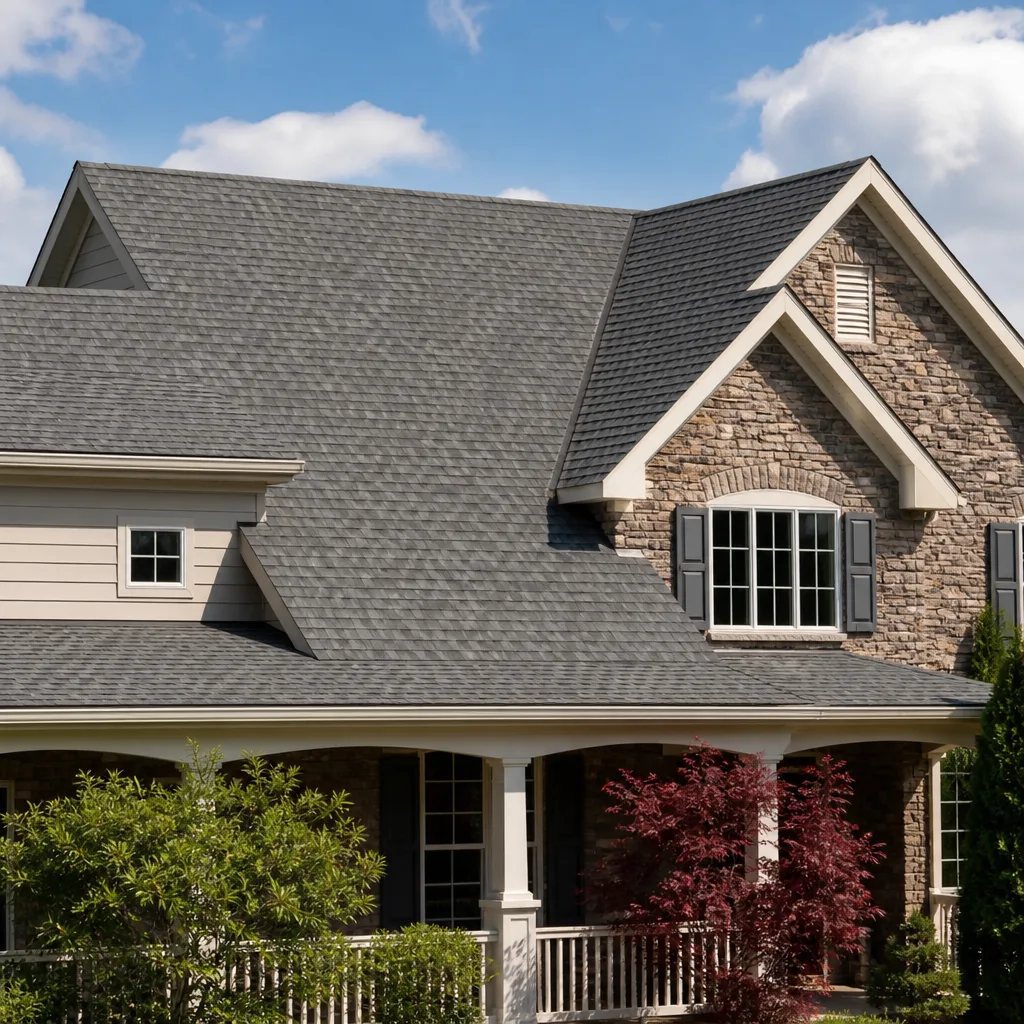 GAF
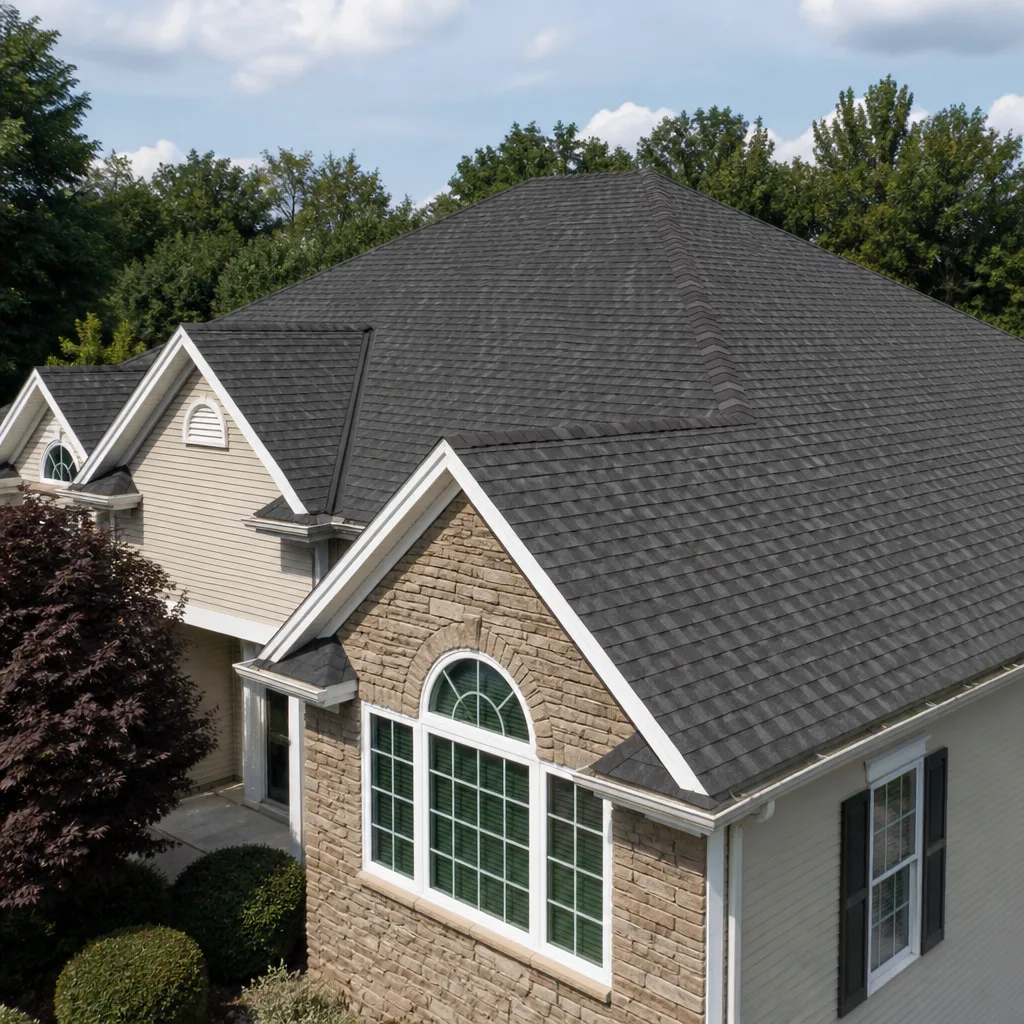 Owens Corning
 Flat & low-slope
Free roof inspection with deck photos before we talk money - GAF and Owens Corning certified installation
Styles & brands we work with
- Architectural shingles
- Metal roofing
- Tile roofing
- GAF
- Owens Corning
- Flat & low-slope
See the difference
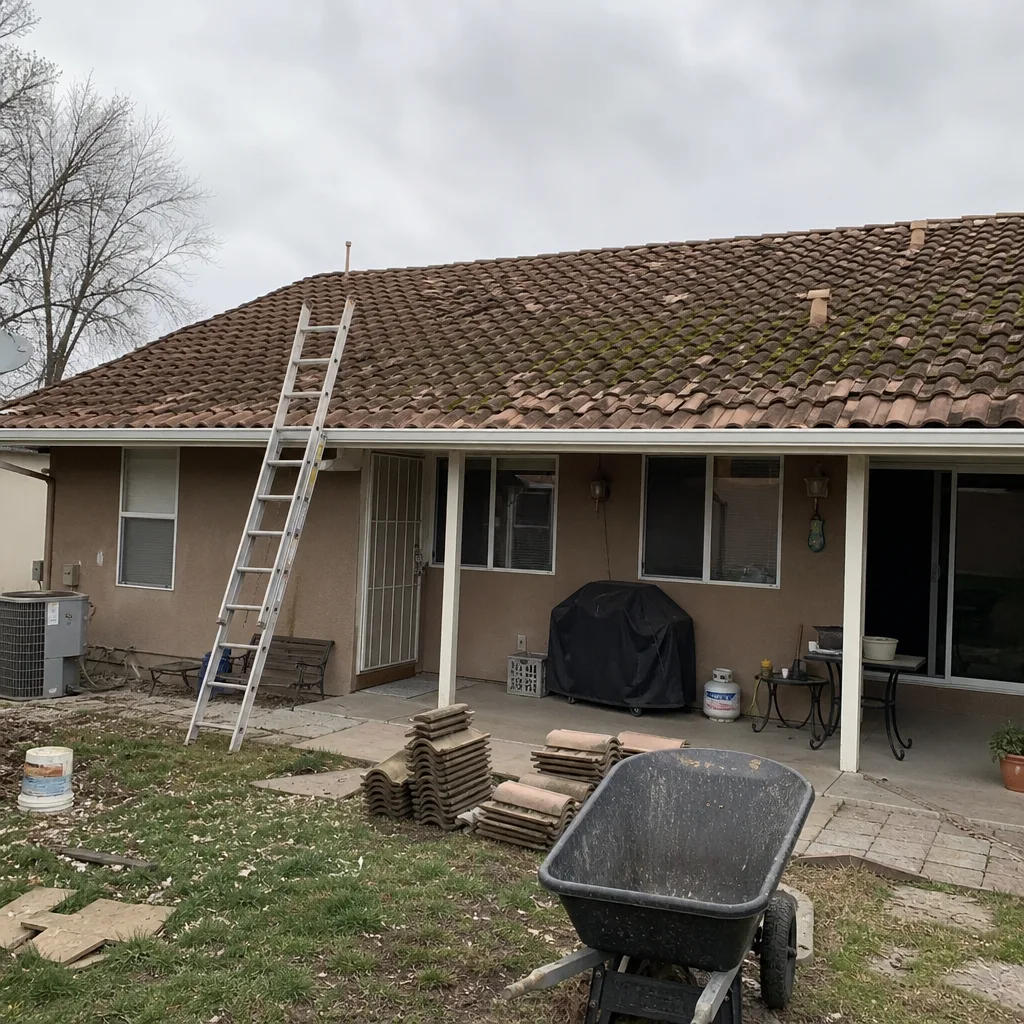 Before
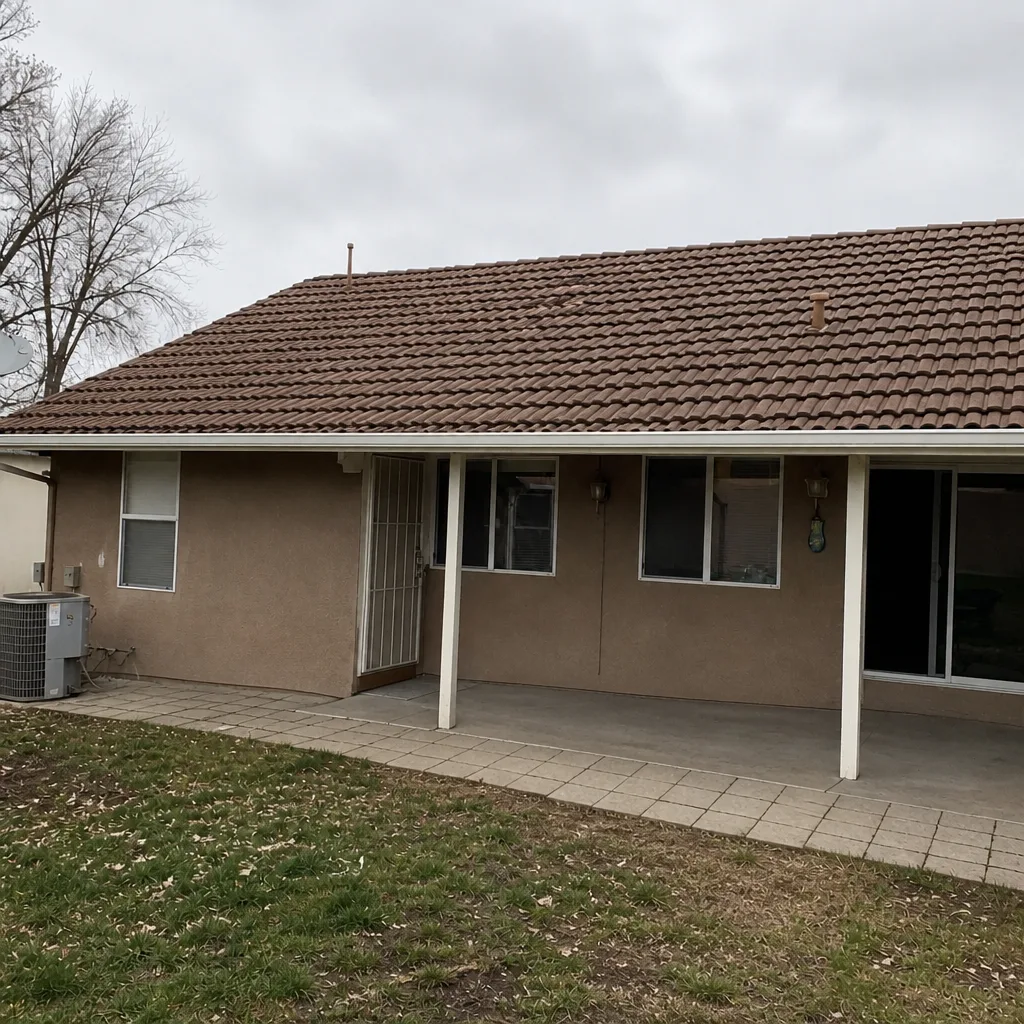 After
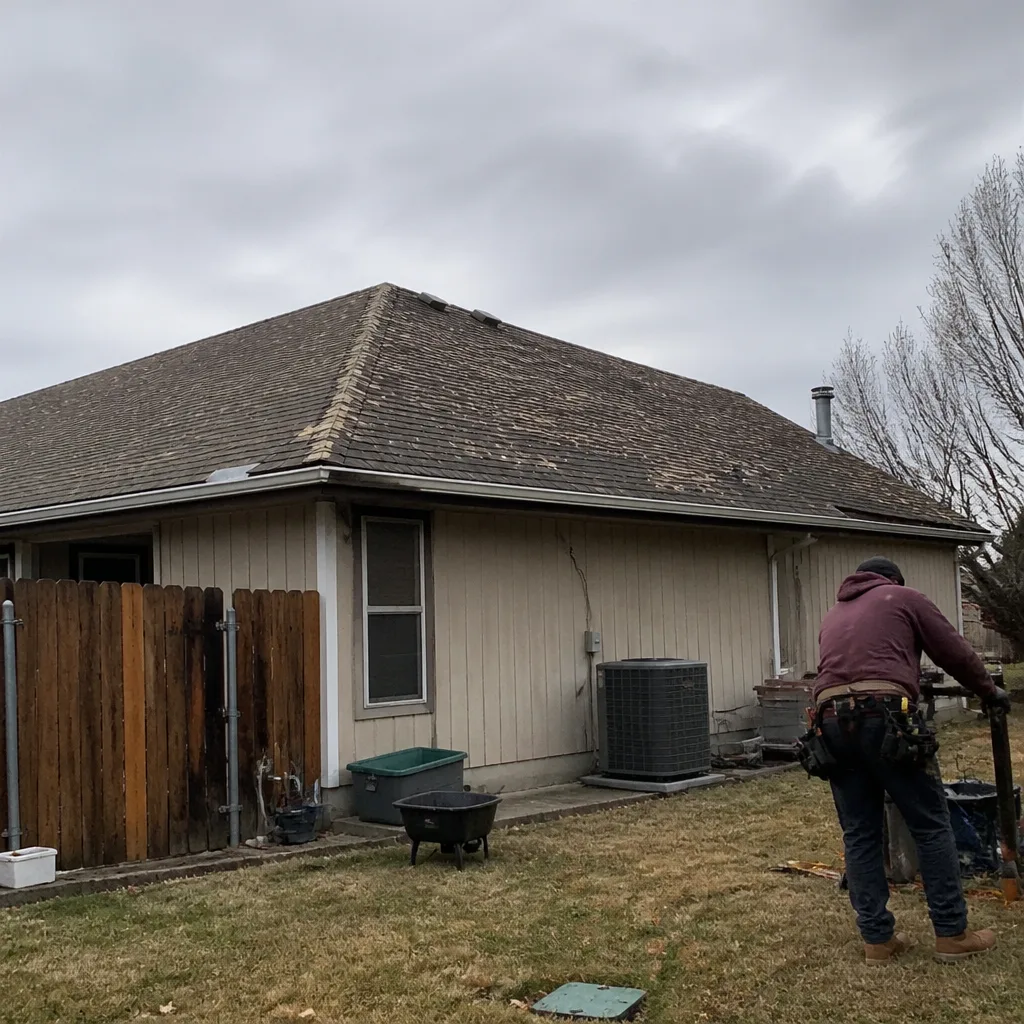 Before
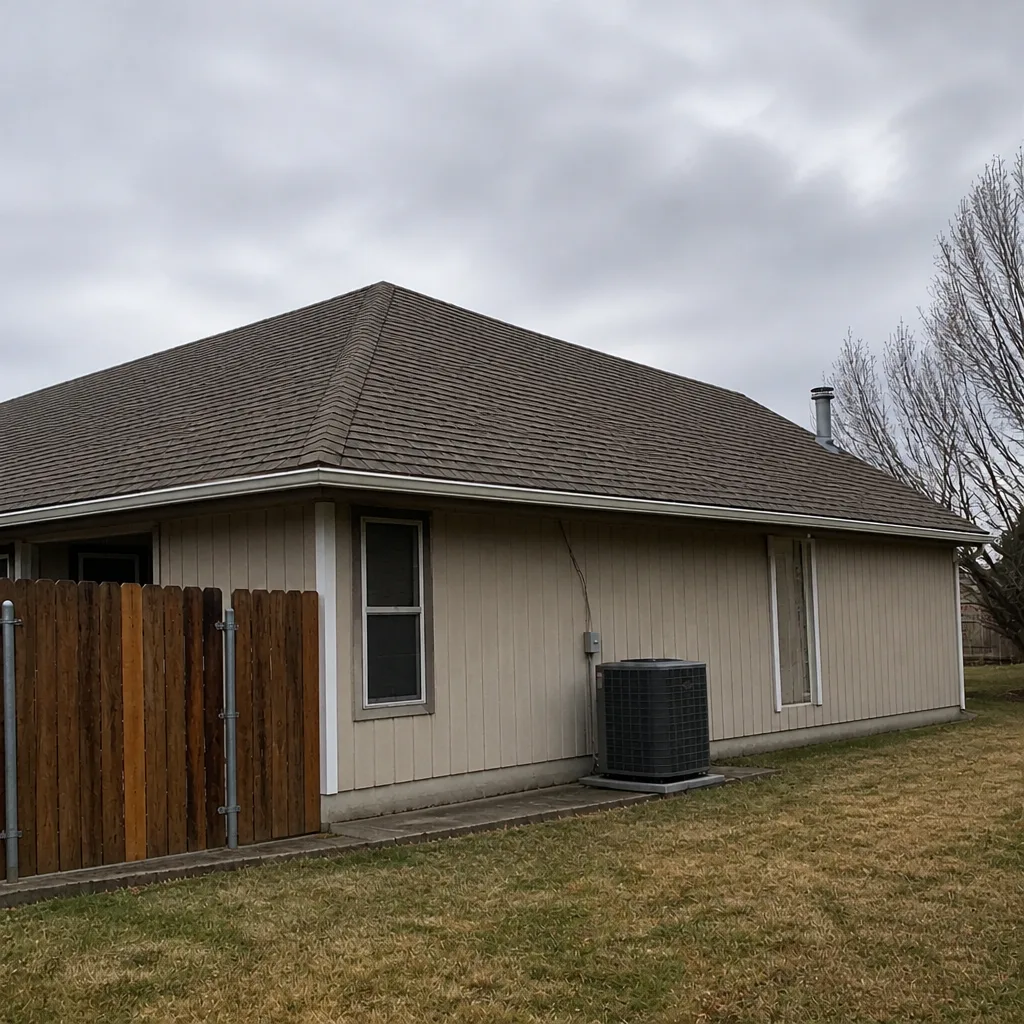 After
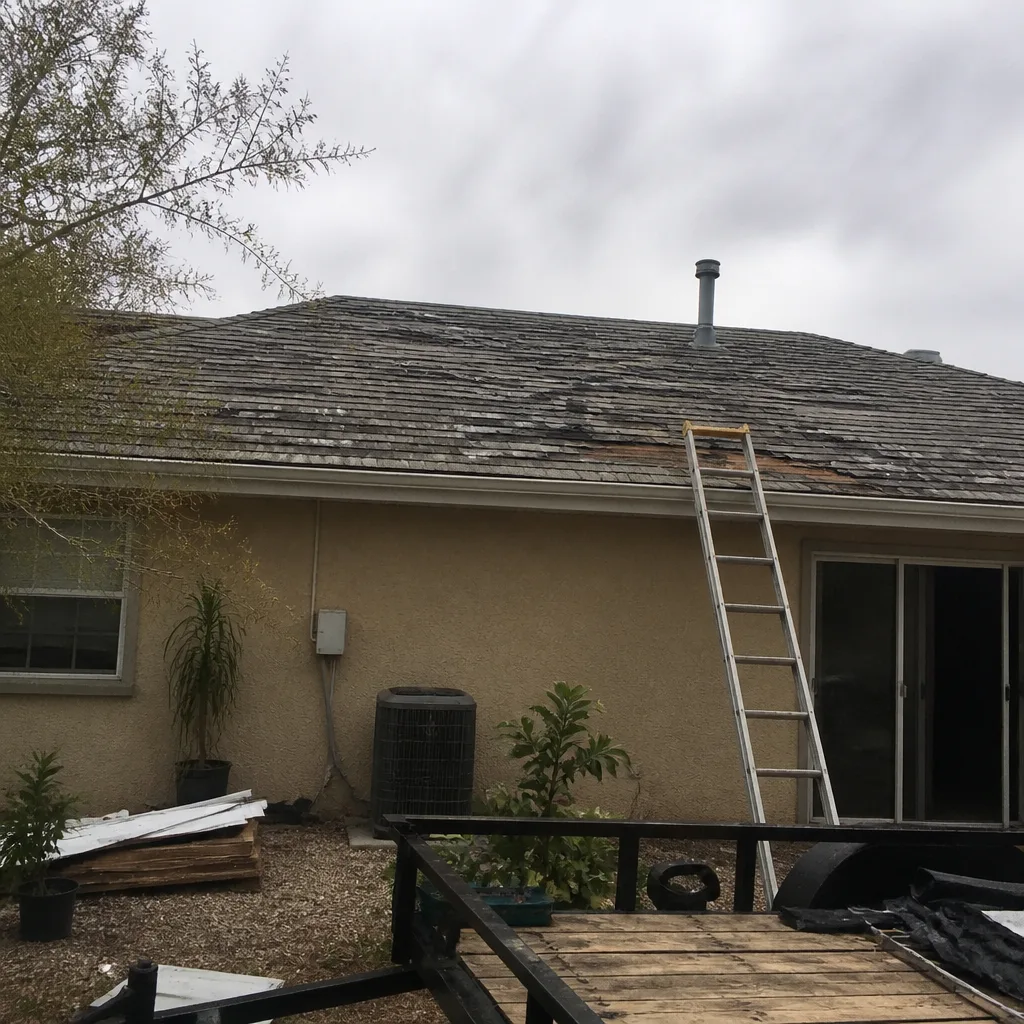 Before
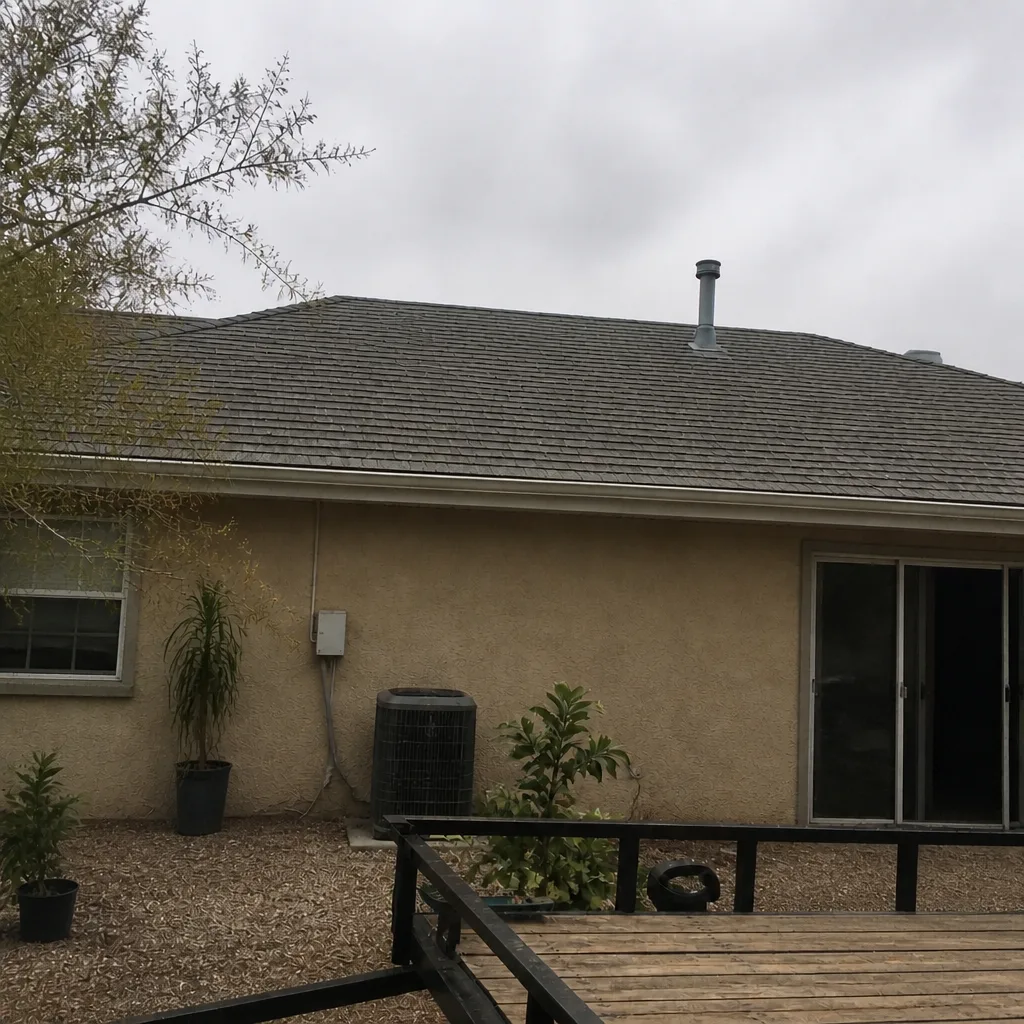 After
What Causes Roof Leaks in Whitney, NV? Most of the Time, It’s the Felt Under the Tile
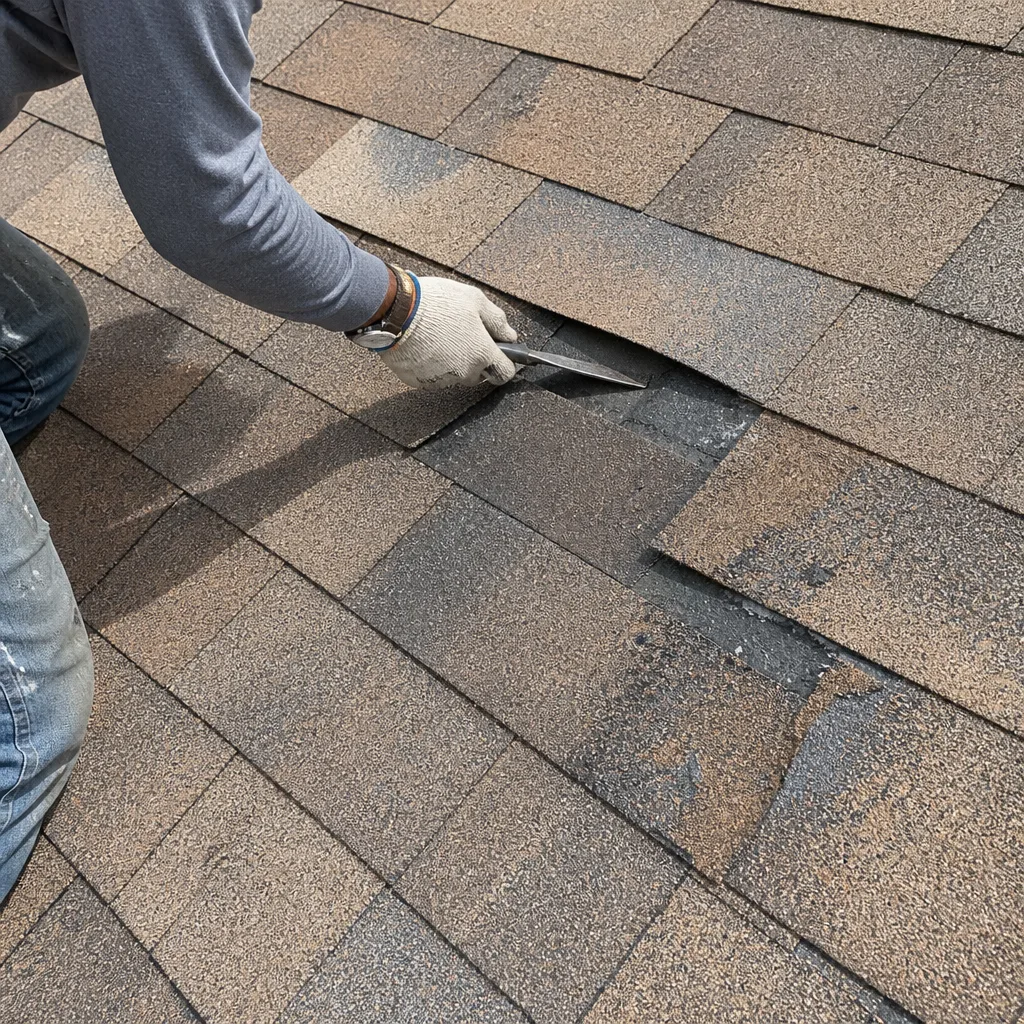
The single most common cause of roof leaks in Whitney is not missing shingles or cracked tiles. It’s the original felt underlayment under a tile roof that has baked brittle after 25 to 35 years of desert sun, letting water slip past a tile that looks perfectly fine from the ground. On most Whitney tile roofs built before 2000, the tile itself is probably still sound. The problem is hidden underneath it, and you can’t see that from the ground or even from walking the roof surface. That’s the honest answer from Bill Shepherd, and it’s why we start every Whitney leak call by explaining what we’re looking for before we ever quote a price. Call (844) 797-9455 for a free second opinion on any estimate.
Why Whitney Leaks Start Under the Tile, Not on Top of It
Whitney grew up in one burst of tract building, most of it between 1980 and 2005. That means block after block of wood-frame homes wearing concrete tile or asphalt shingle, all installed around the same time with the same materials. It also means the town is hitting a synchronized replacement wave, not the scattered repairs you’d see in older parts of the Las Vegas valley.
Here’s the failure sequence we see over and over. The organic-mat felt used under 1980s and early 1990s concrete tile was never meant to last three decades in high-desert UV. Summers routinely top 100°F, and that heat bakes the felt until it goes friable: dry, brittle, cracking if you flex it. The tile above it keeps looking great because tile is tough and the sun doesn’t bother it. Then a rare monsoon downpour drives water sideways under a tile, and instead of running safely down a pliable felt layer to the gutter, it finds a crack and goes straight to the decking. By the time you see a ceiling stain, the water has been finding that path for a while.
We can’t patch what we can’t reach under tile. If the felt is the problem, the fix is a full tear-off and re-felt, not a spot repair on a tile field that’s still intact on the surface. That’s an important distinction, and it’s exactly where homeowners get surprised by the wrong bid.
The Three Flashing Spots Where Whitney Leaks Actually Show Up
When the leak isn’t the felt, it’s almost always a flashing joint, and the same three spots come up again and again on Whitney tract homes:
- Pipe boots. The rubber collar around plumbing vents hardens and splits as the seasons swing from near-freezing winter nights to blazing summer afternoons.
- Valley metal. Thermal expansion and contraction work open the sealant at valley joints over time, and that’s often where monsoon water first gets in.
- Wall step flashing. Where a roof meets a sidewall, the stepped metal and its sealant take a beating from daily heat cycling, and the gap tends to open slowly enough that you never notice until a ceiling shows it.
The tile field itself, honestly, is rarely the villain. The nailing pattern earns the wind rating, not the shingle wrapper, and the same holds for how a tile roof is fastened and flashed. Flashing failures are a targeted repair. Felt failures mean a re-felt. Knowing which one you’re facing before you call anyone is the single best way to save money and avoid a repair bid that grows into a replacement mid-job.
Why a Roof That Handled 20 Years of Rain Suddenly Leaks
Plenty of Whitney homeowners tell us the same thing: “It’s been fine for two decades, why now?” Low-slope sections on 1980s ranch-style homes were often built with minimal overlap, enough for normal rain but not for the rare intense downpour. The felt degraded gradually in the background while ordinary storms never tested it. Then one heavy monsoon pushes more water across that low-slope section than the overlap can shed, and the aged felt underneath gives out all at once.
It’s not that the roof changed overnight. It’s that a slow decline met the one storm big enough to expose it. That’s also why leaks here often show up on whole blocks around the same season, at the same age, on homes built by the same builder.
How We Find the Real Cause Before Anyone Touches Your Roof
We don’t guess from the ground, and we don’t quote a repair and then “discover” a bigger problem once the tile is off. Bill and his crew pull back a section, photograph the deck and the felt, and show you what we found before we talk money. If the felt is baked, you’ll see it in the photos. If it’s a flashing boot, you’ll see that too. The point is simple: you should know what’s causing the leak before you agree to a number.
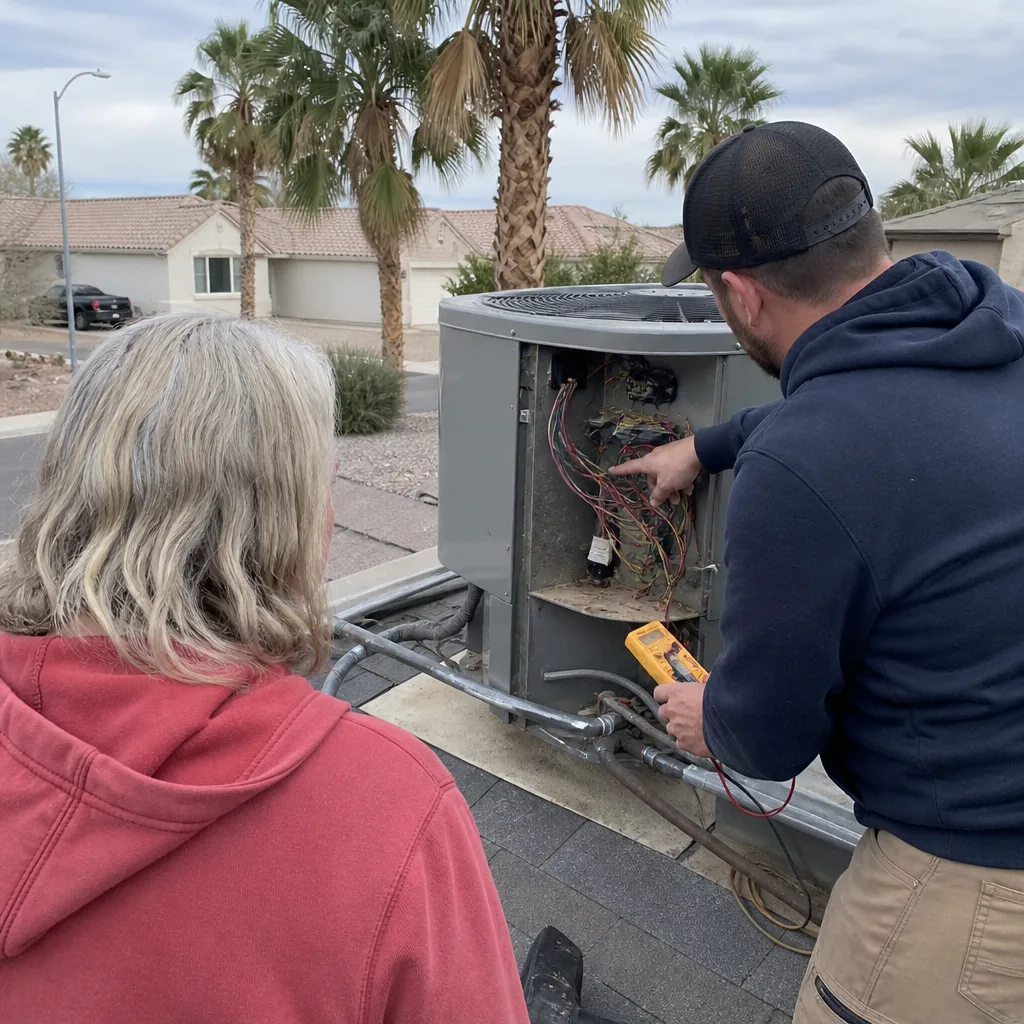
Our technicians have up to 30 years of experience, and every roofing job we do is backed by the written 90-Day Done Right Promise. If it’s not done right, one call brings Bill back. We’ve been at the same address since 1996, so the name on the truck is the name you can look up. A live person answers the phone 24/7, including nights and weekends after a storm, and we install products from names like GAF and Boral, so if you name the shingle or tile, we’ve likely set it.
For the full scope of what we handle, from single-tile repairs to a full re-felt, see our Roof Repair page. You can also read more about Roof Repair in Whitney and start from our home page if you’re just getting oriented.
What This Means for Your Wallet
The cause dictates the price, and that’s the part most people want straight. A flashing repair is a small, targeted job. A felt failure on a tile roof is a tear-off and re-felt, which is a bigger number because it’s more labor and more material. Neither is a number we’d quote blind over the phone. Here’s the general shape of it, so you’re not walking in cold:
| What’s causing the leak | What the fix usually involves |
|---|---|
| Pipe boot or flashing joint | Targeted repair, replaced collar or resealed metal |
| Valley or step flashing | Re-flash and re-seal the affected joint |
| Baked felt under tile | Full tear-off and re-felt the affected section or roof |
| Low-slope overlap failure | Correct the overlap and address the aged underlayment |
The best way to know which row you’re in is to have it looked at. We offer a Free Second Opinion on any written estimate, no-hassle upfront pricing, and no trip charge inside our own county. Standing offers like $40 Off Any Repair Over $200 and a Senior and Veteran 10% discount are always available, and there’s no pressure to decide on the spot.
FAQs
Baked felt underlayment beneath concrete tile is the most common cause of roof leaks in Whitney, especially on homes built before 2000. The tile looks fine on the surface, but the felt underneath has gone brittle from decades of UV and heat, so monsoon water slips under a tile and through a crack in the felt. Call (844) 797-9455 for a free second opinion on any estimate.
Sometimes, yes, but it depends on what’s failing. A flashing or pipe boot failure is a targeted repair that leaves the tile field in place, while a failed felt underlayment usually means a tear-off and re-felt because we can’t patch what we can’t reach beneath the tile. The honest way to know which one you have is to have the deck and felt checked. Call (844) 797-9455 and we’ll show you photos before we talk money.
A roof that handled normal rain for years can suddenly leak when a slow decline finally meets a storm big enough to expose it. In Whitney, the felt and flashing sealants degrade gradually in the heat, then a heavy monsoon pushes more water across low-slope sections than the aged materials can shed. It’s not an overnight change, it’s the moment the wear catches up. Call (844) 797-9455 for a no-pressure assessment.
Repair when the leak traces to a flashing joint or pipe boot and the felt is still sound. Replace or re-felt when the underlayment itself has baked brittle, because patching around it won’t stop the next storm. Age matters too, since Whitney’s tract homes tend to hit end-of-life around the same time. A free second opinion on any written estimate is the fastest way to a straight answer. Call (844) 797-9455.
If you’d rather have it looked at than keep guessing, Shepherd & Sons Roofing Whitney offers a no-pressure assessment in Whitney. Bill and his crew will pull back a section, show you the photos, and tell you what’s actually causing the leak before a price comes up. Call (844) 797-9455 for a free estimate.
Written by the team at Shepherd & Sons Roofing Whitney, serving Whitney, NV.