
Last updated November 18, 2026
 Metal roofing
 Architectural shingles
 Tile roofing
 GAF
 Owens Corning
 Flat & low-slope
Free roof inspection with deck photos before we talk money - GAF and Owens Corning certified installation
Roofing Permits, Codes & Inspections in NV: What You Need to Know
If a roofer tells you permits aren’t necessary for a full replacement in Clark County, that roofer is either uninformed or is planning to skip the inspection that would catch his shortcuts. We hear it constantly in Whitney: a homeowner got a low bid from a crew that came through after a wind event, no permit was pulled, and two years later the deck is soft and the insurance company is asking questions nobody can answer. Nevada roofing permits aren’t box-checking. They’re the paper trail that protects your insurance claim, your home sale, and your ability to hold a contractor accountable. Here’s exactly what Clark County requires, what an inspection looks at, and how to check your own address before you sign anything.
Quick Answer
In Clark County, a building permit is required for a full roof replacement and for most structural roof repairs, while minor repairs like replacing a few shingles or a small patch of flashing typically don’t need one. The permit triggers an inspection that verifies deck condition, fastener pattern, underlayment, and flashing before the job is signed off. Skipping the permit can void portions of a homeowner’s insurance coverage and stall a home sale, which is why Whitney homeowners should confirm permit status before any contract is signed.
Styles & brands we work with
- Architectural shingles
- Metal roofing
- Tile roofing
- GAF
- Owens Corning
- Flat & low-slope
Table of Contents
- When does a roofing project need a permit in Clark County?
- What does a roofing inspection actually check?
- How an unpermitted roof voids insurance and kills a home sale
- Nevada State Contractors Board license vs. Clark County business license
- How to pull permit history on your own home in five minutes
- Nevada codes and desert conditions that shape roofing work
- The permit and inspection process, step by step
When does a roofing project need a permit in Clark County?
The plain answer: if you’re replacing the whole roof, you need a permit. If you’re re-covering the roof with a different material or adding a layer, you need a permit. If you’re replacing the sheathing or any part of the structural deck, you need a permit. Clark County treats a roof replacement as a structural construction project, not a maintenance item, and that distinction matters because the inspection is what proves the work was done to code.
The gray area is repairs. A common rule of thumb in the trades is that small repairs covering a limited area, often cited around 100 square feet or less of surface, can be done without a permit. Anything larger, especially repairs that involve cutting into the deck or changing the roof’s structure, usually requires one. The safest move is to ask the contractor to confirm in writing whether a permit will be pulled, and to call the Clark County Building Department directly if the answer feels fuzzy.
We’ve seen this play out in Whitney more than once. A homeowner near the 95 gets a bid for a “repair” that quietly becomes a full tear-off once the crew is on the roof. No permit was pulled, so no inspection happens, so nobody checks the deck for dry rot before new shingles go down. Six months later the ceiling stains show up.
- Full replacement: Permit required, inspection required.
- Re-roof over existing layer: Permit required, inspection required.
- Structural deck or sheathing work: Permit required.
- Small patch repairs (roughly under 100 sq ft): Often exempt, confirm with the county.
- Flashing repair around a single vent or chimney: Usually exempt, but ask.
What does a roofing inspection actually check?
Homeowners tend to think of the inspection as a bureaucratic inconvenience. It’s the opposite. It’s the one moment a neutral third party looks at the parts of the job you’ll never see once the shingles are on. An inspector climbing that roof is checking the work your contractor was paid to do, and that protects you more than it inconveniences the contractor.
Here’s what a Clark County roofing inspection typically examines:
- Deck condition. Is the sheathing solid, properly attached, and free of rot? This is the check that catches skipped deck replacement. In Whitney’s heat, decking that has held moisture under an old roof can look fine from below and fail once loaded.
- Fastener pattern. Nails and staples are checked for placement, depth, and spacing. The nailing pattern earns the wind rating, not the shingle wrapper. A brand-name GAF or Tamko shingle nailed wrong won’t hold in a desert windstorm the way its label claims.
- Underlayment. The inspector confirms the correct underlayment is installed, with proper overlap and coverage. This is the layer that keeps water out when a shingle fails.
- Flashing. Chimneys, valleys, vents, and wall intersections get checked for proper flashing and sealing. Most leaks we see in Whitney trace back to flashing, not to the shingles themselves.
- Ventilation. Intake and exhaust venting is verified so the attic can breathe. Poor ventilation cooks shingles from underneath in our summer heat.
If a contractor is reluctant to schedule the inspection, ask why. The honest answer is that an inspection is part of doing the job right. There isn’t a legitimate roofing reason to avoid one.
How an unpermitted roof voids insurance and kills a home sale
This is where the stakes get real. When you file a claim after a wind or hail event, your insurer may ask for proof the roof was installed to code. An unpermitted replacement means no inspection record, which can give the insurer grounds to deny or reduce a claim on the very roof you paid to replace. That’s not a scare tactic. We’ve watched Whitney homeowners fight exactly that fight.
The home sale problem is just as common. During a title search or buyer’s inspection, an unpermitted roof surfaces as an open permit or as a missing one. A buyer’s lender may require it be corrected before closing. That can mean pulling a retroactive permit, paying for an inspection after the fact, or in some cases tearing off and redoing work that already looked finished. We’ve seen closings delayed weeks over a permit nobody pulled.
There’s also the accountability problem. A permit creates a public record with a contractor’s name on it. If the work fails inside a reasonable window, that record matters. Without it, your only recourse is whatever the contract says, and with storm chasers, the contract often says very little and the phone number stops working after the season.
Nevada State Contractors Board license vs. Clark County business license
These are two different things, and both matter. A Nevada State Contractors Board (NSCB) license is the state credential that allows a contractor to legally perform roofing work. A Clark County business license is a local registration to operate a business in the county. A contractor can have one and not the other, and a homeowner who doesn’t check both can end up with a crew that legally shouldn’t be on the roof.
What to verify before signing:
- An active NSCB license number, which you can look up yourself on the state board’s website.
- A current Clark County business license.
- Proof of insurance and bonding carried by the contractor.
- A physical business address you can visit, not just a PO box or a cell number.
We’ve said it before and we’ll say it again: same address since 1996. Ask the storm chasers where theirs is. A contractor with a real local address, a published license number, and a name on the truck is one you can find again if there’s a problem. That’s the whole point.
How to pull permit history on your own home in five minutes
This is the single most useful thing you can do before signing a roofing contract, and most Whitney homeowners have never done it. Clark County’s online permit portal lets you search by address and see every permit pulled on your property. It takes about five minutes and tells you everything about past work.
- Go to the Clark County Building Department’s online permit search.
- Enter your property address, or your parcel number if you have it from your tax statement.
- Review the permit history for roofing, structural, and addition work.
- Note the dates, the contractor names, and whether the permits were finalized (closed with an inspection) or left open.
- Bring that history to your contractor conversation. Ask how the previous work was permitted and inspected.
An open permit from a prior job is a red flag you want to catch before you’re the one on the hook for it. And when you sell, your buyer’s agent will run this exact search. Better to know now.
Nevada codes and desert conditions that shape roofing work
Nevada’s building codes follow the state’s adopted code cycle, and Clark County enforces them with local amendments. What that means in practice is that roofing work here has to stand up to conditions most of the country never sees: extreme heat, intense UV, monsoon wind gusts, and long dry stretches followed by sudden rain. The codes exist because those conditions break roofs that aren’t built for them.
In Whitney, we see specific patterns. Late-summer monsoon storms push water sideways into flashing and valleys, which is why we regularly find leaks at chimney and wall intersections rather than in the field of the roof. The dry heat bakes underlayment and shingles from above and below, so ventilation and correct underlayment matter more here than the shingle brand on the wrapper. And wind-driven dust works its way under failed sealant strips, so flashing sealant has to be checked and refreshed, not just installed and forgotten.
If you’re weighing materials, this is where a metal roof can earn its keep in a high-desert climate, and it’s a good conversation to have with your contractor about what your home’s exposure actually requires. We install products from GAF, CertainTeed, Owens Corning, IKO, Atlas, Tamko, and Boral, so we can talk through the tradeoffs on your specific roof rather than selling you one option.
The permit and inspection process, step by step
Here’s how a properly permitted replacement runs from a homeowner’s point of view, so you know what to expect and what to ask for:
- Contractor pulls the permit. The licensed contractor applies with the county, listing the scope of work and materials. Ask for the permit number.
- Tear-off and deck inspection. The old roof comes off, the deck is inspected for damage, and any rot is replaced. Some jurisdictions require a deck inspection before underlayment goes down. Confirm the sequencing with the county.
- Underlayment and flashing. The moisture barrier and all flashing go in before shingles.
- Shingle installation. Fasteners are set to the pattern the wind rating requires. This is where a good crew shows its work.
- Final inspection. The county inspector signs off. The permit is finalized and closed.
- Paperwork to you. Get the finalized permit and inspection records in writing. Keep them with your home documents. They’ll matter at claim time and sale time.
While you’re mapping out the work, it helps to understand what repair versus replacement actually costs and when each makes sense, which is where a straightforward roof repair in Whitney conversation starts. If you’re looking at a full tear-off, here’s what to know about roof replacement and installation in Whitney. And if you’re considering the upgrade, metal roofing in Whitney holds up well in our climate.
Common Mistakes to Avoid
- Taking the low bid from an unlicensed crew. A bid well under the rest usually means no permit and no inspection. In Whitney, that’s the bid that costs you twice.
- Assuming the contractor pulled the permit. Confirm it in writing before work starts, and get the permit number. A verbal “it’s handled” isn’t handled.
- Skipping the deck inspection. If the deck isn’t checked before new shingles go down, soft sheathing gets buried under a fresh roof. That’s a shortcut you’ll pay for later.
- Not checking permit history before you buy or sell. Five minutes on the county portal can save you a delayed closing or a claim denial later.
- Confusing a business license with a contractor’s license. Both matter in Clark County, and one doesn’t substitute for the other. Check the NSCB record yourself.
- Letting the contractor keep the finalized permit. Get the inspection records in your own hands. They’re your proof.
- Ignoring flashing because the shingles look new. Most Whitney leaks we see start at flashing, not the shingles, and flashing is where inspections earn their keep.
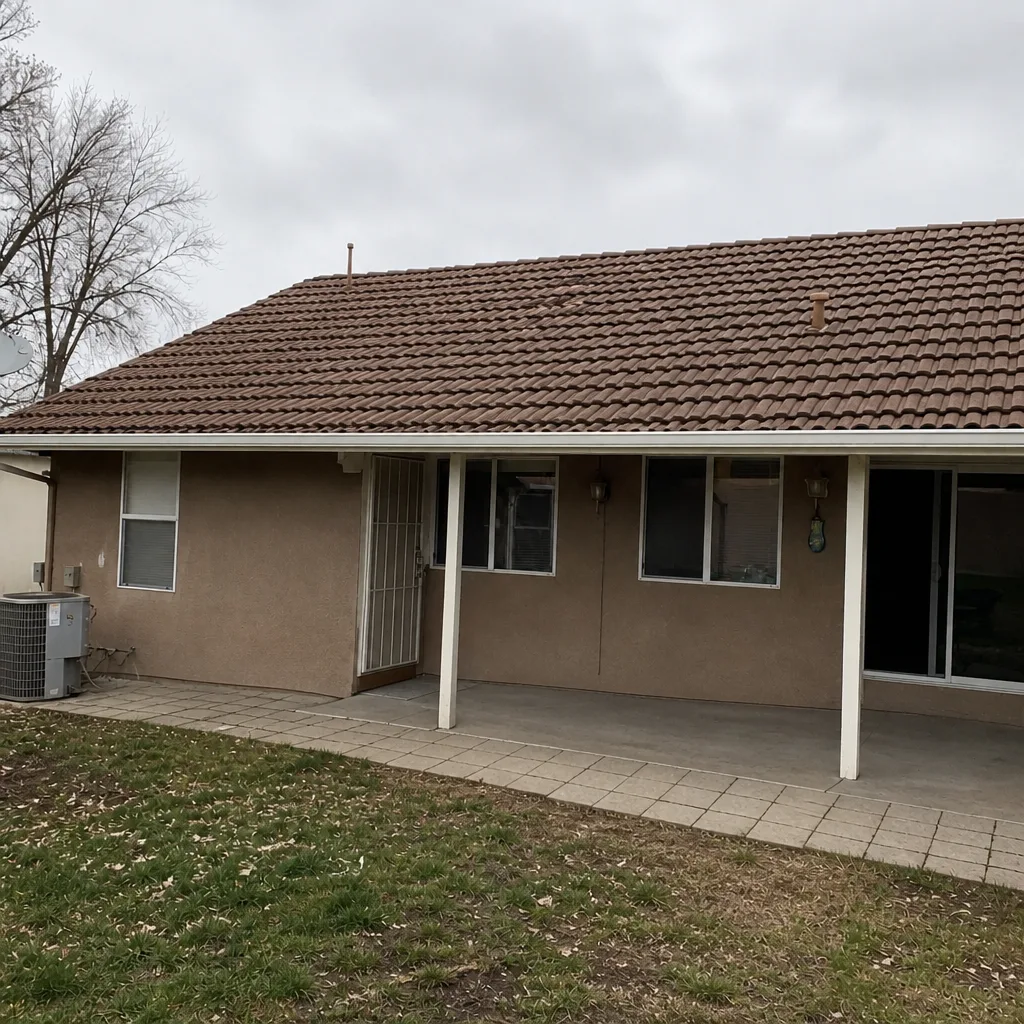
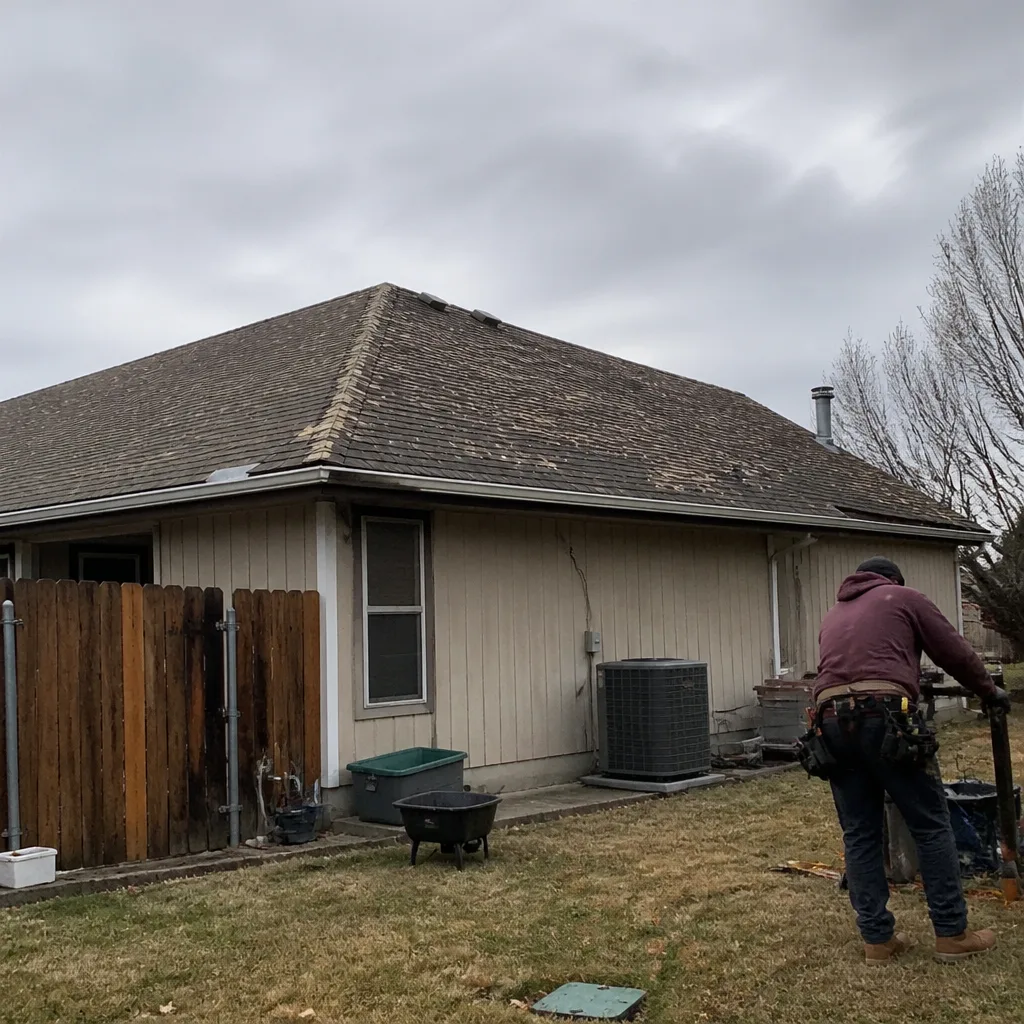
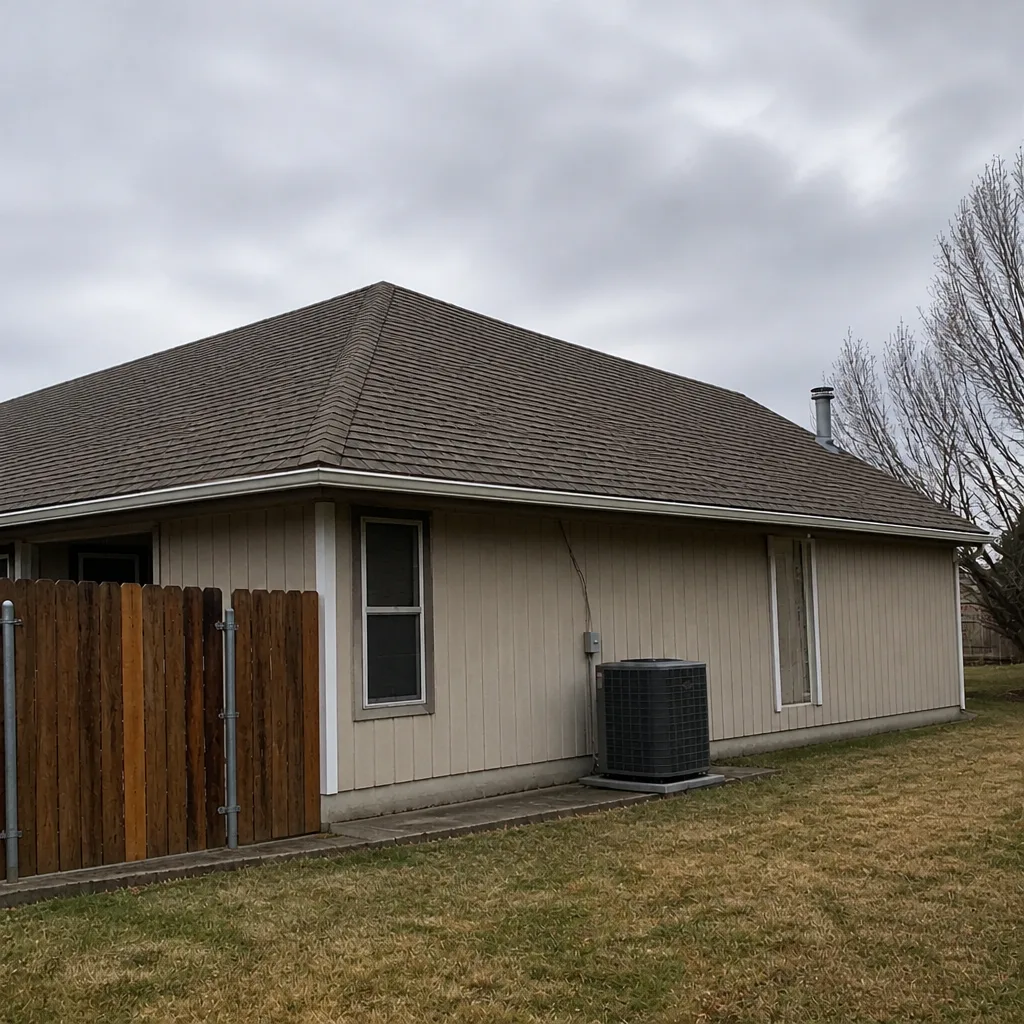
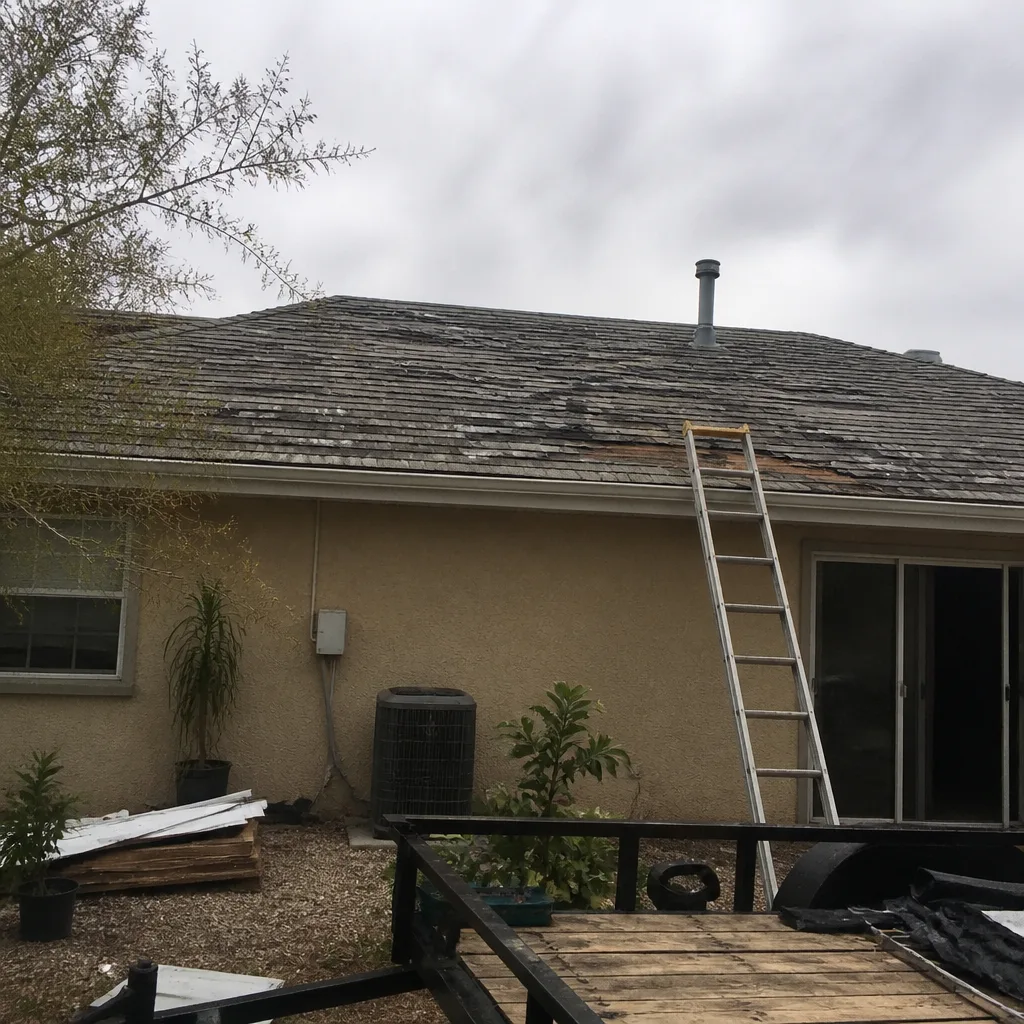
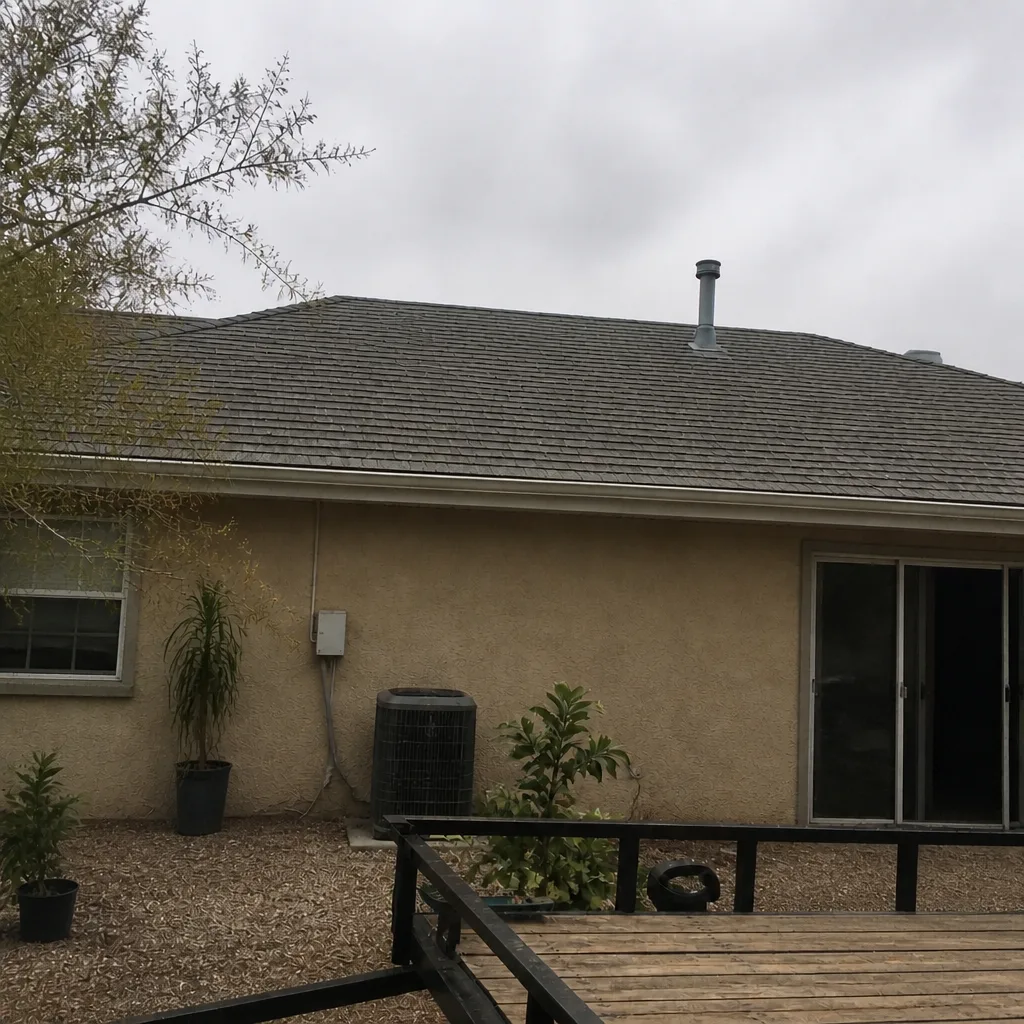
See the difference
 Before
 After
 Before
 After
 Before
 After
When to Call a Professional
Call a licensed roofer if your roof is more than 15 to 20 years old and you’re seeing granules in the gutters, if you’ve had a leak you patched yourself that keeps returning, or if a storm has lifted shingles or opened a seam. Call before you file an insurance claim, so a professional can document the damage and confirm whether the work needs a permit. Call before you list the house, so you find any open permits before your buyer’s agent does. And call if you’re looking at a full replacement and want to understand what your specific roof needs in our heat and wind.
Shepherd & Sons Roofing Whitney offers free estimates in Whitney, and we’ll show you the deck photos before we talk money. A roof is measured in squares, and you can ask any bidder how many they counted. Call (844) 797-9455 and a live person answers, 24/7, including after a storm. No call center, no voicemail. Every roofing job is backed by our written 90-Day Done Right Promise, and you can start by seeing what we do at our Shepherd & Sons Roofing Whitney home page.
Frequently Asked Questions
Yes, a full roof replacement in Clark County requires a building permit and a final inspection. Re-covering an existing roof or replacing structural decking also requires a permit. Small patch repairs often don’t, but confirm with the county before assuming.
Skipping the permit means no inspection, and that can void parts of a homeowner’s insurance claim, stall a home sale, and leave you with no public record of who did the work. It also often means shortcuts went unchecked under the shingles.
Search your property address in the Clark County Building Department’s online permit portal. Review the permit dates, contractor names, and whether each permit was finalized. It takes about five minutes and tells you the history of work on your home.
An NSCB license is the state credential allowing a contractor to legally perform roofing work. A Clark County business license is the local registration to operate a business in the county. A legitimate contractor should have both, plus insurance and bonding.
The inspection itself is usually a short visit, often under an hour, but the scheduling window depends on the county’s queue. Ask your contractor for the permit number and the inspection timeline before work begins, so you’re not waiting blindly.
They can look, but the permit and inspection are what force the deck check to be documented before new shingles go down. A roofer worth hiring will show you the deck photos and explain what he found, permit or not. Call (844) 797-9455 for a free estimate and we’ll walk you through it.
The Bottom Line
In Clark County, a roofing permit is the paper trail that protects your insurance claim, your home sale, and your ability to hold a contractor accountable. Verify the NSCB license and the county business license, confirm the permit in writing before work starts, and pull your own home’s permit history before you sign. If a roofer says permits aren’t necessary for a full replacement in Whitney, that’s your cue to keep looking. Do the five-minute permit check, ask for the deck photos, and insist on the inspection. It’s the cheapest insurance you’ll ever buy on your roof.
Written by the team at Shepherd & Sons Roofing Whitney.