
Last updated November 18, 2026
 Metal roofing
 Architectural shingles
 Tile roofing
 GAF
 Owens Corning
 Flat & low-slope
Free roof inspection with deck photos before we talk money - GAF and Owens Corning certified installation
Seasonal Roofing Care for Whitney: Year-Round Homeowner’s Guide
In Whitney, the most damaging “season” for your roof isn’t winter. It’s the six-week window in June and July when surface temperatures on dark shingles regularly climb past 160°F and nobody is thinking about roof care at all. The heat cooks the sealant strips that hold your shingles down, the attic turns into an oven, and the first real windstorm of August finds every loose tab at once. Whitney’s calendar doesn’t run on snow and ice like most of the country. It runs on ultraviolet summers, monsoon flash floods, and the occasional hard freeze that catches everyone off guard. This guide walks you through what to check and when, month by month, so a small repair in May never turns into a deck replacement in October.
Quick Answer
Year-round roof care in Whitney means shifting your attention with the local weather: watch sealant and attic ventilation in the June – August heat, clear debris from valleys before monsoon rains in late summer and fall, check flashing and low-slope sections during the December – February freeze risk, and inspect granules and pipe boots in spring before the summer rush. The single task that pays for itself in every season is keeping soffit and ridge vents clear so your attic can breathe.
Styles & brands we work with
- Architectural shingles
- Metal roofing
- Tile roofing
- GAF
- Owens Corning
- Flat & low-slope
Table of Contents
- Why Whitney’s Seasons Don’t Match the Generic Advice
- Summer (June – August): Heat, Sealant Strips, and the Post-Monsoon Walk-Around
- Fall (September – November): Valleys, Debris, and Flashing Checks
- Winter (December – February): Freeze Risk on Older Ranch Homes
- Spring (March – May): Granules, Pipe Boots, and Getting on the Schedule
- The One Task That Pays for Itself Year-Round: Clear Vents
- A Month-by-Month Maintenance Checklist
- Common Mistakes to Avoid
Why Whitney’s Seasons Don’t Match the Generic Advice
Most seasonal roof care advice is written for the Midwest or the Northeast, where the enemy is snow load and freeze-thaw cycles from October to April. That’s not Whitney. Here the calendar is dominated by three forces instead: intense dry heat, short violent monsoon rain, and rare but real cold snaps that drop below freezing for a few nights and then warm back up. Each one attacks a different part of your roof.
Whitney sits in a high-desert climate, which means the sun is brutal for most of the year and the rain, when it comes, arrives fast and hard rather than slow and steady. A roof that sheds a gentle drizzle all afternoon in another state has to shed an inch of water in twenty minutes here. That changes which failures show up first. In our experience, the problems we see most in Whitney aren’t snow-related at all. They’re heat-aged shingles, dried-out sealant, cracked pipe boots, and gutters that can’t keep up with a monsoon cell.
That’s why the standard four-season template doesn’t serve a Whitney homeowner well. The maintenance schedule should follow the actual damage calendar. Below, we break the year into the four windows that matter locally, and give you the specific things to look at in each one. If you want the full picture of what we do across the area, the Shepherd & Sons Roofing Whitney home page lays out our repair, replacement, and storm-response work, but this guide is the calendar you can use yourself, whoever ends up on your roof.
Summer (June – August): Heat, Sealant Strips, and the Post-Monsoon Walk-Around
Summer is the season that quietly does the most damage in Whitney, and it’s the season most homeowners ignore. When the outdoor temperature hits 105°F, the surface of a dark asphalt shingle can reach 160°F or higher. That’s hot enough to soften the adhesive sealant strip that bonds each shingle tab to the one below it. Once those strips soften, wind has an easier time lifting tabs, and a single gusty afternoon can start a chain of loosening that spreads across a whole slope.
What to watch for in the summer window:
- Curling or lifted tabs. Walk your property line with binoculars after a hot stretch and look for shingle edges that have started to lift or wave. Those are tabs that have lost their seal.
- Attic heat. If your attic feels like an oven or your upstairs rooms run 8 – 10 degrees hotter than downstairs, ventilation is likely restricted. That’s a summer inspection item, not a winter one.
- Granule loss at downspouts. A little grit after a storm is normal. Piles of granules collecting at the base of your downspouts in July means the shingles are aging faster than they should.
After any monsoon cell rolls through Whitney, do one walk-around. Look for missing or displaced shingles, check that gutters are still attached, and look for water stains on the ceiling of any room directly under a valley or a roof penetration. The rain here comes hard and fast, so it finds weak spots quickly. If you spot something, a prompt look at it beats waiting for the next storm to make it worse. Our roof repair in Whitney team sees a jump in calls right after the first big August storm for exactly this reason.
One safety note: don’t climb up on a hot roof to inspect it yourself. A 160°F surface can burn skin through thin clothing, and summer afternoons bring dehydration risk fast. Use binoculars from the ground, and leave the walking to a trained crew.
Fall (September – November): Valleys, Debris, and Flashing Checks
Fall in Whitney is a transition window, and it’s the best time to get ahead of the wetter months. The goal here is simple: clear the places where water and debris collect before the rain events of late fall and winter arrive. The two spots that matter most are your roof valleys (the inside corners where two roof planes meet) and your flashing (the metal pieces around chimneys, vents, and wall junctions).
Valleys act like funnels. When debris like leaves, seed pods, or grit piles up in a valley, water can’t drain the way it’s supposed to. In a hard Clark County rain event, backed-up water can find its way under shingles and into the deck. Clearing valleys in October, before the winter rains, is one of the cheapest preventive steps you can take. The same goes for gutters: if they’re full, water backs up at the roof edge and can work behind the fascia.
Flashing deserves its own check because temperature swings start to show in fall. As days cool and nights drop, the metal flashing around a chimney or skylight expands and contracts a little each day. Over enough cycles, the sealant around it can crack. That’s why a flashing check belongs on your fall list:
- Look at the rubber or sealant around each pipe and vent penetration for cracks or gaps.
- Check the metal flashing at the base of your chimney and any wall-to-roof junction for lifted edges or rust.
- Confirm gutters are attached and clear, then run a hose test at a downspout if you can safely reach it from the ground.
- Clear debris from valleys with a soft brush from a safe position, never by walking the slope in wet conditions.
If any of that flashing looks questionable, it’s worth a professional look. Cracked flashing is one of the most common sources of interior leaks we run into in Whitney, and it usually shows up as a slow ceiling stain long after the actual gap formed.
Winter (December – February): Freeze Risk on Older Ranch Homes
Whitney does get freezing temperatures. It’s not every winter, and it’s rarely for long, but a handful of nights below freezing is enough to create real risk, especially on older ranch homes with low-slope roof sections. When snow or rain falls and then melts during the day and refreezes at night, water can back up under the shingle edges at the roof’s lower edge and along valleys. That’s the same mechanism behind ice dams anywhere else, and a low-slope section makes it more likely because water drains more slowly.
What to look for during and after a cold snap:
- Ice at the roof edge and in valleys. A ridge of ice along the bottom edge of the roof, or ice sitting in a valley, means meltwater is backing up instead of draining.
- Ceiling stains after a freeze. A water stain that appears right after a freeze-thaw cycle usually points to backed-up water finding a gap.
- Clogged gutters before the freeze. Full gutters are the leading contributor to ice backup. If you clear them in fall, you’ve already done the most important winter prep.
- Older low-slope sections. Ranch homes with a shallow-pitch section over a porch or addition are the ones to watch. Standing water on a low slope drains slowly and refreezes fastest.
Winter is also the season when the phone rings after a storm. If you see water coming in, don’t wait it out. Get a tarp up or get someone out to look. Shepherd & Sons Roofing answers the phone with a live person 24/7, so a cold-night leak isn’t something you have to sit on until Monday. For anything that turns into a real repair, our team handles emergency and storm-damage response year-round.
Spring (March – May): Granules, Pipe Boots, and Getting on the Schedule
Spring is the most useful inspection window in Whitney, and it’s also the smartest time to get a contractor’s attention before the summer rush. Two things happen in spring: the winter’s freeze-thaw cycles have had their shot at your flashing and sealant, and the coming summer heat is about to stress your shingles again. A spring check catches the small stuff while it’s still small.
The spring inspection has two main jobs. First, check the granules. Winter wind and rain strip loose granules off aging shingles, and a spring look tells you how much life is left. Second, re-inspect the pipe boots. The rubber boot around a plumbing vent pipe is one of the first things to crack in a high-UV climate like Whitney’s, and a cracked boot is a direct path for water into your attic. If the rubber looks dry, cracked, or pulled away from the pipe, it needs attention now, not after the first monsoon.
A simple spring checklist:
- Check the base of your downspouts for piles of granules. Heavy accumulation means the shingles are wearing.
- Look at each pipe boot on the roof for cracked or missing rubber.
- Review the flashing and sealant you checked in fall to make sure nothing opened up over winter.
- Book any inspection or repair you need before June, when the summer heat makes roof work harder and the schedule fills up.
Spring is also the right time to think about bigger decisions. If your shingles are 18 – 20 years old with visible granule loss and a few repairs already behind them, you’re looking at a replacement decision, not another patch. When that time comes, the roof replacement and installation in Whitney service is where to start, and getting it scheduled in spring means the work gets done before the worst heat.
The One Task That Pays for Itself Year-Round: Clear Vents
If you only do one thing on this list, do this one: keep your soffit and ridge vents clear. It’s not glamorous, it doesn’t cost anything, and it pays off in every season. Soffit vents sit under the eaves and let cooler outside air into the attic. Ridge vents run along the peak and let the hot air escape. Together they create a continuous flow that keeps the attic from turning into an oven and keeps moisture from building up.
When those vents get blocked by insulation, paint, debris, or a well-meaning homeowner who stuffed the soffits during a remodel, the whole system stops working. In summer, attic temperatures climb far past the outdoor air temperature, which stresses shingles from underneath and drives up your cooling bill. In winter, trapped moisture from inside the house can’t escape and starts to condense on the roof deck. That’s how you get rot, mold, and premature shingle failure.
A few things you can check from the ground or the attic access:
- Are the soffit vents visibly clear of paint, dirt, or insulation?
- Does the ridge vent run the full length of the peak, with no blockages?
- Does the attic feel dramatically hotter than the outside air on a summer day? That’s a sign airflow is restricted.
If you’re not sure whether your ventilation is keeping up, an inspection is worth it. Proper attic ventilation is one of the least expensive things to fix and one of the biggest factors in how long a roof lasts in Whitney.
A Month-by-Month Maintenance Checklist
Here’s the whole year at a glance. Use it as a reminder of when to look at what.
- March – May: Granule check at downspouts, pipe boot inspection, pre-summer repair booking.
- June – August: Watch for curling shingle tabs, check attic temperatures, clear soffit and ridge vents, post-monsoon walk-around after each big storm.
- September – November: Clear valleys and gutters, check flashing around chimney and penetrations, hose-test downspouts from the ground.
- December – February: Watch for ice at the roof edge and in valleys, clear gutters before a freeze, act fast on any ceiling stains.
For Whitney homeowners with a metal roof, the seasonal concerns shift a little. Metal handles UV and heat better than asphalt, and it doesn’t have sealant strips to bake out. But it does expand and contract, so fastener and flashing checks matter more. That’s a different inspection rhythm, and it’s covered in more detail on our metal roofing in Whitney page. The one thing that stays the same regardless of roof type is ventilation: every roof wants to breathe.
Common Mistakes to Avoid
- Following the four-season template from a national site. Advice written for snow country has you focused on winter when your Whitney roof’s biggest threat is June heat. Match the schedule to the local climate, not the calendar you grew up with.
- Walking the roof in the summer heat. A 160°F shingle surface can burn you and the shingles are softer and more easily damaged in the heat. Use binoculars from the ground.
- Skipping the post-monsoon walk-around. The one hard storm in August is exactly when a lifted shingle becomes an interior leak. A five-minute look after a downpour catches it early.
- Ignoring the pipe boots. The rubber boot around a plumbing vent is the most common leak source we see in Whitney’s UV climate, and it’s the easiest thing to forget.
- Clearing valleys by climbing in wet conditions. After any rain, the roof is slick and dangerous. If a valley needs clearing, do it dry from a safe position, or call someone.
- Waiting until a leak shows up inside. By the time water stains your ceiling, the moisture has usually been working on the deck and insulation for a while. Seasonal checks catch it earlier.
- Blocking soffit vents during a remodel. Insulation or soffit work can cut off the airflow your attic depends on year-round. Check that those vents stay open.
When to Call a Professional
Some of this guide you can handle from the ground with binoculars and a notepad. But there are clear moments to bring in a trained crew. Call a professional if you see water stains on your ceiling, cracked or missing pipe boots, lifted or missing shingles after a storm, ice backing up under shingle edges, or significant granule loss on shingles that are getting old. Any of those is a sign that the problem has moved past preventive care. Roof work also involves real heights and hot surfaces, so a handyman who isn’t set up for it isn’t worth the risk. Shepherd & Sons Roofing Whitney offers free estimates in Whitney, and our technicians have up to 30 years of experience. Schedule yours by calling (844) 797-9455. Every job comes with a written 90-Day Done Right Promise, and if something isn’t right, one call brings us back.
See the difference
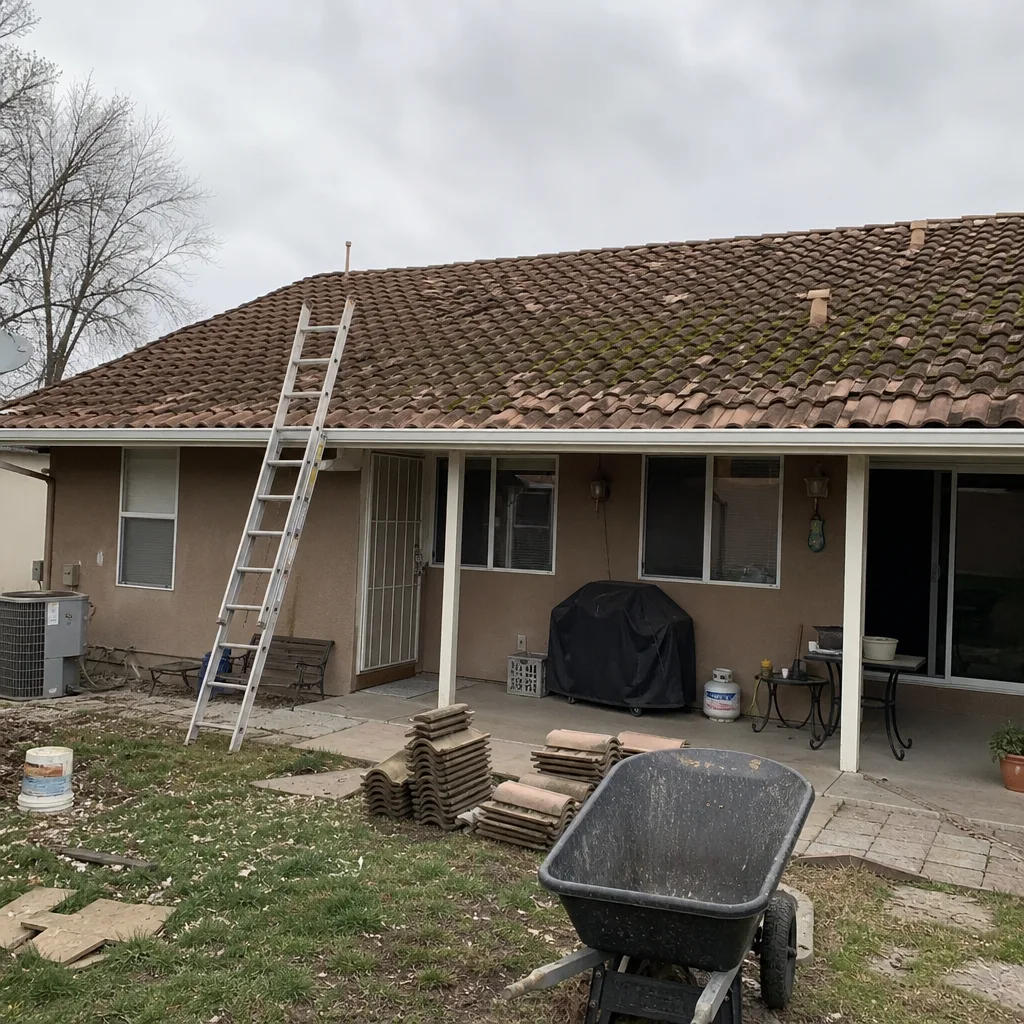 Before
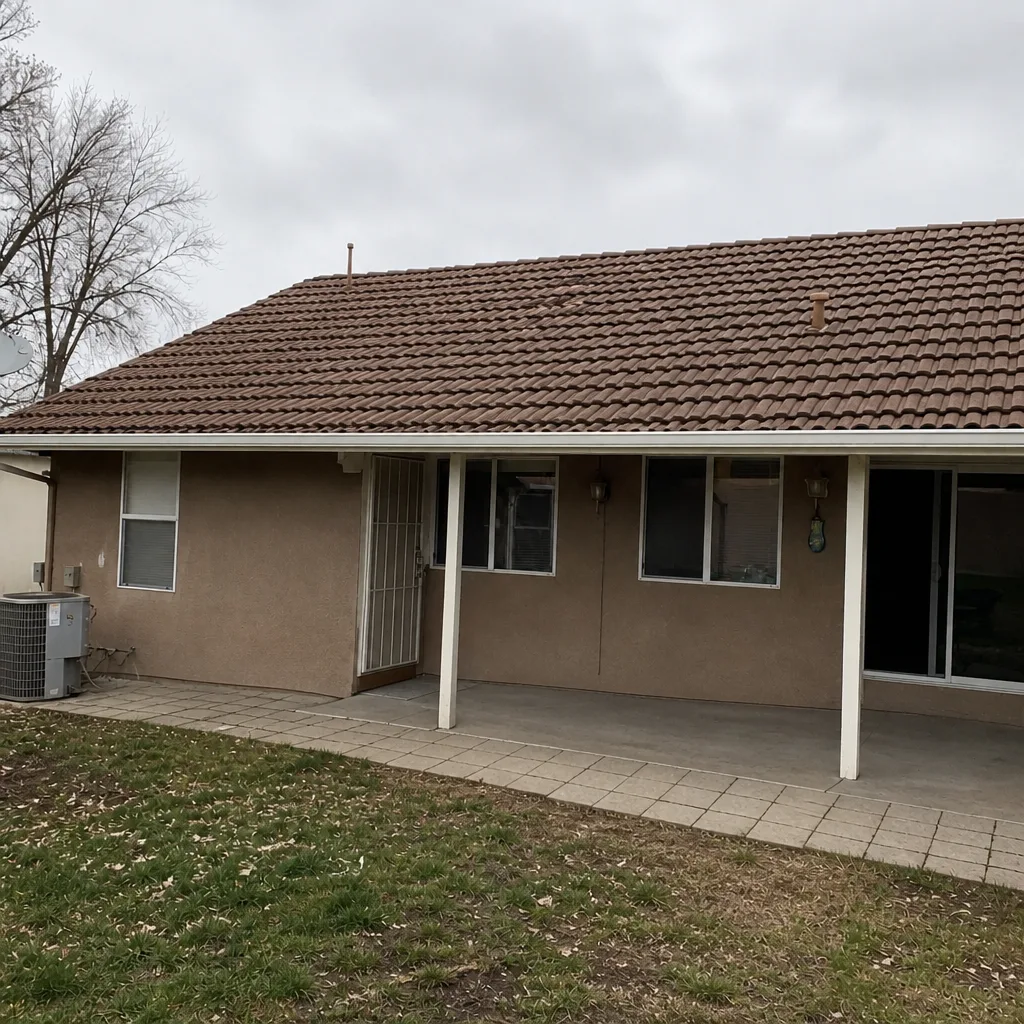 After
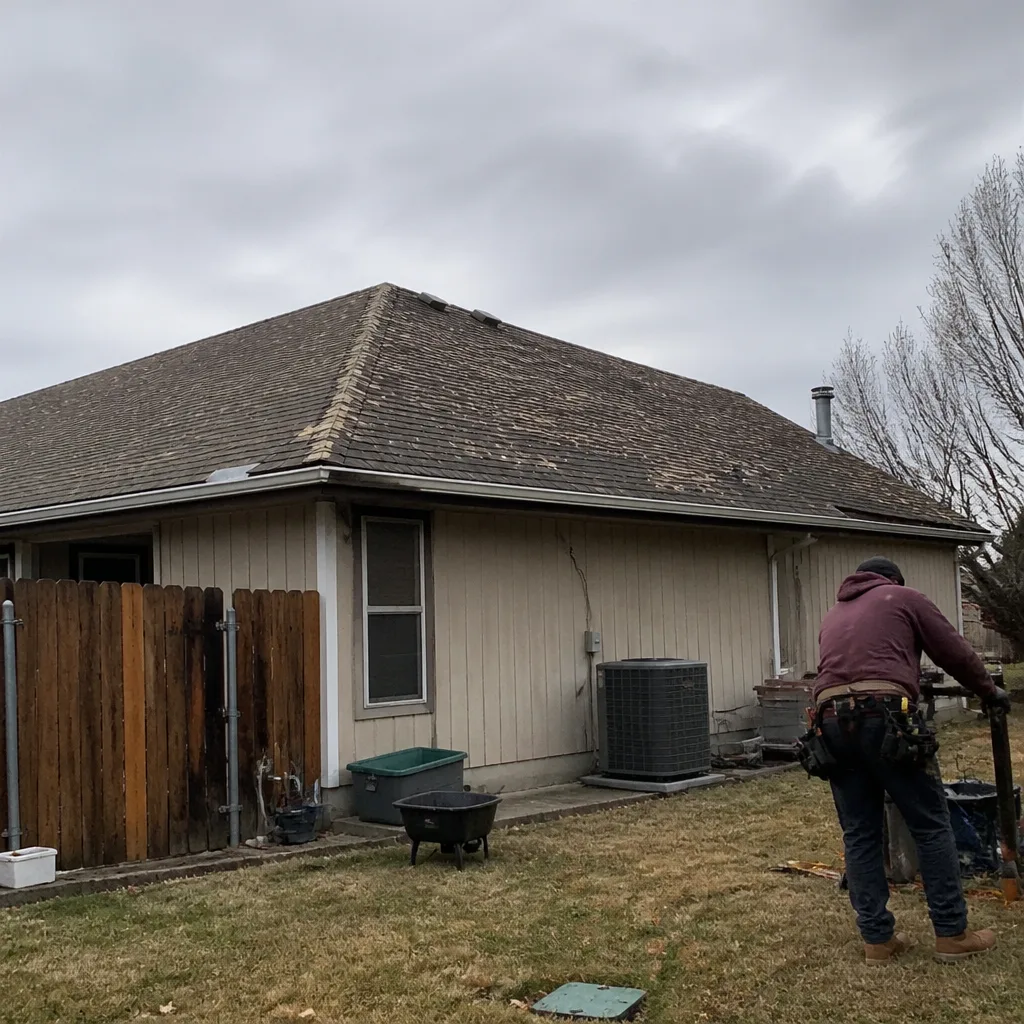 Before
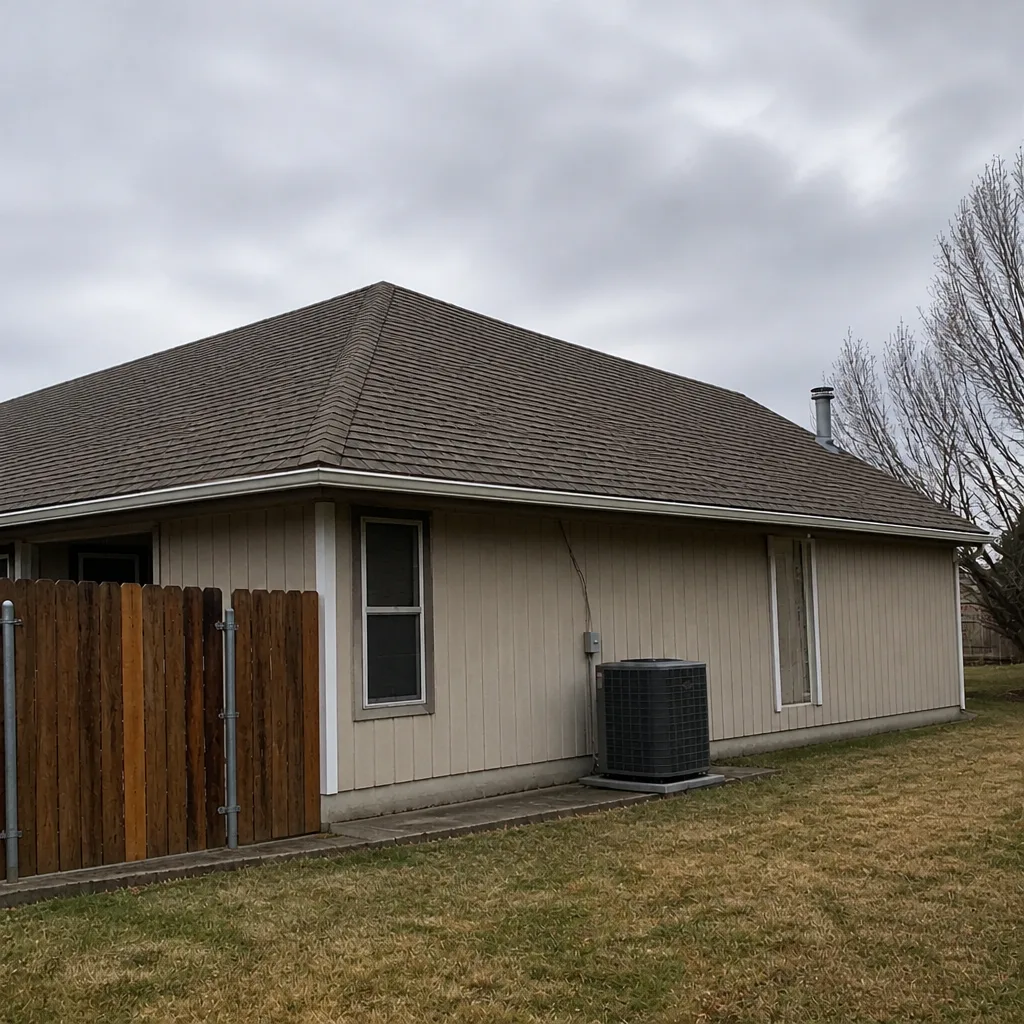 After
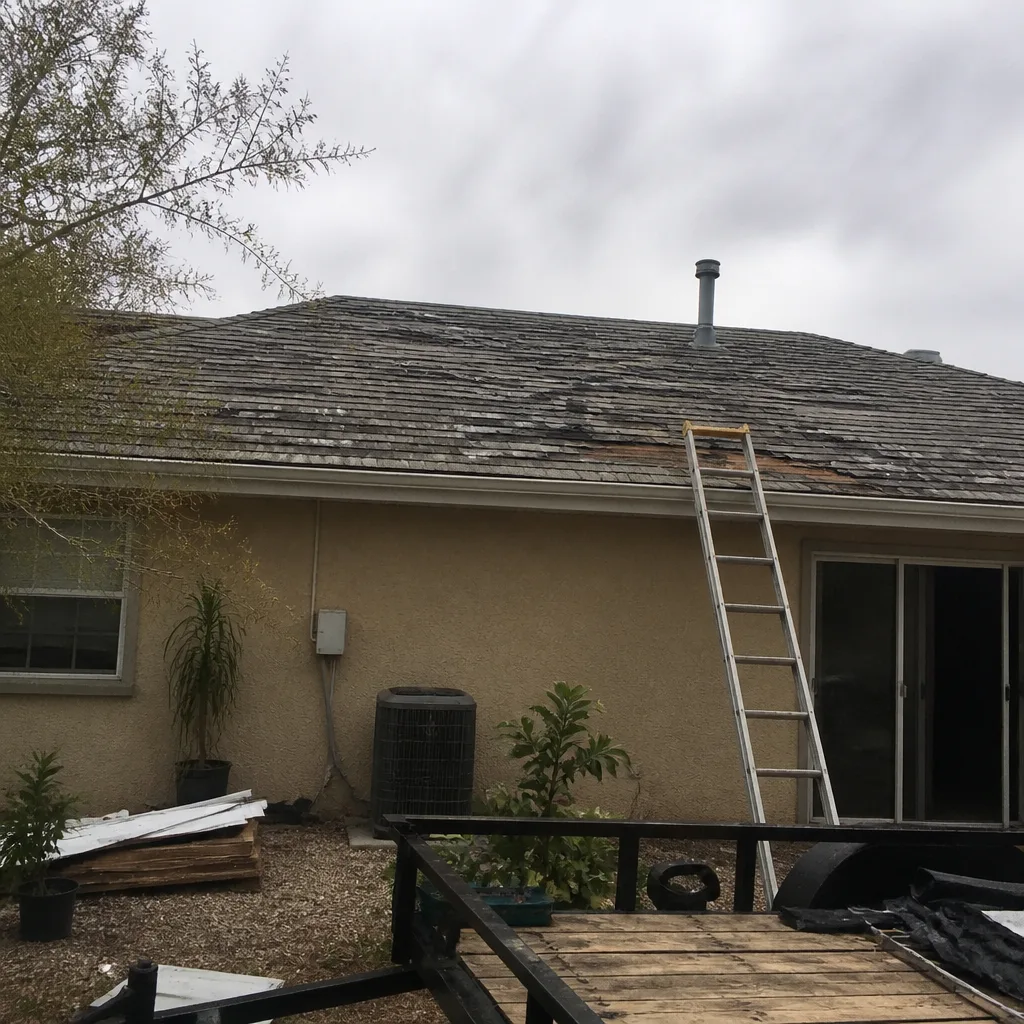 Before
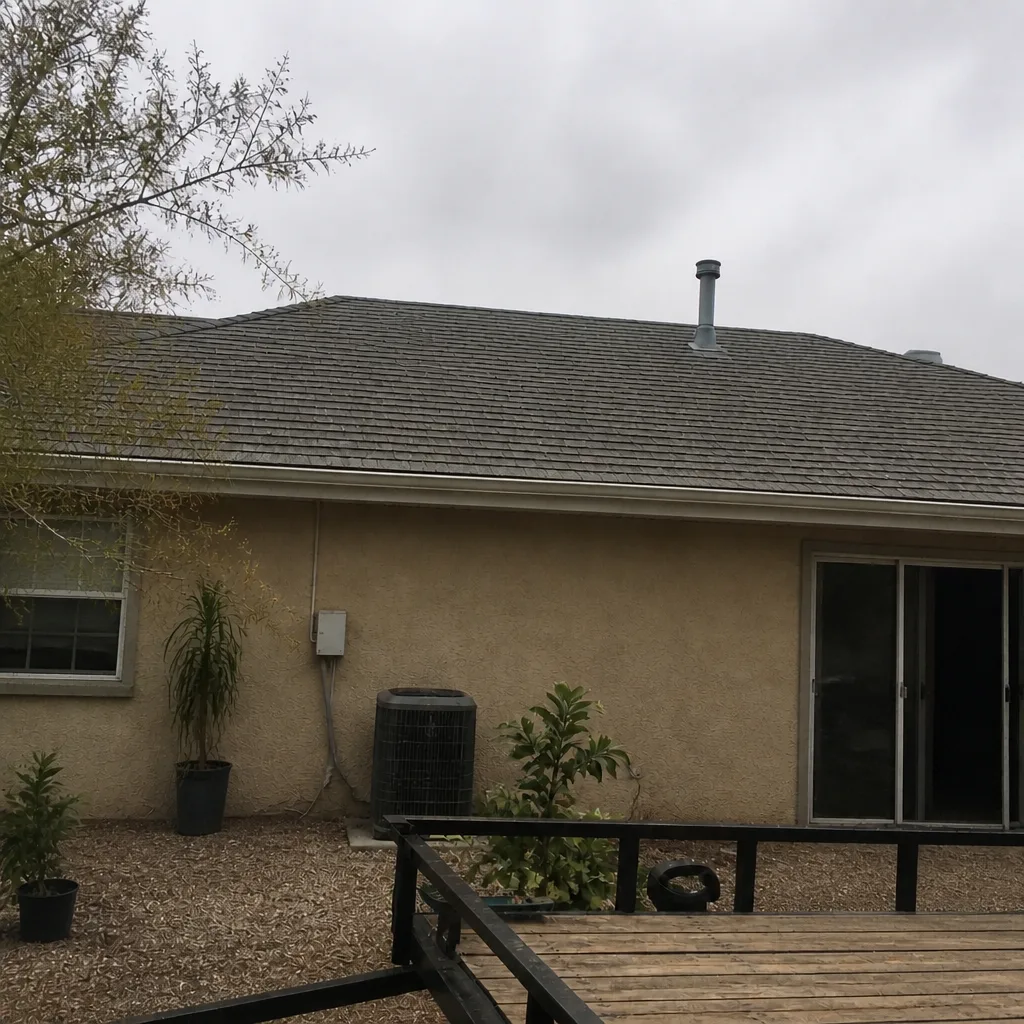 After
Frequently Asked Questions
Keeping your soffit and ridge vents clear is the highest-value task because it protects the roof in every season. Clear vents lower attic heat load in summer and let trapped moisture escape in winter, which helps shingles and deck last longer. Everything else on the seasonal list is secondary to that airflow.
Whitney does get freezing temperatures in winter, and older ranch homes with low-slope sections are the most vulnerable. Ice can form along the roof edge and in valleys when daytime melt refreezes at night, and backed-up water can work under shingles. If you see ice ridges, get it looked at rather than chipping at it.
A full visual inspection from the ground is worth doing after each major storm season, so roughly once in spring and once in fall, plus a walk-around after any monsoon cell. A trained inspection once a year, ideally in spring, catches what you can’t see from the ground.
Some curling and lifting is normal as shingles age, especially after repeated 160°F surface days in the Whitney heat. But it means the sealant strips have lost their hold, and wind has an easier time lifting those tabs. If you’re seeing it across a whole slope, it’s worth a professional look.
You can clear gutters from the ground with a hose or a long tool, and you can clear debris from valleys if you can safely reach them in dry conditions. But climbing on a roof, especially after rain or in summer heat, carries real injury risk. When in doubt, leave the walking to a trained crew.
A basic inspection is usually offered free or at low cost as part of an estimate, and it’s the best way to catch a small problem before it grows. Call (844) 797-9455 for a free estimate, and we’ll tell you exactly what we find before you commit to anything.
The Bottom Line
Whitney’s roof calendar runs on heat, monsoon rain, and the occasional hard freeze, and your care schedule should match that, not a generic four-season template. Watch sealant and ventilation in summer, clear valleys and check flashing in fall, guard against freeze backup in winter, and inspect granules and pipe boots in spring. Do those four things and the single year-round task of keeping vents clear, and you’ll catch the small problems while they’re still small. If the work goes past what you can safely check from the ground, Shepherd & Sons Roofing Whitney is here to help. Our technicians have up to 30 years of experience, every roofing job is backed by a written 90-Day Done Right Promise, and a live person answers the phone 24/7. Call (844) 797-9455 for a free estimate, and we’ll look before we quote.
Written by the team at Shepherd & Sons Roofing Whitney.