
Last updated November 18, 2026
 Architectural shingles
 Metal roofing
 Tile roofing
 GAF
 Owens Corning
 Flat & low-slope
Free roof inspection with deck photos before we talk money - GAF and Owens Corning certified installation
Roof Repair Troubleshooting: Common Problems and How to Fix Them
The leak stain on your ceiling is almost never directly below the hole in your roof. Water travels along rafters and sheathing for three, four, sometimes eight feet before it drips, which is why patching the obvious spot and calling it done is the number-one reason roof repairs fail inside a year. We’ve seen it in Whitney more times than we can count: a homeowner seals a shingle they can see from the ground, the stain comes back in the same spot by the next rain, and the actual entry point was never touched. This guide teaches you to trace a symptom back to its real source before anyone picks up a caulk gun. You’ll learn how to isolate an entry point with a garden hose, tell three identical-looking failures apart, use your gutters and attic as diagnostic tools, and know exactly what to ask a roofer so you can tell whether they’ve found the source or are just guessing.
Quick Answer
Most roof leaks come from a handful of failure points – pipe boots, valley flashing, lifted or cracked shingles, and failed step flashing at walls and chimneys – and the visible water stain is usually several feet away from the actual hole. The fix is to trace the water back to its entry point from the exterior, confirm it with a controlled water test, and repair the flashing or shingle that’s actually failing rather than patching the stain. Fixing the symptom instead of the source is the single most common reason a repair fails within a year.
Styles & brands we work with
- Architectural shingles
- Metal roofing
- Tile roofing
- GAF
- Owens Corning
- Flat & low-slope
Table of Contents
- Why Water Never Drips Straight Down
- The Garden Hose Test: Finding the Real Entry Point
- Three Failures That Look Identical From Inside
- Reading Your Attic: Ice Dam vs. Active Leak vs. Condensation
- Granules in the Gutter: What They Tell You
- What the Whitney Climate Does to Roofs
- Questions to Ask a Roofer During Troubleshooting
- Common Mistakes to Avoid
- When to Call a Professional
Why Water Never Drips Straight Down
Water doesn’t fall through a roof – it follows it. Once it gets past the shingles, it runs along the path of least resistance: down the underside of a rafter, along a run of sheathing, sideways along a top plate, then finally finds a gap and drops onto your ceiling. A stain in the middle of a bedroom ceiling could trace back to a pipe boot eight feet uphill. A streak along a wall could come from a valley two rooms over.
That single fact is why so many repairs fail. The homeowner sees a stain, finds the nearest shingle that looks wrong, and seals it. The real breach sits untouched somewhere uphill, and the first hard rain reopens the same stain.
In our experience across Whitney, this gets worse on low-slope sections and on roofs with long rafter runs, where water can travel even farther before it shows. The diagnostic rule is simple: the stain tells you where water comes out, never where it comes in. You have to find the entry from the outside, working uphill and around obstructions from the stain location. That’s the whole game.
The Garden Hose Test: Finding the Real Entry Point
Before smartphones and moisture meters, this was the method, and it still beats most of what’s sold as leak detection today. It costs nothing, and it’s the fastest way to isolate an entry point on a dry day. You need a garden hose, a helper inside, and patience. Do this when the roof is dry and no rain is forecast for at least 24 hours.
- Start low and uphill. Have your helper watch the stain. Begin spraying at the lowest point uphill of the stain – usually near the eave on that side – and work your way upslope in short, timed passes.
- Spray low pressure, one area at a time. Don’t blast. A gentle, steady stream aimed uphill mimics rain running down the slope. Soak one small section for two to three minutes.
- Wait and listen. After each section, pause and have your helper call out if the stain darkens or a drip starts. Water takes time to travel the same path it did during the storm.
- Move up in sections. Work up the slope, then across to the next uphill point. When the stain reacts, you’ve bracketed the entry point to the section you just soaked.
- Re-test to confirm. Once you have a suspect, let the roof dry, then soak only that spot. If the stain reacts again, you’ve found it.
Two cautions: never do this alone, and never get on a wet or steep roof to run the hose. Do the spraying from a ladder or the ground wherever you can, and if the suspect area is high or steep, that’s the point where the hose test becomes a job for someone with fall protection. If you’ve narrowed it down but can’t safely check the spot, Roof Repair in Whitney covers what a proper inspection involves.
Three Failures That Look Identical From Inside
From the ceiling, a pipe boot failure, valley flashing failure, and a lifted shingle all read the same: a stain, maybe a drip, maybe a dark ring on the drywall. From the outside, one clue usually separates them.
- Pipe boot failure. The rubber collar around a plumbing vent pipe cracks or pulls away from the pipe. The exterior clue: look at the boot itself. If the rubber is cracked, split, or the collar is sitting off-center on the pipe, that’s your source. This is the most common single leak we find on Whitney roofs, because the desert sun cooks that rubber faster than anything else up there.
- Valley flashing failure. The metal channel where two roof planes meet has lifted, been stepped on, or its sealant has failed. The exterior clue: stand back and sight down the valley. If the metal is proud of the shingles, dented, or you can see daylight or a lifted edge where it meets the shingle course, water is getting under it.
- Lifted or cracked shingle. Wind or age has raised a shingle tab, or a hairline crack runs across the field. The exterior clue: sight up the roof slope from the eave at a low angle. A lifted shingle casts a shadow line you can see from below. Run your eye along each course.
The trap is that all three can be present at once. If you find two, you still don’t know which one is feeding the stain until you re-test with the hose or trace it with a moisture meter from the attic. Don’t stop at the first thing that looks wrong.
Reading Your Attic: Ice Dam vs. Active Leak vs. Condensation
Three different problems produce water in the same places, and the fix for each is completely different. Your attic tells you which one you have – and you can usually figure it out without cutting into drywall.
Condensation shows up as frost on the roof deck in cold weather, or as damp, dark sheathing across a broad area with fogged windows upstairs and no clear drip point. It’s a ventilation and insulation problem, not a leak. Ice dams show up as ice at the eave with water backing up under the shingles above it. An active leak shows a wet drip trail from a specific point and stains that grow during rain.
Insulation depth is the tell. In a cold stretch, a ceiling with thin or patchy insulation lets heat escape and warm the roof deck, which melts snow that refreezes at the cold eave – that’s your ice dam factory. A well-insulated, well-vented attic stays uniformly cold and doesn’t build dams. So before you assume “leak,” look at the insulation. If it’s thin, blown-back, or missing in patches over the trouble spot, you may be looking at a heat-loss problem, not a hole. If the sheathing is wet in a broad stain but the roof surface is intact, suspect condensation or ventilation first. Get the diagnosis right, or you’ll spend money on a roof repair that was never going to fix it.
Granules in the Gutter: What They Tell You
Granules in your gutter are a diagnostic tool most people never read. Every asphalt shingle loses granules over its life – that’s normal. What matters is how much and where.
Normal shedding: a light scatter of granules in the gutter after a new install, tapering off within a year, then a slow, steady trickle. You’ll always find some. A shingle giving up: thick, continuous drifts of granules – enough to fill a coffee can from a few feet of gutter – especially after a rain or a windy day, and especially if the granules are collecting under one specific slope. Pair that with shingles that look grainy and bald in patches on the roof surface, and you’re watching a roof reach the end of its life, not a single bad shingle.
In Whitney, that granule loss gets pushed harder by the desert sun and the wide temperature swings between day and night, so a roof here can shed granules faster than the same shingle would in a milder climate. If a Tamko or CertainTeed shingle on your roof is bald in spots and the gutters are loaded with grit, no amount of patch work will reverse it. That’s a replacement conversation, not a repair.
What the Whitney Climate Does to Roofs
Whitney’s climate sets up a specific set of recurring failures, and knowing them saves you from chasing the wrong culprit. The two big drivers are intense summer UV and the freeze-thaw cycle that hits the higher country east of the valley in winter.
- UV cooks rubber and sealant. Pipe boots, vent collars, and any caulk-joint flashing fail years before the shingles around them. Age isn’t the issue – sun exposure is.
- Wind-driven dust and grit. Spring gusts drive grit under lifted shingle edges and into valleys, and can peel back tabs on exposed slopes.
- Monsoon downpours. Summer storms dump water fast. A valley that handles a gentle rain can overflow when the sky opens, so a leak that only appears during monsoons often points at a valley or a low-slope transition, not a field shingle.
- Winter freeze-thaw. On colder mornings, water gets into a hairline crack, freezes, and widens it. Cracks that were cosmetic in October become leaks by February.
We’ve seen this pattern enough times that we plan for it. When we’re called out to Roof Replacement & Installation in Whitney, the conversation usually starts with a failure this climate caused, not one the homeowner did.
Questions to Ask a Roofer During Troubleshooting
The fastest way to tell whether a roofer has actually found your leak or is guessing is to ask four questions. A pro who’s traced the source answers them without blinking. A guesser starts talking about “sealing everything up there.”
- “Where exactly is the entry point, and how did you confirm it?” You want a location (the boot on the north vent stack, the lower-left valley), not “somewhere on that slope.” A pro will say how they confirmed it – a hose test, a moisture meter from the attic, deck photos.
- “Show me the photos.” Anyone can climb down and describe it. Ask to see the actual deck and the failing component before anyone talks money. That’s how we work, and it’s how you should expect any roofer to work.
- “What’s the repair, and what fails next if we don’t fix it?” A good answer explains the fix and the honest next risk – the adjacent flashing that’s also aging, for example.
- “Will you put the price and the warranty in writing?” The number should be on paper before work starts, and the warranty should be real. That’s what our 90-Day Done Right Promise is: if it’s not done right, we make it right, in writing.
If the answers are vague or the price only shows up at the door, that’s your answer. For a wider view of how a repair process should run start to finish, see our approach to repairs in Whitney.
Common Mistakes to Avoid
- Sealing the stain and calling it done. The stain is where water comes out, not where it comes in. Patching it guarantees the callback.
- Trusting the “it only leaks in heavy rain, so the shingles must be bad” logic. Heavy-rain-only leaks usually point to a valley, a low-slope transition, or a clogged drainage path – not field shingles. Chasing the wrong surface wastes a repair.
- Piling roof cement over a pipe boot. Sealant smeared over a cracked rubber collar fails within a season under the Whitney sun. The boot needs replacing, not caulking.
- Ignoring granules because “every roof sheds some.” A little is normal. Coffee-can drifts in one slope’s gutter mean the shingle is failing, and that’s a different decision than a repair.
- Assuming an attic drip is a leak. Broad dampness and fogged windows in cold weather often mean condensation or an ice dam fed by thin insulation. Fixing the “leak” you don’t have costs money and fixes nothing.
- Letting a storm chaser diagnose a Whitney roof from the ground. If a roofer quotes you without getting up there and showing you the failing component, they’re guessing. Out-of-state crews that roll through after a storm are usually gone before your callback.
- Doing the hose test alone on a steep or wet roof. A slip on a wet slope is how a small leak becomes a hospital visit. Test from the ground or a ladder, and leave the high stuff to someone with fall protection.
When to Call a Professional
Some diagnosis is safe and simple to do yourself: the hose test from the ground, reading your gutters, checking attic insulation depth, and sighting lifted shingles from the eave. Call a pro when the suspect area is steep, high, or wet; when water is actively coming into a living space; when you’ve found a suspect spot but can’t safely or confidently confirm it; when a valley, step flashing at a wall, or a chimney is involved; or when granule loss points to a roof near the end of its life. If your roof is tile or metal, a cracked tile or a lifted metal panel is rarely a DIY fix without the right materials.
Shepherd & Sons Roofing Whitney offers free estimates in Whitney – call (844) 797-9455 and a real person picks up, any hour. A free second opinion on any written estimate you’ve already got is always available too, so you know the number before anyone touches your roof.
See the difference
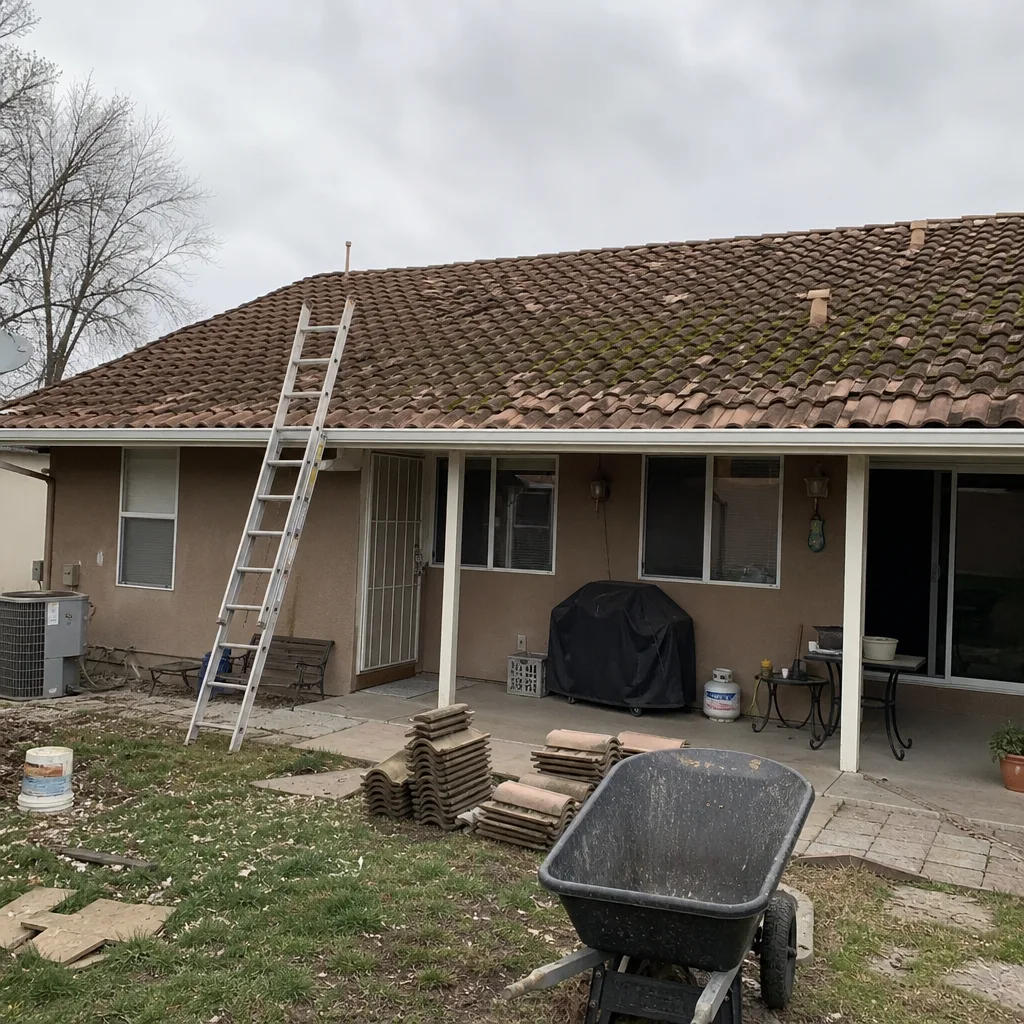 Before
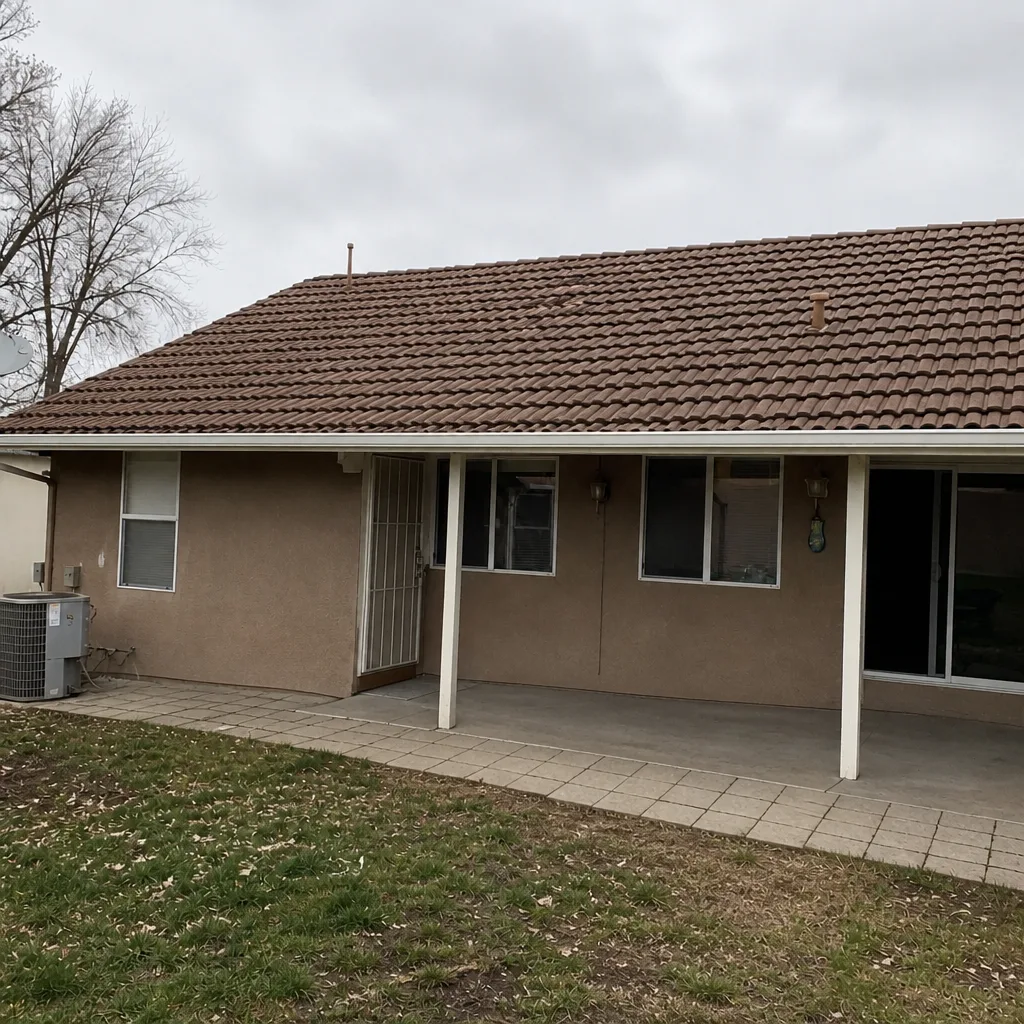 After
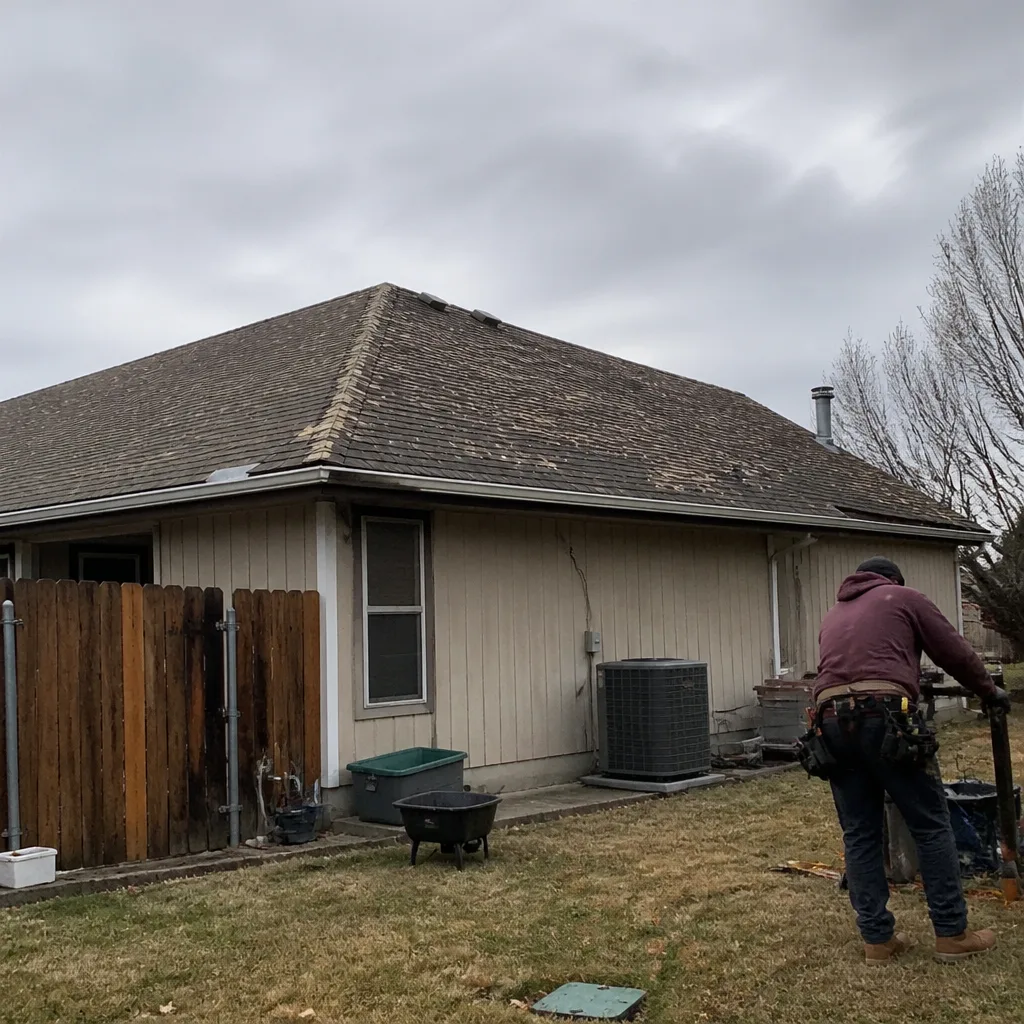 Before
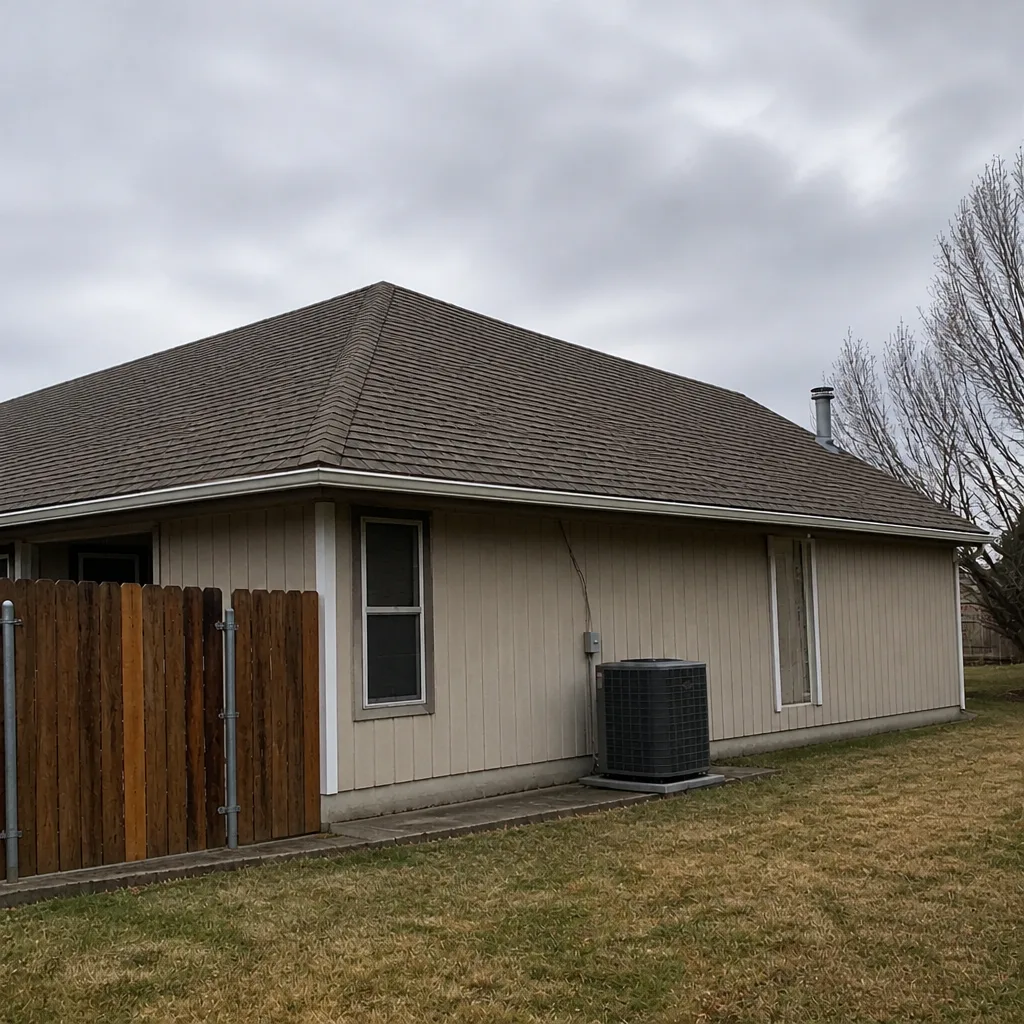 After
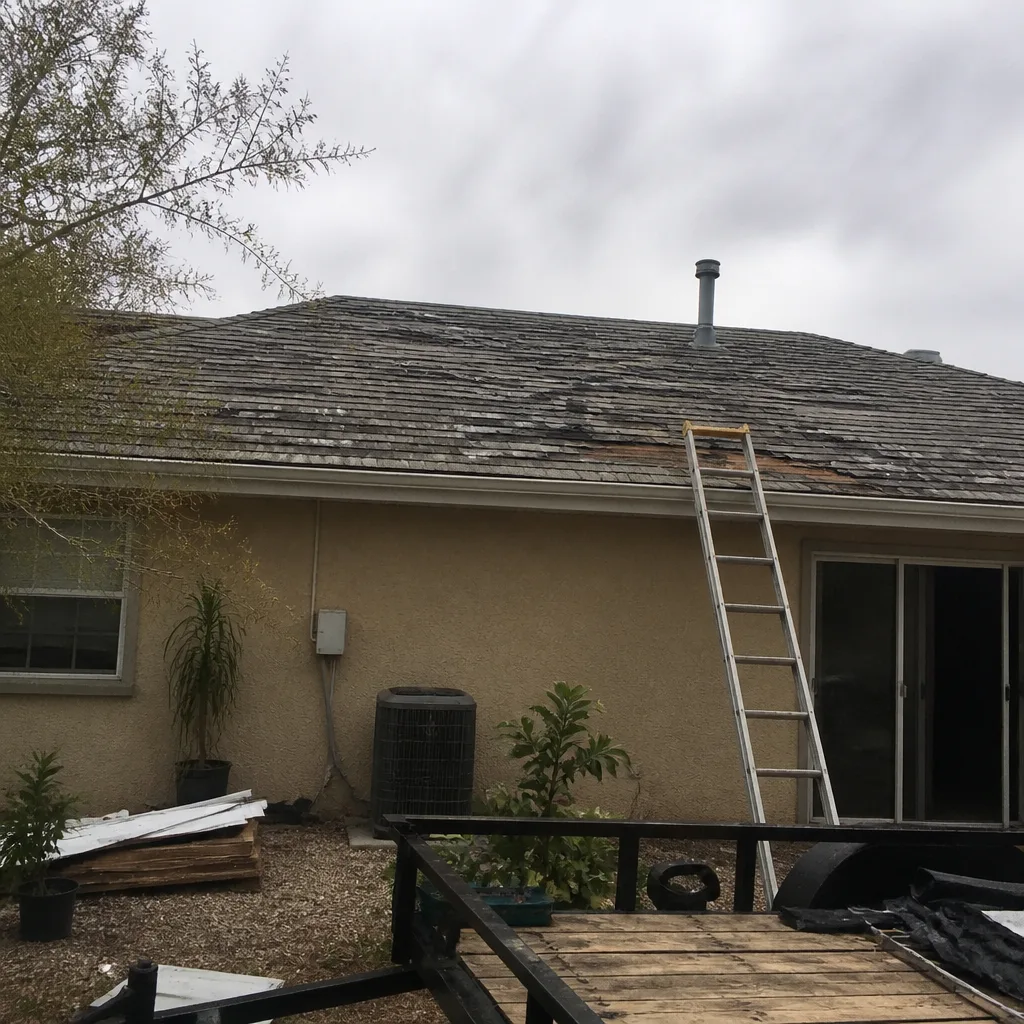 Before
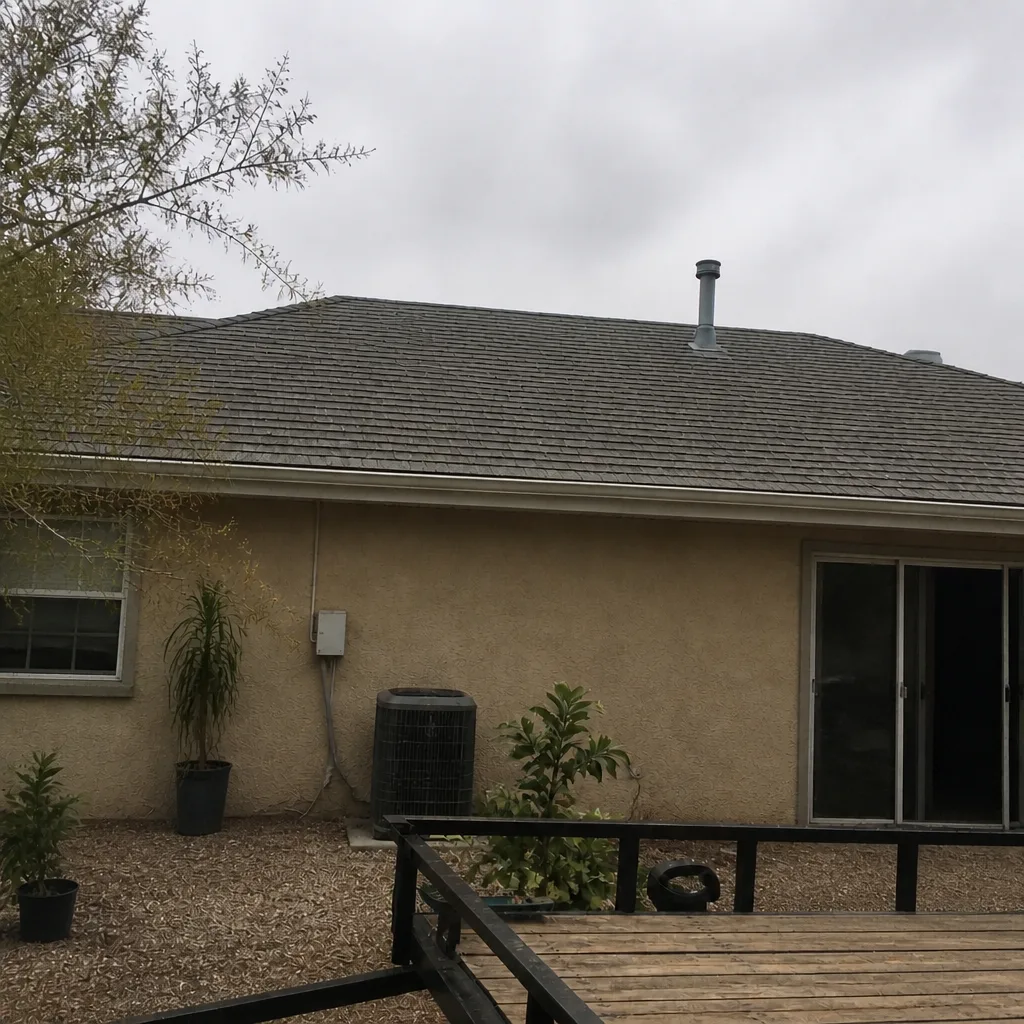 After
Frequently Asked Questions
Because the spot above the stain usually isn’t the entry point. Water travels along rafters and sheathing several feet before it drips, so the visible shingle sits downhill of the real breach. You have to find the entry from the outside, working uphill and around obstructions. Call (844) 797-9455 for an exact quote on tracing and fixing it – estimates are free.
Most single-source repairs – a pipe boot, a section of valley flashing, a handful of shingles – fall in the low hundreds of dollars, and larger flashing or chimney work runs higher. You’ll want the number in writing before work starts. Call (844) 797-9455 for an exact quote on your roof – estimates are free.
Yes, from the ground or a ladder on a dry day with a helper inside watching the stain. Work uphill from the stain in short timed passes, pausing to see if the stain reacts, then re-test to confirm. Never run the test alone on a steep or wet roof – that’s the point to call (844) 797-9455.
Usually not. Heavy-rain-only leaks most often come from valleys, low-slope transitions, or drainage that can’t keep up during a downpour, rather than a bad field shingle. That distinction changes the repair entirely. Call (844) 797-9455 and we’ll get up there and show you what’s actually failing.
An ice dam shows ice at the eave with water backing up under the shingles above it; a regular leak shows a wet drip trail from a specific point that grows during rain. Thin or patchy attic insulation that lets heat escape is the usual ice dam culprit. If you can’t separate the two, call (844) 797-9455 before you pay for a repair that fixes the wrong thing.
If one shingle is bald but the rest of the slope is sound, it can be replaced. If granules are collecting in thick drifts under one whole slope and the surface is balding in patches, the shingle is near the end of its life and patches won’t hold. Call (844) 797-9455 for an honest read on which one you’re facing.
When the repair turns out to be bigger than a patch, our replacement guide walks through what a full roof involves.
The Bottom Line
Every roof repair starts with a diagnosis, and the diagnosis almost always begins away from the stain. The visible drip is where water exits; the entry point sits uphill, in a pipe boot, a valley, a lifted shingle, or flashing at a wall. Trace it before you patch it – the hose test, the attic check, and a look at your gutters will get you most of the way. When a roofer quotes you, ask where the entry is and how they confirmed it, and ask to see the photos. If it turns out your roof is tile or metal, the material matters too – see Metal Roofing in Whitney for how those roofs fail and get repaired. And if you want a second set of eyes on a diagnosis you’re unsure about, our Shepherd & Sons Roofing Whitney home page is the place to start.
Get a Straight Answer on Your Roof
If you’ve traced a stain this far and you’re ready for a professional eye, call Shepherd & Sons Roofing at (844) 797-9455 for a free estimate. You’ll see the deck photos before we talk money, the price comes in writing before anyone touches your roof, and every repair is backed by our 90-Day Done Right Promise. Same address, same name on the truck, same owner on the roof – and a live person answers the phone any hour, including after a storm. If you already have a written estimate from someone else, ask for a free second opinion and we’ll tell you straight whether the diagnosis holds up. Right now there’s $40 off any repair over $200, no trip charge inside our own county, and a senior and veteran discount, always available.
Written by the team at Shepherd & Sons Roofing Whitney.