
Last updated November 18, 2026
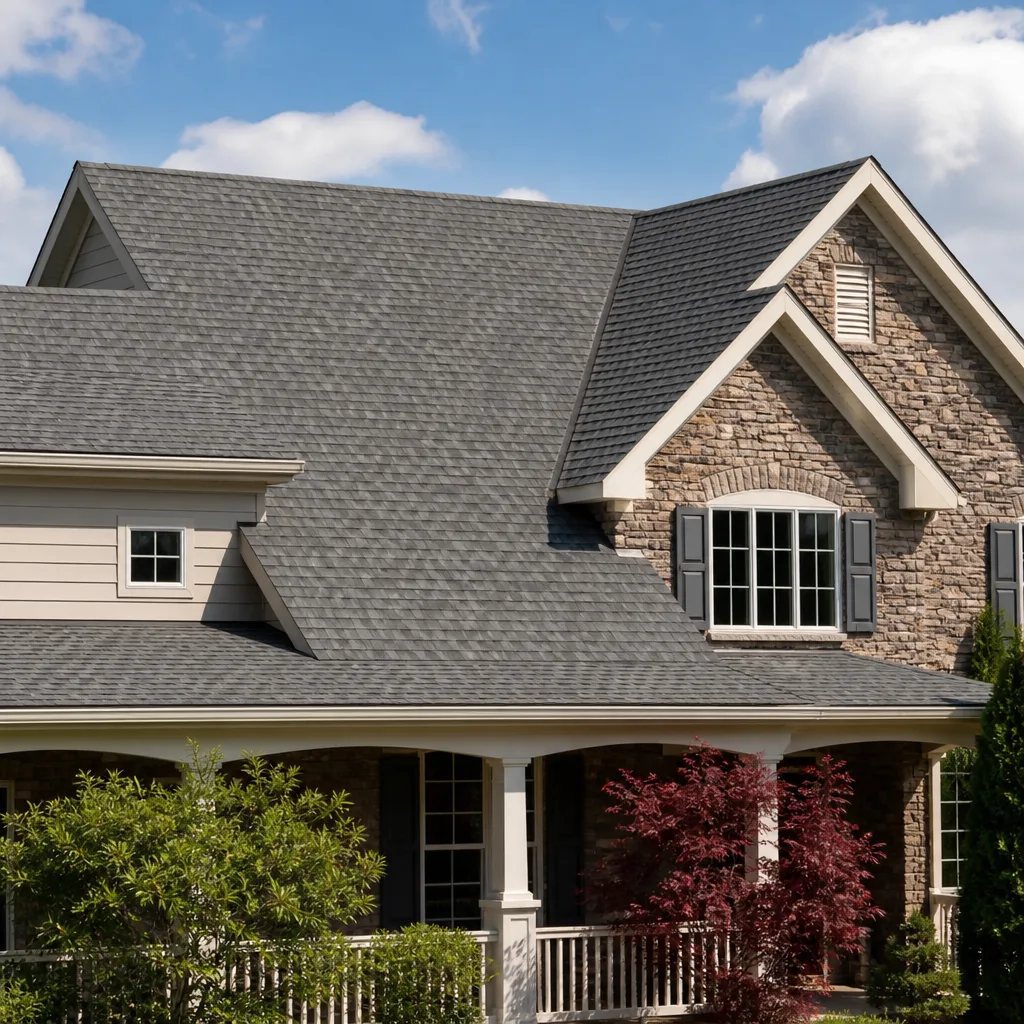
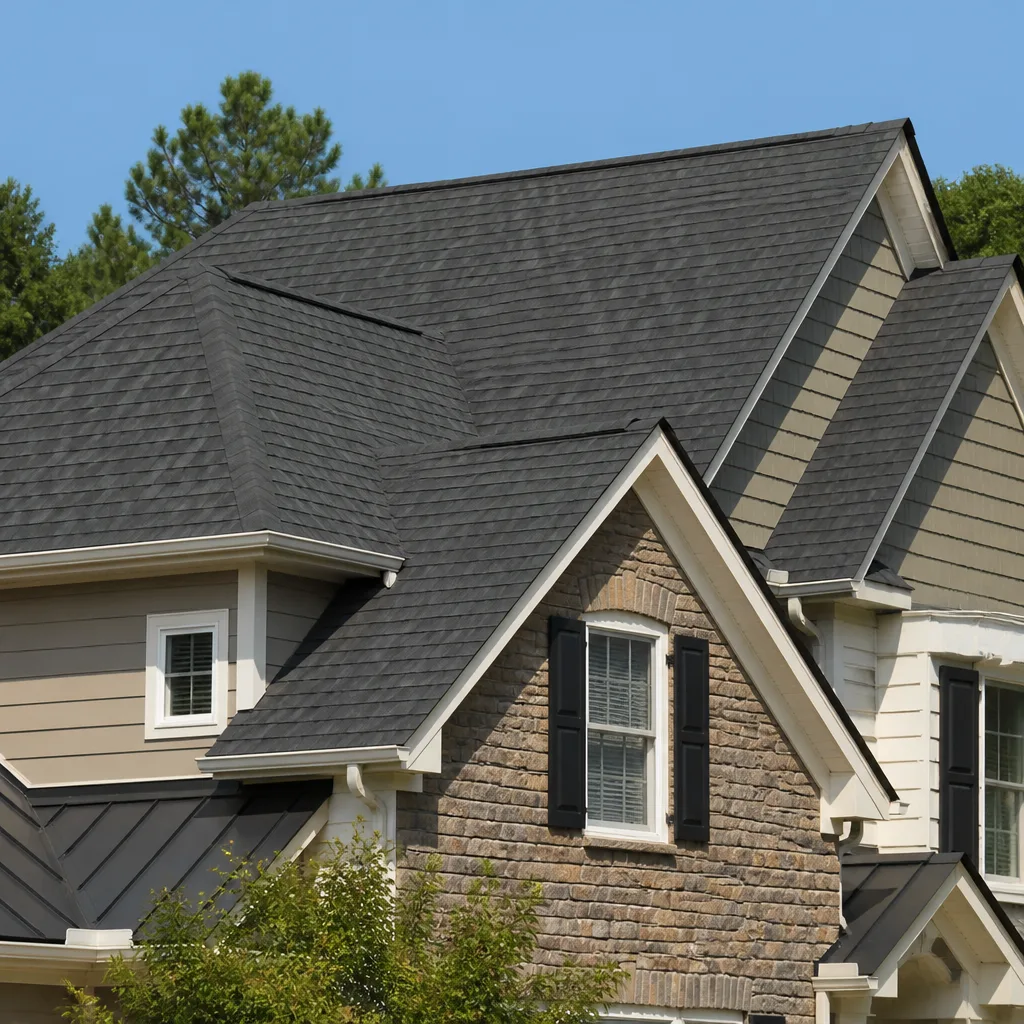 Architectural shingles
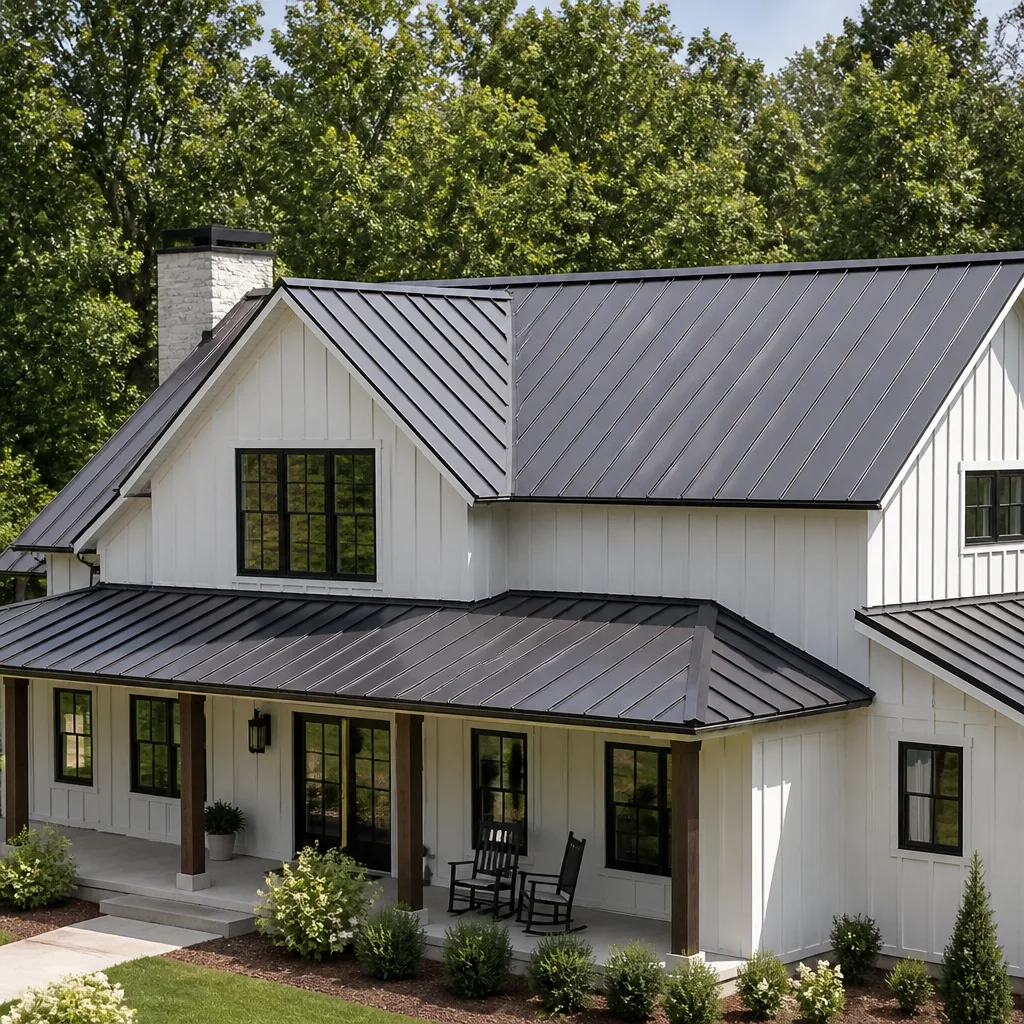 Metal roofing
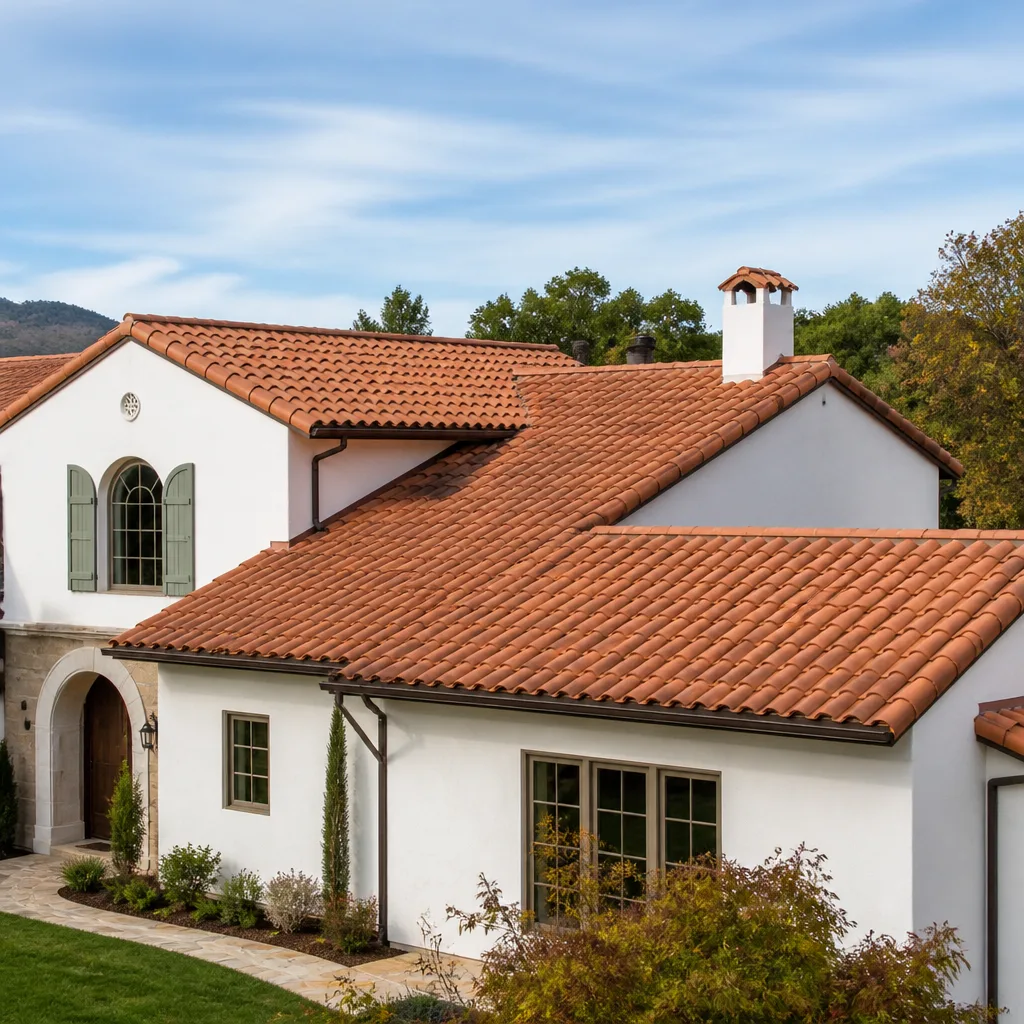 Tile roofing
 GAF
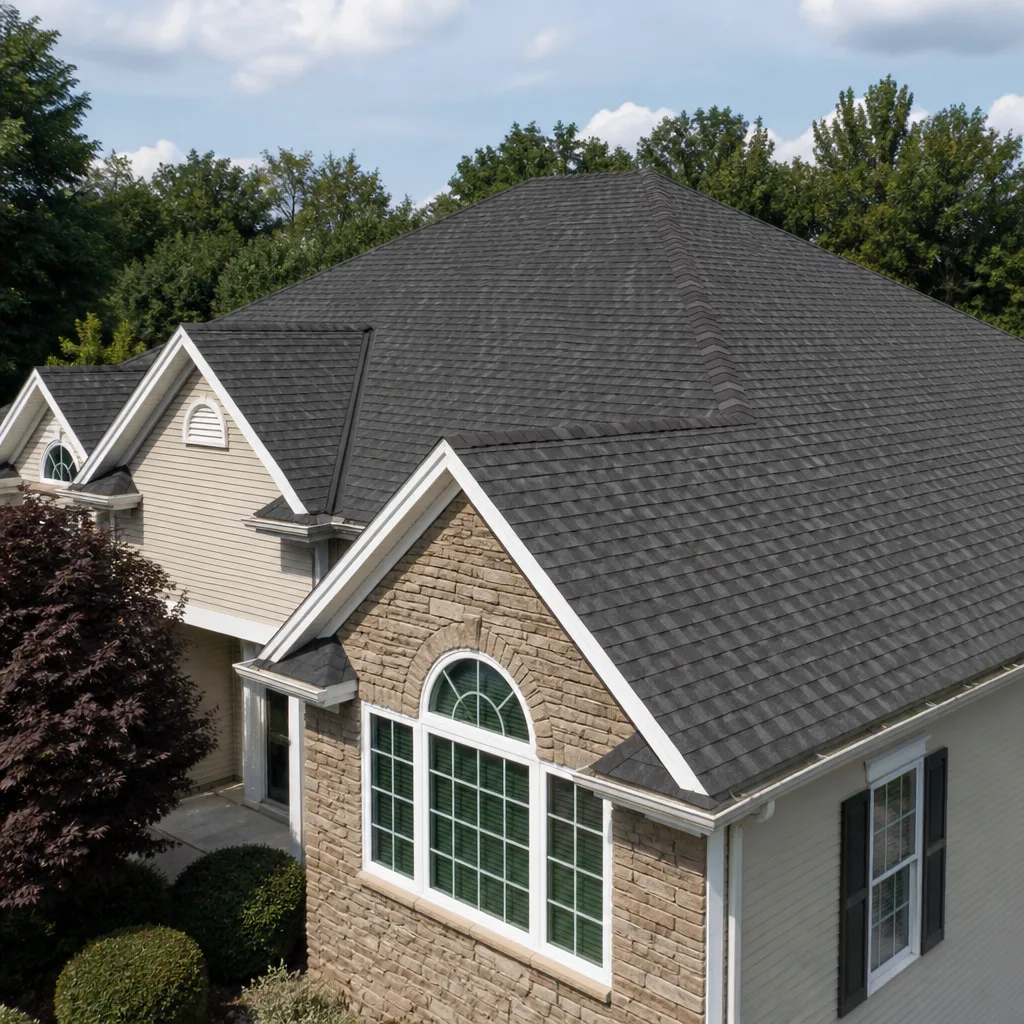 Owens Corning
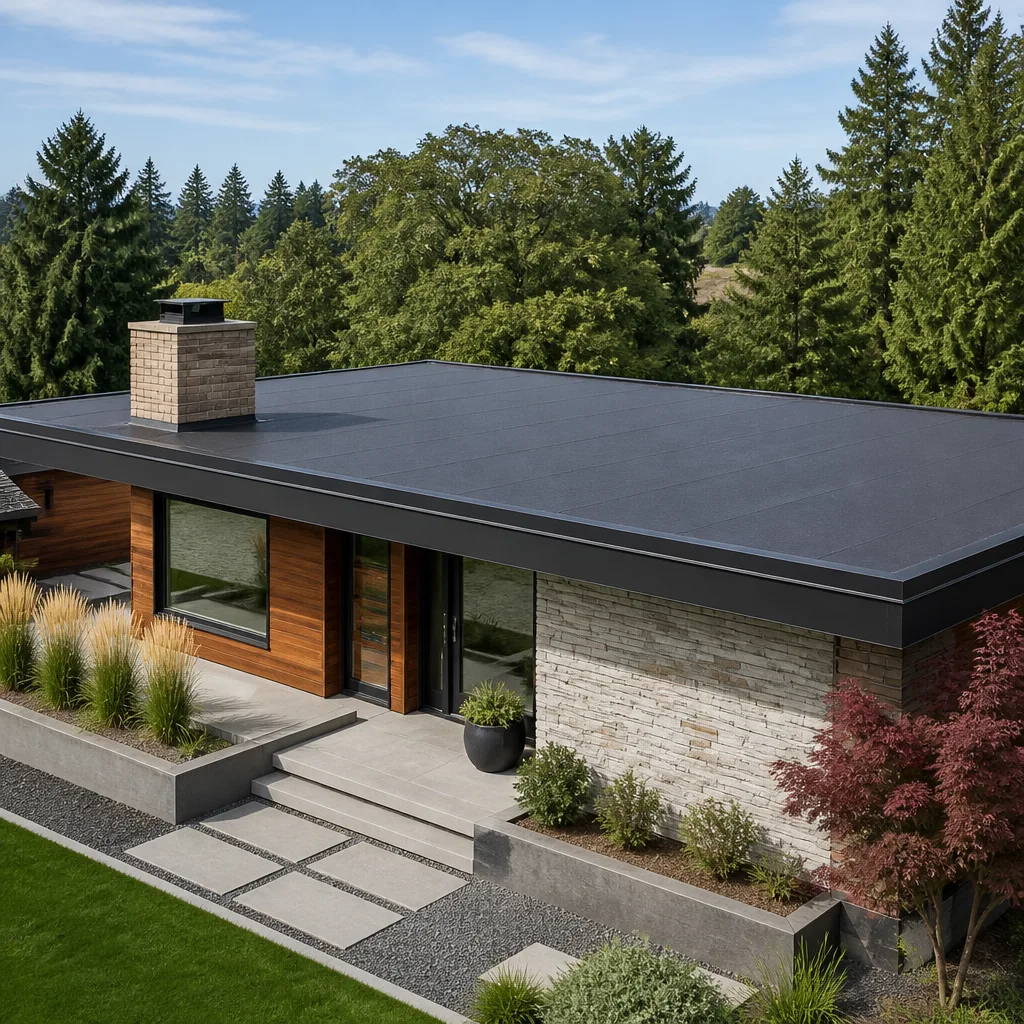 Flat & low-slope
Free roof inspection with deck photos before we talk money - GAF and Owens Corning certified installation
The Complete Roof Replacement & Installation Guide for Whitney Homeowners
Here’s something most roofers won’t tell you before they hand you a shingle sample book: the most popular shingle color in Nevada subdivisions is weathered wood gray, and it happens to absorb a lot more heat than a lighter tone. In a place where summer attic temperatures already push 150°F, that single decision can cost you real money on the electric bill for the next two decades. A roof replacement in Whitney isn’t only a material choice. In this climate it’s an energy choice. This guide walks you through what actually matters here: wind ratings that hold up to Lander County gusts, why synthetic underlayment beats felt in our sun, the deck problems most contractors spring on you as a surprise, and how the local permit process really works. We’ll also show you exactly what to ask before you sign.
Quick Answer
A roof replacement in Whitney typically runs $9,500 to $22,000 for a standard asphalt shingle roof, depending on square footage, tear-off layers, deck condition, and wind-rated product selection. The right roof here is built around wind exposure and high-UV, low-humidity sun rather than the cheapest shingle on the bid. Permits come through Lander County, and any contractor who tells you they aren’t needed out this way is telling you something important about how they work.
Styles & brands we work with
- Architectural shingles
- Metal roofing
- Tile roofing
- GAF
- Owens Corning
- Flat & low-slope
Table of Contents
- Why Whitney’s Climate Decides Your Roof Before You Do
- Wind Ratings: Which Numbers Actually Matter in Lander County
- The Underlayment Decision in High-UV, Low-Humidity Nevada
- Deck Inspection Reality: What’s Under Your Shingles
- The Lander County Permit Process, Step by Step
- What the 90-Day Done Right Promise Covers That a Manufacturer Warranty Doesn’t
- The Questions That Separate a Real Roofer from a Storm Chaser
- Common Mistakes to Avoid
Why Whitney’s Climate Decides Your Roof Before You Do
Whitney sits in a climate of extremes: 100°F summer afternoons that bake a dark roof surface, then 10°F winter nights that contract every material on the deck. That swing does more damage to a roof over time than any single storm. It’s a daily cycle of expansion and contraction, and every product you pick either tolerates it or gets worn down by it.
This is why we tell Whitney homeowners to think about energy before aesthetics. A darker shingle absorbs heat into the attic. A lighter, more reflective shingle or a metal panel pushes much of that heat back off the roof. If you’ve done a roof replacement without thinking about reflectivity, you may have spent five figures on a product that makes your air conditioner work harder every July.
How this plays out in product selection:
- Asphalt shingles are the most common choice in Whitney. They’re affordable and reliable, but color and reflective coating matter more here than in a mild climate. A lighter tone genuinely reduces attic heat load.
- Metal roofing reflects much of the sun rather than absorbing it, and its panels handle the thermal cycling well. If you’re planning to stay in the home long enough, metal can pay back in cooling savings and durability. You can read more on metal roofing in Whitney.
- Tile and specialty products bring their own weight, reflectivity, and installation needs, which is why we match the product to the structural reality of the deck before we ever talk price.
The point is simple. You aren’t buying shingles. You’re buying twenty years of how your home handles Whitney weather. That framing alone will get you a better roof.
Wind Ratings: Which Numbers Actually Matter in Lander County
Lander County sees sustained winds that can void a standard shingle warranty, and we’ve torn off plenty of roofs out here that failed not from age but from wind. When a manufacturer’s spec sheet lists a wind rating, understand what it’s really promising: it’s a test number based on how the shingle was fastened, not just the shingle itself.
The nailing pattern earns the wind rating, not the shingle wrapper. A top-rated shingle installed with the wrong number of nails, or nails driven at the wrong angle, or nails placed outside the manufacturer’s nailing zone, has no wind protection at all. Many of the failures we see came from installs done in a hurry during a building boom.
A few things that actually matter for a Whitney roof:
- Nail pattern and placement that meets or exceeds the manufacturer’s high-wind requirements, not the minimum.
- Starter course at the eave and ridge installed properly, since wind peeling usually starts at an edge.
- Sealed shingle tabs that will bond correctly at our temperature range during installation (too cold and they won’t seal).
- A product rated for the wind zone that the manufacturer will actually stand behind in this region, not just a sticker that says “high wind” on a brochure.
Ask any bidder to show you the manufacturer’s installation instructions for the product they’re proposing and point to the nail pattern they’ll use. If they can’t, that’s your answer. Brand names matter here too: a GAF, CertainTeed, or Owens Corning system performs predictably and their specs are easy to verify, but the name on the wrapper only counts if it’s installed to spec.
The Underlayment Decision in High-UV, Low-Humidity Nevada
Underlayment is the layer between your shingles and your deck, and it’s the part of the roof most homeowners never see or ask about. In a high-UV, low-humidity place like Whitney, it’s also the layer most likely to fail first if the wrong product goes down.
Traditional felt paper is fine in many climates. In our sun, it dries out and turns brittle faster than it does in a wetter, cooler part of the country. Wrinkled, cracked felt under a shingle roof is a path for water intrusion the day a shingle finally lifts in the wind. That’s why synthetic underlayment is the better call in Nevada. It tolerates heat, resists tearing, and holds up much longer when shingles are gone or loose.
When you see “rated for high-temperature climates” on a spec sheet, it means the product has been tested to keep its integrity at surface temperatures that get very hot in direct Nevada sun. It’s not marketing fluff; it’s the actual guarantee that the layer won’t break down before the roof does. Ask your bidder which underlayment they’re using and whether it’s a synthetic rated for high-temp climates. If the answer is a shrug or “the standard stuff,” get another bid.
We install products from GAF, CertainTeed, Owens Corning, IKO, Atlas, Tamko, and Boral, and the underlayment choice is always part of the conversation. No shingle warranty covers a failed underlayment that wasn’t rated for where you live.
Deck Inspection Reality: What’s Under Your Shingles
Every full replacement starts with a tear-off, and the tear-off is where surprises usually get sprung. We’ve seen enough Whitney roofs to tell you plainly: a meaningful percentage of replacements here turn up at least some partial deck that needs attention, often because past repairs, a leak, or original construction left soft spots, cracks, or joists that don’t meet spacing.
That doesn’t have to be a crisis. It becomes a crisis when the contract didn’t address it, and the crew comes down off the roof after tear-off with an invoice you weren’t expecting. The fix is a contract that spells out how deck repairs are handled before anyone touches your roof.
What to insist on:
- A walkthrough before you sign. A good roofer will get on the roof or into the attic, take photos, and show you what’s visible today.
- A per-sheet deck repair price written into the contract. Then if they find five bad sheets, you’re paying the number you already agreed to, not a number invented on the spot.
- Photos of the deck after tear-off before any repair is done. We show you the deck photos before we talk money, and you deserve the same from anybody else.
- A cap on the total or a clear process for approval before extra work begins.
This single protection is one of the biggest things you can do to avoid a bad roofing experience in Whitney. If a roofer won’t put a deck-repair price in writing, that tells you what you need to know.
The Lander County Permit Process, Step by Step
A full roof replacement generally needs a permit through Lander County. The exact scope, fees, and turnaround depend on your property, but the process itself follows a pattern, and it’s worth knowing because a contractor who “doesn’t pull permits out here” is a problem in at least three ways: your roof may not pass an inspection when you sell, a manufacturer’s warranty can be denied, and you have no third-party proof the work was done to code.
Here’s the general shape of a Whitney roof permit:
- Check with Lander County building services before work starts on what your specific replacement requires. Rules can differ by structure and address.
- Submit the application with the scope of work, product specs, and contractor information. This is the contractor’s job, not yours.
- Pay the permit fee (usually folded into the bid; ask to see it listed).
- Wait for issuance, which for a standard replacement typically isn’t long, but should be built into the schedule.
- Complete the work and pass any required inspection.
We pull the permit and stand behind the inspection. If anyone bidding your job tells you permits aren’t needed in Whitney, ask them to put that in writing. That answer will tell you everything about how the job will go.
What the 90-Day Done Right Promise Covers That a Manufacturer Warranty Doesn’t
Manufacturer warranties sound generous until you read the exclusions. They cover the shingle itself and often only if it was installed exactly to spec, with paperwork showing the nail pattern and underlayment and ventilation were done right. They also don’t cover most of the things that actually go wrong in the first few months: a lifted tab, a leak at a flashing joint, a nail pop, a ridge cap that peels in wind.
That gap is why we back every roofing job with the written 90-Day Done Right Promise. If something’s not right in that window, one call brings us back, and we make it right. It covers the installation and workmanship, which is what a manufacturer warranty won’t. And it’s in writing on every job, from the same address we’ve had since 1996.
For a homeowner in Whitney, that means the accountability has a face and a place to reach it. Not a claim number in another state. Not a call center. Our number, answered by a live person, and a promise in writing. For more detail on what a full replacement looks like top to bottom, see our roof replacement & installation in Whitney page.
The Questions That Separate a Real Roofer from a Storm Chaser
After every hailstorm, out-of-state contractors show up in Nevada with slick bids and out-of-area plates. They quote one price on the phone and another at the door, and when something leaks six months later, nobody answers the phone. The defense is a handful of direct questions you ask every bidder, including us.
Ask these, and write down the answers:
- “What’s your license number and your physical address?” A real local roofer publishes both. Ask the storm chasers where theirs is.
- “How many squares did you count, and may I see the measurement?” A roof is measured in squares. A bidder who can’t tell you the number didn’t measure carefully.
- “Show me the deck photos.” A roofer who won’t get on the roof or doesn’t have photos is guessing at your cost.
- “Who pulls the permit, and is it in the bid?” The answer should be automatic.
- “What’s the deck-repair price per sheet, in writing?” See the deck section above.
- “What’s your workmanship promise, and where is it written?” Not the manufacturer’s warranty. Yours.
- “Can I reach you after the crew leaves?” A live person should pick up, not a voicemail box that never returns calls.
Anyone who fumbles those questions is telling you the truth about how they’ll handle a warranty claim.
Common Mistakes to Avoid
- Choosing shingle color for looks alone. In Whitney’s heat, a dark gray roof can bake an attic. Think about reflectivity and cooling load before you pick a finish.
- Skipping the deck-repair price in the contract. Insist on a per-sheet price in writing before anyone touches the roof, or you’re opening the door to surprise invoices.
- Accepting “felt is fine out here.” High-UV, low-humidity Nevada is exactly where synthetic underlayment earns its keep. Ask what’s actually going on your deck.
- Believing the “high wind” sticker without asking about the nail pattern. The nailing pattern earns the wind rating, not the shingle wrapper.
- Hiring a storm chaser with an out-of-state plate. They quote low on the phone and high at the door, then disappear after the storm season. Ask where their shop is and see if you get a straight answer.
- Letting anyone tell you permits aren’t needed in Lander County. Get it in writing. Then read it and wonder.
- Paying the full price before you’ve seen the finished job and the inspection result. Pay in stages and hold back until the closeout is done.
See the difference
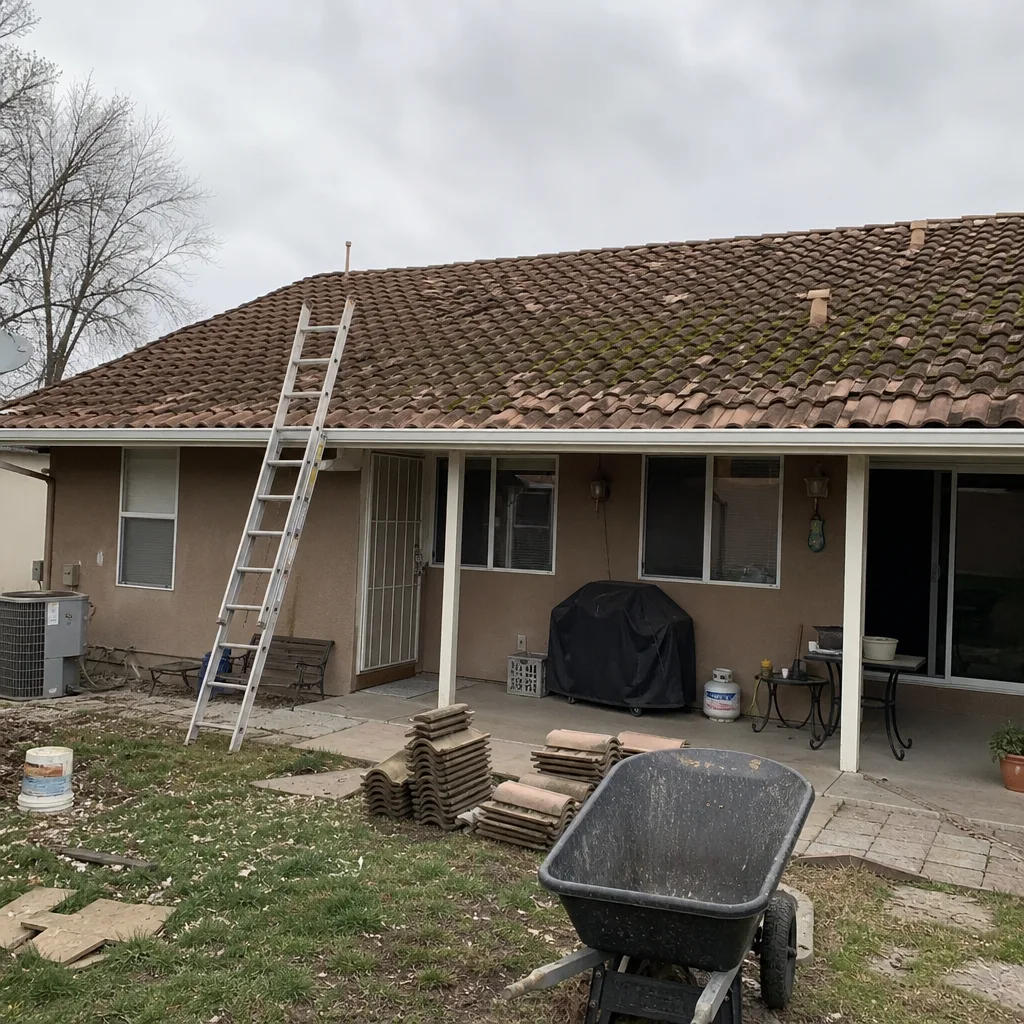 Before
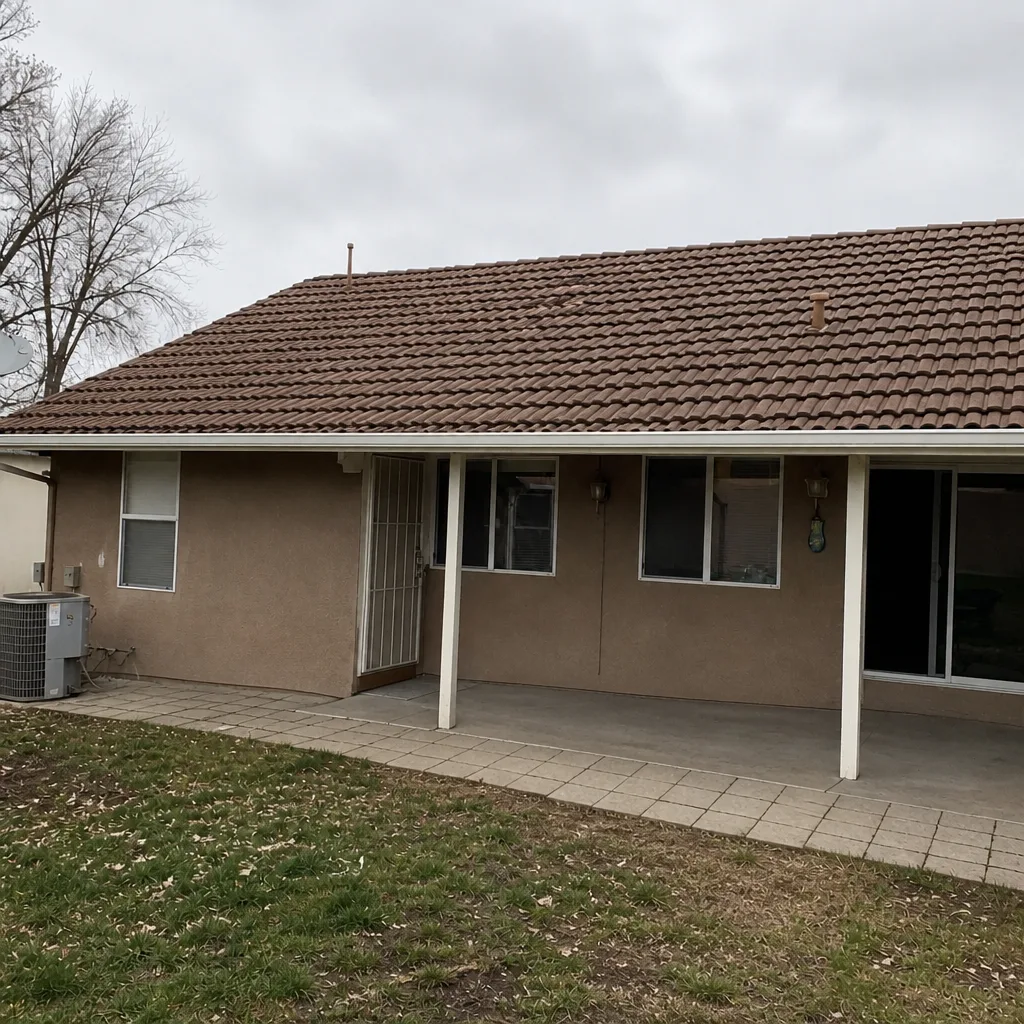 After
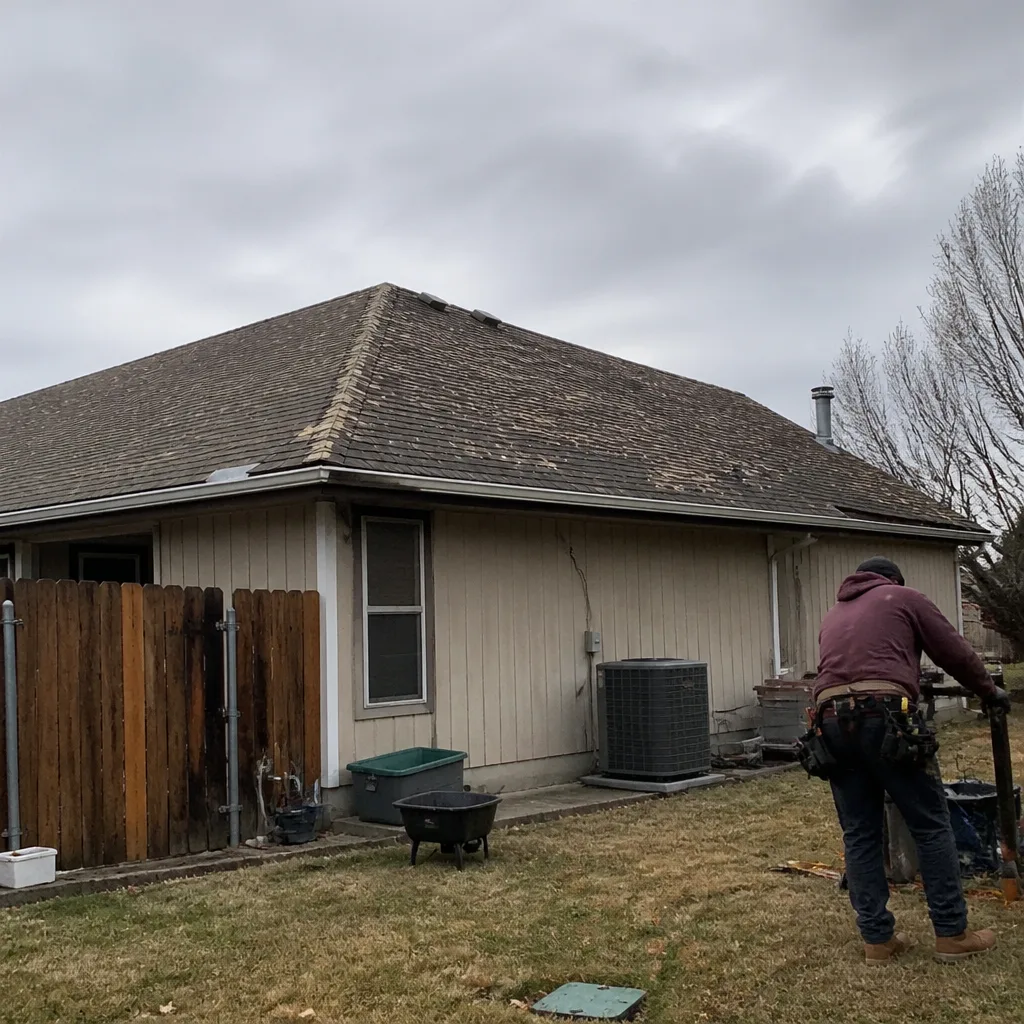 Before
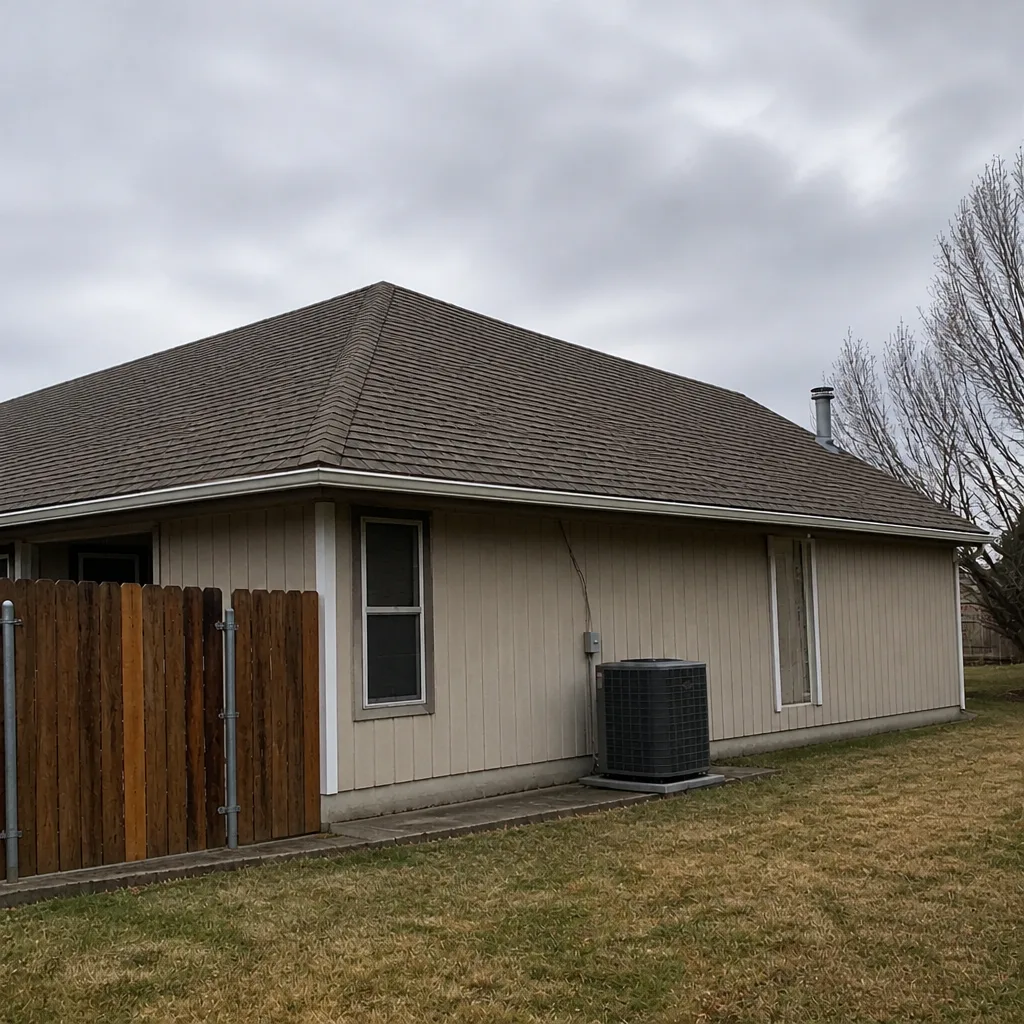 After
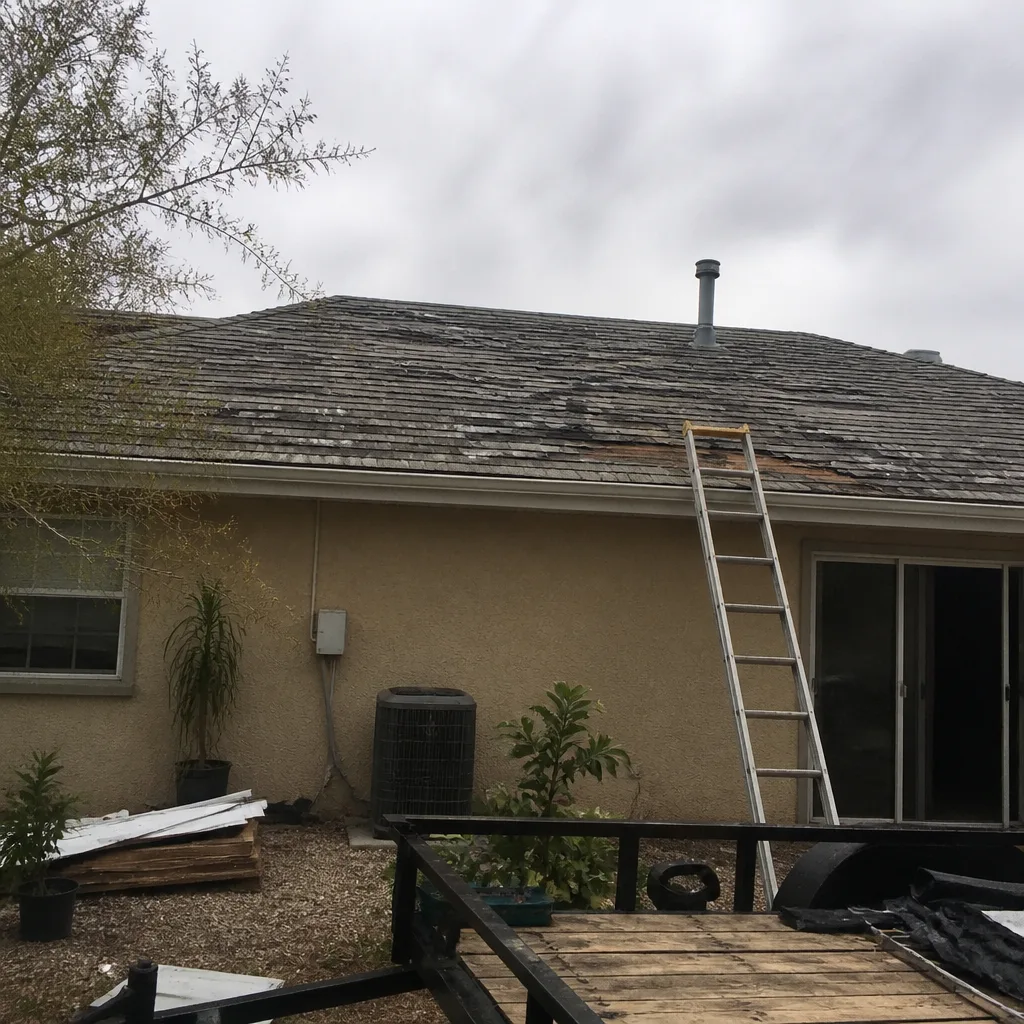 Before
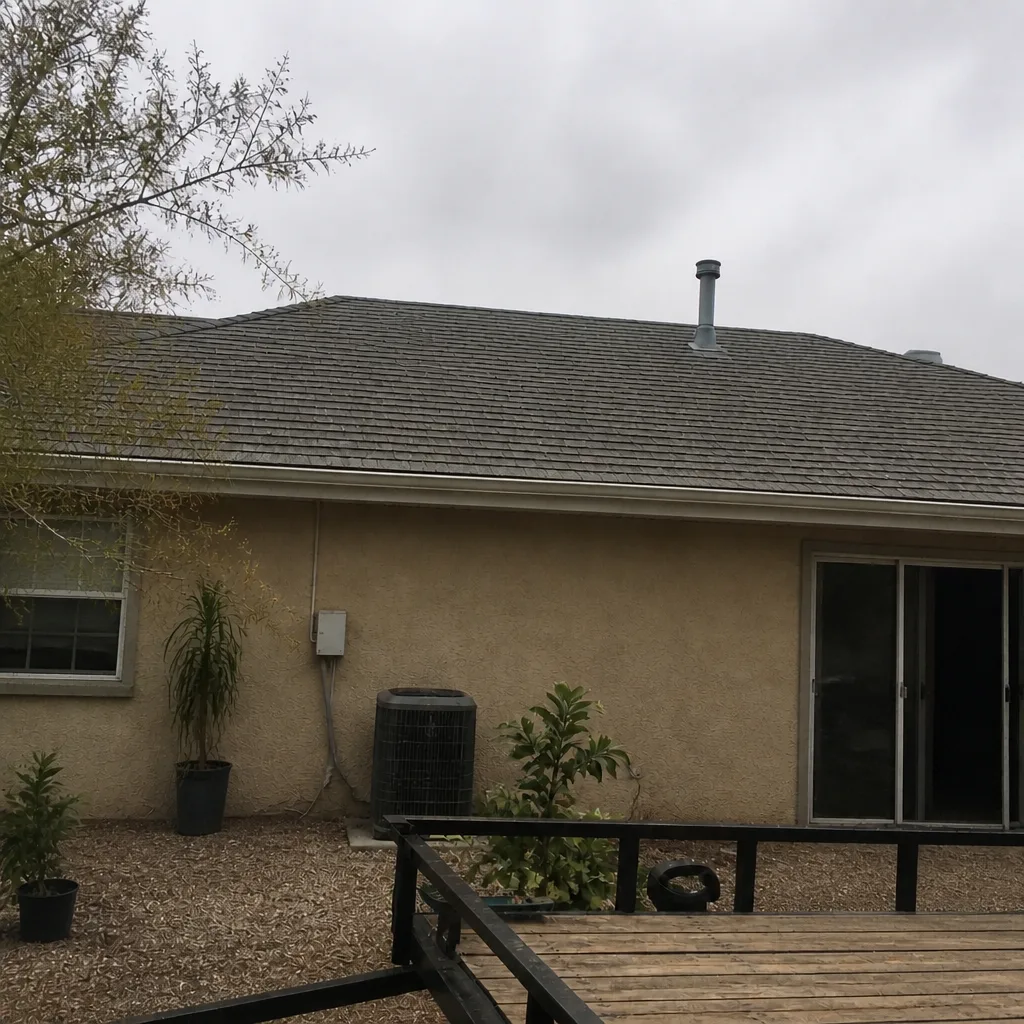 After
When to Call a Professional
Some things are worth watching. Others are worth calling about right away. Call a professional if you see shingle granules collecting in the gutters or at the downspouts, if a shingle tab has lifted or curled, if there’s daylight showing through the roof deck in the attic, or if you’ve had more than one repair in the same spot within a couple of years. A roof that’s twenty years old and showing those signs is usually at the end of its life, and a replacement is cheaper than a string of repair bills. We’ve seen enough roofs in Whitney to tell you: waiting doesn’t extend a roof’s life, it just changes what happens underneath when it finally fails. Shepherd & Sons Roofing Whitney offers free estimates in Whitney. Call (844) 797-9455 to schedule yours.
Frequently Asked Questions
A standard asphalt shingle roof replacement in Whitney typically costs between $9,500 and $22,000, depending on square footage, how many layers are being torn off, the condition of the deck, and the wind-rated product you choose. Metal and tile run higher. Call (844) 797-9455 for an exact quote. Estimates are free.
Yes, a full roof replacement generally requires a permit through Lander County, and it should be listed in your bid. If a contractor says permits aren’t needed out here, that’s a red flag worth taking seriously. Call (844) 797-9455 and we’ll walk you through what your specific job needs.
A lighter, more reflective shingle is the better choice for energy use in Whitney; a darker shingle absorbs more heat and can push attic temperatures higher, which makes your air conditioner work harder. Reflectivity, not just appearance, is the factor to weigh. Call (844) 797-9455 and we’ll help you compare options.
Most standard Whitney roof replacements take one to three days of on-roof work once the permit is in hand and the products are staged. Larger or more complex roofs take longer. The permit timeline adds a step at the front. Call (844) 797-9455 for a realistic schedule based on your roof.
Our written 90-Day Done Right Promise covers the workmanship and installation. If something’s not right in that window, one call brings us back and we make it right. It works alongside the manufacturer’s warranty, which only covers the shingle and only when it was installed to spec. Call (844) 797-9455 for the details.
It shouldn’t, and you should insist on a contract that prevents it. Deck repairs are the main place a surprise can appear, so get a per-sheet price in writing before the crew starts. Call (844) 797-9455 for a written, line-item estimate and a free second opinion on any bid you’re weighing.
The Bottom Line
The roof on your Whitney home is doing two jobs: keeping weather out and managing the heat that builds up in one of the harshest climates in Nevada. That means the product choice matters as much as the labor, and the labor matters as much as the price. Pick a wind-rated product installed with the right nail pattern. Use synthetic underlayment rated for high-temp climates. Get the deck-repair price in the contract. Pull the Lander County permit. And work with someone you can reach on a Saturday. If you want to understand the full range of what we do, start at our Shepherd & Sons Roofing Whitney home page, or call (844) 797-9455 for a free estimate. And if a small repair is really all you need, our roof repair in Whitney page covers that, too.
Call (844) 797-9455 to schedule your free estimate with Shepherd & Sons Roofing Whitney.
Written by the team at Shepherd & Sons Roofing Whitney.