
Last updated November 18, 2026
 Metal roofing
 Architectural shingles
 Tile roofing
 GAF
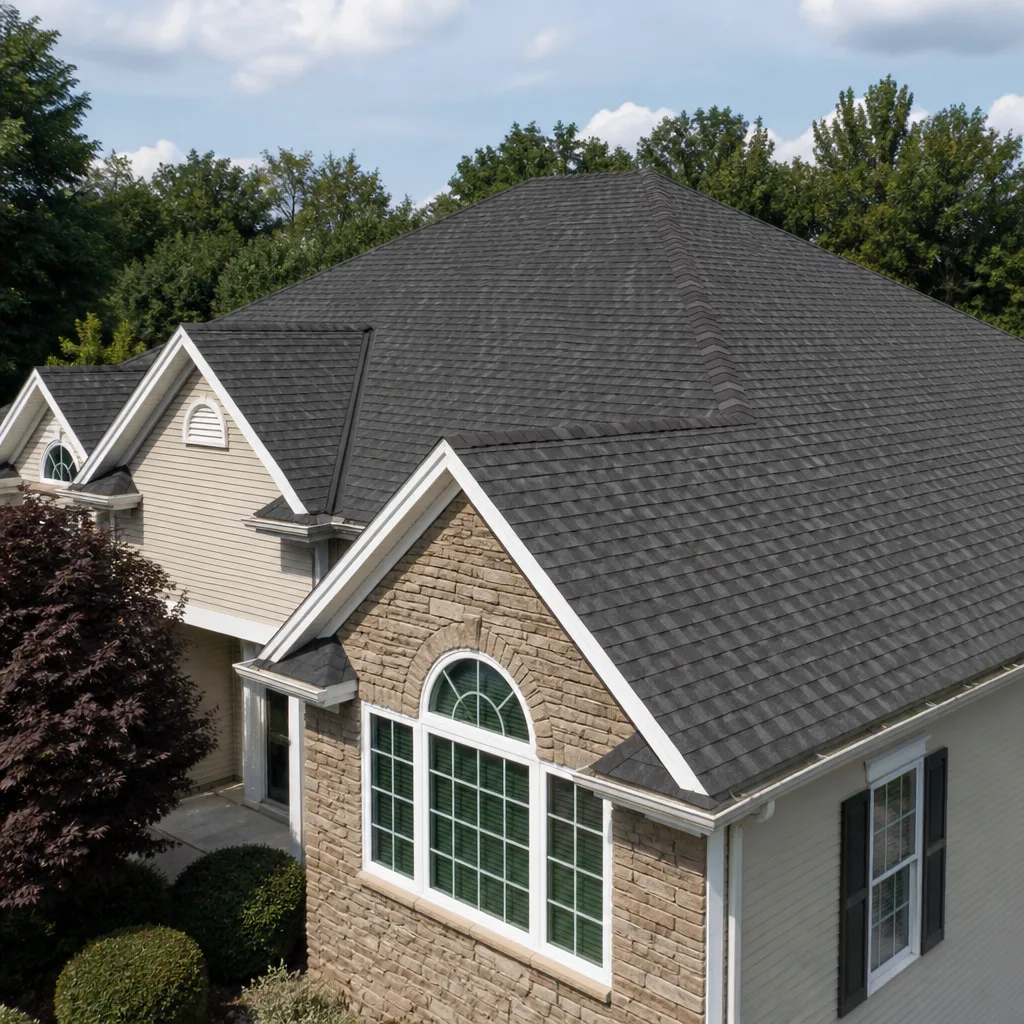 Owens Corning
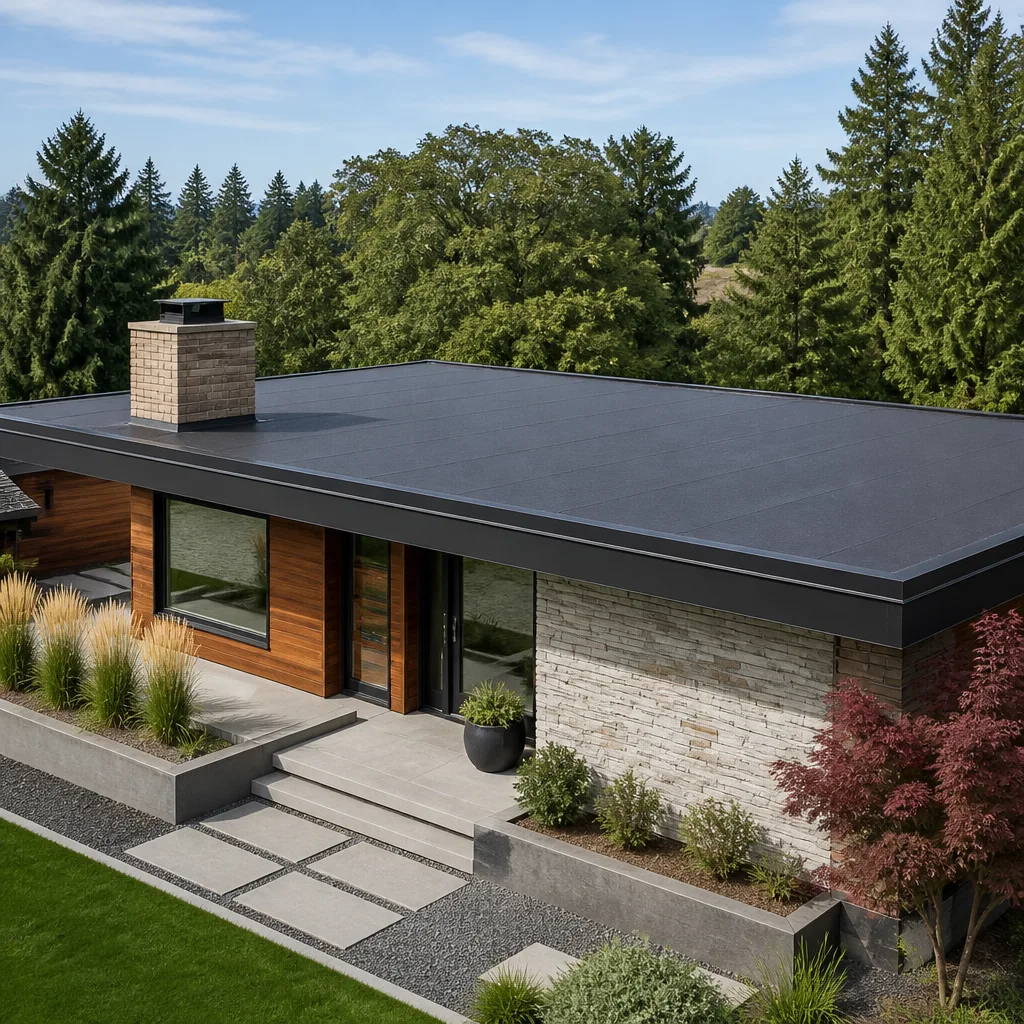 Flat & low-slope
Free roof inspection with deck photos before we talk money - GAF and Owens Corning certified installation
The Complete Specialty Roofing Guide for Whitney Homeowners
Nevada’s UV index runs about 30% higher than the national average for most of the year. That single number breaks more specialty roofs than wind or rain ever will. The shingle wrapper, the foam coating datasheet, the sealant tube – almost all of them are written for Seattle or Atlanta sun. Whitney sits in the high desert, where the sun hits harder, the ground swings hotter to colder, and the dust finds every seam. This guide maps each specialty roofing system to the conditions your roof actually faces, so you pick based on your house and your climate instead of a salesperson’s commission.
Quick Answer
Specialty roofing in Whitney means four main systems: standing seam metal, spray polyurethane foam, concrete or clay tile, and low-slope modified bitumen. Each one handles Whitney’s UV, temperature swing, occasional freeze, and dust differently, so the right choice depends on your roof’s pitch, your structure, and your budget more than on brand names. Expect to pay more than the national averages you see online, because local material and labor costs in the Whitney area run 15-25% above them.
Styles & brands we work with
- Architectural shingles
- Metal roofing
- Tile roofing
- GAF
- Owens Corning
- Flat & low-slope
Table of Contents
- The Four Specialty Systems, Compared Side by Side
- How Each System Handles Whitney’s Climate Stresses
- What Specialty Roofing Costs in Whitney
- Pitch and Structure Requirements You Can’t Ignore
- Standing Seam Metal: The 40-Year Bet
- Spray Foam and Low-Slope: Built for Flat Roofs
- Red Flags for Out-of-State Contractors
- How to Choose: A Step-by-Step Method
The Four Specialty Systems, Compared Side by Side
Most Whitney homes come down to four specialty choices. Here’s the straightforward comparison we walk homeowners through before anyone talks price.
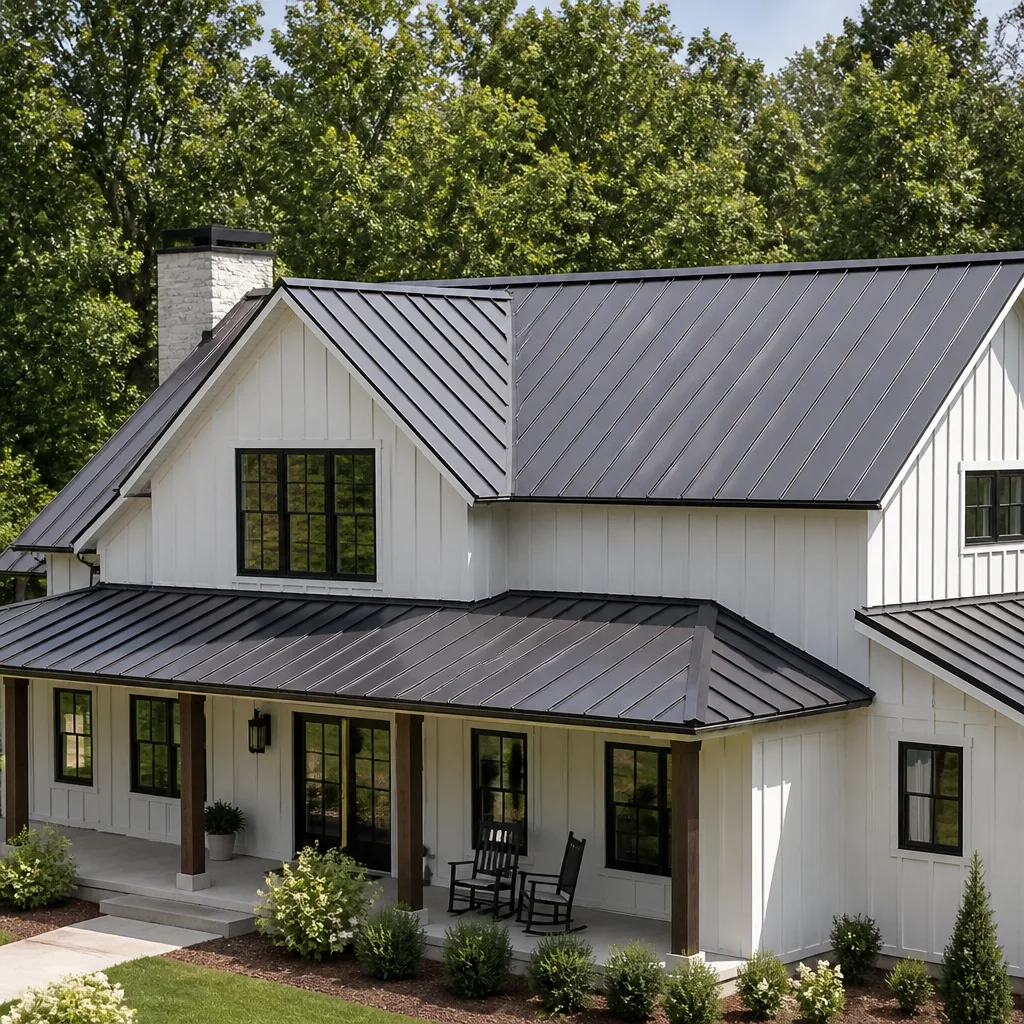
- Standing seam metal: Raised-seam panels with concealed fasteners. Handles heat and reflection well, lasts 40-70 years, and suits pitches from 3:12 steep up to near-vertical. The high end on cost, but often the lowest long-term number.
- Spray polyurethane foam (SPF): A seamless coating applied on site, best for flat and low-slope roofs. Seals everything, insulates well, but needs recoating every 10-15 years and gets punished by UV if the coating is thin.
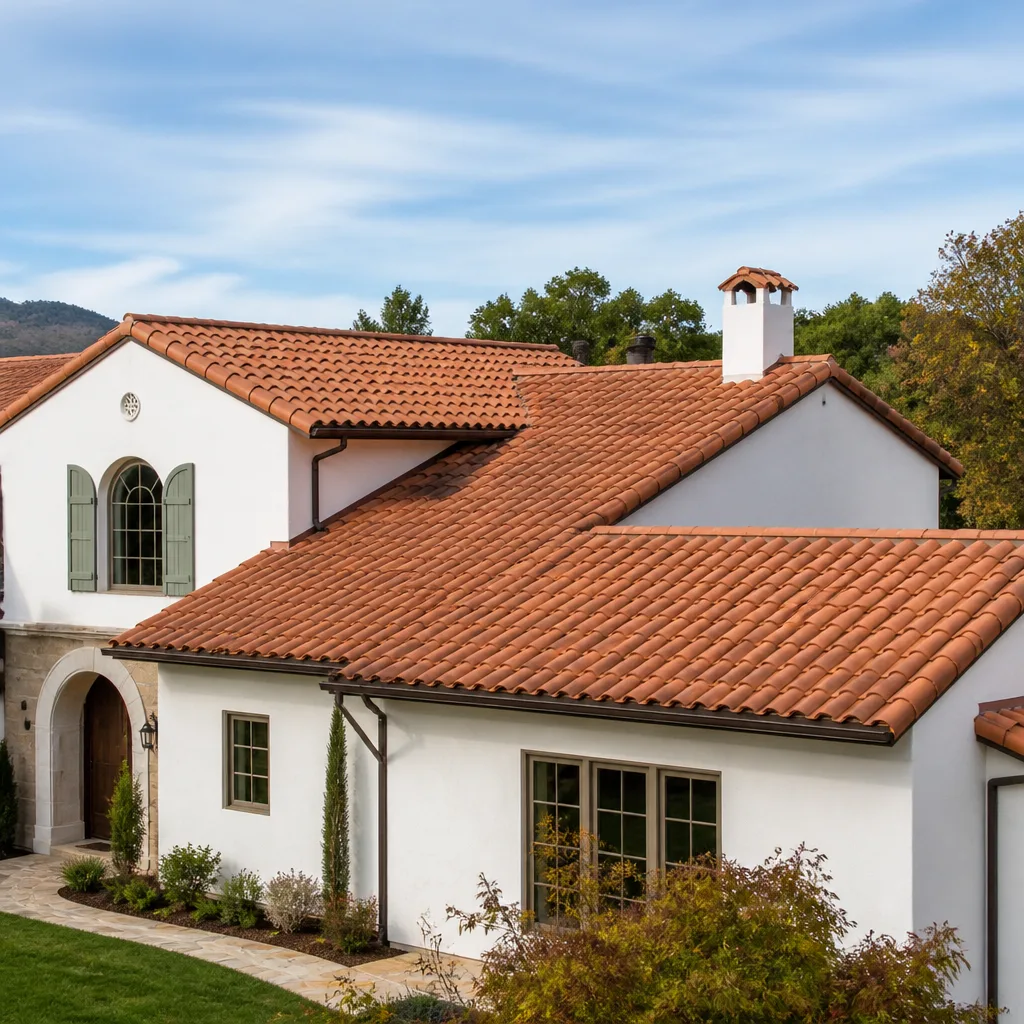
- Concrete and clay tile: Heavy, long-lived, and handsome on the right architecture. Requires real structural capacity. Clay and concrete both hold up to sun, but the underlayment beneath them is the part that ages out first.
- Modified bitumen: Rolled low-slope membrane, usually two-ply. The workhorse for garages, additions, and flat sections. Cheapest specialty option, shortest lifespan of the four.
On the steep-slope side, customers who don’t need a truly specialty system often compare these against standard shingles. We cover that ground in our guide to roof replacement and installation in Whitney so you can weigh a premium asphalt system against metal or tile on the same house.
How Each System Handles Whitney’s Climate Stresses
Whitney throws four stressors at a roof: high UV, big day-to-night temperature swings, an occasional hard freeze, and constant dust and debris blown off the desert. A system rated for one of those can still fail on another.
UV is the one people underestimate. Here’s how each system holds up:
- Metal: Bare or painted standing seam reflects a lot of that sun. The paint finish is what ages, not the steel, and a quality finish holds 20-30 years before it chalks.
- Foam: The foam itself degrades under UV within a couple of seasons if it’s left uncoated. The reflective coating is the roof. When it wears thin, the sun eats the foam. In Whitney’s sun, recoating schedules come up faster than the national literature suggests.
- Tile: Concrete and clay shrug off UV for decades, but the underlayment beneath them dries and cracks under the same sun. That membrane is often the failure point, not the tile.
- Modified bitumen: Black membrane gets hot. Repeated heat cycling ages the seams and the asphalt. On a low-slope Whitney garage, a lighter granulated cap sheet buys real years.
The temperature swing matters just as much. Desert afternoons and cold nights expand and contract every material on the roof. Concealed fasteners and properly detailed seams survive that movement better than exposed fasteners and rigid joints. And the freezes we do get – the handful of hard nights each winter – find any trapped moisture, so drainage and flashing detail matter as much as the surface.
What Specialty Roofing Costs in Whitney
National averages underquote Whitney-area specialty work by 15-25%. Our local material and labor costs run higher, and the desert details (underlayment, coatings, fastener specs) take more material and care than a mild-climate install. These are ranges we see in the Whitney market, priced per square (100 square feet of roof surface):
- Standing seam metal: roughly $1,200-$2,200 per square installed, depending on panel gauge, finish, and roof complexity.
- Foam with reflective coating: roughly $450-$900 per square initially; budget $300-$600 per square every 10-15 years to recoat.
- Concrete or clay tile: roughly $1,000-$2,000 per square installed, plus structural reinforcement if the home wasn’t framed for it.
- Modified bitumen, two-ply: roughly $350-$650 per square installed.
- Structural work: reinforcement for tile can add thousands on its own. Get it scoped separately so you’re not comparing apples to oranges.
Ask any bidder how many squares they counted. A roof is measured in squares, and the count is where honest bids and padded bids part ways. Our metal roofing in Whitney page goes deeper on panel gauges and finish options if metal is on your list. Every estimate we give is line-item and written, and the free second opinion on any written bid you already hold costs you nothing.
Pitch and Structure Requirements You Can’t Ignore
Your roof’s pitch and framing decide what’s possible before preference gets a vote. A homeowner who wants tile on a 2:12 roof will hear the truth from us, not a yes.
- Standing seam metal needs a minimum pitch around 3:12, though it can go lower with special panel profiles and extra sealing. Steep pitches up to near-vertical are fine.
- Foam is happy on flat and low-slope roofs down to essentially zero pitch. It’s a poor fit on a steep visible slope where looks matter.
- Concrete and clay tile want a pitch of 4:12 or steeper for proper drainage and require framing rated for the weight. Tile can run 4-6 times the weight of asphalt per square.
- Modified bitumen is built for low-slope work, generally 1:12 to 3:12. It’s the standard fix for flat additions and porch roofs.
Structure matters as much as pitch. Tile on a frame built for shingles means adding reinforcement, and that cost lands on top of the roofing number. A good bidder measures the frame, checks the deck, and tells you what the structure can actually carry before quoting a system you’ll regret.
Standing Seam Metal: The 40-Year Bet
When a Whitney homeowner plans to stay put, standing seam metal is usually the system worth the stretch. The concealed fasteners don’t create a hundred small holes for wind and water to work on, and the reflective finish pays you back in a cooler attic during June. Panels from established makers like CertainTeed and Owens Corning-backed systems are what we’re most often setting here, though we install across the major manufacturers.
What matters most in Whitney isn’t the panel brand. It’s the details:
- The nailing pattern and fastener spec earn the wind rating, not the brochure.
- Thermal movement in the desert is real. Panels need room to expand and contract or the seams work themselves loose.
- Flashing at valleys, chimneys, and walls is where metal roofs fail. The panels rarely do.
Metal runs 40-70 years when it’s detailed right. That’s a house-length decision, so take the bid seriously and get more than one. A written estimate plus our free second opinion on it is a cheap way to avoid an expensive mistake.
Spray Foam and Low-Slope: Built for Flat Roofs
Foam earns its place on the flat and low-slope sections common on Whitney garages, additions, and patio covers. It goes down seamless, wraps curbs and penetrations without a single lap seam, and adds insulation the desert appreciates. Installed well, it seals a leaky flat roof in a way rolled membrane can’t match.
The catch is maintenance. The foam’s reflective coating is what stands between it and the sun, and in Whitney that coating gets worked hard. Plan a recoat every 10-15 years – some roofs stretch it, some don’t, and a walk-over inspection tells you which. When the coating goes thin and you ignore it, the UV starts eating the foam itself and the repair gets expensive fast.
If your home is mostly flat or low-slope, foam or modified bitumen is probably the conversation. If it’s mostly pitched, the specialty decision is likely metal or tile. We’re glad to map both scenarios for your specific roofline, and if a repair is all you need, start with roof repair in Whitney before anyone sells you a full replacement.
Red Flags for Out-of-State Contractors
Every hail season, crews roll into the Whitney area from out of state, quote specialty work, and disappear. Specialty systems are especially risky because the wrong details don’t fail on day one – they fail in year four, long after the crew is gone. Watch for these:
- Bids that ignore local code. Nevada has its own permitting and inspection requirements. A contractor who waves off permits or says “we don’t need one for specialty work” is telling you they’ll skip the inspection that protects you.
- One price on the phone, another at the door. Get a written line-item quote. If the number only lives in a conversation, it isn’t real.
- Climate specs written for somewhere else. A foam coating or sealant spec lifted from a mild-climate datasheet will fail years early in Whitney’s sun. Ask how they adjusted the spec for local UV.
- No local address or license number you can look up. Same address since 1996. Ask the storm chasers where theirs is.
- Pressure to sign the same day. A real specialty roofer wants you to get a second opinion, not to rush you past it.
- No written warranty on the workmanship. A shingle or panel warranty from the manufacturer doesn’t cover a bad install. The roofer has to stand behind their part.
Shepherd & Sons backs every roofing job with the written 90-Day Done Right Promise: if it’s not done right, we make it right, and one call brings Bill back. A specialty system is a long decision – choose the roofer whose name and license you can check, not the one who knocks and vanishes.
How to Choose: A Step-by-Step Method
Work through these in order and the system choice mostly makes itself:
- Check the pitch. Flat or low-slope points to foam or modified bitumen. Pitched points to metal or tile.
- Check the structure. Have the deck and framing inspected. Heavier systems need capacity you may not have.
- Decide how long you’re staying. A 5-year plan may favor repair or bitumen. A forever home makes metal or tile worth the premium.
- Weigh the maintenance. Foam needs recoating; metal and tile mostly need their underlayment and flashing looked after. Match the system to how much upkeep you want.
- Get written, line-item bids. At least two, counted in squares. Compare details, not just totals.
- Get a free second opinion. It costs nothing and catches the padded bid or the missed structural cost.
Start with your home base at Shepherd & Sons Roofing Whitney home and we’ll walk the roof with you, show you the deck photos before we talk money, and give you the number before anyone touches your roof.
Common Mistakes to Avoid
- Buying on the national average price. Whitney-area labor and material run 15-25% above the numbers you’ll read online, so a too-cheap bid usually means skipped details you’ll pay for later.
- Choosing tile without checking the frame. Tile weighs several times what asphalt does, and a home not framed for it needs reinforcement scoped and priced separately.
- Letting a foam coating go thin. In Whitney’s sun, a recoating put off a few years can mean the UV reaches the foam itself, turning a maintenance bill into a replacement.
- Hiring a storm chaser for a specialty system. A crew without a local address won’t be here when a detail fails in year four, and specialty failures are slow.
- Trusting the logo on the shingle over the installer. The nailing pattern and flashing earn the wind rating; the wrapper earns the brochure. A great product installed wrong still leaks.
- Skipping the permit and inspection. Nevada’s code and inspections exist to protect you, and a contractor who dodges them is dodging accountability too.
- Comparing bids without a square count. A roof is measured in squares. If one bidder counted 24 and another counted 30 for the same roof, find out why before you sign.
See the difference
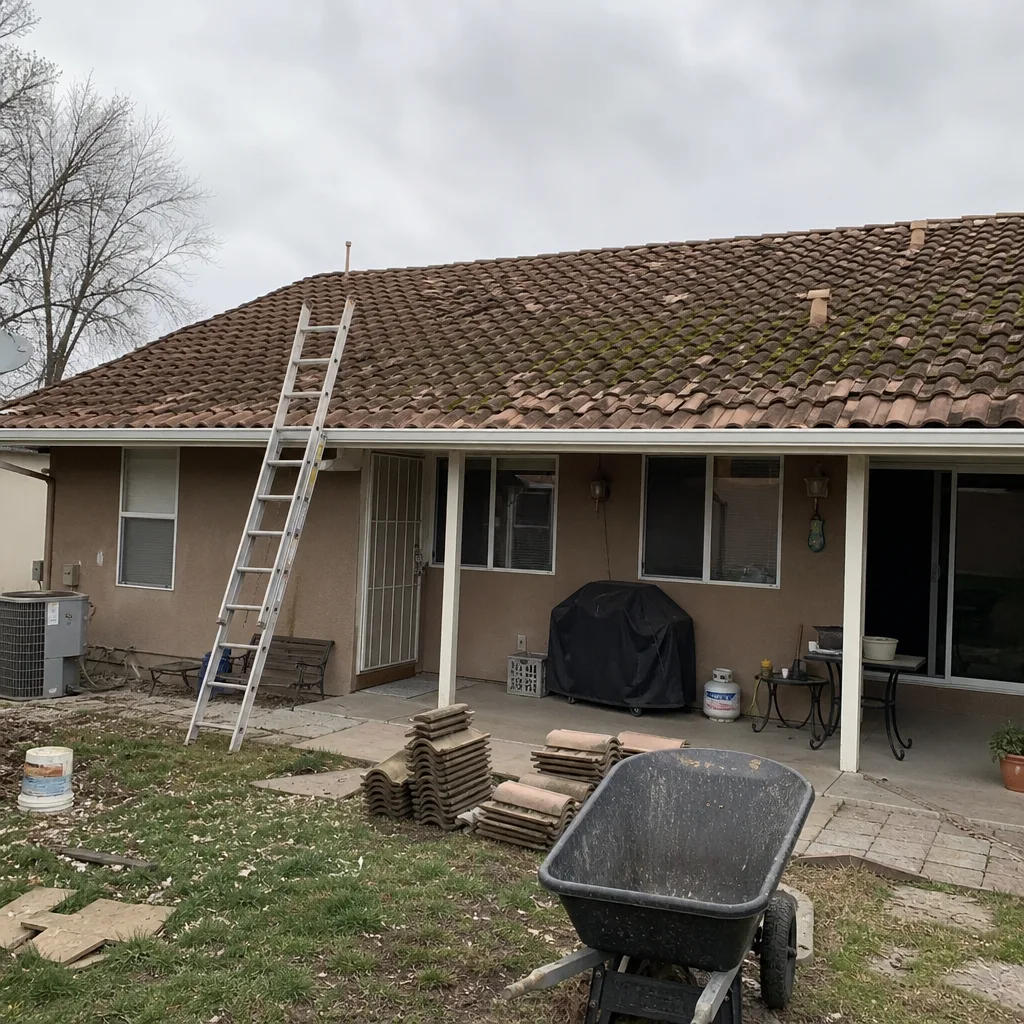 Before
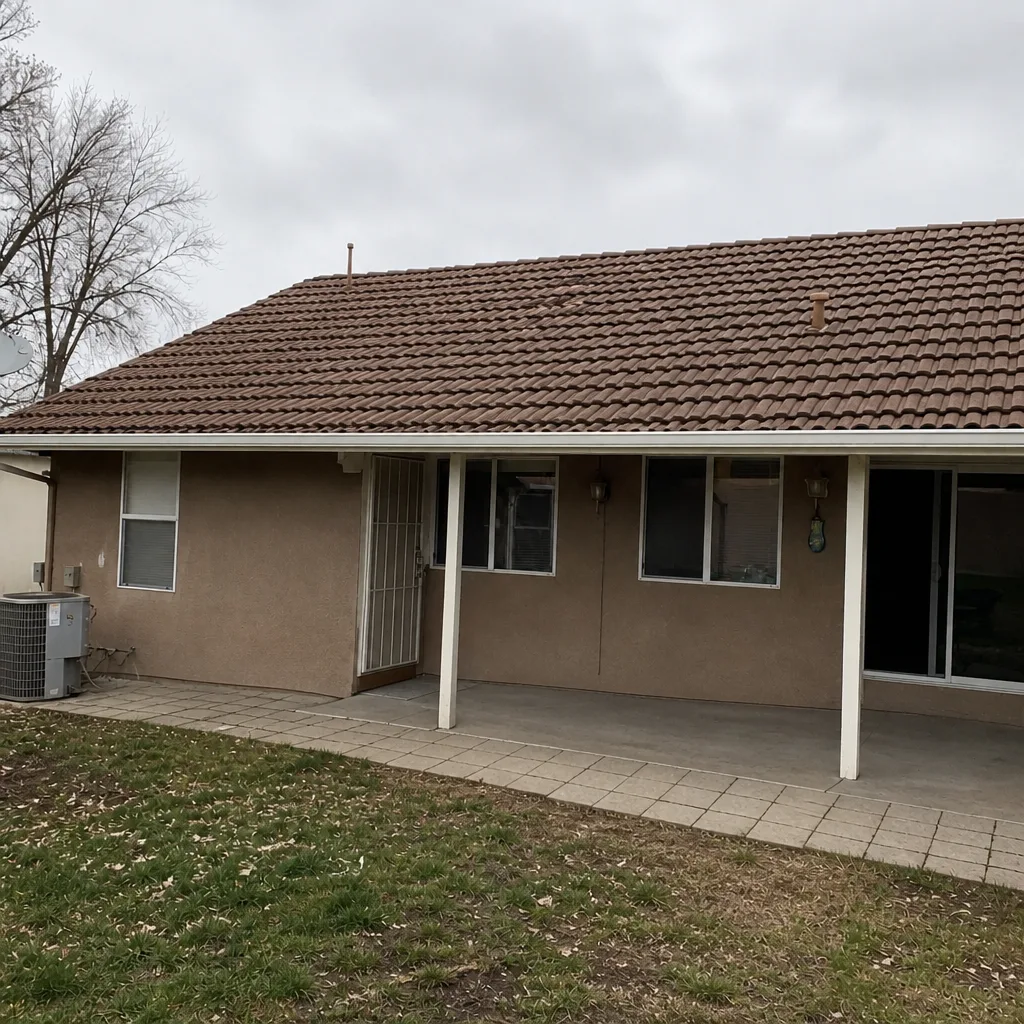 After
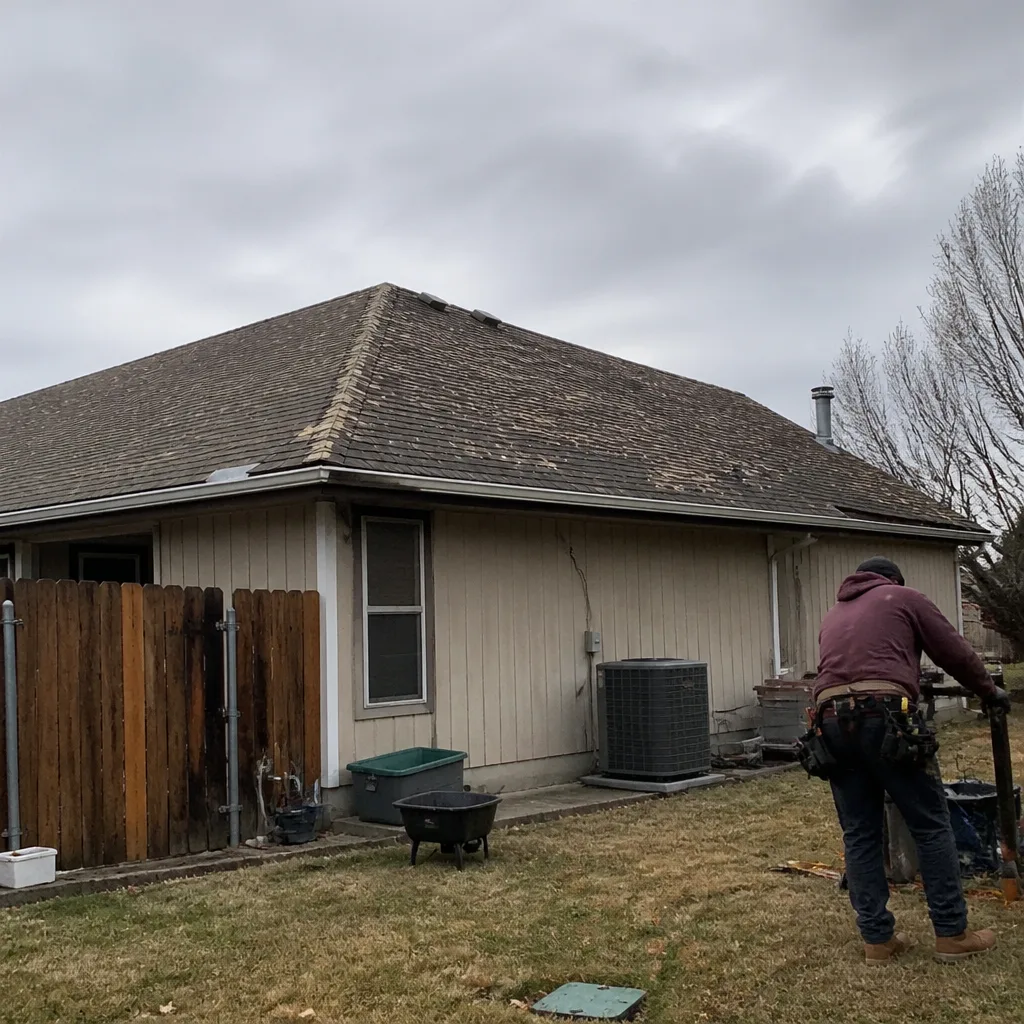 Before
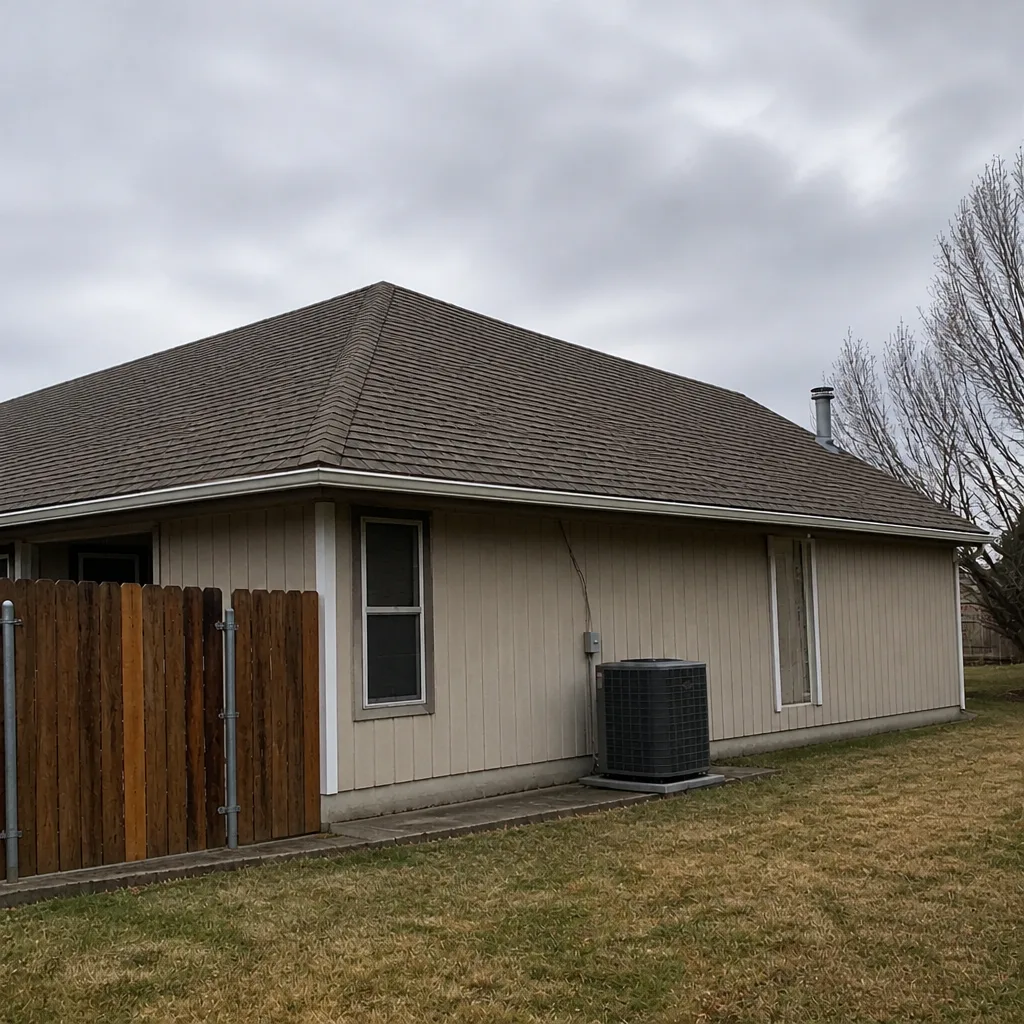 After
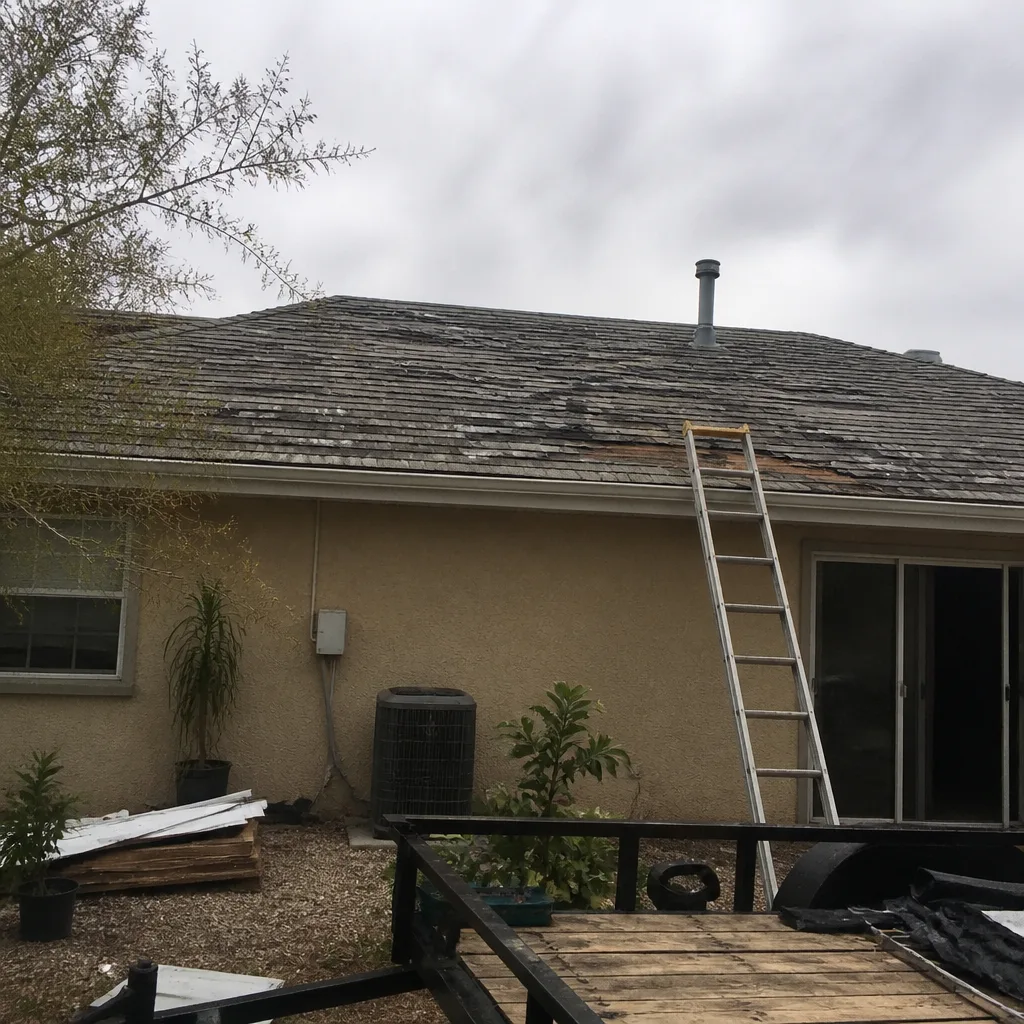 Before
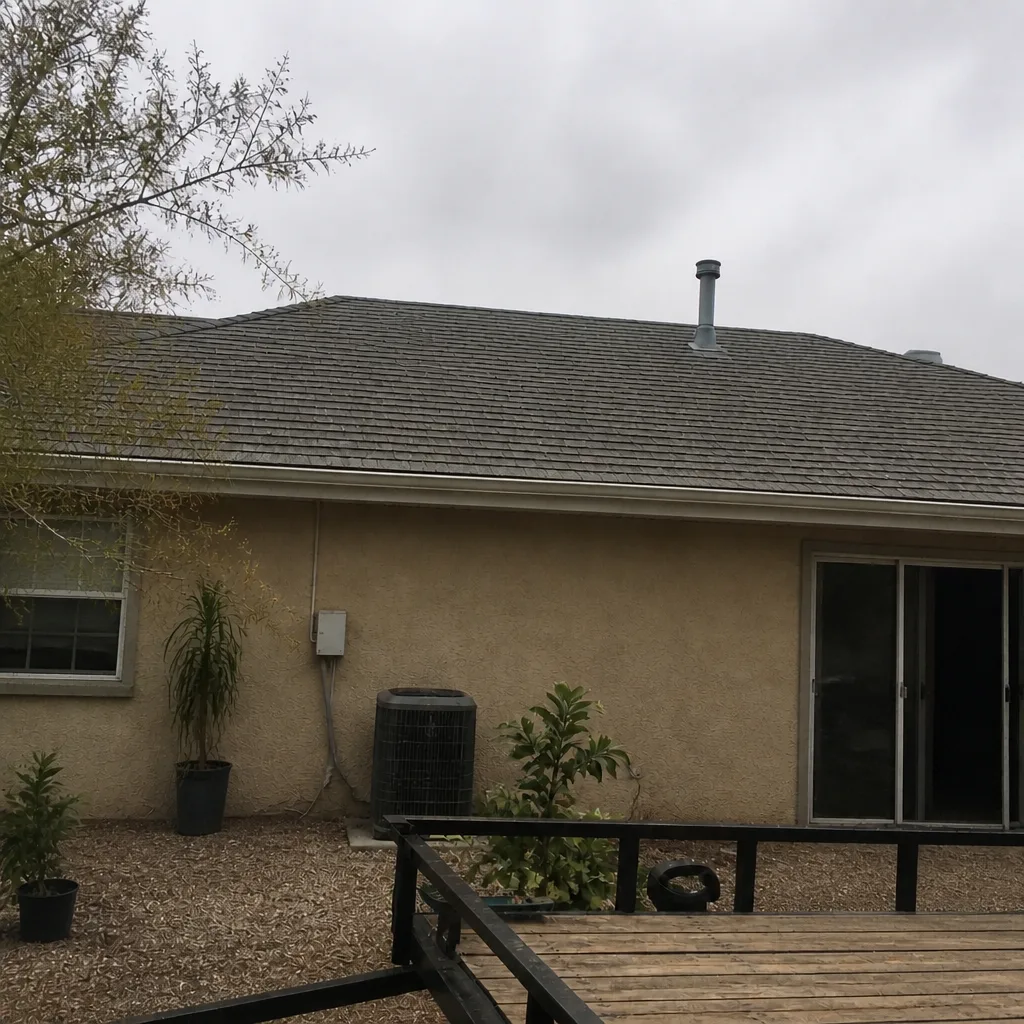 After
When to Call a Professional
Some specialty work is genuinely dangerous to inspect or touch on your own. Standing on a steep metal roof, walking a foam roof you’re not sure is sound, or opening up flashing near a chimney all carry real fall and injury risk – leave those to a trained crew. Call us when you see the signs a specialty system is aging: chalky paint on metal, foam that’s gone gray or gritty where the coating wore through, cracked or missing tile with exposed underlayment, or a low-slope membrane with blisters or soft spots. A live person answers the phone 24/7, and a free estimate costs you nothing. Shepherd & Sons Roofing Whitney offers free estimates in Whitney – call (844) 797-9455. If a storm just came through, we’ll be there, and if you already have a written bid, bring it for your free second opinion.
Frequently Asked Questions
For most pitched Whitney homes where you plan to stay, standing seam metal is the strongest all-around choice because it handles UV and temperature swing well and lasts 40-70 years. For flat and low-slope roofs, foam or modified bitumen makes more sense. The right answer depends on your pitch and structure, so a walk-over inspection settles it. Call (844) 797-9455 for an exact quote – estimates are free.
Local material and labor costs run 15-25% above national averages, and the desert details – underlayment, coatings, fastener specs – take more material and care. That’s why online quotes for Seattle or Atlanta underprice Whitney work. Get a written, line-item bid counted in squares. Call (844) 797-9455 for a free second opinion on any written estimate.
Plan on recoating every 10-15 years, and expect Whitney’s intense sun to push you toward the shorter end if the original coating was thin. The reflective coating is what protects the foam from UV, so staying ahead of it is what keeps the roof alive. Call (844) 797-9455 to schedule an inspection before the coating goes.
No. Tile weighs 4-6 times what asphalt does per square, so the framing has to be rated for it, and many homes need reinforcement before tile goes on. A good bidder checks the deck and structure first and scopes reinforcement separately. Call (844) 797-9455 for an honest structural look.
Not on a proper written, line-item quote – the number you sign is the number you pay, unless you ask to change the scope. A bid that drifts up at the door is a red flag, not a surprise. Call (844) 797-9455 for no-hassle upfront pricing.
Standing seam metal runs 40-70 years, tile 40-50 with attention to the underlayment, foam 10-15 years per coating cycle with the foam itself lasting decades under proper upkeep, and modified bitumen roughly 15-20. Whitney’s UV shortens the lighter systems if maintenance slips. Call (844) 797-9455 for a lifespan estimate on your specific roof.
The Bottom Line
Whitney’s high-desert sun is the real test of any specialty roof, and the system that wins is the one whose details match your pitch, your structure, and this climate – not the one that looks best on a brochure. Metal is the long bet for pitched homes, foam and bitumen own the flat sections, and tile works when the frame can carry it. Get written, line-item bids counted in squares, compare the details, and take a free second opinion. The number should be on paper before anyone touches your roof.
Call Shepherd & Sons Roofing Whitney at (844) 797-9455 for a free estimate. A live person answers 24/7, we’ll show you the deck photos before we talk money, and every job is backed by the written 90-Day Done Right Promise.
Written by the team at Shepherd & Sons Roofing Whitney.