
Last updated November 18, 2026
 Tile roofing
 Architectural shingles
 Metal roofing
 GAF
 Owens Corning
 Flat & low-slope
Free roof inspection with deck photos before we talk money - GAF and Owens Corning certified installation
Tile Roofing Troubleshooting: Common Problems and How to Fix Them
I once walked a house in Whitney where the homeowner had paid a crew to replace 40 individual cracked tiles over three years. She still had an active leak in her hallway ceiling every monsoon season. Nobody had ever looked under those tiles. When we finally pulled a section back, the 20-year-old underlayment underneath had turned to powder – it crumbled between two fingers like dry dirt. That’s the hard truth about tile roofs: the tiles are the raincoat, but the underlayment is the actual waterproofing. In this guide, I’ll show you how to tell a tile problem from an underlayment problem, how to inspect without cracking more tiles, and when spot repair stops making financial sense.
Quick Answer
Cracked or missing tiles are almost never the reason a tile roof leaks. The leak is nearly always in the underlayment, valleys, or flashing underneath and around the tiles. Replacing individual tiles without inspecting the underlayment buys you a short-term fix and delays the real repair – which is why the diagnostic step matters far more than the tile swap.
Styles & brands we work with
- Architectural shingles
- Metal roofing
- Tile roofing
- GAF
- Owens Corning
- Flat & low-slope
Table of Contents
- Tile Problem or Underlayment Problem? How to Tell
- Attic-Side Diagnostics: Finding the Leak Without Removing Tiles
- How to Walk a Tile Roof Without Cracking More Tiles
- Valley and Flashing Failures Specific to Tile Systems
- The Honest Lifecycle Question: When Spot Repair Stops Making Sense
- What a Legitimate Tile Repair Quote Should Include
- Why Tile Roofs in Whitney Fail Differently
- A Simple Maintenance Calendar for Tile Roofs
Tile Problem or Underlayment Problem? How to Tell
Start with the calendar, not the ladder. Tile itself is one of the longest-lived roofing materials on the market – a properly installed clay or concrete tile can last 50 years or more. The underlayment beneath it is a different story. Standard felt underlayment in a hot, sun-baked climate typically gives you 15 to 20 years before it dries out and starts to fail. That gap is where most “tile roof leaks” come from.
Here’s how you distinguish the two:
- Tile problem signs: Visible cracked, slipped, or missing tiles on the surface; leaks that only appear directly below a known broken tile; leaks that started right after a specific hailstorm or wind event.
- Underlayment problem signs: Leaks that appear in multiple spots across different parts of the roof; stains that show up on ceilings in areas where the tiles above look perfectly intact; leaks that get worse every year in the same spots; a roof that’s now 18 to 25 years old with the original underlayment.
- Both: Discolored tile undersides with visible water tracking when the tile is lifted (that means moisture is already circulating below the tile layer).
In our experience, once a tile roof crosses the 18-year mark, roughly eight out of ten active leaks we’re called to are underlayment-driven. The tile above may look fine. The underlayment below is where the story is.
Attic-Side Diagnostics: Finding the Leak Without Removing Tiles
You can learn a lot about a tile roof from inside the attic, and you don’t have to pull a single tile to do it. This is the step most “replace three tiles and caulk it” contractors skip, and it’s the step that tells you whether spot repair is honest or throwing money at a symptom.
Here’s the correct order:
- Wait for rain, then look up. Water tracking is clearest during an active storm. With a flashlight, walk the attic and look for drips, drip marks, and dark trails on the rafters and decking. Photograph everything.
- Trace the water uphill. Water enters at the highest point of penetration and travels downslope along the decking. The drip you see may be 6 to 10 feet away from the actual entry point. Follow the dark wood grain upward.
- Inspect the decking between rafters. Dark, soft, or crumbly spots on the sheathing show where underlayment has failed and water has been sitting for a while.
- Check for daylight at valleys and penetrations. Any visible light at a valley, pipe boot, vent, or chimney means a gap that has no business being there.
- Smell the wood. Musty attic air after dry weather is a strong tell that moisture has been cycling in a spot too small to show up as a drip yet.
Document all of this with photos before anyone gets on the roof. If a bidder can’t explain what they saw in the attic, ask them how they know the underlayment isn’t the problem. If they can’t answer that, they haven’t looked.
How to Walk a Tile Roof Without Cracking More Tiles
Most DIY “inspections” create new damage because tile, especially on older roofs and in cooler temperatures, gets brittle. A wrong footfall on a valley hip or a corner of a flat-profile tile can crack tile that was fine a moment before. And cracks open up water paths that weren’t there. Here’s the disciplined way to move across a tile surface:
- Never walk in cool morning hours. Tile is most brittle when cold. Move across the roof in the warm part of the day when the material has some give.
- Walk the valleys and hips, not the field. Valley lines and hip ridges are structurally reinforced and are where foot traffic belongs. The flat field of tile between them is where breakage happens.
- Step on the bottom third of the tile, not the center. Load goes directly over the tile below, not on the unsupported mid-span.
- Wear soft-soled shoes. Tennis shoes grip better than boots and distribute weight more evenly across the tile surface.
- Keep your hands off the tiles. Don’t grab tile edges for balance. Grab the roof jack or a secured ladder extension.
- Stop when you hear the crack. A single audible crack means the tile below was already compromised. Note the location and move on. Don’t try to walk it “gently.”
If you’re not sure of your footing on a pitch above 5:12, don’t get on the roof. The savings from a DIY inspection will disappear the moment you crack three tiles or take a fall.
Valley and Flashing Failures Specific to Tile Systems
Most leaks on tile roofs start at one of five places, and none of them is “random tile.” In order of frequency from our calls around Whitney:
- Valley metal. The valley is where two roof planes meet and where a large volume of water concentrates. On tile roofs, the valley pan sits below the tile and the tile edges lap over it. When that pan rusts through or the tiles shift, the valley leaks. This is the single most common tile-system leak we see.
- Chimney flashing. The step flashing at a chimney is installed below the tile. If it was done with the wrong material – or the counter-flashing was caulked instead of mechanically attached – it opens up over time.
- Pipe boots. Rubber boots dry-rot and split. On a 15-year-old tile roof, the boots are probably original. This is the cheapest repair on the list but one of the most frequent.
- Wall and sidewall step flashing. Where the roof meets a vertical wall, step flashing has to be woven into the tile courses. Improper installation here leaks slowly and invisibly for years.
- Headwall and kickout flashing. Missing or undersized kickout flashing sends water straight into the wall system instead of out.
Notice what’s absent from that list: “cracked tile.” Cracks happen, but they’re usually a symptom of another problem – foot traffic, thermal movement, or settling – and repairing the tile without fixing the underlying failure leaves you back on the phone next season. If you’re weighing repair against a full replacement, our roof repair in Whitney page walks through the honest decision tree.
The Honest Lifecycle Question: When Spot Repair Stops Making Sense
There’s a number every tile roof owner eventually has to face, and it’s the underlayment age. Because tile can last 50 years but underlayment usually doesn’t, most tile roof owners end up doing one of two things somewhere between year 18 and year 25.
Here’s the honest way to think about it:
- Underlayment under 15 years: Spot repair almost always makes sense. Fix the specific flashing or boot, replace damaged tile, and move on.
- Underlayment 15 to 20 years: Judgment call. If the attic inspection shows dry decking and no widespread tracking, targeted repair can still work. If you’re seeing multiple leak points, start planning.
- Underlayment 20+ years: Spot repair is usually throwing money at a symptom. The underlayment has reached end of life. When we see 20+ year-old underlayment, our recommendation is almost always a full re-roof – lift the tile, install new underlayment, reset the tile (tile can be reused if it’s in good condition, which offsets cost significantly).
- Underlayment 20+ years AND the tile itself is cracking: Full replacement. Reusing old cracked tile on new underlayment just kicks the can.
For homeowners in Whitney, this lifecycle question tends to arrive earlier than residents expect, because the desert sun and summer heat cycle through the underlayment faster than in cooler climates. Read more on that in the section below.
Why Tile Roofs in Whitney Fail Differently
The Whitney climate has a specific relationship with tile roofs, and it’s different from what you’d read in a general roofing guide written for the coasts or the Southeast.
Three things happen here that age tile systems faster than the national average:
- Extreme summer heat cycles. Afternoon surface temperatures on a tile roof in Whitney regularly cross 150 degrees in mid-summer. Underlayment doesn’t just dry out – it cooks, cracks, and loses elasticity faster than in moderate climates. Ten years of Whitney summer heat is not the same as ten years of coastal heat.
- Monsoon season stress testing. From July through September, a Whitney tile roof that’s been drying out for 10 months gets hit with sudden, high-volume rain. Failures that were forming silently all year show up in one afternoon. There’s no slow reveal – it’s dry, dry, dry, then the ceiling is dripping.
- Winter overnight freezes. Desert nights in the 20s create freeze-thaw stress on flashing, boots, and any water that got trapped behind a failed tile. Small cracks open. Seals fail.
The practical takeaway: tile roofs in Whitney hit their underlayment failure window at about 15 to 20 years, not 20 to 25. If your tile roof is past 15 in this climate, an annual attic inspection is worth the time. And the tile materials themselves – we install GAF, CertainTeed, Owens Corning, and IKO products, plus Boral tile – hold up far better than the underlayment under them, which is why a full re-roof with tile reuse is often the smartest financial play.
What a Legitimate Tile Repair Quote Should Include
Here’s the difference between a real quote and a “replace three tiles and caulk it” quote. The first one is asset management. The second one buys you 18 months.
A legitimate tile repair quote should include:
- What was inspected and what was found. Attic-side notes, deck photos where relevant, and the specific leak path. Not “found some issues.”
- The underlayment age. If the roofer didn’t check, they can’t quote honestly.
- Whether the repair is addressing the underlayment or only the tile. If it’s only the tile, they need to say so and explain why that’s the right move here.
- Line-item materials and quantities. How many tiles, how many boots, what kind of flashing, what kind of sealant.
- What’s reused vs. replaced. If tile is being saved, ask what the condition criteria are. If it’s being replaced, ask where the new tile is coming from – matching old tile profiles matters.
- A written warranty. For us, every job is backed by our 90-Day Done Right Promise in writing – if it’s not done right, we come back and make it right. But shingle it down to: what happens if it leaks in 30 days?
- Cleanup and disposal detail. Broken tile weight adds up fast, and old underlayment is a hazmat in some jurisdictions.
If you’ve got another roofer’s written estimate in hand, we’ll give you a free second opinion on it before you sign anything. It’s one of the standing offers we never skip.
A Simple Maintenance Calendar for Tile Roofs
You don’t need a subscription. You need two 20-minute look-sees a year and an attic flashlight.
- Spring (March): Walk the perimeter with binoculars. Look for slipped, cracked, or missing tiles. Check gutters for granule loss and broken tile pieces.
- Spring (March), attic: Flashlight pass through the attic. Look for dark decking, drip trails, and daylight at penetrations.
- Before monsoon (June): Have the flashings at valleys, chimney, and boots looked at. That’s the month failures get caught or they become leaks.
- After monsoon (October): Second attic pass. Also check for sagging soffit or fascia, which can indicate water running behind the tile edge.
- Any time after a hailstorm: Walk the perimeter and look for cracked or chipped tile. Hail damage on tile is often cosmetic but should be documented.
If you want to see the broader roof maintenance picture beyond just tile, our Shepherd & Sons Roofing Whitney home page has links to every service we offer.
Common Mistakes to Avoid
- Replacing tile without looking at the underlayment. This is the single most common and most expensive mistake we see. Fixing surface cracks on a 20-year-old underlayment is throwing good money at a symptom – the leak is still there, it just isn’t showing yet.
- Walking a tile roof in the cool morning. Tile is brittle when cold. Footholds that hold fine at noon crack tile at 7 a.m. If you’re going up, go up in the warm part of the day.
- Caulking flashing instead of repairing it. Caulk on a valleypan or step flashing is not a repair – it buys you one season. Correct flashing is mechanically attached and layered, not smeared.
- Skipping the attic inspection. If the quote doesn’t include attic notes, the roofer is guessing. Guessing is free. Guessing wrong costs a re-roof.
- Ignoring boot deterioration. Rubber pipe boots on tile roofs typically fail at 15 to 20 years. In Whitney’s heat, expect the early end of that. A $15 rubber boot split is a $300 ceiling repair if it’s missed.
- Mismatching tile on a repair. Tile profiles and color lots vary between manufacturers and production years. Ask where the matching tile is coming from before approving the work.
- Booking a “tile specialist” who shows up without inspecting the attic. If the first thing on the roof is a hammer, ask to see the attic first.
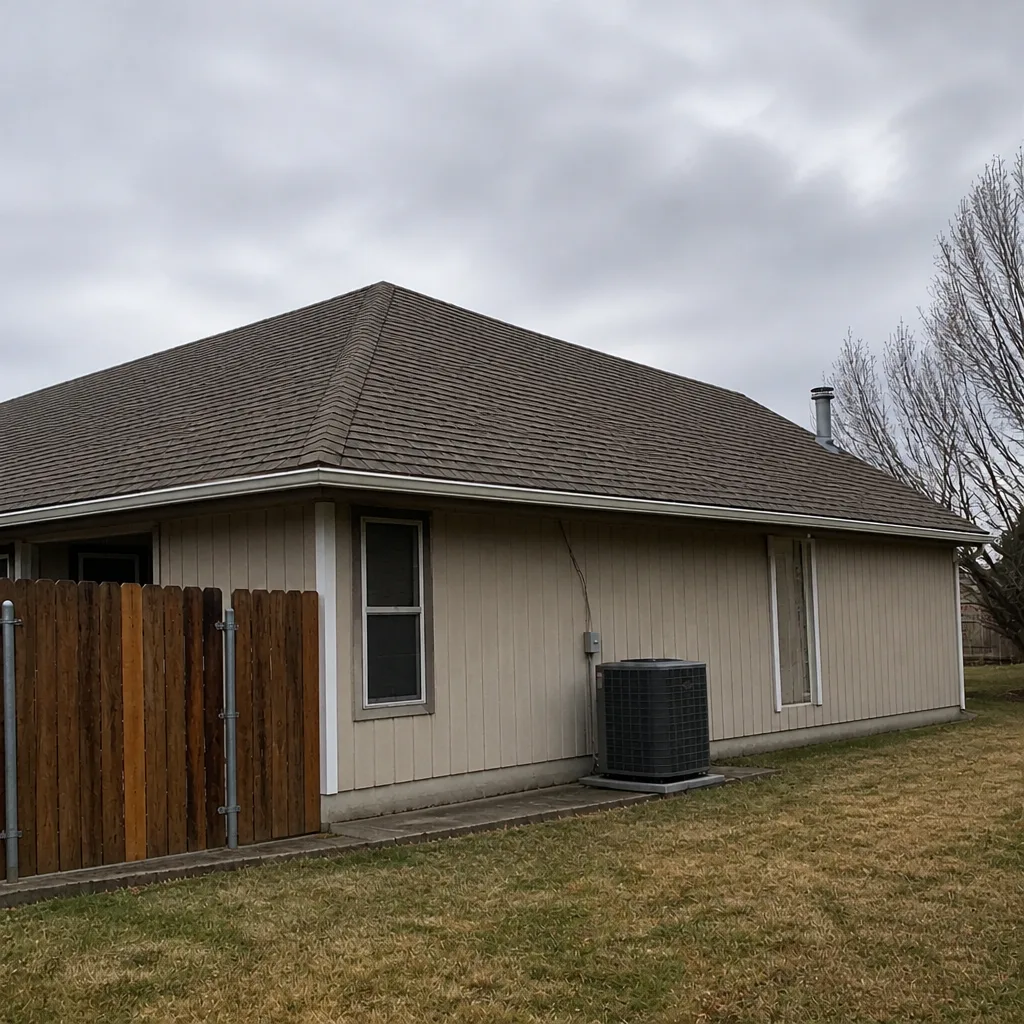
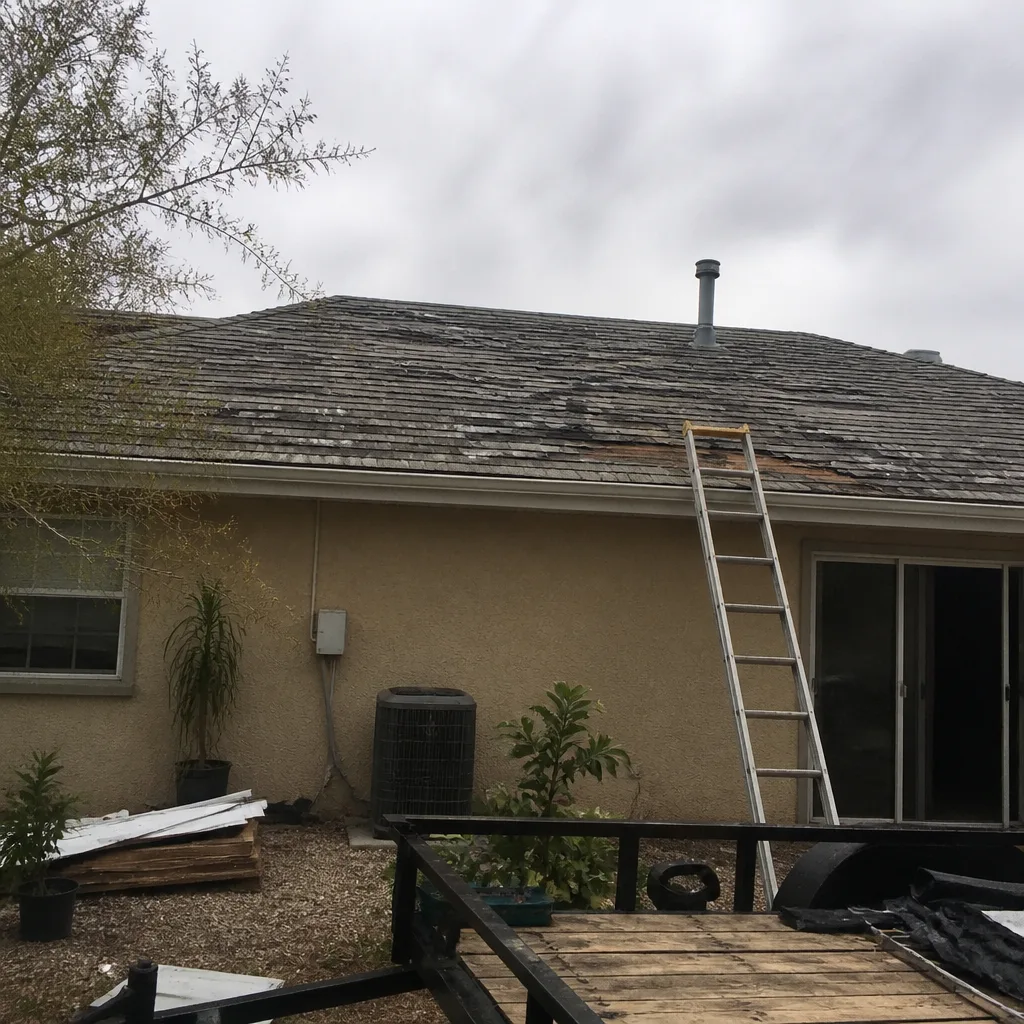
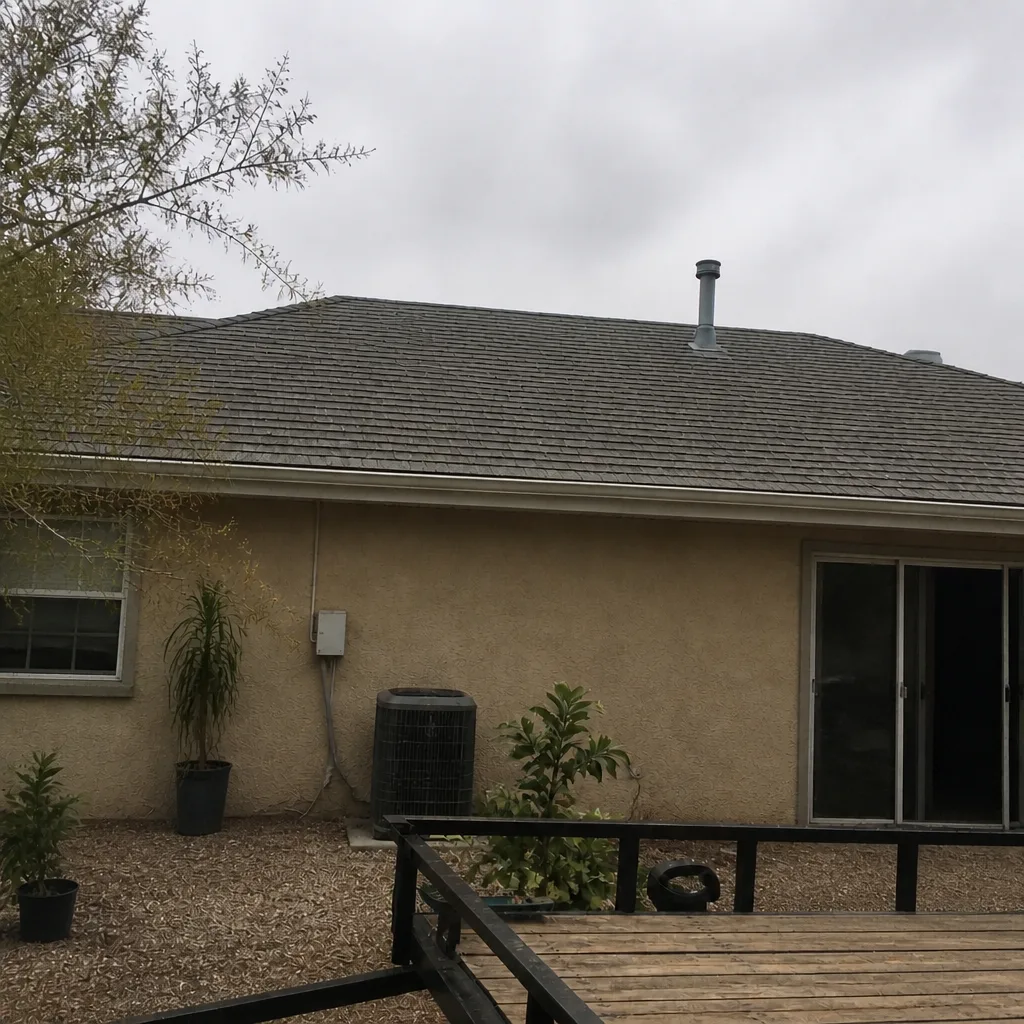
See the difference
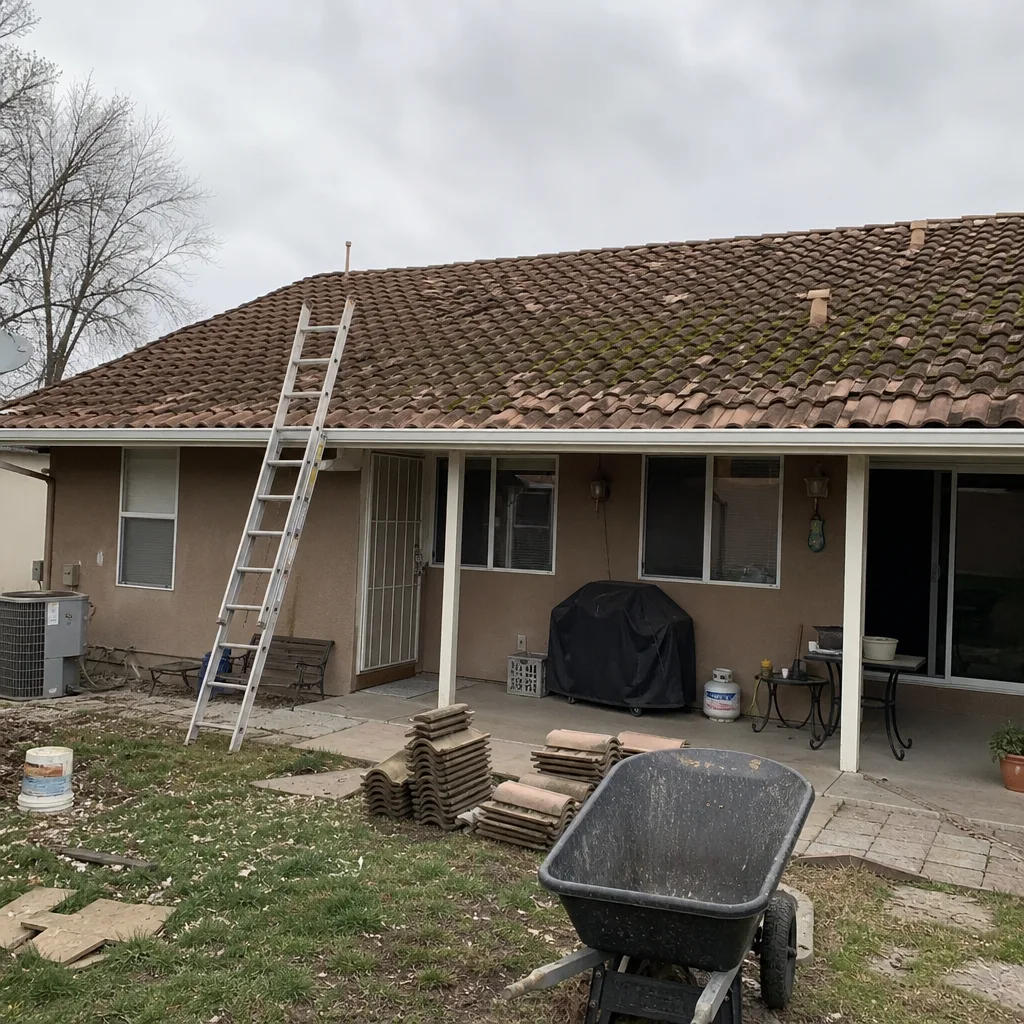 Before
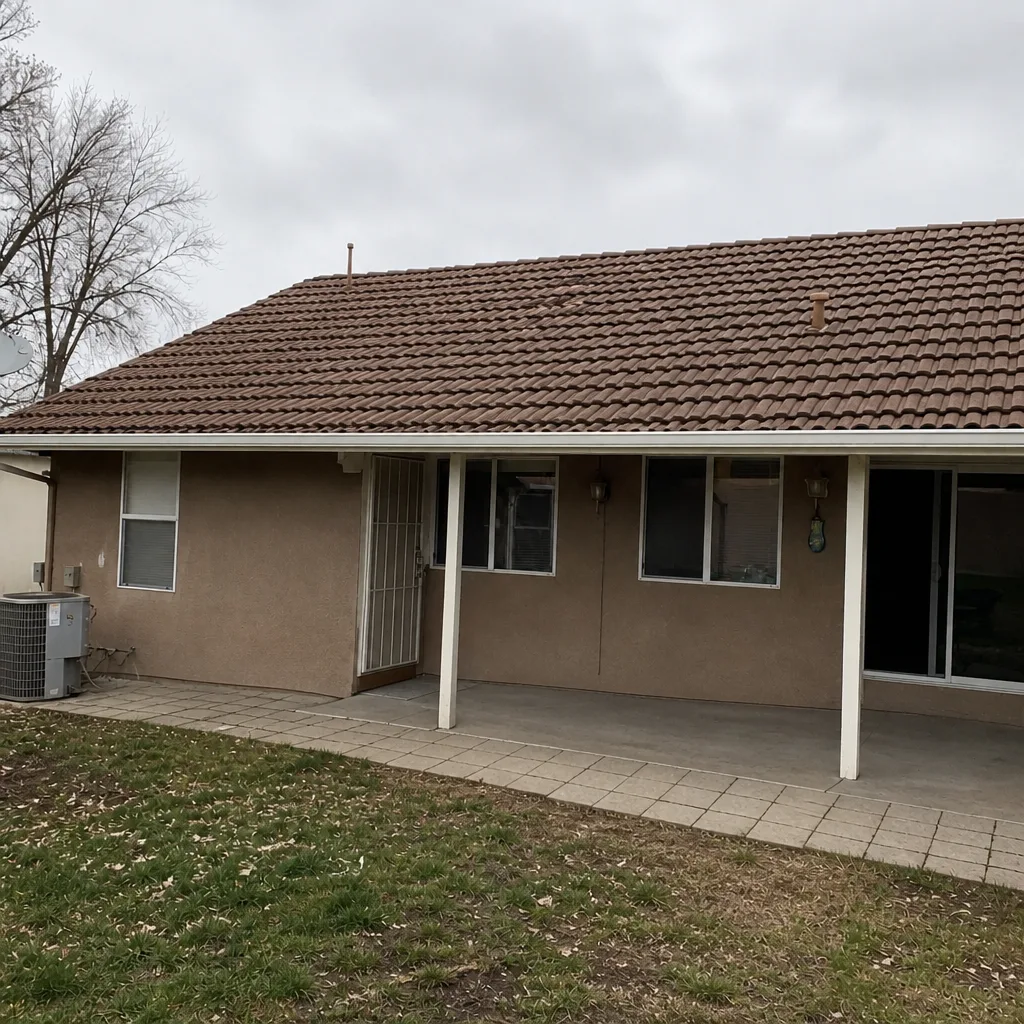 After
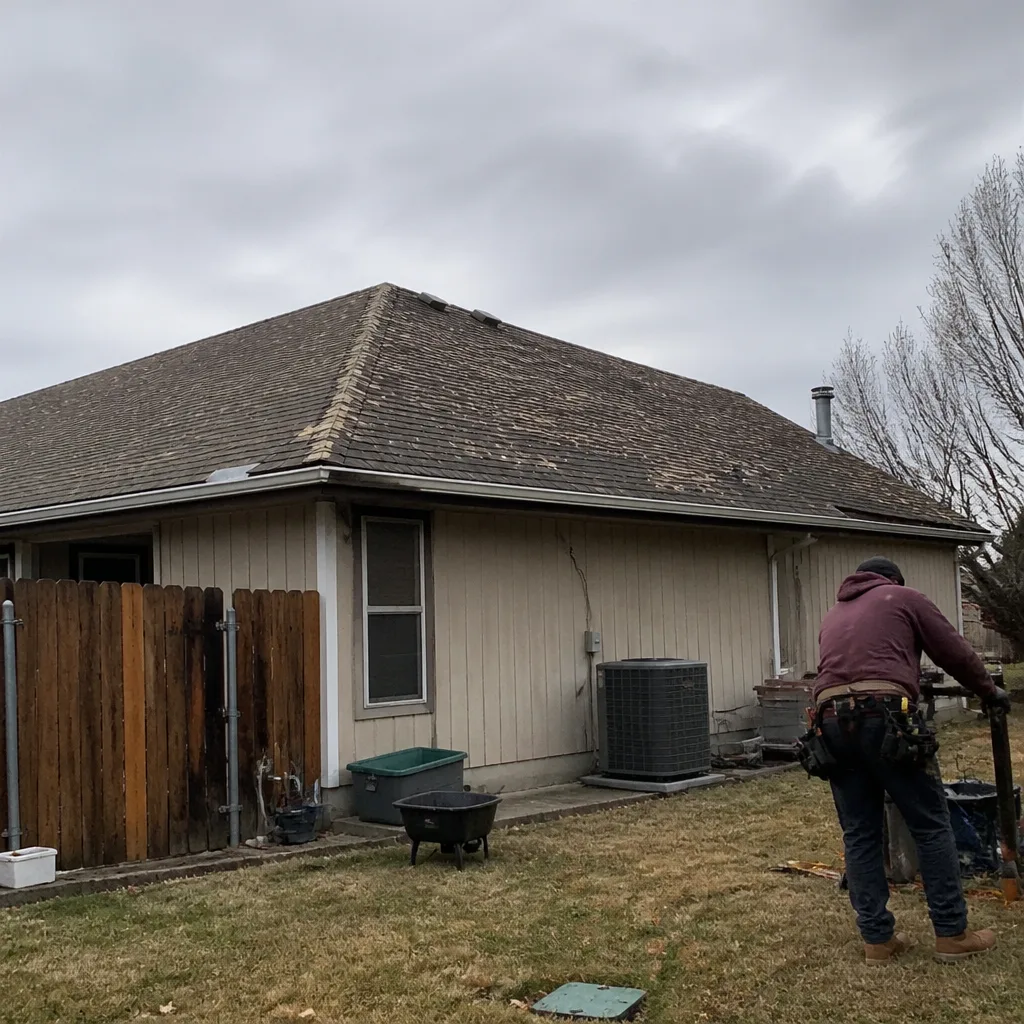 Before
 After
 Before
 After
When to Call a Professional
Some repairs are visible and low-stakes. Most aren’t. Call a professional when any of these apply:
- The leak appears in more than one location on the ceiling in the same season.
- The tile roof is past 15 years old and you don’t know the underlayment age.
- You see daylight in the attic anywhere along valleys, boots, or chimneys.
- The leak only appears during monsoon season or after a specific wind event.
- The pitch of your roof is above 5:12 and you don’t have a harness and roof jack setup.
- Any wall, valley, or chimney step flashing is involved.
- You have a written estimate in hand from another roofer and you’re not sure it covers what’s actually wrong.
Shepherd & Sons Roofing Whitney offers free estimates in Whitney – call (844) 797-9455. We answer the phone live, 24/7. If you’ve got another roofer’s quote in hand, we’ll give you a written second opinion on it at no charge. No trip charge inside our own county.
Frequently Asked Questions
Because the leak is almost always in the underlayment, valleys, or flashing beneath the tile – not in the tile surface itself. Tile is the rain-shedding layer, but the underlayment is the actual waterproofing. On a 15 to 20 year-old roof in this climate, the underlayment has usually reached end of life even when the tile above looks intact. The diagnostic step is an attic inspection to see where water is tracking, and then a quote that addresses the real problem. Call (844) 797-9455 for a free estimate.
Only if the underlayment under those tiles is in good condition and the cracks came from a specific event like a hailstorm or foot traffic. If you’re past 18 years on the original underlayment, replacing individual tiles without checking underneath is a short-term fix that leaves the leak active. A legitimate quote will tell you which situation you’re in and show you why.
The question to answer first is the underlayment age. Under 15 years with a localized leak: repair. Over 20 years with multiple leak points: full re-roof, and in that case tile can often be reused, which saves a meaningful amount. Between 15 and 20 years is a judgment call based on attic inspection. We’ll show you the deck photos before we talk money.
Only someone with tile roof experience and proper safety gear, and even then, only on valley lines and hips when the tile is warm. Tile is brittle, and a careless walk creates new cracks that weren’t there before. A good inspector starts with the attic and binoculars on the perimeter, and only gets on the roof when they need to see something specific. If your inspector is on the field of the roof at 7 a.m. in the cool morning, that’s a warning sign.
A single flashing repair or pipe boot replacement is usually a couple of hours. A valley repair is typically most of a day. A re-roof with tile reuse runs several days depending on roof size and weather. Get the timeline in writing on any quote, and ask what happens if weather interrupts the job mid-work.
Yes, with caveats. Tile lasts a very long time and handles desert heat well. The catch is the underlayment lifecycle underneath. If you’re re-roofing in Whitney with tile, our roof replacement & installation in Whitney page covers tile reuse, underlayment choices for this climate, and cost ranges. If you’re weighing tile against metal for a desert climate, our metal roofing in Whitney page is a fair comparison.
The Bottom Line
The single sentence that fixes most tile roof troubleshooting: cracked tile is a symptom, and the underlayment is usually the disease. Your diagnostic path is attic first, perimeter second, roof surface only when you have to. Your decision hinges on the underlayment age – under 15, repair; 15 to 20, judge by attic inspection; 20 plus, plan for re-roof. Ignore the “replace three tiles and caulk it” quote unless you’ve seen the evidence behind it. If you’re not sure, get a second opinion on the written estimate before you sign anything, and make sure any quote you accept says in writing what happens if it leaks in 30 days.
Shepherd & Sons Roofing Whitney has been locally owned and owner-operated since 1996 – same address, same name on the truck. Every job is backed by our 90-Day Done Right Promise, and we’ll come back and make it right. Call (844) 797-9455 for a free estimate. A live person answers, 24/7. Senior and veteran discount available. $40 off any repair over $200.
Written by the team at Shepherd & Sons Roofing Whitney.