
Last updated November 18, 2026
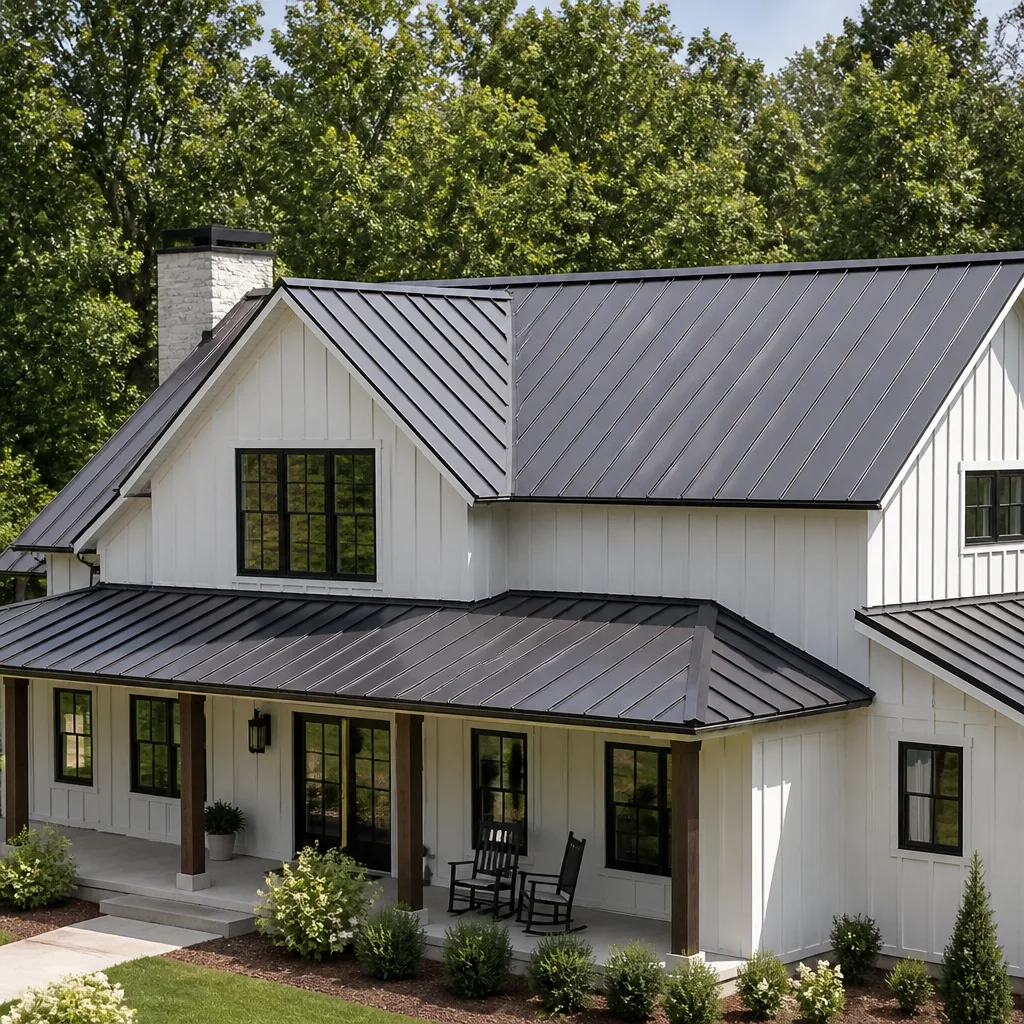 Metal roofing
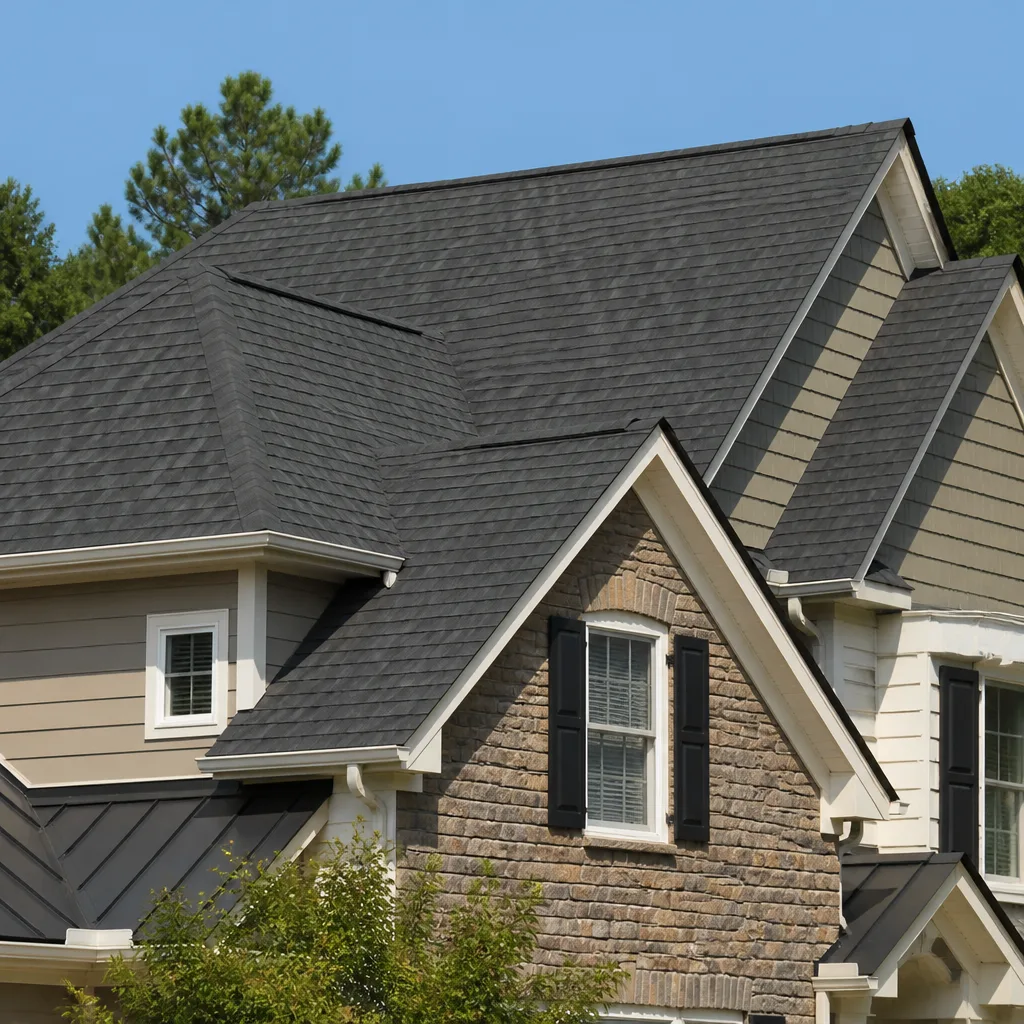 Architectural shingles
 Tile roofing
 GAF
 Owens Corning
 Flat & low-slope
Free roof inspection with deck photos before we talk money - GAF and Owens Corning certified installation
DIY vs Professional Specialty Roofing: What’s Safe to Do Yourself
Homeowners who apply elastomeric coating to a foam roof without proper surface prep don’t just get a bad coat. They trap moisture under the new layer, accelerating the foam degradation they were trying to prevent. We’ve seen that mistake turn a $600 recoating job into a $9,000 tear-off, and it’s the clearest example of why specialty roofing is the category where the DIY risk calculation is most lopsided. The systems are expensive, the failure modes are non-obvious, and a botched repair can void the manufacturer warranty on work that cost $15,000 to $30,000 to install. This guide draws the exact line for Whitney homeowners: what you can safely do, what you should never touch, and how to spot the difference.
Quick Answer
Across the board, a homeowner can safely clean debris from drains and low-slope gutters, photograph storm damage for an insurance claim, and reseat a single loose metal cap. Everything else on a specialty roof – foam coating, tile or slate repair, flat-seam metal patching, and any work that involves height or walking the surface – belongs to a licensed specialty installer, because a mistake there can void the warranty on a $15,000 to $30,000 system and cost more to fix than the original repair.
Styles & brands we work with
- Architectural shingles
- Metal roofing
- Tile roofing
- GAF
- Owens Corning
- Flat & low-slope
Table of Contents
- The Tasks Homeowners Can Genuinely Do Safely
- Why Foam Roofing Is the System Most Damaged by Helpful Homeowners
- What the Warranty Actually Says About DIY Repair
- How to Verify a Contractor’s Specialty Experience
- Can I Just Patch This Myself? A Straight Answer by System
- The Height and Safety Line in Whitney
- How DIY Work Can Sink an Insurance Claim
The Tasks Homeowners Can Genuinely Do Safely
We’re not one of those companies that tells you everything is too complicated to touch yourself. That’s a sales pitch, not advice. There is real, useful work a careful homeowner can do – and doing it actually prolongs the life of a specialty roof in Whitney’s desert climate.
The safe zone has one rule: nothing that requires walking on the roof surface, and nothing that mutates the roofing membrane or material. Cleaning and observing are fine. Altering is not.
- Clear debris from drains and low-slope gutters. On a flat or low-slope specialty roof, drainage is everything. After a Whitney wind event, tumbleweeds, gravel, and dust collect at scuppers and box drains. Clearing them by hand from a ladder at the edge or at ground level keeps ponding from starting.
- Photograph storm damage for insurance. Get pictures before anyone touches anything – wide shots showing the roof in context, then close-ups of the damage, plus a photo of a tape measure beside any hole or crack for scale. This documentation is worth real money at claim time.
- Reseat a single loose metal cap at reachable height. If one end-cap came loose at a gable edge you can reach from a stable ladder, pushing it back and checking it is seated is reasonable. If it needs a new fastener or appears warped, stop and call.
- Keep the roof clear of stored items. Nothing on the roof. No loose pavers, no planters, no “temporary” storage that punctures a membrane.
- Trim overhanging limbs from the ground. Branch contact grinds against roofing materials in wind and holds debris against the surface. That’s a ladder-and-pole-saw task done from the ground.
Notice what’s missing: no coating, no patching, no fastening, no walking the field. That’s deliberate.
Why Foam Roofing Is the System Most Damaged by Helpful Homeowners
Spray polyurethane foam is one of the most misunderstood specialty systems, and it’s the one we see homeowners harm most often – usually with the best intentions. Foam is a soft, closed-cell layer under a protective coating. The coating is what takes the sun; the foam is what insulates and waterproofs. In Whitney’s climate, that coating takes a brutal UV load, so recoating is legitimate maintenance.
The problem is foot traffic and cleaning. Here’s what actually goes wrong:
- Pressure washing. A homeowner rents a pressure washer to clean the roof before recoating. It strips the protective coating to bare foam in seconds and gouges the cells. That’s not cleaning; that’s demolition.
- Walking it to inspect. Foam crushes and dents under a knee or a boot on a hot day. Every crush point is where water will sit and the coating will break down first.
- Improper preparation before coating. Coating applied over dust, old flaking material, or trapped moisture bonds poorly and seals water in. The moisture accelerates foam degradation from underneath, exactly as we described at the top.
- Wrong product. Elastomeric coating needs to be the correct type for foam, applied at the right thickness, in the right weather window. A consumer-grade tub from the hardware store is not the same product a specialty installer carries.
In our experience, foam roofs on Whitney homes fail from neglect at the coating level and from interference at the foam level. Add per-year cleaning where appropriate and let a licensed specialty crew handle anything beyond drain clearance. If you’re unsure what condition your coating is in, that’s a free second opinion, not a DIY project. Learn more on our Shepherd & Sons Roofing Whitney home page.
What the Warranty Actually Says About DIY Repair
Here’s the part almost nobody reads until it’s too late. Manufacturer warranty on specialty systems is conditional, and one of the biggest conditions is who did the work. When a coating or membrane is repaired by an unlicensed party using non-system materials, the manufacturer typically has grounds to deny the claim on the affected area – sometimes on the whole roof.
We’ve seen the phrase “improper repair by an unlicensed party voids coverage” or its equivalent in the fine print on all three major specialty families: foam coating systems, tile and slate systems, and flat-seam and standing-seam metal. The exact wording varies by manufacturer, and you should read it on your own paperwork, but the pattern is consistent:
- Foam and coating systems: warranty is tied to application by an approved applicator using system-compatible coating. A homeowner patch with a hardware-store caulk can void the coating warranty.
- Tile and slate: coverage often requires repairs by a qualified installer with matching or approved material. A mixed-material repair can fail on both workmanship and material grounds.
- Metal: fastener and sealant warranties assume correct fastener type, torque, and placement. A wrong fastener from a DIY repair creates a corrosion point and can disqualify coverage at that location.
The math is simple. The repair a homeowner attempts to save a few hundred dollars can void coverage on a system that cost five figures. On a Whitney specialty roof, that is the lopsided part of this whole conversation. For replacement and new-installation specifics, see Roof Replacement & Installation in Whitney.
How to Verify a Contractor’s Specialty Experience
One of the quiet hazards of specialty roofing is the shingle roofer who took a one-week foam certification course and now markets himself as a foam specialist. A one-week course is real training, but it’s not the same as years of bailing out failed foams and knowing how a given coating behaves after three Whitney summers. Here’s how to tell the difference before you hire.
- Ask how many specialty systems they’ve installed, not just serviced. A true specialty crew can tell you how many foam installations, tile repairs, or metal runs they’ve completed in the past year. A shingle-only roofer will hedge.
- Ask for the manufacturer name and product line, not just the generic type. If they install foam coating, they should name the system. Name the shingle and we’ve likely set it. The Metal Roofing in Whitney page covers the gauge and fastener questions to ask on metal.
- Ask for a job photo of the deck or substrate, not just the finished roof. Anyone can photograph a pretty finished surface. A specialty pro documents the prep underneath – that’s where the warranty lives.
- Check the license and read the warranty transfer terms. A published license number you can look up matters. So does whether the warranty transfers to you as the homeowner.
- Ask who shows up on the roof. The crew, not a subcontractor, is the honest answer. If they can’t tell you, that’s the answer.
We install products from GAF, CertainTeed, Owens Corning, IKO, and Boral, and our technicians have up to 30 years of experience. For repair-specific help, see Roof Repair in Whitney.
Can I Just Patch This Myself? A Straight Answer by System
You asked, so here’s the straight answer for each system, no hedging: no for foam, no for tile and slate, mostly no for metal, and yes for cleaning and inspecting any of them. Let me give you the reasoning system by system.
- Foam: No. Foam repair means removing failed material back to sound foam, re-priming, and applying the correct coating at the right mil thickness. A homeowner patch with caulk bridges the gap and traps moisture. No.
- Tile and slate: No. Stepping wrong cracks tile, and a broken tile opens the underlayment to water. Matching a tile profile and color also takes inventory a homeowner doesn’t have. No.
- Standing-seam and flat-seam metal: Mostly no. Reseating one cap at reachable height is fine. Patching a seam without the correct fastener and sealant creates a corrosion point and a leak path. No for anything that penetrates the panel.
- Flat and low-slope membrane (TPO/EPDM): No for patching. Cleaning drains, yes. Cutting and seaming membrane, no.
- Underlayment and flashing at any system: No. This is where water actually gets in, and it’s not visible from the yard.
That’s not a fence. It’s a line, and it’s drawn for your wallet and your skin.
The Height and Safety Line in Whitney
We’d be doing you a disservice if we didn’t address the obvious: specialty roofs in Whitney tend to be steep or tall or both, and this work is dangerous. A fall from a two-story roof is a serious injury even for a trained roofer, and far worse for someone with no fall protection, no harness, and a ladder that isn’t tied off. The safety caveat here isn’t a scare tactic; it’s the honest reason every pro on your street says no.
Before you climb anything, be honest with yourself about three things: the pitch, the height, and whether the surface is stable. Foam crushes. Tile cracks and slides. Metal can be slick even when it looks dry. We recommend a trained professional for any roof work above a single-story edge, and that recommendation is strongest for specialty systems where you also risk the surface itself.
If you want the work looked at, call us and we’ll come look. No trip charge inside our own county, and a free second opinion on any written estimate. We’d rather talk you out of a dangerous climb than fix the roof and the femur.
How DIY Work Can Sink an Insurance Claim
This is the part that surprises people. If you do a DIY repair and later file an insurance claim for damage in that same area, your insurer may point to the DIY repair as a preexisting condition or evidence of improper maintenance. That’s not always how it goes, but it happens, and it’s a real reason to photograph everything before touching anything.
The homeowner-safe insurance tasks are all documentation, not repair:
- Photograph the damage from the ground and from any safe vantage before anyone works on it.
- Record the date, the weather event, and any visible interior damage (stained ceiling, wet drywall).
- Get a written estimate from a licensed roofer before filing, because a line-item scope helps the adjuster value the claim.
- Keep a copy of your policy, and read the exclusions for wear and tear and maintenance.
In Whitney, the usual claim drivers are wind events, hail (less frequent here than the east side of the valley, but real), and summer UV degradation on flat and foam systems. If you suspect storm damage, the best thing you can do is document it and get a second opinion. Call (844) 797-9455 and we’ll take a look at no charge.
Common Mistakes to Avoid
- Coating a foam roof without prepping the surface. Coating over dust or flaking material seals in moisture and speeds up the foam degradation you were trying to stop. It’s the single most common and most expensive DIY error we see.
- Pressure washing any specialty roof before recoating. It strips coatings to bare foam or gouges metal finishes. A garden hose and a soft brush at the edge is the closest a homeowner should get.
- Patching with the wrong product. Hardware-store caulk on foam, a mismatched tile, or a zinc-plated fastener on a metal panel all create a failure point and a warranty problem. Name the system before you reach for a tube.
- Walking the field surface to “inspect.” Every step on a hot foam or a brittle tile can cause damage. Inspect with binoculars, from the ground, and from a stable edge with a camera.
- Skipping the photos before repair. In Whitney, wind claims turn on documentation. Once you fix it, the adjuster has nothing to see.
- Hiring a shingle roofer for a specialty job. A one-week foam certification isn’t years of specialty experience. Ask for the deck photos and the product name.
- Ignoring the warranty fine print. “Improper repair by an unlicensed party” is exactly what voids coverage on a system you’ve already paid for. Read it before you patch.
See the difference
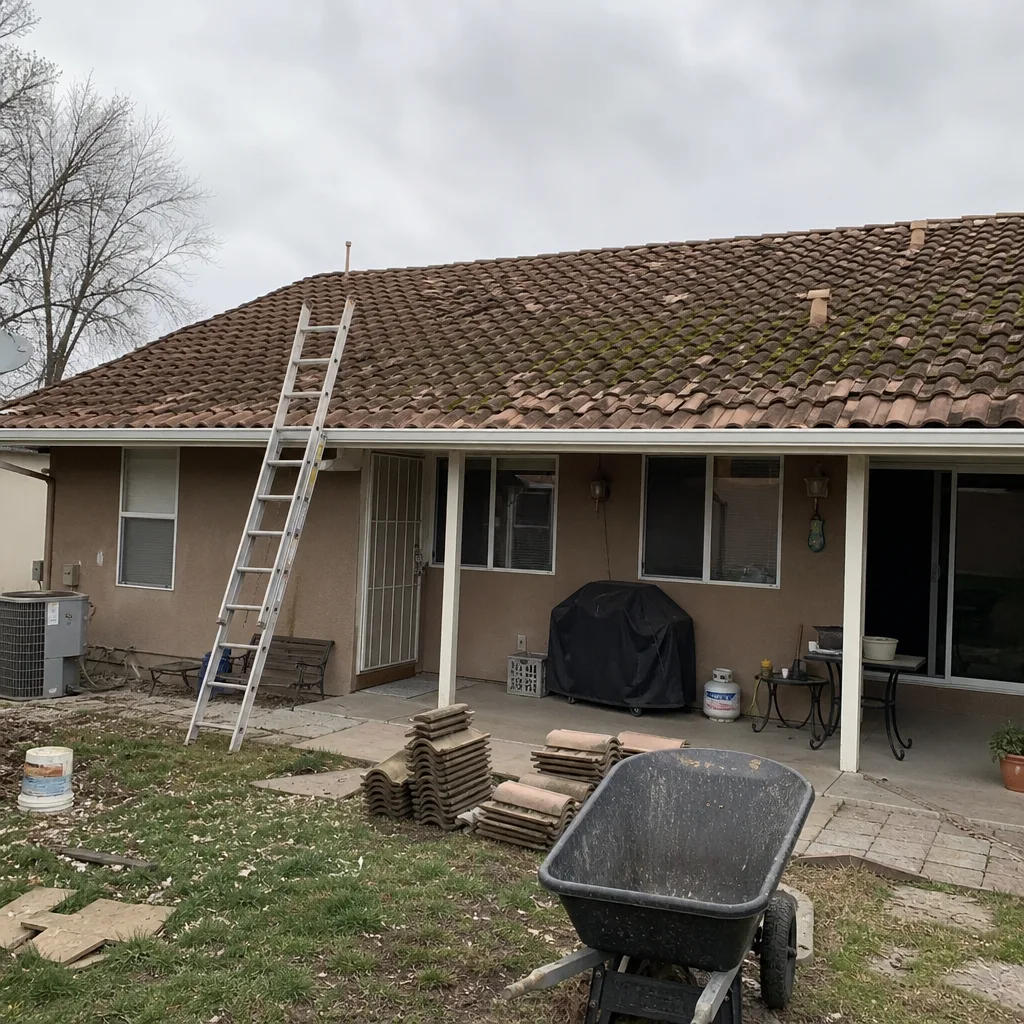 Before
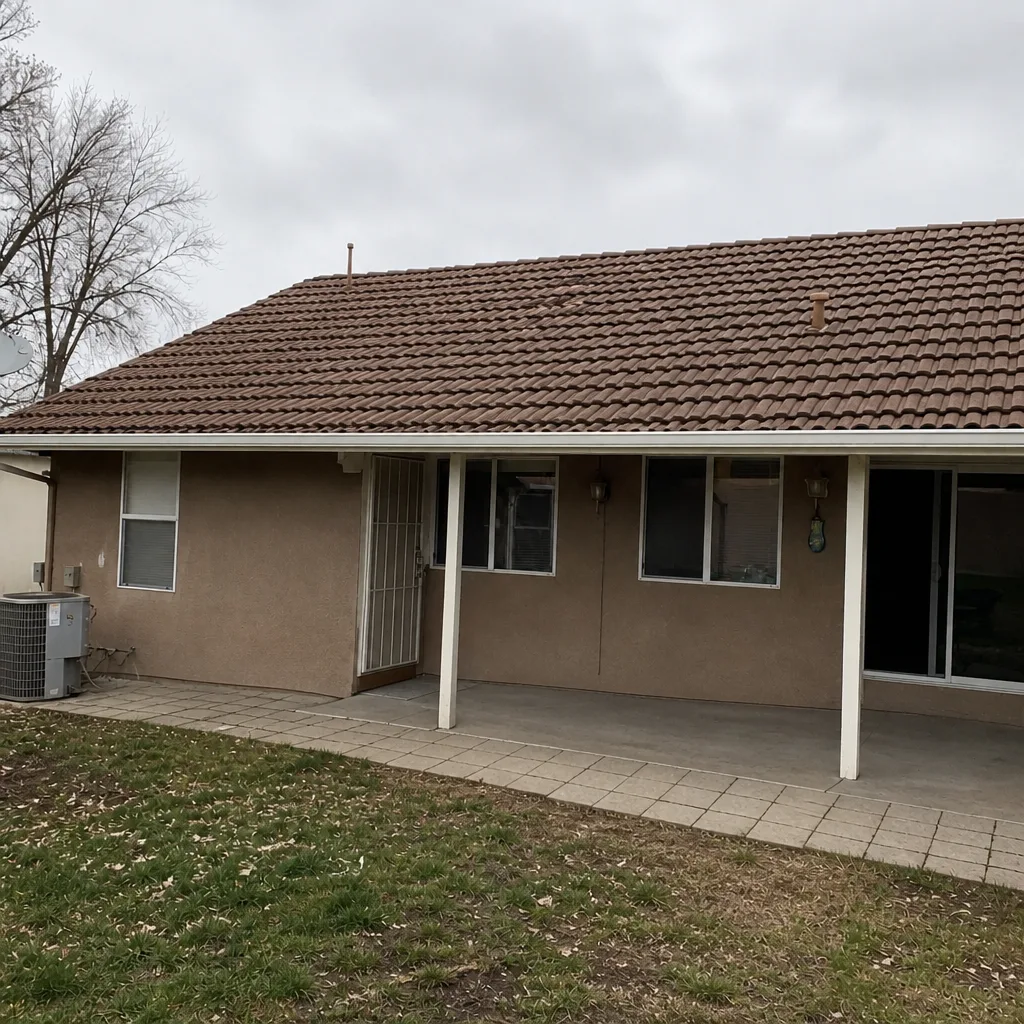 After
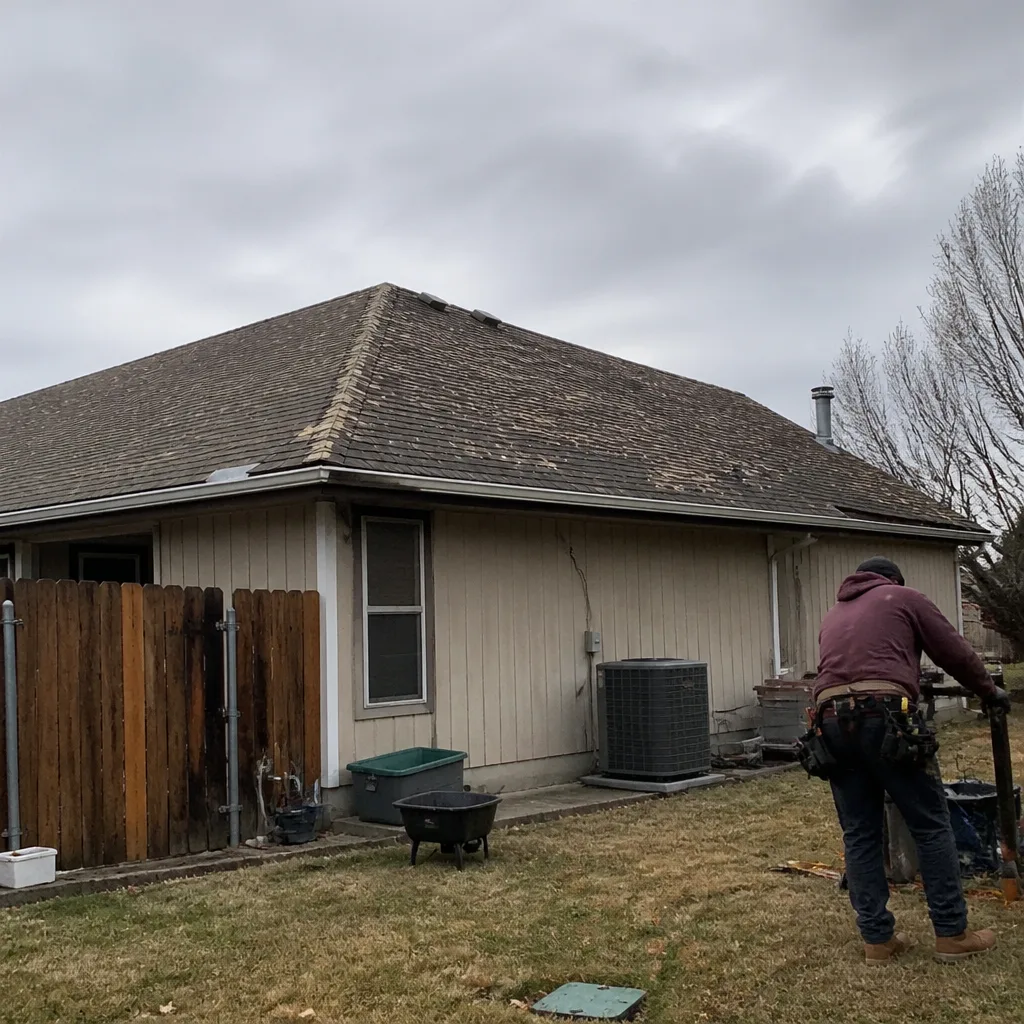 Before
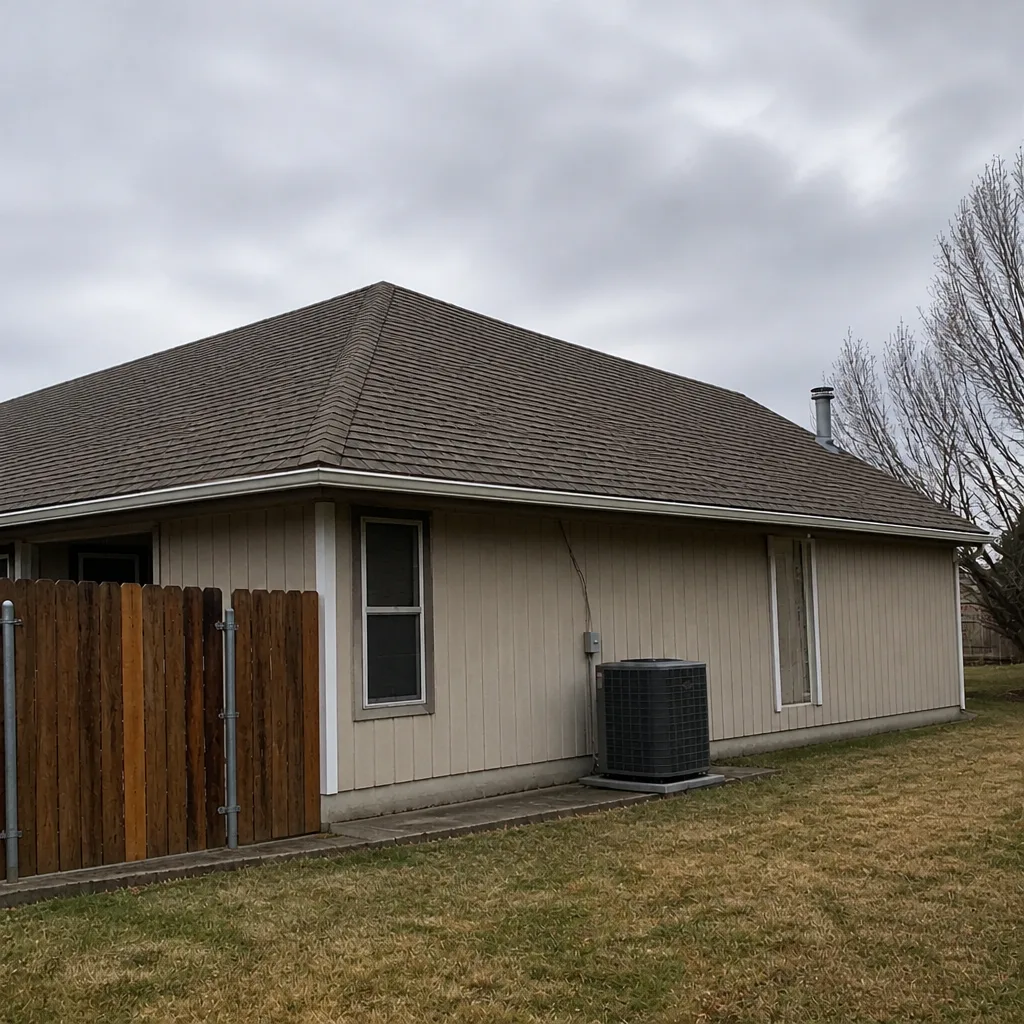 After
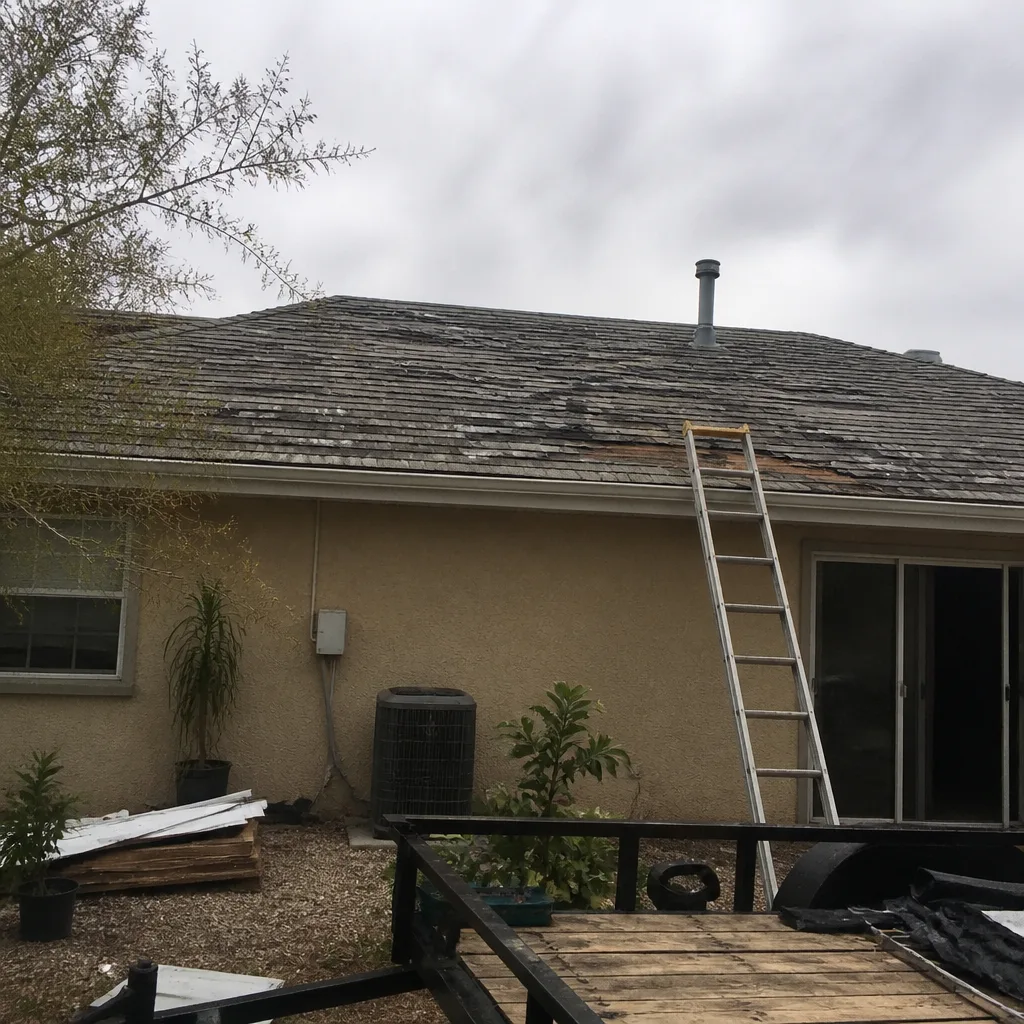 Before
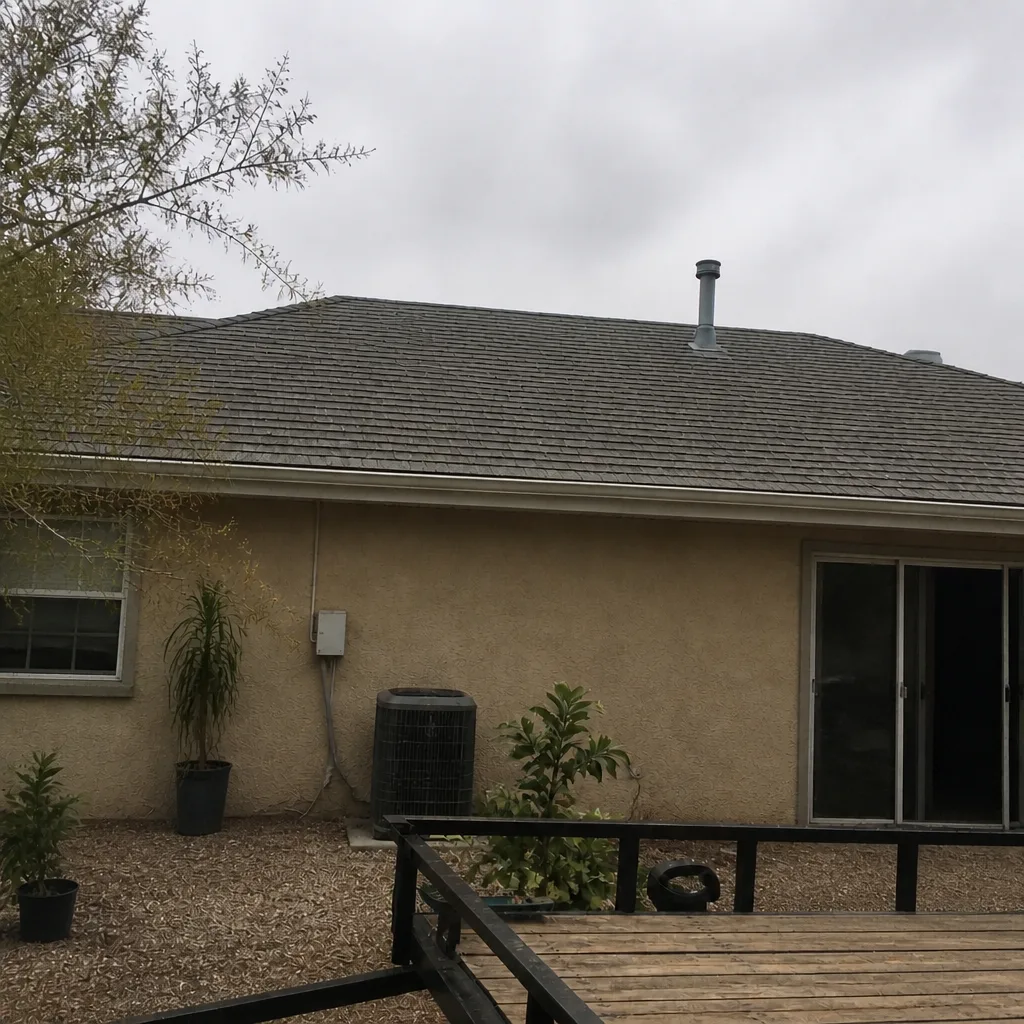 After
When to Call a Professional
Call a licensed specialty roofing pro when the work requires opening the membrane, walking the field, matching tile or metal, or touching anything under warranty. Call sooner if you see ponding water after a storm, interior stains, coating that’s worn through to bare foam, a loose or missing panel, or any crack in tile or slate. Call before you climb if the roof is above one story or the pitch is steep. Call if you’re not sure what you’re looking at, because the inspection is free and the diagnosis matters more than the repair. Shepherd & Sons Roofing Whitney offers free estimates in Whitney – call (844) 797-9455. Same address since 1996, a live person on the phone, and a written 90-Day Done Right Promise on every job.
Frequently Asked Questions
It’s safe to clean drains and low-slope gutters, photograph storm damage, and reseat a single loose metal cap at reachable height. Anything that opens the membrane, penetrates tile or metal, or requires walking the roof surface is not safe for a homeowner and should go to a licensed specialty installer. The reason is twofold: the surface itself is dangerous, and a botched repair can void the manufacturer warranty on a system worth $15,000 to $30,000.
No. Foam repair requires removing failed material to sound foam, priming correctly, and applying the right coating at the right thickness. A homeowner patch with consumer caulk over prepared or unprepared foam traps moisture and speeds the degradation. If your foam roof is failing in Whitney, get a free second opinion on any existing estimate before you buy a tube of anything.
Very often, yes. All three major specialty systems – foam, tile and slate, and metal – typically have warranty language about improper repair by an unlicensed party or non-system materials. The exact wording is in your paperwork, and it’s worth reading before you touch the roof. Call (844) 797-9455 if you want a straight read on what your warranty says.
Ask how many specialty systems they’ve installed, not just serviced, and ask them to name the manufacturer and product line. A shingle roofer who took a one-week foam certification course is not the same as a specialty crew with years on that system. Ask for deck and substrate photos, a license number you can look up, and who actually shows up on the roof.
For foam, tile, slate, and metal repairs, yes. The math favors the pro because the failure modes are non-obvious and the warranty exposure is real. The repair may cost more up front than a DIY attempt, but the DIY attempt can cost a warranty on a system that ran five figures. Free estimates in Whitney, no trip charge inside our county, and a free second opinion on any written estimate.
It can. If a DIY repair later fails or is pointed to as improper maintenance, an insurer may reduce or deny a claim on that area. The safe homeowner move is to photograph everything before any work and get a written estimate from a licensed roofer. That documentation helps, not hurts, at claim time.
The Bottom Line
Specialty roofing isn’t the place for ambitious DIY, and it’s the least forgiving category on a roof. Cleaning and documenting are yours; everything that alters the system is not. The lopsided risk is the warranty: a fix that saves a few hundred dollars can void coverage on a $15,000 to $30,000 system and create a leak that costs more than the original repair. Know the line, stay on the safe side of it, and call when the answer is no. We’re happy to look at any specialty roof in Whitney and tell you straight.
Call (844) 797-9455 for a free estimate. A live person answers, and we’ll bring the deck photos before we talk money.
Written by the team at Shepherd & Sons Roofing Whitney.