
Last updated November 18, 2026
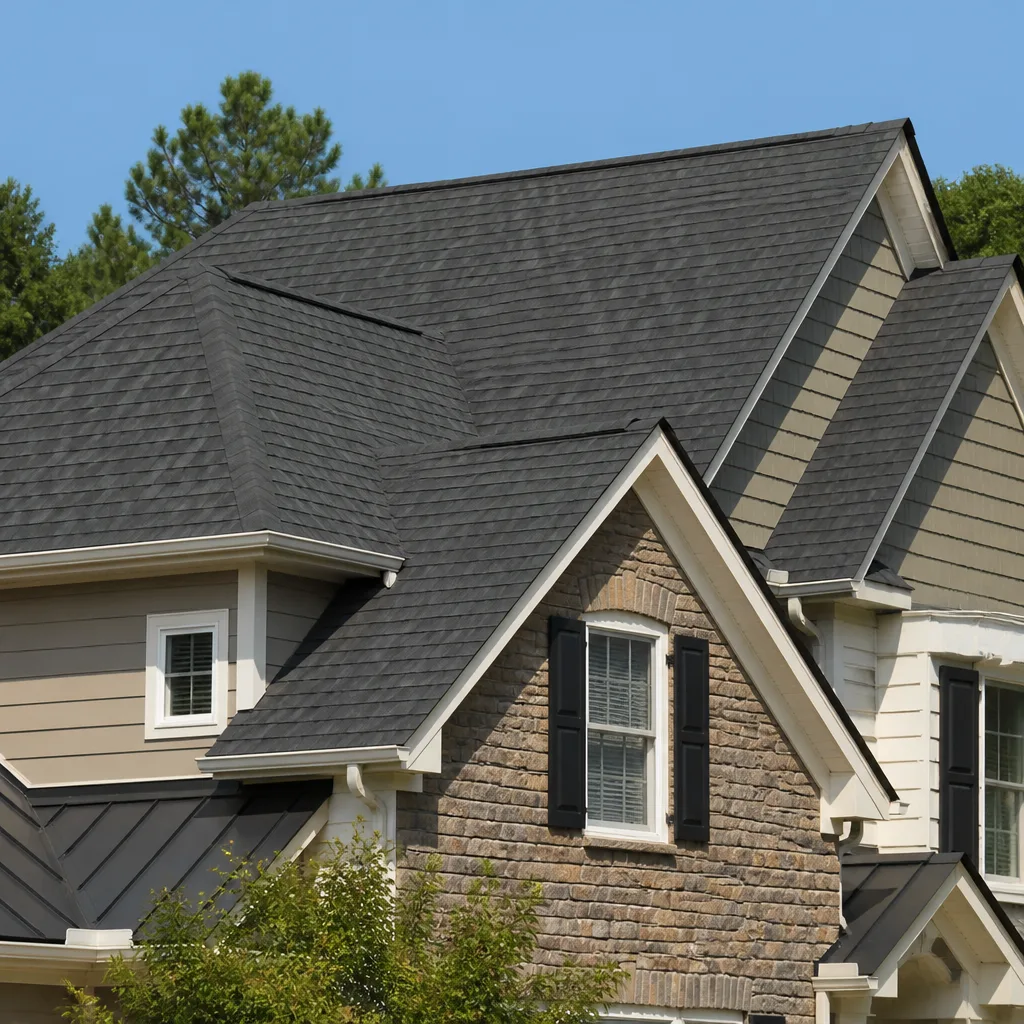 Architectural shingles
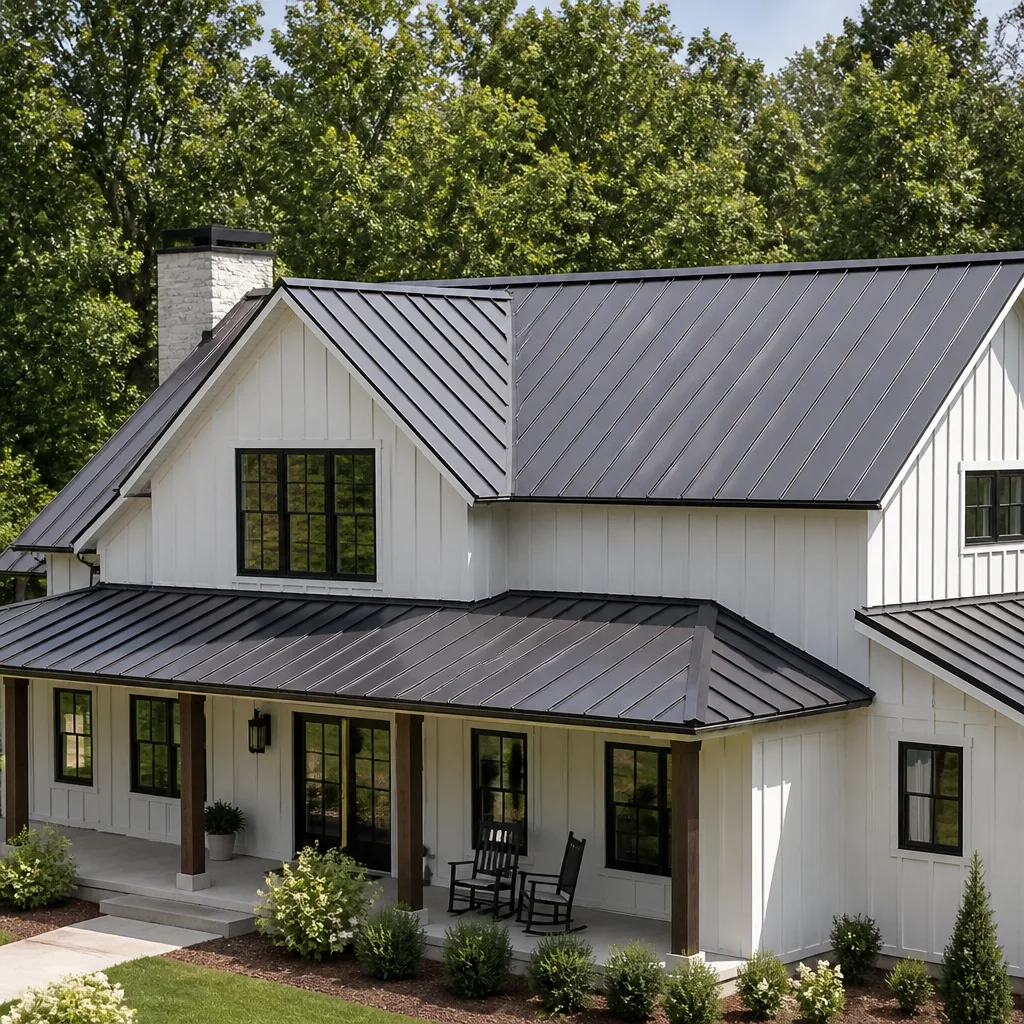 Metal roofing
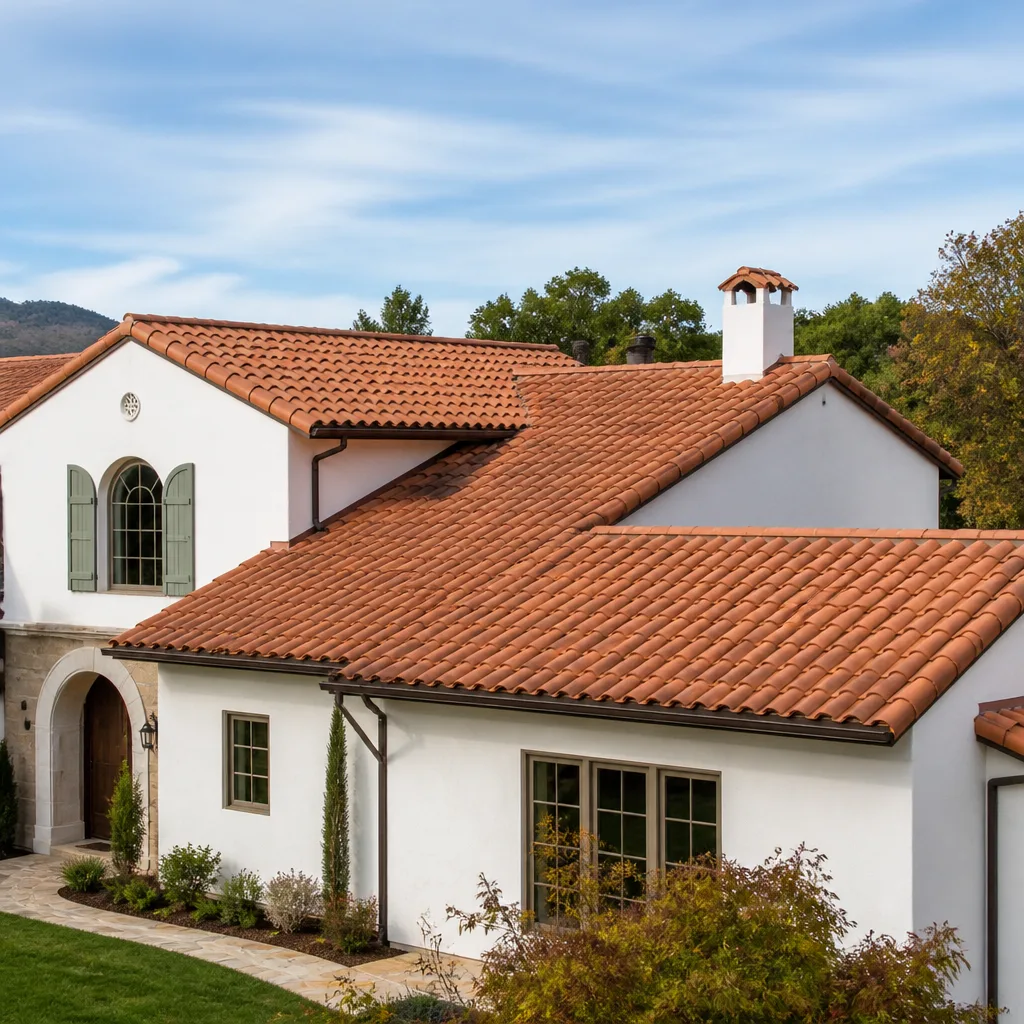 Tile roofing
 GAF
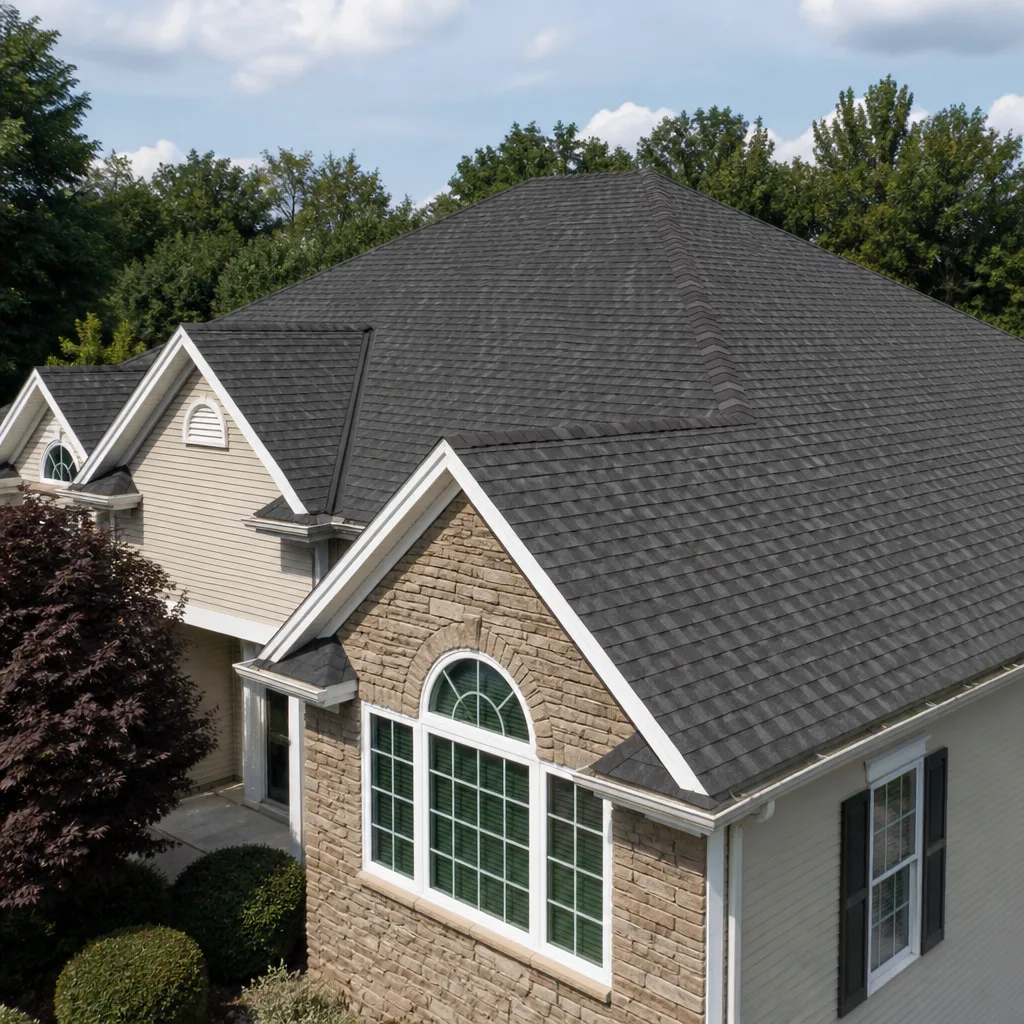 Owens Corning
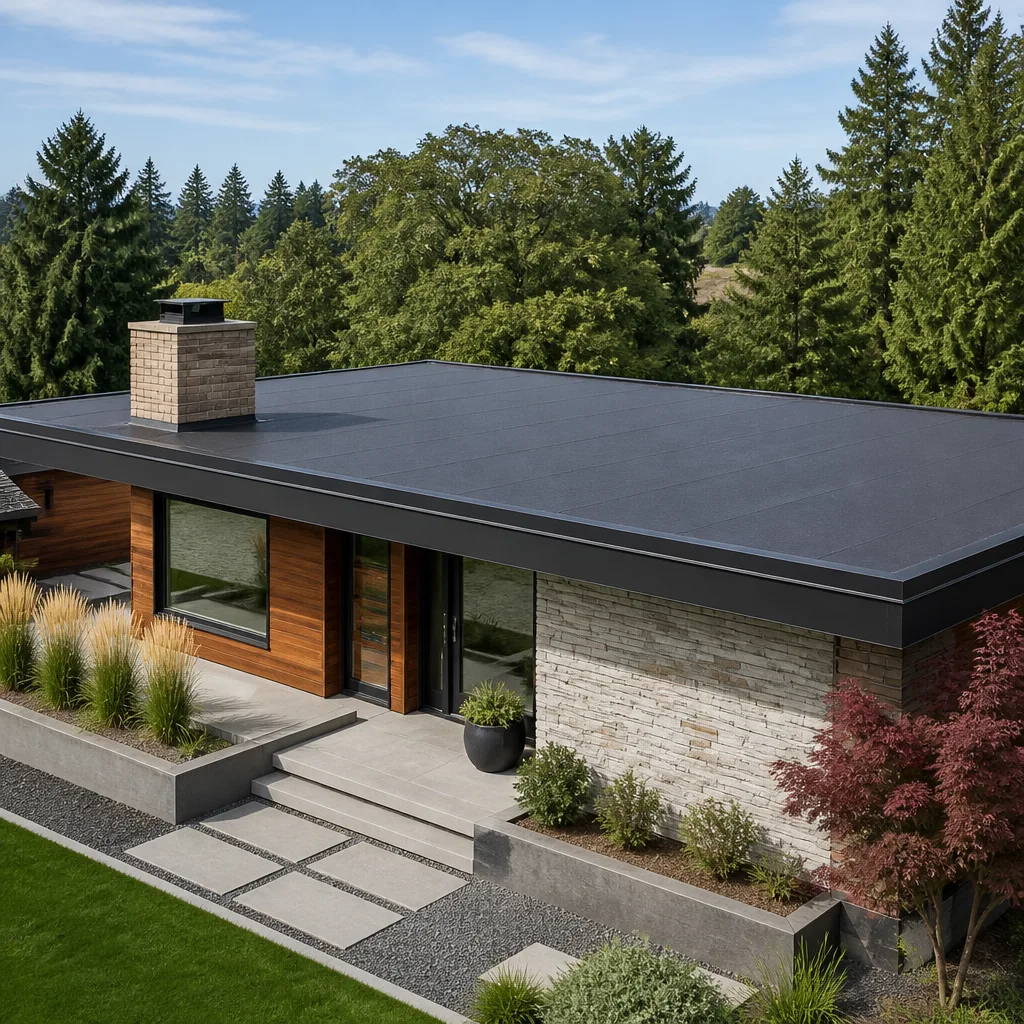 Flat & low-slope
Free roof inspection with deck photos before we talk money - GAF and Owens Corning certified installation
DIY vs Professional Roof Replacement & Installation: What’s Safe to Do Yourself
Bill has seen exactly two owner-installed roofs in Lander County he’d call acceptable work. Both homeowners were former commercial roofers. They knew what a moisture barrier actually does, they could snap a straight chalk line, and they understood that a torque-consistent nail gun matters more than a fancy shingle. That’s the bar. If you’re not already in that category, a full replacement isn’t a weekend project, it’s a five-figure gamble with your house and your homeowner’s policy. This guide covers the honest math, the warranty language nobody reads until closing day, and the one part of a replacement where doing it yourself genuinely saves money. Whitney homeowners ask us this all the time, so we’re writing it down once.
Quick Answer
No, a full roof replacement is not a safe DIY project for a typical homeowner. Minor repairs like replacing a few cracked shingles or resealing a pipe boot are reasonable for a handy owner, but a full tear-off and install involves fall risk, permit and licensing requirements, manufacturer warranties that void when a homeowner installs the roof, and material cost exposure that can wipe out any labor savings with a single mistake. Hire a licensed contractor for the replacement, and put your own effort into the pre-inspection instead.
Styles & brands we work with
- Architectural shingles
- Metal roofing
- Tile roofing
- GAF
- Owens Corning
- Flat & low-slope
Table of Contents
- The honest math: DIY material cost vs professional labor
- Why manufacturer warranties exclude homeowner-installed roofs
- Nevada contractor licensing and your homeowner’s insurance
- The one part of a replacement where you can save money safely
- What Bill says to homeowners who want to help on the job
- What small repairs are actually safe to do yourself
- Common mistakes to avoid
- When to call a professional
The Honest Math: DIY Material Cost vs Professional Labor
Here’s the number that stops most DIY roof plans cold. A typical Whitney-area asphalt shingle roof runs about 25 to 35 squares (a square is 100 square feet of finished roof). Material for a mid-grade architectural shingle, underlayment, ice-and-water shield at the valleys and eaves, drip edge, ridge vent, and nails runs roughly $110 to $165 per square at retail in 2026. That’s $3,000 to $5,500 in materials for a mid-sized ranch home just to get the boxes delivered.
Now add what the retail buyer doesn’t see coming:
- Waste percentage. A pro plans for 8% to 10% waste on a simple gable roof. A first-timer cutting wrong and re-ordering runs 15% to 25%, and a re-order often means a different dye lot that doesn’t match the first delivery. On a $4,000 shingle order that’s $600 to $1,000 gone.
- Tool rental. Nail gun, compressor, shingle ladder, dumpster, safety harness, and a shingle elevator if you’re not carrying bundles up a ladder by hand: $600 to $1,200 for a weekend-to-week rental in Whitney.
- Permit and dump fees. A tear-off dumpster in Whitney runs $400 to $700 with the tonnage fee. A contractor’s permit for a re-roof adds $150 to $400 depending on the scope.
- Time off work. Most first-time owner installs take 4 to 7 working days. Two people, five days, lost wages on top of everything else.
Total the DIY path on a 30-square roof and you land somewhere between $6,500 and $11,000 in true cost, before a single mistake. A full roof replacement in Whitney from a licensed crew lands in a comparable band once you factor in warranty and labor you don’t pay for twice. The savings shrink fast when you count it honestly.
Why Manufacturer Warranties Exclude Homeowner-Installed Roofs
This is the part that costs people real money at resale. Every major shingle manufacturer we install (GAF, CertainTeed, Owens Corning, IKO, Atlas, Tamko) writes the same language into their warranty: coverage applies to the shingle when installed by a qualified, licensed roofing contractor, and the labor and workmanship portion is void entirely on owner-installed roofs. Read the fine print on the bag. It’s there.
What that means in plain language:
- Material coverage may survive. If a shingle curls or fails on its own, the manufacturer might replace the shingle. Emphasis on might, and emphasis on the shingle, not the labor to get up there and swap it.
- Workmanship warranty is gone. Every leak traced to a bad nail pattern, a skipped underlayment seam, or a poorly set valley is yours alone. That’s the leak you’ll actually get.
- Resale disclosure. When you sell a house in Whitney, the buyer’s inspector will ask who installed the roof and when. An owner install is a red flag that shows up in negotiation, often as a several-thousand-dollar credit request.
We install IKO and Atlas regularly, and both require licensed installation for their enhanced system warranties. The nailing pattern earns the wind rating, not the shingle wrapper, and the wrapper knows it.
Nevada Contractor Licensing and Your Homeowner’s Insurance
Nevada State Contractors Board licensing kicks in for roofing work above a low dollar threshold (currently $1,000 in combined labor and materials). Above that line, the person doing the work must be a licensed contractor. A homeowner can technically pull an owner-builder permit for work on their own primary residence, but the moment you sell that house within a year, or the moment a helper gets hurt on your property, the exposure is yours.
Two insurance realities Whitney homeowners don’t always know:
- Your homeowner’s policy does not cover a worker injured on your property if that worker was doing paid work and you didn’t carry workers’ comp. A neighbor helping for free might squeak by. A guy you paid $500 to haul bundles does not.
- Your policy may reduce or deny a claim for water damage traced to unpermitted work. That’s not every carrier and not every claim, but we’ve watched it happen after a monsoon-season leak in Whitney. One phone call to your agent before you start is free. Use it.
You’ll see the difference the moment an insurance adjuster asks who did the work. The name on the truck is the name on the license, and the license has a number you can look up on the state board website in under a minute. Ask the storm chasers where theirs is.
The One Part of a Replacement Where You Can Save Money Safely
Here’s the piece of a replacement we genuinely want you to do yourself: the pre-inspection. Not the tear-off, not the decking install, not the flashing. The look-and-document step before anyone touches the roof.
- Walk the attic with a flashlight. Look for daylight showing through the roof boards. Look for water stains on rafters. Look for sagging. Photograph anything suspicious.
- Check the decking from the ground or from a licensed inspector’s report. A contractor will pull a few shingles at the ridge to look at the sheathing before quoting. If you ask, most of us will show you the photos.
- Take photos of the current roof from ground level and from a drone if you own one. These become your baseline when a hailstorm hits in two years and an adjuster wants to argue about what was pre-existing.
- Ask about the deck condition before signing anything. Replacing decking (per sheet of 7/16 OSB or plywood) is a line item a contractor will sometimes pad if the homeowner hasn’t looked. Do the looking.
This half-day of work saves you the surprise of a $600 to $1,200 decking add-on and gives you a document trail. That’s real money for zero risk.
What Bill Says to Homeowners Who Want to Help on the Job
Homeowners ask all the time whether they can knock a few hundred off the bid by helping. The answer is mostly no, and here’s why: a roofing crew works on rhythm and safety. Adding an untrained body to a three-man tear-off slows the whole job down, increases the injury risk, and creates an insurance question the moment you step onto a surface with a 9/12 pitch. A permit pulled for a licensed crew doesn’t cover you climbing around on it.
What we do let homeowners do on the job:
- Ground cleanup. Walking the yard with a magnet roller for nails after the crew is done, and picking up shingle scraps. Real help, real savings on cleanup labor, zero fall risk.
- Air-mover duty. If you’ve got a leaf blower, blowing the driveway and the gutters out once the tear-off is done saves the crew 45 minutes of cleanup time at the end of the day. Bring a pair of safety glasses.
That’s it. Two jobs that matter and won’t get you hurt.
What Small Repairs Are Actually Safe to Do Yourself
Not everything on a roof requires a licensed call. Here’s the honest dividing line for a Whitney homeowner with reasonable handiness and a willingness to stay off steep surfaces:
- Resealing a lifted shingle. A dab of roofing cement under a tab and a brick to hold it while it sets. Safe on a low-slope roof you can reach from a ladder with your feet on the rungs.
- Replacing a shingle tab. Same idea. Cutting out a damaged tab and sliding in a replacement with roofing cement is within reach for most owners.
- Pipe boot inspection. Look at the rubber seal around plumbing penetrations. If it’s cracked, call a pro. If it’s intact, you’re done.
- Gutter cleaning. Not technically roof repair, but it prevents more damage than anything else you’ll do. Twice a year in Whitney, because the cottonwood debris and monsoon grit load up faster than you’d think.
What’s not safe: anything involving the roof deck, flashing repair at a chimney or skylight, and anything high or steep. Flashing is where leaks come from. Get it wrong and the water goes into the wall, not the ceiling, and you won’t see it for a year. See our guide to roof repair in Whitney for what a pro actually does on a leak call.
Common Mistakes to Avoid
- Underestimating the wind rating. Whitney gets afternoon gusts above 40 mph that will peel a shingle roof installed with a six-nail pattern and no starter course. The nailing pattern earns the rating. Read the manufacturer’s spec and follow it exactly.
- Skipping the ice-and-water shield at the eaves and valleys. Yes, Whitney is high desert. Yes, you still get freeze events and monsoon-driven sideways rain. A $4,000 shingle order ruined by a skipped $200 underlayment roll is the most common owner-install failure we see.
- Mismatched dye lots. Shingles from a different manufacturing run don’t match. Order 10% extra up front and keep it. A mid-job re-order is a visible patch on your roof and a rejected roof at resale.
- Nailing through the wrong layer. Going over old shingles (a “layover”) instead of tearing off sounds like it saves money. It doesn’t. Code allows it in some cases, but you lose the ability to see the deck, and the new roof gets half its expected life. Tear it off in Whitney.
- Ignoring the deck. A single soft sheet of sheathing buried under shingles becomes a sag in two years and a full redo in five. Replace any sheet you can flex.
- No drip edge. Under $40 of aluminum for a whole house. Skipping it rots the fascia. We see it on maybe one in four owner-installed roofs.
- Not calling a second opinion. One quote is not a market. Get a written second opinion from a local roofer before you commit, whether you’re going DIY or hiring. A second set of eyes costs you nothing and has saved Whitney homeowners from bad bids more than once.
When to Call a Professional
Call a pro the moment the work involves height, the deck, flashing, or anything you’d need a permit for. That’s most of a replacement. Here in Whitney, the triggers are clear: a visible sag in the roofline, granules in the gutter downspouts after a monsoon, missing shingles after a wind event, or an active leak in the ceiling. All four mean a licensed roofer should be looking at your roof this week.
We also want you to call us before you sign anything with anyone. Shepherd & Sons Roofing Whitney offers free estimates in Whitney and a free written second opinion on any estimate you’ve already got in hand. Call (844) 797-9455 and a real person picks up, not a call center, and not a form. Ask us how many squares we count and we’ll tell you. Ask us to see the deck photos before we talk money and we will.
See the difference
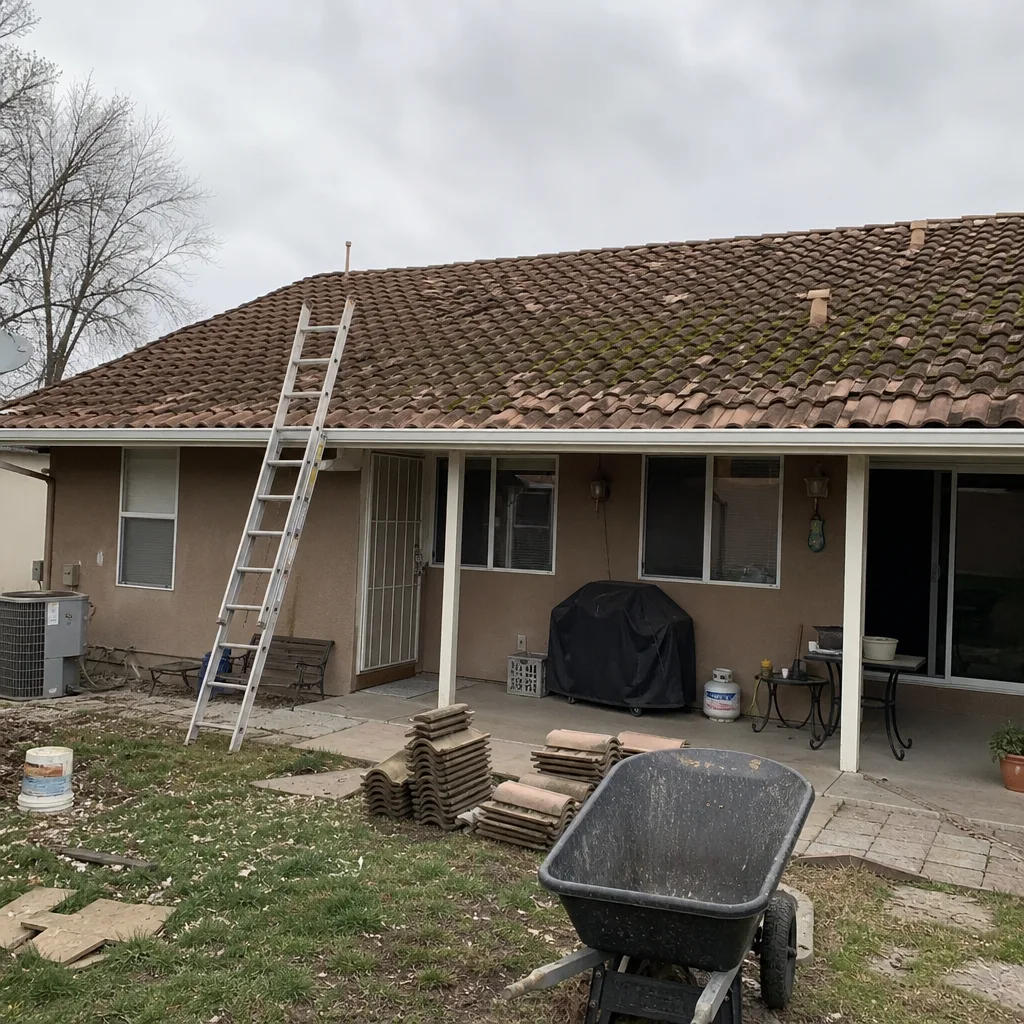 Before
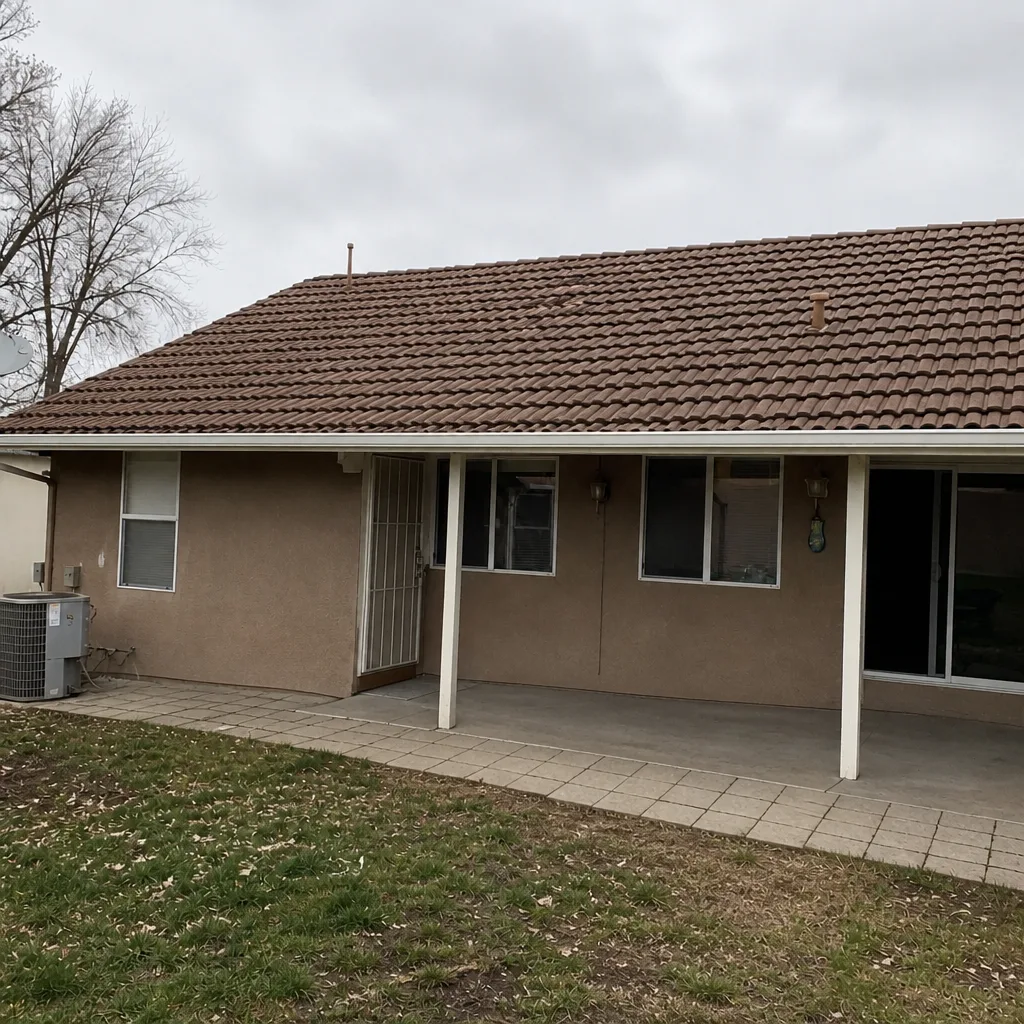 After
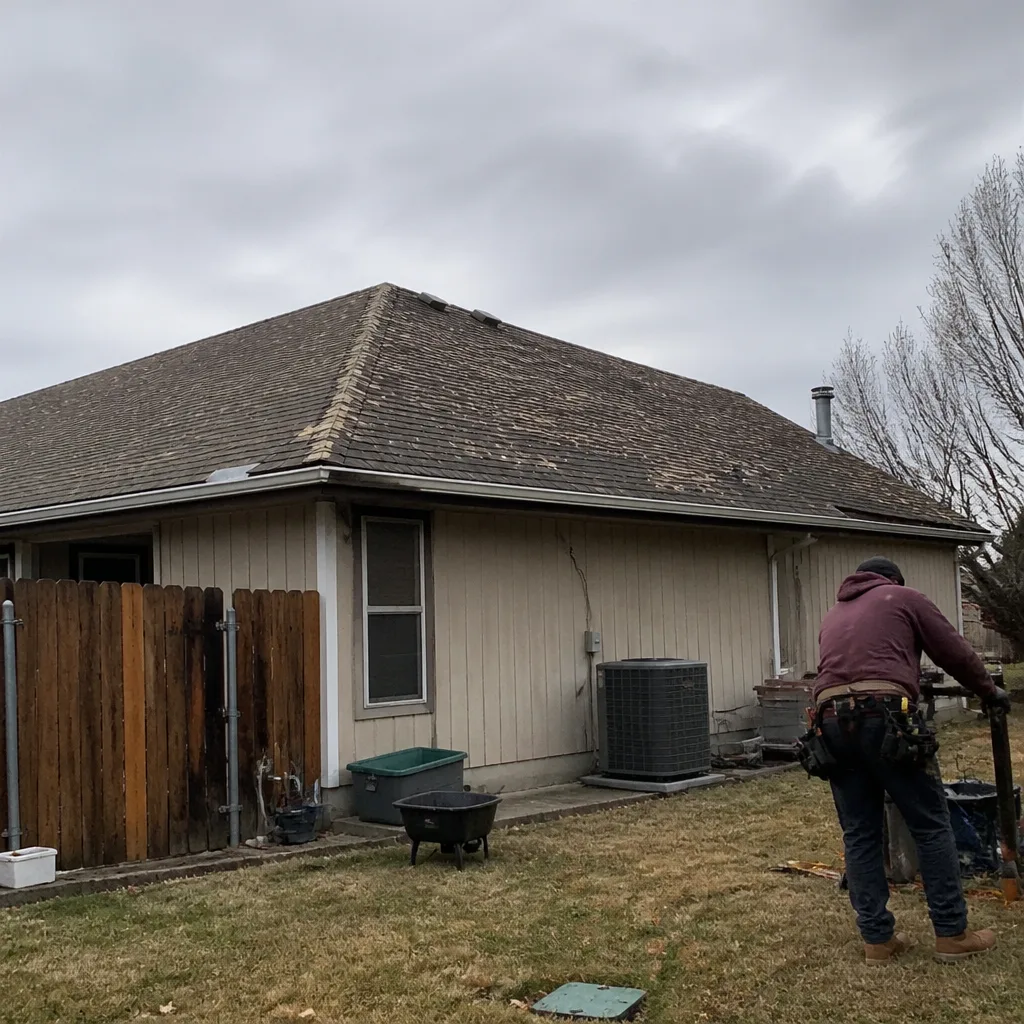 Before
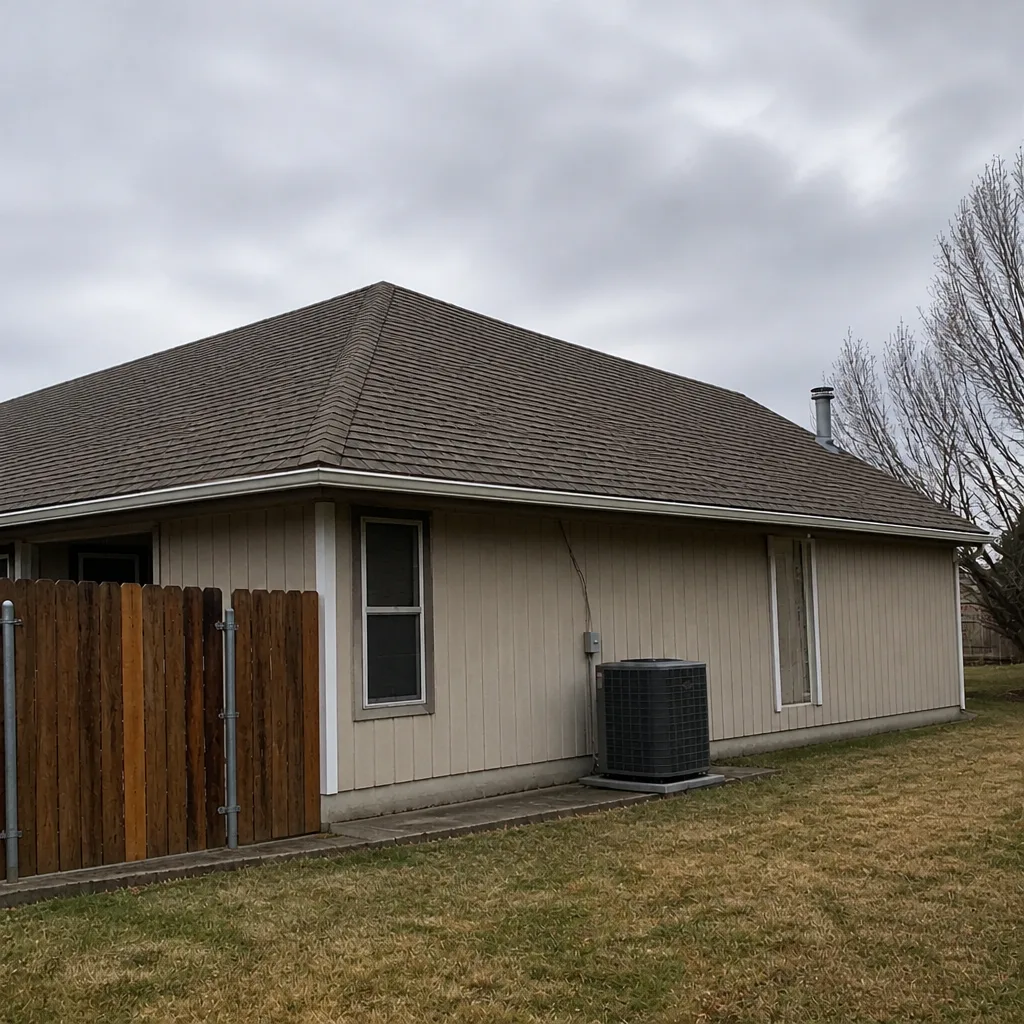 After
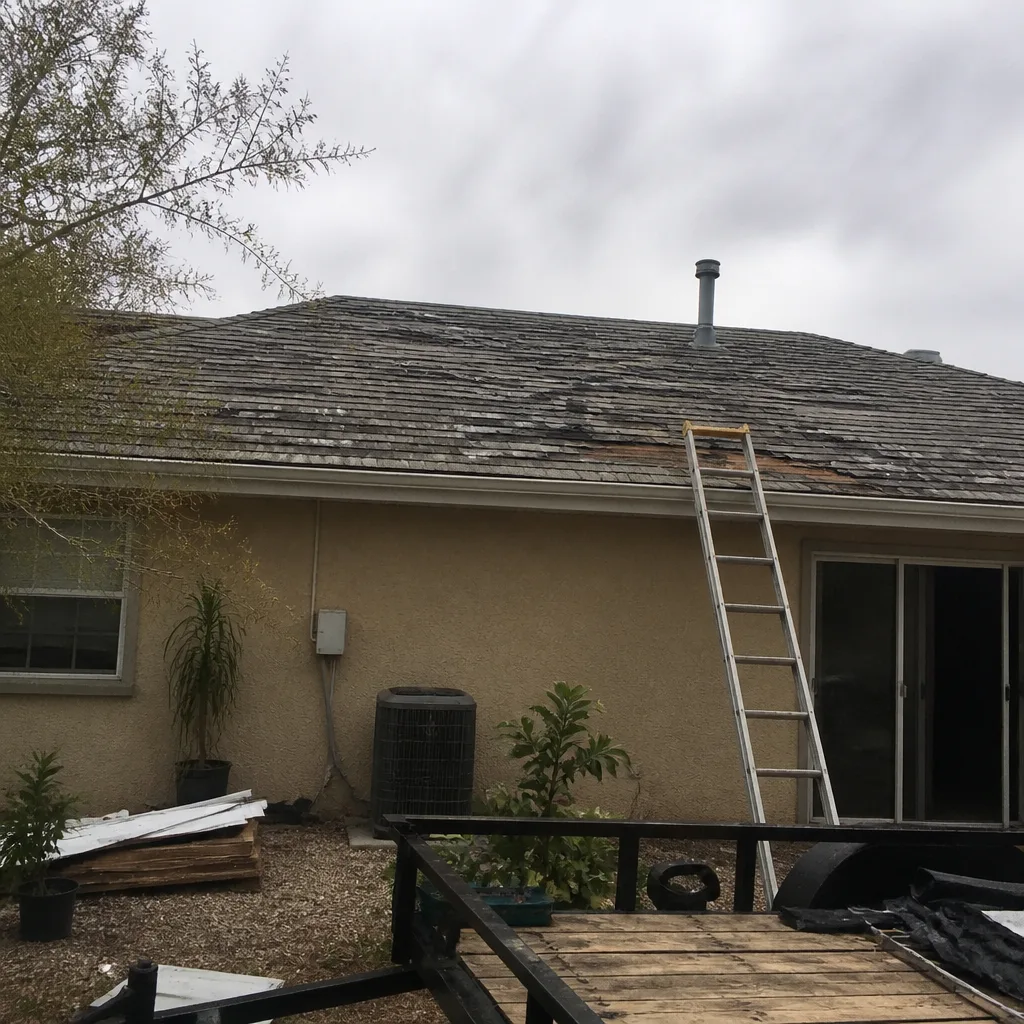 Before
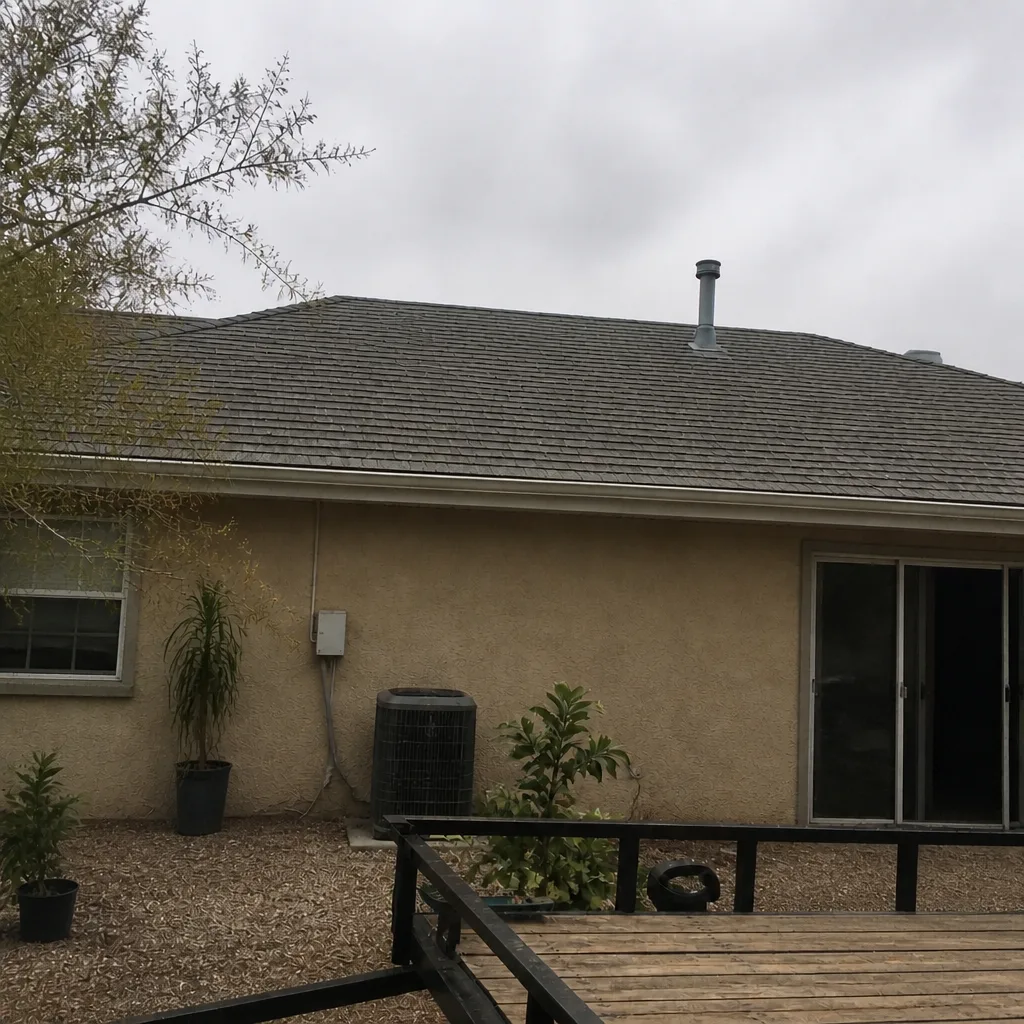 After
Frequently Asked Questions
You can pull an owner-builder permit for work on your primary residence, but any roofing labor and materials above $1,000 combined requires a licensed contractor under Nevada State Contractors Board rules, and your homeowner’s insurance may not cover damage from unpermitted work. For a full replacement, hire a licensed roofer. For a handful of shingles, do it yourself.
Yes, the workmanship portion is void on every major brand we install, including IKO, Atlas, and Tamko. Material coverage may survive a self-install on a technicality, but the labor to fix a leak is on you, and the resale negotiation will cost more than any savings you got on the install.
Almost nothing once you count waste, tool rental, dumpster fees, permits, and lost time. A DIY install on a 30-square rooflot in Whitney runs $6,500 to $11,000 in true cost, and a licensed crew bid with a warranty is in a comparable range. The savings are an illusion. Call (844) 797-9455 for an exact quote on your Whitney roof. Estimates are free.
Every carrier is different, but many will reduce or deny a water-damage claim traced to unpermitted work, and none will cover a worker injured on your property doing paid roofing without workers’ comp. Call your agent before you decide. The answer will settle the question.
Yes, on two jobs: ground cleanup with a magnet roller, and blowing off the driveway and gutters after tear-off. Anything on the roof is a safety and insurance problem. The crew is faster and safer without untrained help up top.
Resealing a lifted shingle tab, replacing a single damaged tab with roofing cement, gutter cleaning twice a year, and inspecting pipe boots from a ladder. Anything involving flashing, the deck, or a steep pitch goes to a licensed pro. For the full picture see our Whitney roof repair guide.
The Bottom Line
A full roof replacement is essentially never the right DIY project, and the reason is not skill. It’s liability, material cost exposure, and a warranty structure built around a licensed installer. The honest DIY math doesn’t pencil once you count waste, tools, dump fees, permits, and the resale hit on a self-installed roof. Nevada contractor law and homeowner’s insurance both push the same direction. Do the pre-inspection yourself. Do the cleanup yourself. Let a licensed crew do the roof. If you’re in Whitney and want a straight second opinion on a bid you’ve already got, call us. The number’s below.
Whether you’re comparing metal roofing in Whitney or a standard architectural shingle install, the same rules apply. Start from our Shepherd & Sons Roofing Whitney home page for the full picture of what we do.
Call (844) 797-9455 for a free estimate and a free second opinion on any written quote you’ve already got. A real person answers, day or night. We show you the deck photos before we talk money, and every roofing job comes with our written 90-Day Done Right Promise. Our technicians have up to 30 years of experience, we install GAF, CertainTeed, Owens Corning, IKO, Atlas, Tamko, and Boral, and we’re glad to walk you through the bid line by line.
Written by the team at Shepherd & Sons Roofing Whitney.