
Last updated November 18, 2026
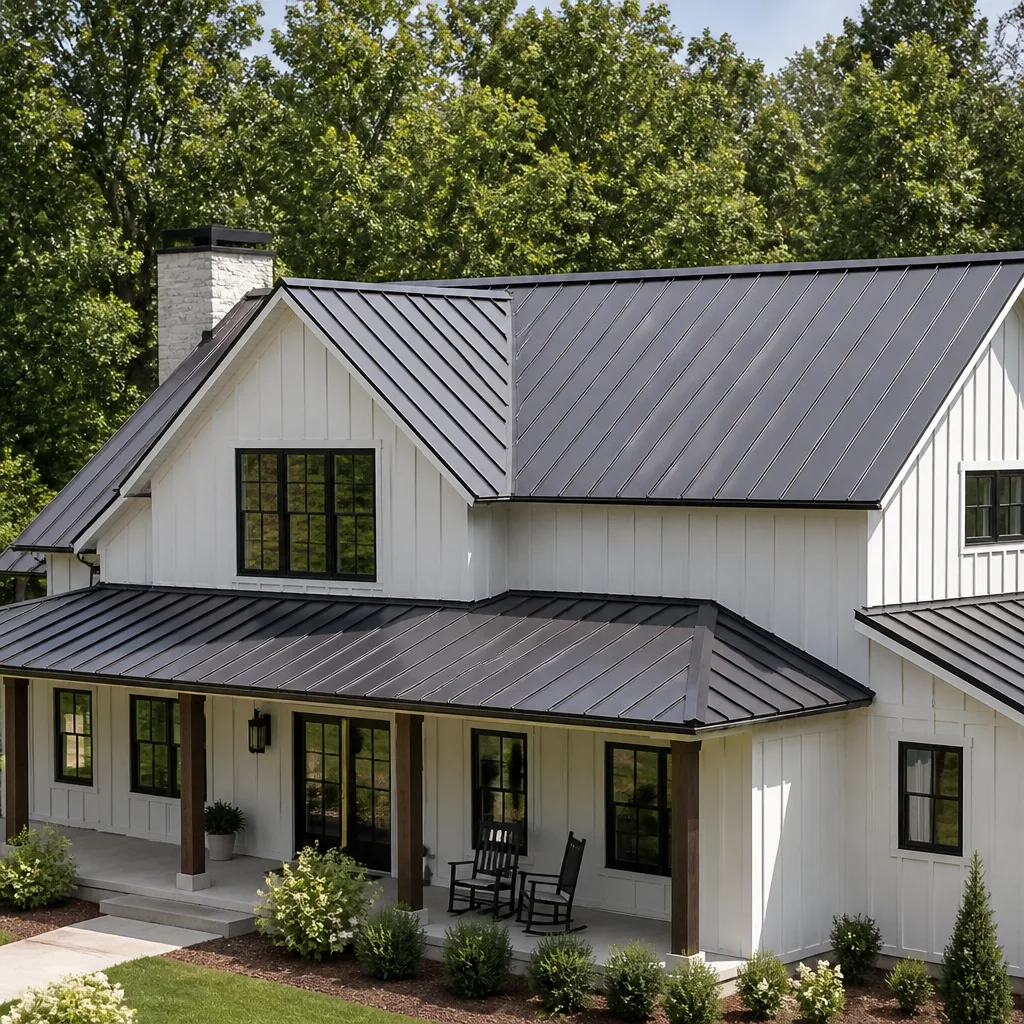 Metal roofing
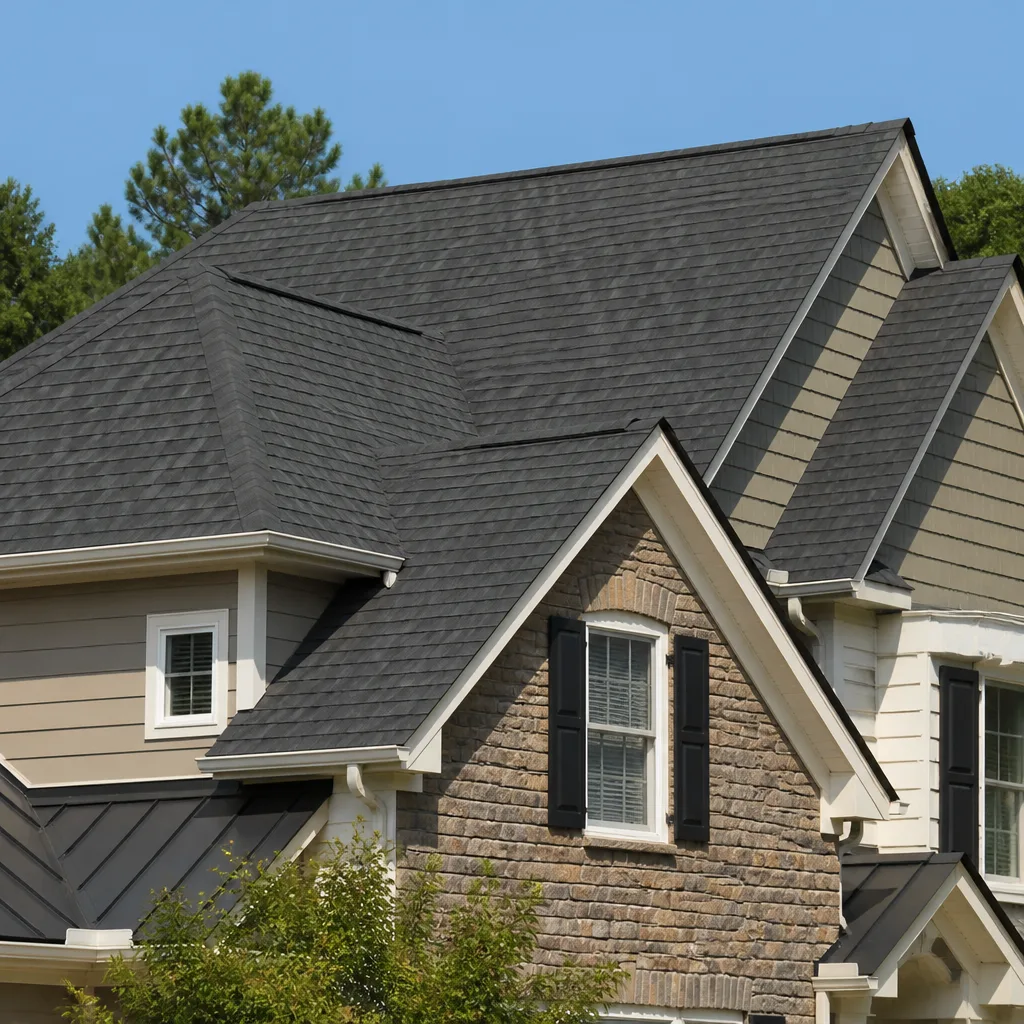 Architectural shingles
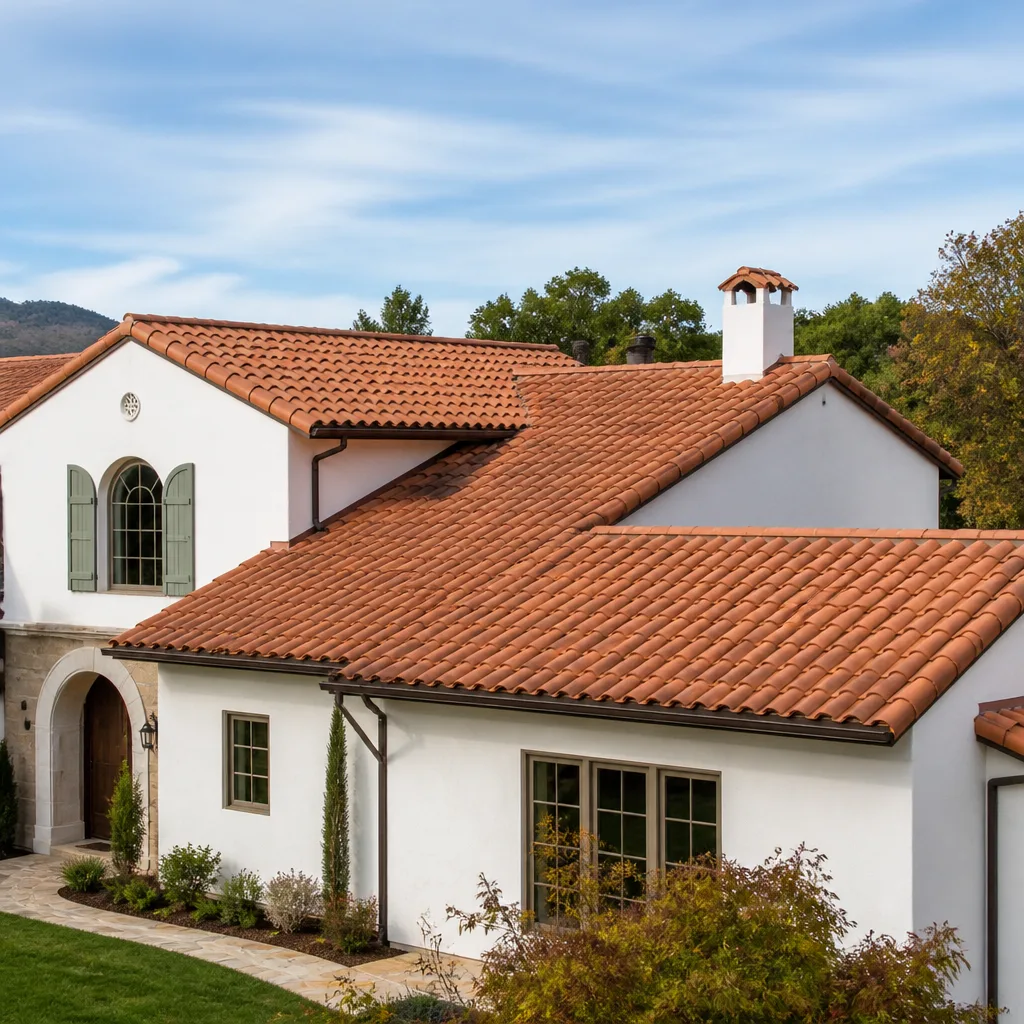 Tile roofing
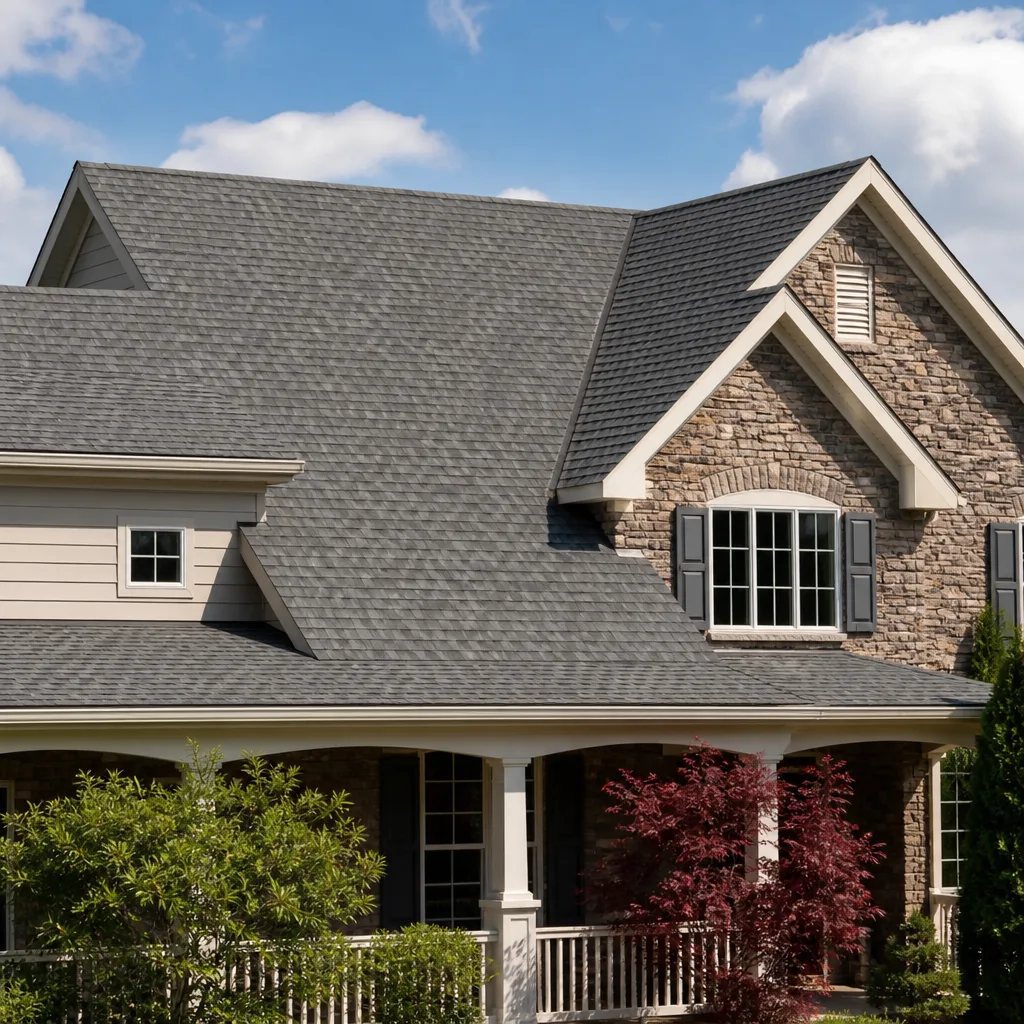 GAF
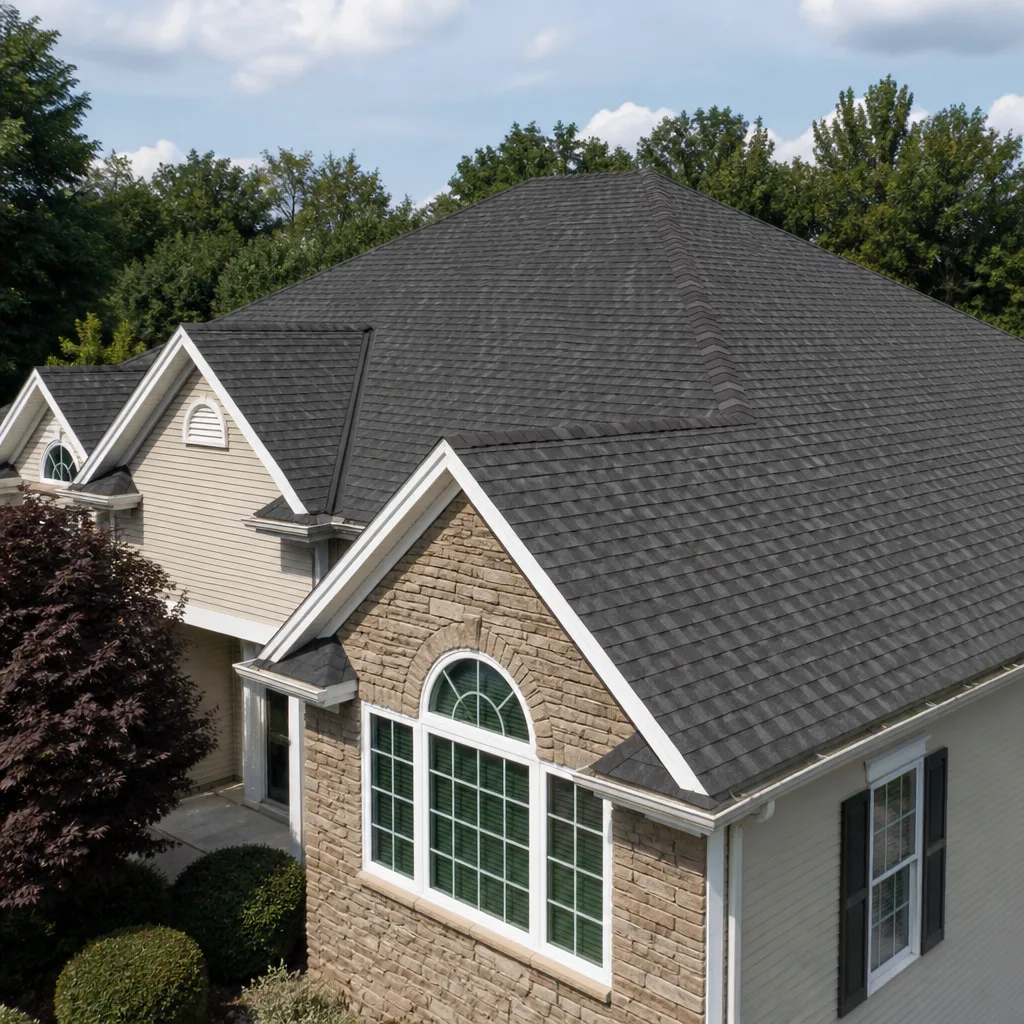 Owens Corning
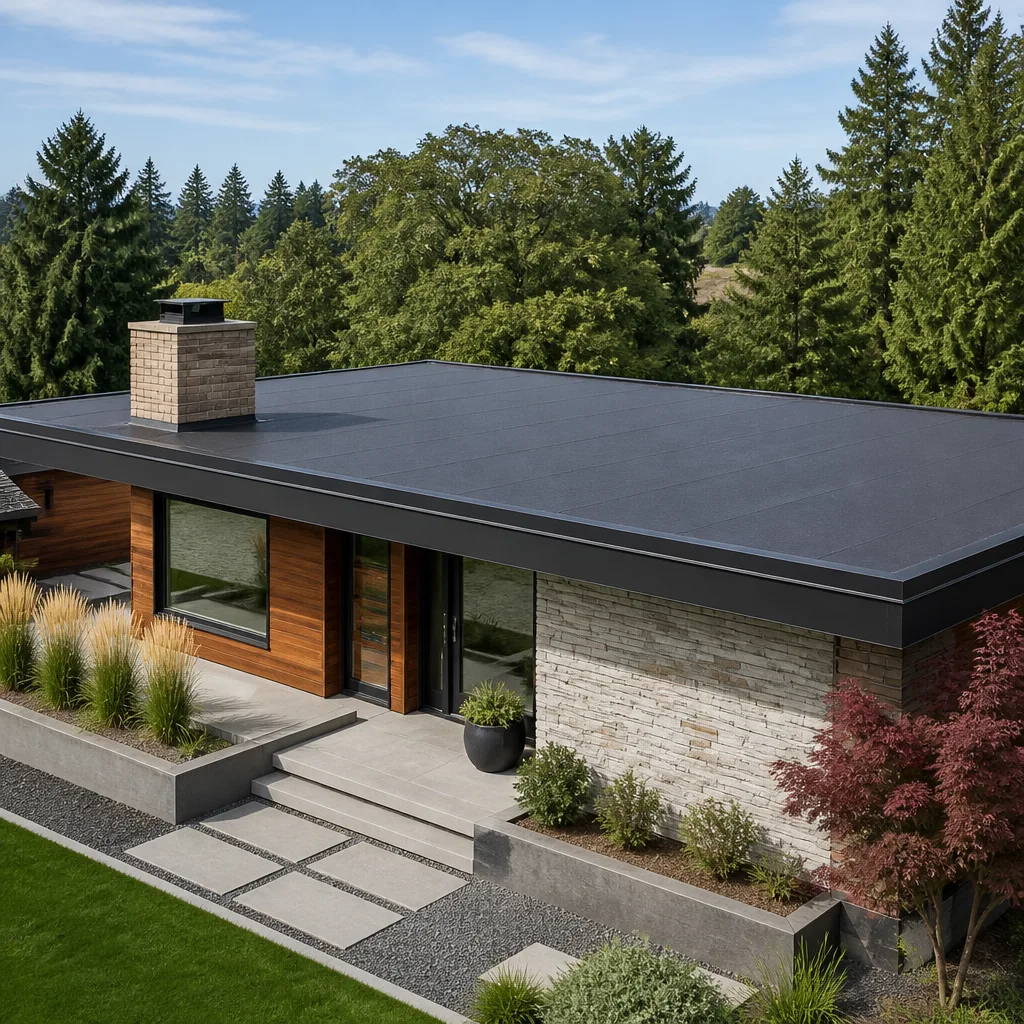 Flat & low-slope
Free roof inspection with deck photos before we talk money - GAF and Owens Corning certified installation
DIY vs Professional Roofing: The Whitney Homeowner’s Decision Guide
Bill Shepherd will tell you straight: he’s watched homeowners successfully replace a few shingles on a low-slope section with a weekend and a YouTube video. He’s also seen a DIY full replacement void a manufacturer warranty and cause a home sale to fall through two years later. That gap between a $40 repair and a five-figure mistake is what this Whitney guide is about. You’ll learn the honest DIY ceiling, where Whitney roofs specifically punish good intentions, and a three-question test to decide before you climb a ladder.
Quick Answer
You can handle minor shingle tab replacement on an accessible low-slope section, re-seal small flashing gaps, and clean your gutters yourself. Anything involving full replacement, second-story pitch, valley flashing, or permit work belongs with a licensed roofer – in Whitney, that’s usually because unlicensed installs void manufacturer warranties and can complicate a sale or insurance claim later.
Styles & brands we work with
- Architectural shingles
- Metal roofing
- Tile roofing
- GAF
- Owens Corning
- Flat & low-slope
Table of Contents
- The Honest DIY Ceiling: What You Can Actually Handle
- Where DIY Consistently Fails in Whitney
- The Warranty Reality: What Unlicensed Installs Cost You
- Fall Hazard Math for Whitney’s Ranch and Split-Level Homes
- Permits, Codes, and What Inspectors Look For in Whitney
- The Three-Question Test Before You Grab a Hammer
- When the Savings Stop Being Worth It
- Frequently Asked Questions
The Honest DIY Ceiling: What You Can Actually Handle
There’s a real list of roofing tasks a capable Whitney homeowner can finish on a Saturday without putting anybody in a body cast or a warranty at risk. We’re not going to pretend the list is empty. It’s just shorter than the internet suggests, and every item on it shares the same traits: low pitch, easy access, small area, and no structural implications.
The tasks that fit inside the DIY envelope:
- Shingle tab replacement on an accessible low-slope section. If you can walk the section at under 4:12 pitch with a harness anchor, and you have matching three-tab or architectural shingles left over from the original install, replacing one to three cracked tabs is a reasonable weekend job. You’ll need a flat pry bar, roofing nails long enough to hit the deck, and roofing cement for the seal strip. The catch: shingle color lots shift, so a tab from a different batch will look off within a season.
- Re-sealing a small flashing gap. A bead of roof-grade polyurethane sealant along a lifted pipe boot collar or a chimney edge gap is legitimate maintenance. Not the flashing itself – the sealant joint around it.
- Gutter cleaning and downspout clearing. Two-story gutter work is a different animal, but single-story runs are safe, cheap, and worth doing yourself. Whitney’s spring cottonwood and pine debris clogs troughs fast, and clogged gutters are behind a surprising number of fascia rot calls.
- Debris removal and granule sweeping. After a windstorm, sweeping aggregate off the valleys and clearing branches off the roof is safe, useful, and prevents scupper clogs.
Everything else – full replacement, valley work, underlayment, ridge vent installation, soffit and fascia repair, chimney flashing rebuilds – is where the DIY ceiling hits hard. If the roof repair job involves a permit, a code inspector, or a manufacturer warranty, the answer is almost always no.
Where DIY Consistently Fails in Whitney
In our experience across Whitney, the same three failures show up over and over on homeowner attempts. None of them look wrong on the day. All of them cause expensive problems twelve to thirty-six months later.
Improper underlayment overlap. Synthetic underlayment needs a specific overlap (generally 4 inches on sides, 6 inches on ends, following the manufacturer’s spec). A homeowner eyeballing it will often lap it 2 inches and call it tight. That gap lets wind-driven rain creep under the field shingles during one of Whitney’s gusty monsoon storms. The leak travels under the shingles, follows the deck, and shows up on a ceiling two rooms away.
Wrong nail pattern for wind code. The nailing pattern earns the wind rating, not the shingle wrapper. A GAF Timberline HDZ or an Owens Corning Duration shingle rated for 130 mph winds needs the enhanced nail pattern – six nails per shingle in the field, positioned within the manufacturer’s nail line, not above or below it. High-nailing is a common DIY shortcut that turns a rated install into a wind claim waiting to happen. Whitney gets the same spring wind events that strip roofs in neighboring valleys, and a bad pattern shows up fast.
Valley flashing technique that leaks slowly. Open valleys and closed-cut valleys each have a correct method. The wrong method doesn’t leak the first rain. It leaks during the fourth or fifth rain, after the shingles have baked in the Nevada sun for two summers and pulled slightly. By the time you see a stain on the ceiling drywall, the deck has had moisture in it for months. This is the most common “I did it myself and it seemed fine” call we get in Whitney.
Add to that list: forgetting ice and water shield at the eaves (less critical in Whitney’s climate but still part of the manufacturer’s install spec), and reusing old flashing that’s already pitted from sun exposure.
The Warranty Reality: What Unlicensed Installs Cost You
Here’s the part nobody mentions in the YouTube comments. Most major shingle manufacturer warranties are void if the roofing is installed by an unlicensed applicant or not installed per the manufacturer’s written instructions. That’s true for Owens Corning, GAF, CertainTeed, and most of the secondary brands like Atlas and Tamko. The material warranty and the labor warranty are two separate things, and the manufacturer will ask for the installer’s license number and proof of proper installation before honoring either.
What that means for a Whitney homeowner:
- Resale complications. Buyers and their agents ask for the roof warranty transfer paperwork at inspection. A void warranty from a self-installed roof shows up in the seller’s disclosure, and it costs you negotiating leverage. We’ve seen a full-price sale renegotiated down over an unpermitted roof.
- Insurance claims. When a hail or wind event hits Whitney, the adjuster inspects the roof and the install. If the shingles were nailed outside the manufacturer’s spec, the claim gets contested. That’s true whether the roof was installed by a neighbor or by a storm chaser.
- Manufacturer defect claims vanish. A bad batch of shingles that would have been covered gets denied because there’s no licensed installer of record.
If you’re going to the trouble and expense of a full roof replacement in Whitney, tied to your home’s biggest asset – the warranty path matters more than the $2,000 you might save on labor. That’s why we put the license number and the 90-Day Done Right Promise on every job. Ask any bidder what happens if the claim comes back denied two years later.
Fall Hazard Math for Whitney’s Ranch and Split-Level Homes
Roof pitch is measured as rise over run – a 4:12 roof rises 4 inches for every 12 inches of horizontal run. A 4:12 roof at a 15-foot eave height feels walkable to a confident homeowner. A 6:12 roof at 20 feet does not, and the fall distance changes the equation completely.
Whitney’s housing stock is mostly ranch and split-level, which means two risk categories on the same property:
- First-story low-slope sections (2:12 to 4:12). These are the sections where shingle tab work is reasonable. Fall distance is typically under 12 feet, but the injury data is still real – a fall from 10 feet onto a hard surface is a hospital trip, not a bruise. Ladder safety matters here: three points of contact, level ground, and a spotter.
- Second-story pitched sections (5:12 and up). Different category entirely. Roofer fall statistics put a serious injury at high probability on any fall above 15 feet, and a 6:12 pitch at that height requires harness anchors, roof jacks, and a spotter who knows what they’re doing. This is why we don’t recommend any do-it-yourself roofing work above the first story in Whitney, even a small repair.
One more local factor: Whitney’s summer surface temps on a dark shingle roof regularly exceed 150°F. That surface heat fatigues balance and grip fast. Get up there at 8 am, or don’t get up there.
Permits, Codes, and What Inspectors Look For in Whitney
In Whitney, most full roof replacements and any structural roof repair require a permit from the local building department. Repairs under a certain dollar threshold sometimes don’t, but the threshold is specific to your jurisdiction – call and ask, don’t assume. If you’re doing a tear-off and re-roof yourself, the permit takes your name, and you carry the liability. If the work involves a manufacturer warranty and you’re pursuing the licensed-installer path, the permit needs to be pulled by that licensed contractor.
What the inspector looks for on a Whitney re-roof:
- Deck condition. Soft or delaminated sheathing replaced, not covered over.
- Underlayment spec. Match to manufacturer’s written instructions.
- Nailing pattern. Verified on the field shingles, not just the starter course.
- Flashing details. Valley, chimney, pipe boot, and step flashing installed with the correct material and method.
- Ventilation. Ridge vent and soffit intake balanced so the attic actually breathes.
For more on how a proper Whitney install comes together, see our page on Roof Replacement & Installation in Whitney. If you’re investing in a metal roof instead, that’s a whole different permit path, and our guide to Metal Roofing in Whitney walks through what the panels and fasteners actually require.
The Three-Question Test Before You Grab a Hammer
Here’s the honest decision framework. Ask yourself three questions. If two of the three push toward “hire a pro,” do not – under any circumstances – let the savings talk you into it.
- What is the scope of work? A shingle tab or a flashing sealant joint, DIY is on the table. A full replacement, a valley rebuild, a chimney flashing re-do, or any repair over one square of material, DIY is off the table. There’s no version of that math that works out.
- What is the pitch and height? Accessible low-slope at first-story height: DIY is fine with a harness and a spotter. Anything above 4:12 or above the first story: pro only. No exceptions. The injury probability isn’t a nag, it’s a body-count math problem.
- Does it require a permit? If yes, the work needs a licensed roofer. If you’re unsure, call the Whitney building department and find out. Being wrong on this question costs you at resale and insurance.
If all three answers push toward “you can handle it” – great. Get a harness, read the manufacturer’s instructions on the specific product before you open the box, and go slow. If any one of them pushes toward pro, call us first. If two or all three do, don’t waste a Saturday on it. Our page on Roof Repair in Whitney covers the same decision from the other direction.
When the Savings Stop Being Worth It
Saving $400 on a shingle tab repair is real money. Saving $2,000 on a full replacement and eating a voided manufacturer warranty, a failed inspection at resale, and a denied insurance claim is not a savings – it’s a deferred seven-thousand-dollar problem.
Call a pro on the following, no hesitation:
- Any full replacement or tear-off, no matter how confident you feel about a Youtube tutorial.
- Any second-story work, especially on Whitney’s 6:12 and steeper sections.
- Any valley, flashing, or chimney work that involves more than a sealant bead.
- Any damage after a hail or wind event, before your insurance adjuster sees it.
- Any repair you can’t see clearly from the ground with binoculars – if you’re guessing at the scope, so is your bid.
- Any roof over 15 years old where the deck might come back soft under the shingles.
We’re a Whitney roofer, and the calls we love most are the ones where we tell a homeowner they don’t need us. If you can truly handle it, we’ll say so. If you can’t, the estimate is free and the second opinion on any written bid you’ve already got is also free. You’ll know the number before anyone touches your roof. Call (844) 797-9455 – a live person answers, day or night.
See the difference
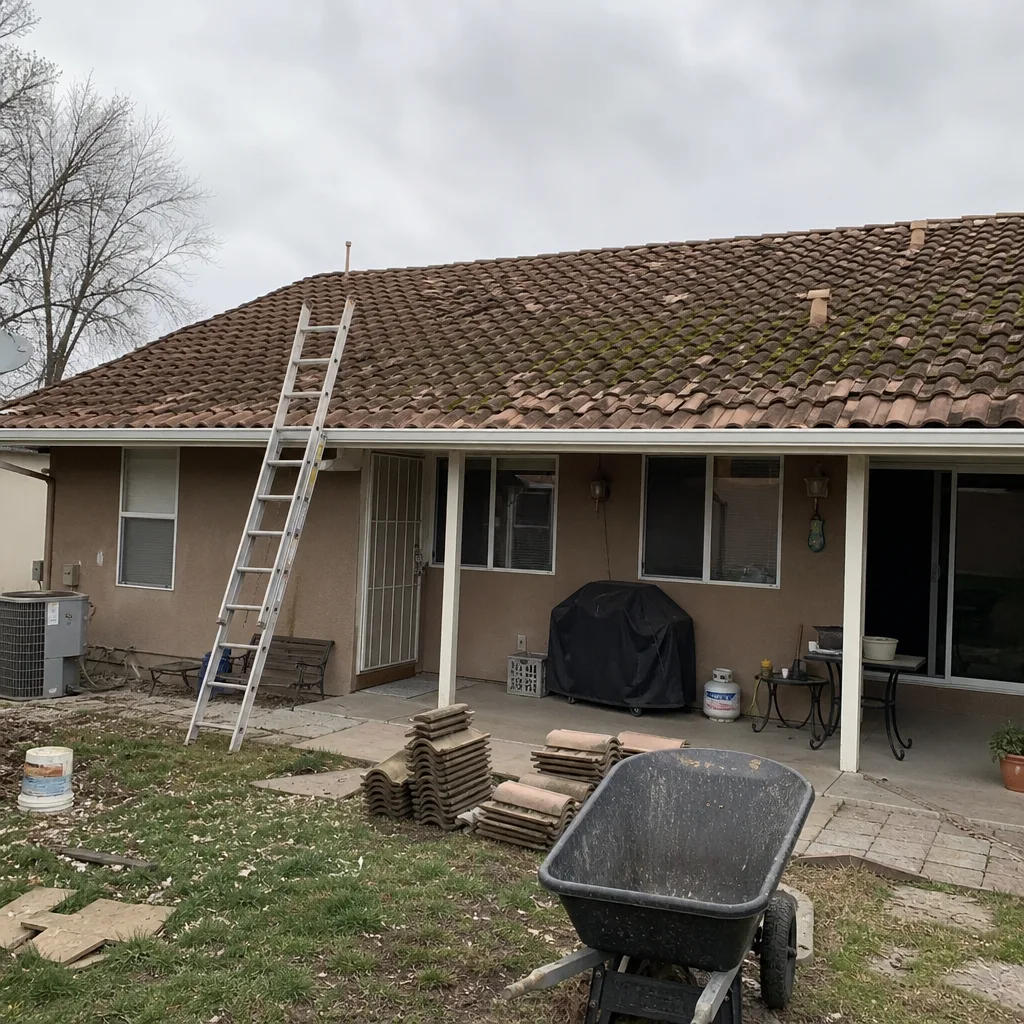 Before
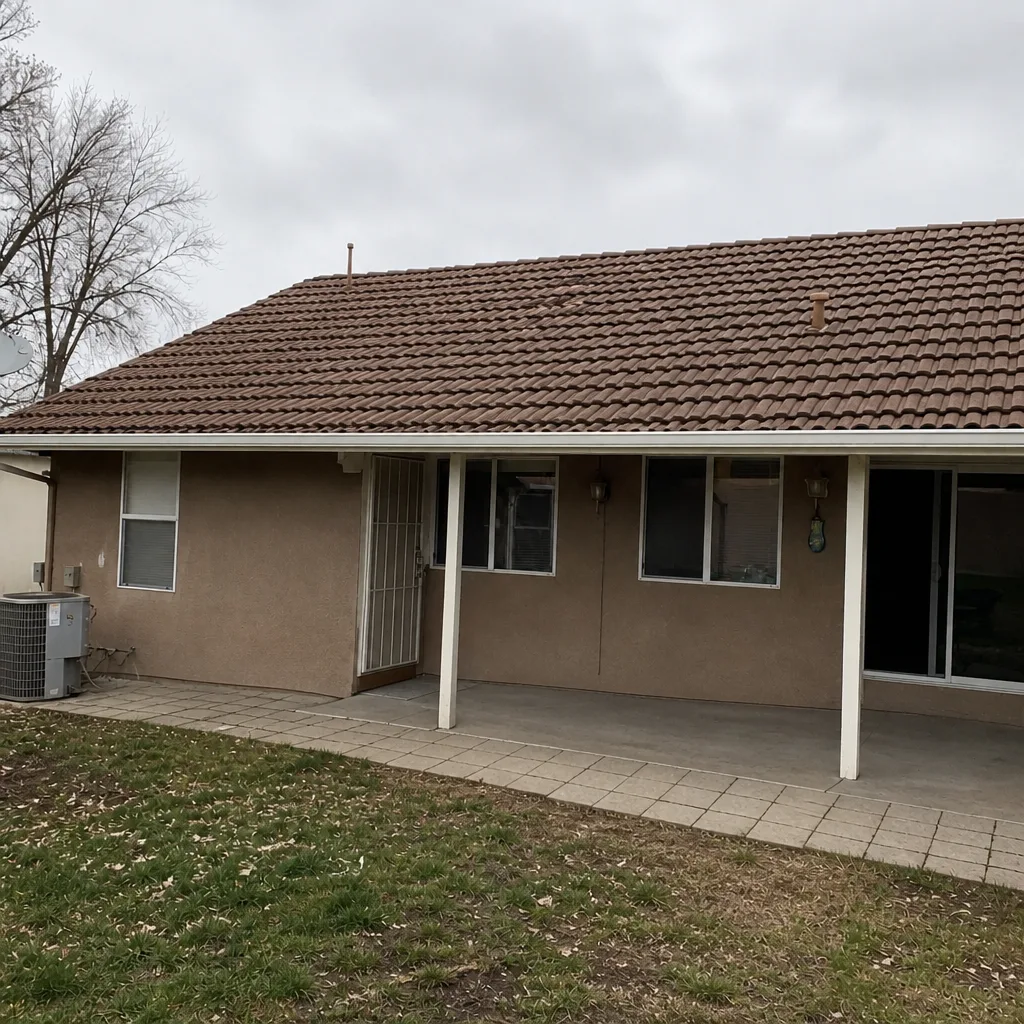 After
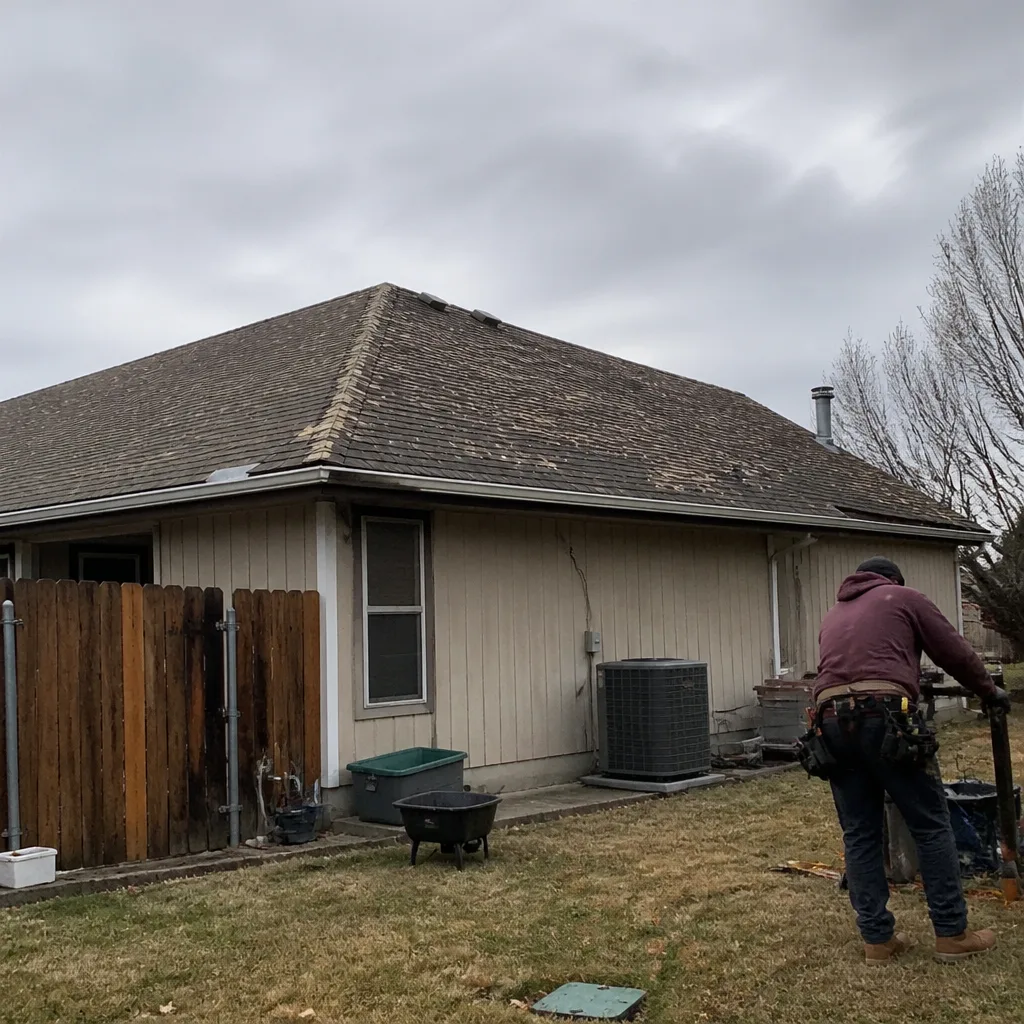 Before
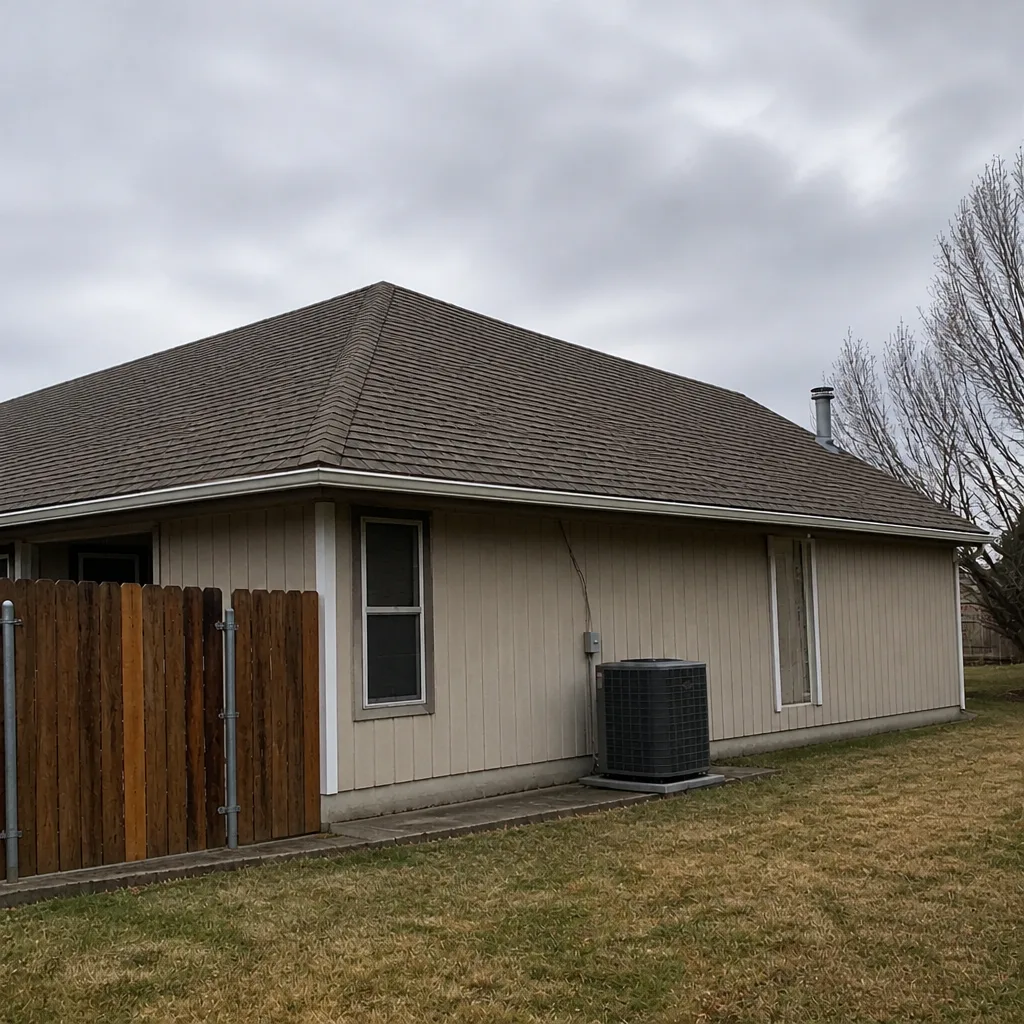 After
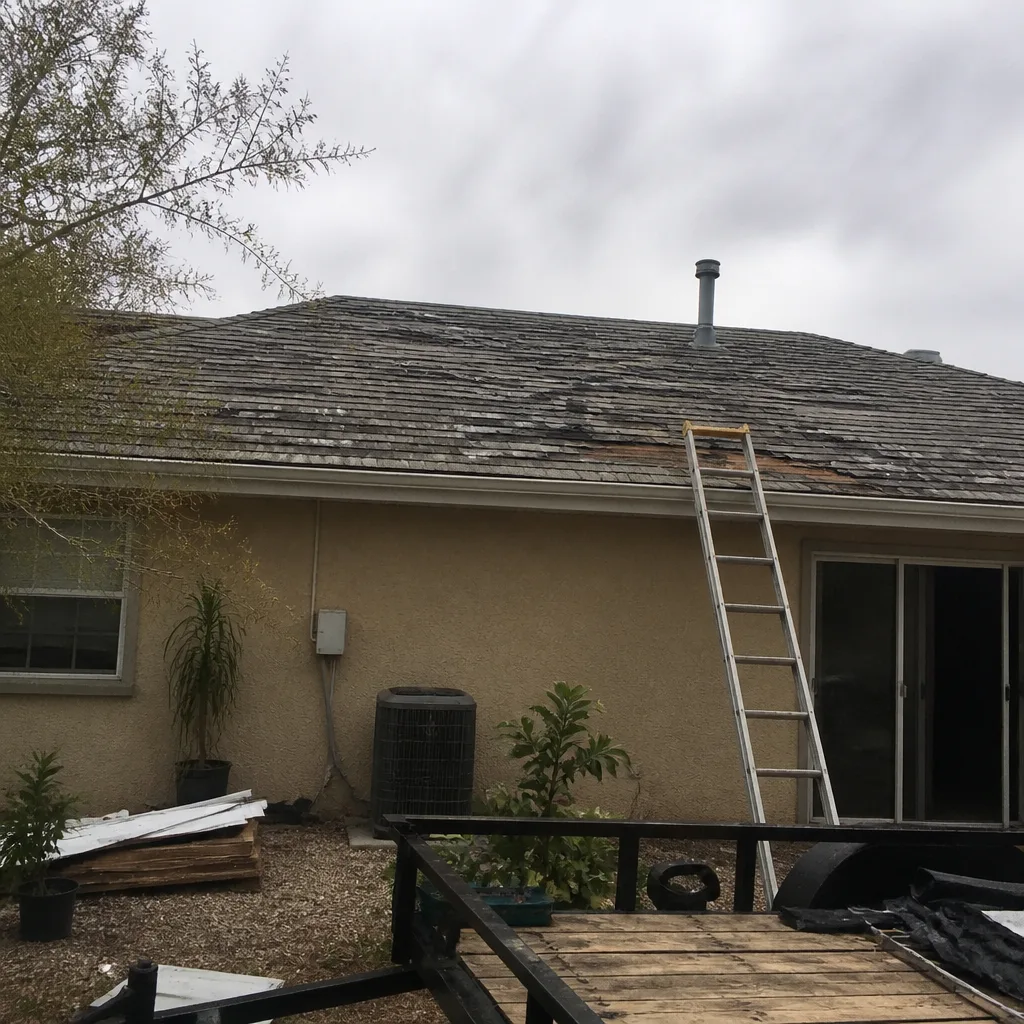 Before
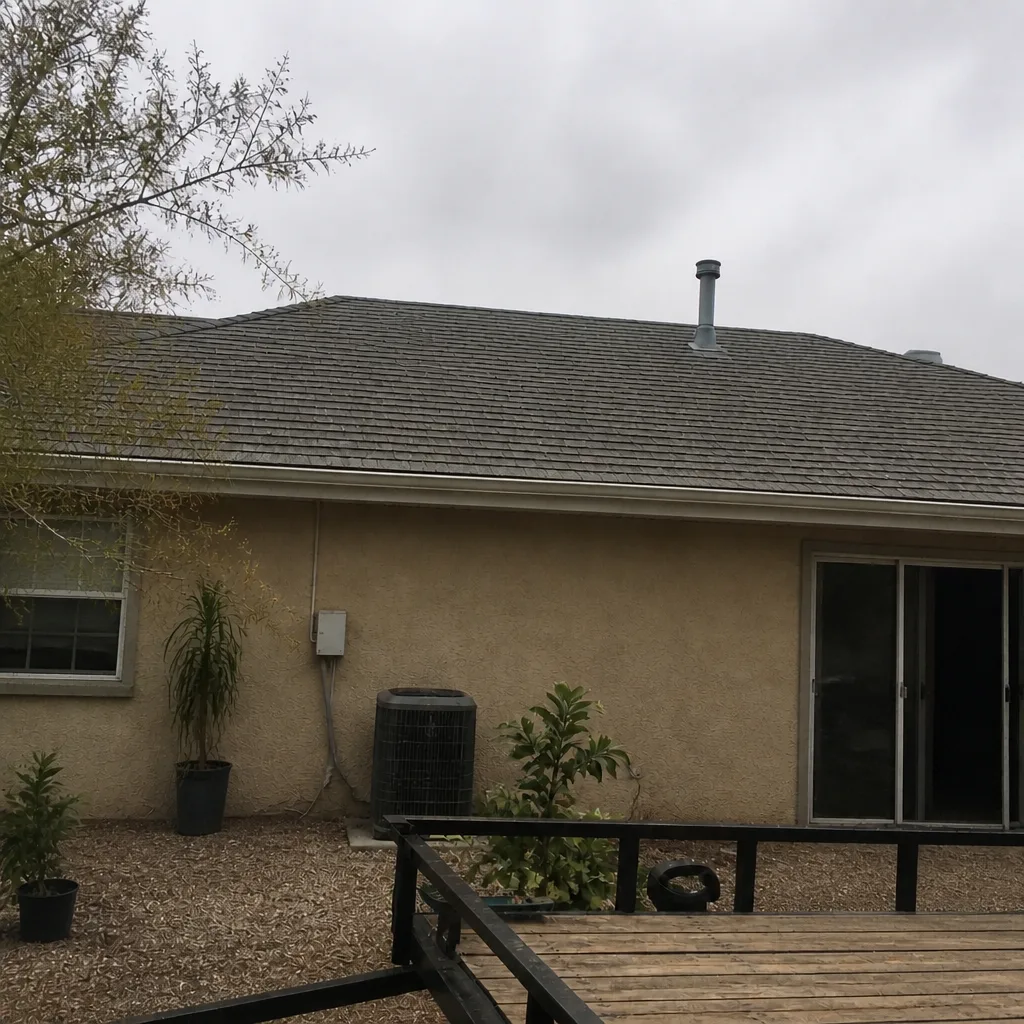 After
Common Mistakes to Avoid
- High-nailing the field shingles. Nails above the manufacturer’s nail line cut wind rating, and it’s the single most common shortcut we find on self-installed Whitney roofs. If the wind rating matters to your insurance carrier, this is where it’s earned.
- Underlayment overlap too narrow. Four inches on the sides, six on the ends, minimum. Anything less and monsoon-driven rain finds the seam.
- Reusing old flashing. Pitted, sun-fatigued flashing that looks fine on the ground will fail within two Nevada summers. Replace, don’t reuse.
- Skipping ice and water shield at the eaves. Less of a Whitney concern than in snow country, but it’s still in the manufacturer’s install spec, and skipping it can void the warranty.
- Doing the roof in July. Whitney surface temps on shingles push past 150°F in July and August. Your balance and grip degrade faster than you’ll notice. If you’re doing anything on a roof, do it in the morning in May or October.
- Not pulling a permit because “it’s just a repair.” If the work crosses the local threshold, the unpermitted job shows up at inspection and costs you at closing.
- Hiring a storm chaser because they were on the porch the morning after hail. Ask where their license is printed and how long they’ve had that address. If they can’t answer either, the answer is no.
For more on roof repair fundamentals, see our page on Roof Repair in Whitney. If you’re weighing a full re-roof, the Roof Replacement & Installation in Whitney page has the line-item pricing breakdown. If you’re going metal, Metal Roofing in Whitney covers that. And our Shepherd & Sons Roofing Whitney home page has the standing offers, the license number, and the 90-Day Done Right Promise in writing.
Frequently Asked Questions
No. Owens Corning, GAF, CertainTeed, and most major manufacturers require installation by a licensed contractor to honor the material and labor warranty. A self-installed Whitney roof usually voids both. Call (844) 797-9455 for a free estimate on a licensed install.
Wrong valley flashing technique. Open valleys and closed-cut valleys each have one correct method, and the wrong one doesn’t leak the first rain – it leaks the fourth or fifth, after the shingles have baked through two summers and started to pull. By the time the ceiling stain shows up, the deck has been wet for months. Call us for a free second opinion if you’ve already had the leak.
Only on the first-story sections with pitch under 4:12 and a proper harness anchor. Second-story pitched work is a different risk category, and we don’t recommend doing it yourself at any pitch above 5:12. The fall math doesn’t work in your favor. Call for a free estimate if you’re unsure which category you’re in.
Minor shingle and flashing repairs typically run in the low hundreds of dollars, and full replacements run in the five-figure range depending on material, square count, and deck condition. Our written estimates are line-item and no-hassle, and the second opinion on any bid you’ve already received is free. Call (844) 797-9455 to schedule.
Yes, more often than most homeowners expect. Unpermitted work and voided manufacturer warranties both show up at inspection and in the seller’s disclosure, and they cost you in negotiation. If a licensed installer’s name isn’t on the warranty transfer paperwork, you’ll take a haircut on price. Call for a free second opinion before listing.
Full replacements almost always do, and any structural repair does. Small repairs sometimes fall under a dollar threshold, but the threshold is jurisdiction-specific – call your local building department and ask. If you’re not sure who to call, we’ll tell you. (844) 797-9455.
The Bottom Line
DIY roofing in Whitney has a real place, and it’s narrow: shingle tabs on an accessible low-slope section, small sealant gaps, gutter cleaning, and post-storm debris. Everything else – replacement, valleys, second-story pitch, anything requiring a permit – belongs with a licensed roofer, mostly because unlicensed installs void manufacturer warranties and cost you at resale and on insurance claims. Use the three-question test. If two of the three push toward a pro, that’s your answer. And if you’ve got a written bid in hand, we’ll give you a free second opinion on it – no trip charge inside our own county, no pressure, no sales pitch. You’ll get a straight number from a name on the license. Call (844) 797-9455 for a free estimate.
Written by the team at Shepherd & Sons Roofing Whitney.