
Last updated November 18, 2026
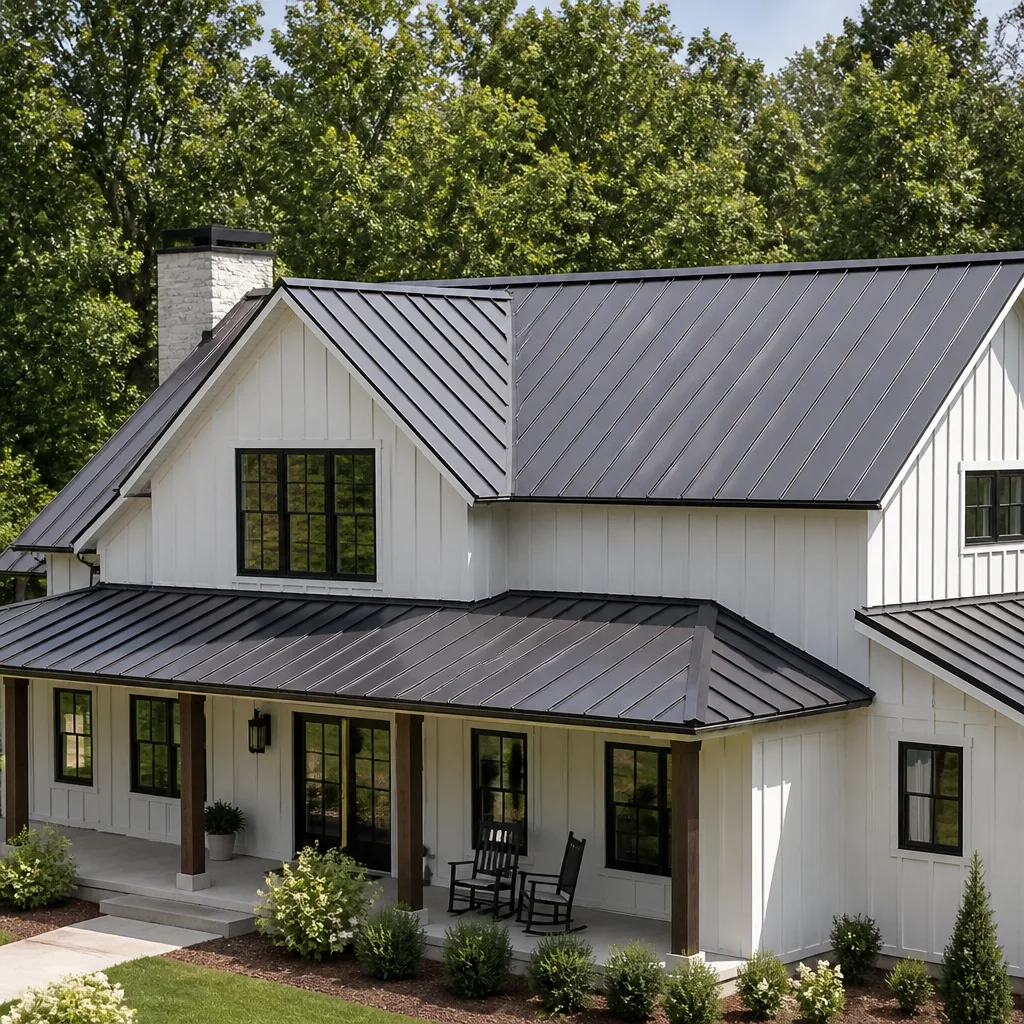 Metal roofing
 Architectural shingles
 Tile roofing
 GAF
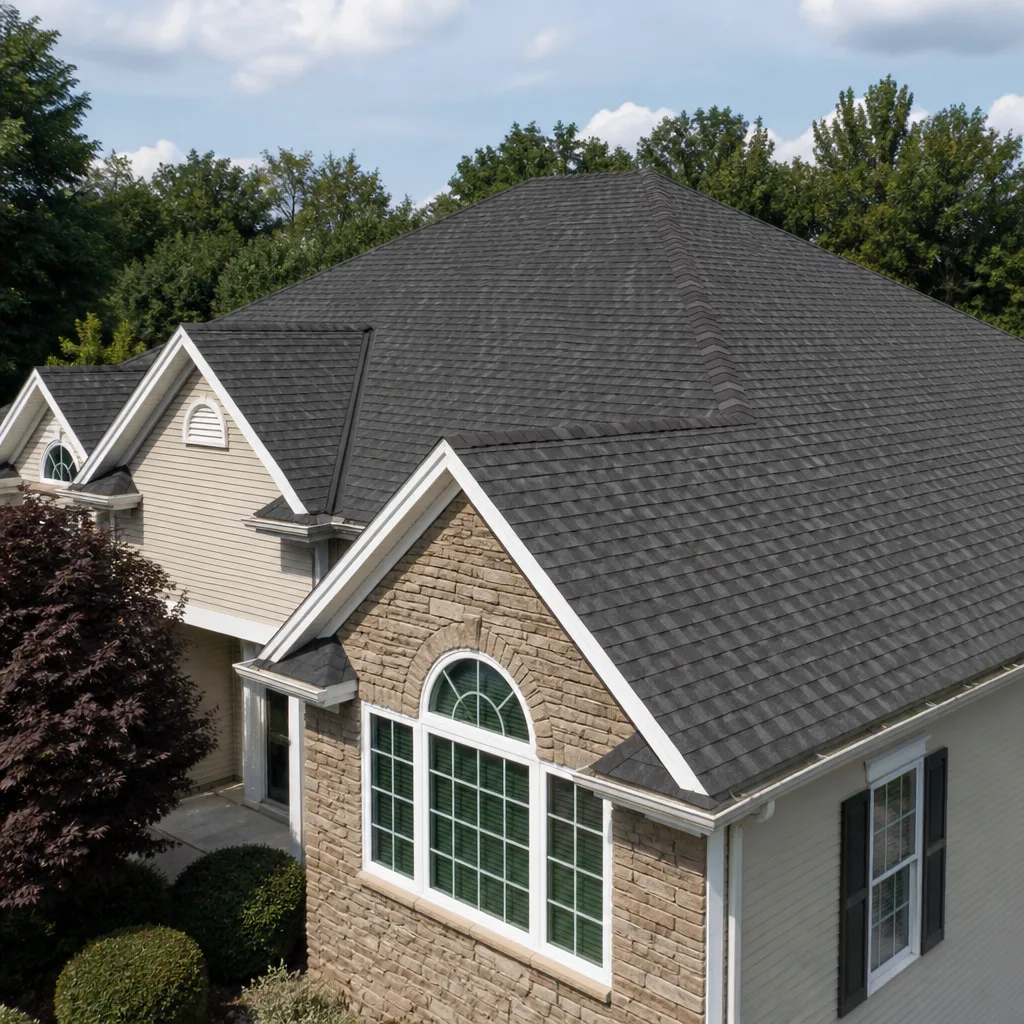 Owens Corning
 Flat & low-slope
Free roof inspection with deck photos before we talk money - GAF and Owens Corning certified installation
Roofing Warning Signs: A Whitney Homeowner’s Reference Guide
A dark stain on your ceiling isn’t always an active leak. Sometimes it’s the ghost of a leak that happened eight months ago and dried out, while the real damage keeps growing quietly in your decking above it. That single distinction changes how fast you need to move, and it’s the difference most roofing checklists never explain. In this guide, we’ll walk you through what a Whitney homeowner can actually see from the ground, what the attic reveals before any stain appears, and how to sort a “call today” problem from a “put it in the fall budget” one. No scare tactics, no upsell language, just the triage we’d give a neighbor.
Quick Answer
The most reliable warning signs of roof trouble are granule loss in the gutters, a sagging or crooked ridge line, rusted or lifted valley flashing, daylight visible through the roof deck in the attic, and staining on rafters or ceiling drywall. In Whitney, the intense high-desert sun makes UV-driven granule loss and flashing seal failure the two most common culprits. Any sign of active moisture inside the attic means call a roofer now; cosmetic wear can usually wait for a scheduled repair.
Styles & brands we work with
- Architectural shingles
- Metal roofing
- Tile roofing
- GAF
- Owens Corning
- Flat & low-slope
Table of Contents
- What You Can See From the Ground (With Binoculars)
- Attic Warning Signs That Show Up Before Ceiling Stains
- Whitney-Specific Red Flags: UV Wear vs. Storm Damage
- Cosmetic vs. Structural: Telling the Difference
- Call Today vs. Fall Budget: Honest Triage Criteria
- Reading Granule Loss Without Panicking
- Why Flashing Fails First in Whitney
- Common Mistakes to Avoid
What You Can See From the Ground (With Binoculars)
You don’t need to climb anything to get a real read on your roof. A decent pair of binoculars and a walk around the perimeter will tell you more than most homeowners expect. Get out early in the morning when the sun is low and raking across the slope, because side-light exposes things that flat midday sun hides.
Here’s what to look for, in numbered order:
- Ridge line straightness. Stand at one gable end and sight down the ridge. It should be a clean, straight line. A dip or sag in the middle suggests the decking or framing has softened, and that’s a structural concern, not a cosmetic one.
- Shingle edges at the eaves. Look for tabs that are curling, lifting, or missing entirely. On a Whitney roof past its prime, you’ll often see the bottom two or three courses going first because they take the most sun bounce off the ground.
- Valley flashing. The V-shaped channels where two roof planes meet are the highest-stress zones on the whole roof. Rust streaks, lifted metal, or dark staining running down the shingles below the valley all point to seal failure.
- Granule accumulation. Look at the ground beneath downspouts and the bottom of the gutters. A few granules are normal. Piles that look like coarse sand are a shingle-age signal.
- Chimney and vent boots. Any cracked caulk or lifted flashing around penetrations shows up clearly through binoculars and is one of the cheapest things to fix before it becomes a deck repair.
What binoculars can’t tell you is what’s happening under the shingles. For that, you have to go into the attic, which is the section below. If the ground view turns up a sagging ridge or daylight anywhere it shouldn’t be, that’s worth a professional eye sooner rather than later. Our crew handles Roof Repair in Whitney for exactly these ground-spotted problems.
Attic Warning Signs That Show Up Before Ceiling Stains
The attic is where a roof tells the truth. Ceiling stains are the last warning sign in a long chain, and by the time one shows up inside your living room, water has usually been working its way down for weeks or months. Get up there with a flashlight twice a year, once after the spring winds and once before winter.
Look for these signs, in the order they tend to appear:
- Staining patterns on the rafters. A water stain on a rafter board has a leading edge, and that edge points uphill toward the source. Follow the stain up to find where water is entering. A dried, dark ring with no current dampness means an old leak that may still have rotted the wood behind it.
- Daylight penetration. Any pinprick of daylight through the roof deck is a hole, period. It might be a nail pop, a failed pipe boot, or a wind-lifted shingle. Small holes grow.
- Dark or soft decking. Tap the underside of the roof deck with a screwdriver handle. A dull thud instead of a sharp tap means water has gotten into the OSB or plywood.
- The smell of wet OSB. This one is specific and worth learning. Wet oriented-strand board gives off a sour, almost vinegar-tinged odor that’s different from damp wood or musty insulation. If your attic smells like that, moisture is trapped in the deck.
- Rusty nails and fasteners. Rust on the nail shanks poking through the deck means condensation or a slow leak has been present long enough to corrode metal.
Many Whitney homes have a low-slope or covered porch section where attic access is tight, and that’s often where the first stains hide. If you can’t safely get to a section, say so, don’t force it. The team at Shepherd & Sons Roofing Whitney home can take a look as part of a free second opinion.
Whitney-Specific Red Flags: UV Wear vs. Storm Damage
Whitney sits in the high desert, and that changes how a roof ages. Ultraviolet exposure here is brutal, and the sun does more long-term damage to a Whitney roof than rain ever will. That matters because UV wear and storm damage look similar from the ground but are handled completely differently, especially when you file an insurance claim.
Here’s how we separate the two:
- UV-driven granule loss is gradual and even. It shows up as a uniform thinning across the sunny slopes, with granules collecting at the downspouts. It’s an age indicator, not a sudden event, and an adjuster will usually treat it as normal wear.
- Storm-driven damage is sudden and clustered. Hail leaves circular bruises and fresh granule loss in a scattered pattern. Wind leaves lifted or creased shingles on one side of the roof and a matching branch or debris path. That pattern is what supports an insurance claim.
- Seal-strip failure on the south and west slopes is a Whitney hallmark. Those slopes bake all afternoon, and the adhesive strips on the shingles can dry out and let tabs lift in the wind, even on a roof that isn’t otherwise worn out.
That difference matters to your wallet. A Whitney homeowner with a 20-year-old roof that’s evenly sun-worn is looking at a scheduled replacement, while a neighbor with a 12-year-old roof that took a hail hit may have a legitimate claim. Name the shingle and we’ve likely set it. We install CertainTeed, Owens Corning, IKO, and Atlas products, and knowing the exact product helps us read how it should have aged.
Cosmetic vs. Structural: Telling the Difference
Most of what worries homeowners turns out to be cosmetic, and most of what should worry them gets ignored. Here’s the plain-language split.
A cracked shingle tab is usually cosmetic. One tab lifts or cracks, often after a wind gust or from foot traffic during a repair. It doesn’t leak on its own, but it’s a doorway the wind will widen, so it’s cheap to fix now and worth doing before the next big blow.
A failed flashing seal is structural in effect, even if it looks small. Flashing is the metal that seals the joints where your roof meets a chimney, skylight, vent, or wall. When the sealant or the overlap fails, water gets directly under the shingles and into the deck. That’s the difference between a $40 tab swap and a deck repair, and it’s why flashing is always the first thing to fix.
The short version: if the problem is a shingle letting wind in, you have time. If the problem is a joint letting water in, you don’t. Siding, valleys, penetrations, and eaves are all joints, and joints are where roofs leak. If you want help confirming what you’re looking at, the crew at Roof Replacement & Installation in Whitney will show you the deck photos before talking money.
Call Today vs. Fall Budget: Honest Triage Criteria
Not every warning sign means pick up the phone tonight, and saying otherwise is how roofing companies lose trust. Here’s the honest triage we give Whitney homeowners.
Call today if you see:
- Daylight through the roof deck in the attic, or water actively dripping or staining fresh.
- A sagging ridge line or a soft spot in the deck when you press on it.
- Water coming in around a chimney, skylight, or valley during a storm.
- Lifted or missing shingles after a wind event, with rain in the forecast.
Add it to the fall budget if you see:
- Granule wear on the sunny slopes with no active leak.
- A few cracked or lifted tabs on the leeward side.
- Dried staining in the attic from a long-past leak, with no new moisture.
- Aging caulk around a vent boot that’s still sealed but tired.
A live person answers the phone around the clock, including nights and weekends after a storm, so if you’re in the “call today” column, you’ll get a real person, not a voicemail box. For roof repair and full replacement in Whitney, we offer a free second opinion on any written estimate. That’s a good move when you’re not sure which column you belong in.
Reading Granule Loss Without Panicking
Granules are the mineral coating on asphalt shingles, and they’re your roof’s sunscreen. When they wear away, the asphalt underneath starts to dry out, crack, and eventually fail. The trick is knowing how much is normal.
A handful of granules in the gutter after a hard rain is fine. It’s part of the shingle shedding what it doesn’t need. What should get your attention is a steady accumulation, season after season, especially below the sun-facing slopes. On a Whitney roof in full afternoon sun, we expect to see accelerated granule loss on the south and west planes before the north side shows much wear at all. That uneven pattern tells you the age of the roof without anyone going up.
Independence Point and the surrounding hillsides get plenty of that sun, and we see the south-slope wear there more than anywhere. If your roof is past 15 years and the granules are piling up, a professional inspection will tell you whether you have another few seasons or you’re on borrowed time.
Why Flashing Fails First in Whitney
Flashing is the metal work around every joint on your roof, and it’s the first thing to fail in Whitney’s climate. The reason is thermal cycling. High-desert days swing from cold mornings to hot afternoons and back to cold nights, and that constant expansion and contraction works on caulk and metal seams year after year.
Add in the sun, which cooks the sealant at every flashing joint, and the wall, valley, and chimney flashing goes soft and cracks long before the shingles wear out. That’s why we tell homeowners to check the flashing first. A metal roof, like the ones we install in Metal Roofing in Whitney, holds up to that cycling better than asphalt because the panels and fasteners are engineered for it.
Two of the most common flashing failures we see in Whitney:
- Chimney counter-flashing that has pulled loose from the masonry, letting water run behind it.
- Valley flashing where rust or a lifted edge lets water duck under the shingle courses above it.
Both are cheap to fix if you catch them early and expensive if you wait until the deck softens. That’s the whole argument for a small repair over a big one.
Common Mistakes to Avoid
- Waiting for a ceiling stain before checking the attic. By the time water shows on your drywall, it’s been traveling for weeks. Catch it in the attic instead.
- Climbing onto a pitched roof to check it yourself. A climb is the leading cause of homeowner injuries, and you can’t see what an inspector sees from up there anyway.
- Reading hail damage as age. In Whitney, a hail-bruised shingle looks a lot like a sun-worn one. An adjuster decides based on pattern, so document the pattern before the evidence weathers away.
- Patching flashing with a tube of caulk and calling it good. Caulk buys you a season at most. Failed flashing needs new metal or a proper reseal, not a quick smear.
- Hiring a storm chaser with an out-of-state plate. Same address since 1996 matters when you need a roofer to come back. Ask any bidder where their truck will be next spring.
- Ignoring a sagging ridge line because the shingles look fine. Shingles are the wrapper. Sag points to the deck or framing underneath, and that’s the expensive part.
- Getting one quote and stopping. A free second opinion on a written estimate is the cheapest insurance you’ll ever buy. Different eyes catch different things.
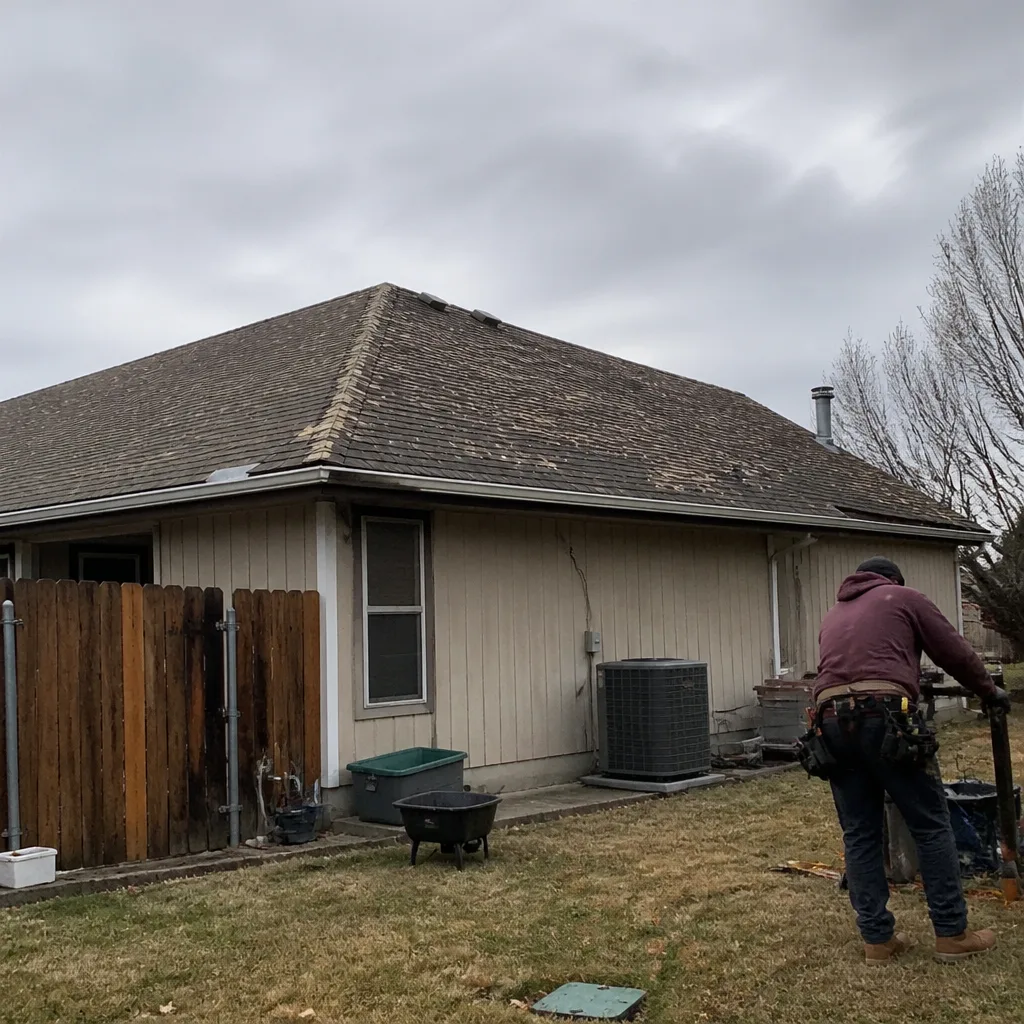
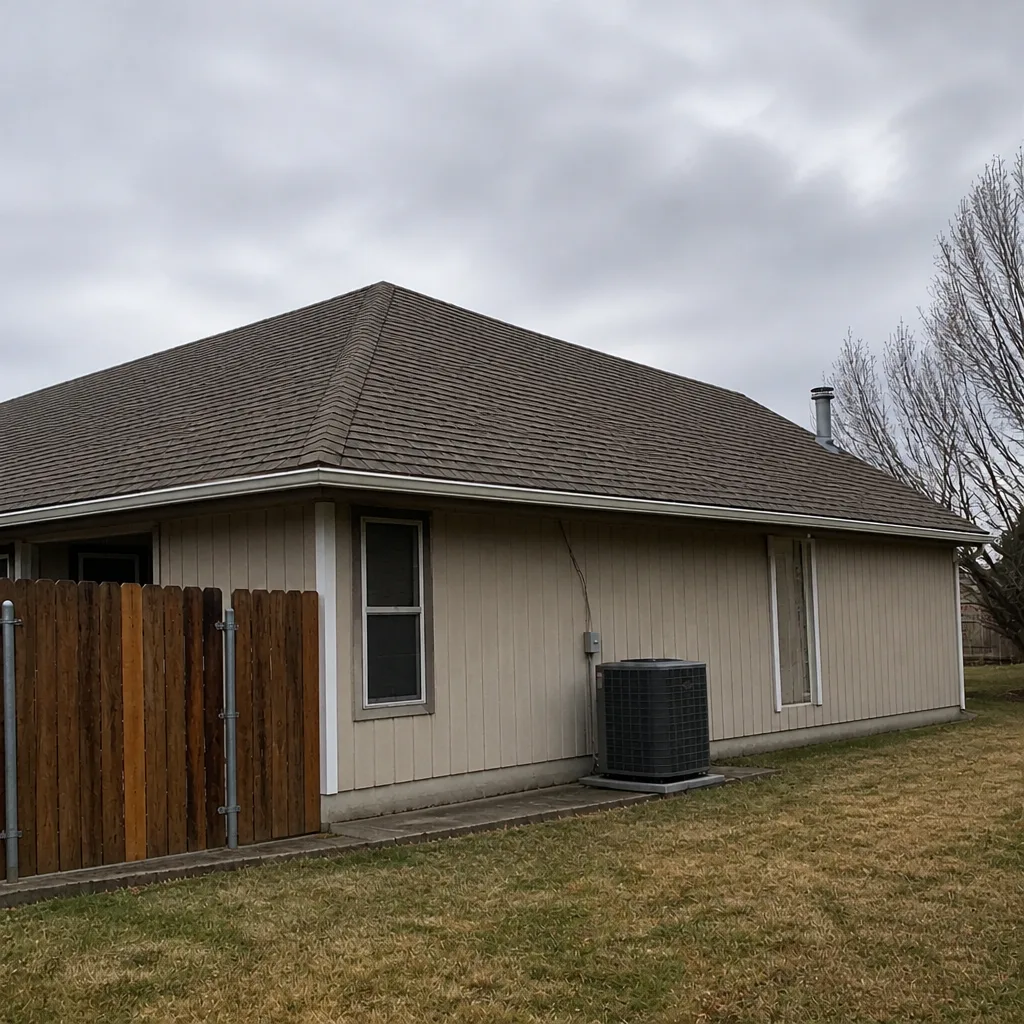
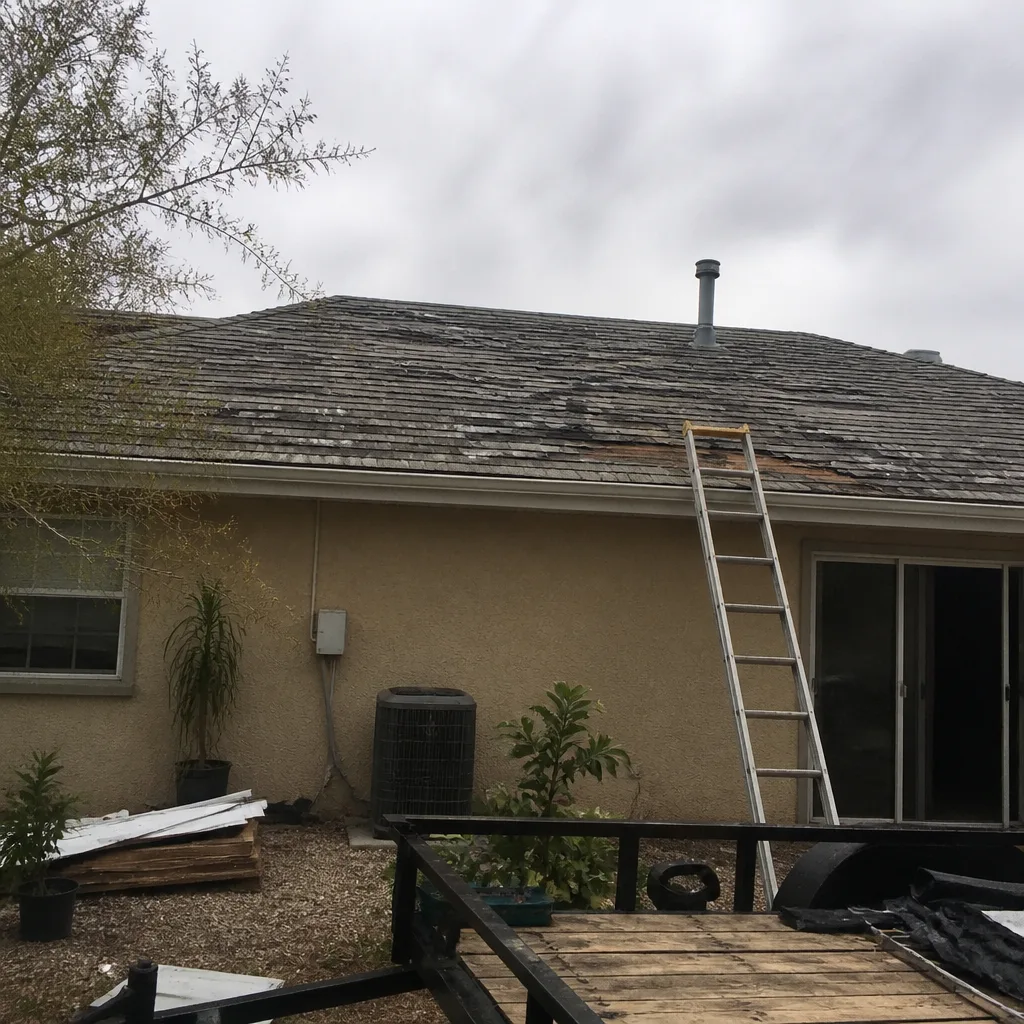
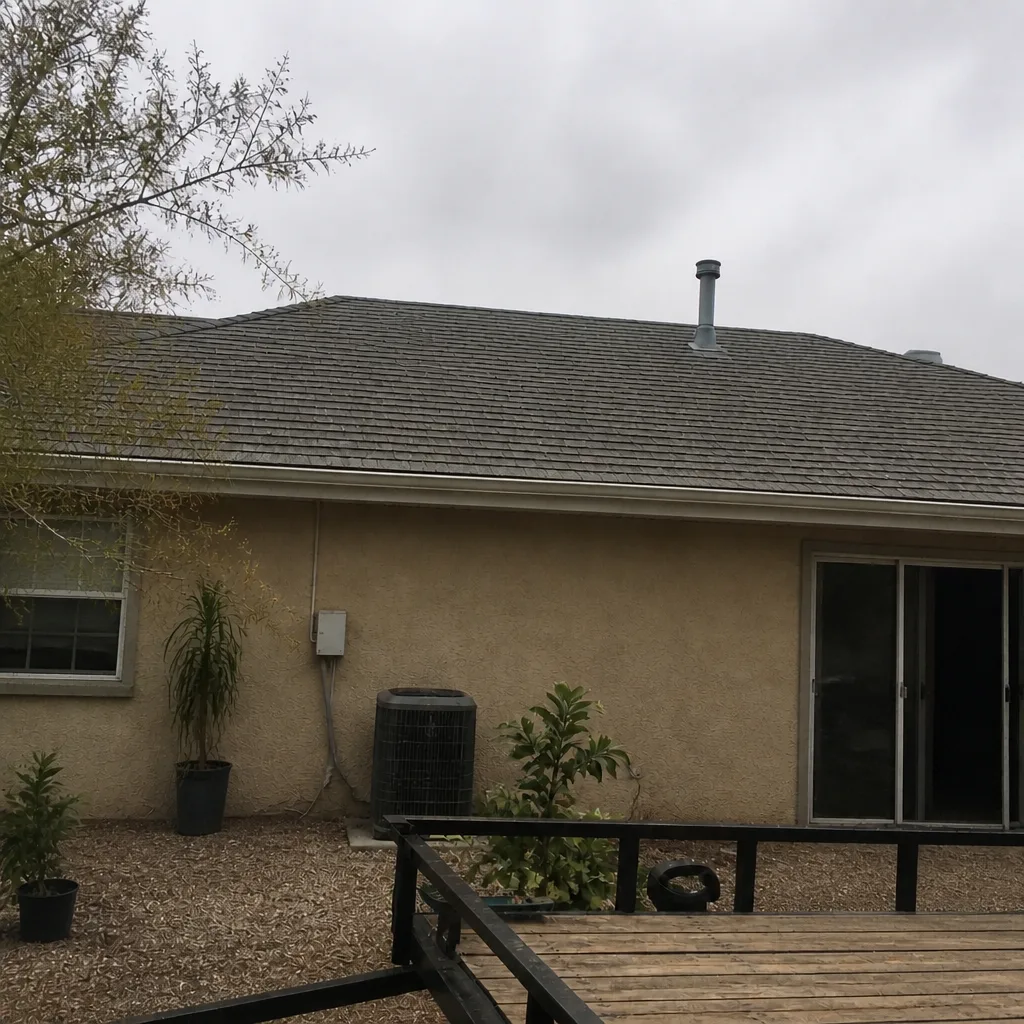
See the difference
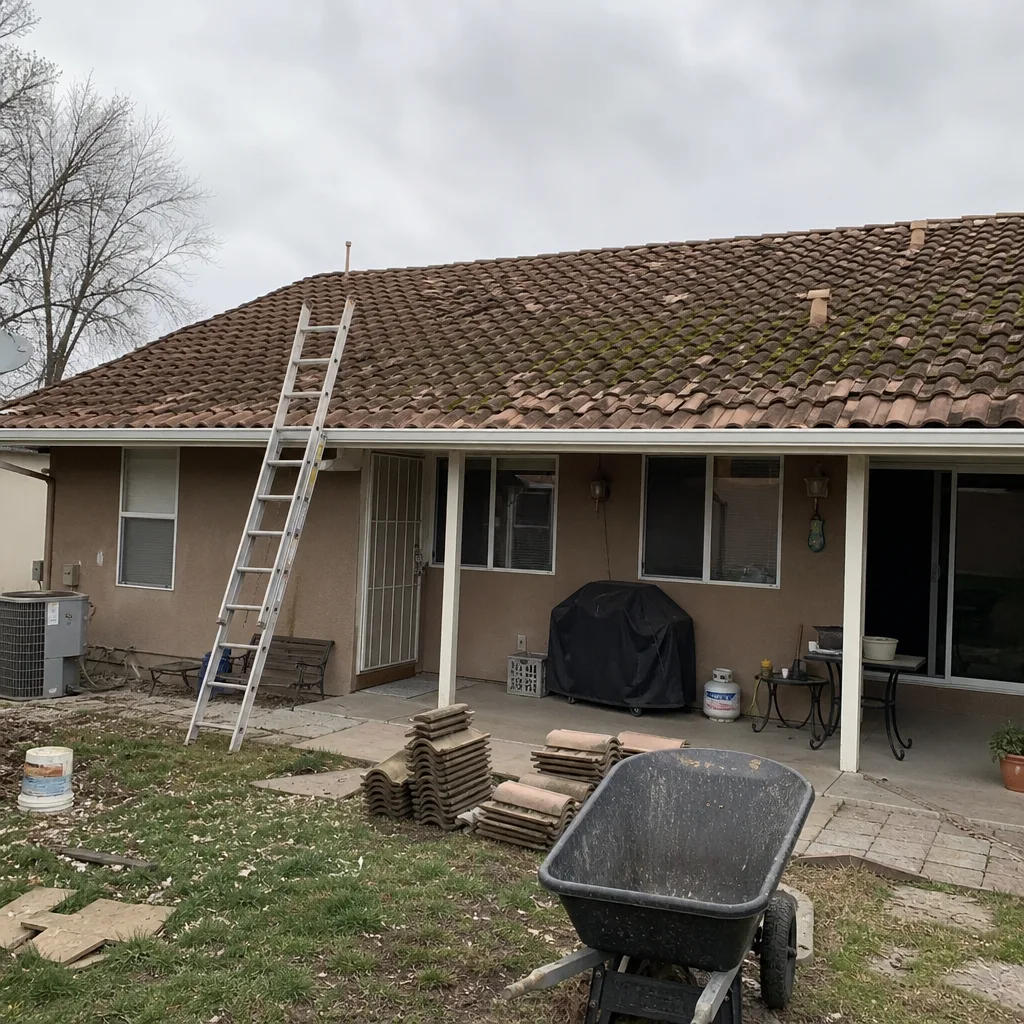 Before
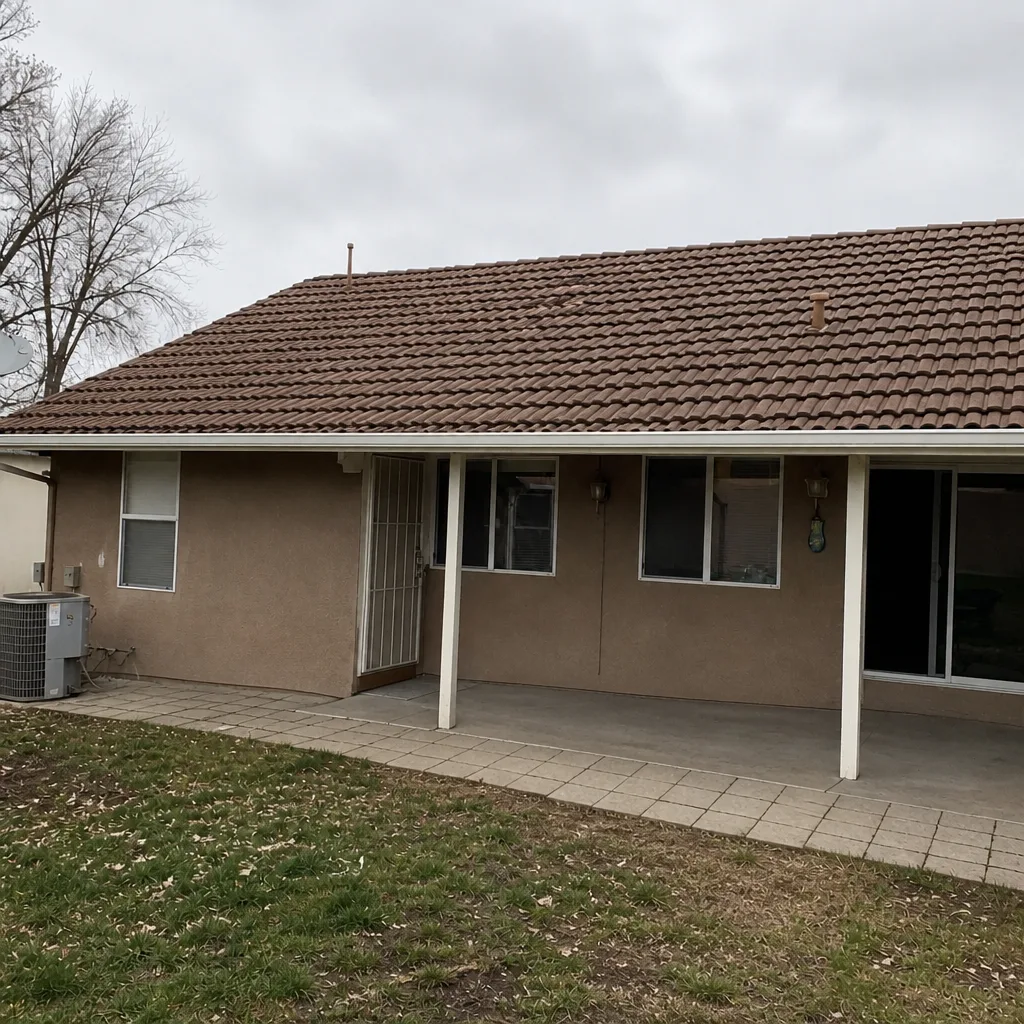 After
 Before
 After
 Before
 After
When to Call a Professional
Call a professional if you see any of the “call today” signs above, or if you simply can’t tell which column you’re in. Daytime daylight in the attic, water coming in during rain, a sagging ridge, or shingles lifted or missing after a wind event all deserve a real look before the next weather system. Beyond that, get an inspection if your roof is past 15 years old in the Whitney sun, if you’re buying a home and don’t know the roof’s age, or if you’re filing an insurance claim and want a second set of eyes on the adjuster’s report. Shepherd & Sons Roofing Whitney offers free estimates in Whitney, and a free second opinion on any written estimate. Call (844) 797-9455 and a real person will pick up.
Frequently Asked Questions
It needs repair if the damage is isolated to a few shingles, a flashing joint, or a small area of decking, and the rest of the roof still has useful life left. It needs replacement if the wear is widespread, the roof is past 15 to 20 years in the Whitney sun, or the deck has softened across a large area. A written inspection with photo evidence is the only honest way to know. Call (844) 797-9455 for a free estimate and we’ll show you what we see.
No. A dark stain can be the dried-out mark of a leak that already happened and dried, with the source still active in the deck above. Look for dampness, fresh drips, or rusted nails to tell whether it’s active. Call (844) 797-9455 for a free estimate if you’re unsure.
UV wear is gradual and even across the sun-facing slopes, with steady granule loss over time. Hail damage is sudden and clustered, with circular bruises and fresh granule loss in a scattered pattern, and the pattern supports an insurance claim. An adjuster reads that pattern, so document it before it weathers. Call (844) 797-9455 for a free second opinion on any written estimate.
Walk the perimeter with binoculars in low morning sun and look at ridge straightness, shingle edges, valley flashing, and granule accumulation at the downspouts. Then check the attic with a flashlight for staining, daylight, and soft decking. That view catches most problems safely. Call (844) 797-9455 for a free estimate if you’d rather have trained eyes on it.
It shouldn’t. A written, itemized estimate with no change orders is the standard you should hold any roofer to. We put the number in writing before anyone touches your roof, and a free second opinion on any written estimate is always available.
Some repairs and most full replacements require a permit, depending on the scope, and the roofer you hire should handle it. Ask any bidder who pulls the permit and whether an inspection is included. We pull permits on jobs that need them and stand behind the inspection.
The Bottom Line
Most roofing damage announces itself long before a ceiling stain shows up. From the ground, binoculars reveal granule loss, curled tabs, lifted flashing, and a sagging ridge. From the attic, you’ll catch staining, daylight, and soft decking before water ever reaches your living room. In Whitney, expect the sun to wear the south and west slopes first and flashing to fail before the shingles do. Sort every sign into “call today” or “fall budget,” don’t force a DIY climb, and get a written estimate before anyone touches the roof. Same address since 1996. Ask the storm chasers where theirs is.
If any of this feels like your roof, we’re glad to take a look. Call (844) 797-9455 for a free estimate. We’ll show you the deck photos before we talk money, and every roofing job comes with our written 90-Day Done Right Promise and a free second opinion on any written estimate.
Written by the team at Shepherd & Sons Roofing Whitney.