
Last updated November 18, 2026
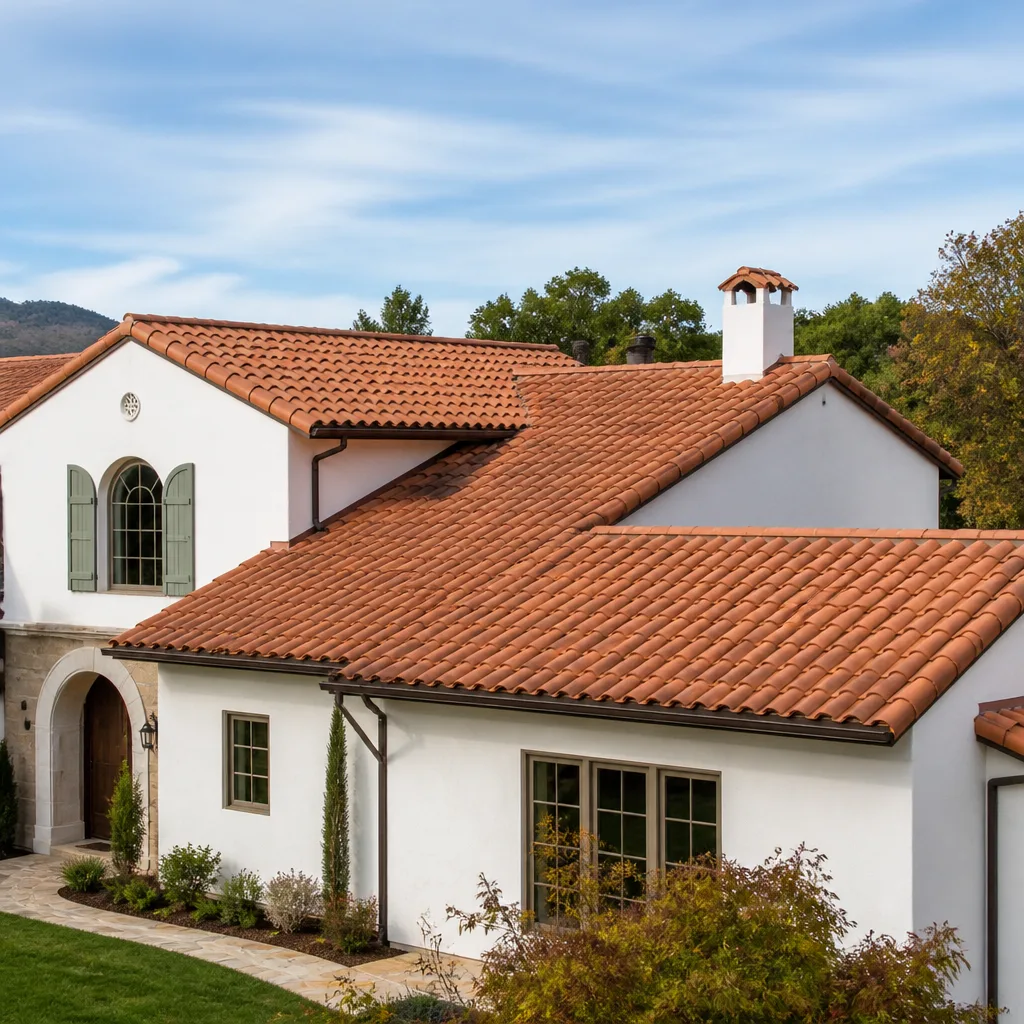 Tile roofing
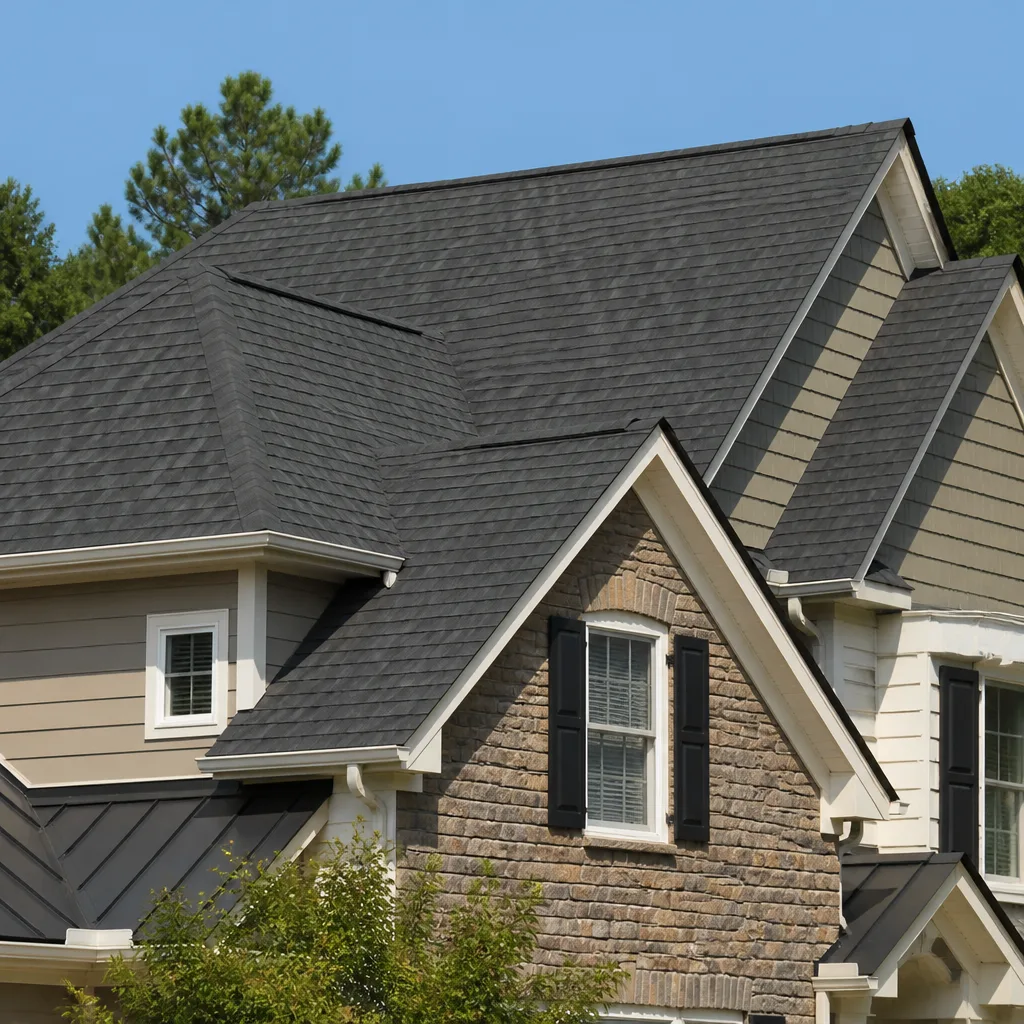 Architectural shingles
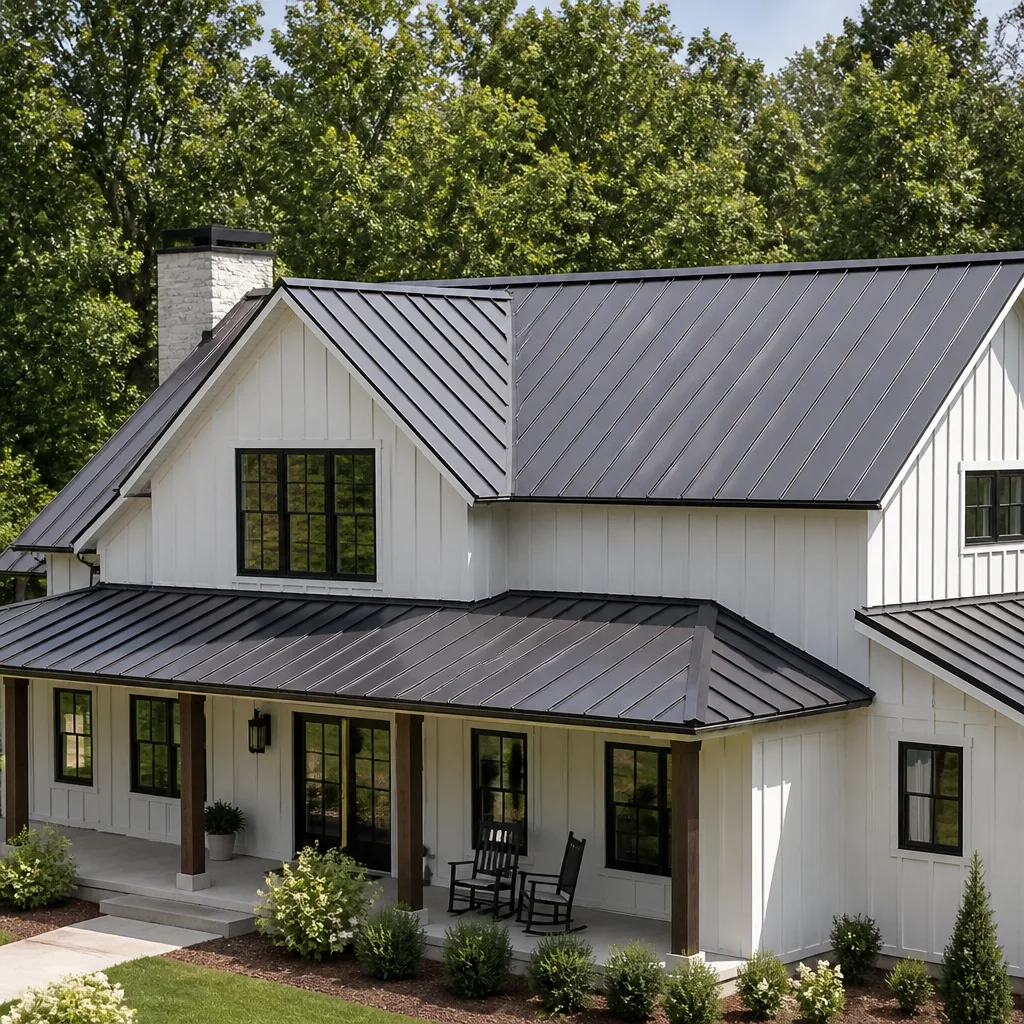 Metal roofing
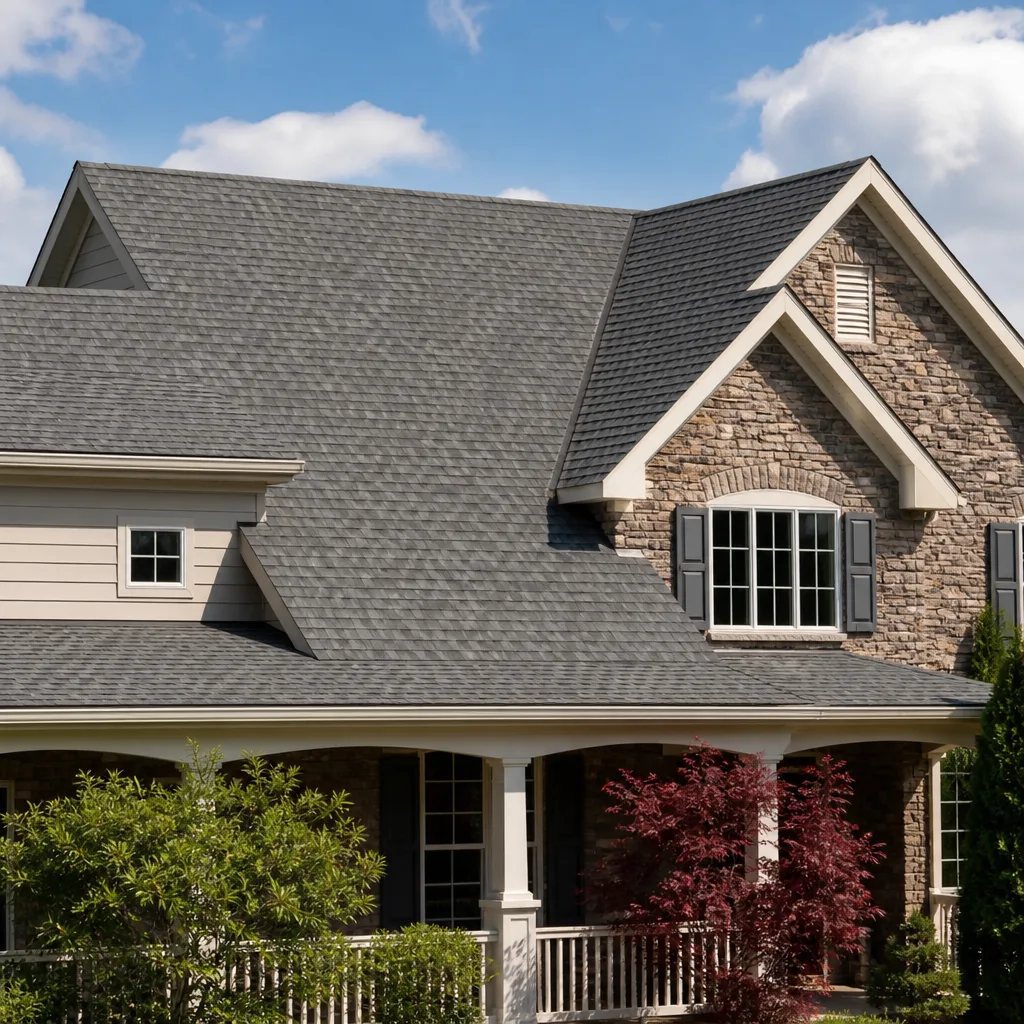 GAF
 Owens Corning
 Flat & low-slope
Free roof inspection with deck photos before we talk money - GAF and Owens Corning certified installation
The Complete Tile Roofing Guide for Whitney Homeowners
Tile roofing in the Nevada high desert is a 50-year decision that starts with a question your salesman is hoping you don’t ask: can your existing rafters carry 850 pounds per square? That’s roughly three times the dead load of a standard asphalt shingle roof, and most Whitney homes were framed before anyone thought about tile. Get the structure right and concrete tile is one of the smartest roofs you can put on a house here. Get it wrong and you’ll be paying for two roofs. This guide covers the load math, tile choices, wind and freeze-thaw realities, honest costs, and the insurance details most contractors leave out of the conversation.
Quick Answer
Concrete tile is an excellent roofing choice for Whitney’s UV, hail, and fire exposure, but only if the roof structure was built or reinforced to support 6 to 9 pounds per square foot of dead load. Expect $18,000 to $32,000 installed on a typical Whitney home for concrete tile with new underlayment and battens, and verify your homeowner’s insurance will actually credit the tile before you sign a contract.
Styles & brands we work with
- Architectural shingles
- Metal roofing
- Tile roofing
- GAF
- Owens Corning
- Flat & low-slope
Table of Contents
- Can Your Whitney Home’s Structure Hold Tile Weight?
- Concrete Tile vs. Clay Tile in Nevada UV and Freeze-Thaw Conditions
- Wind and Whitney: How Tile Stays Put in High-Wind Zones
- What Tile Roofing Costs in Whitney (Real Numbers)
- Why the Underlayment and Battens Matter More Than the Tile
- Insurance Premiums and Tile Re-Roofs
- The 8-Step Process of a Tile Re-Roof
- Tile Roof Maintenance in Whitney’s Climate
Can Your Whitney Home’s Structure Hold Tile Weight?
Here’s the structural question that has to come before any tile quote. Standard asphalt shingles weigh about 2 to 2.5 pounds per square foot. Concrete tile weighs 6 to 9 pounds per square foot depending on profile – roughly 600 to 900 pounds per 100 square feet when you include the battens and underlayment. That’s a real dead load the roof was originally sized for or wasn’t.
Three ways to find out without paying for an engineer upfront:
- Pull your original building plans from the Whitney area building department. The rafter span and grade of lumber will be listed. A 2×6 on 24-inch centers spanning 12 feet wasn’t designed for tile. A 2×8 on 16-inch centers with a proper ridge beam often was.
- Ask the roofer to walk the attic with you and photograph the framing. Look at rafter dimensions, spacing, and whether there’s any existing bracing. Legitimate tile roofers in Whitney do this on every bid. Storm chasers skip it because they won’t be here when the sag shows up.
- Request a dead load calculation as part of the estimate. Not a full structural engineering report – a written load calculation using the span tables, signed by the contractor. If a bidder won’t put the load math in writing, that’s your signal.
When a roof needs reinforcement, common fixes in Whitney include adding sister rafters, installing purlins or bracing, or upgrading the ridge beam. Budget $3,000 to $8,000 for structural work on a typical single-family roof if it’s needed. Far cheaper than watching a roofline deflect over five years.
Concrete Tile vs. Clay Tile in Nevada UV and Freeze-Thaw Conditions
Both concrete and clay tile handle Whitney’s summer UV without breaking a sweat, but they age differently under the freeze-thaw cycles we get in January and February, when overnight temps dip into the 20s and daytime sun pushes back into the 50s.
- Concrete tile: Expected lifespan in Whitney conditions runs 40 to 60 years with proper underlayment replacement at the mid-point. Concrete holds color well when the pigment is through-body rather than surface-coated – ask that question. Brands like Boral and Tamko both make profiles that hold up well here. Concrete is heavier and slightly more impact-resistant against hail than clay.
- Clay tile: Lifespan can exceed 75 years, and the material shrugs off UV entirely. But clay is more brittle under freeze-thaw stress and hail, so hairline cracks accumulate over 30 to 40 years. In our experience, clay looks stunning on the right home but the cost runs 20 to 30 percent higher than concrete and repair pieces are harder to source.
For most Whitney homeowners weighing value for money, concrete tile from a name brand is the practical choice. Match the profile and color to the neighborhood – Spanish S-tile and flat profile are both common through the Whitney area, and an HOA may have opinions.
Wind and Whitney: How Tile Stays Put in High-Wind Zones
Whitney sits in a wind corridor that funnels gusts through the valley during spring, and a tile roof installed with the wrong method will lose ridge pieces in the first big gust. The shingle wrapper is not what earns the wind rating here – the fastening pattern is.
What correct installation looks like on a Whitney tile roof:
- Mechanically fastened field tiles. Every field tile should be fastened with screws or hurricane clips to the battens, not just mortar-set or friction-fit. The old mortar-only method fails over time, period.
- Ridge and hip tiles are the wind’s first target. They need a ridge cap system with mechanical fastening and a proper weather block, not just a mortar bed. Exposed ridge tiles in high-wind areas should be screwed through the cap and sealed, then mortar-filled as backup – not the other way around.
- Edge metal and starter course. A drip edge and starter row secured to the fascia and the first batten gives the field tile something to lock into at the windward edge.
- Wind rating documentation. Ask for the manufacturer’s wind uplift rating and the specific installation method that achieves it. ASTM D3161 and Miami-Dade NOA numbers are what insurers ask about.
A well-installed concrete tile roof in Whitney earns a 110 mph or higher wind rating. A mortar-and-prayer installation won’t. Ask any bidder to show you the fastening detail on their last ten tile jobs.
What Tile Roofing Costs in Whitney (Real Numbers)
Tile roofing in Whitney runs about 2 to 3 times the cost of asphalt shingles. The number most quoted over the phone is the tile – the “cheap” quote that leaves out underlayment and battens is the one that bites.
- Concrete tile installed, standard profile: $1,800 to $3,200 per square (100 sq ft) with underlayment and battens included
- Premium concrete or clay profile: $2,400 to $4,200 per square
- Underlayment alone: $400 to $700 per square – often deferred and skipped on cheap bids
- Battens and fastening system: $200 to $400 per square
- Structural reinforcement (if needed): $3,000 to $8,000 lump sum
- Tear-off and disposal: $300 to $600 per square
For a 1,800-square-foot roof – about 18 squares, the Whitney average – budget $18,000 to $32,000 for the whole job done right. A cheap quote of $12,000 usually means old underlayment left in place, battens re-used, or fastening skipped. The written line-item quote is what separates the honest bids from the rest. We’ve seen Whitney homeowners pay twice because they trusted the low number. It’s not worth it.
Why the Underlayment and Battens Matter More Than the Tile
Tile itself can last 50 years. The underlayment beneath it lasts 15 to 25 depending on material. That means your “50-year” tile roof is really two roofs – a 50-year outer layer and a 20-year underlayment that has to be replaced while the tile is lifted off and set aside.
In Whitney, the underlayment gets worked hard. Summer surface temps on a tile roof can climb past 160 degrees, and UV degrades the membrane faster than in cooler climates. Synthetic underlayment from GAF or CertainTeed runs $400 to $700 per square and outlasts the old felt. A peel-and-stick or self-adhered membrane on the eaves and valleys is worth the extra – that’s where water backs up under the tile during a monsoon downpour.
The battens matter because they create the air gap. That gap lets heat escape in summer and lets moisture dry out after a storm. It also creates the mechanical attachment point for every tile. When a roofer skips battens and sets tile directly on the deck, both benefits are gone.
Insurance Premiums and Tile Re-Roofs
Here’s a step most Whitney tile projects skip, and it costs people money. Tile roofs often command a premium credit on homeowner’s insurance because they’re fire-resistant and hail-rated – but not every carrier grants it, and some charge an “overweight roof” surcharge on homes that weren’t originally framed for tile.
Do this before you sign:
- Call your insurance agent and ask three questions: Do you write policies on concrete tile roofs in Whitney? Is there a new-roof discount for tile? Is there an overweight-roof surcharge?
- Get the answer in an email. A verbal yes on the phone is worth zero at renewal time.
- Ask for the wind and fire rating documentation from the manufacturer – your agent will want the UL fire class and ASTM wind number to apply the credit.
- Shop the policy if the carrier won’t write it. A few Nevada-focused carriers actively want tile roofs. It’s worth twenty minutes of phone calls.
The credit often runs 5 to 15 percent off the annual premium. On a $2,400 premium that’s $120 to $360 a year – meaningful money across a 50-year roof.
The 8-Step Process of a Tile Re-Roof
- Structural load verification. Attic walk-through, rafter sizing, written load calculation. Foundation for everything else.
- Written line-item estimate. Tile, underlayment, battens, tear-off, disposal, reinforcement, permits. No lump sums.
- Permits pulled. Whitney area requires permits for full roof replacement. Don’t skip this – the inspection is your protection.
- Tear-off and deck inspection. Photograph the deck. Any soft spots or old damage gets addressed now, not later.
- Underlayment installation. Synthetic membrane or peel-and-stick in valleys and eaves.
- Battens and edge metal. Air gap created, drip edge secured.
- Tile installation. Field tiles mechanically fastened, ridge caps screwed and sealed, hips and valleys detailed.
- Final inspection and written warranty handoff. Permit inspection passed, manufacturer warranty registered, workmanship warranty in writing.
For a related deep dive, see our guide to Roof Replacement & Installation in Whitney.
Tile Roof Maintenance in Whitney’s Climate
Tile roofs are famously low-maintenance, but “low” isn’t “none.” After a wind event, the ridge and hip tiles are where damage shows first – walk the perimeter and look for shifted or cracked pieces. Annual inspections in spring, before the wind season, catch problems early. Watch for tile cracks from hail, moss growth along shaded north slopes, and any tile that has visibly shifted on its batten.
If you’re seeing leaks and the tile looks fine, the underlayment is usually the culprit. That’s a repair conversation, not a full replacement – see our Roof Repair in Whitney page for what to expect. And if you’re also considering a switch to metal on a porch or outbuilding, our Metal Roofing in Whitney guide walks through the trade-offs.
Common Mistakes to Avoid
- Skipping the structural load calculation. If nobody asked about your rafters, nobody is planning to be here in five years when the roofline deflects. Ask the question yourself.
- Accepting a phone quote without a line item. The number on the phone is not the number at the door. Get written line-item pricing for tile, underlayment, battens, tear-off, permits, and any reinforcement.
- Re-using old underlayment under new tile. You’ll pay for the new tile twice because the underlayment fails first. If the tile comes off, the underlayment gets replaced.
- Letting the ridge cap be mortar-only. In Whitney’s wind, mortar-set ridge tiles on high-wind zones blow off. It has to be mechanically fastened first.
- Not asking the roofer where their shop is. Same address since 1996 is verifiable. Out-of-state storm chasers have a P.O. box in a hotel lobby. Ask.
- Buying tile before checking insurance. Some carriers won’t write or will surcharge a home with an overweight roof. Confirm the policy before the contract.
- Approving a tile re-roof without a permit. A Whitney-area inspection is your proof the deck was sound and the install met code. No permit means no inspection means no proof.
See the difference
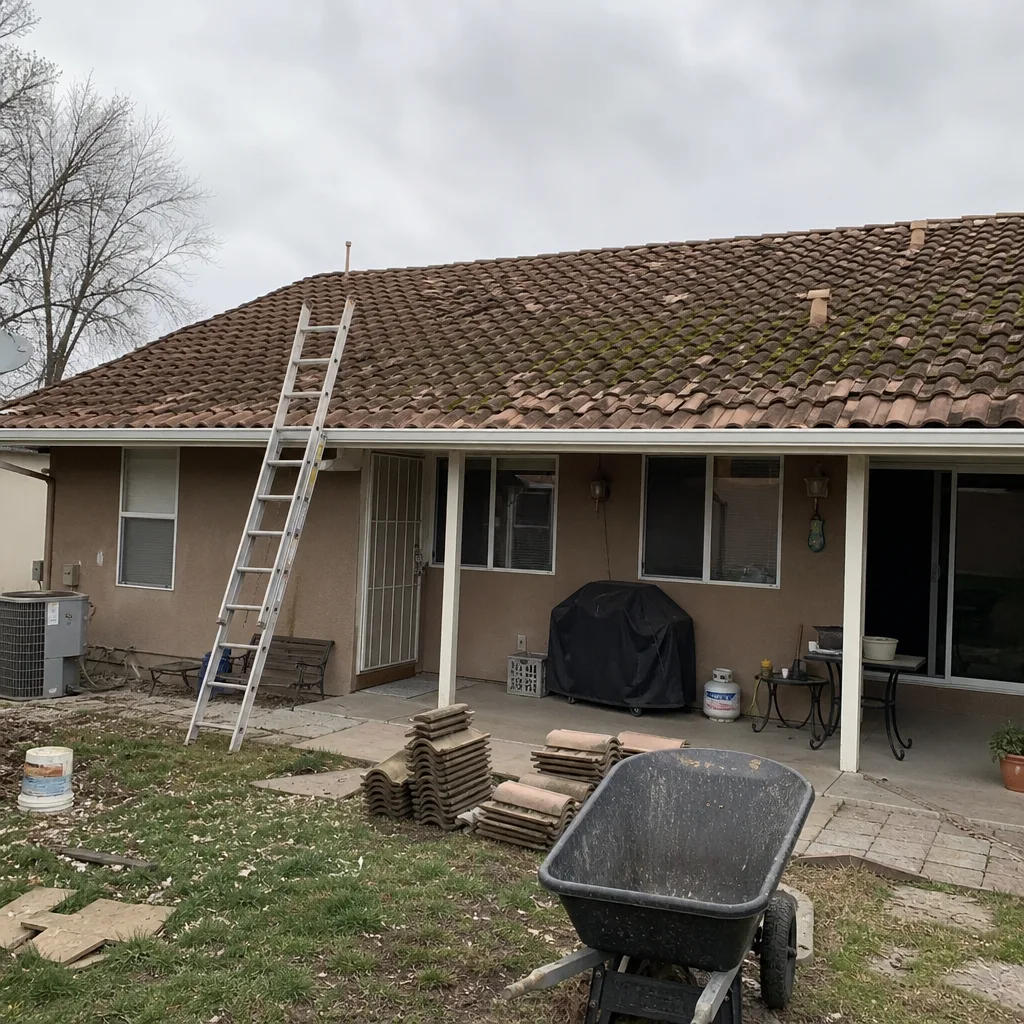 Before
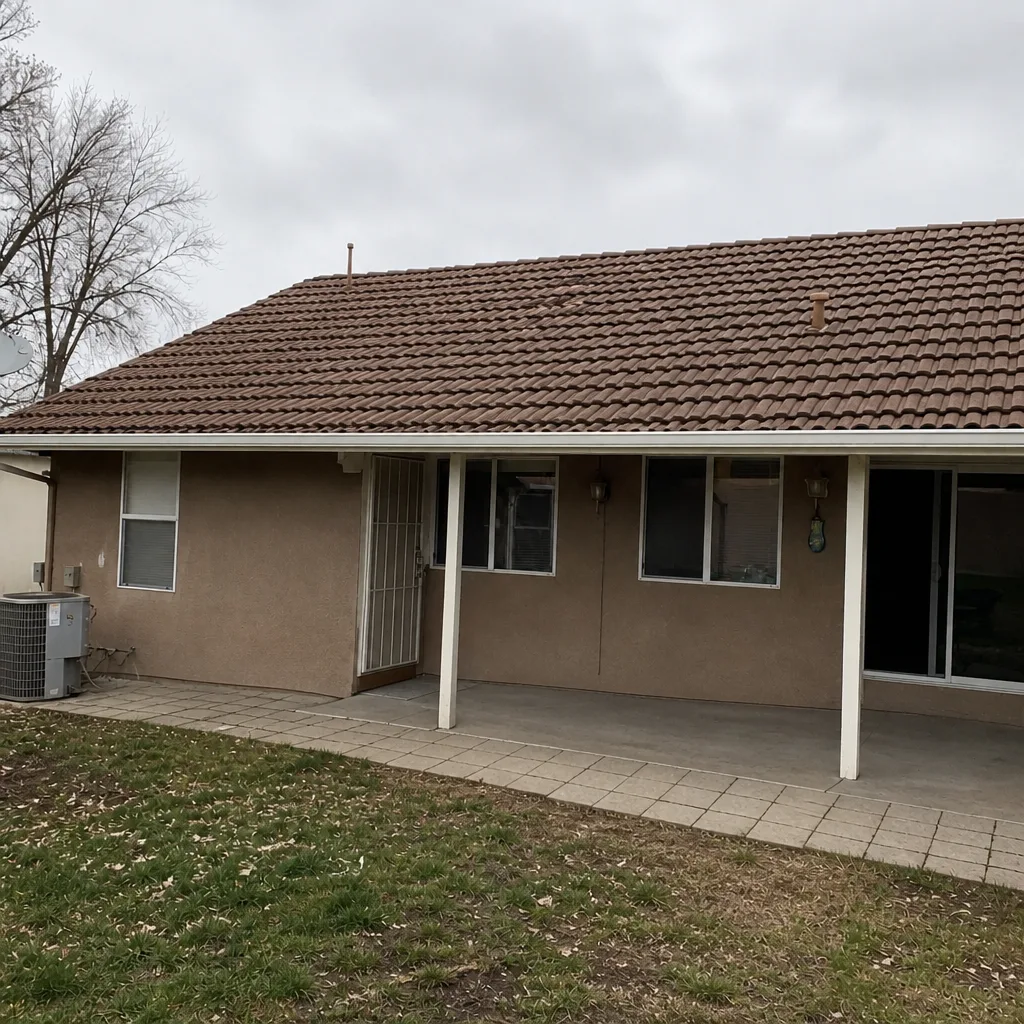 After
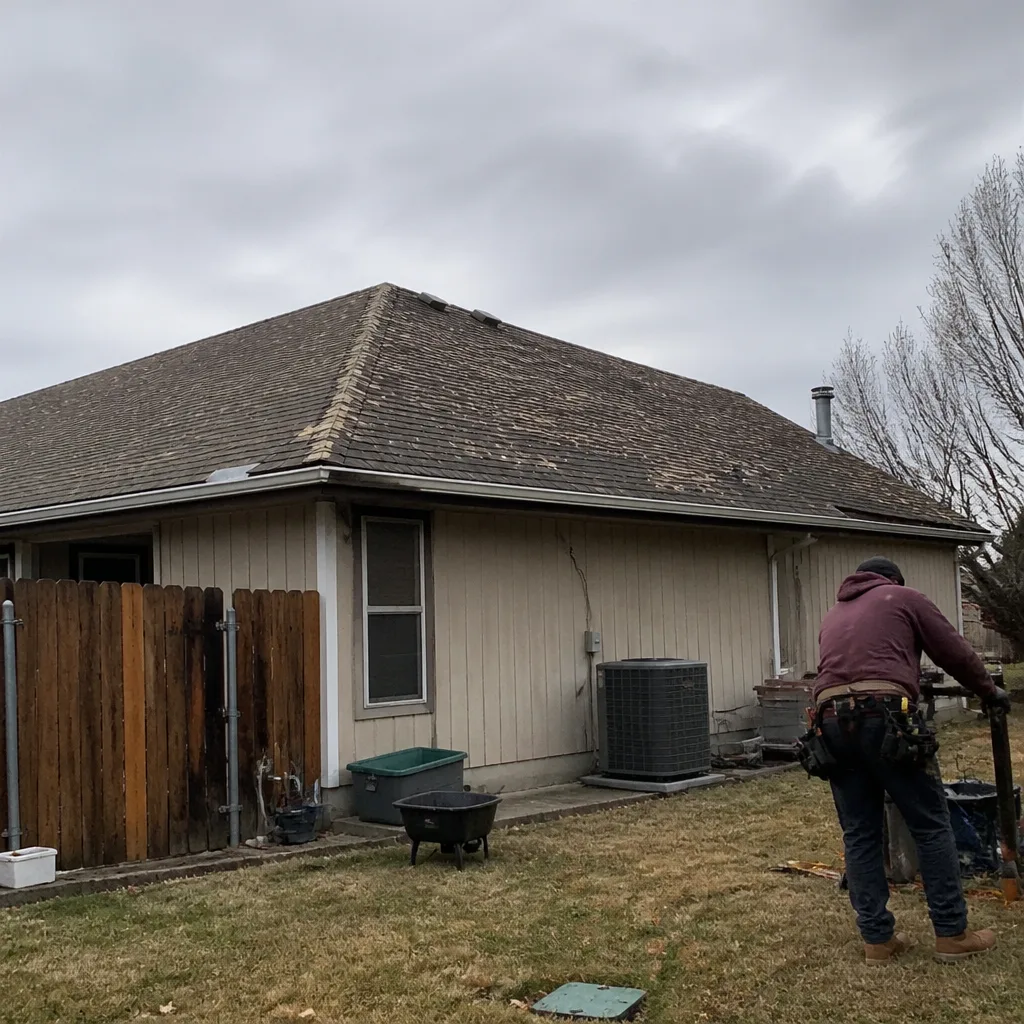 Before
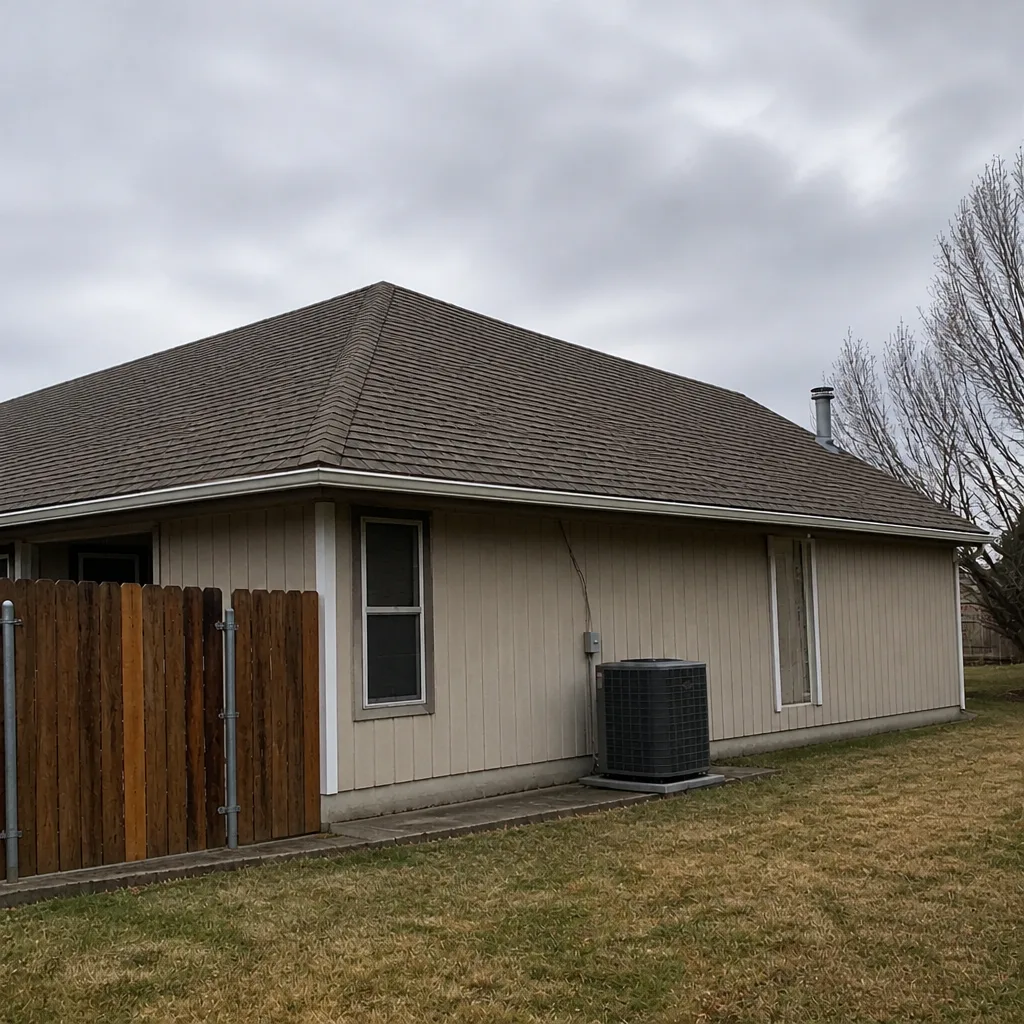 After
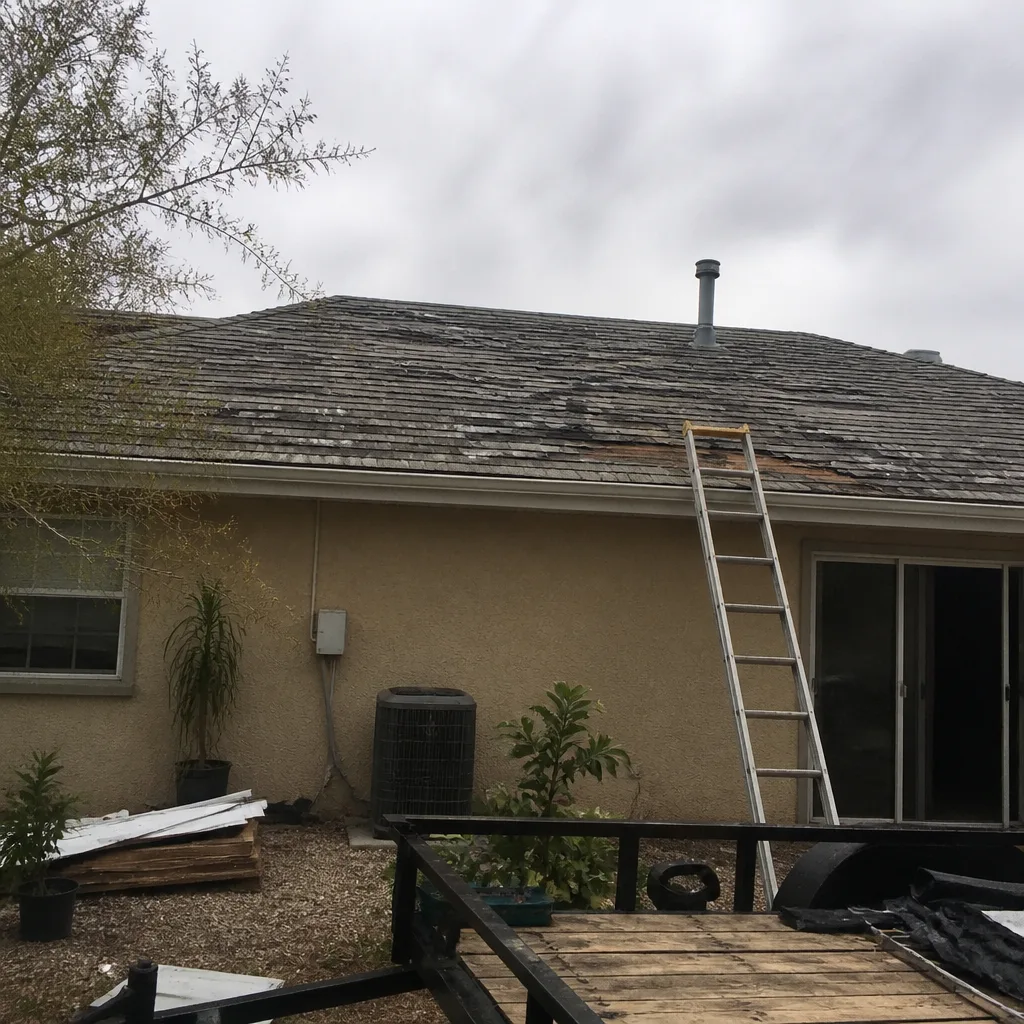 Before
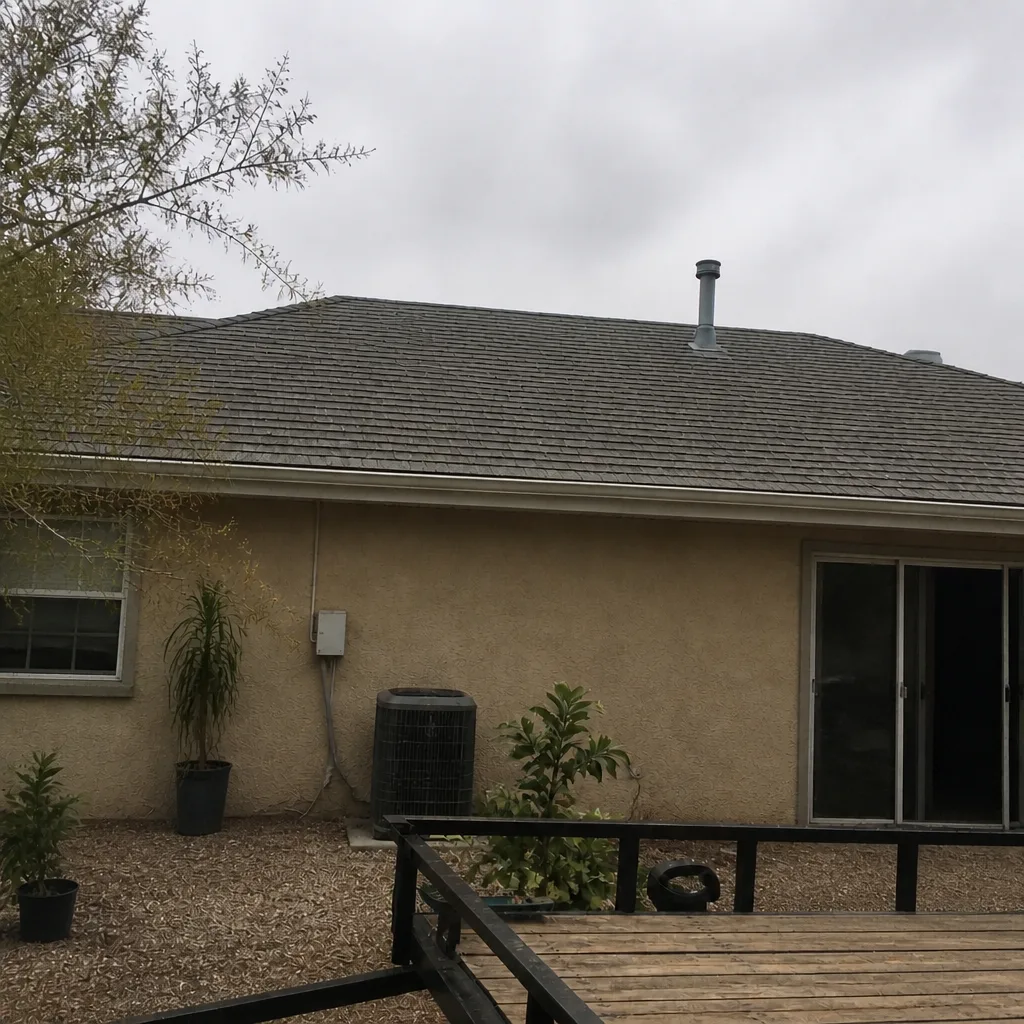 After
When to Call a Professional
If you’re seeing sagging rooflines, water stains on the ceiling under a tile roof, cracked or shifted tiles after a wind event, or moss spreading along a north slope, that’s a call-the-roofer situation – not a weekend project. Tile is heavy, sharp, and brittle, and any tile roof repair means working at height on a surface that gives way under a misplaced foot. And if you’re ready for a full re-roof, that begins with the load calculation and written estimate – not with a handshake on the driveway.
Shepherd & Sons Roofing Whitney offers free estimates in Whitney – call (844) 797-9455. We’ll walk the attic with you, photograph the deck before we talk money, and give you line-item pricing with underlayment, battens, and structural questions answered upfront. If your home can’t handle tile without reinforcement, we’ll tell you – and we’ll show you what reinforcement would cost versus the alternatives. Visit our Shepherd & Sons Roofing Whitney home page if you’d like to start there.
Frequently Asked Questions
Concrete tile installed in Whitney runs $18,000 to $32,000 on a typical 1,800-square-foot roof, or $1,800 to $3,200 per square including underlayment and battens. Add $3,000 to $8,000 if structural reinforcement is needed. Call (844) 797-9455 for an exact written line-item quote – estimates are free.
It depends on the rafter size, spacing, and span – a 2×6 on 24-inch centers usually can’t, while a 2×8 on 16-inch centers often can. Pull the original building plans and ask the roofer to walk the attic with you and put the load calculation in the written estimate. Call (844) 797-9455 to schedule that attic walk-through.
Concrete tile itself lasts 40 to 60 years in Whitney conditions, but the underlayment beneath it lasts 15 to 25 years and has to be replaced at the mid-point. Plan on the underlayment replacement as part of the long-term cost. Call (844) 797-9455 to talk through where your existing roof sits on that timeline.
Most likely down, if your carrier writes tile. Many Nevada carriers give a 5 to 15 percent new-roof or wind-mitigation credit, though some charge an overweight-roof surcharge on homes not framed for tile. Confirm with your agent in an email before you sign – and call us at (844) 797-9455 for the manufacturer wind and fire documentation your agent will want.
A correctly installed concrete tile roof earns a 110 mph or higher wind rating when field tiles are mechanically fastened and ridge caps are screwed rather than mortar-set. Concrete tile is also hail-resistant and holds up better than clay under impact. Ask any bidder for the fastening detail on their last ten tile jobs.
Concrete lasts 40 to 60 years, costs 20 to 30 percent less, and is more impact-resistant. Clay can last 75 years but is more brittle under freeze-thaw and hail, and replacement pieces are harder to source. Concrete from a brand like Boral or Tamko is the practical choice for most Whitney homes.
The Bottom Line
Tile roofing is one of the smartest long-term choices for a Whitney home – 40 to 60 years of lifespan, hail resistance, fire rating, and a wind rating that holds up if the fastening is right. But it’s a structural decision first and a roofing decision second. Get the load calculation, demand a written line-item quote that includes underlayment and battens, confirm your insurance will write the policy, and hire a roofer you can find at the same address in five years. Do those four things and tile pays for itself. Skip them and you’ll pay twice.
Call (844) 797-9455 to schedule your free estimate. We’ll bring the attic photos, the load math, and a straight answer – even if the answer is “your house isn’t framed for tile.”
Written by the team at Shepherd & Sons Roofing Whitney.